In many organisations, success still depends on how well someone adapts to unwritten rules: how communication happens, how feedback is given, what ‘good performance’ looks like.
When these expectations aren’t clear, they create invisible barriers - particularly for people who think and process information differently. Our free ‘work style manual’ template helps remove that ambiguity.
It gives every employee a clear, structured way to explain how they work best, so managers and colleagues can respond with understanding rather than assumption. The result is a more inclusive, consistent, and effective way of working for everyone.
What is a work style manual?
A work style manual is a short document that captures how someone works at their best.
It covers things like communication preferences, how feedback is most useful, working patterns, and the conditions that support focus and performance. Instead of leaving these things unspoken, it makes them visible and usable.
Why they matter for neuroinclusion
Not everyone experiences the workplace in the same way.
For neurodivergent employees, unclear expectations, last‑minute changes, or inconsistent communication can make day‑to‑day work more demanding. But these challenges often go unaddressed, because they rely on individuals speaking up, explaining their needs, or formally disclosing.
Work style manuals shift that responsibility. When everyone, neurotypical and neurodivergent, is encouraged to share how they work best, different needs and preferences become normal, not exceptional. Support doesn’t depend on disclosure, and inclusion becomes part of how work gets done.
This creates a working environment where people don’t have to constantly adapt or self‑advocate just to perform effectively.
How work style manuals help managers lead more effectively
When managers understand how individuals prefer to communicate, receive feedback, and structure their work, they can lead more effectively and fairly. Conversations become clearer, expectations more consistent, and collaboration more productive.
They help leaders gain a clearer picture of the strengths, motivators, and working styles across their teams, making it easier to:
Identify individual and collective strengths
Pinpoint areas for development and targeted support
Delegate tasks more effectively based on natural capability and preference
Tailor feedback and communication to improve impact and engagement
Reduce friction, misunderstandings, and avoidable performance issues
Support fairer, more consistent performance and progression discussions
Improve collaboration across different roles, functions, and working styles
Increase employee confidence, autonomy, and accountability
Building a neuroinclusive workplace doesn’t always require complex programmes or significant investment. Sometimes, it starts with making the invisible, visible.
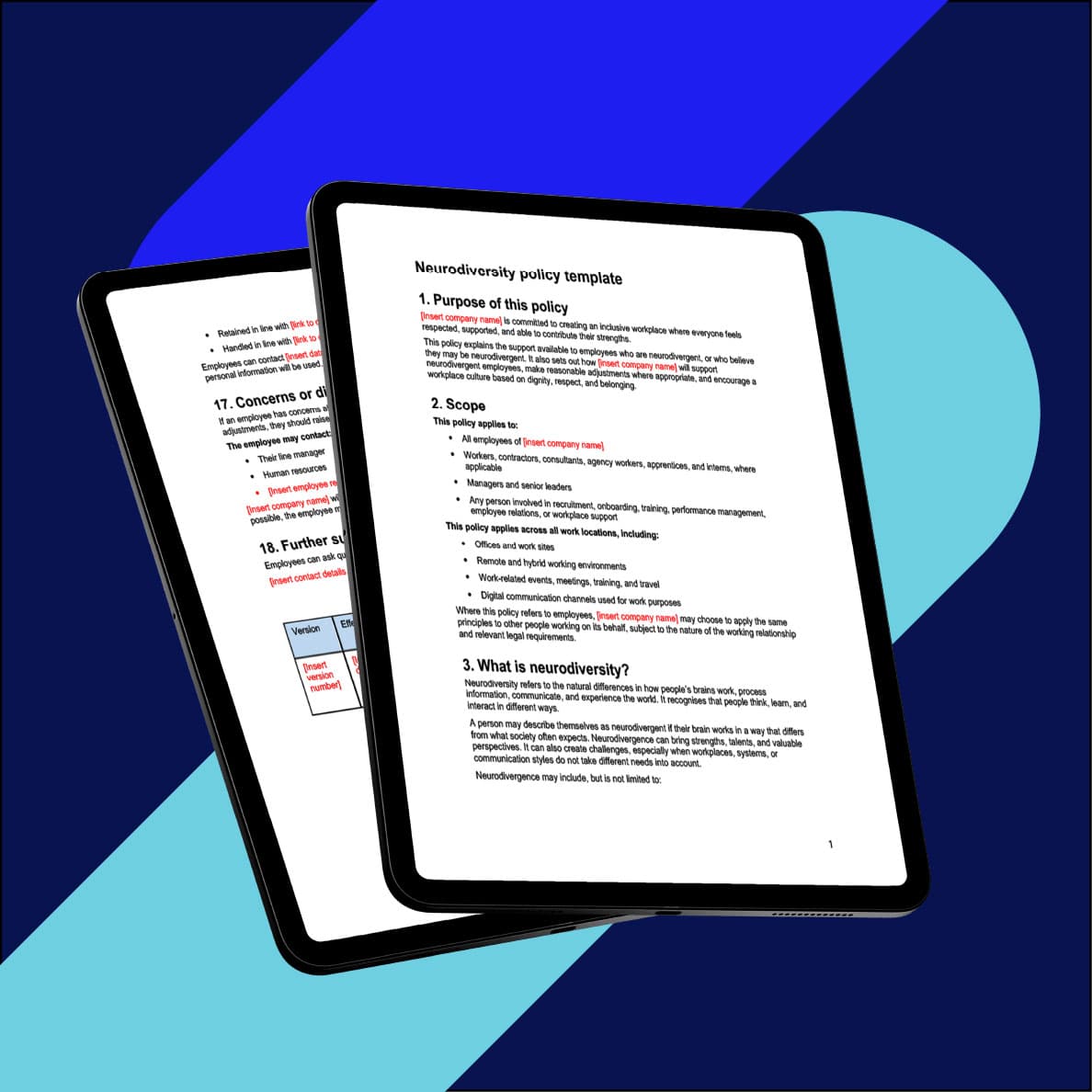
Download your free template