While organisations are paying more attention to neurodiversity, awareness alone hasn’t removed many of the barriers that neurodivergent employees experience at work.
Too often, organisational systems, processes, and expectations are centred around neurotypical norms. The result is that many talented employees continue to face unnecessary barriers, not because of a lack of capability, but because of how work is structured and managed.
What is neurodiversity?
Neurodiversity refers to the natural variation in how human brains think, learn and process information. At its core is a simple principle: there is no single ‘right’ way for a brain to function. Human cognition exists on a spectrum, and while every brain is unique, some shared patterns of thinking are commonly grouped into identities such as autistic or dyslexic. These identities can help individuals better understand themselves, access appropriate support, and receive legal protection from discrimination.
Why neuroinclusion matters now
It is estimated that around 15 - 20% of people are neurodivergent, meaning every organisation already includes employees with a wide range of neurological strengths and needs. Neuroinclusion is about recognising and valuing these differences, and designing ways of working that reflect people’s lived experiences, so that work genuinely works for everyone.
Awareness and understanding have increased in recent years. This is partly due to greater visibility, and partly because improved diagnostics mean more people recognise their own neurodivergence or that of someone close to them.
Training Manager, The Brain Charity
When neurodivergent employees are supported to work in ways that suit their brains, they thrive. That support unlocks fresh perspectives, stronger problem‑solving and greater adaptability across teams. Diverse ways of thinking lead to richer discussions, better decision making and more innovative outcomes. Inclusive workplaces also see higher engagement, loyalty and a stronger employer brand.
To inform our recommendations for this guide, we conducted two surveys in March 2026 in partnership with OnePoll. We gathered insights from 500 UK employers and 1,000 employees who self‑identify as neurodivergent, providing a balanced view of both organisational intentions and lived workplace experiences.
And our research reveals a stark gap between employer intent and people’s lived reality. While 65% of employers feel their organisation has adequate resources to support neurodivergent employees, nearly two thirds of neurodivergent employees (64%) say they have considered leaving a role because they didn’t feel adequately supported.
Encouragingly, 60% of organisations plan to increase support for neurodivergent employees in the next 12 months. Yet almost one in four do not, citing barriers such as lack of priority, fear of getting it wrong, and limited time or resources. Many of these challenges are fixable. With the right guidance, meaningful progress is often simpler, and more impactful than you might expect.
If over half of neurodivergent employees still feel disadvantaged, awareness alone is not delivering change. We need to consider implementing universal design principles to reduce the friction of thinking about what to do and when.
Founder, DoIT Solutions
About the guide
This practical, research‑led guide explores what it really takes to build neuroinclusive workplaces - not through one‑off initiatives or surface‑level awareness, but by rethinking how work is designed, supported and experienced across the entire employee lifecycle. It focuses on everyday factors such as hiring and management practices, progression pathways, flexibility and psychological safety, and how these shape real outcomes for neurodivergent employees.
The guide also features contributions from respected experts across the field, whose insights and experience are woven throughout. Thank you to…
Professor Amanda Kirby, Founder, DoIT Solutions
Dan Harris, Chair of the Trustee Board, Neurodiversity in Business
Matthew Timmis, CEO & Co-Founder, Aim Forward
Jane Cullen, Training Manager, The Brain Charity
What you’ll learn from this guide
This guide provides a practical roadmap to help organisations design working environments where everyone feels supported and valued. You’ll explore:
What neurodiversity and neuroinclusion look like in practice
Common barriers and the strengths neurodivergent employees bring
Inclusive recruitment, onboarding and assessment design
Creating flexible, sensory‑considerate and psychologically safe workplaces
The role of line managers in everyday inclusion and progression
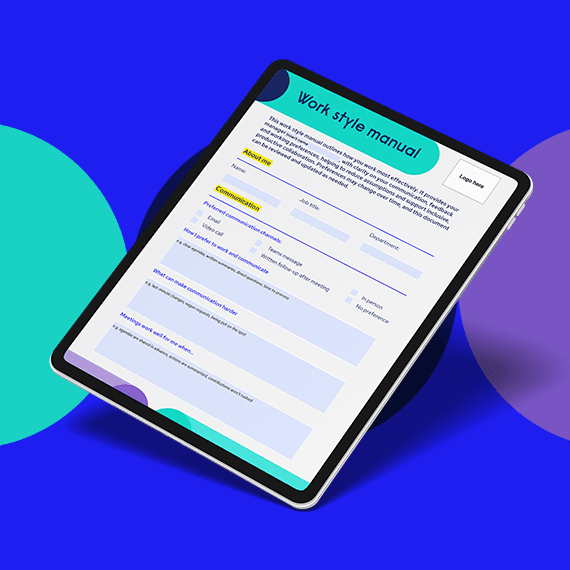
Practical tools, metrics and an action checklist for real impact
Whether you’re at the start of your neuroinclusion journey or looking to strengthen what’s already in place, this guide is backed by research, shaped by lived experience, and will help you build a workplace where different ways of thinking are celebrated.
Neuroinclusion is about progress, not perfection. Small, thoughtful changes - many of which are simple and low‑cost – lead to better working experiences for people, and better results for businesses.
Download the guide