



Watch the episode
Listen to the episode
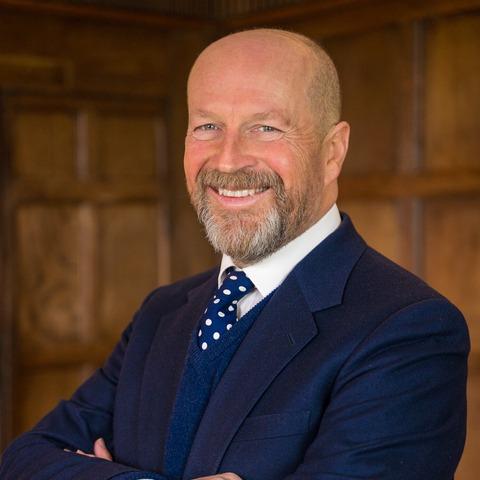
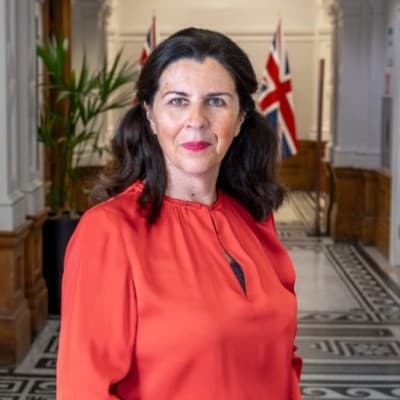
In the third episode of our summer shorts series with Enterprise Nation Founder and UK Small Business Commissioner Emma Jones. James Reed sits down with Emma for one final time, to dissect what it truly takes to transition from a running startup to a high-growth company. Emma outlines how to build a distinct brand without a massive budget, leveraging free PR opportunities like #JournoRequest, and why standing out comes down to knowing your exact story.
The conversation dives into practical sales tactics such as turning your former employer into your very first client to using persistent, value-led updates to close major buyers. Finally, Emma demystifies the funding landscape. She breaks down the critical difference between debt and equity, explains why you should raise "opportunity funding" before you actually need it, and outlines exactly what investors expect in return.
Whether you are looking to secure angel investment or simply expand your reach, this episode provides an actionable roadmap for your next stage of growth.
This episode concludes our three-part masterclass with Emma Jones. From spotting your initial business idea in episode one, to setting up your operational foundation in episode two, and scaling for growth in episode three, this series delivers a complete, practical toolkit for every stage of the entrepreneurial journey.
Timestamps (Video)
06:40 standing out and social mission
10:28 getting first customers
13:23 sales follow up and CRM
19:31 when to raise funding
20:41 funding sources and angels
25:06 debt vs equity decisions
Timestamps (audio)
06:21 standing out and social mission
10:09 getting first customers
13:04 sales follow up and CRM
19:12 when to raise funding
20:22 funding sources and angels
24:47 debt vs equity decisions
Follow James Reed on LinkedIn:https://www.linkedin.com/in/chairmanjames/
Follow Emma Jones on LinkedIn: https://www.linkedin.com/in/emma-jones-8063536/
Find out more about Enterprise Nation and the support they offer here: https://www.enterprisenation.com/
Find out more about the Small Business Commissioner here: https://www.business.gov.uk/
Submit your application to Reed’s Entrepreneurs Fund for a chance to win a £20,000 grant: https://www.reed.com/entrepreneurs
Emma: [00:00:00] The piece of advice is raise money when you don't really need it, because then you're giving yourself the time to prepare. You're doing all your projections. Understand the story that you want to tell. Understand your brand. So I would say step one
James: So far, we've explored how to identify a business opportunity and how to get your business up and running.
James: In this final episode, we're focusing on what comes next, growth. I'm joined once again by Emma Jones, entrepreneur, founder of Enterprise Nation, and the UK's Small Business Commissioner. In this episode, we'll discuss how to build a brand, attract customers, develop sales skills, and understand the different funding options available to help grow your business.
James: Welcome to All About Business with me, James Read, the podcast that covers everything about business, management, and leadership. Every episode, I sit down with different guests who have [00:01:00] bootstrapped companies, masterminded investment models, or built a business empire. They're leaders in their field, and they're here to give you top insights and actionable advice so that you can apply their ideas to your own career or business venture
James: So today on All About Business, we're going to go to episode three of being an entrepreneur and starting a business with Emma Jones, um, who's given us stellar advice, I have to say, so far on episodes one and two about how to be an entrepreneur. This episode, Emma, is, is entitled Going for Growth. So we've decided we want to be an entrepreneur, that we're gonna set out on this journey.
James: We've actually started a business that is running quite nicely, but we're now becoming more ambitious and think we can take this business, um, forward in a really dynamic way. Um, we're gonna talk about branding, selling, [00:02:00] and finance, but I'm gonna start with branding. Um, what, what does it take, in your experience, to build a brand?
Emma: Uh, I think it takes being true to yourself and knowing who you are in order to build it. Uh, I will never forget, we, um, years gone by, we used to host events, and this is sort of the PR element of building a brand, but I do think PR is important. We used to run these events called Meet the Journalist, and there was a great journalist at the time called Kiki Loizou, and at the time she was enterprise editor of the Sunday Times.
Emma: And she came to this event, and we'd got this full audience of small businesses desperate to get in her pages. And she offered this piece of advice, and I've been quoting her on it ever since, where she said, "If you don't know your story, how am I meant to report it?" And so I think step number one in terms of promoting your brand is knowing your brand.
Emma: And, um, when you ask, uh, lots of business owners, still to this day in 2026, [00:03:00] if you ask a lot of business owners who's the most famous entrepreneur in the UK outside of James Reid, they will say Richard Branson.
James: Well, I'm afraid that's who I was thinking of when you said that.
Emma: Well, this is the thing.
James: He's
Emma: been
James: around for donkey's years.
Emma: This is who most people think
James: of. We need to think of some more, don't we? But
Emma: he's brilliant at building his brand. Yeah. If you, if you Google Richard Branson and you click on the Images tab, every single image that comes up of him is constant, and it is the long-haired, non-tie-wearing, buccaneering entrepreneur who changes industries.
Emma: From the get-go, he knew his brand and he knew how it want- how he wanted it to be presented. So I would say step one, uh, understand the story that you want to tell. So are you the risk-taker? Are you the homemaker? Understand your brand. Then I do think PR is important, and for startups, there's so many journalists that want to cover you.
Emma: So then I would say get to know journalists. There's a brilliant thing on Twitter, well, formerly known as Twitter, now [00:04:00] x.com, uh, which still runs to this day. It launched o- over a decade ago. When journalists are looking for small business stories, they use the hashtag journorequest. So lots of small businesses will search that hashtag because it could be that the journalist is saying, "I'm looking for a business in London that's just started in the finance a- area.
Emma: Please contact me if, if you think I'll be a story." Oh, so they put that on X- So they put that on X ... journorequest. Journorequest.
James: So businesses should keep an eye on that.
Emma: Absolutely, when they're looking for stories.
James: Interesting.
Emma: Uh, get photography done, and again, in episode two we were talking about how to do this on a bootstrap of a budget.
Emma: One of the best ideas I ever heard from a lovely young business is they wanted top-level photography done. They made aprons. They were making beautiful aprons, and they wanted photography, but they didn't have any budget. They went to the local college, went into the photography students and said, "Will you take pictures in exchange for free aprons?"
Emma: They had a beautiful portfolio of photos done. So of course when you're sending off [00:05:00] releases, send great imagery, know your story- And the, as your business grows, and I know we're talking about kind of business growth, all the way through to as your business grows and you have become an expert in your field or the spokesperson, every time a journalist calls, say no to everything else to respond to their call, because that's the position you want to be in where journalists are calling you to say, "Right, we want your take on this particular story."
James: So you should really prioritize them.
Emma: I think PR is, well, it's a, an- and I, I'm sorry to journalists, uh, listening, PR is a free way of getting your brand out there. It's brilliant free advertising, and of course, it builds trust and credibility. So if your customers are reading about you, hearing you on the radio, it's a great help.
James: But then people get PR agents, don't
Emma: they, to help them with that? They do, but if you want to start on a bootstrap- You don't have to. You don't
James: need one ...
Emma: you can do it yourself. You don't. You can
James: do that yourself.
Emma: It's, lots of the messages that we're giving across these episodes is you can do so much yourself, and it's good to do it yourself 'cause you learn the basics.
Emma: As your [00:06:00] budget comes in, you've now got the income, now hire a PR agency because they can be going out and doing it for you. So I think it's a great way, PR is a great help, but of course, social media has been huge for brand-raising. So people are building big communities on the big social platforms, and that's another great and effective low-cost way of getting your brand out
James: there.
James: Building, building a huge following. So what does a brand actually do? What, I mean, what, what function does it actually perform?
Emma: I always feel that a brand is, and this is kind of something that's used a lot, it's what people say about you when you're not in the room. So I always think that's what's built with a brand.
Emma: And, and one of the best brand builders I ever saw in small business, and it's, it's kind of been a lovely story watching him all the way through, is years ago when I was running Startup Britain, which you referred to at the very beginning, was a national enterprise campaign, we did a food and drink event, and we had a speaker come on who was running a business called Jimmy's Iced Coffee.
Emma: [00:07:00] Well, I had never heard of this business. Uh, uh, the founder of the business called Jim Cregan was just starting out, and I'll never forget, the event was in Kingston, and, uh, I'd introduce, I said, "Next up is a young founder called Jim Cregan, who's just starting out in a new business called Jimmy's Iced Coffee."
Emma: And on stage- Comes this Lycra-wearing coffee cup. And essentially, this audience of 100-odd people, everyone got their phone out to take this picture of this crazy coffee cup that had just appeared on stage, and this is what Jim used to do in the early days. He would go and speak at events dressed as a coffee cup, imprinted across the fr- And of course, he knew everyone would take a photo, so imprinted across the whole of the front of the coffee cup was Jimmy's Iced Coffee.
Emma: So all of a sudden- Mm ... he's got 100 people for free who are spreading it out on social media. Yeah. And all the way through his journey, I thought he was brilliant at brand-building because he would then create YouTube videos of him doing raps, and it, it, it was just incredibly effective. Anyway, about [00:08:00] three, four years ago, successfully sold to Britvic.
Emma: It was a beautiful story of start, grow, build your brand, build a community, successful exit.
James: So having a bit of a gimmick or something that's gonna get you noticed is still important, and even in this digital age.
Emma: Standing out. This is what's important. Yeah,
James: standing out.
Emma: Standing out, and the people who I see who are particularly good at standing out, and they're not necessarily doing it to stand out, are the people who start a business because, uh, based on a social mission.
Emma: So, and this is, is very relevant for young entrepreneurs. Lots of young entrepreneurs see things that they don't think are right in the world, and therefore they say, "The way in which I'm gonna get round this is to start my own business." Therefore, they have a point of view and an opinion. Again, just to quote a recent example of a company doing phenomenally well is the toothbrush brand SURI, S-U-R-I.
Emma: Who's
James: been in your seat, right? Yeah. Okay.
Emma: Well, the two co-founders- Yeah ... who are brilliant co-founders. Very
James: good toothbrushes. Mm.
Emma: But again, they kind of [00:09:00] looked at a market and they said- Yeah ... "This waste is insane. We need to do something about it." So they have a point of view that's coming across in all of their promotion.
Emma: That is what helps build a brand, is when you've got something that you want to say to the world.
James: So that suggests storytelling is very important.
Emma: Absolutely.
James: And they have a special story around- Sustainability as well as teeth, which is- ... an interesting combination. So ca- gets your attention, I guess. Uh,
Emma: they also have a lovely story about co-founders and, and finding the right co-founder, so I think everything about their story is goodness, I think- Right
Emma: it's, that's how it can be summed up, and this is where it goes back to your brand is what people say about you when you're not in the room. Jimmy's Iced Coffee, super playful. It was all across the brand. Richard Branson, buccaneering. You know, this is, to get that across effectively, know your story, be consistent, and be on the channels where your community are.
James: Did you know that there are nearly 1 million [00:10:00] 18 to 24-year-olds who are currently not in education, employment, or training in the UK? This is simply not good enough, and I want to do something about it. That's why Reed is launching a new initiative giving 20,000 pounds to young entrepreneurs to help them grow their small business.
James: Visit reed.com/entrepreneurs to find out more. We want to support and encourage the next generation of entrepreneurs. So your advice to young or entrepreneurs of any age is that you should be thinking about this from day one.
Emma: Absolutely.
James: Yeah, what's your story? What's the, what's gonna make you stand out?
James: And- And make people talk about you when you're not in the room.
Emma: And get in front of journalists, because journalists can be your great friends. And as I say, journalists love innovation, newness, who can I profile- Yeah ... and so they're looking for these kind of stories.
James: And what was that hashtag you look for?
Emma: JournoRequest. JournoRequest,
James: everyone. Keep an eye out for that. So, um, [00:11:00] let's move on from branding to sales. I mean, sales, I mean, every business needs sales, otherwise it's not a business. Every business needs people who are good at sales to grow and flourish. So how, I mean, every business is different, so this c- this question is a bit of a funny one, but how do you get your first customer?
James: I mean, 'cause people are gonna say, "Well, what's that?" But, I mean, how'd you get your first customer?
Emma: Great question. Um, I particularly like seeing when your first customer, and I've, I've seen and written about this a lot, we've spoken a lot about people who may start a business on the back of a side hustle.
Emma: So they've worked somewhere else during the day, they're building a business at nights and weekends. So I love it when the first customer is actually their employer.
James: Right. Their existing employer.
Emma: Existing employer. Yeah.
James: Well, that was true of this business. Well, that was- Alan Reed's first customer was Gillette, who he used to work for.
Emma: And, and my first business- Yeah ... so I set up a first business, and I'd worked for Arthur Andersen, and our first client was Arthur Andersen. So g- I guess the message in that, don't burn bridges. No, it's
James: a very important message. It's a good point. [00:12:00]
Emma: Uh, so first- Yeah ... c- client, it, you know, if that, uh, suits you, uh, otherwise, friends and family, of course, can be good first customers, and then you want them to kind of share the word so you can go wider.
Emma: Uh, but this, uh, and I, I've said it a number of times, but the brilliance of starting a business in 2026 is you can now effectively make sales online and off. And by that, I mean regardless of what you're selling- If you want to sell offline, there's so many opportunities to pop up. So pop-up retail is so much more popular than it ever used to be, so you can take temporary leases to try something out, sell at markets where you just have to sell on a Saturday, so kind of get in front of people.
Emma: But of course, online sales, the major platforms, we know what they are, Amazon, eBay, Etsy, Vinted, Fair.com, which is- You can put your
James: products on them ...
Emma: where you just, and, and they go global. Mm. Mm. This is the other thing about the global marketplaces is the number of business owners who I've met who run such [00:13:00] efficient e-commerce businesses.
Emma: They've- they either design the product or of course they find the product. They put it on these marketplaces. You can even outsource fulfillment. So the product doesn't even come to you. You get per- perfect at the product. You also understand how the marketplaces work. You make sales all over the world, and you don't even touch the product.
Emma: So I've interviewed business owners, employee of one, run from a home office with a million-plus in turnover by effectively selling through marketplaces. So selling online via the big social media platforms, so of course TikTok Shop, very popular, Instagram, Facebook Marketplace, lots of businesses selling on the social platforms, on the e-commerce marketplaces, but I would say don't forget that in-person customer as well and
James: make sure you- No, it's very, very interesting
James: in person. I mean, that's a huge change over the last couple of decades. Uh, what, what sales skills should every founder develop, though? I mean, clearly IT is one [00:14:00] with this or awareness of, but what other sales skills?
Emma: Well, so there's another sales skill which I think is a very much a psychological and a personal one.
Emma: Uh, and James, if you'll forgive me, another story I'd love to tell of, again, I've repeated it so many times as sales prowess. Uh, there's a great popcorn brand called Joe & Seph's, and the founder is called Adam Sopher, and I will never forget him telling me the story, and as I say, I've repeated this so many times.
Emma: He wanted to get his popcorn into Selfridges. So he went into Selfridges, and of course what every retail buyer will say to you is, "To put your product on my shelves, I have to get rid of one, so understand what I'm currently selling and what my market needs." So he'd gone in, understood where the gap in the shelves were, and he found out who the buyer was.
Emma: So he contacted this buyer and said, "Hello, I'd like to introduce you. This is my popcorn. Here's how it's gonna help you make sales." And what he did next, and I think this can always be our tendency as humans, is you send an email, you don't get [00:15:00] a reply, so then ... Well, first of all, you've got to make sure you are tracking that so you know to follow up.
Emma: But rather than send an email the week later saying, "Hey, did you get my below email?" Instead, a week later, he sent another email and he said, "Just thought I'd update you. Uh, we've just got an order to be stocked on British Airways." Still heard nothing. Two weeks later, "Oh, just thought I'd update you. We've just won a Good Food Taste Awards."
Emma: Two weeks later, "Just a little update. Here's an article about us in the press." And what I love about this is he wasn't annoying her by saying, "Hey, did you get that? Did you get that? Did you get that?" He was updating her, so by the time she was ready to buy, she wrote him and said, "Thanks for all these updates.
Emma: I'm ready to buy. Come in and I'm gonna give you the contract." So this is what I always used to do in my businesses When you have the budget, set up a CRM system. In the meantime, you can just use a good Excel spreadsheet. CRM
James: stands for?
Emma: Customer relationship management. Oh. So at the beginning, [00:16:00] use an Excel- Mm
Emma: where you say who you've written out to, who you've contacted, any response, because of course you may not get a response, when you've d- done the follow-up. But the follow-up is not nagging the buyer, the follow-up is updating the buyer. And this, I think, the skills required for that, good organizational skills to kind of keep track, but also persistence.
Emma: And this is what entrepreneurs have to have by the bucket load, is the ability for people to say no, and one line I love about entrepreneurship is getting to a yes is just going through seven nos before you get to the yes. Yeah. So just not giving up. We've said this many times. Don't give up, but don't nag.
Emma: Just keep the person updated, show your growth and traction, because of course at the end of the day, what buyers want to buy is they want to feel trust in who they're buying from, and of course anything that builds your credibility and confidence in the buyer is good to do.
James: I like that, the, the updating.
James: I [00:17:00] mean, we all get emails from people saying, "Have you seen my last email?" And trying to sort of shame you into replying. But this makes you feel curious, "Oh, what's happened there now?" And eventually you might ring them back or say, "Come in for a chat." Very good advice. Thank you. Um, how much time should the entrepreneur or founder spend selling themselves?
James: Great question. As opposed to doing other business functions.
Emma: Great question. I think this goes back, and, and sorry to kind of repeat this, but I think this goes back to this point of focus on what you do best and outsource the rest. So, um, if you are great at the external selling, presenting, promotion, and if that's the thing that delivers value for your business, I would say you want to spend a lot of time doing it.
Emma: If that is not your strong suit, find someone who has got that as a strong suit or kind of build your support network around it. And so personally for me at Enterprise Nation, I spent a lot of time [00:18:00] out and about promoting the brand, winning new work, because that's what I do when in the business. If it's not your thing, find others who do it, but I would say what you do want to make sure is that your brand and your business is known, is being spoken about, because this is where it comes back to.
Emma: It helps you win work from customers, but it also helps you win employees. So the more that you're positively known about, people want to work for you, people want to fund you, and people want to buy from you. If they don't know about you- Then you don't have that credibility.
James: A slight pushback on that. I, I completely accept your point, you know, play to your strengths, which we discussed in the previous episode.
James: But there's a risk, isn't there, if you're not involved with selling at all, that you become, as a founder or entrepreneur, remote from the customer, and thereby less tuned in to the customer, and less able to really sort of adapt your offering to the needs of the customer because simply you're not in touch anymore.
James: You're in some ivory tower if you've [00:19:00] been successful, or a dingy back office if you haven't. But either way, you're not in contact with customers. Isn't that a risk?
Emma: It is a risk, and of course, this is... Businesses have to continue to refine what they offer and, and it, it brings me back to, I once interviewed a founder who ran a very successful food and drink business, and there were three founders in his company.
Emma: And when I said to him, "What do you, what do you all do?" He said, "I'm the salesman." He said, "My second, uh, co-founder focuses on the finance, and my third co-founder focuses on the operations." And I remember thinking in that interview, "I am so jealous that you have those three people," because across that skill set, you've got everything.
Emma: They each knew what they were meant to do, and it works in harmony. You know
James: what I was thinking when you said that? Just find a good recruiter and hire the other two. Or do that. Yeah.
Emma: Keep hold of your equity- Yeah, exactly.
James: That's what I was thinking ... and hire the good people. Yeah, yeah, that's what you should do.
James: But, um, it's... But both are true.
Emma: Yeah.
James: It's the same message. [00:20:00] So play to your strengths. Play to your strengths. It's a good message. Um, and I'm, I'm with you on that. So let's move on to money. We've talked about brand, we've talked about sales, let's talk about funding growth as we want to scale up our business.
James: Yeah, at what point should a founder think about raising money? I mean- Or should they at all? I mean, can they... I- is that necessary in the entrepreneurial journey?
Emma: Well, I think it does have to be a conscious decision from the founder to raise funding. Um, and I think the point, and we've spoken about this a few times, I feel that the point at which a founder should consider it is when they have honed what it is that they're doing, and they feel, "If I don't raise money to scale it, I won't get the scale that I'm after."
Emma: And I think that's the point at which lots of businesses say, "Right, I have to raise money because without it, I won't get the accelerated growth I'm looking for." Again, good thing about this is there's so many sources of funding available. And in fact, if anything, in the UK at the moment, there's a lot of funding [00:21:00] available, there aren't enough businesses going for it.
Emma: So at the moment, we have an issue with lack of demand rather than supply. But my advice to-
James: Well, th- when, hang on. Mm. You say that, but funding from whom? Well- Who's not getting the demand?
Emma: So this is... Well, there's funding available, and this is where it kind of looks like a funding escalator, I guess you could call it.
Emma: So angel investment, so lots of people start by saying, "I'll start with angel investment." So, you know, people talk about this friends and family round, where friends and family contribute funding. Yeah. Then into slightly more sophisticated angel investment, and then what we do have is these big venture capital funds.
Emma: I've mentioned in, in the, in the last episode, Start Up Loans, which is funded by something called the British Business Bank. So the British Business Bank, government funding, has got funds going out across all English regions. Scotland, Wales, Northern Ireland have their own funds available as well. Um, so the high street banks, the British Business Bank funds, angel investment, this is all funding that's available to [00:22:00] entrepreneurs and startups.
Emma: What we're hearing is that the funding is there, but, and this is partly potentially to do with bounce-back loans during COVID, there is a slightly, uh, risk appetite from small business owners at the moment is quite low, because many took on bounce-back loans and don't want
James: to get into a debt position again.
James: There might be other reasons that we could, we could, you
Emma: know, investigate. Absolutely,
James: yeah. But the, the demand is subdued.
Emma: Yes.
James: Yeah. Maybe you should cut the interest rate
Emma: What, me? I think that's- I think that,
James: I think- So we could- That's either- Come to the bank for a better deal ... the Bank of England's governor decision. Yeah, yeah, yeah. But maybe that, yeah, the, to match up the supply and demand or is all I'm thinking. But so, but what, what I'm hearing, and it's helpful, is that there are places people can go where you will find financial support, some of those places are publicly funded.
Emma: Absolutely. So for angels, and, and again, James, you may have had guests who've spoken about this before, a very popular tax relief in the UK that continues to be underway is EIS, so Enterprise Investment Scheme. So this is, as a [00:23:00] business, when you're raising investment from angels, they get a ta- the angels get a tax relief.
Emma: Great place to look for angels is something called the UK Business Angels Association. Lots of regional angel networks.
James: So an angel is actually a person who invests in a business.
Emma: Sorry, I should have described that. No, no, yeah,
James: just to be clear. I was just- Yes ... sort of, yeah.
Emma: Angels are high net worth individuals.
Emma: Yeah. Sometimes they invest as an individual, but more often than not, they come together with other angels to form
James: syndicates. Did they make this word up for themselves? So, yeah. So an angel investor is a, a, an individual typically who will come and, uh, uh, take an interest in investing- Who will put cash in
James: in startup small businesses. Yeah.
Emma: An advice to business owners is, uh, if you are looking for angel investment, ideally look for angels who've got industry experience in your sector as well. So if you can accept funding, but also could they open the doors to sectors that you're wanting to get into, that's kind of then the icing on the cake.
James: Because you're getting smart investment in the [00:24:00] sense that they'll help you. They can bring in
Emma: ideas and- Absolutely
James: So, so, um, how do you know whether your business actually needs funding?
Emma: Well, that's a great question. Uh, well, dare I say, goes back to having an accountant on side.
James: Yeah.
Emma: Uh, so I guess there's a, a- and again, a, a message that's often used is, uh, you want to be raising money when you don't need it, and I do agree with this.
Emma: Lots of business owners have to raise money because they need it, and in fact we've seen this a lot recently, is when business owners have to pay tax bills, they will go to rapid forms of funding in order to get the funding to pay a tax bill. What they're having to do is pay very high interest rates because they haven't given themselves the time and the preparation.
Emma: So first of all, the piece of advice is raise money when you don't really need it, because then you're giving yourself the time to prepare, you're doing all your projections, but [00:25:00] dare I say, you're also going into a position of raising funding where it's not necessity funding, it's opportunity funding, where you're kind of saying, "We, we either need it or we don't.
Emma: It's just a nice to have it." That's a nice
James: way
Emma: of thinking about
James: it- But you're in such a strong position ... thinking about it as opportunity funding. What are the opportunities that this would open up? And that's the- Um, beyond day to day I think is interesting. Yeah
Emma: And that's the best form of funding, and as I say, ideally growth funding does what it says on the tin.
Emma: It gives you the funding to move into new markets, go overseas, hire your next 25 people. So if it can be for growth, it's a good story for everyone
James: So I know the answer to this, but I want you to tell me. What, what's the difference between debt and equity funding?
Emma: So debt funding is when you borrow money and you pay it back with interest rates applying, so it's a loan.
Emma: Equity funding is when someone invests in your business in exchange for shares. So you as the founder have to [00:26:00] decide, do you want to surrender equity? Even though I was always told never to use the word surrender, because you're not surrendering it, you're giving equity in exchange for whatever funding- You're selling
James: it basically, aren't
Emma: you?
Emma: You're selling it, yeah. Yeah. So, um, equity is you as the founder will have a reduced shareholding, and of course, with equity funding comes voting rights for the shareholders who are now shareholders in your business. And, um, we've mentioned this previously, James, is the more that you know yourself as a founder, the more you will know the form of funding that's right for you.
Emma: If you don't like to be told what to do, or you feel that you want full control of your business, debt might be better for you. It's on clear terms, you're borrowing, you pay it back. If you are looking for supportive investment and a board and shareholders who will come and be involved in the business, equity investment could be your route to go.
James: Yeah, I suppose it's interesting to weigh up the relative [00:27:00] cost of each of these. I mean, there'll be a price attached to both, whether it's the interest rate or the price of the shares. Um, that's important. Now, you said right at the beginning of our shorts about entrepreneurs being people who are looking for freedom and flexibility.
James: You just used that word control. I mean, you are risking control with either of these actually, because the, the debt will come with certain caveats, and if you don't meet them, you know, you might lose control. And similarly with equity, you know, if a, a new buyer comes in and, um, becomes sort of more and more sort of established.
James: So it's in... And I think that's a key decision for people, isn't it? Debt or equity and how they're gonna do it.
Emma: It is a key decision, but it's also part of the learning journey for entrepreneurs, and we spoke about this previously, is- You start a business, you're full of life, you're full of optimism, the business is growing, you're doing a great job.
Emma: It gets to a stage where you have to become a leader, and dare I say, a [00:28:00] manager, because when you start, it's probably just you. If you're scaling a business, you may have a considerable team. You need to manage that team and be a leader, and, uh, part of becoming a leader is working in collaboration with others.
Emma: So I think this is part of the self-awareness of founders, and I, and I do say, and I know I've said it repeatedly in the sessions, having a mentor, having an advisor who can help you through that, I think is a really useful thing to have. Uh, just from a personal experience, when I, um, was selling my last business, Enterprise Nation, um, I had a moment where I went to my mentor and said, "I'm just not sure about this.
Emma: It's kind of giving up control." And he said to me, "You have to get comfortable with being uncomfortable." And I think this is the thing, is having people around you who can help you through that journey of maybe surrendering some equity, having to work in collaboration with others. It's not a [00:29:00] bad thing.
Emma: It's just an evolution of you being a founder. So it's all part of that learning journey.
James: So being an entrepreneur is becoming comfortable with being uncomfortable.
Emma: I think
James: it is. Absolutely. I, I would agree with that. So are there other... What are, what other different funding options are available for growing businesses, just as we come to the conclusion of this session?
James: You know, we talked about debt, equity. Anywhere else you would point people where they can get funding? Well, I guess the
Emma: banks. The
James: banks is an, is an obvious one. It's
Emma: amazing. We, we haven't actually used the word bank yet- Just go to the bank. Yeah, that's it. Yeah ... in, in talking. Well, British Business Bank.
Emma: So the banks, uh, of course, are all open for business, and they all want to help their ambitious companies who are growing. British Business Bank is increasingly becoming such an important source of funding. Uh, and as I say, they are the kind of lender of first resort to lots of venture capital trusts across the UK, so I think that's a really good place to start.
Emma: And actually, on the British Business Bank website, there is something called the Finance Finder. It's either called Funding Finder or Finance Finder. And again, small business owners can go on there. They can say [00:30:00] what stage they're at in their journey. They can say- Oh, very useful ... are they looking for debt or equity, and then it will show all of the options available to them.
Emma: So a little signpost again. Absolutely. And then just the final thing I would say on this is being ready to raise the funding I remember years ago we hosted an event called Show Me the Money, and it, I, it, I remember it was a really hot day and we hosted it at KPMG Canary Wharf, and we had 400 small business owners coming in, and across all the wall we had all these funding providers.
Emma: And if you were a business, you wore a sticker saying, "I want money," and if you had money, you wore a sticker saying, "I've got
Emma: money." Well, it's quite basic. Um, well, it was, it was incredibly basic- Yeah ... and we literally matched the two. But the thing that I remember of that night, and I thought, "Oh, it's the thing we've got wrong," is we had all these rabid small business owners saying, "You've got money, I want your money." But the bit in the middle was saying to the small business owner, "What do you want the money for?
Emma: So what will it do? How will you give a return to the person who's gonna give you the money?" Yeah. That point of preparedness was something that we [00:31:00] missed and we shouldn't have missed. So I would say across all of this, I do go back to accountants, the role- Mm ... of trusted accountants. They can help you prepare, so hopefully the funding journey is as seamless as possible.
James: So yeah, so that takes me to my last question really, is what do investors actually want to see?
Emma: Well, they want to see a successful business and a return on their investment, and this is where it comes back to, uh, business is, is quite a basic thing at its fundamental level. If I'm putting money into a company, and I'm doing that for commercial gain, I want my money out of that company at a certain amount of return.
Emma: Um, and so for you as the founder, you have to go into the funding journey knowing that. So everyone has to go in with clear expectations, and the one thing I will say-
James: So you're gonna wanna sell at some point.
Emma: So whether it's a sell or whether they then sell their shares to someone else- Yeah ... but you as the founder have to go in knowing that.
Emma: And, um, just [00:32:00] again, from a final personal experience story, at Enterprise Nation at the beginning of 2018, I took on, uh, angel investment from a, a brilliant entrepreneur called Sir Richard Harpin, and- Also
James: has been in that chair.
Emma: I thought he might have been. Sir Richard Harpin gets everywhere.
James: Yeah.
Emma: And, uh, mine was quite an odd story.
Emma: I'd gone in to meet him. By the end of the meeting he said, "I want to invest in your business." I said, "I'm not looking for investment." Anyway, you know, the months go on and, and Richard invests in the business. But the reason I tell this story is having Richard's investment in Enterprise Nation gave me as the founder absolute accountability that I knew what his expectation was, and when you have, when someone's vested money and their expertise in your company, and you know that they want that return, you have the deliverables on your head.
Emma: So I, that accountability was a good thing for me. I focused, got my head down, delivered. Um, and so you have to, as a founder, you have to know [00:33:00] that that's what the investors are looking for. They're looking for a return on their investment.
James: Investors are looking for a return on their investment. That's a very good place to, for us to finish.
James: Thank you so much, Emma, for coming in and talking to me about how to start, grow, and build a business. Um, it's been fascinating, and lots of really useful pointers for people listening who are setting out on that journey. Um, thanks so much for offering your advice and support. Where can people find you if they, if they want to ask you more questions, dare I say?
Emma: Yep. So I'm running the Office of the Small Business Commissioner, so if you Google that, I'm on LinkedIn, and we're a very accessible, uh, organisation, so please do get in touch.
James: Oh, I'm very pleased to hear that. Thank you very much for coming in.
Emma: Thank you, [00:34:00] James.
This podcast was co-produced by Reed Global and Flamingo Media. If you’d like to create a chart-topping podcast to elevate your brand, visit: http://flamingo-media.co.uk/