
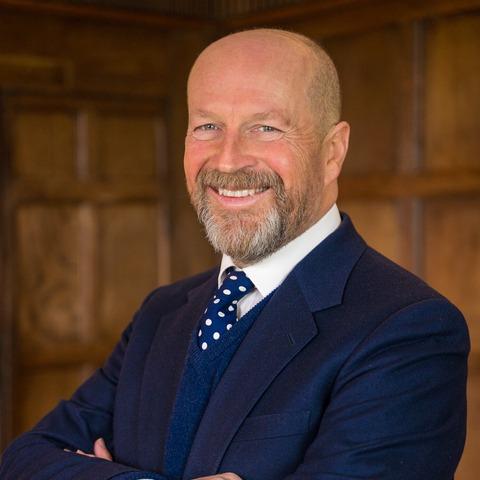
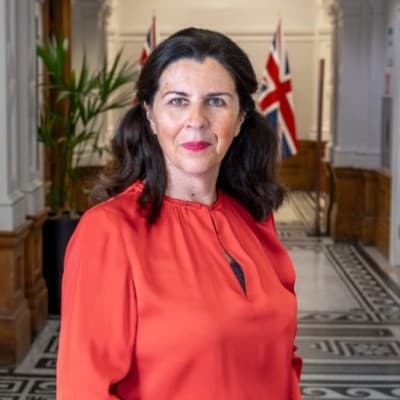



Watch the episode
Listen to the episode
In this episode of all about business, James sits down with Emma Jones to break down the mechanics of turning an idea into a fully operational company. In part two of their interview, Emma walks through the real-world choices every founder faces. From writing a lightweight five-page business plan to deciding whether to trade as a sole trader or a limited company.
Emma shares why cash flow, not profit, is the ultimate reality test for a startup, how to protect your brand name without spending thousands, and why bootstrapping for as long as possible gives you complete commercial clarity.
This short episode delivers a practical blueprint for managing your admin efficiently, choosing the right insurance, and ensuring your business stays cash-solvent from day one.
Timestamps (video)
05:28 sole trader vs limited
08:05 registering and accountants
10:23 outsource and hire smart
13:50 protect your IP
17:28 bootstrapping on a budget
19:27 funding options
21:00 costs, cash and getting paid
Timestamps (audio)
05:13 sole trader vs limited
07:50 registering and accountants
10:08 outsource and hire smart
13:35 protect your IP
17:13 bootstrapping on a budget
19:02 funding options
20:45 costs, cash and getting paid
Follow James Reed on LinkedIn:https://www.linkedin.com/in/chairmanjames/
Follow Emma Jones on LinkedIn: https://www.linkedin.com/in/emma-jones-8063536/
Find out more about Enterprise Nation and the support they offer here: https://www.enterprisenation.com/
Find out more about the Small Business Commissioner here: https://www.business.gov.uk/
Submit your application to Reed’s Entrepreneurs Fund for a chance to win a £20,000 grant: https://www.reed.com/entrepreneurs
Emma: [00:00:00] You can now start a business for less than 100 pounds. If you can, bootstrap for as long as you can because you as the founder gets to understand the commercials of the business, what's selling, what's not selling
James: Business grows fast. You could be making a profit and run out of cash. Last time, we looked at how to come up with a business idea and what it really takes to be an entrepreneur.
James: Now it's time to turn that idea into a real business. I'm joined once again by Emma Jones, entrepreneur, founder of Enterprise Nation and the UK's Small Business Commission. In this episode, we'll cover the practical steps every founder needs to take when starting out, from writing a business plan and choosing the right business structure to managing cash flow, protecting your intellectual property, and launching on a budget.
James: Welcome to All About Business with me, James Read, the podcast that covers everything about business, management, and leadership. [00:01:00] Every episode, I sit down with different guests who have bootstrapped companies, masterminded investment models, or built a business empire. They're leaders in their field, and they're here to give you top insights and actionable advice so that you can apply their ideas to your own career or business venture
James: Well, today on All About Business, I'm delighted to pick up episode two of our Summer Shorts with my guest, Emma Jones. Um, Emma, you were so brilliant about what, what it takes to be an entrepreneur. I want to ask you now about setting up your business and how to go about this. So the f- the first question is, how important is it to have a business plan?
Emma: Well, I think it's critical, and James, there is a b- divided opinion on this. Yeah, there is. Okay There is divided opinion.
James: So come on. I might push back, but why
Emma: do you think it's critical? Uh, well, so a lot of people say to me- Mm ... "I'm not gonna write a business plan. A plan is not worth the paper it's written on [00:02:00] because things are changing so quickly."
Emma: And I understand that, but I have long believed that having a business plan is like having a route map. So you go on a journey, you are here now, you want to get to a certain destination, and you're gonna have stops along the way. And I feel that the discipline of writing a plan essentially helps you say, "Here's where I am in my business.
Emma: This is where I want my business to get to, and these are the things that I need to do to get it there." Uh, so I think starting out, it's useful to have a business plan, and, um, I always used to say it's very easy to remember what to include in a plan because it spells IMOFF. So what's the idea for your business is section number one.
Emma: M is for the market that you're gonna serve, so who are your customers? O is for the operations that you need to get up and running. F is for finances, so to do a basic cash flow forecast and figure out if you need to raise any funding to get going. And then the final F is for friends, so who is your team?
Emma: Who's your support [00:03:00] network? So if you write all of that down, it forces you to think, "Well, who is my market? How am I gonna sell to them? How am I gonna get my brand out there?" And writing it down gives you that sense of direction, and then my advice is probably check in with your plan about every six months.
Emma: And of course, things will have come in from the left-hand side, from the right-hand side that you didn't expect, but try and stay true to that plan and review it, as I say, every couple of times a year.
James: I'm off. I've never heard that before, so I think that's very helpful. That might have persuaded me to be more structured around things.
James: I was gonna
Emma: say, you look doubting on this
James: plan idea. Well, yeah, yeah. I mean, I was, I was just always taught only fools forecast. That was... And, and a plan is a sort of forecast, and the world is so unpredictable that it's, you know, the plans I've been involved with never come true. They're either blown away because the, the businesses outperform them or, you know, they look as a, as a wishful thinking 'cause the business hasn't delivered.
James: But it's, I think, I think, I don't want to [00:04:00] contradict you, because I think it is helpful to order our thoughts by putting them into a structure like that.
Emma: Absolutely.
James: But at, at the same time, being super conscious that things change, and they s- and they change fast. Would you agree? You're nodding.
Emma: I, I would agree with that, and this is where you've gotta have flexibility built into the plan.
Emma: Yes. So know the direction in which you want to go, but also know how you're gonna deal with unexpected challenges, but also hopefully opportunities.
James: Yes. So how detailed does it need to be, then, this sort I'm off?
Emma: Well, it depe- at the outset, not too detailed. So this is the thing, it doesn't have to be such a Herculean task, and this is what I think puts people off.
Emma: Are you
James: thinking, like, four pages or something? Five pages. Five
Emma: pages. So one page- One page for each ... and in fact, this is, uh- Mm ... quite often when it comes to pitching businesses. People say if you, if you think of it in the form of a slide deck, it's m- maximum of 10 slides. So what's the problem I'm going to solve?
Emma: The idea. Mm. Who's my market? What do I need to get up and running? The financials. And then your team, and that's pretty much [00:05:00] all you need when it comes to getting started. Well, that's ve-
James: hel- helpful. So don't worry, it doesn't have to be too cumbersome. Five to 10 slides and you're done.
Emma: Absolutely. And of course, if you're raising funding at an early stage of starting a business, you're gonna have to do this anyway.
James: Yes, 'cause they'd expect you to have a presentation.
Emma: Surely.
James: But if you're not raising funding, don't worry about it. You can finance your business from your own cash flow. So that's the ultimate freedom.
Emma: It is.
James: That is the ultimate freedom. So what about this practical stuff that nobody talks about? I want to ask you about some of these things.
James: Sole trader or limited company, which way should people be thinking of going?
Emma: Great question. So when you're first starting out, lots of people do start as a sole trader. Now, the key difference between a sole trader and a limited company is, as a sole trader, you and the business are as one. So you are super entwined because you are the sole trader.
Emma: The admin burden is less when you're a sole trader, so you do have to inform HN Re- Revenue and Customs, but there's no filing [00:06:00] responsibilities apart from a self-assessment tax return. Do you get a given, you get a number
James: or something?
Emma: You do. Yeah. You get a number from HMRC. They want to know how much you're earning, and you need to do that probably within about six months of starting to earn.
Emma: That's what you're income is. Correct. Limited company is where you set up a company at Companies House, and you and the company are distinct entities. So you are an employee and a director of the company, so therefore, if anything should happen to the company, you can walk away, whereas, of course, if you're a sole trader, you're personally interconnected with
James: it Well, the key difference, it has limited liability-
Emma: Correct
Emma: does a
James: joint stock company.
Emma: Correct. But limited companies, people tend to, what I see happen a lot, is people will start as a sole trader. When the business gets serious enough that they feel, "Actually, I really have a, a legit business here", they will move it into becoming a limited company.
James: What, what's serious enough in your experience?
Emma: Well, se- it, it depends on whatever that person feels is right, but it's usually based on revenue. So when you get to a certain stage of generating revenue, [00:07:00] maybe the person has started it. We spoke in the first episode about side hustles, so maybe the person has started out as a sole trader in their spare time, the business is getting traction, and then they think, "Well, actually, maybe I am going to apply for a loan.
Emma: Maybe I am going to start a business bank account." So part of that admin is actually, in which case, I'll start a company. The one thing I will say, James, and I know we'll talk about intellectual property and protecting your brand, it could be worth, if you come up with a brand name for your business, it could be worth you registering the company at Companies House anyway because it gives you extra brand protection.
Emma: So if you've got all your social media handles in a brand name, you've got a domain name in that brand, you might also want to register a company. And what you can do is just essentially file dormant accounts every year. Doesn't cost too much to do, but at least it adds to your brand.
James: I see. Because actually you're trading as a sole trader, but you've got it registered.
Emma: Correct. And that just helps- For a brand ... with brand [00:08:00] protection if people come and question it.
James: Does it? I didn't know that. So- When should you register then if, w- if you've started a side hustle
Emma: or? Well, as a sole trad you should register with HM Revenue & Customs when you feel, I mean, this is a very, uh, sort of fluid answer, when you feel that you are making money from a business, that's when you should tell the tax man
James: that
Emma: you're
James: doing it.
James: When you say making money from it, well, that's more than sales then, is it?
Emma: It, well, it's like, so the way in which HMRC looks at this is if you are selling used things from your house on eBay, and it's just you're finding odd, or on Vinted, they don't really want to know about you because you've got a personal allowance.
Emma: You're not doing it for business purposes, so you don't have to tell the tax man. If, however, you are selling goods and you want to start it as a business, you should really tell the tax man as soon as possible that that's what you're doing. So
James: get registered is your advice.
Emma: So as we said in episode one, if you're starting a business, you're doing everything in the company.
Emma: You're making the sales, doing the [00:09:00] marketing, doing the finance. But as budget comes in, as soon as possible, I would say find a good accountant. They can help you make the decision as when you move from sole trader to limited company. They can help you do tax returns, understand when to register for VAT.
Emma: And it's really interesting because when you, um, ask accountants what are their fees, and I had this repeatedly when we used to run events, accountants will say How long is a piece of string? It depends on how big the business is. But actually, if you're a small business with not many people on the payroll, hiring an accountant is not too expensive.
Emma: You could be looking at about 500 to 600 pounds a year, and I would say that that is money well spent, because one of the things you have to do as a business owner as you start and grow your business is understand the value of your own time. So if you as the business owner are really good at the selling, but you're spending 14 hours every month on the accounts, you have to think, "What is the [00:10:00] cost of that time?"
Emma: And actually, if you outsource that to someone who is an expert in that, it frees up 14 hours of your time that you could instead be making the sales.
James: Did you know that there are nearly one million 18 to 24-year-olds who are currently not in education, employment, or training in the UK? This is simply not good enough, and I want to do something about it.
James: That's why Reed is launching a new initiative, giving 20,000 pounds to young entrepreneurs to help them grow their small business. Visit reed.com/entrepreneurs to find out more. We want to support and encourage the next generation of entrepreneurs. If you're asking yourself as a entrepreneur what parts of the business administration matter the most, you're saying start with accounting.
James: Is that right?
Emma: Well, I know
James: this is not helpful. Or is there something else that- I'd
Emma: say all parts of company admin matter.
James: Yes, but, you
Emma: know- The, the big piece of advice I always used to give to founders is, as I say, for [00:11:00] the first however long, you will do everything in the business, and that's good because as the founder, you need to understand how your business operates.
Emma: You need a basic understanding of accounts. You need to understand how the marketing works. But as sales grow and as budget comes in, you of the founder then have to have some self-awareness of what your greatest contribution is to the business. And it may be that you're brilliant at creating the product or selling the product, or maybe you're brilliant at the finances and the back office, and so you need help for someone to externally promote the company.
Emma: And so therefore, my advice is focus on what you do best and outsource the rest, whether that be full-time hires or getting in contractors or trusted advisors. Focus on what you do best as the founder and outsource the rest as soon as you can. Very few founders are trained accountants, and that's why I say if you can, sooner rather than later, hire a trained accountant, because if you're not one, they'll be [00:12:00] able to do the job much quicker than you.
James: Or if you're thinking of starting a business in the future, learn to be an accountant.
Emma: Well, that could
James: be another option. And you might be able to, uh, like save you some money and give you some skills that would be helpful. I certainly know several accountants have been very successful entrepreneurs. Um, so you're saying play to your strengths and fill the gaps with skills.
James: From other people- Absolutely ... when they're hir- hiring other people. And it's worth adding, you know, from a recruitment perspective, you, you could take on temporaries. You know, temporary staff could help. You might have temporary finance people or temporary salespeople, which is a flexible way of managing your costs, or you could take on contractors.
James: You know, it doesn't have to be the commitment of hiring someone full-time- Absolutely ... necessarily when you're starting up, so. Um, what, what insurance should people think about? This word comes up a lot, insurance, in business. What do they need?
Emma: Well, it's interesting 'cause people rarely think about it because they see it's the boring bits of business.
Emma: Uh, but when starting up, it is useful to have. So if you are selling services, so you're a copywriter, you're a [00:13:00] designer, you're a lawyer, you're an, an accountant, uh, what you do need to have is professional indemnity insurance. So of course, this protects you in the event that you give advice, somebody acts on it, something goes wrong, and then they come back to make a claim.
Emma: So professional indemnity insurance you need for services, and if-
James: So that's if you're shown to be negligent-
Emma: Correct ...
James: you get the, this, you're covered. Professional
Emma: indemnity, you're covered. Right. So your insurance policy covers, so useful for you to have. Mm-hmm. Uh, if you're selling product, and we mentioned this in episode one, lots of young people starting food and drink, vitamins, wellbeing businesses that are selling product, you need, uh, essentially what's called product liability insurance, and this is in the event someone buys your product, something happens, and then again, they come-
James: They've taken ill or something, yeah.
Emma: But the good thing is, is when you're starting out, insurance isn't that costly. So it's one of those things that people put off 'cause they think it'll be a big expense. Uh, there's brilliant websites. Um, to name one, there's one called Simply Business where you essentially just go on, you say, "This is what I'm [00:14:00] doing.
Emma: Here's how many employees I've got," and then of course you get all of these options. So it's- Oh, so
James: you can buy the insurance through Simply Business then?
Emma: You can buy the insurance e- either direct through the insurance providers, or Simply Business- Yeah ... is like an aggregator that just gives you- Will point you
Emma: multiple options.
James: Oh, fantastic. Well, that's useful to know. Yeah.
Emma: So great place to start, and as I say, not as expensive as you'd think, but it gives you that protection from the outset.
James: So another sort of related area in this sort of practical stuff section is when should founders worry about intellectual property?
Emma: Yeah, I love this one. From the start, but again, we, we rarely do.
James: From the start?
Emma: From the beginning, and, um- Even
James: when you don't have any?
Emma: Even if- Well, but everyone does, and this- Come on
James: then, explain ...
Emma: this is one of the first messages I give to businesses- Hmm ... is you may think, and, and, and I think there's a, a sort of a, a concept, and I, and I get this, that intellectual property is just for those businesses who have world-beating patents.
Emma: But it's not. It's for anyone. So anyone who starts a business is [00:15:00] probably going to give that business a brand name, so that is a form of intellectual property. And the story actually that I tell on this, and it's interesting that we're in Holborn, because this story happened just around the corner, is years ago, we used to run competitions where Sainsbury's would, uh, want new suppliers, and so it was called Pitch Up, and we would get small businesses pitching to Sainsbury's to win a contract.
Emma: Who were
James: just around the corner as well.
Emma: Who were just around the corner. Yeah. So it happened just around the corner.
James: Ah.
Emma: And a wonderful little business won this contract, and it was a business started by two moms, and they did iced yogurt lollies for children And they had a certain name attached to them.
Emma: They won a contract. The contract was to be stocked in 400 Sainsbury's stores. You can imagine that everyone was absolutely delighted. And a week later, I got a call from the founder, and she said, "Emma, you're not gonna believe this, but because of the profile we've had from winning this pitch-up competition, a huge company has got in touch with us and said, 'You can't use that brand.
Emma: [00:16:00] We own the trademark and the copyright to that brand.'" This company had to completely rebrand. It was called Yolly Lolly. Uh, it is not called that anymore. Anyway, it's a- Someone else had that ... it's, it's a happy ending to the story. Sainsbury's kept the contract, they renamed it, they're now selling everywhere.
Emma: The stor- message in that story is when starting out, this is stuff that you can do for free. Go onto the Intellectual Property Office website, which is ipo.gov.uk, and you can just search. Don't, you don't have to ne- Well, you
James: put your brand idea in and
Emma: it- Yeah, just search to see if anyone else has got it.
Emma: Yeah. So you can search for trademarks. You put in the name. If somebody else has got it, that probably tells you, okay, somebody else is using it. If they haven't, you can do a first form of protection for free, which is called getting a copyright, so no cost for that.
James: If it's your own name, you can't be stopped from using it, can you?
Emma: Well, uh, you must have seen the story of Jo Malone, who sold- Yes ... her company to Estée Lauder and now [00:17:00] cannot use her name.
James: I know, it's 'cause, that's 'cause she sold it. Sold,
Emma: yes.
James: Yeah. But if you start your business as, you know- With your
Emma: own name ...
James: if, if my name was Yolly Lolly or whatever and I started the business, they can't stop me, can they?
Emma: Well, I still think it's good to get it protected.
James: I'm not encouraging people to change their name by deed poll to do this- ... but I mean, it's sort of in, I think- Well,
Emma: case in point,
James: Reece ... it's, but it's, well, it's an interesting th- I think if it's your own name It's hard for-
Emma: I still think it's worth having it protected
James: Yeah, yeah.
James: Okay. So, uh, well, I agree. And if, if- I mean, if you can protect your own name, even better, but, uh, I agree
Emma: And so much that can be done on a- And it's
James: not that hard
Emma: to
James: find out- On a bootstrap of a budget ... is what you're saying.
Emma: Absolutely.
James: So what's the n- what's that website again?
Emma: IPO.gov.uk where you can search and register trademarks.
Emma: So if you decide to go ahead and register a trademark, it's about- Right ... £170 to do that, but you can register copyright for free.
James: So you've given lots of useful pointers here about how to get insurance, how to get set up and started, informing HMRC, getting the right trademarks. Thank you for that. Um, now, [00:18:00] if you want to bootstrap a new business, I mean, how much, how much money do you need to start a business?
James: Let's talk real nitty-gritty now.
Emma: Not much. Um- Not much. Not
James: much. What,
Emma: what's not
James: much?
Emma: And it, it depends on the business- Um, uh ... but this has been, I think, the other breakthrough as to why we're seeing so much enterprise in the UK, is because you can now start a business for less than £100. Uh, as long as you have an internet connection, so you need Wi-Fi, some kind of internet conne- connectivity, but of course you can get that- Mm
Emma: for free in different places. To set up... So what lots of people are doing, setting up on social media platforms, no cost in order to do that. So of course, maybe if you're buying stock, you might need some money. But to test a concept, this concept of a minimum viable product, most businesses are starting on a bootstrap of a budget because they want to test activity first.
Emma: And this is always my advice, is if you can, bootstrap for as long [00:19:00] as you can because you as the founder gets to understand the commercials of the business, what's selling, what's not selling. So, uh, for most businesses, and this is where it goes back, dare I say, James, to having written that business plan at the beginning, if you do a cash flow forecast for your startup at the beginning, you can look at your sales less the costs, and of course you're gonna be informed.
Emma: Do I need stock? Am I putting time in for my own salary or am I still holding onto my day job? I don't have to pay myself whilst I'm running it as a side hustle. Uh, do I need to pay others? Uh, are there costs of premises? And of course, lots of startups tend not to have premises. So amazing businesses starting on a bootstrap of a budget to give themselves time to see how the revenue comes in, and then maybe at that point they say, "Right, now I'm building.
Emma: Maybe I'll look to take on funding in order to grow what I can see is working."
James: Well, at this point I should stress that our entrepreneurs fund, the All About Business Entrepreneurs Fund- Is supporting young [00:20:00] entrepreneurs up to the age of 26 who've actually started and have sales and have customers with grants of 20,000 pounds.
Emma: Amazing.
James: So a grant, not a loan, so that it's to help them scale their business, and, um, anyone who's interested can apply on reed.com/entrepreneurs. So that's to help you go beyond that first stage when you do maybe need to spend some money. Um, so we really want to support entrepreneurs in that way.
Emma: That is wonderful.
Emma: Do you mind if I mention one other source of funding?
James: No, no. Well, there are lots, but please do. Yeah.
Emma: There's lots, but, uh, a particularly popular one, and in fact, when it was first launched over a decade ago, it was focused on 18 to 24-year-olds, but it's now for people of all ages, is Start Up Loans. So this is, um, run by the British Business Bank, so it's government funding, uh, but it's a personal loan, so it's, uh, I mean, a grant is amazing 'cause you don't have to pay it back.
Emma: No, it
James: is a grant, not a loan.
Emma: Yeah. Yeah, this one you have to pay back, so it's a personal loan- Mm ... and, um, uh, it's up to 25,000 pounds per director, so if you have a company that's got four directors in it, you [00:21:00] can essentially borrow up to 100,000 pounds for the company. Um, Start Up Loans have just extended.
Emma: It was for businesses who have been trading up to three years, but they've just extended that for up to five years, so if you're a startup, you've been trading up for five years, you can access Start Up Loans, and you get money plus a mentor that comes with it, so it's quite a popular place. And what's the
James: interest rate, do you know?
Emma: It's at 7% now.
James: 7%. So not punitive, but not cheap.
Emma: Correct.
James: Yeah, but so that's, that's useful to know as well. Thank you for sharing that. Do you think founders overestimate how much capital they need?
Emma: I think they actually underestimate. So this is one thing that- Oh, they run out of
James: money, you mean?
Emma: Well, it's- Oh
Emma: it's this old, uh, sort of adage that what founders tend to do is overestimate on the sales and underestimate on the costs. So therefore- Oh ... a piece of advice is to kind of almost turn that around. So if you underestimate your sales, you're always gonna be happy, because you're gonna be making more than you thought.
James: Yeah.
Emma: And if you [00:22:00] overestimate on your costs, you're also gonna be happy because it's costing you less than you thought. So, uh, again, this is where it comes back to having an accountant. Accountants are brilliant at essentially playing devil's advocate. So if you say, "I think I'm gonna sell this much, and my costs will be this," an accountant will probe that and say, "But have you considered national insurance?
Emma: Have you considered you might need rent at six months in?" Mm. So good to get advice, but yeah, always be careful, I would say, to over egg on the cost, because then you're gonna come out happy if you underspend.
James: I mean, the difference between, in my experience, costs and sales, is that the costs are more certain than the sales.
James: I mean, the sales are less predictable.
Emma: Absolutely.
James: I mean, if you make a commitment on costs to spend a certain amount of money, you-
Emma: Non-negotiable ...
James: it usually happens. Or, and that's why I don't like giving people budgets, 'cause they'll spend it. So if you say, "Do this as economically as possible," then they might be more creative around what it costs.
Emma: And, and dare I say, this is kind of what brings me into my current day job, is, uh, when it [00:23:00] comes to kind of cost, the other thing we're super keen is that small businesses actually get paid on time when they are sending out invoices. So as you say, sales can be uncertain, but what we want to make absolutely certain is if you have made sales, you actually get paid for
James: it.
James: I think that should apply to all businesses, whatever their size, should be paid punctually.
Emma: Yep.
James: I don't like the abuse that occurs when big businesses hold back paying people who've delivered a good service or products.
Emma: Well, you'll hopefully be happy to know we're taking it through legislation, so we've got a bill going through Parliament, um, in fact tomorrow it gets its second reading in the House of Lords, which would move the UK economy to 60-day maximum payment terms.
James: For everybody?
Emma: For everybody.
James: Excellent. I think that's a really good thing. I think it's been abused far too long by certain people. I won't name them.
Emma: Not, not on this podcast.
James: But you know who you are. So all right, let's carry on. Um, so what's the difference, I mean, I know the answer to this question, and a lot of people listening will know the answer to this question, but I think it's important to explain it.[00:24:00]
James: What's the difference between profit and cash flow?
Emma: Well, profit is what you're making at the end of the day, which is your cash coming in less your costs. But as everybody says, profit is vanity, cash is sanity. I think you have a different interpretation
James: of that. Yeah, yeah, I do, I do. 'Cause I, I was always taught that the sales number was vanity, the profit number was sanity, but cash is reality.
Emma: And I do agree with
James: that. So that's what that's... 'Cause you need the cash to pay people at the end of the week.
Emma: You need the cash in the bank, which dare I say brings us back- Mm ... to prompt payment again, is that you can have the invoices out so it looks like you're a good business, because from a revenue perspective, you put the invoices out, but if the cash is not in the bank, it can be the th- one of the things that brings companies down is bad cash flow.
Emma: And so the quicker we can get that cash collected and in the bank, the more that means that small businesses are able to invest it to grow. I
James: think that's so important, what you just said, and it's so important to emphasize, because you can be making a profit [00:25:00] and go bust by running out of cash. And, and I've seen that happen quite a lot.
James: Cash is king. Especially coming out of recessions-
Emma: Yep ...
James: where people run out of cash. And we're in a tough environment, so coming out of a recession, if your business grows fast, you could be making a profit and run out of cash.
Emma: So we saw this going into COVID, and I was running- Mm ... Enterprise Nation at the time.
Emma: And going into the pandemic, and again, we have not got statistical evidence on this, but my anecdotal view is that businesses that had a six-month cash cushion in their bank were the businesses that came out of the pandemic. So it was those that had got that just cushion there who could essentially trade through.
Emma: Those without it, sadly, just weren't given the time to keep on trading.
James: Or had to go and raise more money somewhere else. I mean, in our business, there were certain companies that had to go and raise more money from shareholders. But it's interesting to me because I've always thought that cash is the oxygen of business.
James: You know, you, you can't go long as a person without oxygen, and a business can't go long [00:26:00] without cash. And I, I, it sounds paranoid, but I look at our daily cash figures, uh, morning and evening, and have done for 30 years.
Emma: And it's one of the things that we're really keen to see in the UK is small business owners admittedly are very busy people, but some research has just come out from one of the cloud accounting providers, uh, saying that, um, a majority of business owners in the last month didn't know if they were profitable because maybe they're kind of not keeping their eyes on the figures.
Emma: And I hear this a lot from business owners, and so much of what we've said in these two episodes, James, is that people start a business based on their passion, so of course they do in the business the thing that they love to do. And when it comes to the figures, that can be seen as the businessy bits that they don't enjoy doing.
Emma: But of course, it's so critical, as you say, every day to be on top of the figures, because if you look in the account and it's not there, as you say, that's sadly a reason. Yeah,
James: I think you should be super aware of how much cash you've got, for [00:27:00] sure. I mean, maybe the, uh, you can work out the profitability intermittently, but I think cash is a daily- Check.
James: That'd be my advice. Anyway, so, um, last question in this section. What does, um, bootstrapping a business really mean?
Emma: Well, the actual definition of bootstrapping is pulling yourself up from your bootstraps, so I think that's what bootstrapping is all about, is building something from the ground up with as little resource as possible until you've proven that it can work, and then you go out and you can scale it.
Emma: So bootstrapping to me is about entrepreneurs using all the entrepreneurial energy in their body to beg, borrow, and barter, so when they're starting out to kind of get the resources that they need for as low a cost as possible so they can conserve cash. And as I say, what that does is it gives you time to understand your business, to know what works, and when you know what works, when you know [00:28:00] I am solving this problem with this solution, then that's investable.
Emma: Then you'll have funders wanting to back you, and if it is your choosing, that's when you can go and get surrounded by experts, put finance into your business, and grow that business.
James: Well, that's a fantastic segue into what will be episode three, which will all be about growing your business. Thank you very much, Emma.
James: That's great.
This podcast was co-produced by Reed Global and Flamingo Media. If you’d like to create a chart-topping podcast to elevate your brand, visit: http://flamingo-media.co.uk/