



Watch the episode
Listen to the episode
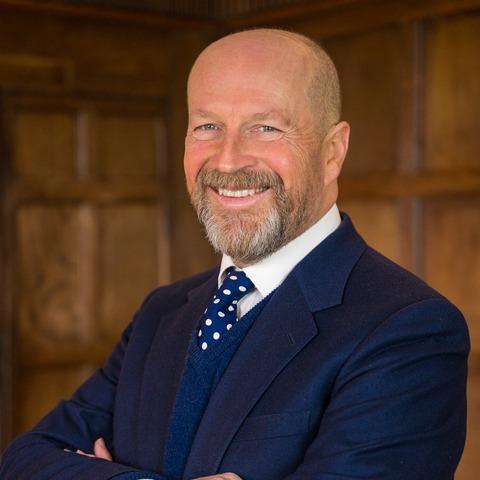
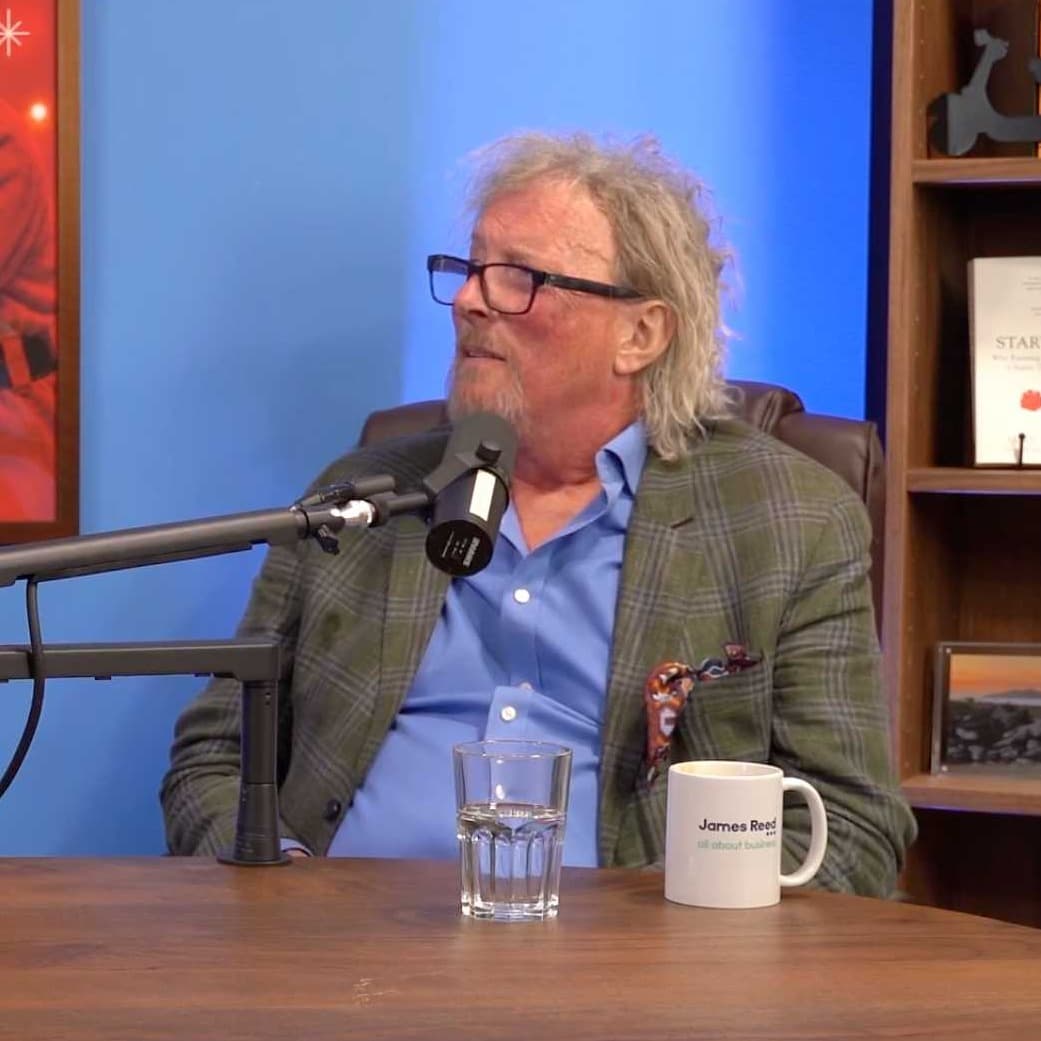
In this episode of all about business, James sits down with Ranald MacDonald, founder of Boisdale, to extract the vital strategic lessons of building and sustaining a distinctive hospitality brand against conventional wisdom.
The conversation focuses on the critical importance of ring-fencing assets into separate entities to protect yourself personally from high-risk sectors, why following fashion always leaves you one step behind, and how to spot opportunities in off-piece locations rather than expensive high-street rentals. Ranald shares insights on why managing multi-site operations multiplies complexity rather than just doubling it, how to build resilience by staying true to your personal instincts instead of chasing market trends, and why true business survival requires fastidious waste control and absolute clarity of purpose.
Timestamps (Video)
03:30 Scottish identity and menu
10:46 Experimentation and trends
17:06 Live music evolution
26:51 Risk and protecting assets
36:57 Consensus leadership style
44:01 Never follow fashion
52:48 Best nights and burns season
Timestamps (Audio)
03:59 Scottish identity and menu
09:46 Experimentation and trends
16:06 Live music evolution
25:51 Risk and protecting assets
35:57 Consensus leadership style
43:01 Never follow fashion
51:48 Best nights and burns season
Follow James Reed on LinkedIn:https://www.linkedin.com/in/chairmanjames/
Follow Ranald MacDonald on LinkedIn: https://www.linkedin.com/in/ranaldmcdonald/
Find out more about Boisdale and here: https://www.boisdale.co.uk/
Submit your application to Reed’s Entrepreneurs Fund for a chance to win a £20,000 grant: https://www.reed.com/entrepreneurs
Today on All About Business, I'm really delighted to welcome Ranald, Ranald MacDonald. Ranald's the founder of Boisdale, one of London's most distinctive hospitality brands that he founded in 1989.
[00:01:19] Boisdale blends world-class dining, whiskey, live music, and what's described here as luxury experiences, Ranald. But I know it's a fine place for a night out, and I'm really pleased you're here. Um, my first question, Ranald, is Boisdale... What's wrong? Sorry. I'm just gonna do one more because there was a phone, bee-boop.
[00:01:40] Oh, was that you, Ranald? That's on me. If we can just do- So it's one all now. Yeah. Was that my phone? Sorry, guys. Do you wanna put it over there or just- I'll just turn it off. Yeah, nice. Yeah. And then otherwise, third, third time's a charm. Okay, we're gonna start again. I don't think you like luxury experience, or did you?
[00:01:57] No. No. No, 'cause I, I think of us, us as being very [00:02:00] egalitarian. Egalitarian, okay. But then- Yeah, I'll leave luxury experience. I don't know where that came from. Yeah. Um-
[00:02:09] Today on All About Business, I'm really delighted to welcome Ranald MacDonald. Ranald is the founder of Boisdale, one of London's most distinctive hospitality brands. He founded Boisdale in 1989, um, and it's a well-known destination for people who like high-class dining, whiskey, live music, cigars, and generally to have a good time and a lot of fun.
[00:02:33] Um, Ranald, thinking about your business, Boisdale, um, which brings together Scottish food, live jazz, whiskey, as I mentioned, entertainment, was there a clear business strategy behind it when you started the business, or did you simply create somewhere you personally wanted to go? Well, I did have a very clear strategy, but I completely failed.
[00:02:58] I started with [00:03:00] the concepts. I saw tapas coming in to fashion. Tapas? Tapas. Spanish small portions. Exactly. Yeah. So I thought I'd do English savories. Okay. So in its first incarnation, Boisdale was a English tapas bar, or British tap- um, savory bar- Right ... with a restaurant, a Scottish restaurant which celebrated the old alliance with France.
[00:03:22] Right. 'Cause Scotland and France had fought together and had this strong alliance. And I dropped France- In London. I- in London. Right. Well, no, the, the Fr- France and Scotland obviously had a great alliance. Yeah, but your restaurant's in London. And, yeah, our restaurant's in London. That's a little controversial maybe.
[00:03:36] Well, no. No, we celebrate Waterloo in London. Yeah. Um, and also one of my ancestors w- was one of Napoleon's undefeated t- um, marshals. Oh. So Marshal MacDonald. So I feel an alliance with the French. So he fought with Napoleon. He fought with Napoleon. Wow. And changed sides just at the very end, but undefeated- But undefeated 'cause he wasn't at Waterloo then, or did he- He wasn't at Waterloo
[00:03:57] oh. He actually advised, um, Wellington in his [00:04:00] tent- Right ... and was given the King's Squadron for a tour of the Outer Hebrides after the W- after the battle. But it was never acknowledged by the authorities. Right. Wellington did have a Napoleonic undefeated marshal in his tent. Well, that'd have made a crucial difference.
[00:04:14] Anyway, that's a bit... We digress slightly. Yeah, okay. Tell them a strategy that did, that wasn't- S- so anyway, so the- Yeah ... well, the, the tapas, the savory bar didn't really work, so it's just too much work making lots of tiny dishes with a small kitchen. And I got slightly fed up with the French. There was one point we had all French staff on the floor and in the restaurant, and that sort of predomination of a somewhat negative nation, although I love the French and I'd like to live in France more than anywhere else other than Britain, it got on top of me a bit.
[00:04:46] So we started becoming more British. And also being, being British by the early to mid-'90s was a stronger- Yeah ... tack. Cool Britannia and all that. Um, but I had identified these Irish pubs that prolifer- [00:05:00] prolifer- proliferated all over the world, and I had thought, "Why not a Scottish pub?" So I had this idea of doing Scottish pubs all over the place, and that never happened, um, for many reasons.
[00:05:15] But one, having a few restaurants is enough to deal with. The idea of... And also whenever it came up, this opportunity to take on- It's an interesting question, though. Why aren't there Scottish pubs all around the world? Yes, I'm s- The Irish do have a monopoly on- The Irish are slightly more popular than Scots, but the Scots are pretty up there.
[00:05:30] In the world's- Yeah ... favorite nations, probably in the top five or something like that. Everyone loves the, the Scots and their perception of the Scots. Whiskey, kilts- They're quite popular in Boston ... haggis, bagpipes. They're all over the Americas. Um, 28% of Americans are of Scottish descent. Don't know how far back you have to get to that number, but- Right So you thought Scottish pubs maybe, and then what happened?
[00:05:52] And then I, and then I got diverted by Cuba, and I opened a series of Cuban restaurants, and we bought the- So hang on. So what you've got, what are the ... What, you've [00:06:00] got a French restaurant- No, no ... an English tapas- There's, a Boy- but no, Boisdale was essentially a Scottish restaurant celebrating the old alliance with France.
[00:06:08] Right, okay. That's the menu theme. So Scottish ingredients with a French twist. Right. I then went all out British. Yeah. Dropped the French elements of the menu. Yeah. But this is over 15 years. Yeah. And it's, and, and it wasn't really particularly thought about. It was just- It evolved ... an instinct. It just evolved.
[00:06:26] Now, I remember saying to my first head chef, Yves Tatard, lovely man, um, I said, "There've been quite a few customers been asking to have some chips on the menu, Yves." Up until then, we just had Parmentier potatoes- Right ... so cubed and shallow-fried with herbs and butter, which took a long time. And Yves said, "We cannot have chips on the menu.
[00:06:45] Everyone will want them." So who won that argument? Well, we ended up winning, but it was a tough- Oh, good. It was a tough one. Really tough one. We had to cut them ourselves, blanch them ourselves, you know, the whole thing. Really? You had to do it yourself? What, Yves wouldn't cook the, the chips? And then putting a burger on the a la carte menu.
[00:06:59] Ooh. That [00:07:00] was a big move. That came about- Yeah ... five years later. This was a seismic move, 'cause I felt that, you know, we're essentially an egalitarian restaurant. If you want to come and spend low, we've got nice wines, around 30-odd quid a bottle. We've got nice ... One of the best burgers in the world for under 20.
[00:07:17] But I like the idea of it, of not necessarily dictating a price. Right. That's where you get a good cross-section of people, and we have at least three generations in the restaurant any one time. But our head chef was very anti putting a burger on the menu. He felt it should only be on the bar menu.
[00:07:32] There's a lot of snobbery and elitism with food. Right, and you were gonna smash that down. Yeah. Well, we, we ... Well, it wasn't exactly that big a deal, but- What, so- But it was a, but it was a big thing for me at the time. Right. So when, what, when are we talking about now? Well, that was about '91, '92. Right. But now I, I feel Boisdale is very Scottish in essence.
[00:07:53] Sorry. No, sorry. No, probably '99, actually. Right. Okay. Yeah. We, we are Scottish. Yes. But we [00:08:00] celebrate Scotland, and we- Predominantly, the ingredients come from Scotland- Right ... and where possible from the Outer Hebrides from the west coast of Scotland. But we also celebrate British ingredients, so we buy from all over Britain- Yes
[00:08:13] as well. Yes. But just a predomination of Scottish ingredients, principally because Scottish ingredients are the best. Right. This sounds like a controversial statement. Well, no, Scotland is the world's finest lar- larder. Right. Definitely the best beef in the world. Yeah. Hebridean lamb's the best in the world.
[00:08:28] We've got 80% of the world's langoustine off the west coast of Scotland. We've got the best lobster, crab, seafood, game. Anyone listening, feeling hungry, I sympathize. Yeah. So, so you've got- And, and we've got the- And what do... And so what are your sort of premium dishes then? What are the things that people- Well, a premium dish-
[00:08:45] order the most or? Well, no, there are two, um, animals which ex- are exclusively, um, indigenous to United Kingdom, and both of them live in Scotland. One is red grouse. Right. You [00:09:00] might find that in Yorkshire, but basically York- northern England and Scotland, red grouse, the only place in the world you'll come across it.
[00:09:05] So that's a great specialty, and it's one of the most delicious, succulent, flavorsome, not too gamey meats in the world. The other, of course, which are gonna be shot in the season, like the grouse, is our haggis- Right ... which is quite hard to harvest. You have to use a very high bore shot and be a very good shot.
[00:09:26] Ranald, you know, some people listening might be believing you at this point. Well, that'd be, that'd be good. But I don't. But, but what is true- A haggis is not an animal, Ranald. Um, well, you could say haggis- And shouldn't she, should she- You could say haggis was an animal. It was an animal. It was an animal.
[00:09:42] Yeah, yeah. But it is not an animal. We've driven it to extinction. Oh. And we, we sell... This is absolutely true. So haggis is popular? We sell five tons of haggis a year. Fantastic. It's our most popular dish. Is it? It is. And we do it better than anyone in the world. One, we [00:10:00] chose the best haggis. We did a blind tasting.
[00:10:02] But two, we roast it- Right ... served with a nice gravy, with mash and neeps. Yeah. We don't boil it. Right. So roasting it is key. Well, it d- it, it, it, it sort of caramelizes it a little bit on the outside and it takes the fat out. Right. It just... Imagine having a boiled sausage- Yes ... or a fried sausage, which one would you prefer?
[00:10:24] Yes. But boiling was the old medieval sort of more- That's how they were prepared originally ... um, old-time way of cooking, 'cause they didn't have frying pans and- Bits and pieces. They boned up what they could of the animal inner skin and boiled it. And more often than not, they'd ... Like the Maasai in East Africa, they would bleed their cattle in the winter and just mix it with grain.
[00:10:47] Right. Mix that up. And then in the ... And they'd always seal up the udders. Those were the early haggises, were they? Yeah. Well, I think that's just ... A haggis is really just an unevolved medieval sausage. Right. Yeah. A sausage [00:11:00] only took its shape and form when kitchens started evolving with more sophisticated- Yes
[00:11:04] kit. Yeah. Most people just had a pot and a fire. So those are really popular, the red grouse and the haggis. Yeah. So listening to you, I'm, I'm, I'm sort of getting the sense that the menu or the taste evolved over time. You experimented a lot. Yeah, always. You were always trying things. You're still doing that.
[00:11:19] Nonstop. Nonstop. And most of the ideas are- So that's a really important part of running a restaurant. Yeah. Most of the ideas you have, whether it's for the wine list or the menu- Right ... invariably don't work 'cause what people- How, how do you know they don't work? You put them on the menu. And then no one orders them or they send it back or?
[00:11:32] Well, they don't order them 'cause they come in, they know what they want. They want a steak. Yeah. They want haggis. They want a chicken Milanese. And there are certain sort of ... There's bread and butter- Yeah ... on menus. Vegetables, yeah. And if you t- took the top 50 menus in London, put them side by side, you see a lot of the same stuff.
[00:11:47] Right. And we eat never- So wherever you go, you're gonna get- Wherever you go ... an opportunity to eat those things If you go to a gastro pub in the middle of nowhere, you'll see similar sort of dishes- Right ... to a degree. Do tastes change much at, at, in your ... You, I mean, you've been running a [00:12:00] restaurant a long time.
[00:12:01] Have you noticed people ... I mean, we hear- I, I think there's- ... cuts of meat aren't as good because they're so expensive I, I, I think they take ... Well, to a degree, we're led by the media, but there's not a lot of media behind food- Mm ... apart from health. Um, whereas with drinks, you've got big billion-pound companies telling you to drink cocktails, et cetera, et cetera.
[00:12:18] Mm. So spirits are really worth marketing. I think people are less ambitious now. Mm. They're less likely to eat offal than they were. Mm. Belly of pork is sort of more expensive than fillet of pork. And fillet of pork 35 years ago would have been twice or more the price of belly 'cause belly- Right ... is 40% fat.
[00:12:39] That used to be the cheap cut, yeah. So c- calves become fashionable. Sausages cost you more than a lean fillet of pork now. And filet mignon was a- So it sounds like a fillet of pork's a bargain. Well, I think it is. Oh. If you like lovely, delicious, tender, lean meat- Mm ... it is superb, but it's just gone out of fashion.
[00:12:55] Calves liver's gone out of fashion. Calves liver. Calves liver we ... No. It's [00:13:00] still expensive in places like Waitrose, but we can buy it for almost the same price we paid for it 30 years ago. Really? But then again, spending's gone a bit out of fashion. In 1991, I introduced my recession menu. And it was £9.90 for two courses, and that got into the Evening Standard as being particularly cheap.
[00:13:22] Yes. But you see £9.90 menus now in 2026. And by the time you're on third party promotions- So how, so where'd you get the £9.90 menus, really? Yeah. Well, you see, if you, if you go onto third parties- Yeah ... and all these sort of cheap ways of eating out- Yes ... you'll be end- ending up the restaurant will receive less than £9.90.
[00:13:40] But you see sort of 10, 12 pounds, two course. It's not far off it. But you can't really run a hospitality business- No, no, you couldn't do it now. Yeah. You couldn't do it now, but there are restaurants doing that. They're forced. The, the restaurants, through third party marketing, have been forced to take low margin business they couldn't survive on, but it's still better having people- That or nothing
[00:13:59] [00:14:00] people in un- occupied space than having nothing. Right. It generates at least service charge- Little margin ... depending on the ty- style of restaurant you are, and you're probably left with a margin around 30, 40, 50%. Right. That's not enough as a whole to run a business, but a few hundred covers when you've got space- Right
[00:14:17] a week, that all adds up to a bit of a contribution. But you, you evolved your restaurant, Boysdale, in a number of interesting ways, I think, in, in terms of making it a destination because you have a lot of live music. You've always been enthusiastic around having music. You've got a, a cigar bar. You've got all these wonderful whiskeys that people can taste.
[00:14:40] I mean, you've created several reasons for going there, haven't you? For different people, maybe- Well, I just did everything I like. It's just everything you like. So you just made it sort of- And, and, and you can, you might, and you might as well be the best- You just did everything you like, but yeah, go on. So what sort of did you- Well, you might as well be the best at what you're doing.
[00:14:53] So you like music, you like cigars, you like whiskey. So when, when a guy from, you know, the, the, the, the, the [00:15:00] Royal House of Cigars in London is a company called Hunt & Francart, who've been run by the Freeman family since the late 18th century. Right. And they have the complete Um, agency for Cuban cigars in the UK.
[00:15:14] And in the early '90s, they had a very dapper salesman called Derrick, who came from Lancashire. Mm. And he wore the full fob chain, three-piece suit- Yeah ... velvet collared long coat, and he'd come and see me for a glass of champagne and, and a chat about- Ah ... what's happening in the London, um, West End s- um, restaurant scene.
[00:15:36] Right. And we'd smoke a Traypetty Lonsdale cigar. And he once said to me, "You know, Raymond, you probably have the best, second-best selection of cigars in London." At that point, it hadn't even occurred to me. Right. I said, "Well, who's got the most?" He said, "The Gavroche." I said, "How many have they got?" So I just, um, doubled it overnight.
[00:15:55] M- so you're also competitive. Well, well no, I, and then I released a press release saying we're [00:16:00] London's first cigar bar. The best. Right, very good. And the cigar bar thing was just about to start happening then- Yeah ... about '93, '94. And so you got the timing. So pretty easy. Yeah. And with whiskey, why not have the best?
[00:16:09] Yeah. So, so you do aim to be the best. I mean, that's an important part of becoming a destination. Yeah, I, I- Best haggis, best cigars, best whiskey. I, I fi- I, I try to be the best in anything that we really put our name behind. Right. I- in term- and mostly in terms of provenance and the quality of ingredients.
[00:16:25] Right. So I, I prefer not to mess around with ingredients too much. And I don't like modern food. Maybe I'm getting old, but I don't want things piled up. What do you mean you don't like modern food? I don't like things be piled up and sort of on top of each other disguising what's there. I like to see what I have in front of me so I can make good decisions about to s- how to start.
[00:16:45] Right. And what I'm gonna combine. I sort of ... Now, you sort of subliminally make a sort of strategic decisions as you start, but when it's all piled up and something's underneath something- You wanna be able to see everything ... you can't see, I just don't see the point. I, I don't want a pretty plate for the sake of it being pretty.
[00:16:58] Right. Uh, [00:17:00] all, e- every position on the plate should have purpose. I've never thought of a plate like that so that, that's, that's interesting I'll, well, well, what you end up with- Every part of the plate should have purpose But it, but it's a good man- People talk about purpose a lot in business, but I mean- But it, but it's a good mantra in all of life.
[00:17:15] Yeah. You don't design over purpose. Right. Part- you've gotta think why you're doing something. So what's the purpose here? Yeah, and then rethink your letter or your, whatever you're painting or writing or cooking or- Saying ... preparing or saying. That's very interesting. So you, you also have a great love of music and, um, I mean, how- for how long has it been a, a music venue as well, Boyesdale?
[00:17:38] Well, I suppose it was a music venue when we started 'cause I was on the floor for the first 15-odd years, lunch and dinner six days a week. So what kept me sane, obviously, I, I love people- Yes ... which is important- When you're running a restaurant ... and I'm quite good at talking to people for a short amount of time- Yes
[00:17:56] which is quite good in a restaurant. You say hello and you, you don't wanna be [00:18:00] overheard telling the same joke by a table you s- told it to, but you sort of- Right. You can sort, you can move round a restaurant- Yeah ... quite nicely. Yes. Just sort of whatever. Um- You're good at that ... but when I was doing that, I played the music I wanted to listen to.
[00:18:14] Right. So we didn't have a band initially, 'cause initially we're only a 21 cover restaurant. Right. But- But this is just the music playing ... no the w- so I just played, but I put together playlists. Right. And I loved music like Fats Waller and Billie Holiday. Right. And really jazz from about 1933 to about 1942.
[00:18:32] That's quite specific. Quite specific 'cause there's got, it's a bit too much brass earlier. Right. And then the white guys took over and got the big orchestras starting. Right. But Fats Waller and Billie Holiday at the time and, and some early Dinah Washington, it's, it's, it's a, it's a tighter ensemble.
[00:18:47] You've got a nicer arrangement of the music. Right. And, and there's nothing too big and noisy 'cause you don't want huge- Orchestras ... amounts of brass coming out during dining. When you're eating. Uh, so this is very particular though. So the music- But it's, but it's also my favorite bit of- [00:19:00] The music ... it's the loosest bit of music.
[00:19:01] There's, there's, there's- And is that still your preference? I, I have many pre- but we've now moved, we've now moved a lot, the music. I started doing soul, which is another, that was like a hamburger moment for me. All right. Started doing soul on Friday nights and Saturday nights in the early noughties.
[00:19:19] Right. And then by the time we opened up- Canary Wharf, which is our largest music venue. Um, we have reggae nights, bit of punk rock, rock and roll, everything So you've become really quite eclectic. We're, we're, we're extremely eclectic. The most eclectic- So from a nine-year period of jazz to pretty much, yeah
[00:19:36] pretty much everything. Anything goes. But, but, but Belgravia's jazz early week- Yeah ... and then moves on to primarily soul. Right. But Canary Wharf is, we have reggae every Saturday night. And how often is it live music? Every night in both venues. Every night live music in both. Well, I think you should be applauded for this because, I mean, live music's harder and harder to find in London.
[00:19:56] So- Well, it's harder and harder for- Well done, and thank you because it's so, I think it's [00:20:00] so special for people. And we, and we're big into DJ nights too. That's been another development in the business. Right. We've gone late night in Canary Wharf. Right. Thursday, Friday, Saturday. So I want to ask you Canary Wharf, because you opened a really big restaurant in Canary Wharf just after the financial crisis, I believe, which is pretty bold.
[00:20:18] Um- And what was your thinking? What- Well, I started negotiations as, um, subprime hit. Right. I'd just come back from Greece, where I met a lot of very notable people. Right. And one of the people I made friends with was the finance minister of Greece. Right. And just when subprime was really going down- What a tip from the finance minister
[00:20:39] I, I, I, well, I, I gave, and I had a- Greece had a few problems ... I had a very jolly lunch with him. But towards the end of lunch, we had some nice wine. Uh. He raised a glass and he said, "Don't you worry, Ronald. What's happening around the world won't affect Greece." Well, yeah. That's, uh, so yeah. So that happened.
[00:20:56] Uh- You don't broadcast this in Greece, do you? No, no. Good. No one in [00:21:00] Greece will listen. So, so that happened, and- It wasn't that brave ... so just, it was a, it was a result of- And, and restaurants remained good in that period, and assets re- uh, went up in value So the rich were sort of richer, and I don't- You said it wasn't that brave, but it feels brave to me.
[00:21:18] I mean, you carried on and did it, and, you know, a lot of people were shutting up shop at that time. I don't think they were shutting ... I, I, the hard time is really post coincidentally, but just at a time, it's post-Brexit it started getting tougher. Right. So the last 10 years. Mm. So what, what would you, what would you attribute that to, the last 10 years getting tougher?
[00:21:40] I, I think the West is running out of money. Right. Really. And the, the- That's a problem neither of us can solve, and- No, it isn't. And, and there are lots of arguments either side. I think it's, it's, it's a, it's an issue that should be approached with a cross-party process, getting round a table and get them just to agree to what they agree with to start with.
[00:21:58] Mm. What do we all agree? [00:22:00] To start every, every single thing they can agree on. Do you think that would be a long list or a short one? Um, I think it'd be a long list, but you can't just have some things being shut out as not being ... You know, if you're spending 20 or 30 billion on something, you've got to try and you've got to look at it again, haven't you?
[00:22:15] Mm. And you do that with your business. So I just, I, I ... No, I, I think there is an approach which could be constructive, but it's not ... I don't think it's constructive to approach it from political lines. Right. Because you end up just pr- protecting. No, you can't talk about, um, things like reducing elements of welfare or to whatever.
[00:22:38] Mm. Because it's, it's too, it's political dynamite. Well, if there, if there's no consensus, I suppose any change could be quickly reversed by an election. Well, well, the key thing is that people- And there were people that rely on it ... the people who shouldn't receive welfare shouldn't receive welfare. Mm. And that's pretty easy.
[00:22:52] So how, so how do you get to those people? Mm. Something like that. So you, you've said that, you know, that being in the hospitality [00:23:00] business is a, you know, a high-risk business. I mean, is that something you've felt particularly since 2016 or has it been the case all along? I think it's always been high risk.
[00:23:10] Why is it high risk? What makes it high risk? Um, it's, it's a bit, little bit like the film industry or the oil industry. And with all the money in the world you can make a film and it can flop. Famous one just out now, Digger. Yes. Tom Cruise. With all the technology in the world- That's another guy in your industry
[00:23:29] and with all the money in the world you can drill a hole, but you may not hit oil. Yeah. And smaller oil companies can't afford it, to miss too often. With a film, with a restaurant you don't know what's gonna happen unless it's a turnkey franchise, which is why, you know, there are, the, the high street's so much more predominated by these franchises and they work out the demographics and there's instant recon- recognition of that brand and they'll keep- All sort of Gales-
[00:23:54] moderate. Well, but, but real restaurants- And Ivy and places you think of ... and there isn't a film director or an oil [00:24:00] developer or a restaurateur who hasn't failed- Right ... with restaurants. So your instincts might take you in a certain direction and you just find- And it tends to be slightly emotive. So you quite, you quite like the idea of being in a pl- particular place 'cause you like the association of that area or you like the building.
[00:24:19] People fall in love with buildings. Yes. And location, you can also ... You know, so it's not- Well, you've been in the same location in Pimlico for- I, I, I've always taken off-piece sites. Right. Which isn't the most sensible thing to do. I've n- I've never taken expensive rents. I suppose Canary Wharf was quite expensive, but having said that, because it was a very weak time for Canary Wharf- You got a good deal
[00:24:43] and the property had been empty for a long time, we got a very good deal. Yes. Which we squandered. Why? W- w- what happened? What did you do? We lived life very easy for a few years and then we had to start paying full rent and- Oh, I see ... you know, you, you tend, you tend to do that when you got a ... You know. Or you got a rent-free period or something.
[00:24:57] Yeah, a long one. So that's a risk for [00:25:00] people who do those deals. Well, it's like anything. If you raise money for a company- Yes ... you feel rich for a bit. Yes. But within weeks the professionals are putting in their fees and you start seeing that a big slug of everything you've raised- The cash is going down
[00:25:11] particularly with smaller businesses where the, you know, 20% might be professional fees. It all disappears, and you're so generous and- Yes ... and they start feeling the pinch after seven or eight months. So, so when, when, when, when there's a l- you know, when you've got a big bag of sweets you tend to eat them more quickly.
[00:25:27] Well, I know I'm guilty of that. But that's an interesting economic scenario you've just described because, I mean, I think that happens widely, doesn't it, in the business cycle a- a- and the way business people behave depending on how scarce cash is and- Yeah, well, it's, it's quite emotional- Right ... um, to a degree.
[00:25:42] I mean, th- this is all emo- it's all emotive decisions. People aren't making a list of fors and against and deciding what to do. They're just going with the flow a bit. And do you think that's how a lot of people make decisions? I think a lot of decisions are made like that. Certainly politics is pretty emotive.
[00:25:56] I think we're, I think we're surprisingly emotional- Hmm ... in our [00:26:00] decision-making, and I think a lot of people don't think things through properly or, um, or they overthink everything, and there isn't really an answer is another- No ... thought. So, so where does that leave us when, when we think about taking risks?
[00:26:15] Um, you know, ha- have you sort of ignored conventional advice in your career in building up your- No, I take lots of advice, and I, and I protect myself. Well, what do you do? How do you- I protect myself personally by- How do you- ... raising money and not being at too much risk. So, so I never do anything if I felt it could compromise what I already have.
[00:26:33] Right. So I'd ring-fence any assets that I have or any businesses that I have going forward. So you don't bet the farm, as they say. Yeah. No, I never do that. So that's a good, that's a good piece of advice for people starting out. It's pretty s- and particularly when you- So you have sort of separate entities?
[00:26:48] Separate entities. I'm particularly- That's interesting ... going from the second or the third or the fourth restaurant. Yeah. You know, you can fall down on any number of those. Right. 'Cause it's not twice as hard to run two restaurants, it's three or four times [00:27:00] harder. And three restaurants is ... There's a s- there's a point you need to get to a certain scale where you can have a stronger and stronger head office representing less- Yeah
[00:27:08] and less of turnover. Right. Well- Well, the costs are more sh- more spread from that- Yes ... head office, you mean. Yeah. So, so we're, we're now just two restaurants with 144 staff, but we've got a relatively heavy, uh, um, head office cost- Right ... 'cause we're a relatively small restaurant. Right. A mini group. Yeah. I don't like the word group, but
[00:27:32] So that's interesting. You said that running two restaurants isn't twice as hard, it's three times as hard. Yeah, that sort of thing. So wh- what is that about? What, what, what's, what's the issue there? Well you- I mean, I know you can't be in both places, but ... Well, you can't be in both places. Um, invariably the second, the second restaurant may be a difficult one.
[00:27:49] It may, may take, may cannibalize business from your first. Yeah. It may be a more difficult site. And when you're pushing water uphill, when things aren't working, you put in so much more energy. Yes. [00:28:00] Um, you've also just got more variables. And less, less management unless you double up your management to deal with it all.
[00:28:08] Yeah. And everything's a variable from electricity to plumbing to customers to food to kitchen equipment to like, and you're running- Things can go wrong ... you're running and then we, we run just with two restaurants, we run 20,000 square feet of premises. Right. We have 300,000 customer visits a year. And there's a lot of variables.
[00:28:28] Yeah. You don't see your customers for very long. Yeah. You know, they're on platforms. Most of your business is probably online, isn't it? Well, we, a lot of people, you know, come through the web, yeah. That's typically ... I mean, that's changed actually. We did used to see people more. Um- Well, a lot of young people now, or people, I don't know whether it's just young people, have their food delivered to their homes at restaurant prices.
[00:28:50] Right. I find that so astonishing So appalling really. Also so lazy. Well, the, the- I think- You say, [00:29:00] you said astonishing, appalling, lazy. I was thinking it's kind of sad 'cause you miss the sort of- And sad ... the, the, the- Well, I- ... the engagement, the enjoyment, and the sort of entertainment of going out. But primarily it's lazy.
[00:29:11] I mean, what's it take to cook a steak or to cook a, a piece of chicken- Yeah ... or a lobster or... And, and you can buy fantastic ingredients for the equivalent of- And actually it's quite fun cooking. I love it. You love it? I adore cooking. You're in the right business. Yeah. But it is fun, isn't it? I mean, I think you, you know, I think it is sad that that was the word I was- No, it's challenging, but it's...
[00:29:30] I always cook very, very quickly. What do you cook? Well, see, if I walk, if I, if I come in at home, the first thing I do is put on the hob and the oven. Right. Before I even open the fridge, I have water boiling and the oven getting hot. I then take everything out of the fridge and assemble it- Right ... and decide my approach.
[00:29:48] But it's quick. Right. So you, you, you don't know when you start what you're gonna be- No, no idea. So I hope you have a well-stocked fridge. That sounds, that sounds fun. Um- Always [00:30:00] leftovers. So, so Ju- Jools Holland's been associated with Boys Delph. Uh, J- Jools been our patron of music since 2011, and he's the most heavenly man on Earth.
[00:30:10] He's your patron of music. I like that. He's our patron of music. So how did that relationship come about? Um, we were introduced by a mutual friend, um, called Mike Gilardi, and he's charming and we got on. And it's been a lovely, it's been a lovely association, and we have a lot of fun together. Yeah. And he's, and he's a regular...
[00:30:29] He comes to Boys Del quite a lot. He's very busy, Jools. Yeah. He's sort of performing about 200 nights a year. He seems to be on- Yeah, just- ... on television or whatever a lot. Um. Yeah. No, but he's, but he's, he's lovely, and he likes a nice glass of wine. He used to smoke the odd cigar. Doesn't really anymore. Hmm.
[00:30:46] And then, and then you've hosted, you know, lots of politicians, celebrities, Hollywood stars, musicians over the years. How, how important is it for the brand to have high-profile visitors, or is it not important? I [00:31:00] mean, it seems to me that, you know, Boys Del is a, is a popular destination amongst all sorts of people.
[00:31:06] You said it was egalitarian, but I mean, it, it's certainly attracted celebrities. What's that about? I don't know how, I, I, I don't know how important it is. Now if you If you take a ... Now, if you're in the Daily Mail, which we're in normally for our sort of big events, I don't see any spike in- Daily Mail doesn't give you any benefit- Well, I, I don't really-
[00:31:28] coverage? I don't really know. But in the old days it was so, business was so driven by printed media- Yes ... 30 years ago. Yes. And the restaurant critics were just- If someone would give you a good write-up, that was great. And they could destroy you or make you. Right. It was a, it was a- And that's changed, has it?
[00:31:41] That has totally changed. And now it's more social media. But what about social media? People being on social media, does that help? Um, yeah, I guess it does. It, it's all just become part of the froth. You haven't really got time to assess properly what's working and what's not. Yeah. If we were a much bigger group, we'd probably have much more analysis.
[00:31:56] And we, we just do a lot of everything. [00:32:00] TikTok, paid social, social this, that, whatever. You do a lot of everything. But that's quite unusual for restaurants, is it, or? Um, I don't ... I, I just thought it's not unusual. It'd be unusual for a, for a high street fish and chip shop. Yeah. But for any restaurant with a, with a requirement.
[00:32:20] And then the public is a half ... And they're being, you know, being, uh, constantly approached with sexy images of bars and restaurants. Mm-hmm. You get them on your ... Do you do Instagram? Occasionally. Yeah, I do, yeah. Um, but I don't know how important it is truthfully, but I, I feel it's got pure image I, I think that's true of a lot of marketing.
[00:32:40] I mean, we, we do advertising, social media. Uh, we spend quite a bit of money on it every year. But it's hard to tell, isn't it? I, I think you just gotta get behind good endeavor. If you think it's good, it's good. And the content's good, and you're- Yeah, you just- ... spreading a good message ... I, I don't know. You, you can walk into a room and tell whether it's a good room instantaneously.
[00:32:59] I can [00:33:00] just get a sense of whether- Yeah ... things are good. So, so your leadership style, Ranald, I mean, uh, would you say it's unconventional, or what? Well, I'd say first of all, first of all, I'm not really a leader. I'd be a much better person to be second in command or something like that. But you've set up this wonderful business.
[00:33:20] I set it up. Like, I'm, I'm, I'm enthusiastic. Right. And I really enjoy what I do, and I really enjoy the people I work with. But I- So do you have a team that does a lot of things for you? I think I've got... Yeah, I've got lots of... No, I've got a biggish team. Um, but I work on consensus. Occasionally, if we're on borderline, I say, "Well, it- we'll do this," or, "I'm sorry- Right
[00:33:41] but I want to do that." I take... You know, but on the whole, it's consensus, and we find our way forward by discussing things. Right. So it's quite rare for you to say, "Uh, I, I'm going in a different direction on this," or... Yeah, very rare. Right. No, it virtually never happens. We've never had a vote in our board meetings or anything like that.
[00:33:59] No, neither have [00:34:00] we. But sometimes you have to make a decision, I suppose. Yeah, but then you sort of make it. Yeah. They do sort of evolve, I agree. So have you got a team of people that you've been with a long time, or is it- Yeah, yeah, lots of people have been with me- So is that a key to this? ... 24, 25 years, 30 years.
[00:34:16] Oh, I sense that. And I think that's what- A lot of people, five or 10 years. Even someone I think is a newbie might be five years. Yeah. Obviously, some staff turnover. They're students and young people Um, do you think, do you think businesses waste money often? Or, I mean, you, you mentioned earlier, it, it was interesting, you mentioned, you know, when you receive an investment it's a temptation to eat the sweets or spend the money.
[00:34:39] Mm. Um, and is that a, is that a phenomena you're sort of wary of or focused on avoiding waste or- Yeah, yeah, of course. No, we spend it all on- 'Cause that's pretty important in your business I'd have thought. Yeah, we're pretty fastidious about avoiding waste. You know, I haven't redecorated my office for about 35 years.
[00:34:57] Right. Um, [00:35:00] but it doesn't bother me. I'm conscious of the fact it might bother other people- Right ... but it doesn't bother me. Um, but then again, some things have gotta be brought up to scratch. Yeah, yeah, well, obviously we avoid waste. Yeah. We don't, we don't throw food away. You don't? No. What do you do with it?
[00:35:16] It gets eaten by the staff. Right. So it'll ... Is, everything is used. Everything's used. Yeah. Apart from the bacon rind. Right. But that could probably go into something. I think we could s- we could try roasting them and- That's the only, that's the only ... Well, that's very impressive. Well, we could turn them into laces, couldn't we?
[00:35:35] The bacon rind. The pure bacon rind laces. You could find something to do with it. That could be the new thing for your trainers. Yeah. It could, it could. Um- Edible laces. So, you've, you've, you've famously had people from different political backgrounds in your restaurant, you know, without naming names. And, and I think you've said you won't be dictated to about who you host, which I think is admirable.
[00:35:57] Um, how do you think about the [00:36:00] commercial risks of taking that position? Or is you not just, are you not concerned? I'm aware of it, but I think it's gotta- You're aware of it. I'm aware of it, but you live your life. Yeah. I stand up. You know, I'm not, I haven't got to do many things brave in my life. Right. So I can at least have people who I like coming to the restaurant, even if they have very different political views to mine.
[00:36:19] Right. Whether left or right And, and so you have a, yeah So, yeah, I, I, I no, I wouldn't Your open-minded, hospitable approach Yeah, if someone likes- Well, that's become more rare, hasn't it? I mean, it- I don't think so Well, you said people you like. I mean, it's interesting to me 'cause I remember people from, of all sorts of political views used to get on quite well.
[00:36:39] Yeah. But that's more uncommon now. I don't know whether it is Or is it more polarized? It's not in your restaurant, clearly. I don't think it is in the House of Commons either. I don't think, I think once they get, got there and they've settled down a bit, you know. And I think they're mostly pretty good people, fair enough.
[00:36:52] I think they're, you know- 'Cause you're quite near the House of Commons- We're, we're, we're- ... so I suppose you get quite a lot of politicians Yeah, we're not within sound of the division bell. If the bell [00:37:00] rung, you wouldn't get back in time. Right. Particularly after a good lunch. Yeah. Um- Well, you're not far But no, we're, we're definitely close.
[00:37:07] We're just, you know, five minutes out of Westminster, if you're lucky. But now traffic's got so, so difficult, isn't it? Yes. So- So you, you, you, you, you, you're a sort of bulwark of free speech and good hospitality, and Yeah, fairly free speech. Yeah. Uh, I'm s- I've gone off ranting. Right. Or people who rant, really Your guests.
[00:37:27] No, I just, I'm just a bit off the ranting. I just don't- Ranting, yeah ... I think we've gotta some- I think we've gotta somehow just all calm down a bit. Yeah. I, I would, I would agree with that. So you, you ... Listening to you rant on, I mean, you've spent decades running a business and building a business very m- very much on your own terms.
[00:37:45] That's how I would see it. So what advice would you give someone who has an unconventional business idea, um, and is being told it won't work, or, you know, who, who wants to do something on their own terms? What advice would you give? Um, well, try Dragon's [00:38:00] Den. I love Dragon's Den. Do you ever watch Dragon's Den?
[00:38:02] Of course, yeah. Yeah. I love it. It gives a good idea. Um, what would I do? It's very difficult. I think the, I think the most overlooked facility for young entrepreneurs in this country, um, and I think most- More privileged people are aware of it from more privileged backgrounds. But I think that the, um, the, um, what you call- the entrep- the, what's it called?
[00:38:27] The entrepreneur scheme. What's it called? S-E-I-S, SEED. What's it called? Oh. What's it stand for? I think I know what you mean, yeah. I normally wouldn't forget it. It's just 'cause I'm on a- Yeah ... S-E-E-I-S, Enterprise Investment Scheme. Enterprise Investment Scheme. This is for people who can invest in an enterprise, yeah.
[00:38:43] Want to raise money. 'Cause in the old days, you go to a bank- Yeah ... and the bank w- would've either got to know you or, or you, or take a view on you, and they might lend you, uh, uh, you know, 20 grand or whatever it is. Nowadays, the banks won't lend you any money. But SEEDIS, [00:39:00] whereby if you get your friends and family, it, but it might be knocking on lots of doors, getting a grand here and five grand there, they get half their tax back- Right
[00:39:09] immediately. So it's, only costs them- On their money ... half as much. And then that's for the first 250,000, which is enough for most small businesses starting up, take over a local shop or a pub or whatever it is. Yeah. And then it, also the, you know, there are other, beyond getting 50% off the tax, there are all these other bits and pieces, and it's tax-free if it does well, and this, that, whatever.
[00:39:31] But that's the easiest way to get cash, I think. To start- The Seed Enterprise Investment ... is Seed Enterprise Investment Scheme allows you to raise- Yeah ... up to 250,000, and all of it is tax-deductible at the rate at which the person who invests pays tax. So that's appealing for them And it's also there's no tax on it should it do well, and it can be offset against- So there's no capital gains tax when you sell
[00:39:53] no capital gains, and I think you can offset it against other losses, but probably they're not gonna be that, have that sophisticated a portfolio. But, [00:40:00] but the tax off- So young entrepreneurs should know about this They should know about this. I think- Yeah ... the government should do far more to explain to people how it works.
[00:40:07] Yeah. I think they should also make it easier, 'cause m- the big chunk of the money for this e- end of the government support s- for, uh, SMEs is orchestrated through, um, accountants and lawyers who will end up taking on a small sum of money, about 20% of the money's raised. Right. They w- Mm. So if you could self, um, certify for a, for those loans during the Bounce Back Loan, 50 grand- Mm.
[00:40:36] Mm ... I think if you just put down a... If, if, if the company you've formed can be simply, um, approved by an accountant and it fall- Mm ... and it falls within the, the jurisdiction of the, of the, um, support, I think it sh- should be made simpler. Right. And I think, and I, and I'd imagine in the [00:41:00] dark belts of the British economy that there'll be very little awareness of this.
[00:41:06] Mm. And, and I think a- and the, the sort of person who might set up a business has a bit of nouse, can go knock on a door here and knock on a d- door there, just raise a little bit, then you might get 10 or 15 grand from the bank. Mm. But I, I can't think of any other way for people to get out of the hole they're in if they're just faced by local employment, which is all at minimum wage.
[00:41:26] Mm. And the next grade up is management, and it's 50p more an hour or whatever it is. So you're, you're saying entrepreneurship is the way out. Well, it's a way out. It's not for everyone. Yeah. Yeah. Um, yeah, but I think that- And, and, and getting some certification under your belt What do you think you're? I think of any way, wherever you are in life, and if you're young, if you don't want to start your own...
[00:41:51] Even if you want to start your own business, doing some sort of, um, course in management or whatever it is, and you can fit these things in the [00:42:00] evening. Mm. Or work in the evening in a restaurant and you earn good money and go to university during the day- Mm ... or whatever it is. I, I think, but I think those sort of qualifications are quite helpful Especially trade-related ones.
[00:42:12] And particularly if you know what you want to do, 'cause then you, then you actually learn about the thing you're about to do. And you think you know it all, but you don't. So what, what do you look for, Randall, in the people you hire into your business? Um, relevant experience, charm, enthusiasm. Not too much charm at the first interview, maybe.
[00:42:31] The people you really get on with turn out to be quite difficult. But you know, you just, you just make a decision, don't you? Is that what you've found? So people who are good with oth- other people- Yeah. Well, you, you s- And have good experience ... yeah, y- yeah, all of that. And you s- you s- get a sense of it, don't you?
[00:42:46] I think so, but some people are better at it than others. I'm probably, I'm, I'm probably not very good at it There's an inst- there's an instinct involved. But it sounds like you are, because you've got, you've got a team around you that you've had for many years. No, I've made loads of mistakes, though. Yeah.
[00:42:57] And I like giving people a second chance. [00:43:00] What do you mean by that? You know, someone might let you down really badly, then you give them another chance. Some might have a, might have a- Who, who's already employed? Yeah. Yeah. Uh, or some might have a particular problem you've got to help them with. Mm. And sometimes that works, sometimes it doesn't.
[00:43:15] But, but, but I don't mind- But your personal view is, "I'm gonna give them a second chance." Yeah, give them a second chance, which goes against the rule. Do you think? The best thing, best thing to do is get rid of anyone when they're, if they're time wasters, negative. Right. And the one thing I wouldn't do is employ, however charming they can be, and they're great in a conversation or as a part of a group, but, you know, high-maintenance people and negative people- Yeah, negative energy
[00:43:39] are quite tough. Yeah, negative energy, all that. That is tough. Yeah. And you re- and you realize, realize it properly when they're gone I remember someone asking me, uh, whether I was a drain or a radiator. Ah. Well, depends on the day. So, uh, uh, but I think it is very important. I think that as you- Uh-huh ... you, you were just describing, uh, what you think when you walk into a [00:44:00] room, you can tell.
[00:44:01] I mean, that's because of the energy of the people in the room, whether they're working there or being entertained- And the worst night of the year- ... and one feet on the other ... is always Valentine's night. Valentine's night. Tell me about Valentine's night at Boystedt. The worst, uh, 'cause you just got all these couples sitting there with nothing to say to each other.
[00:44:13] Oh, really? And the music- Oh, they've come for the live music, have they? But the music's a bit, a bit quiet until the live music comes on 'cause- Oh ... everyone's, it's all romantic. It's just, it's just so faux. I mean, I liked a non-Valentine's night night. I mean, it's just all these little com- What's the best night of the year?
[00:44:29] Um, I think just when you got a good pile of people in having a nice time. I went on Burns Night this year to Boystedt. Oh, did you? How was it? It was fabulous, Ranald. So- Well, where were you? In Belgrave or in Kenilworth? In Belgrave, yeah. It was really good fun, and you had a very good band, and there was plenty of haggis.
[00:44:44] And lots of pipers. Yeah, it was very good. Lots of- And lots of people enjoyed it. It was packed. Mm. So that must be one of your best nights. Yeah. With that, that's our second Christmas. We do two weeks of Burns Nights. Two weeks of ... Oh, that, that's very clever. So you make Burns Night, [00:45:00] Night work, uh, uh, a little harder for you.
[00:45:02] I was there on Burns Night. Yeah. Well, that's- Yeah ... like that's, uh, um ... Then we'll do a Burns offer for the whole of January. Haggis, whiskey, and a pint for- Right ... £2.50 or something. It's your second Christmas. That's a joke, by the way. Oh, you wouldn't get one for £2.50. No. You don't wanna be held to that. No.
[00:45:20] Okay. Okay. Hey, um, is there anything else you, you want to share, Ranald, about your, your wonderful restaurant? Ooh, I don't know. Well, okay. Here's an opportunity to give a, a plug. I mean, we're, we're approaching Christmas. Well, I've got- What's on the menu? Well, I'll tell you, I'll tell you my latest idea. Okay.
[00:45:37] You're the first per- Let's hear that ... you're the second person in the world to hear it. Okay, great. That's good. I was talking to my wine buyer, Pavel- Oh ... this morning, and I've secured a parcel of amazing claret in Bordeaux All drinking vintages. The most recent is '19, but '17, '14. Slightly off years, [00:46:00] but, but great houses.
[00:46:02] But they're at below the en ... I'm, I'm buying them from below en primeur from when they were, went on the market. Right. So I'm planning to do a great Boydel claret sale. Great Boydel Christmas claret sale- Right ... with some amazing wines- Right ... at stunning prices- Right ... that also make me a margin. Very good. So how, how, how do we get involved in this, Ranald?
[00:46:30] Well, you just turn up. Oh, just come to Boydel. You just turn up. So any time, yeah, in December. Any, any, any time December we'll have... I, I can't, I can't really quote any prices right this minute, but they're all- But there'll be good deals ... really, really sensational deals. Sensational deals, Ranald. I'm talking about s- second wines of Grand Cru Classé wines for under 70 quid.
[00:46:48] Right. Okay, well- No, so '94 Parker pointer Grand Cru Saint-Émilion under 100. Very good. Um- I just, I think they'll be [00:47:00] queuing up for this. Yeah, maybe. Maybe. Well, we've shared the news. Thank you for sharing it with me. Well, thank you. I think that's a very good point in which to conclude our conversation, everyone, that we have this wonderful- Is that over?
[00:47:09] Christmas in prospect. Yeah, we've been talking for an hour almost, Ranald. My God, it seems like about five minutes. It does go quickly, but I always ask two questions at the end that I ask of my guests, and, and, um, I'm gonna ask you. Um, the first is, because at Reid we love Mondays, is Ranald- You don't, you don't really
[00:47:27] what gets you up on a Monday morning? Well, 'cause I have to get up. It's not your busiest day of the week, is it? No. No. But it, it's, it's, it's the restaurateur's day off is Monday. The restaurateur's day off. So that might be it, yeah. Is Monday, so I always take it light on Monday. But I'm always- Oh ... I've always had quite a sort of, um, a tiring weekend.
[00:47:46] Right. And there's always a lot I haven't got done the previous week- Right ... that's now just there. I try to get things done over the weekend a bit. Yes. So I find Mondays daunting and slight depressing. Right. [00:48:00] But you still get up. Yeah, you gotta get up. You've gotta get up. Okay. Well, I like the spirit. And then, um, the last question is, where do you see yourself in five years' time?
[00:48:09] Um, I think exactly where I am, across the table from you, James. I, I very much hope so. And, uh, I look for- I hope I have many more opportunities to enjoy your restaurant. Um, and I should also say I enjoyed your restaurant on my stag night back in 1991. Wow. As did my brother on his. So, um- Oh, wow. How about that?
[00:48:29] it's recommended for all sorts of occasions, everyone. Yeah. Well, we, we tend to produce, um, longer-lasting marriages at our stag nights. Yeah. Well, I'm, I'm still married- ... so thank you for that. Thanks, Ranald. Excellent. I enjoyed that chat. Is there anything I should ask or- Wonderful. Right. Well, I, um... Let's just have a couple
[00:48:58] Mm-hmm. Was there [00:49:00] ever
[00:49:03] Actually might have maybe said to you that, you know, what you're doing is a bad idea. Like, and then you kind of would just, you know, your instincts would kind of- Okay. Well, I'll ask that question. You- I'm, I'm just curious to know maybe along that line. You're listening- Any other question? I mean, I've got another one which
[00:49:31] Not really
[00:49:56] So the first question was around pushback on your ideas. Was, [00:50:00] is that right? Yeah. That's correct, yeah. So, so Reynold, you, you, you have I, I think clear views of your own, of how you want to run Boysdale and, and the approach that you take, and you seem quite instinctive around how you make decisions and pick up and run with ideas.
[00:50:19] Have you had occasions when people have pushed back and said, "I think you're wrong about that," or where you've had to check yourself? Yeah, definitely. Um, most of our ideas end up being fine-tuned together, so it's quite a collaborative process. But my wife Kate- Right ... is often telling me it's a bad idea, and occasionally I listen to her, and normally she's right.
[00:50:40] Right. So you get the feedback at home. Yeah, and the, and the bo- I might have some crazy idea and, you know- So you put them past your wife as well? I, I, yeah- Yeah ... I put them past my wife and my board. They say, "No, no, Reynold, that's crazy." 'Cause, now, part of the problem is I tend to do too much. Well, that can happen to entrepreneurs.
[00:50:56] It can happen, and you've got to decide- Yeah ... what you shouldn't be doing. But having said that, it's very easy to find [00:51:00] yourself in a position where you feel you've got to be doing everything, and it doesn't go to top view. Right. So then you've got to look at the profitability of each exercise and decide.
[00:51:07] But when you're approaching something, it might be six months off. Um, yeah, yeah, I, I get a bit of pushback, and I respect it and I enjoy it. So you have changed... That would cause you to change course or? Yeah, I mean, it's- Yeah ... but we're still pretty much a restaurant with four walls and yeah. But it's, it's, it's, it's good that...
[00:51:27] I mean, I think it's, it's not always that people feel they can give that kind of feedback to, you know, a founder or entrepreneur in a way that- Well, we're a tiny... We're- ... that, that they will digest, I suppose. Well, we're a very small business. Yeah. Yes. Um, so we're... So I'm very close to, when I say close to, I'm, I'm, I'm being, I'm, I'm with my staff all the time.
[00:51:54] Yes. I'm not sort of living in the South of France. No. So it's natural dialogue and yeah. Yeah, and it's a [00:52:00] naturally evolving thing. Now- Yeah ... if I just had created the perfect formula. But that's important too, isn't it? Being there, being present. I mean, you said, you know, the first decades you were there six days a week.
[00:52:10] Yeah. Well, I was on the floor then- Yeah ... which is a different exercise. It's very... And it's good exercise, too. Yes. Keeps you quite fit. Right. The one thing you can't do is be on the floor and drink. No. And now I spend more of my time actually eating and drinking in the restaurant, which is more dangerous.
[00:52:25] Right. And it's definitely fattening. Right. So maybe it's time to get back to the floor, as they say. I came back on the floor after COVID. I couldn't think of anywhere else to be, really. Right. So I was back on for a year and a half or so, and I really enjoy it. But, uh, but it's fun. It's fun, yeah. And, and then the last question was around, I mean, you've, uh, it strikes me, you know, you're very clear about what your brand Boysdale's about and how you want people to experience it as an egalitarian restaurant where there's something for everyone and, and it's entertaining and fun, as well as being a good place [00:53:00] to eat.
[00:53:00] Um, I, I observe that a lot of entrepreneurs are sort of sometimes Quick to follow fashion or, or, you know, to be sort of h- to have their heads turned by what's new, what's coming up, what ... Uh, and, and maybe don't have that consistency. Well, I, I, I do think- Any advice or thoughts around that? Yeah, it was an interesting area 'cause, you know, w- w- we, we like to say that we never go out of fashion 'cause we've never followed fashion.
[00:53:26] Now, we follow trends, but not, don't follow fashion. But if you're following fashion, you're always one step behind- Yeah ... to a degree. And you particularly notice it in the wine industry when people sort of rip up all the local indigenous grape varietals and plant Sauvignon Blanc or plant Chardonnay. Yes.
[00:53:40] And that cycle takes two or three years. But a business cycle, if you're really changing things, it does take a bit of a while to pull it all together. And by the time you've done it, it's probably a year later, particularly if it involves a refurb. Yes. And you're always slightly behind. And I think restaurants are now becoming less
[00:53:57] They were very designer-led- Right ... [00:54:00] in the noughties. Do you remember? You had- Yes, many of those sort of places ... re- but you, but, but, but you'd have an expensive designer who's gonna charge quite a lot of money for designing it all. And the, and I can't re- remember the names of the designers, but they're famous names.
[00:54:12] And you'd know it's designed by X, and that'd be what- Mm ... they'd be promoted as such. I think we're going for more real environments. Mm. And a, and a real restaurant would never be designed by anyone 'cause the space wouldn't quite work. Right. Now, your pass is too small. Now, the, now the, the, the architects and designers would all design it very, very differently.
[00:54:35] Mm. So I quite like it when you just take a townhouse and turn it into a restaurant, and you squeeze your tables into corners and you- Yeah ... create the space, and staff would move it onto the side to get through a certain gap. But it just becomes a real- That becomes a restaurant ... living place. Yes. You know, like a house, like a home.
[00:54:51] You don't want it over-designed. I like that. So you, you, you don't go out of fashion because you don't follow fashion. You said it. You said [00:55:00] it. I repeated it. You said it. Very good. I'm gonna, I'm gonna remember it, though. Good. So thank you, Randall. Well, thank you, James. Been an absolute pleasure. Oh, I really enjoyed it, too.
[00:55:10] Thanks for coming in. No, really good. And we get your nomics of running a restaurant. Um
[00:55:38] So Ranald, you said that, you know, the last 10 years since the Brexit have, have been tough. Um, and I'm acutely aware that the sort of increases in National Insurance have affected the hospitality sector, um, because our clients tell us, and we've had other guests on the podcast. Um, what, what's your experience of this at the moment, [00:56:00] and, and what, what are you seeing and what could be improved?
[00:56:03] We're trying to get the public and politicians on side. Obviously, restaurants per turnover have the highest staff, um, levels. We also manufacture on the premises, so we have premises large enough to have all our customers on the premises, plus we're manufacturing. So for rates and NI, we're the worst hit, and with costs rising, our margins are much lower.
[00:56:28] But in particular... So that's why we suffer the most. Mm. And it's hard for the public to understand, 'cause they see a steak they could buy for 10 quid selling for 40 quid, but they don't realize that our net margin- Mm ... you're renting space. If you sit in the back of a taxi for an hour, you don't get a gin and tonic- Mm
[00:56:43] or a steak and chips. Mm. It's not particularly comfortable, and it's cost you about 140 quid. Mm. People forget when they're in a restaurant for a couple of hours that- Mm ... the food and what they consume is a very small proportion of the real cost. But most poignantly, what the government has got massively wrong, that [00:57:00] isn't huge in itself, but is incredibly unfair, is that because of the way the service charge has to be treated for your accounts, has to be a separate body, 100% of it has to go to all the staff- Mm
[00:57:14] and it's non-vatable. We distribute a s- our service charge, which, which is about one and a half million a year, to 140 staff. Mm. And as a result, we pay them minimum wage plus service charge, which is taxed. It does fluctuate a tiny bit. Luckily, it's always going up for us. Mm. But the government don't regard that as salary, as remuneration.
[00:57:37] So if... So none of my staff are anywhere close to minimum wage when combined with trunk. Right. Their lowest wage is probably 16, 17 quid an hour. Yes. But we still have that hike of minimum wage pushing it up- Right ... because the service charge is not recognized as salary. So you think that should be recognized as salary?
[00:57:59] I think it [00:58:00] should be recognized as salary 'Cause you're paying it to the people who work for you. Yeah, yep, yep. Yeah. They're, they're receiving it, and it is being taxed. Yes. Definitely should. It's being taxed as income on their part. Yeah, on their part. Yeah. Yeah. So- Of course it should be recognized ... so you think that should be changed?
[00:58:12] That should be changed. And that would change our, that would cost, save us about 180,000, something like that. Yeah. And how's the national insurance affected you, the increase in employment? Well, that obviously has its effect. And then there's the pension provision. Right. They're 2%. Yes. It all adds up.
[00:58:29] You're, now, in, in your ... Now, you're, you're doing well as a restaurant if you make 10% net profit. Right. You're doing extremely well and make 20% in this market. But I'm not, I can't imagine anyone is. Maybe McDonald's or somewhere. Yeah. The irony is the cheaper the food, the higher the margins- Right ... with the high street.
[00:58:45] But this all chisels away at, you know, just, just, just, ch- just the, um, pension contribution, that's g- that's gonna be 20%, or not 20%, that's about .7% of your total net profit- [00:59:00] Yeah, yeah ... just like that. But you're quite, it's quite easy not to make a profit in this business. Yes. And a lot of people go out of business.
[00:59:08] Yeah, 'cause you're dependent upon having lots of customers. Yeah. And the customers have got so many choices. Yeah. And so- Such a tough business to be in. It's bloody good fun. Nothing's more satisfying than a restaurant working well, principally because you know how awful it is when it's going badly. So it's good fun.
[00:59:27] I mean, we should hold onto that. Yeah, it's easy. And, and, and things can be changed. But I think it's so important because restaurants employ a lot of people, as you say. They, they're important in terms of communities, as destinations where people- One of the highest employers- ... can enjoy themselves ... in hospitality is about four million people.
[00:59:40] Yeah, employs a lot of people, gives a lot of pleasure to people, makes town centers and village centers more fun, more lively, places to go, and I think we should get behind them. Yeah, I agree. I think that should change. We're in them, James. Yeah. Get in them. Get in them. Get into Boys Dale, everyone. Thank you very much.
[00:59:57] Thank you. So no, that's a good point. Thanks for [01:00:00] doing that. That was, uh- Yeah, that's good extra
[01:00:10] Is the secret to building a successful business knowing when to ignore conventional wisdom? Today on All About Business, I'm joined by Ranald MacDonald, founder of Boisdale, the London restaurant and entertainment business famous for its Scottish heritage, live music, and larger than life clientele. In this episode, we discuss why being different can be a commercial advantage, how to spot opportunities others overlook, and what it takes to turn an unconventional idea into a successful business.
[01:00:47] Outro. Thank you, Ranald, for joining me on All About Business. I'm your host, James Reed, chairman and CEO of Reed, a family-run recruitment and philanthropy company. If you'd like to find out more about [01:01:00] Boisdale or Reed, you'll find all the links in the show notes. Thank you for listening, and see you next time.
This podcast was co-produced by Reed Global and Flamingo Media. If you’d like to create a chart-topping podcast to elevate your brand, visit: http://flamingo-media.co.uk/