



Watch the episode
Listen to the episode
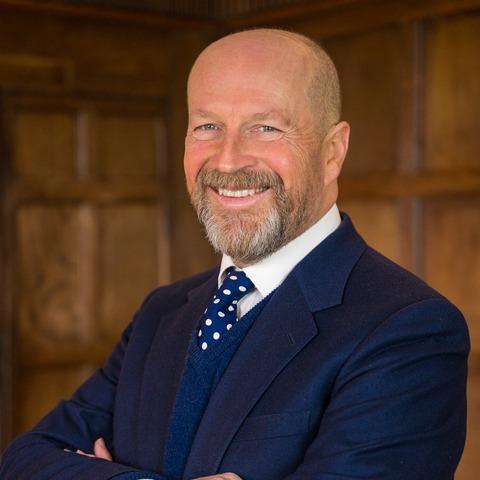
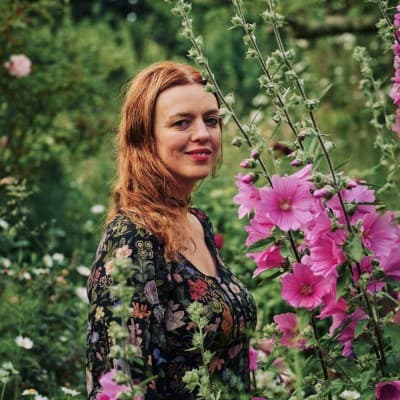
In this episode of all about business, James Reed sits down with Frieda Gormley, Co-Founder and Creative Director of luxury interiors brand House of Hackney, to explore how she's using the natural world to challenge conventional ideas about business success.
Nature doesn't grow endlessly. It follows cycles of growth, rest and renewal. Frieda believes businesses can learn from these principles to become more resilient, and she's putting that philosophy into practice in some extraordinary ways.
She's given mother nature a formal voice in company decision-making, walked away from lucrative partnerships that conflicted with her environmental commitments, and introduced 'Nature Fridays', giving employees the equivalent of a four-day working week without reducing their pay.
But challenging traditional business models comes with commercial realities. Frieda also reveals the cashflow struggles behind building House of Hackney, why private equity created tensions with her long-term vision, and how she's rethinking the true cost of the products her company makes.
Timestamps (video)
04:41 building the brand model
09:03 design identity and purpose
18:13 defining success beyond profit
29:07 business greenprint basics
34:26 Nature Fridays four day week
37:39 building a viable brand
41:21 small business can start
42:51 next for House of Hackney
Timestamps (Audio)
03:41 building the brand model
08:03 design identity and purpose
17:13 defining success beyond profit
28:07 business greenprint basics
33:26 Nature Fridays four day week
36:39 building a viable brand
40:21 small business can start
41:51 next for House of Hackney
Follow James Reed on LinkedIn:https://www.linkedin.com/in/chairmanjames/
Follow Frida Gormely on LinkedIn: https://www.linkedin.com/in/frieda-gormley-7b99a521/
Find out more about the House of Hackney and their products here: https://www.houseofhackney.com/
Submit your application to Reed’s Entrepreneurs Fund for a chance to win a £20,000 grant: https://www.reed.com/entrepreneurs
[00:03:58] Well, today on All About [00:04:00] Business, I'm really delighted to welcome Frieda Gormley, who is the creative director of The House of Hackney. Um, this is a luxury interiors and lifestyle brand that she launched in 2011 with her husband. Um, The House of Hackney is known for its bold, nature-inspired wallpapers, fabrics, and furniture.
[00:04:20] And Frieda is also, um, a published author of the wonderful book that I'm currently reading, In the Company of Nature. So we're gonna talk about you and your business, Frieda, and your business ideas and philosophy, which is, um, super interesting, I think. But I think let's begin, let's begin, for anyone who doesn't know The House of Hackney, what is the business today?
[00:04:42] Um, what do you make and who are your customers? Uh, thank you, James. Delighted to be here with you today and have, have this conversation. So House of Hackney was founded by myself and my husband, Javi, uh, 15 years ago, um, around our kitchen table in our house in Hackney. And the [00:05:00] idea that was, um, this was like the late 2000s.
[00:05:03] Um, I, at the time, was, um, I was a fashion buyer, um, for the, for the high street for Topshop, which I'm sure you'll, you'll remember. I remember it well. Um, um, and very much experienced the kind of the, the g- the glory days of that moment under the helm of Jane Shepherdson. Um, and then saw, I suppose, the start of its demise when Philip Green became a lot more involved in it.
[00:05:30] Um, and I became, started to become increasingly uncomfortable with this very exploitative model, um, of, um, yeah, you know, just- Sorry, can I say that again? Yeah, yeah. Go on. Yeah. So you- Yeah ... you, you became uncomfortable- Yeah. Um, yeah, the more I learned about the model, the more I became increasingly uncomfortable with, um, yeah, with, you know, the, the, the low wages and the factory conditions.
[00:05:58] Um, we had our first child, [00:06:00] and generally with that you're sort of propelled into thinking about the legacy you're leaving. Um, and I think, you know, s- socially at the same time, the late 2000s was, it was very sort of politically and economically quite austere, if we remember. Um, and we were all living in these very much sort of white minimalist, you know, interiors, and had done for about a decade.
[00:06:24] And that was, you know, myself and Javi included, and we were really kind of craving bringing, you know, the idea of bringing nature into our home. And we had like a, a postage stamp backyard in Hackney, basically. So we really started to think about how do we actually bring nature into our home through textiles.
[00:06:45] Um, and I think, you know, we grew up in the 1980s surrounded by William Morris and, you know, wallpapers and, and the idea ... We almost had sort of this sort of nostalgic idea that we wanted to sort of create, yeah, this, these sort of like, yeah, [00:07:00] indoor sanctuaries inspired by nature, almost indoor gardens. Um, and you know, quite simply when we couldn't find in the market, uh, what we were looking for, which was very much, you know, the antithesis of the high street.
[00:07:12] So we were looking as, you know, young people, we were looking for a product that would be, you know, made to, made to last, quite inspired by a British aesthetic, but, um, juxtaposed with modernity and, and fun, you know, and spirit. Um, so yeah, when we, when we couldn't find what we were looking for, we decided to, um, quite bravely create our own, and so House of Hackney was, was born.
[00:07:38] Um, it was always supposed to be, um ... You know, we, we'd come from large corporation and, you know, House of Hackney, with House of Hackney we had an opportunity to, you know, we had this sort of blank canvas. Um, and to start with, you know, really it was about creative fulfillment for us as people. Um, it was about supporting UK [00:08:00] industry.
[00:08:00] Uh, we spent six months before we launched traveling around the UK, 'cause remember we didn't come from any, we didn't have any background in interiors nor, nor, nor were we schooled in business. Um, but I had sort of cut my teeth through the fashion buying experience, and Javi came from a product and design background.
[00:08:18] Um, so yeah, we, we were really, really pleased to find that, you know, throughout the UK, even though the moment, you know, high, high street fashion and, you know, fast fashion, fast homewares really reigned supreme at this time and, you know, people had forgotten about made to last But we found that these traditional industries and generational families of factory workers, these pockets still existed around the UK.
[00:08:47] Um, and those, those relationships that we made back then are still the ones that we have today. Um, and we've all sort of grown together, which is, which is beautiful. So, [00:09:00] so yeah, today, I mean, House of Hackney started as, as, as an interiors brand. The idea was to bring nature in, into our home. Our main categories, which are the same really, um, today as they were then, um, wallpaper, fabric Um, and sort of, uh, yeah, home accessories that, that, that sort of, you know, speak to that as well.
[00:09:21] But increasingly, you know, nature very much started as our design muse, um, when we, you know, the, with the idea of actually bringing nature into our home, and as designers, we spent, we would spend, you know, so much time observing nature and actually sort of, you know, unexpectedly building this relationship with nature.
[00:09:42] And over time, nature started to become our teacher, and we started to learn about nature's living systems as we sort of dug beneath the aesthetic and actually really learnt about nature's systems and cycles. Um, and so that started to really inspire us to actually think [00:10:00] about how could we set up our company, how could we inspire by nature's systems and that, like, you know, 3.7 billion years of R&D, um, and adaptation-
[00:10:11] and resilience and how, you know, how, how could we bring that into our company? So you say 3.7 billion years of R&D. Mm. I like that. I mean, there's a lot that you've, you've just described, Frida. I mean, the, the, the point that you began with was a sort of rejection of fast fashion, a seeking a counterpoint, and then, and then you, you, you talked about finding in nature a design muse that then became mu- much more than that and became a sort of business philosophy.
[00:10:41] And I would quite like to understand this, but, so at the moment though, I mean, if, if you take your business, w- where would people find you if they wanna come and explore your shop or buy your products? Where, how can, how can people find you in the first instance? Yeah. So we are, I mean, we are an, an, an omni-channel business, [00:11:00] we say.
[00:11:00] So we have, um, we s- and we service, um, uh, B2C customers, so direct to consumer, and that was quite important in the early years that it was very difficult, uh, for a customer to actually have a great interiors, uh, D2C customer journey, basically. So we built one of the first websites to be able to enable that.
[00:11:24] You had back then, you know, you had, like, Chelsea Harbor and equivalents in the US, et cetera, and you needed, you needed trade accounts, and you needed an interior designer. So we really wanted to sort of make that journey very easy for a customer. So people can come direct. Yeah, absolutely, and just empower them with, with actually, you know, there are no rules.
[00:11:43] There are no rules in interiors. You know, decorate your homes, your, your, your sanctuaries how, how you would like it. So we have, we're pretty much sort of, yeah, 50/50 D2C, and then the other side of the business is B2B which is- Hang on. So this is business jargon. Yes. Okay. What's D2C and B2B? Come [00:12:00] on, let's- So direct to consumer.
[00:12:01] So- Let's pop the book up That's the... You might have to come- Sorry, I thought I'm on a business podcast- Yeah, yeah, yeah ... so I thought that was the inside No, well, not all our listeners are. Don't worry. Don't worry. But, so... Yeah, you are. That's okay. Come forward a bit. I can- Come, f- forwards, 'cause that's- Yeah
[00:12:13] the... You are. We'll, we'll, we'll come back to- Yeah, yeah. So- Um- So but don't you have a, a, I, I was hoping you would just tell us where your shop is. Yes. You know? Yes, so we, we have- So, so, so you ha- so, so you're an omni-channel business, pretty much? Yes, we're an omni-channel business. I mean- Talk me through that.
[00:12:29] Yeah, so that means that we have, um, different channels. Uh, we have a website, uh, which ships internationally. Um, we have, um, two, uh, flagships, one in London, one in New York. I'd say the one in London, which is in Hackney, is sort of the spiritual home of the brand. Um, it's a really, really beautiful, very emotive, um, customer experience.
[00:12:54] Um, and yeah, we have, um... So we, we, we work with and supply [00:13:00] both just to regular customers, but also to, to trade, which really m- is made up of interior designers. Um, yes, sort of hotels, that kind of stuff. Um- Yeah. So it's important- Yeah ... to have both of those channels. Yeah, we... Yeah, we generally see that, you know, when it, I think having the omni-channel model actually sort of builds resilience.
[00:13:22] Um, and yeah, when sort of one's, one's down, another one's up, and it sort of, just sort of pings- Yeah ... around a bit. Um, but yeah, it's interesting that actually the US is our biggest market at this stage. You, you also described as sort of rejecting that sort of minimalism of the late 2000s, which I remember well, um, and, and taking, uh, it's my, my word, not yours, more maximalist approach, but for interiors that were beautiful and, and, and nature sort of inspired.
[00:13:51] Um, how, how, how important is it for the development of your business to have a distinctive visual identity, and how, how do you ensure you have that? Hmm. [00:14:00] Yeah, I mean, I think it's something that's probably, we don't, we don't sort of work on. It's not a strategy. It's just really quite innate. Um, I think, you know, from, from the, from the start, myself and Javi had a real sort of- A real dream, a real sort of world of House of Hackney if, you know, you know, obviously starting small around our kitchen table.
[00:14:22] And I should say we, we would have happily have kept it around our kitchen table had we not started to get into sort of like minimum orders and that kind of stuff and realize actually you do need a critical mass just to- Yeah ... just to be able to operate. Um, so we, we spent our first year working from our home actually, and from that point we realized actually, um, yes, you know, just to actually get our h- head above water, it needs to be, um, it, it, it needs to be bigger than that.
[00:14:52] Um, so yeah, so we've, we've always had this sort of like, yeah, you know, a v- a very clear view of, uh, what the [00:15:00] world of House of Hackney is, both, yes, aesthetically, but I think for us the aesthetic is almost the Trojan horse into the rest of it. Um, I think myself and Javi have always been so deeply led by, led by purpose, and I think that purpose started in with, you know, how, how do we look after our people, you know, our culture, our, our suppliers, our factory, just make sure everything is fair, people are looked after.
[00:15:27] And I think as our sort of relationship with nature deepened and, you know, we, we sort of, we were also sort of remembering that we are nature, and actually companies are nature. You know, companies are made up of biological beings. Um, I think it's sort of a, it's, it's something that business has really forgotten and has very much sort of placed nature out- outside of- So, so, so I understand, though, th- this was right from the start you took this nature-centric approach?
[00:15:55] No, I think it came. Or it, it evolved. It came, yeah. Yeah. I would say it's very much been a rise in [00:16:00] consciousness. Um, the more we sort of spent time outside designing and actually really tracking nature's, yeah, you know, seasons and systems and that kind of stuff, it, it became an, an, a, an real evolution. Um, but yeah, the early days was very much about sort of the people part of, of sort of care, shall we say.
[00:16:19] Um, and then the rest of it sort of has been this sort of, um, yeah, a bit of a, a bit of an, uh, sort of a r- an unveiling, a reveal. And I think also, you know, understanding and, you know, that we can't take sort of endless inspiration from nature without giving something back. You know, nature works on, on reciprocity.
[00:16:41] And actually the idea of sort of platforming, you know, as a brand the idea that we are nature and, and also the idea of like the circulation of pro- of profits, uh, into nature restoration projects, and this was all stuff that we started to do quite early on actually, [00:17:00] um, which then ended up, um- Ultimately becoming, uh, well, a, a, a, a formal nature licensing fee, and then ended up in a, in a governance piece where we actually now have a Mother Nature and Future Generations, uh, director, um, of our company.
[00:17:20] So, and- So hang on- Yeah. Yeah. 'Cause you, you actually... Because I want to understand that. You, you actually changed the articles of association of your business to include the Mother Nature and Future Generations representation. How does that work? I mean, w- who is that? Who, who- Mm ... sits a- as Mother Nature, or how does that function?
[00:17:38] Sorry, James, can you just repeat that question for me? Oh. The car quiet a lot. So, so Freda, you a- you actually, as I understand it, changed the articles of association of your company to, to, to include th- this Mother Nature and Future Generations representation. I think it's a really interesting idea, but how does it work?
[00:17:55] I mean, how, how might other entrepreneurs or businesses listening go about this? What, what [00:18:00] practically does it mean? Yeah. So six years ago, um, we, um... Sorry, can I start that again?
[00:18:12] So we, we were really grappling with the idea that nature didn't have a voice in, in the room, in, in decision-making. Um, and actually how much nature depends on, business depends on nature for just to, for, you know, to operate. Um, and thankfully around this time that we were having sort of these, these sort of big sort of, yeah, downloads, um, a British cosmetics brand, Faith in Nature, um, announced that they had created a mechanism, um, working in tandem with a group of nature lawyers called Lawyers for Nature.
[00:18:48] And so they, they created the, yeah, the, the, the framework to be able to have a Mother Nature directorship in, as a legal entity, [00:19:00] um, in a company. So, um, it was really exciting news for us, and it actually sort of unlocked so much of our, of our thinking. And I think it also took it away from it being sort of the mission of the founders and actually, um, you know, by writing it into our purpose and mission and articles of association, by really legally binding it, it, it, you know, gave everyone within the company the permission and the invitation to actually really, really live this.
[00:19:30] So there was a huge mindset shift, which didn't happen overnight, but we've invested heavily in the education, the team, the kind of the key litmus tests. Because I think a lot of people think that this sort of thing, you know, it's, it's really sort of boardroom conversations, and actually it's very rare that it gets to the boardroom because Because we're all walking the talk and really want to sort of, you know, honor, [00:20:00] honor the purpose, so it's actually all the, the everyday decisions where actually this comes into play.
[00:20:06] Could you give me an example of a recent decision where you've sort of- Yeah, I mean- ... well, this- I mean, there are lots. In the, in the early days- Mm ... of, of, um, applying the directorship, we had to actually, um... Well, we decided to, and very willingly, to actually unwind quite a lot of revenue. Um, we felt we could no longer continue with some of the collaborative partnerships that we had, um, where supply systems just weren't as transparent or, you know, materials, you know, just it, it, it wasn't where, it wasn't acceptable to where we- Mm
[00:20:39] needed to go. And actually, our company was very much known for collaborations, known for partnerships with bigger retailers. Um, so we really, you know, w- we did it in blind faith, uh, and really thinking of sort of the principles of nature that you need to sort of compost the old to actually leave space for the new.
[00:20:58] Um- So are you concerned [00:21:00] about AI being anti-nature? That's a huge topic. It is. Yeah, no, but I was just listening to you then, I was thinking, "Yeah, I can understand- Yes ... what you're doing here." But when you, we hear about these huge data centers and the effect on the environment and water and- Absolutely.
[00:21:16] Absolutely ... it feels to- and, and all our businesses are all doing, how can we use AI? But this is pause for thought- Yeah ... isn't it? Yeah. We're trying to draft, um, an AI responsibility charter. Uh, actually, we have drafted one, and it's currently being incubated by our, by our team, and it will be sort of tested and fed back and, and we hope early next year to actually go public, um, with, you know, w- with an idea of how we could model respons- responsible use- usage of AI.
[00:21:45] Uh, yes, we're worried about, uh, the environmental impacts, but also the impacts on... You know, we, we are, we are, are a brand that has, you know, we have at, at our heart creativity and the protection of human creativity and, and the unique gifts that, [00:22:00] you know, human gifts that we, we, we have. So, um, so yeah, we're working through that one, but, um, yeah, it's a big topic.
[00:22:08] I'll be very interested, very... Yeah, it is. I'll be very interested- Yeah ... what you, what, what- Yeah ... you come up with. Um- So, so- So yeah, so I should say that the mother, Mother Nature is embodied By a person. Um, and our current, uh, representative of the role is, is Sharmiyan Love, who was, um, a founder of the UK, uh, B Corp movement, and, uh, is also a lecturer at, at Oxford Business School.
[00:22:35] Um, before that we had Bronte Ansell, who, uh, is one of the co-founders of Lawyers for Nature, who created the mechanism. So we've been really well stewarded and actually each one is, um, really sort of, you know, taking it all to the next stage. Shar has created what's called a Mother Nature Going Concern test, um, which really gives us sort of the li- litmus test to help in our decision-making, both [00:23:00] in the day-to-day, and then there's an escalation to a nature-related matters meeting and actually very little, as I said, gets to the board meeting 'cause the, the decisions often happen early on.
[00:23:10] Um, but it's been, you know, it's been- Can I ask- Yeah ... this thing as a sort of business person. Yeah. I'm thinking, has this been good for business? I mean, ha- ha- has this sort of change in approach- Yeah ... meant, meant that your customers like you more? Are you making more sales? Or has it been good for business?
[00:23:26] Yes. I mean, I think, you know, we're coming back to big, a big question here, which is what is the definition of success? Yes. And I think success, business success has been very, very narrow. Um, it's be- it's been very much sort of really purely through the lens of financial success and, uh, to the detriment of the other, the other values.
[00:23:47] Um, so what we're, what we're trying to model and are modeling and are starting to see the s- first set of shoots of, I suppose proof of concept and some, some are quantitative, some are [00:24:00] qualitative. Um, but we are trying to model health and the health of the h- of the full system. So corporate health? Yeah, holistic
[00:24:09] the corp- corporeal body, you know, which Holistic health Yeah ... which, which is underpinned by financial health, but- It is though, isn't it? Yes ... I mean, 'cause you can't do anything without financial health. No. Yeah. So we, we- You're out of business. Yeah. Yeah. So we're, we're, we're, we're very responsible with our financial health, and very much value that, but it's about the idea of, you know, we have over the past 30-odd years, you know, got into a real situation, you know, where sort of shareholder primacy sort of trumps everything else.
[00:24:38] And- Well, I understand you had a sort of private equity experience, which- We did ... which didn't align with what you were trying to do. Can, can you explain what happened or in, just in summary? Yeah, I mean, I think that, I think- 'Cause that's helpful for people listening, I'm sure. Yes. I mean, we, we were... And when we created and, you know, embedded the Mother Nature directorship, we actually were in a very conventional private equity relationship.
[00:24:58] Um- So you had [00:25:00] a- another shareholder? Yes. Um, which, which was, yeah, a private equity model, and that, that model- How much of the business was owned by private equity? Um, they had a significant minority. Yeah. Um, and I think myself and, and Javi, we've always been very open about our purpose and the mission of the company, and, um, you know, we, we, we value, you know, entrepreneurialism and, you know, we value the sharing of profits and all that kind of stuff.
[00:25:29] You know, this isn't a charity. This is, um... But it's about, you know, you look at how nature works and, and, you know, it, it's about profit. We can do great things with profit, but it needs to be in circulation of all stakeholders and not just, not just one. You know, so, so yeah, but I think the issue, the issue with, um, private eq- the private equity model is it's a bit like our political parties.
[00:25:53] It's, they have very short tenures, and there's generally, um, there's [00:26:00] generally pressure on, on a company, on a business to, um, you know, to really perform, grow fast. Um, you know, a- and if that means extracting a lot, so be it. And- So it's potentially anti-nature. Yes, very much so. It, it doesn't, it doesn't work in harmony, and it, it, it only values one type of capital, um, to the detriment of all the rest of them.
[00:26:24] Money, you mean? Yes. Yeah. So the, the, so the pressure is to get a return quickly and move on- Yeah ... to do something else. Absolutely. And with that, you know, I think, you know, the, the, the, the current conventional business model is a very, it's very short term, and that's not, not how, how nature works. And it's, you know, it's got...
[00:26:42] You know, business has played a big role in the polycrisis that we're, we are facing because of this very much short-term, um, you know, shareholder primacy, uh, model. And actually what we need to start doing is modeling long term, thinking about the impact on our actions [00:27:00] Sorry. Sorry, sorry, sorry The emphasis is good, but it makes a noise Yeah, yeah.
[00:27:03] Yeah, no problem Yeah. Um- So modeling- Yeah, we th- yeah, the, the, the current sorry Sorry, I've slightly lost my train of thought. What did I say before that? You were talking about the emphasis on the long term being at conflict- Yeah ... with this. Yeah. Yeah. Uh- So I think, you know, the, the issues with our, the current conventional business model is that, uh, it's set up for sort of short-term growth, um, at all costs.
[00:27:31] And, um, you know, and business has, with that model, um, you know, it, it is responsible for a lot of the polycrisis that we now face, but we really feel that actually there's an opportunity there, that there's an a- there's an opportunity for business to be part of the restoration story of- I agree with that.
[00:27:53] I think it, it- You know, I think- ... you're spot on. Yeah. But have, have there been times when what's best for nature has really jarred and [00:28:00] conflicted with what's best for the bottom line for you? Have you had to sort of make difficult decisions around that? Sorry, I'm just trying to think quickly. Well, maybe it hasn't.
[00:28:09] Um, let me say that, let me, let me, yeah. Uh-huh. You know, I think there, there are always trade-offs, um, that's sort of natural in sort of day-to-day business. And, but for us, what we are, you know, this is, it's, it's a, it's a long game, it's a long-term plan, and we are seeing even in the sort of six years that we've started to pivot from being a B Corp sustainable brand to actually working towards becoming a regenerative brand.
[00:28:40] You know, from focusing on the health of the company, uh, you know, whi- while being very aware and protecting the finances, w- we're starting to see that actually there are these, um, yeah, there are these other values being created. So beyond the financial value, we're seeing [00:29:00] human, natural, cultural capital all growing.
[00:29:03] We're actually starting to measure that. We ran a really interesting exercise called True Cost, which, um, is sort of rooted in the concept that, uh, you know, you, you think of something like a, a farmed chicken in a supermarket and, you know, 67 quid and actually... But is it, like what is the true cost of, of that chicken to, to the environment and, and, you know?
[00:29:26] So w- often the consumer is not paying the true price of goods. So we, we ran this, uh, experiment working with the True, True Price agency to actually calculate, um, around our two biggest, um, products, fabric and wallpaper. And actually, that told us that actually our wallpaper, we should be, be paying about 25p more, which is sort of neither here or there, but actually on our fabric per meter, we should be paying almost £3 more.
[00:29:55] So that gave us the, the kind of the, the impetus to actually go [00:30:00] out and turn that from a kind of a- A negative into, into actually a positive, and we actually created... We've created and, and we're about to launch the first regeneratively farmed, um, uh, interiors velvet. Um, so it's sort of, it's that sort of like, um- And that's based on this true cost analysis.
[00:30:22] Yeah, yeah, absolutely. So it was done in a way that was consistent with your values. Yes. Yeah. So the idea now is, you know, we are in a time where we need to be very collaborative. We need to be collaborative with our competitors. So it's the idea of actually let's work together, let's share these mechanisms, let's, let's open source, you know, new materials.
[00:30:43] Um, we're also working with Harvard Business School, who've actually put the Mother Nature case study on their, on their curriculum, um, and Oxford Saïd Business School. So it's, it's... We're in these very interesting emerging times where [00:31:00] actually there is a real appetite for a new vision of business that, yes, is underpinned by the financial health, but also models the other healths as well, um, and where actually there's sort of mutual, mutual flourishing across the stakeholders.
[00:31:19] This is, this is super interesting for me because, I mean, you're doing two jobs, as I see. I mean, you're running a business, which I find demanding full time- ... but you're also reinventing it with a new vision for business, and you're, you're writing books, you're going to business schools. How, how do you, how do you find the capacity to do both?
[00:31:38] And what's the, what's the sort of secret here? You're obviously highly motivated by this Yeah, I th- I mean, I think we're highly driven by purpose. We really are. By, by really wanting to, and we're excited. We do feel that we are doing the work to unlock a new model that's gonna [00:32:00] benefit people and planet.
[00:32:02] And I think, you know, people have been really, you know... People are good and want th- they, they want to do the right thing, but, you know, there's a lot of like, how would I pivot? Um, is it cost me- is it gonna cost me m- my business? Um, you know, there's just lots of sort of big questions around it. So I think within the next 18 months to two years, we will actually be able to go out and publicly with actually the metrics of success and show what happened when we- Co-
[00:32:34] when we did this, you know Because you're doing a new book, aren't you? It's called Greenprint. Is that right? So the Greenprint is actually, it's a, it's a working group. Um- Right ... so House of Hackney, you know, we are, we're, we're one model. We're, we're one business. We're an SME. We're very proud to be an SME, and I see ourselves staying, uh, within that, within that category.
[00:32:53] Um, and what's really interesting about SMEs, so small, medium-sized enterprises, is that although we feel quite [00:33:00] beholden to large corp- corporation, SMEs make up 99% of both UK and US private sector. So actually there's so much agency there if we, if we work together. Um, so we felt, you know, through doing this work, and actually a lot of it started with both obviously being guided by nature, but also, you know, reading lots, doing lots of, you know- Sort of reading all the kind of the regenerative econo- e- economics books, doing those courses, they're highly theoretical.
[00:33:31] There's very little practice, and we felt that we were really missing a guide, like a- For sure. Yeah ... a practical guide I mean, where do you start as a business? A practical guide As an SME or bigger business? Yes. Yes. We decided- How do you do this? We've decided to convene, um, a working group of SMEs, um, progressive SMEs, uh, across different sectors, um, observed by s- by some larger corporations like Lush, Viva Barefoot, Davines, [00:34:00] and we're together gon- going to co-author, um, a greenprint, which is, will be ultimately this working guide for companies to actually help make the pivot, and it'll be, yeah- I mean, playing on the blueprint idea.
[00:34:12] Exactly. It's a greenprint- Exactly ... for people who want to- Exactly ... incorporate Yes. Just with the idea of actually let's really try and accelerate this movement. Um, and I think that's what keeps- How's that going? Is it coming together well? Is it, or is it difficult? Our first meeting's, uh, in October. Oh, okay.
[00:34:26] Yeah. So- Yeah, so we're just, we're just about getting going on it So it's not gonna come out i- imminently, it'll be out... No. We're about to start our working year on it. Right. Um, so yeah, I, I think that, you know, I'm, I'm really energized by the people we work with, both within our own company, but also, um, yeah, I mean, we're in these really interesting emergent times and, you know, we just, there, there are many creative levers that are being, that are being sort of worked on and pulled and through- Yeah
[00:34:54] conventional models. And, you know, you see rights of nature movement, and there's just this, there's lots of traction [00:35:00] around, around a very old worldview around our, our place in nature, which we kind of lost for a few hundred years. And- Okay. But- And it's... Yeah ... I'm interested all right. I'm interested. I run a business.
[00:35:12] What sort of... H- how do I get started? What sort of... L- Let's sort of get a preview of the greenprint. I mean, what, what sort of, say, three things might I do to start this journey? As a business owner or leader or Sure, yeah. I mean, I think it, it does sort of, yes, of course it depends on, on, on, on the role someone plays.
[00:35:34] Mm. But I think there's, you know, there's, there's sort of I think understanding of, of purpose. I think each company has its own purpose, and it doesn't have to necessarily be nature, but I think, you know- How, what's yours, or how, how would you describe yours? We describe ours as a restoration project. Oh.
[00:35:51] You know, we see, we see our brand as an incubator brand. Um, so it's, yeah, across craft, community, and nature, basically. So [00:36:00] we, you know, we, we really exist to sort of be the crazy ones, to sort of incubate these ideas, um, often supported by, um, academic partnership, and then actually put it out into the world and, and, and along the way through our platforms and customers, you know, use the product to actually story tell.
[00:36:20] You know, I'd say we're storytellers as well. And, you know, so we're sort of subliminally dropping in these, uh, these important sort of, um, yeah, messages. So okay, so I, so I study our purpose or determine- Yeah, I think, yeah, I think- And it should be aligned and- Yeah. I mean- And so on ... the, the, the roots of company, just to mention briefly, is to share bread.
[00:36:42] Mm. And the roots of the word oikonomia, economy, is stewardship, stewardship of the whole. Is that- Yeah ... that's what those words- Yeah, yeah ... mean originally? Yeah, so we come- Company is to share bread. Yeah, yeah. Is it? It's about the idea- Bro, I never knew that. Yeah, so, so I think purpose is, is really important and, and the idea of [00:37:00] stewardship and the idea that whatever role you play, and certainly most definitely the leaders, we are stewards.
[00:37:06] We're stewards of natural resources, which include our, include the people and the elements. Um, but that's a really important that we tend well. So you think of people as natural resources? Yeah, I do. Yeah. That's nice. We're part of nature. Not, not, not human resources. But what I like to ... No. What I like to say is that- Yeah
[00:37:23] it's all sacred elements. 'Cause I think if we had a, if we, if we have a sort of reframe of around language- Yeah ... and the idea that, you know, 'cause it- So what are sacred elements? Well, it just, sacred elements are natural resources. But the idea of something being a resource almost objectifies it a bit too much, when actually
[00:37:41] Yeah So a person's a sacred element as well in this? Yeah. Absolutely. Absolutely. Well, that changes it. We are all nature. We are all nature. You know, so. And you've, you- you've gone to battle against the Oxford Dictionary on this, haven't you? Yes. So, so what, what's this? Tell me, what are you doing with the, the, the Oxford Dictionary- Yeah, yeah
[00:37:55] and the definition of nature, Frieda? Yeah. So when we created our nature [00:38:00] directorship, and we were writing the articles with Lawyers for Nature- Yes ... and we had to put in a definition for nature, and we were quite horrified to find, to, you know, pick up and look up the, the, the Oxford English Dictionary and see that the definition of nature, uh, basically describes it as sort of the, the, the cosmos as opposed to humans.
[00:38:20] So, um, we people- As what's separate from- As opposed to humans. Yeah. Oh. So n- we sort of had humans- So human nature doesn't exist in Oxford? Yeah. No, it doesn't. And I mean- Well, there you go ... so, so- That explains a lot. Yeah. So we kind of unwittingly wrote ourselves out of nature, which is the source of so much of the, of the, of, you know- Yeah
[00:38:41] the issues we find ourselves in now. And actually, language really matters, which is why I'm sort of in jest talking about sort of the n- you know, natural resources reframe as sacred elements. So we ran a campaign, um, to, uh, with Lawyers- You say in jest, I mean, uh, but you mean in seriousness. I mean it seriously, [00:39:00] yeah.
[00:39:00] Yeah. Because you do. I can see that. Yeah. And I think it's a serious point. I mean- So, yeah ... it is. And you know what? I, I mentioned it in an interview in the FT, and they, they kept it in. Yeah. Which I thought, you know, it's, it's really interesting to see. I know they're quite progressive, but, you know, it's, it's really exciting to see the likes of Harvard MBA students, the Financial Times, actually starting to cover this old but actually new story of, of, of, of how business could be.
[00:39:26] Um, but with the OED, we, we managed to, um, we managed to, to get a win with it, and we found a very old obsolete definition, which included humans- So what- ... which they decided to reinstate. Oh, really? Um- What, from their own dictionary? Yes. Yeah. So they've dropped humans. Yeah. Oh. But the thing is, dictionaries, we learned that dictionaries write to the worldview of the time.
[00:39:49] Mm. So they don't create meaning. They write to the worldview. So, and there is this, you know, th- there's a real rising- You know, th- th- there's a rise in indigenous knowledge, there's a rise [00:40:00] in science and biology actually really confirming that, that we are nature. So I think we're, we're quite close to actually more sort of wholesale, yeah, redefinitions around nature.
[00:40:13] And, and then it's like, well, what does that, what does that mean in how we work and play? So, so yeah, we're, we're trying to really honor companies being part of nature within our c- within, within House of Hackney, and we've got all different, um, sort of, um... Sorry, let me say that again And we've got lots of different initiatives, um I'm sorry.
[00:40:39] No, go on. So we're, we're really trying to honor the idea that companies are part of nature within House of Hackney, and we have, um, various different initiatives. Um, we run, we're a very early pioneer of the four-day week, um, which is, has evolved over [00:41:00] time, um, to now- You, you have nature Fridays ... yeah, to now be nature Fridays.
[00:41:04] So how's that worked out? Yeah. Yeah, so it's basically, um, you know, with all these different revolutions, industrial, digital, efficiency's improved, but time never went back to the people. Um, and we have a, an amazing team, um, and it just doesn't feel natural to, to have this sort of, you know, 40-hour week where everyone is, um, at their desks in front of screens, sedentary.
[00:41:32] Um, and actually, nature has cycles of, you know, rest within it with, built into the process. So, so yeah, we decided to give everyone the equivalent of a four-day week. It's called Nature Fridays. It allows people to honor, um, to, to, to do whatever they want to do in nature, as little or as, as much as they'd like to do.
[00:41:51] Some people greet the sun, some people volunteer. Um, whatever they'd like to do. So does, does everyone work a four-day week now? Yes. Yeah. So people are paid the same- [00:42:00] Right ... um, but have that day, and it's been really interesting to track actually, um, that, you know, 20% left of the we- w- 20, it's, sorry. It's been very interesting to track that actually, you know, 20% less of the week does not mean 20% less in sales at all.
[00:42:22] You know, it actually, we've actually increased our productivity. We've increased our sales. So that's been a good experience for you. We've increased our retention. So it's, yeah, so it's been an, a really, really, yeah, modeling health has driven all those oth- other metrics. And any particularly good examples of spending time in nature-
[00:42:40] that your colleagues have adapted? Yeah. I think people are, I think it's great for like working parents. Um, I mean, I personally really do try and get that early morning dose of sun. Um, and yeah, we've got lots of people volunteering, um, learning how [00:43:00] to sort of grow food, just get hands in the soil. There, there's a lot of, uh, evidence, isn't there, that time spent in nature is good for our mental health.
[00:43:08] Yeah, no, I've, and- And obviously there's some, you, you talked about a polycrisis. I mean, one of these crises is mental health, I'm sure, recommend. Yeah. I mean, I think, you know, my book starts with the fact that most of us are sort of two generations from having our, our fingers in the soil. My, my grandparents were small, smallholder farmers in the west of Ireland, and actually, um, you know, things have sort of changed so rapidly, which also gives me hope that it can actually- It can go back, not- You're saying we should get our hands back in the soil?
[00:43:38] Yes, absolutely, 'cause it's so important for our gut health, which is linked to our mental health, you know? So we also run what's called a Time With Nature policy, uh, during the rest of the four days, where we really encourage people to get out, have walking meetings. Um, yeah, you know, really work outside- Yeah
[00:43:58] and we give them all the tools to [00:44:00] d- to do that, um, because that really honors, um, y- So- We're not supposed to be inside all day. So no, listen to you, Freda. I mean, you've built a very unique business with a unique culture and, I would say, a remarkable philosophy, um- Thank you ... around nature, and I applaud you for that.
[00:44:18] Um, looking back over your 15 or so years, um, what do you understand about building a company now that you didn't when you started that you might wanna share with others? I think at the start, I probably thought that building a brand and a company was about, you know, a product collection. Um, yeah, marketing, you know, all those sort of traditional ways of how you think about a brand, and, and I think...
[00:44:52] Well, I, I... Sorry, can I go back? Can I have that back? Yeah, yeah, carry on. Sorry, I said that in separate. Yeah, yeah, don't worry. Just, just say what you feel like. It's quite a hard question, this, I have to say. [00:45:00] Well, it's an interesting one- Mm ... 'cause you've evolved. That's- Yeah, definitely. Definitely. Uh. Yeah. I mean, what you just said was interesting.
[00:45:08] Fine. Okay. That was fair. Yeah. I mean, if, if that's all you wanna say- No, yeah, yeah ... that's fine. Of course. Yeah. Yeah, yeah. And, and so at what point on your journey, Freda, did you realize you'd created a genuinely viable business? How, how soon after you started was that? Probably six years ago. Six years. So- Yes.
[00:45:27] Yeah, I think we really started hitting- So almost a, took you almost a decade to get established. Yeah. Yeah. I would say, I mean, if we're talking about, you know, very strong profitability, if that's the measure of success, um- It's one of them, as we said ... it would've been... Yes. But I think, you know, it took, it, it took...
[00:45:44] So we entered a private equity deal in year five. Uh, before that, it was, um, our own sort of small savings, a little bit of friends, EIS, the Enterprise Investment Scheme. We took on some [00:46:00] smaller shareholders to open our flagship store. Um, and then by year five, actually- We w- we were on paper so successful.
[00:46:10] We were being sold in, you know, all the luxury department stores, Liberty, Harrods, Selfridges, being shopped by our, our sort of dream roster of customers. Um, but we didn't have enough sort of, yeah, fuel in the engine, and certainly with the wholesale model, which, um, is a brutal model and payment terms, et cetera, it was, it was really eating up our cash.
[00:46:36] Hence we, we, we really needed to, um, to bring in some external, external finance 'cause we could see, we could see the, the love for the brand. Um, but we never launched it with sort of deep enough pockets. And in many ways that was a good thing because we actually had to be very creative in those early years with what we had, and we did a l- had to do a lot of sort of like testing and learning and incubation [00:47:00] on very little.
[00:47:00] And I think you could go in with sort of, you know, a big fund and actually sort of rip through it and waste it. Uh, and I think we've sort of, we've really We've sort of maintained that sort of humility and sort of frugality in a way almost. You know, we, like that stayed with us in terms of no wastage, that sort of cautious, you know, how, how, you know, how we spend- Good practice
[00:47:24] where we spend. It was really good practice. Um, but also incredibly scary really up to doing that private equity deal. So those first five years, if anyone had told me it would take five years, I don't think I ever would've done it. I think I naively thought it would take one year. And, you know, I came from Topshop, that if you have a successful launch, you kind of, you sell out and that, you know, we act- we really had to build this brand 'cause we were both, um, a complete newbie.
[00:47:52] You know, we were showing a very new, a different business model with our sort of direct to consumer model. Um, it was a very new sort of aesthetic [00:48:00] proposition and, but yeah, but gradually, you know, build it and they will come and people started to find us and, and really, yeah, we, we have built an incredibly loyal customer base who I know are with us for yes, for the aesthetic and the quality, but really for the integrity.
[00:48:18] And they're on a journey with us, you know, which also makes us not ever want to make the wrong move. Yeah. Um, so I think that's been a really important part of, you know, staying really true to our mission and purpose and, you know, I think that's been a really important part of our brand building and certainly in this sort of time of, I think the customer really understands what is authentic, and I think we're fiercely authentic and that really resonates.
[00:48:46] And that in itself is, is very good for business, I'd say. I like that. Not just authentic, but fiercely authentic. I think that's a very good turn of phrase. So, um, as, as we're coming towards the end of the conversation, so what next for House [00:49:00] of Hackney? Where, where, where do you hope to take your fiercely authentic-
[00:49:04] nature-centric business next, Carina? Yeah, I mean, I think we've sort of pulled up the car bonnet of, of the company and we're sort of interrogating everything from the materials we use, um, and you know, we have a roadmap for really kind of unwinding and moving from, let's call it, you know, in, let's use cotton as an example, moving from conventional cotton, uh, to organic cotton, and then to this regeneratively farmed cotton, which has so many benefits for climate, nature, soil, p- you know, people health, all of it.
[00:49:35] So we're, we're, we're on these trajectories and actually a lot of it we have to build because it doesn't already exist. Um, so, so yeah, we're, we're on a journey. We're, we will forever be students of the journey and I think, you know, but we are in a place of stability, which is really good that we can actually build on this.
[00:49:54] You can really feel the kind of company resilience. Um, so yeah, it's everything from the materials to [00:50:00] obviously, um- Starting to sort of, uh, you know, create an integrated PNL, a nature PNL where nature is internalized and not just externalized, and actually showing the growth in those sort of five c- other capitals.
[00:50:16] Um, and actually, you know, I'm really excited 'cause people kind of naturally need to see proof of concept to be able to consider adopting a n- a new model. I'm m- you know, motivated and mobilized, as is our team, to, to really kind of, to really get out there. T- you know, we're at the moment we're doing a lot of data collecting.
[00:50:36] Um, and then it's very much, you know, with our, with our collections, it's, you know, with the product itself, it's very considered. It always ne- needs to tell a story. It needs to, um... It can never be product for product's sake, you know? So, um, but, but there's immense creativity within that, both from a kind of a storytelling and, and materials used and all that.
[00:50:58] So, so [00:51:00] yeah, I think, you know, we, it, it's, it's fun work. It's exhilarating work. Um, and yeah, I think really excited to, to put it out there, and hopefully, um, it might inspire others as well. I'm sure it- I think it will. I, I'm sure it will. No, thank you. Thank you so much for coming to talk to me about, um, your business, Frieda.
[00:51:22] I mean, anyone listening who has a restoration project- ... cares about nature, um, should be knocking on your door, I'm, I'm sure. And I'm, I wish you continued success and growth- ... in a natural way, um, that, um, that y- you, I'm sure, uh, will approve of. Uh, no, well done on building a remarkable business with a fantastic story.
[00:51:44] Thank you, sir. Thanks for coming in. Now, I always ask two questions- ... at the end of my, um, podcast of my podcast guests. The first question, and it's a clue here on, on the wall- ... because here at Reid we love Mondays, is what, Frieda, gets you up on a Monday morning?[00:52:00]
[00:52:03] Well, should I honestly answer that? As you're fiercely authentic- ... I think you should, yeah. What is it? Well, generally it's the kids- Oh, that's fair enough ... with a, with a, with a 6:30 start. Oh. Um, but if I can time it right, and obviously the sunrise changes, um, but it's actually quite a good moment now. Uh, it's with a nice cup of cacao and, and a sunrise.
[00:52:28] And- Sometimes the sunrise is a lie-in, but- Yeah ... other times of the year it's a very early start. Yeah. No, cur- currently it's, it's a, a beautiful sunrise. Okay. Yeah. Well, that seems like a very good way to start the day. And my last question, which is from my interview book, YU, um, is where do you see yourself in five years' time?
[00:52:51] So five years' time, we will be just past sort of the, those sort of, you know, that 2030 threshold where a lot of the, the nature work is [00:53:00] working towards the climate work. Um, so I, I hope that, and I can see the movement that we're part of really accelerating quite quickly, which is exciting. So I hope, I hope by then that actually it's, um, yeah, we're not...
[00:53:20] We, we're in great company, and it's, it, the movement is just continues to be accelerated. People are benefiting from it. Nature's bene- benefiting from it. And, um, yeah, we're creating collectively, collaboratively, just creating more, more abundance and health. Well, I very much hope that turns out to be the case.
[00:53:43] To abundance and health. Thank you very much for coming in. Thank you, James. Thanks for having me. It's lovely talking to you. You too. Thank you very much. You too. Great. That was- Have I missed anything? Have we got any- Yes, we've got[00:54:00]
[00:54:02] Shall I ask that question? You happy for me to ask that? No, I need to think about... We d- we, like, I mean, last year was a tough year with all the tie-ups and all that, but we're kind of um- You can say tariffs. I mean, they keep changing. Other, otherwise there's another one as well that might, if, if that's easier- Mm
[00:54:17] is what would you say to small business owners who like this idea but think they're simply too Shall I ask that? Yeah, sure. So, so Frida, what would you say to a small business owner that might be listening who thinks, "Well, I, I like these ideas, I like this approach, but I don't think I can really afford to do it."
[00:54:37] What would you say to them? I would say that, um, it could really benefit your business. You know, I'm, I'm pretty sure it actually would, would benefit. Um, so and also I don't think we have much of a choice, you know, with, with the crisis that we're facing, I think we need to do something. So it, you know, could be [00:55:00] as a small business owner, it could be as simple as facilitating time with nature for your team during the working week.
[00:55:08] Um, you know, get outdoors. Um, it could be really considering decision-making. So starting to... And there will be trade-offs, but even just starting to consider what's the impact on nature. Is this the right supply chain? Is this the right packaging company? Um, is, could I, could I move our company insurance policy to someone better?
[00:55:31] Who are we banking with? You know, there's actually, we have, we're very empowered with our decision-making actually. Um, so I think there's definitely small ways to start, and there are small wins, and I think ultimately, I think getting on this journey, most people will start to, to, to move sort of further and further on it and start seeing, seeing the kind of the, the qualitative benefits.
This podcast was co-produced by Reed Global and Flamingo Media. If you’d like to create a chart-topping podcast to elevate your brand, visit: http://flamingo-media.co.uk/