



Watch the episode
Listen to the episode
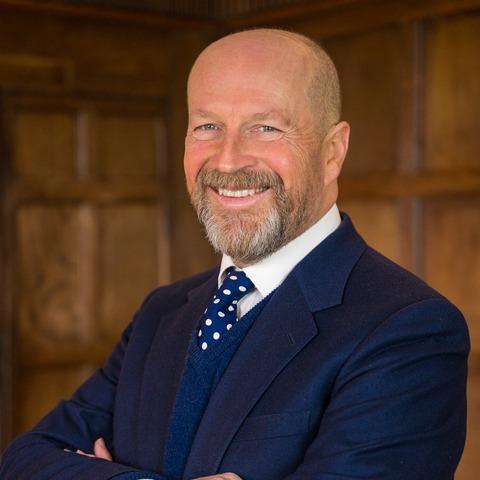
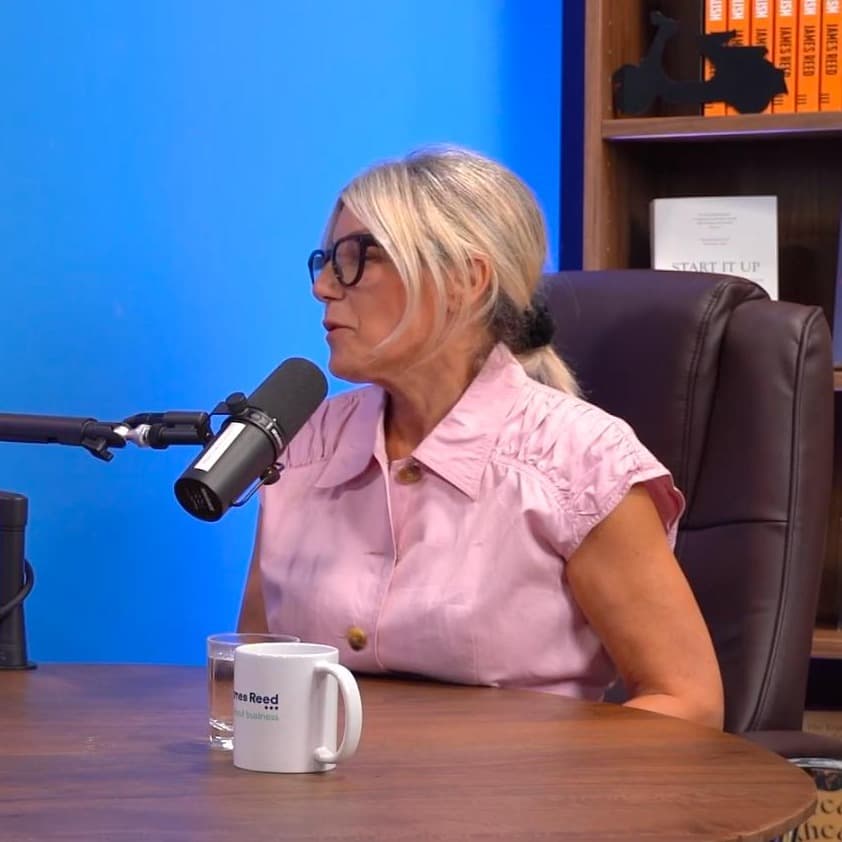
In this episode of all about business, James sits down with Millie Kendall OBE, Chief Executive of the British Beauty Council, to extract the hard-earned lessons of scaling consumer brands, fighting for brand control, and lobbying government for meaningful economic reform.
The conversation dives deep into the realities of high-street survival, the hidden pitfalls of losing legal and creative control over your own name, and why traditional vocational routes and apprenticeship models are failing small businesses. Millie shares critical lessons on navigating tax and VAT reform, the power of cross-industry collaboration even among fierce competitors, and why true entrepreneurial resilience requires staying power and a relentless commitment to solving systemic problems.
Whether you want to protect your intellectual property, lobby policymakers effectively, or scale a consumer brand, this episode delivers essential leadership insights.
Timestamps (Video)
03:37 Millie’s beauty origins
13:42 Ruby and Millie launch
19:53 Leaving and starting Beauty Mart
38:57 Britain as beauty hub
42:56 Losing control after sale
56:54 Apprenticeships for Gen Z
58:56 Industry wellbeing impact
Timestamps (Audio)
02:37 Millie’s beauty origins
12:42 Ruby and Millie launch
18:53 Leaving and starting Beauty Mart
37:57 Britain as beauty hub
41:56 Losing control after sale
55:54 Apprenticeships for Gen Z
57:56 Industry wellbeing impact
Follow James Reed on LinkedIn:https://www.linkedin.com/in/chairmanjames/
Follow Millie Kendall OBE on LinkedIn: https://www.linkedin.com/in/millie-kendall-obe-4b205613/
Find out more about the British Beauty Council here: https://britishbeautycouncil.com/
Submit your application to Reed’s entrepreneurs fund for a chance to win a £20,000 grant: https://www.reed.com/entrepreneurs
[00:00:10] Well, today on All About Business, I'm really delighted to welcome Millie Kendall to the studio. Um, Millie is the founder and CEO of the British Beauty Council. That's right. That's right. Good one. It's a good start on my part. An organization established to represent and promote the UK beauty industry. Uh, Millie has over 30 years experience in brand creation, retail, marketing, and public relations.
[00:00:35] Uh, Millie founded the successful high street beauty brand Ruby & Millie. I imagine with someone called Ruby. There was someone called Ruby. There still is, yes. So there is, yeah. Still relevant. We'll hear about that in a moment. And has contributed to the success of cult brands such as Aveda, Tweezerman, and L'Occitane.
[00:00:52] Yes. So thanks very much for coming in, Millie. I'm very much looking forward to talking to you because I have to confess ignorance of this [00:01:00] sector. I haven't paid it the attention it deserves. Y- you- But you're gonna put us right, aren't you? You can't say that to me because- ... most men shower, they shave. Um- Well, well I don't shave
[00:01:09] they wash. But I do shower occasionally. They do wash. They- I wash, yeah ... uh, I think most people- Uh ... despite the fact that they don't know it, they've probably used five personal care products before they've left the house in the morning: deodorant, toothpaste. We, we look after- So- ... the entire category, so. Yeah.
[00:01:25] Um- You look after the entire category of personal care products. Everything from personal care to your nail s- Right ... salon on the high street. Okay. Well, let, let's, let's start with a simple question. How did you get into the beauty business? My dad's a hairdresser. Your dad's a hairdresser. I was raised in the beauty business.
[00:01:41] You were born into the beauty business. I was literally born into, in a salon. Right. So you were working- No, I, I was actually born on Goodge Street, but I was born, my- You were born on Goodge Street? Yeah, I was born on Goodge Street. Which is quite near here. My dad had a salon in Baker Street- Right ... um, which is very near here.
[00:01:53] So walking distance from here. Absolutely. Yeah. And, um, yeah, I was just born i- in the, you know, in the depths of a hair [00:02:00] salon covered in hair. Right. And, um, and... But I was a terrible hairdresser, so I, I was raised- So you worked with your f- dad or...? Well, he... I didn't work with him. He, um, he got me a job working in a salon at the age of 13- Right
[00:02:14] washing hair and sweeping floors, which is when you could work. Maybe you couldn't work at that age, I don't know. But anyway, I did. But you did. Yeah. And, um, and I loved the environment, but I was not very good at actually doing the job. I think it takes a lot of skill to be a hairdresser. I didn't have that in me.
[00:02:31] So- Right ... but I started there. That's where I started. It's a great environment to work in. But you've built several successful businesses through your career. So what was it that attracted you to entrepreneurship? Um, blind ignorance probably. Um, I think, I think the thing is, is that the, the, the beauty industry is, is, um, is a very entrepreneurial industry anyway.
[00:02:53] Uh, and I think that I didn't do very well at school. I left school when I was 15. I just [00:03:00] wanted to work. I couldn't find anything that suited me. I couldn't cut hair, I couldn't do nails, I was ... couldn't do makeup. I just couldn't do the practical things that I was-- I grew up thinking were part of our industry.
[00:03:13] So I inevitably had to make jobs that didn't exist, create jobs for myself that didn't exist. And to do that, I had to create businesses that would hire me. Right. So it kind of, it just sort of, it, it established itself really. I didn't really- So what was the first thing you did? Um, uh, was the-- So I was working for-- I was working in retail selling makeup, and I did very well at that job and, uh, I loved it, but I was never gonna be a makeup artist or anything particularly senior within that organization.
[00:03:47] And then somebody else approached me to do the same thing I had done for this Japanese cosmetic company, but for their American hair product company, and the only way I could work for both organizations was to set up a business. So I went away [00:04:00] and set up a business at Companies House, um, and consulted both businesses because I wanted to make double the amount of money- Oh, that's clever
[00:04:07] that I was being paid. So instead of, instead of leaving one job and starting another, you started a company- I started a company ... and you carried on and worked for them both. Exactly. That's inspired. Yeah. That's an amazing start. I don't-- It was a sort of- That's a- I don't know whether it was a stroke of genius or just- I like the lateral thinking involved
[00:04:18] but again, it was like sort of almost like blind ignorance. I just thought, "Well, hold on. They wanna pay me 35 grand, and they wanna pay me 35 grand. Why do I have to leave that business? I can do both of them at the same time." So I was 23, and I, I just thought, "Surely I can set up a company and do what I do really well-" But what was-
[00:04:36] but for more" What was that you were doing there? It was sort of retail marketing and PR. It didn't really exist as a job. Mm. That's what I mean. It was not like a sort of specific role that you could go into. But I would take a, a brand that was an international brand. I would bring their goods and their services to the UK, launch it somewhere in the UK in a department store or freestanding store.
[00:04:58] I would open the store, I would merchandise [00:05:00] it, I would do all the comms, I would hire the staff. You know, kind of make it feel like it fit well into the UK beauty market. Um, and ine- inevitably, in doing that, we were sort of establishing what the UK beauty market was- Yes ... by launching these international brands and kind of creating a hotbed of activity, so.
[00:05:20] But it, but it was- Not a stroke of genius ever. It was always because I wanted to do something that I thought could, could make great impact, I wanted to earn money, and I needed to figure out a way of doing that, so. Well, I like the idea of creating a company that would give me a job. Yeah. Well, that's basically what I've done my entire- Yeah
[00:05:40] I mean, British- Well, that's, that's entrepreneurship, isn't it? British Beauty Council is a prime example. You know, I wanted to work- So you created that ... I wanted to do something within politics and incorporating what I do with beauty, and so I created that because it kind of- So tell me about that. So that's what you're doing now.
[00:05:55] That's what I'm doing now, yeah. So what is the British Beauty Council? So, uh, the British Beauty Council [00:06:00] is really tasked with creating a, a growth strategy for the beau- beauty industry. So we work with government, uh, business leaders, investors, um, uh, really kind of connecting the dots between all of them to, uh, develop a sort of pathway for our industry to, to grow essentially.
[00:06:18] And we look at things like, um, trade and export, skills and talent, all those areas across businesses that they struggle with innovation, investment, um, and we, uh, look at what the challenges are, and we try to create opportunities that will help our industry grow, um, despite obviously many challenges of late.
[00:06:39] So yeah, what, what's on your mi- well, yeah, many challenges. What's on your mind at the moment? What's the- Uh, we're doing a lot of work in education. We're doing a lot of work in trade and export. I mean, I think that, uh, we've just ... We launch every year an annual macroeconomic report, uh, that, that sort of looks at the beauty industry's contribution to GDP.
[00:06:56] How big is that? 28.3 billion, [00:07:00] but that's relatively stable compared to last year, but we've not seen growth And we've lost about 17,000 jobs, so about 2.8% of our workforce has disappeared- 17,000 jobs have gone ... in the past year. Yeah, so that's really- And what's caused that? Um, raising na- rise in national insurance contributions, minimum wage.
[00:07:19] Um, a lot of them will be junior level jobs. Retail's taken a big hit, so that would be probably a combination of national insurance contributions, possibly technology with AI. Yes. I don't think there's gonna be a- Oh, we're seeing that too in- Yeah ... in, in many industries and sectors. Yeah. But the th- That combination, yeah
[00:07:35] but what's, what's awful for us is our entire industry is sort of predicated on this touchy, feely, kind of feel-good factor that requires a lot of human interaction and interpersonal skills. So for us to sort of, uh, move away from that, that, the feeling of somebody ho- touching your hair or massaging your shoulders, that's not a good place for the beauty industry.
[00:07:57] So- Well, AI can't do those things. AI [00:08:00] can't do those things. In a good way, that means our jobs are protected, or some of our jobs are protected. Yes. But, you know, I th- I think most of the jobs look like they've gone from front of house in retail. Right. But that impacts our supply chain, so that means that wholesale is losing money and jobs.
[00:08:18] Manufacturing is then losing money and jobs. So the impact of retail losing those jobs is, is just sort of chain, yeah. So, so your role at the British Beauty Council is to sort of- Stop that from happening. Stop that from happening. So how are you gonna do that? I mean, that, this is sort of... You, you need to change government policy, don't you?
[00:08:34] Yeah, I mean, we do lo- we lobby government a lot. We speak to government quite a lot. And do they listen? Um, in some cases. I think the... What, what I've learned about working with government is that you, you have to lobby on 1,000 different fronts because there are a lot of things that aren't right But you'll see a glimmer of hope in a sort of crack of a window opening, and that's when you go in and you just an- yank it up really quickly.
[00:08:54] Right. You gotta get your crowbar inside. Um, but, you've gotta get your crowbar in. Right. But you do see g- li- glim- glimmers [00:09:00] of hope. So for example, we've been- Well, we've got a new government now We've got a new government Or new leadership I've had five since I've been doing this job, so- Five? Okay ... in seven years.
[00:09:07] Five prime ministers. But the new, the new, um, Prime Minister, Andy Burnham, has announced this new focus on vocational- Yeah, which is great for us ... and technical educa- yeah. They asked me for a supporting quote, a statement for the press release. You're pleased to see that? I w- I am pleased to see that. I think that, I, what's, what's happened in our industry is that, uh, since there was a rise in e- um, uh, in the age that kids had to stay in school, colleges, further education colleges cannibalized apprenticeships.
[00:09:35] Right. So what happened was is an industry like ours that had a huge amount of apprentices, um, um, uh, coming into it, uh, have just hemorrhaged apprentices and they've all gone to do these further education courses in colleges, and then they're coming out and they're not fit for work. Right. Because we wouldn't have them cutting hair after a two-year course in, in college.
[00:09:55] They'd be better off doing their apprenticeship in a business- Absolutely ... than, than in a college. Yeah. So [00:10:00] hugely- Yeah ... pro-apprenticeship, hugely pro... I mean, that's what I did, you know. I was on a youth training scheme when I was 15. Didn't wanna stay at school. My dad was very frustrated with me. Um, I was told to go and work in a hair salon because that's all I really knew.
[00:10:14] And, um, despite the fact that I could never cut hair and I didn't pass my course, I learnt a lot working on the shop floor. I'm just visualizing some of the customers. Oh, yeah. No. Oh, my God. Oh, yeah. That's so funny. I once shaved the back of a guy's head, and I didn't put the guard on the clipper. Oh, dear.
[00:10:30] Oh, my God. It was awful. So he got a number one or a zero? He got a zero. Right. Um- Yeah ... and he was, he was actually- Not happy? ... my roommate at the time. Oh. So it was a really difficult situation 'cause I had to see him on an, m- every morning- ... and look at the back of his head. Well, one of our previous guests- Yeah
[00:10:45] described decisions in three categories: a hat, a haircut, or a tattoo. Oh, yeah. Oh, yeah. And, uh- Yeah ... at least with a haircut it grows back. Yeah. So, that was- At least with a haircut it grows back, yeah. Yeah. So, so you, um- But that's the thing, I think. I sort of- ... [00:11:00] I kept trying all those, those sort of vocational- You gotta tr- keep trying things, yeah.
[00:11:02] I mean, the thing is, is that, you know, that it's experience of those voc- of the vocational training that's, that's- Well, you also find what you like, I suppose, eventually- Yeah, and you like- And what you're good at ... find what you don't like as well. Yeah. You know, you learn, I think you obviously learn from your mistakes.
[00:11:16] I didn't enjoy the actual c- hair cutting side of it. Um, I was too impatient, and I, I wanted something else, and what I was really good at was the customer interaction. I like talking to people. You know, I enjoyed my coworkers, I enjoyed the clients. Um, I just couldn't cut their hair. So Ruby and Millie and Beauty Smart, which I think are both yours, or- Beauty Mart, yeah.
[00:11:40] Beauty Mart. Yeah, yeah. Beauty Mart. Um, both challenged- But Beauty Smart might have been a better name, but yeah Beauty Smart. Well, I don't know. But both challenged, um, traditional beauty models at the time, didn't they? You, you were sort of an innovator. Yeah, I mean, I guess again- What were you doing? What was new?
[00:11:56] So, so I had this, so I had this agency, and I was consulting all these [00:12:00] different brands and helping them to sort of deliver, um, here in the UK in stores, and one of the things I, I realized was that we didn't have a homegrown British beauty brand in the makeup cosmetic space. We had Body Shop, Anita Roddick, which was amazing.
[00:12:16] We had Mary Quant, which had been decades before, but there hadn't been anything new for a long time. A lot of the brands that I were launch- was launching at the time were American or Japanese or French, and so, um, I, uh, just by a chain of con- of, uh, sort of, um, knowing people, there was a buyer at Harvey Nichols who went to go work for Boots.
[00:12:36] I s- I knew her. We got talking. Um, and they were willing to invest in a makeup brand that was developed and made in the UK. And my partner, Ruby, was a very famous makeup artist that was on television all the, every day, pretty much, every morning on TV shows like The Clothes Show and Style Challenge, and we decided to collaborate and launch a [00:13:00] makeup brand, um, that- So what year was this?
[00:13:02] That was 1998 But what was revolutionary about that, I think, or was very unique about that, was we launched in Boots, and most of the brands that were launching at the time were launching in very posh department stores, Selfridges, Harvey Nichols, uh, Liberty, and Boots was seen as a place where you go and buy nappies- Mm
[00:13:23] um, and, you know, and you get your aspirin. It wasn't seen as a sort of very chic place to go and buy cosmetics, and so we decided to launch in Boots and to make a makeup brand that was very reasonably priced, very democratic, but incredibly stylish and well-made, and very British in terms of design and style, and it was amazing.
[00:13:44] It was amazing. It was probably a bit too early, maybe before its time, um, but it did very well and, um, it was in hundreds of stores, and it was a great ride. It was- Right ... really good fun. Yeah. So, so when, when [00:14:00] you're building a sort of consumer brand like, like that, Ruby and Millie, um, what matters most, the product, the brand story, the customer experience, the partners?
[00:14:11] Well, I guess the product, essentially. We were both very precious about the product. We had a rule that if we didn't both agree, we wouldn't put anything out to market, so that was great to work with somebody who you could- Mm ... argue back and forth with and then nothing would come to market unless you both agreed with it.
[00:14:25] We were a bit Ben and Jerry. For me, the most exciting part of it was a distribution model because... But that's so internal, nobody else really cares. But the idea that we could reach people all across the country that didn't, hadn't previously had the opportunity to buy anything like that, and also this sort of predated e-commerce in a way, 'cause that sort of came in about a year or two after, so, um, in, in a big way, and so, um, that to me was super exciting.
[00:14:52] The sort of finding a unique method of distribution, and also the way we launched it- And that, that was Boots, was it? Or- Well, it was Boots, but we launched [00:15:00] in a premium department store first, but Boots had invested in the brand, so nobody knew that it was a Boots-owned brand that had launched in Selfridges.
[00:15:06] Right. So we launched in Selfridges, it was three months, and then rolled out through Boots. So it looked like it was our brand. It wasn't. It was Boots' brand. Right. They invested £7 million in it. Boots were thrilled because they had a brand that they owned in Selfridges in central London, um, and that- So this was like white labeling something.
[00:15:24] Basically, essentially. Yeah. But, but the model, um, the model's now used by businesses today, where they launch in a premium retailer, and then they use that brand-building piece to then roll out and have it for wider dist- Right, make it available much more democratically ... wider distribution. We kind of worked the opposite way round, but we made it look like that's what we were doing.
[00:15:43] But we were the first to do, to roll it out in that way in the space. Right. So yeah, it was, I mean, it was, it was, it was pretty revolutionary, and to me that was the most exciting thing because I think that still holds up today, and it's still something that people are [00:16:00] doing. They're coming here, they're loo- or they're creating a brand, they want to launch it in Liberty, and then they want to sell it in Superdrug, and that, I love the idea that we created a model for distribution that didn't exist before that.
[00:16:11] But how, how important is that launch moment then? B- I mean, it, it... I imagine most of the sales happen in Superdrug in that instance, or in- Well, yeah ... Boots, in yours. Ex- exactly. But what, why is it important to do the, the launch in a- Yeah, I mean, obviously brand building is very important, and I think that's probably what I'm quite good at, is the brand-building side.
[00:16:29] I think when it comes to the sort of, uh, the makeup side- Does it make it more desirable if you do that or- Makes it more desirable. You can tell your story better. You can control... I mean, one of the things that happened with Ruby & Millie and why I left was that I couldn't control it. It was in hundreds of stores, and I'd walk in and it would look a mess, and it didn't feel good to me to have a brand that sort of was- So yeah, what happened?
[00:16:48] dirty and messy and didn't look like the brand I'd created. So it was so widely distributed, you'd lost control. You lose control, yeah. So the brand-building thing I think is really important, and I think businesses like Charlotte Tilbury or Lisa [00:17:00] Eldridge is another makeup brand that's a m- a British, um, success story.
[00:17:04] They've controlled the brand identity really well. So you have to stay very close to that. Yeah. It is, um... I mean, you walk into any Charlotte Tilbury shop, if the name was removed from the front of the shop, you would know exactly whose brand it was, and I, so I think d- I think that's the control I think is important, especially in the cosmetics space.
[00:17:25] Yeah. So, so looking back on, on your entrepreneurial journey, is that the main lesson that stayed with you over time? It was about starting something new or other, others that listeners might usefully learn from? Yeah, I mean, I always thought to myself, I'm really good at starting it, but two years in I can't be bothered and I just walk away from things.
[00:17:44] But actually I've been doing the job I've been doing now for seven years. So I think eventually you find what you, you enjoy. So how long were you at Ruby and Millie? 'Cause you said you left- Well, I mean, I was there for, I was there for a long time, but for a while, you know, we were- So 1998 until when? Uh, oh, 2009, 9, 10.
[00:17:59] [00:18:00] 2010. Right. So 10 years plus. Ruby and I quit at the same time. We quit our own brand. Yeah. You quit your own brand. We quit our own brand. So how did that feel? That's weird. For the first year it was quite stressful. Um, no, it was all right. I think- That would be quite stressful ... I think the thing was is that I'm, the, because I didn't really know what I wanted to do next- Right
[00:18:18] so I think I sort of floated around for about a year. But I happened to have a friend of mine that I'd met with Ruby called Anna Marie Solovey, who was the beauty director at Vogue, and she'd just left Vogue, and so we were sort of milling around Crouch End having coffees, trying to figure out what we were gonna do next, and that's where the idea of Beauty Mart came about.
[00:18:37] Because one of the things that I struggled with with Ruby and Millie was that I couldn't create the, I couldn't control the retail environment. Mm-hmm. I had a brand, I developed my perfect brand, the most beautiful thing ever. It was my baby, but I'd given it to somebody else to look after, and they didn't look after it the way I wanted them to.
[00:18:54] So in order to sort of take back control, I thought, "Okay, great. What we're gonna do is we're gonna open a shop." Right. So it [00:19:00] was sort of, I think everything I've ever done has been to sort of find a solution to a problem that I felt existed and to sort of almost to satisfy my own frustration. Yes. Um, and again, you know, Beauty Mart was pretty renegade, I think, for, you know, it looked- So where was that?
[00:19:18] And- ... completely different ... what was it? Launched a concession in Harvey Nichols, then we had a concession in Topshop in Oxford Circus, and then we had a shop in Shoreditch, and then we had one in Liverpool. Right. Um, and that was really good fun. And, and what was your sort of positioning? What was the... Uh, the idea was that we were gonna sell product, not brand.
[00:19:37] So it would be iconic products, so Elizabeth Arden Eight Hour Cream, but not all of Elizabeth Arden products because Eight Hour Cream is the iconic product, or, uh, L- Estée Lauder Advanced Night Repair because that is the iconic product. That is not, we don't wanna sell all of Estée Lauder products. Right.
[00:19:54] So the challenge was going to brands and saying- We only want one product from you, and we'll buy it [00:20:00] in bucket loads, but we only want the one product. So a lot of brands are really frustrated and quite challenged by that because they're used to having a counter with their brand logo- Yeah ... and their staff in their uniform and selling it directly to people and selling them multiple products of the same brand.
[00:20:16] Our argument was people don't buy like that. You don't, you- a, a woman doesn't open her makeup bag and have one brand in there. Right. She's got multiple brands, so sell them what they want. Um, and it was a bit challenging, but it was on, it was during the time when you could have a reasonably good-looking e-commerce platform, so we could story tell on that.
[00:20:38] So it was- So, so what happened to that? So we did that for about, oh, goodness, um, we launched that in, uh, 2012, and then in 2016 The country decided to Brexit. Right. And Donald Trump was elected president of the United [00:21:00] States. Yes, I remember. And... Yeah. And- Well, how did that affect Beauty Mart though? It had just affected me terribly 'cause I turned 50 at that time, so I was like, "This is the worst thing that's ever-" You can't blame Donald Trump for that.
[00:21:10] I can't, I can't blame Donald Trump for that. Why, why not? I'd like to, but I can't. Well, right. Um, and, um, the-- my partner Anna said, "You need to do something that's slightly different." And we had talked about this idea of setting up this British Beauty Council. Yes. Um, and she sort of thought I needed to focus more on doing something that was more, um, uh, community-based, more sort of supporting the industry.
[00:21:36] And weirdly, what had happened is Beauty Mart had kind of become more of a comms agency. So we had the shops- Mm. ... but what we were doing was we were, we were using the platform to launch products into the UK, which weirdly is exactly what I did when I was 23. Yeah, that sounds like you'd gone full circle.
[00:21:52] I'd gone full circle, launching products for people and doing the comms for them, so doing PR for them. So actually Beauty Mart now is a PR [00:22:00] agency- Right ... called Brand Stand. So it's completely morphed- But it's still going ... into something else. It can be. But it's still the same company. It pivoted, I guess.
[00:22:06] It pivoted. Yeah. And, you know, running, uh, running a shop is exhausting. Um, and so being a shopkeeper and a retailer is a really arduous task, and with e-commerce even more so because you are literally trading 24 hours a day, seven days a week, so that's quite challenging thing to do. Um, and I think, you know, you, you launch these things and you have a really good time with them, and it was really good fun, but you have to play to your skills.
[00:22:34] And for me, my skill was launching somebody's product or brand and doing the communications. So now I own a communications company- Mm ... and, um, and that does really well in its own right. I have a managing director who runs it, and he sort of takes care of everything. Amazing guy. Um, and, um, and so it morphed- So that's alongside what you're doing now?
[00:22:56] Yeah, that's alongside what I'm doing now. Um, but [00:23:00] because of the timing of Brexit and Trump and f- turning 50, my brother turned around to me and at the same time and said, "Don't be one of those people that posts about politics on Facebook. If you're not happy with it, do something about it." So- I took that challenge really seriously Okay.
[00:23:16] So, so obviously Yeah, yeah. So that's why you started the council. Yeah, yeah. So, so it has a sort of political energy. Yeah. Yeah. It does, yeah. I really like it. I think it's really li- I think it's sort of, it's a slightly, slightly... The beauty industry and politics are slightly at odds with each other, but it's- Why do you say that?
[00:23:34] I think because I don't think, I think a lot of people think fluffy stuff that girls play with, how important is that? You know, why is that relevant? Well, it's economically, culturally, and socially incredibly relevant, so- And that's the case you're making. Yeah. Um, and as, uh... Am I right in saying the industry's predominantly female?
[00:23:52] 86% of our businesses are owned by women. So a lot of women entrepreneurs. 95% are SMEs. 70% of the businesses have less than five [00:24:00] employees. And a lot of young workers. Lot of young workers, 50% between 18 and 34. So this is an area that you'd hope policymakers and government would be really supporting. They are really interested to hear from us, and they are supportive.
[00:24:13] I think the thing is- Right ... is that obviously- Some of these taxes haven't helped ... what, what we come up against is the industrial strategy that doesn't really feel terribly relevant to us. Having said that- So beauty's not in the industrial strategy ... unfortunately not. And b- but we, we are, we are, we do manu- That was an oversight on their part.
[00:24:29] Exactly. I don't think recruitment is either, if it's any comfort. Um, yeah, I think somebody needs to call them up and tell them that. Yeah. Um, but we, we do manufacture a lot- Yeah ... in the UK. We're very well-renowned globally from, for our manufacturing. That's the problem with these strategies. They miss big- Vital component
[00:24:44] vital, important parts of the economy, and then- I mean, you walk, you walk down any high street, I guarantee you now that I say it, you will go, "Oh my God, there are hair and beauty- Yeah ... salons everywhere, barber shops- There are ... aesthetic clinics. They are everywhere. We have held a top spot of the most retail [00:25:00] businesses on Britain's high streets for the past decade.
[00:25:03] Right. And they're growing, so more are opening all the time. Um, the challenge is, is that while more are opening all the time, we wanna grow each one of those individual businesses, and, and the past two, um, budgets have, have sort of threatened that. So we want those micro-businesses to grow into small and medium-sized businesses- And start employing people
[00:25:21] and start employing people, exactly. So in your conversations with, with government, um, what do you think the policymakers most misunderstand about entrepreneurs? Uh, the risk you take, um, the sleepless nights, the decisions that you have to make and how those affect other people, you know? And I think that you'd think that when they make decisions they'd be thinking about what's going on on the high street, and I don't think that always happens.
[00:25:54] Right. Um, I think that it's, it's incredibly, [00:26:00] um... You can't be risk adverse when you are an entrepreneur. You have to take risks. They can be calculated risks, but you have to take risks, and I think sometimes, um, uh, decisions are made that might look good on paper and it just doesn't work in reality. It just- So there's a sort of lack of empathy or lack of experience or lack of- I think lack of understanding of how- Understanding
[00:26:27] a, a small business works. I mean, obviously I understand raise minimum wage, right? We all want young people to earn more money. That's a fantastic thing. But to not understand the impact that has on a business because you've got then their line managers, and their line managers, and their line managers, you've gotta...
[00:26:42] It compounds because you have to increase everybody's salaries, so that's really difficult. If they didn't think that businesses would offload employed staff and have them become self-employed, which I know is not legal, but you know, at the end of the day lots of people have done it, um, I'm surprised they didn't think about that.
[00:26:59] [00:27:00] I don't- Mm. When, when you're, when you're a business owner, every decision you make you have to think about the long-term outcome of it, and sometimes it feels like politics is all about the soundbite and what you say now, and it's not... I have... There's so much forethought when you're an entrepreneur. You have to really think about how that's gonna affect your business further down the line, and I was real- I'm really surprised by some of the decisions, like business rates.
[00:27:26] Nobody thought about the revaluations. Yeah. I mean, that was surprising. It seemed to miss fire totally. So surprising to me that there are hundreds and hundreds of economists in the treasury, and, um, so- What are they doing? I don't know. It just seems a bit- Is that what you're saying? Yeah ... it does seem a little bit...
[00:27:41] And it, it's like, look, I, I work with some amazing people. Civil servants are fantastic. All the people I've met at government over the past seven years have been very welcoming. They understand our industry because they understand it's important to, to get the pink vote, you know? But at the end of the day- Is that what you call it?
[00:27:55] I call it that. Yeah. But you know, uh, 50% of the [00:28:00] population, if not more, are women, so you know, there's a lot of us- Yeah ... floating around. But I think, I think that, um, like I said, you know, there's an agenda, and my job is to look for the windows of opportunity for when I can put my argument in. If I put my argument in too soon or too late, I've missed the boat, so.
[00:28:19] All right. So- Yeah ... if, if you had a magic wand that would open that window wide and you could sort of make the changes you really wanted, push them through the window, what would, what would be the top two or three? That reform So what- Tax reform ... what would that look like? I mean, I don't know if it would work because I've asked, um, if one of the 500 economists that work for the Treasury could help me model it, but I just think there should, there could be another way of, um, of working VAT out.
[00:28:48] I mean, first of all, I think it's bizarre that it's quarterly. It's a chunk of cash that you have to hand over. If your business is operating with a slim margin, that's a big check to write to the treasur- treasury ev- every quarter. [00:29:00] So maybe there's a different models, whether it's monthly- And how frequent do you think it should be?
[00:29:02] or how frequently, maybe monthly or something. Yeah. I don't know. Just to make it a little bit easier on your cash flow- Mm ... 'cause I think sometimes that's a big chunk. Um, uh, I'm- I've looked at things like sliding scale. So there's a lot of talk about lowering the threshold. Um, I don't think businesses in our- But is that you're still doing?
[00:29:21] Yeah. That, I don't think businesses in our industry could cope with that unless the, the percentage was lower. Mm. Um, and so there's, there's some case studies I've been looking at in Finland and Japan where they've done a sort of lo- much lower threshold, but the sca- there's a scale, like a sliding scale.
[00:29:40] Mm. I, I'm, I don't know. I don't know what the answer is, but I'm always looking for ideas to kind of figure out how can we- But you'd start with VAT? I would start with VAT, looking at VAT. And then next, what would you do? I would love to introduce something like a good employer's incentive so that if you held onto staff for more than a couple of years, you would get [00:30:00] some kind of break on your national insurance contributions.
[00:30:02] I think, I think to en- en- to encourage people to retain staff for a little bit longer. Right. Um, we see a very fast turnaround in, in staff. You know, people move around all the time. We've got a lot of- Why, why is that? What, what's- ... self-employed staff. Um, I think that, um, uh, again, funny enough, down to VAT. So employed staff oftentimes want to become entrepreneurial, so they'll become self-employed.
[00:30:30] Self-employed, the self-employed model to me is almost a gateway to entrepreneurship. Sure. Um, but if you're self-employed and you're cutting hair in a salon, again, if you hit the 90 grand threshold Um, you don't want to declare that you're earning any more because you're immediately paying 20 gra- 20% out the door.
[00:30:49] Um, so I think that reform overalls is qui- Yeah ... it's quite interesting. And, and we see a lot of people that, that, that sort of work in salons maybe for a year and a half, two years, and then they become [00:31:00] self-employed, and then inevitably what they want is they want their own business. It really is a gateway to entrepreneurship.
[00:31:05] But we're sort of preventing it, and we're not really helping that along. And so, you know, again, I don't know what the solution is, but what I hear from businesses and what I know from my own private business is that it's doesn't quite work. Right. Um, and- Yeah, I mean, you've also talked about reforming apprenticeships- Yeah
[00:31:26] which is up in, which is in play at the moment. Yep, that's in play at the moment. What would you, what would you like to see happen there? Um, I w- again, you know, if businesses had more money in their pocket, they'd be able to hire the apprentice- apprentices. I think it's like something like a 40, 50 grand a year for an apprentice, uh, for f- maybe it's for every two years.
[00:31:42] Anyway, it's quite expensive for a business to employ- Mm ... an apprentice. Um, and they don't really get the break directly. There is some new programs, um, I think it's called the, uh, growth and skills. Yeah, the growth and skills. Yeah. There's a growth and skills- Levy. Well, there's a levy- Right ... and then [00:32:00] there's another sort of pot of money, so you get like three grand.
[00:32:02] But I mean, honestly, that doesn't really touch the sides. It's a bit, a small chunk of money. Um, uh, oh, youth guarantee. It's called the youth guarantee. Yes. And so these little bits help, but they don't really resolve the problem. If you want a business to continue to employ apprentices, which they have to pay for, you need to make the levy more flexible.
[00:32:23] The youth guarantee is wonderful, but make it more cost-effective and give the business owner more money in its po- in their pocket so they can hire the apprentices, so that they can train them, so that those apprentices can go on to being self-employed or entrepreneurs in, of, of, you know, in their own right.
[00:32:39] I think we've just sort of... It, none, none of it reeks of growth to me. Mm. It, it sort of feels like we're just trying to, uh, we've got guardrails around what could be growth. So, so your message is be more ambitious, be more bold- Yeah ... in the policymaking. Yeah. Yeah. That's what the message comes to. And you could [00:33:00] pilot things with certain industries.
[00:33:01] Yeah. I mean, I've said to government time and time again, "Pilot it." Yeah. "Give us an opportunity to show you that it could work." So you're saying you're available for that? We're so available. If there's anyone listening- We're always available ... wanna pilot something. Well, that's good. Always available for a haircut, Andy.
[00:33:13] Whenever you need. Okay. Well, hopefully Andy might- Yeah ... pay attention to that. Yeah. Um- You, you know, you've been sort of, um... I, I think interesting, it's interesting, many founders spend their times or working lives focused on the company they founded. I mean, you've, you've founded several companies- Mm ... from what you've said.
[00:33:36] And, and also you've found time to sort of represent the entire industry, which is, um, all credit to you. What, what have you learned from doing that, that you might not have done if you'd just stayed in your own business? I don't get bored because I'm constantly working with other businesses that have challenges, and faced with a challenge, I'm always looking for an opportunity.
[00:33:57] So it keeps me motivated, and actually [00:34:00] it's kept me in the job. I think if I... When I've started another business, I, I do get a bit bored after a while. I need something to- You said two years ... two years. I'm not very good after that. Um- Right ... and so I just thought, "Oh, this is my life. I'm just gonna start these businesses and then either sell them or move on or, you know, do something else."
[00:34:17] And, you know, I'm quite creative. I can create things and do things, um, and, um, I'm quite nimble, so I can duck and dive a little bit and figure out where I'm gonna go next. But with this job, listening to other businesses and their challenges and trying to pull all the information that you're constantly listening to on social media, on, in the news, b- from policymakers, from civil servants, from business owners, from employees, and kind of pulling it all together and kind of creating what that opportunity could look like in that space or pertaining to that challenge, I love it.
[00:34:50] It's this problem-solving- Yeah ... role. So- And I, so it's great to listen to everyone because different businesses have different challenges So, so what would you [00:35:00] say you've learned from representing thousands of businesses like that instead of just one? That they, they have more alike than they, they're more alike than they think they are.
[00:35:07] Than they think they are. Yeah. I think a lot of times businesses think that their challenges are very, uh, unique, and they feel very isolated because they don't feel like anyone else is struggling in the same way that they are. But what I have learned is a lot of times there's similarity across what those challenges are.
[00:35:25] The salon down the road or the nail bar around the corner probably has very similar challenges to L'Oréal or Boots. Right. They're not that different. They're just on a different scale. But the people in those companies don't necessarily know that. I mean, a problem- Not always. Yeah. Not always. Yeah. A problem shared sort of thing.
[00:35:44] Yeah. Yeah. I mean, we, w- one, one of the things that I think we're very successful at, the British Beauty Council, is pulling businesses together and getting them to work together. And obviously, we have to operate within com- Competition Markets Authority rules, but we do that in a way that allows businesses to [00:36:00] collaborate without b- it being illegal.
[00:36:02] Yes. And so we've had a great- Well, that's always the concern, isn't it? Yeah. The sort of price fixing and stuff. Price... Exactly, price fixing. But you know, there are new rules, so if it's to do with sustainability, you can actually, there can be joint purchasing agreements created, things like that. So we've been really successful at that.
[00:36:18] I mean, you know, for a while, my biggest, um, uh, uh, my pride and joy was the fact that we had Boots and Superdrug that sat around a board table all holding board positions. Mm. Boots and Superdrug had never s- been in a room together before, but we had them sitting around our, our, you know, our board meetings, you know, working to better the industry, and I thought that was pretty brilliant.
[00:36:40] That is. Yeah. They're not now, but, but they- Didn't last long ... they're not now. No, actually, they did last long. The cease, the cease fire is over, is it? No, they did, they did last long. Oh, right. They were actually quite great. I mean, you know, even with sustainability, you know, there are some businesses that think they're more sustainable than others, so therefore they- Yeah
[00:36:55] don't wanna collaborate with other businesses, but we've been really successful at that. I sort of say, [00:37:00] "Look, you know, this is not about you. This is about all of us, so we have to collaborate. We have to work together." So you're a convener in that sense. Yeah, I think we facilitate- Mm ... that without... And also I, I'd like to think I'm not a paid gun for hire, so people can't pay me to say something.
[00:37:14] Right. And so, and I'm quite bold, so I will sort of say, "This is how we're gonna do it, and this is gonna be completely neutral and agnostic, and..." So you'll listen to what the sort of, uh, community has on its mind, and then try and distill that down some key messages. Yeah. Exactly. That's what you do. Exactly, yeah, yeah.
[00:37:32] Yeah. Which I think the comms piece comes into it quite well there. Yes. You know, the comms helps. So looking ahead, what are you most excited about in the beauty sector, beauty industry? I really do think we've got an opportunity to make, um, Britain the global home of beauty. I think technology and AI is really super interesting.
[00:37:52] I think innovation, I think how AI and technology- So I, I like this. There's obviously a message of Britain the global home of beauty. Yeah. I mean, what does that mean? [00:38:00] I just think we make some really amazing bra- we make some amazing products. We've got some fantastic brands. We've got some of the best retailers in the world.
[00:38:07] Um, and I th- what I would like to see is, number one, some in- investment into reshoring our manufacturing. Mm. A lot of our manufacturing in the late '90s went to mainland Europe. Then when we Brexited, it caused a lot of problems with importing raw materials and importing finished goods to ... that, that make up a part of a brand.
[00:38:28] I'd like to see more investment in, in manufacturing of cosmetics in this country, 'cause we're really good at it. I mean, goes, going back to The Body Shop or even Lush- Mm ... or I mean, Estée Lauder make Jo Malone here. They've got a big, um, facility called Whitman. Um, we are really good at that. Um, and I'd like to see some support for manufacturing.
[00:38:51] I like the idea of technology and AI supporting that journey because I think that the, the, the, the speed and [00:39:00] the sort of, um, the efficacy of production with using AI and technology is genius. Right. And so I think that there's a future is- So it's actually there's a big opportunity here for- Yeah, I think there's a really big opportunity, yeah
[00:39:11] for the country to have a leadership in this market. Yeah. And also because we're very good at sustainability, so we have some of the, the leading sort of natural beauty brands globally are already British, and so we've got quite a good reputation in that space. So is that something the industry can just get on with and do, or do you need some intervention or support?
[00:39:29] I think there needs to be some subsidies for manufacturing, but I think the industry is sort of working towards that. We've got some really good brands that are really putting a lot of effort behind it. They- Which brands are you thinking of? Like Neal's Yard- Right ... for example, amazing brand, doing some great- Yeah
[00:39:41] stuff. Exports are brilliant, you know, exporting to amazing countries. Um, but the, the challenge we've got is that we have, uh, there's a company called Shellworks, for example, who make plastic packaging that's not plastic. It's looks like plastic, works like plastic, works in a machine that [00:40:00] churns plastic packaging but is made from marine waste, and it's compostable.
[00:40:05] Right. Um, the, the challenge that- Well, that sounds good. I mean, it's amazing. They, they do it- Yeah ... in Haringey. Really? Yeah. Mm. Um, but the, but the challenges with businesses and brands in the UK is the investment doesn't come from within the UK. So you get external investment, a lot of it from the US into our businesses.
[00:40:23] Those businesses are looking at our bottom line, and they're saying, "You're making stuff in the UK, it's too expensive. Could you make it in China or Romania or Poland or somewhere else where it's cheaper?" And so what's happened over the past sort of two, three decades is all of our manufacturing's left our shores.
[00:40:41] It's all gone elsewhere. Investment has come in from outside of the UK, and ideally what you want is an ecosystem of investment coming in from the UK to invest in manufacturing so that we can- Yes ... start to export from the UK. It just seems so obvious to me that if you keep it here, um- Yeah, if you outsource everything-
[00:40:59] it makes everyone money ... [00:41:00] you sort of lose the, uh- Yeah ... value chain. Yeah. And that's what you've seen happen, and you wanna reverse that. Yeah. Yeah, well- That's a big job. That's gonna sort of outlive- That's gonna keep you busy for a while. That work is gonna outlive my tenure at the British Business Council, I can assure you.
[00:41:11] Well, I, I wish you well. But, you know, it is a goal. It's a goal of ours. Yeah. I can see. But, but that seems to me- Yeah ... quite aligned with sort of government policy w- wanting to reestablish, uh, manufacturing in Britain- Yeah, yeah ... rebuild domestic capacity. Exactly. So hopefully- I mean, we've been talking about it
[00:41:25] you'll be pushing an open door. We will... Well, I'm waiting for that door just to crack open a little bit. I d- it's not quite- And you've gotta get that- ... open to me yet ... that crowbar in. Yeah. Uh, yeah. Yeah. I'm waiting. I hope- I'm waiting for that phone call. I, I hope that happens. Yeah. I mean, you've spoken a, a moment ago about leaving your business, the business you founded.
[00:41:41] Yeah. Can you talk to me a little bit about what that felt like? You know, the emotional impact of sort of losing creative control over a business, and what did the experience teach you? I think you don't lose creative control overnight. You lose creative control over a period of time. [00:42:00] Um, I was devastated just walking into stores and seeing my face on a counter and just a mess on the, the, the, on the, on the counter itself.
[00:42:10] Um, I received boxes of goods that had my name printed on them of products I'd never designed, and the branding looked slightly different to me, or it didn't-- the product wasn't as- So how did, why did that happen though? ... good quality. Because they owned b- they owned it, and they could basically make product in larger quantities without me specifying what I wanted.
[00:42:30] I mean, obviously I was- But, but it went from you and Ruby agreeing- Yeah ... exactly what everything was, and it wouldn't happen without you agreeing, to being out, completely out of sight of your control. Yeah. The m- the m- So that was a journey you went on, though? The, it was a journey that we went on, so our control and cr- and, and that happens a lot actually in our space.
[00:42:47] I'm sure it happens in other industries. You slowly lose control. Um, and- So, yeah ... so it's a gradual thing. What, w- Yeah ... if you had your time again, what would you do, or? Well, first of all, I'd never do it again. You wouldn't? I've [00:43:00] done it once. No, but if you were- Some years ago ... if you knew what you, if you knew what you kn- know now and you found yourself, you know, three years into that business- I think I would have had a better lawyer
[00:43:09] how would you do it differently? I think I would have had a better lawyer- A better lawyer? ... at the start. I think the lawyer gave away too much, and that way, and, and what eventually happened was they could, they could gain, they could legally gain the control, and we would lose the control, and eventually all we had was w- that was left were our full names and our likeness.
[00:43:27] So we used that as an argument to, to fight for our control because that was the only thing we had left, was that I'm Millie Kendall from Ruby Millie, and I look like this, so take my picture down or I, I can't be affiliated with this pro... I mean, it was that- So that's all you could do ... it was that tough.
[00:43:43] It was tough. Yeah. Um- And is that what you did? Yeah. Oh. Yeah. All right. And so, so that was all we had left really. So I, we didn't have a good lawyer to begin with. I think that would be... I mean, I always- Well, that's very helpful advice. Yeah, yeah. You make sure that that's done properly at the outset. Yeah. I always say a good lawyer and a [00:44:00] good accountant.
[00:44:00] Love my accountant. Right. You know? Um- So you've got a good lawyer and a good accountant now. I've got a good law- I've got a set of lawyers for different things. I don't think one lawyer fits all. No. So you want an employment lawyer, you want an IP lawyer, you know, you want- Do you get them all from one firm?
[00:44:17] a litigator. Nope. So you've re- but you, so you really pay attention to finding the right lawyers. Yeah, I think it's really important, yeah. Really important. Um- Well, that's very interesting advice. And, you know- And you, and you're looking for particular types of lawyer. Particular types of lawyer for different things, yeah.
[00:44:32] Yeah. So a lawyer, yeah- So you're involved in litigation quite a lot. Is that- No, I'm not actually, but I did grow up in LA, so I should be suing everybody but I'm not. You grew up in LA? No, I'm not. I've actually only done, it's only been o- I've only done that once. Um, and I did go to the best litigation lawyer in town.
[00:44:48] And was that money well spent? Well, no, because I basically ended up spending exactly what I won. Right. Because that's what happens, isn't it? It's- So you won, but the costs- I won, but the costs Well, so yeah, [00:45:00] so- So I mean, it's not- At least you didn't, at least you didn't lose ... you know. No, but I did learn something.
[00:45:04] Well, you didn't. I did, I won, which was good. What, what was the case? What- Um, uh, it was to do with our m- our likeness and- So it was around your brand ... and the use of our names. Yeah, it was to do with the use of our names, yeah. So we had Kath Kidston in the studio recently. Right. And she was saying that she wouldn't do that again, us- us- using her name on the business.
[00:45:23] Oh yeah, I agree. You agree? You wouldn't do it again. Oh, I agree completely. I mean, luckily I didn't use my whole name. No. I only used part of my name, and so the idea was, uh, so my argument was, "You can use my name in conjunction with h- with Ruby's- Yes ... but you can't use her name, Ruby Hammer, or my name, Millie Kendall.
[00:45:38] So when you're saying Millie Kendall loves this product, that's not one of my products- Yeah ... in this store, I w- I wanna be paid for that." Yeah. So And was that what the case was about? Pretty much, yes. Right. So they agreed, the court agreed that you should be paid for that? Yeah. Yeah. Yeah. No, they settled before we went to court.
[00:45:56] Right. Yeah. So that was what, that was- But, but you know- ... [00:46:00] the writing on the wall sort of thing ... you live and learn. And do you know what? I actually have a really great relationship with them now, so- Yeah, yeah ... as a business I think they're brilliant actually. But, you know, when you're, when you're faced, when you're, when you're sort of faced with a D- David and Goliath situation- Yeah
[00:46:12] and you've given your heart and soul to something, your picture is all over it, your name is linked to it, it's your reputation. It was my future. I needed to protect my future. You will fight like, uh- Mm ... like you're a, a mama bear and it's your pups. You know, you will literally fight, um, as, as much as you can to, to win.
[00:46:31] Um, and, um, and so that's why I say you kind of start to lose control. You know, it's like anything, a divorce doesn't happen overnight. The relationship breaks down over time. Mm-hmm. And so by the time you do, the divorce does happen, you kind of think, "Oh, thank God for that," you know? It's sort of, it, there's a sense of relief really.
[00:46:50] Yeah. It's a chapter of your life that you put behind you. So, so man- man- many entrepreneurs sort of dream of, of an exit, you know, a successful sale. Mm. Um, [00:47:00] what do people underestimate about selling a company they've built, do you think? Again, losing control really. And also just the- Well, seeing it after you've sold it.
[00:47:08] Seeing it after you've sold it, and also there's just the day-to-day, um, all of a sudden your entire day-to-day changes. I imagine it's like retiring, your day-to-day changes and you can't... I didn't know what to do with myself in the morning. I would get up and I'd be like, "What do I do now?" You know? Right.
[00:47:23] I've got to look after my own children. No. Um- Right ... it was, it, that, that is quite... I think that's quite a big deal. That sort of change in pace is difficult. Um, everyone hits you up for money to help their business. That's quite- Well, they want you to become an investor. Oh, yeah. That's- Because they know you've cashed in.
[00:47:42] Yeah. Right. Um, and- Did you become an investor? Uh, I m- I invested the money, money into, um, other businesses. Yeah, yeah. Some. That's a different skill, isn't it, to start someone? Uh, yeah, it's a different skill. Um, and the, I'm [00:48:00] very conscious now that, um, some of that required me to be, um, like non-exec directors and, and, um, I, I still do that for some businesses, but that's also quite ti- that becomes quite time-consuming in its own right.
[00:48:11] Mm. So, um, but yeah, people do... Still to this day, I think people do approach you for investment- Mm ... which is, which is interesting. And there are a lot of really exciting businesses, but I think, um, the, the thing that I chose to do was actually be a trustee of a charity as opposed to - Yes ... I sort of preferred that really.
[00:48:34] And what does that do, the charity? Our charity, we cut hair for homeless people. Really? Yeah. What's it called? So we go and do haircuts for homeless. Right. It pretty says what it does on the tin. Right. Um, yeah, quite, quite overwhelming. Quite, um, um, a, uh, half a day of being in a shelter c- cutting people's hair.
[00:48:53] Although I don't- So you go, you go to the shelters ... I don't cut people's hair, I just want to say. I don't cut, don't cut- No, you said you weren't that good at that ... I'm not very good at it, so I don't cut homeless people's hair. [00:49:00] Um, they don't deserve, uh, me to do that to them. Um, uh, I sweep the floors and take the bookings, but what we do is go to shelters and we set up what it looks like a little mini hair salon and, um, um, it's amazing what a haircut does for somebody's self-in- confidence and self-esteem.
[00:49:18] So I enjoy that kind of work. Mm. Um, and I'd rather give my money to, to them in a way. Yeah. Because I know that they're doing something really good- To support that charity ... to support that. I mean, I sort of, you know, I, I, I think I've picked some odd brands maybe to invest in, but anyway, that, I, you know, it's not- In the beauty space or in the- In the beauty and personal care space, but I, I don't, I wouldn't say it's something that I'm- It's not a business that I feel confident in.
[00:49:46] I'm not a natural investor. I don't, you know- No, but it's, it's interesting to me because a lot of founders who then exit- Mm ... find themselves in a situation where they've got some money, and as you say, people are coming to them saying, "Why don't you invest in this or that?" I th- And I guess they've gotta make a decision- Yeah
[00:49:59] [00:50:00] whether they're going to or not. I think you get- And if they are, how they're gonna go about it, I suppose. Yeah, I get... You get asked two things. One is for money, one is to be a non-exec director, and the other is for advice. Yeah. I almost rather give advice and just say, "Take it with a pinch of salt." Yes.
[00:50:13] But, but if you're asking me for advice, you've probably asked about 30 other people this week, so appreciate the fact that you might not take it on board. Um, I don't know. I'm just in that weird phase in my life, which maybe it's not so weird, where I just, when I turn 50, I just wanna help people. I don't really feel like- Um, the commercial treadmill is for me.
[00:50:32] Right. I quite like the sort of, um... I like listening to other businesses. I like trying to problem solve and find opportunities for them. I l- I, you know, I sort of would like to see growth and beauty's P&L. Um, but, but I don't know if the, the commercial tread- treadmill is for me. Sounds to me like you're in the right job.
[00:50:50] I hope so. Right, sounds to me like you're- I hope so ... per- perfectly- I mean, I've been here for seven or eight years now ... per- perfectly pitched to, to- So, yeah ... lead the British Beauty Council. It's a job that they can't seem to get rid of me, [00:51:00] bless them. But anyway. Well, that's good. Yeah, it's a job that stuck.
[00:51:03] Uh, uh, so if you were starting your entrepreneurial career again now, what would you do differently? I don't know if I would be an entrepreneur. I know that sounds really odd, but I actually- Right ... one of the- That's a very big difference. Yeah, I think I- What would you be instead? I just th- I would l- I would quite like to try working for somebody and just having a corporate job, 'cause I've never done that before.
[00:51:24] Right. I wonder what that's like, being able to take proper holidays- What, what, so what- ... and turning your work phone off and- Oh, you like the sound of that? I thought, I sort of like the idea of it. I think it sounds quite interesting and- The appeal of the corporate job ... the, it, there is an appeal there.
[00:51:38] There really is, and I just, I don't, I j- maybe 'cause I've never experienced it and I don't know... I, yeah, I'm, I'm constantly, that's the one thing in my head that I constantly think, "I'd really like to do that." Well, maybe you still will. Maybe. Yeah, maybe. I don't know. That's the kind of thing that I sort of, yeah.
[00:51:57] So L'Oréal, if you're listening. Well, I once said [00:52:00] to, um, somebody at L'Oréal, very senior person, "I, one day I'm gonna have your office." Oh, did you? Yeah. Oh, well, there you go. I did. That's all right. I mean, it's never gonna happen. I'm not, I'm not French- Right ... but- You're not ... um, but yeah. You could always learn the language.
[00:52:13] No, I know. Yeah. I can understand it a little bit. Um, but no, I, I, that, that kind of, that, it does appeal to me and, and, but only because I've never done it. I think probably I'd be in there for five minutes- But do, do you think- ... and go, "Oh God, it's awful," but... But do you think the sort of die was cast, that you, you didn't do that because that wasn't really at the time what you wanted, and it's only now looking back you think, "Oh, that looks quite interesting"?
[00:52:36] I just don't think- Because do you think that because that, that wasn't really what you were suited to or where your- I think the thing- ... energy took you? Yeah, I think, um, I just think again, I created jobs and therefore had to create businesses to give me a job. I just don't think I'm, I'm just, I'm quite opinionated, I'm quite radical.
[00:52:53] I like a bit of a risky idea. Uh, I'm full of loads of ideas. Half of them are nonsense. Um, [00:53:00] but I'll try things, and I just don't think you can do that within the constraints of a, of a corporate environment. So I think I've had to create those jobs 'Cause that's what suits me, and that's how I've managed to earn a living really.
[00:53:12] It really is like a, a sort of, um, survival technique that I've had to do this. Otherwise, I don't think I'd be employable. Hmm. You know, I remember going for a job interview. My dad was like, "You've got to get a proper job. This is ridiculous." Like, "You're gonna- So it wasn't like you didn't try. I didn't try.
[00:53:28] I was trying, but I was just- Yeah. So what happened? ... not doing very well. So I went for a job interview at Max Factor, which was a makeup brand, and it was in America. And I went for the job in the marketing department. It was the head of marketing, global head of marketing, was a client of my dad's. He cut her hair.
[00:53:41] Very nice woman. She had me interviewed by the senior, I guess she was some sort of head of marketing in the US, and she sort of said to me, uh, something about would you be interested in, or would you be able to photocopy, and can you make teas and coffees and things like that? Hmm. And I was like, "I don't want to stand [00:54:00] by a photocopier and make teas and coffees."
[00:54:02] Hmm. And I said, "I'm sorry, I just don't think this is the job for me," and I walked out. I just thought- Right ... I was, m- you know, working- Yeah ... as a makeup artist, working in a shop. I wasn't great, but I was enjoying it. I had freedom. It was fun. Yeah. Got to close the shop every night on my own. I enjoyed it. So maybe we, we are where we're meant to be in the end.
[00:54:19] I don't know. I think probably we are. Sounds like it. Yeah, we probably are. I think walking out of interviews is a sign that you might be. Yeah, it was slightly embarrassing. It was a... Well, it's not really, 'cause you were able to work out from that conversation it wasn't for you, and that's an important part.
[00:54:30] No, no, no, just d- it definitely wasn't for me. I mean, I had so much freedom doing what I was doing at the time. I just thought, "Why would I do that?" That's what appealed to you. No, it felt like I was, felt like I was going back. Yes. Yeah. I like the freedom, that, that sort of freedom to do things. So that's your message, I think, for young entrepreneurs- Hmm
[00:54:45] or possi- potential entrepreneurs. If, if, if that floats your boat, that freedom, that idea that you can- Yeah, and I- ... create your own job, then that's, this make, it makes- Yeah ... entrepreneurial work- Worth looking at But I think young people have a different approach to that because I think young people, they [00:55:00] are the slash slash generation, so they might have three, four jo- different jobs they do throughout the week.
[00:55:04] So I think that they've kind of got it. Yes. They understand. I mean, the way I did it was that wasn't available to me. So I would think of all the different things I was good at, skilled at, or enjoyed, and I would make one job out of it. Well, what they now have, the, they have the benefit of maybe doing a bit of freelance comms one day, cutting a bit of hair the next day, doing some social media for a friend of theirs, and, you know- I mean, that's basically-
[00:55:23] driving an Uber at night. I mean, you know. That becomes self-employment though, doesn't it? Yeah. That, that sort of, yeah, eventually. But the thing is, it's so- slightly, the landscape's slightly different. It feels like it's sort of opened up so that you can do that. Well, it's interesting you say that and, and I think that's right, but then on the other hand, we have over a million young people- People who are unemployed.
[00:55:39] Yeah ... not in education, employment. Yeah, yeah, yeah, yeah. But in a way, they could start doing these things or start creating jobs for themselves. Well, see, this is where I think- Potentially ... the apprenticeship thing needs to be fixed because I think if you, if I was to now ask any young person, I've got a 19-year-old daughter, if she wanted to work in a salon four or five days a week washing hair and sweeping floors to earn peanuts, um, and to really only learn, to learn the skill [00:56:00] of hairdressing, I think she'd say, "Oh no, not really, Mom.
[00:56:02] I only really wanna work three days a week," or, "I'd like to really learn how to do social media," or, "I'd like to learn a bit of retail." So I think we need to look at what the kids want to do and tailor those apprenticeships around them. I think the wa- the way we've done it traditionally just won't work anymore.
[00:56:18] Right. You know? And also for the business owner, if I've got- So what would you design for that 19-year-old daughter? I, I would design something that gives them more, uh, experience across the industry, and that way, as a business owner, I'm not just paying them to learn how to cut hair, I'm pa- I'm then paying them to, to run my social media, fix my website, do my Google ratings.
[00:56:39] So maybe a bit of digital technology could be added into it, uh, a little bit of sales and retail so they understand how to merchandise the products in my window. They know how to sell the products to the client when they're at the back wash washing the hair. There's things that would benefit me as a business owner that would give the child more skills and that would hopefully [00:57:00] appease them from having to work five days a week, you know- Mm
[00:57:04] standing up washing hair, which is quite hard work really. Mm. So, so I think we need to be a bit more open-minded about how we approach what those, what the apprenticeship model looks like. Right. Um, and, you know- Well, I very much hope that you, that you will continue to be central to those conversations because- Well, you know I, you know I'll only kick the door in if I'm not 'Cause your, your, your industry is obviously very important Yeah, yeah
[00:57:28] and it, it matters a lot to the people who are working there, but also to the people, the, the millions of people who are customers clearly. Yeah, yeah. I d- I think so. I think, you know, I would say we benefit people's wellbeing up and down the country. You know, there are people that go to the hair- hairdressers every Friday, women who are lonely, widows who don't have anyone at home, or children aren't looking after them, and going to the hair salon and talking to the hairdresser and seeing their friends are this, oftentimes the only social activity they have.
[00:57:53] Uh, so I think we're really important to people like that. I remember reading years ago that hairdressers were the happiest workers as well. [00:58:00] Apparently so, but- Is that the case? ... absorb a lot of trauma, yeah. They must, yeah. Well, because there's a freedom there. You can dress how you like. You can be- Well, you're talking to people, aren't you, so- You're talking to people all day long, and there's, you know, we've got
[00:58:09] There's a, a, it's a really nice space for people from the LGBTQ community- Yeah ... I think, so that's always ... You know, we're, we're, we're real empaths. Yeah. Um, we are, we enjoy that communication, the interaction. Yeah, it's a really ... You don't walk into a hair salon or a barber shop and feel like it's a miserable place to go, you know?
[00:58:28] No, you don't. I, I enjoy my trips to the barber shop. Yeah, there's usually a bit of music and- Yeah ... lots of chat and- A few jokes ... I mean, barber shops are renowned all over the world for being places where men go- Yeah ... and commune. I mean, the word salon is a place where people go to talk, you know? Right. So it is, it is
[00:58:45] You know, again, it does what it says on the tin. It is where people go to commune. It's really important, I think, for high streets. Well, I think that's a very good place for us to conclude our conversation. It's really important, and I agree. Thank you. And I wish you continued success- Well, I've convinced you, so that's good enough
[00:58:59] with [00:59:00] British Beauty Council. No, and, uh, I was, um, a, an open book. I mean, I didn't know half of the things you've, you've shared with me today, so I'm really grateful to you for coming- Thank you. Thank you for having me ... and enlightening me, and I've found that very interesting discussing. And now I always, always ask two questions at the end.
[00:59:15] Okay. Um, the first is because we at Reid love Mondays- Mm-hmm ... uh, so the first question is, what gets you up on a Monday morning, Wendy? Do you know what? I'm really motivated on Monday mornings. I'm that weird person that wa- wants to get in the car and go straight to the office. Um, what gets me up on Mondays?
[00:59:34] It's, I make Mondays, um, an internal day. I don't take any external meetings, so it's my day to really convene with my team. Right. And it's my day to kind of, it's my thinking day, and usually it's also my dumping day. So I have all these ideas and thoughts over the weekend that I jot down, and Monday morning I go in and I write my to-do list.
[00:59:55] So- So then your team's pretty busy, I'm suspecting. And then my team's really busy. Yeah. But Monday's my day of, like, kind of [01:00:00] pulling everything together for the week, and I really like it. I've tried to stay home and work from home on Mondays. I find it really difficult. Yes. Yeah, I would agree. Mm. I share that view.
[01:00:10] And my last question is, um, from my book, interview book, Why You?, is where do you see yourself in five years' time? Probably very similar place to where I am now, I hope. Um, where do I see myself in five years from now? Um, I really hope doing the same thing I'm doing, but I hope that I've moved everything further along.
[01:00:31] I mean, I'm not... I'm, I'm wise enough now to know that any policy changes take seven to 10 years. Really? That long. And then, and then, and then some. So I think in five years from now, if you interviewed me, I'd still be pushing the same narrative. Maybe I'd slightly tweaked it a bit- Right ... waiting for that window to open, but I probably will still be doing the same thing.
[01:00:50] Well, I like the fact that you're not a quitter. Yeah, no, I'm definitely not. Keep going, Milly. Definitely not a quitter. Yeah. We, we want you to win that argument. Oh, well thank you very much. Yeah. Thank you. And I wish you every [01:01:00] success. Thank you so much. Thanks for coming. Great. Great. That's a wrap. No other questions?
[01:01:04] No. Great. Thank you so much. Thank you. That was so much fun. I enjoyed talking to you. Yeah, very.
This podcast was co-produced by Reed Global and Flamingo Media. If you’d like to create a chart-topping podcast to elevate your brand, visit: http://flamingo-media.co.uk/