



Watch this episode
Listen to the episode
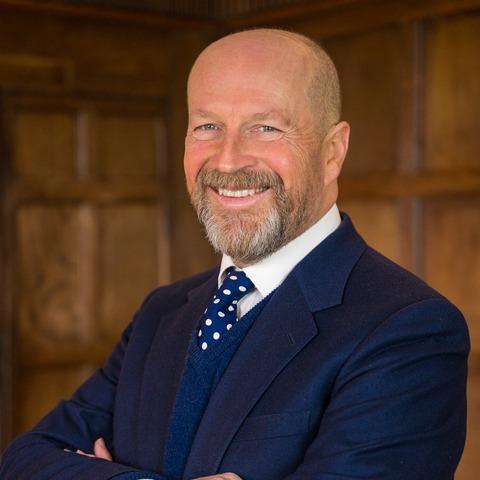
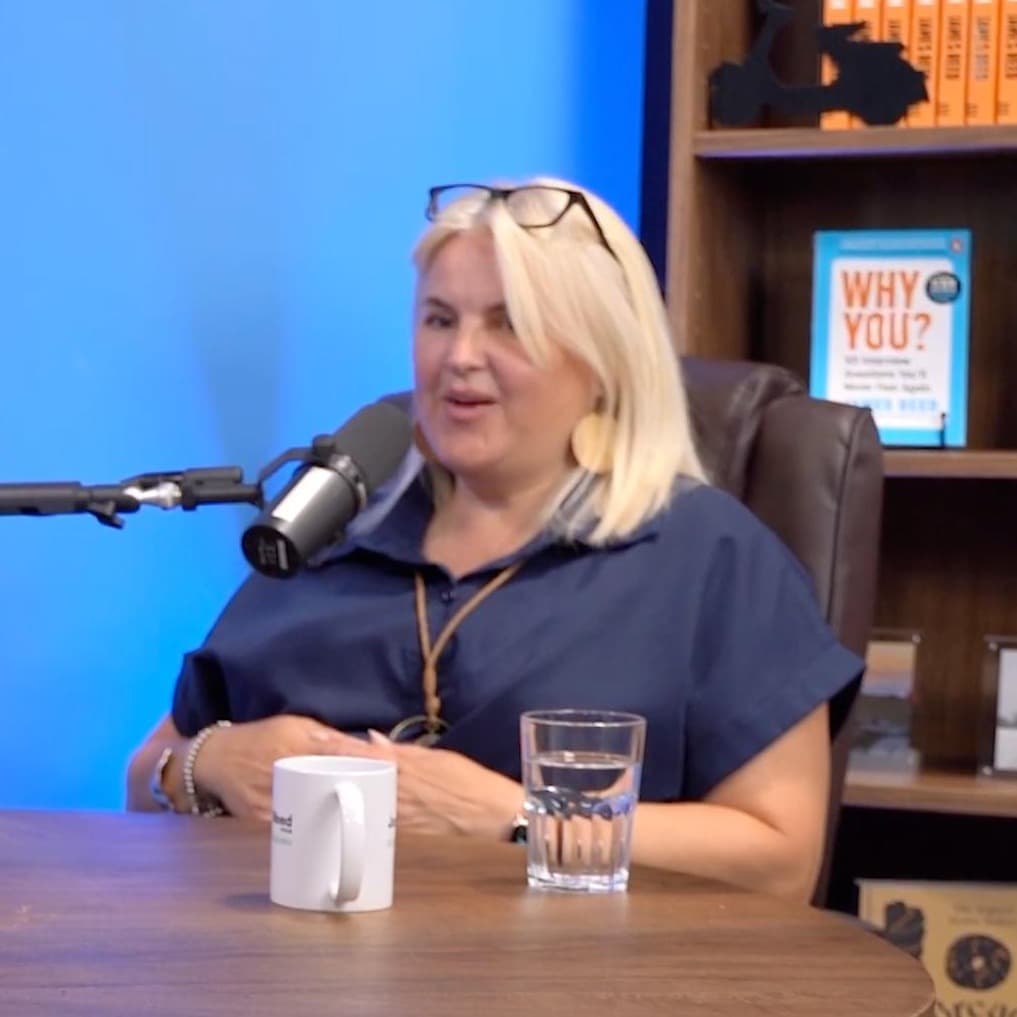
In this episode of all about business, James sits down with Clara Govier, Managing Director of the Postcode Lottery, to explore how an organisation can scale rapidly while keeping social purpose at its heart. Clara shares the candid reality of joining the business in 2010 when it was struggling to gain traction and haemorrhaging tickets, and how building brand trust through real winner stories transformed it into a powerhouse raising £20 million a month for charity.
The conversation dives deep into the mechanics of scaling from a 20-person startup to a 400-person operation, managing a unique dual-managing director leadership structure, and navigating strict regulatory constraints within the gambling and society lottery framework. Clara also discusses why the Postcode Lottery provides charities with unrestricted funding based on deep trust rather than rigid micro-management, why transparent leadership is essential, and how aligning commercial rigour with a clear social mission creates a resilient, high-growth enterprise.
Whether you want to scale a purpose-driven organisation, navigate complex regulatory landscapes, or build unconditional brand trust, this episode delivers essential leadership insights.
Timestamps (Video)
02:22 How Postcode Lottery Works
05:30 Subscription and Prizes
08:09 Origins and Expansion
13:34 Stopping Ticket Churn
21:52 Unrestricted Giving
33:29 Marketing Growth Audiences
37:54 Free Prize Draw Rivals
39:24 Expansion to New Countries
40:37 Clara’s Career Journey
43:58 Leadership Lessons Values
Timestamps (Audio)
02:19 How Postcode Lottery Works
05:27 Subscription and Prizes
08:06 Origins and Expansion
13:31 Stopping Ticket Churn
21:49 Unrestricted Giving
33:26 Marketing Growth Audiences
37:51 Free Prize Draw Rivals
39:21 Expansion to New Countries
40:34 Clara’s Career Journey
43:55 Leadership Lessons Values
Follow James Reed on LinkedIn:https://www.linkedin.com/in/chairmanjames/
Follow Clara Govier on LinkedIn: https://www.linkedin.com/in/clara-govier/
Submit your application to Reed’s Entrepreneurs Fund for a chance to win a £20,000 grant: https://www.reed.com/entrepreneurs
So, um, [00:01:00] today on All About Business, I couldn't be more delighted than to welcome Clara Gouveia, who is the chair and managing director of the Postcode Lottery.
[00:01:09] Thank you for coming in to talk to me today, Clara. Um, this is a wonderful organization that, as it says behind you on that card, has raised over 1.5 billion pounds for more than 9,000 charities. And you're now raising, I believe, 20 million a month. Is that right? That's right. It's an amazing amount, thanks to our players.
[00:01:28] But me- No, no, so let, let me begin. All right, okay. I want to ask you what it is that you do. But I mean, I want to understand what the players do. So what is the Postcode Lottery? How does it work, and what do these players do? So the Postcode Lottery is a charity lottery, and basically, as you would with a normal lottery, you buy a ticket with the chance to win.
[00:01:47] But the Postcode Lottery is slightly different, whereby your postcode is your ticket. So you know you're gonna- where you're gonna win the ticket, uh, 'cause you know it's your, your actual ticket number, but also you win with your neighbors, and you give [00:02:00] back to communities. So it's a really interesting model whereby players are really connected to where they live, and they, they get the chance to, as I say, win lots of different cash prizes.
[00:02:10] But essentially, every time a ticket is bought, uh, up to a minimum of 30% goes back to good causes. So if I wanna buy a ticket on the- Yeah ... Postcode Lottery, how do I do that? Well, you can only buy it online or by phone. Right. We don't have any retail. What's the phone number? Oh, goodness, now you're asking me.
[00:02:26] It's easier to go onto the website, PostcodeLottery.co.uk. So that's the place where everything is- That's the place ... good. And it... And most, most of our players play by monthly subscription, so it's a really regular model for charitable, um, donations and fundraising as a result of that. And a ticket could go in all of the draws for that month, which is, uh, represented through 20 independent trusts.
[00:02:47] So those are the beneficiaries of the kind of profit, if you like, from each ticket sold. All right. And they distribute the money to the grants through grant programs to a range of charities. So a lot of [00:03:00] those are really big n- big names like, you know, British Red Cross, down to the really small community groups that maybe have got 500 pounds for a garden bench in a community garden.
[00:03:09] Okay. So it's a whole range of good causes that benefit, and, uh, and that's all thanks to our loyalty of our players, really. So I want to understand this a bit more though. Yeah. I, I live in a postcode, as we all do in here in the UK. If I wanted to subscribe, I could get a ticket every week by subscription through the website.
[00:03:27] Is that right? Yeah. So you sign up to a monthly subscription. That's the minimum amount that you can do. And how much do you have to pay for that? And it's £12.50 a month. 12.50 a month. And you're entered into a, to the possibility of winning every single day. So there are 20 draws, but they are announced every single day.
[00:03:42] And how much can you win? Um, you can win between £5 and a share of 20 million, which is often the bigger prizes, the Postcode Millions. So, but how big a share of 20 million? I'm- So, uh- Interested, but... It's always down to the detail of what the money is. Yeah, yeah. So- Well, this is a business [00:04:00] podcast- Yeah, absolutely
[00:04:00] so my listeners will wanna know. So, um, as a... We, we're classified under gambling regulations as a society lottery. So therefore- Right ... and this is where the technical boring bit comes in, is the maximum prize is 10% of your draw revenue, up to a maximum of £500,000 per ticket. Right. So if you have three tickets, then you'd win, you could win up to three times that minimum amount.
[00:04:23] 'Cause your postcode has come up. Yeah, exactly. So, so it could be, you know, you could be a millionaire overnight if you were, if you were lucky enough to do that in terms of, of having three subscriptions. But the, the typical maximum on a ticket's half a million. Half a million tops, but ordinarily, as I say, technical things that you don't want me to go into right now, but we means that it's usually around between 440 and maybe 480,000.
[00:04:45] Right. That's very clear. Yeah. Thanks. So I live in a postcode, as do our listeners, but other people share the postcode. There are f- a few addresses that have the same postcode, which is pretty- Yes ... typical. Yes. If I buy the ticket, does that mean I get the winnings or do [00:05:00] they all get the winnings? Depends which prize it is.
[00:05:02] So in the Postcode Millions, then the prize is shared amongst with your neighbors. Even if they haven't bought a ticket? No, they have to be playing too. So- Oh, okay ... that's, that's also the benefit of our lottery is the fact that there is never a rollover. You might be used to that in the National Lottery, but actually only playing postcodes are entered into the draw.
[00:05:20] So we're guaranteed a winner. Right. So therefore the mon- the money doesn't accumulate as you saw- So if you're, so you're a paying postcode and- How do you share it around then? So again, it's, it's... This gets into the technical, but it depends on the prize. Some of the prizes are fixed amounts per winning ticket, so it doesn't matter how many people were in that postcode.
[00:05:40] So some of the, the larger prizes, you will have a, a share of, uh, 1 million pounds, for instance- Right ... won every week. Now, that is a shared prize, and that would depend on the number of neighbors that you have playing in your street. Well, every week a, a, a neighborhood wins a million pounds. Mm-hmm. Yeah.
[00:05:54] Fabulous. Yeah. Um, so whose idea was this? Well, back in [00:06:00] 1989, actually in the Netherlands, there was, uh, five people that came together. All of them were quite entrepreneurial in their own rights, and they came up with the idea of playing with your postcode, winning with your neighbors, and winning, winning cash prizes while giving back to communities.
[00:06:15] One of those actually worked for Oxfam in Netherlands, and was also very aware that charities were facing a really challenging time whereby they'd raise a certain amount of money from a donor of some sort, usually probably with a restriction on that amount. They'd deliver the project, sack all the experienced staff at that point because they'd run out of money, and then find another donor, and that whole merry-go-round, where charity's not really being able to access sustainable funds, but also the right type of funds- Mm
[00:06:43] was also the principle that came with it. And at the same time, the equivalent of the Royal Mail in the Netherlands was launching postcodes. Right. And so serendipitously, that all came together, and that was the start of the Postcode Lottery. Now, Postcode Lottery [00:07:00] now has, uh, six lotteries that work in five countries, um, soon to hopefully go into Canada, that's the next item on- So which countries is it in?
[00:07:07] So we've got obviously UK ourselves. The Netherlands was the first, Sweden second, UK third, and then we've got Germany, and we've got Norway, and then Canada. So it's a, it's a buoyant business, and all again, we have the similar principles, play with your po- play with your neighbors, win with your postcode, and give back to communities across all of those brands- Right
[00:07:28] in each country. And also about the way in which funds are awarded to charities is essential in that market as well. So it's about giving charities the, the funds that they really need to have the most impact as opposed to, to being the ones that set the ground rules, if you like. I want to ask you a bit about that in a minute.
[00:07:45] Yeah. But h- so how many players do you have a week in the UK? How many people are doing it? So, so on a monthly level, it's, you know, just about 4.6 million players. On a month. Roughly around that amount, yeah. So they, they- So it must have grown a lot then. Hugely. So back in, [00:08:00] back in the days when I joined the lottery- When was that?
[00:08:02] Back in 2010 now, so- Right ... showing my age, but yeah, 2010. Um, it was a business that was, was trying to succeed but really finding it challenging in the marketplace. And in all of that because some of the learning had come from the Netherlands and been applied to a, a British marketplace, and very much the Netherlands had led through direct mail.
[00:08:24] Uh, the way in which, uh, the UK responded to that was very different. Uh, there was almost a mistrust. And dare I say it, it looked... The, the design and the way it looked like, it didn't look like a product that was in the UK. So again, there was quite a lot of work to be done in respect to real- building trust in the brand really, right at the very beginning.
[00:08:42] Well, let, let's talk about that. Mm. So you, you joined in 2010. Yes. Yes. And th- this was not in good health, but it had been running in the UK how long at this point? Uh, by this stage, there had been a, a pilot in the northeast in t- 2005, and then it expanded- Right ... into Scotland in 2008. So it'd been doing a number of years.
[00:08:59] [00:09:00] But, um, again, this comes back to the strength of our model in some ways. So when a Postcode Lottery starts up in a country, there is an IP and licensing fee that goes back to the parent body. That parent body, the Postcode Lottery group, is owned by a foundation, so it's a not-for-profit. Um, that then bankrolls the entity to set up that lottery until it breaks even.
[00:09:22] Now, in the UK, that took quite a bit of time, and as I said, because the brand hadn't built its trust, the real original learning was very much actually you need to have brand trust in order to make those marketing elements work. And how did you do that? So that was your job, yeah. Well, I, I mean, I have to say I can't take the credit for it.
[00:09:38] It was Lorna Menzies, who was also MD at the time, very much was leading on the TV side, and recognized that actually a, a winning formula was, was actually to make sure we had winners in the adverts and making sure that those people came through as our ambassadors for the brand as well. So, so that was the question you asked yourself, how do you win trust?
[00:09:57] So you're putting winners in the adverts is part of the answer. Putting winners in the [00:10:00] advert. Also- Well, because people didn't believe there were winners. Yeah, I mean, you almost, with a lottery, you're depending- 'Cause you hadn't heard of it, I suppose. Oh, exactly. Yeah. And then also with the lottery, your, you know, your proof of concept is your winner.
[00:10:10] Yeah. And so thereby putting someone like a winner in, in your advert that's clearly not an actor, that is someone literally that we have filmed on the doorstep, which we are very famous for now, having those moments, um- Where you turn up with an envelope. Yeah, turn up with an envelope in the red jackets, surprise someone with the amount that they're gonna get, and those reactions are genuine.
[00:10:30] They're not scripted. And that's large- Well, given you're the Postcode Lottery, you should turn up in the postcode to make the prize- Well, that, that's what we do ... you know, visual and, and real. Yeah, so- That's makes complete sense. That's it, so- But they didn't do that in the Netherlands? 'Cause you said that you- Well, the-
[00:10:42] we imported some ideas from the Netherlands that didn't fly. I think, uh, I think again, it was, uh, such a larger market in the UK than the Netherlands at that point and, and TV probably wasn't affordable right at the very beginning for them. So therefore, their market started very much with direct mail, with their partnership with the, the equivalent of the Royal Mail in the Netherlands.[00:11:00]
[00:11:00] Here, we, we had to almost do the reverse of that, go, "Actually, we need to be on TV in order to get the trust and the acknowledgement of the brand before any of those other marketing elements could work." But TV's expensive, so that's a big, that's a big commitment and potentially a big risk to take when you're a loss-making small business, isn't it?
[00:11:19] Yeah. I mean, it, it was. Whose decision was that? It was... I mean, the board. I have to say, there was one point where, um, I'd not been longing the door and the lease was up for the building. Right. And we weren't really sure whether we were gonna really make it. We were hemorrhaging tickets. You know- Mm ... as many as coming in were going out the other side.
[00:11:36] And- What do you mean going out the other side? So literally leaving. Literally leaving the lottery. Oh. So you'd recruit them, and then- The, uh, you'd lose the same amount And so 10 would come in- Yeah ... and 10 would go. Exactly. So how did you stop that? So a- again, it, it came back to actually how do we make sure that this model is really clear?
[00:11:52] So again, looking at the m- the way in which we promoted prizes, the, what we would call the prize draw calendar, was perhaps [00:12:00] overcomplicated. The way we talked about prizes and winning was perhaps not simple enough. Did, did you make it more likely that people would win? Did you change the odds? No. No. You didn't.
[00:12:10] No, not at all. So the, so it was no easier to win, but you just made it clear that the, the winners were- We made, we made it clearer. Uh, I think one of the, the, one of the continued challenges for us is about brand understanding and education of how you win. Oh. You've just asked me the key questions that probably anybody would ask in relation to how does it work, and every taxi driver that I meet tends to ask me the same.
[00:12:32] It's that answer piece. Go on, what's the answer? Well, you've gotta be in it- So okay, so of the £100 you receive, or if we take 100- Yeah ... how much goes to the winners and how much goes to the charity and how much is retained- So- ... by the organization for its running costs? So, uh, so a minimum of 30% goes to charities.
[00:12:49] Right. And 40% to players, and the remainder is about the operations and marketing of the lottery. Oh, so running costs. Yeah. Exactly. So the players are the biggest beneficiaries. Yeah. Yep. Right. [00:13:00] Absolutely. Absolutely. So, and that's always been part of it. And, and that's been your model for the- Yes, and yes.
[00:13:06] And then, you know, it's not dissimilar to a lot of other lottery models out there, to be honest. The prize is king. Right. You know? And, uh, and while we know that our, our players play 'cause they want to win prizes, what keeps them playing is the charity aspect, the purpose of our business. Right. The why, if you like, within the business.
[00:13:22] So your monthly revenue is how much now? Um, well, I mean, overall last year we turned over 730 million. Right. Yeah. So it's- So it's a big old operation. It is. How many people now working? So, just over about 400. 400. Yeah, 400. But obviously, you know, we're a- And when you started there were how many? When I started it was about 20.
[00:13:42] Right. Yeah. So it's dramatically changed, and I think the learning over that period has been more about how as a business you pivot and change, because you start off from a business place where you're doing everything. Doesn't matter which role you're in, you have to do everything because it's so small.
[00:13:57] You as a person. Yeah. As a person and as the team, you expect them to do. [00:14:00] And it was a really exciting time. You know, anything was possible because, you know, failure wasn't there. It was, it was something we were gonna do. I think, you know, as I always say, anybody that meets our team, you know what's in the center of them, and it's about the purpose.
[00:14:13] It's what we can deliver through the funding that we're able to raise from our players. And, and that was clear from the start. Everybody that works at the Postcode Lottery and anyone you meet, there- there's a certain type that work there because of that, and- So what, what, what sort of type are they? How would you describe them?
[00:14:28] Um, I think, you know, uh, passionate about what we do, wanting to, to kind of do more, wanting to strive to do better, wanting to reach more, have greater impact, whether that's through the winning experience or whether that's through the charitable giving side. They like both. They like both, definitely. So the- so it's the sort of, it's the social impact but also the social experience- Yeah.
[00:14:49] Yeah, absolutely ... that's attractive to people. Absolutely. And I think, you know, whatever you, whatever brand you're representing, people remember the people that they deal with in that brand. Yeah. And that's, that's [00:15:00] really important for us, that the whatever experience you have with us, it's the right kind of experience.
[00:15:06] Yeah. So what sort of, what do you look for in the people you hire? What sort of qualities? Um, I think attitude is the biggest one, you know, about- What sort of attitude? The fact that you will be able to pretty much try your hand at anything, you know? We, we are a business that maybe you start with one set of skills coming in, but you can morph or change into another if you've got the right ability and the right passion behind you.
[00:15:30] I think just the ability to kind of think about things differently, not be afraid, afraid to challenge, I think that's also part of us. You know, we're, we're a business that all the way through has had to pivot. You know, and right at the very beginning we were very much a disruptor in the market. Mm-hmm.
[00:15:46] But now, you know, when you become bigger as a business, it doesn't mean to say that you're more effective as a business. That's down to the people and making sure that you protect perhaps against being too bureaucratic or slowing things down too much. [00:16:00] So again, it's about the right people in the right jobs, not bringing in extra paperwork just because there's a process that needs to be had.
[00:16:06] It's also about how you do that and why you do it. So, so the other side of this, you know, apart from the lucky winners, is, is the charities that you support. Yes, absolutely. How, how do you, how do you decide who to support and how to allocate the funds? How does that work? So, uh, the Postcode Lottery, the way it works is each draw is allocated to a Postcode trust, so independent Postcode charity that has a program or a strategy related to the way it's- It gives out funds or distributes funds.
[00:16:36] So every draw is allocated to that particular trust, who then takes the revenue and gives it out in grants. So though there are... We've got about over 40 trustees that sit on across all of those boards. So what sort of trusts are we talking? So you can have everything from a community, community programs trust, which will be regionally organized.
[00:16:53] We've got six of those. Four of those will be in England, one in Scotland, one in Wales, for instance. And then you [00:17:00] have what we call long-term partnerships trusts, which are the ones that receive anything from between, um, 100,000 up to three and a half million, um, in relation to regular unrestricted funding.
[00:17:13] And then we have, um, an innovations trust, which is a really interesting one and, and certainly something that probably will grow in our portfolio, which is actually looking at, um, charities that might have a social enterprise or perhaps might have an element that's, that's looking at generating their own funds for the charity, but perhaps that's not the main prior, um, the main kind of purpose of that charity.
[00:17:36] So they will receive grants and funds... uh, grants and actual loans from us in order to invest in that idea. So, so the trust- Mm. I mean, you mentioned the Red Cross earlier, the British Red Cross. Mm. The trust would then decide to give it to the British Red Cross. Yeah, so- So they're like an intermediary here.
[00:17:52] So the, the, the trust itself is the one that gives the money. Yeah. Um, and obviously as a, as a entity and a commercial body, we're not [00:18:00] involved in those decisions directly, but there is an interplay between what we do as a lottery and what we support in the charitable side because one helps the other, very much so.
[00:18:10] Um, and from that point of view, if you look at the, the range of charities, we've got everything from animals through to health, through to international, through to, you know, everything in between, to be honest. Um, then there's something for everybody in that. So again, the range of charities allows anyone in our player base to go, "Actually, I like that charity.
[00:18:30] I want to be part of that." But also the- So they can choose, can they, the players? They can't choose, no. That's, that's down to the trustees. But how can they be part of it then? Because if they ring up or ask us or go onto our website, fundamentally because they play with their postcode, we can match the projects to where they live, and that's the genius in the model, is the connection between playing and also giving back.
[00:18:52] You can match it to where they live? I don't understand that really. How does that work? Because you play with your postcode. Right. And therefore, all the, all the charities data we have- [00:19:00] Mm ... of all the funds that have been awarded, and so if you're a player winning out- Oh, I see ... you can- You mean the charity can then reach out to you?
[00:19:05] No. The, the player can ring up our helpdesk and go, "Actually, I'd like to know about the charities that you're supporting- And do they do that? ... in our area," and we're able to tell them within whatever miles this charity- Oh, the charities in their specific area. Mm. Yeah. Yeah. Oh, so it's very local in that sense.
[00:19:18] Yeah, local in that sense, and also international and national. So, you know, you've got everything there. So if you wanna support a local charity in Rotherham or whatever, where you live- Yeah. So, so within- Yeah ... the Community Programs Trust, there's open applications, so the, the charities can apply to receive funds, and then they're allocated, and then we're able to go, "Actually, if you're a player in Rotherham, these are the charities that you support."
[00:19:39] Right. Oh, that's good. Yeah. So one of the other things I understand, um, Clara, is that you don't restrict how the charities spend the money. You give them unrestricted funds, which- It's quite advanced thinking in this space because a lot of people like to be very specific about how they want money to be spent.
[00:19:55] Yes. But you don't do that. Why is that? Um, again, this comes back [00:20:00] to very clearly our, our values and principles as an organization that's been led very much from the learning that we've had over 30 years. You know, since 1989, we've been working with unrestricted funding, and it's, it's again coming back to this whole idea, whole idea that, that trust is a fundamental thing that we should be able to give charities.
[00:20:19] They're one of the most regulated organizations- Mm ... in our sphere, and yet we don't trust them to know what they're doing, and that is, is wrong in my opinion. You know, the experts in the area are not us. They know what they're doing, and we should be leading from behind, not putting them into a space where they are either going into mission creep because the funder wants them to be doing that, or they, you know, they're perhaps not actually being realistic what they need to underpin an organization that's successful.
[00:20:49] And you know, it's not this necessarily the sexy stuff, but a finance system or whatever is just as fundamental to a charity as a project that's being delivered, but they might not have someone to man that, you know? [00:21:00] Mm. So you're basically saying, you know, we're trusting the charities to run their own affairs.
[00:21:04] Yes. Do, do you do sort of due diligence or how do you decide who's okay? Yeah, so- 'Cause some charities are better than others, aren't they? Oh, absolutely. So, so at the, the beginning of the journey with us, we, we undertake a, almost an assessment, uh, a remote assessment on there might be in the strategy of that particular trust, a gap that they might want to fill.
[00:21:22] So the team will go away and do some kind of desk, desk research in order to find a beneficiary, and then they'll do greater due diligence on those ones when they are shortlisted, and also if they get to the point of which any funds are awarded. What do you look for in terms of due diligence? Any- anything from governance in relation to trustees, how long they've been there, their terms.
[00:21:44] So the kind of fundamental technicals to, you know, dependency on other funds, you know, what reserves they've got, the kind of normal checks and balances you would do. Um, and then one of our team will go and meet the team there, you know, just as a, a prospect [00:22:00] And see what the attitude and the kind of the approach of that charity as well, because again, we're, we're here about, you know, to make sure that this trusted relation can only exist if there are really true and good relationships with those charities.
[00:22:14] So all through, all through our business, we will have relationships with the charities at different levels. So the public affairs team will have contacts with the public affairs teams in the charities. My-- I will have contact with the chief exec. The head of charities will have with the director of fundraising.
[00:22:30] Mm. So we have all these different conversations going on, and actually that's a better kind of risk assessment than any bit of paper- Mm ... that can almost be interpreted or kind of presented in a different way. So often because of that trusted relationship, and a long-term one, so because a lot of the relationships we will have will go years and years.
[00:22:50] I mean, I think about my early days when I worked for charities, one of those charities is still on the, on the platform as well. And, um, it's all about making sure that, that kind of [00:23:00] those, the right ways in which we manage that charity relationship exist because actually that's when trust cr- is created and we'll know when there's a problem before it hits anywhere else.
[00:23:10] Right. So, and often we're there to support or find someone else we match with that may have gone through that difficult issue because for us it's also about strengthening civil society and you can only do that through learning. You know, I, I've always said that, you know, there's a-- always been a quite a lot of things in the past about safeguarding issues in charities.
[00:23:29] My concern would be if they're not reported, not that there are some. So what, what is on your mind in terms of your challenges or concerns? You're running this now very substantial operation. Yeah. Uh, I mean, I think interesting obviously with the, the recent change of, uh, Prime Minister and where that will lead us on a political level.
[00:23:46] We have some fairly stringent rules, which means that as a fundraising product, we're the only one that's limited by revenues in terms of how much you can raise, and I'd like to see that change. Only one in what category? In terms of, [00:24:00] in terms of any fundraising for any charities. So- Really? ... society lotteries have got a limit on- Right
[00:24:05] how much you can rise, raise per lottery. What is the limit? 50 million, which sounds a lot, but actually- Well, it is a lot ... but it's the 100%- ... of the ticket. Right. So therefore, you're not just taking the charitable bit out, you're taking the whole prizes, operations, marketing out. So your charities will get 30% of that?
[00:24:21] Yeah, exactly. All right. Yeah, yeah. So, um, effective- So you don't see any need for that limit? No, I mean- Is that, that's a UK law, is it? Yeah, it's a UK law, and it is- It's odd. And it only applies to you. It only applies to charity lotteries, but as the largest then it obviously makes sure that we are very much.
[00:24:37] And it- I wonder what the logic of that was. I, I don't, don't know. But it means to say that we end up with a structure that is not necessarily the most effective in terms of giving out charitable funds, you know. So Mr. Burnham, if you're listening- Oh, yes. We love you ... can we do something about it? Just remove that- Absolutely
[00:24:50] that cap. Why not? Ab- absolutely. Uh, that raises, help raise more money for charity. Well, that's it. I mean, 'cause it's a back office thing. Yeah. It's not a player-facing thing either. No, it seems like a very good idea. So it's very... Yeah. If you get rid of it. And, and then the other- What [00:25:00] else is on your mind?
[00:25:00] The other thing that I'd like to do is for us to be able to share the benefit of Postcode Lottery with Northern Ireland. Yeah. Um, uh, for some reason there is a different- Do they have postcodes there? ... set of rules there. They have postcodes there, yes. Um, so- So you can apply it there. We'd love to apply it there.
[00:25:14] At the moment there is, uh, a 1985 order, which means that it's not really possible for us to operate there right now, and it seems unfair- Right ... you know. So if the new Northern Ireland secretary, who I happen to know, Sir Chris Bryant, is listening, please do something about that. Exactly. That would be two very positive steps.
[00:25:30] That would be fantastic. You know, there's not- Yeah ... there's not many gifts at the moment for- No ... charity fundraising. These are, these are obviously- Yeah, and also- ... two seem to be ... that we keep hearing about how much everything costs, so this wouldn't cost anything either of those things. Yeah, no. Uh. Nothing to the taxpayer for sure.
[00:25:40] Uh, very good ideas. So. So those are on your... Y- so your, your organization, Postcode Lottery UK- Is part, you said, of a larger group- Yes ... that has owned itself or was held by a foundational charity. That's right, yeah. So what, what's that foundation called? So the Nova Media Foundation. The Nova Media Foundation.
[00:25:56] And so the Postcode Lottery group is the kind of a parent body, [00:26:00] if you like- Right ... owns all of the other companies that sit underneath it. But, but ultimately, the foundation was set up with the view that we shouldn't be taken over. We should be able to do the job of raising funds and by operating lotteries indefinitely.
[00:26:12] Right. And, and then ultimately invest and increase our impact. So we're always looking for opportunities where we might expand that possibility. Yeah. You know? So that's very enlightened, isn't it? Mm-hmm. Yeah. So you're a foundation- Absolutely ... or philanthropy company. Yeah. Philco, as I like to say. Yeah.
[00:26:27] Does that change things from your perspective as the managing director? No, I, I think, you know, when we're making-- We're a very successful business, as you say, and, uh, and part of that is because of that purpose piece being built in. Now, decisions are made obviously on a business level, but purpose is still in mind in everything we do.
[00:26:46] Um, and I think, you know, it's, it's always the case that we want to do things in the right way, you know, whether that- But some people might think, you know, charities are not really very rigorous in the way they run things. They're a little bit sort of overly sort of [00:27:00] generous in sort of accepting- Less than top-notch performance, shall we say.
[00:27:06] Do you have that issue or not? I don't, I mean, I think there's ... As, as with businesses, you go up and down. There are, you know, good and bad sometimes that happen- Yeah ... in terms of performance, and charities go through the same, same way. But the, the challenge... And I think charities often have a more challenging time in some ways.
[00:27:24] You know, they've got funds that are restricted. So if you and I had a problem with our business, when we'd want to pivot, we'd make the case to the board, and then we'd do that pivot 'cause that's the best thing for the business. Now, if your funding is so restricted that you can't pivot and you can't change, then you're left with an, an impact that's less than what you should be doing, aren't you?
[00:27:44] So again, it's- Potentially. Yeah. So, so there's a tension there that exists between how do we make sure that, you know, these charities, which often underpin a lot of the services that we have, you know- But I was thinking of the charity that's sort of in, that overlooks you- Yes ... as well as the ones that you support.
[00:27:58] Yeah. Well, on the one that [00:28:00] overlooks us- That's actually- ... is very much dependent on looking at what we're raising across the board and how we do more. Right. The way the, the companies operate in themselves, there's a board, obviously, as, as, which I'm responsible to, but ultimately when we run the businesses as we seem, see fit, and that, you know, our, our values are very in line.
[00:28:17] We're across the, across all of those lotteries- Yes ... you know, the similar, a similar model. S- purpose is the same, the values are the same. How we implement those will be country specific, but ultimately it's, it's a model that works and has been proven. So is it, is it your job, Clara, to take the Postcode Lottery to new countries as well, or is that someone else's?
[00:28:38] It's a mix. We ... Uh, certainly our team are involved. Um- Mm. There's also, it's also a really interesting model that in, in our model there can be more than one managing director, so I have a fellow managing director as well, David Pullen- Right ... who also leads on a lot of these new adventures. How does that work?
[00:28:54] It works really well, actually. Yeah. What? Do you manage different things? We manage different things, and then there's cross-setting [00:29:00] things that we'd have, like people in HR and things like that would be- So you have dual man- Yeah ... you have dual managing directors. Yeah, yeah. And it, I think it gives you- What's good about that?
[00:29:11] Um, that we, we have different skills and abilities, and therefore we have challenging conversations, but those conversations can end up in a better decision at the end of it, you know? Right. So I think that's, that's really good. There was that play, I can't remember, it was a comedy, One Man, Two Bosses or something.
[00:29:27] But I mean, other people who work in the organization know who, uh, who to talk to, is it? Um, I mean, I think, uh, David and I are very unified in that respect. If you talk to one, you'll get the same answer from the other. We, we make sure that we're aligned in whatever we do. Right. We don't, we don't want to slow up the process of making decisions and moving.
[00:29:45] So if I'm not around, David will pick up. If he's around, I'm around to pick up. So you're literally running it in parallel? Yeah. Yeah. Yeah. Joint managing directors. Yes. Yes. Right. Yeah. So it's an interesting model. And that's interesting in all sorts of ways. I'm slightly sort of amazed [00:30:00] how you, how you make that work, but you obviously do.
[00:30:03] Yeah, a- a- again, it comes back to relationships, doesn't it? And the fundamental pieces. You tell me. I don't know. Yeah. I've never done this. Yeah. So is that what it comes back to? It's, it's open, honest communication. You working with David. If you're annoyed, you tell them they're annoyed, and you work through it.
[00:30:16] And if there's a problem, you work through it. If there's a team issue, you work together on it. But it, it, it- So, yeah If you were working for a, a, a private equity group or something, they might say, "Why do we need two managing directors? We could do this with just one." Yeah. But I, but I think- What would be the answer to that?
[00:30:32] Why would, why would that be the wrong idea? I think, I think with such a diverse business, you know, one end you've got distribution of grant funds and the other you've got a highly sophisticated marketing machine. Okay. So- So you've got an income department and an expenditure department. Mm, yeah. So which side of that are you on?
[00:30:49] I'm mainly on expenditure. David, David says that I'm the one that spends the money. Oh, yeah. Yes. So you're the one who decides which trusts get the money and... I don't, uh... We certainly plan out the, the prize [00:31:00] plan- Uh-huh ... yes, in order to see which trust gets what, but most of that is decided on prize funds, but also on the level of funding we're committing to anyway.
[00:31:07] And, and what about David? What's he... What's his- David's, uh, very on the marketing side. He's very expert in that area. Leads a lot of that side, um, but also some of the transformational projects that we're doing. So what's your focus marketing-wise now? Marketing-wise is about growth of new audiences, areas where perhaps we've not reached before, areas where different markets are not saturated in any way.
[00:31:28] That's within the UK we're talking about? Within the UK, yeah. Yeah. Absolutely. So what sort of areas are you thinking about? Um, a lot of it is, uh, commuter belts. Right. Yeah, commuter belts, and younger audiences than we've currently got. They're not typically players at this stage. Typically players, exactly, yeah.
[00:31:42] So where's your sort of core audience? Um, core audience is not much different from what you'd expect from another lottery, which is generally over 50. Uh-huh. Which I put myself in that category now. But, uh, and, uh- Right, over 50, and living where? And, and living all over the UK, but predominantly in density tends to be, uh, s- in round [00:32:00] cities very much so.
[00:32:01] But we get a surprising density in islands too. So in the Scottish Islands, you'll always find that there's a higher proportion of players there than elsewhere because... Or maybe there's, I don't know. Maybe they, maybe they love lotteries so much that they want to play them. In the Scottish Islands? Yeah.
[00:32:16] That's, is that a real- Yeah. That's interesting. So you may have seen we had a, a fabulous documentary on the island, the Scottish island that won the lottery on Channel 4, and it was talked about the winners of the Postcode Millions and what they spent on- How long ago was that? Must've been about three years ago or so now.
[00:32:31] Well, that might be why. Yeah. I mean, they all saw that this island won and they're thinking, "Well, now it's our turn." Yeah. So, uh- Uh. But yeah, it's amazing what they spend their money on that's for sure. And, and what... Why was it a amazing documentary? What, what's- I think, I think it just showed that, you know, money can have, um, different impacts on lots of different people.
[00:32:48] You know, one of, one of the people in there, all he wanted was a new wheelbarrow. Right. And that made his life different. So it was, it was a community win. Yeah, a community win. One, one of these one millions. So this, this is the power of the Postcode Millions. It's the community that [00:33:00] win. Yeah, but good question.
[00:33:01] How do they decide to, how to divvy it up? Well, it's, it's, it's a whole process, so. No, so clearly. Yeah. But what, what happens? It, so- I mean, how do you avoid sort of- Violence or, or an argument or- Well, no, because, no, because it's- It's a lot of money ... it's quite, it's... In our, in our minds it's fairly straightforward in a lot of respects, is that- Uh-huh
[00:33:20] when, when a Postcode Millions is won, 50% of the prize money goes to the winning street. Winning street. Yeah. Or every property on the winning street. On that winning... If they play, obviously. Gets their, uh- They get their- ... equal share of whatever, 50, of the 50% ... equal share of that 50%- Yeah ... up to that limit of 10% of the draw revenue, which I- Uh
[00:33:37] mentioned earlier on. And then the other 50% gets shared amongst the community. So we talked earlier about Rotherham. Yeah. And back in, I think it was December, I would say 2023, might be wrong, might be '24, um, the community there won. So you had several large winners and, uh, and, you know, and they'd won top prize of about 460,000 per ticket, [00:34:00] and then there was about 700 other winners within the community that, that won 21,000.
[00:34:07] Yeah Between them or each? Each. Wow. Yeah. So that's very material. Yeah. In fact- So you, so you lift up a community. It's not having a single winner. Yes. It lifts the community up together Which seems healthier than just one person. Yeah. We talk about the u- u- unequal distribution of wealth. Yeah. This seems a healthier lottery result with- I, I-
[00:34:26] one person- Yeah ... going home with 70 million or something. Absolutely. And I thi- I think so, and I think it's just one of those things that gives that whole community energy. You know, it's, it's a really lovely feeling. But do you think... I mean, what do you say to the critics of lottery as gambling and sort of reckless use of limited budgets?
[00:34:45] Yeah. Well, I, I think- And I have to ask you this 'cause it is a lottery Oh, absolutely. And, you know, it is regulated under the Gambling Act, absolutely. But, you know, we're one of the safest in the marketplace. We have limits on the number of tickets you can play with, you know, and, and also 12 pounds 50- What is the limit?
[00:34:59] What's- [00:35:00] Uh, so the limit is three tickets- Oh ... um, or six total, so three per transaction or six total. So not a- Right ... huge amount of money yourself. So you can't go mad. You can't go mad. No. And the majority of our players play with one ticket. Right. So again, it's responsible in that respect. Yeah. Um, and, and obviously all the other elements, because we're a regulated product, we have to adhere to all quite strict standards that are set down by the- Mm
[00:35:25] Gambling Commission, making sure that any of our players are really fit to play, and also making sure that, you know, we follow all the kind of money laundering and everything else you've got in the market. Mm. Quite complex rules that we have. But we are, as you say, a gambling product, but with a, with a strong purpose.
[00:35:41] Mm. You know, and I think, you know, this brings me to the point which is the other challenge in the marketplace at the moment, which is commercial free prize draws, which look like lotteries but aren't lotteries. So, uh, what are you thinking of? Uh, so, so the, the, the way they get round the lottery regulations is to offer a free route [00:36:00] to entry, and by doing that, they then don't have to give a statutory minimum, which is 20% to charities.
[00:36:06] We give over 30. Mm. Um, they can make profit. We have to do reasonable expenses. Lots of things like that. How can they make profit if you don't pay to enter, though? Well, you do pay to enter, but you have to give a free route to entry, which allows you to go, "Actually, we offer free entry." Oh, I see. But so, so the- It's a-
[00:36:24] free route is only one of several routes. Yes. Other routes you pay. Yeah. And, and ordinarily, most of those, uh- Yeah ... paid routes are actually cheaper than a free route, which tends to be stamped envelope, stamped addressed envelope that gets sent in for each entry. Right. So, um, and these, these are more of a challenge because, you know, not only are the charities not necessarily benefiting, but also there aren't the player protections that we have to as a, a gambling product have in place.
[00:36:47] So you don't have a restriction on the number of, of players, uh, tickets an, that a player can have. Mm. Or can they play by credit card? Government brought in a voluntary code, but as in, as you know, voluntary codes don't [00:37:00] have to be followed. So again, this is a challenge for us So these are competing offers to yours that you're saying- Yeah, and they're, you know, it's not a level playing field, but they are competing in the same space, yes.
[00:37:09] Yeah. Yeah. Interesting. So how, how do you see this growing from here? What's your sort of focus now? Well, you know, we've, we've got a huge growth market still in the UK, and add in Northern Ireland, that would be fantastic. Yeah. We would, we would carry on growing there. But I think, you know, ultimately the model itself is so strong it can be transported elsewhere, and that's what we want to do as a business to make sure- So you're looking at other countries beyond Canada?
[00:37:33] Yeah. Yes. Continuously. Have you settled on any yet? We've, we've got some in ... some fires in the, the iron right now, yes, for sure. But, um, there's- But you're not gonna tell me? I'm not gonna tell you, I'm afraid. Not today. Why not? I mean- So but if, if someone wanted to get involved in another country or thought it was a good idea- Yes.
[00:37:50] Yeah ... they'd just reach out to you? Yeah, absolutely. We, we have also through the, through our main group as well, through Postcode Lottery group, there's contacts for that. Can you do this in the United States? [00:38:00] Um, we can't at the moment. At the- 'Cause of gambling laws. The gambling laws are very much run different by state.
[00:38:05] Mm. But it's something we'd love to do, I have to say. So it might be a, an o- o- opportunity eventually. Well, I would hope so. I would hope so. Yeah. But you know, again, a lot of, a lot of, uh, the strategy about countries and going into countries is not led by us, but by legal changes that allow us to be able to come into the market.
[00:38:25] So, so Clara, I'd like to ask a little bit about you and your own journey, because I understand that you, when you joined Postcode Lottery, you'd taken voluntary redundancy- Yeah, that's right ... somewhere else. Um, what, what gave you the confidence to take a risk on this organization, which I think was loss-making at the time?
[00:38:43] Yeah. Absolutely. What, what was going on then in your life and mind that made you, you know, take this route? Because it's very interesting that, that what you did. Yeah. I mean, I... To take you back a little bit earlier than that, my background is very much environmental conservation, working in charities and, uh, [00:39:00] government bodies.
[00:39:00] So I'd worked for botanic gardens, zoological societies, and various things like that. And in fact, which is the conversation killer, I worked on the reintroduction of the beaver in Scotland. That was one of my key things back in the day. Why is that... I think that's very exciting. Why is that a conversation killer?
[00:39:13] Well- Are they unpop- are they unpopular in Scotland? Well, it's not so much they're unpopular, but it's all the connotations that come with beavers, let me say that. All right. But, uh, there's, uh, but certainly I, I... So I worked, uh, at the Scottish Wildlife Trust at the time, which is where I took voluntary redundancy, but I account managed the relationship with the Postcode Lottery when they came into Scotland.
[00:39:33] I see. So the Scottish Wildlife Trust was- One of the beneficiaries ... downsizing- Yeah ... was it at the time? Yeah, it was a- But they were using the Postcode Lottery. Yeah. So you were aware of it. So we were there, and I actually pitched with the then chief executive to the Postcode Lottery to become a beneficiary of the lottery at that time, right at the very beginning.
[00:39:49] Right. So I'd account managed the relationship with the Postcode Lottery. So when I took voluntary redundancy, they asked me would I like to come and work for them. Okay. And so I moved across. Right. [00:40:00] And- And where was that, where was the office or where's that located? So the office is Edinburgh. Right.
[00:40:03] Still in Edinburgh And at, at that point I had a young child- Oh ... um, not long back from maternity leave at that stage. And, um, and I was, you know, contemplating what my future would look like really. And, uh, and then I'd always loved the Postcode Lottery, you know- Mm ... working with them, with the energy, the can-do approach.
[00:40:24] There might be all these struggles, but we're gonna make it, that continuous belief. Mm. And it sucked me in. It really sucked me in. And I also ha- was very mu- very lucky to have kind of very strong women leadership to go, "Actually-" Mm. "... everything's possible." You know, they've done it, maybe I could do it. Um, and that really helped me.
[00:40:43] So when I, when I joined the Postcode Lottery back in 2010, I came in, uh, to head up the communications, the charity side. You know, as I say, when there was 20 people in there, you were doing everything pretty much. Mm. Um, and it just kind of grew from there really. [00:41:00] And as I said, the people that we have to work, work for us and that work with us are just so passionate about what we can achieve.
[00:41:08] That just drives you forward. So I remember working hugely long hours, giving quite a lot of time to this, and then thinking, "Oh, are we gonna make it? Are we not?" But you have to take that jump sometimes, and the risk paid off for me. Mm. Um, but I think I would've not forgiven myself if I hadn't tried. Sure.
[00:41:26] So I mean, these opportunities don't come around very often I suppose. They don't. They don't. So your message is sort of take it. Grab it. Grab it. Yeah. Grab it. Totally. And, and you know, I think y- the imposter syndrome can always be on your back somewhat there, but at the end of the day, what's the worst that can happen, you know?
[00:41:42] You've, you've tried- Mm ... and you've failed, but you've learnt. Yeah. So looking back, what were the biggest lessons, you know, from helping to build the organization that would be helpful for other people to reflect on, that you have experienced over the last 15 years? Yeah. What are the biggest lessons you've learned?
[00:41:59] I, I think, I think [00:42:00] recognizing that different stages of business need different skills and abilities, and the ability to be able to pivot to those is really important. So when we were 20 people, and now we're at 400, you have different levels of skills and different needs that you have. You know, small business to large business is quite a leap sometimes.
[00:42:16] Yeah. Okay, so what are they? So small business, what do you really need to be good at? Uh, so, so small business tends to be, you know, you're all to everyone. In larger business, you start putting in structures, but you don't wanna stop those structures stopping you being agile- Right ... and being able to move quickly, and I think that's a tension that comes with as you grow a business.
[00:42:35] Bureaucracy. Bureaucracy, compliance, all those elements. How do you stop that from sort of tying you up in knots? I think you have, again, you come back to what's important here and what's the right thing to do. There's always a role for compliance absolutely in the business, but it also has to be, you know, there's a decision that you make or based on advice on what's the best thing to do.
[00:42:56] So again, you know, everybody has to have legal teams these days, [00:43:00] but it's about that advice that's given and whether as a leader you decide that that's the right route to follow. That's interesting. So you're thinking specifically about legal advice? I mean, it is just advice. Yeah, exactly. And you as the decision-maker have to decide whether you're gonna- Yeah
[00:43:15] follow the advice or do something different. Yeah, absolutely. Do you do, do you go against the legal advice sometimes? Um, I'm, I'm cautious about what we've built up- Yeah ... but I'm also aware that, you know, we are also in a hugely regulated market, so our freedom is quite a constraint- Yeah. Right ... in a lot of ways.
[00:43:31] So, you know, there's not a huge amount of wiggle room anyway for us. Right. Um, but you know, we have, we're als- also want to push the boundaries and evolve as a business. So there's always an element- You want to be entrepreneurial. Yeah. So you wanna try new things. Yeah. And I, and I think as a, as a, a large business, you've gotta hang on to that entrepreneurial spirit- Mm
[00:43:47] to carry on and look in ways that you can make things better or improve your product, improve the way that you get to market, whatever it is, but you can't afford to stand still, ever. No, I agree. And- So, so what w- what [00:44:00] advice do you give entrepreneurs trying to build businesses around purpose particularly?
[00:44:05] 'Cause you mentioned that earlier. Yeah. Um, I think, you know, regardless, you know, you can have purpose at your heart, but you need to have commercial all around it as your lifeblood, so you still make sure that whatever it is, you've got a strong business capability in all areas. So your purpose is the, is the why, but the how has to be strong, too.
[00:44:24] You know? Right. Um, and I think that's all about people. Um- Right ... and you know, I think you also talk about how those people interact with the business, what values you have. Values have to be there at the start. Where are your non-negotiables? What are you not gonna push past, and what would, would you compromise on?
[00:44:41] And make sure that people know where the, where the hard lines are, because otherwise you'll get drifting going on. So do you have very clear values in Postcode Lottery? Yeah, we do. We do. And I, I think- Such as, what are they? So we have fun, sustainable, courageous, and sharing being our values. Right. Yeah.
[00:44:57] And, uh, that permeates all the way [00:45:00] through. Um, but also, you know, it's about making sure that anybody who come into your team has that, that people mentality, that kind of feel to them and that opportunity that they want to deliver more, they want to drive forward. You know, you can have technicians, but you also have to have innovators, and it's making sure you've got the balance of those within the teams right.
[00:45:20] Mm. And do you feel you've got that right at the moment? Yeah, I do. I do. It's an ongoing thing, isn't it? It is. Yeah, I think, I think it's one of those things, isn't it, as a, as a leader also, you need to kind of think about your organizational structure- Yeah ... really quite regularly to see whether it's still fit for purpose.
[00:45:37] So stepping back and thinking about purpose and the Postcode Lottery, what's the sort of impact you hope to have over the next decade? Well, you've seen how much we've raised, 1.8 billion. Yeah. It'd be nice to get that to a round number, wouldn't it? God, that would be fabulous, wouldn't it? So- Yeah, that, that one, the, the next big round number will come- So two is the next big, round number
[00:45:54] yeah, that'll be fine. But, you know, I th- What's the one after that? You're going three. I th- That's what it is. Yeah, [00:46:00] three. But I'd, I'd love, you know, in the next 10 years to at least get to kind of, you know, we're talking maybe four or five billion as we kind of increase that. Yes. Um, but also to make sure that, you know, fundamentally our model strengthens communities through that, that kind of community win, and how do we bring people with us as players as well, elevating their lives as well as the communities that they help through playing and giving their money to charity as a result.
[00:46:24] So for me it's about this kind of all-rounded kind of product that we have that, that has a win-win basis to it really, you know? Yes. So making it a win-win for more people. Exactly. Yeah. More charities and more communities. More charities, more communities, and more great and positive impact. I think the world needs that right now, doesn't it?
[00:46:42] We need more winners, yeah. We do. We do. Well, that seems a very good moment to conclude, and, uh, thank you so much for coming- Lovely ... to explain how this wonderful organization works, and congratulations on all you've achieved over those 15 years and all the money you've raised. It's making a huge difference, I know, [00:47:00] to many charities, including Big Give, which is our charity- Absolutely
[00:47:04] which you, um, very generously support as a champion, so thanks so much, Laura. And I, I always finish with two questions that I ask my guests. One is because at Reid we love Mondays, um, and so my first question of the two to you is, what gets you up on a Monday morning? Well, probably a 35-minute bike ride to the office is what gets me up in the morning, or one of my three dogs- Right
[00:47:27] or my two children. Any of the above. There's a choice there. Any of the above. Yeah. So, what kind of dogs do you have? I have three rescue dogs. Right. And, uh, one is a, uh, very unusual Staffy Dalmatian. Right. And I have two Jack Russell Chihuahuas, so very- Oh, wow ... very big and quite small. That's some quite interesting characters.
[00:47:45] Yeah. And how old are your children? Uh, my children are 14 now and, uh, 17. Oh, so, but they're at that teenage stage where they lie in, aren't they? So, so it shouldn't be too, uh- Not quite yet. Not quite yet. It's not quite yet. Okay. It's not quite yet. All right. So that's what gets you up, and I'm impressed you ride that far on [00:48:00] a bike.
[00:48:00] Um, my last question is from my interview book, YYou. It's where do you see yourself in five years' time? Yeah, and I think that's a really challenging one. I, I mean, I have to say I love what I do, and every day is different. But there might be a time when I need to move on, and it might best for the business as well.
[00:48:18] I think after that point, I'd like to be able to give back in a different way. Yes. And, you know, maybe, maybe that is through some of the leadership side, the mentoring and the coaching piece, I think. Um- That'd be very good. Yeah. Do you do that now? Have you started? I do elements of it, yes. Yeah. Yeah. Um, but I think, you know, ultimately, I mean, there is no quite, quite like a place like the Postcode Lottery or a job that I've got.
[00:48:42] I am so incredibly grateful for the experience I've had over the years. Very good. Well, I hope you continue for many years to come, 'cause you're certainly making a difference. Thank you very much, Clara. Thank you. It's been a real pleasure talking to you. Thank you. Thank you. Very good. Um, that would be good.
[00:48:58] Thank you. I will talk[00:49:00]
[00:49:10] Yeah, it's a very boring process though. But do you want... I mean, I can tell you what it is, which is- I'll ask you just so we cover the- Do you want me, okay. So Clara, I feel I need to know the details here 'cause, you know, it's important. Detail's important. What's the actual process for selecting the winning postcode?
[00:49:25] How do you go about that? How does that happen? Yeah, I, I would love to say that it's something that is, is, uh, worthy of being put on television to show you how this is done, but it's quite a boring technical process, I have to say. So ultimately, we have what's called a standalone computer that isn't networked in any way, that is only used for the draw.
[00:49:44] The data is uploaded, i.e. the people with their postcodes are uploaded into the system. We have an engine that drives that, that, uh, draw process, and we have what's called cut and seed, which are the random parts of a draw. So ultimately, as you would, you would [00:50:00] see in perhaps some of the lottery programs in the past- Mm.
[00:50:02] Put your hand in a, in a, a bag of balls, and you bring out a number. Our lawyer does that, pulls out numbers. It goes into the system, and that's the random element that creates the winning postcode, and that is done for 20 draws every single month. Well, the lawyer does it. The lawyer does it, yes. Oh. Yeah.
[00:50:20] Put many eyes on the lawyer. Many eyes. And, uh- And, uh, one- And it can never be the lawyer's postcode obviously. No. And, and, you know, we have- Well, exactly. Yeah. So, uh, there are lots of reasons why that can't happen. Yeah. But, uh- Agreed ... and there's a whole team of people around that because as soon as those, those winning postcodes are drawn, then we've got teams going out to check out where those locations are because filming has to take place.
[00:50:40] Yes. And winners have to be notified. Yes. Oh, thank you for enlightening me on that. Anything else? We're happy with that? Yeah. Thank you. No, that was a good answer 'cause it was, uh- Yeah ... yeah, it was a gap that I think you were right. People might wanna know that. Yeah, you know, I-
[00:50:59] How do you grow a [00:51:00] business from a 20-person startup into an organization raising 20 million pounds for charity every month? Today on All About Business, I'm joined by Clara Govier, Managing Director of Postcode Lottery, one of the UK's largest charity lotteries and a proud supporter of The Big Give. In this episode, we discuss building a purpose-led organization, scaling a business that raises millions for good causes every month, and why trust can be one of the most powerful tools in leadership Thank you, Clara, for joining me on All About Business.
[00:51:38] I'm your host, James Reed, chairman and CEO of Reed, a family-run recruitment and philanthropy company. If you'd like to find out more about Postcode Lottery, The Big Give, or Reed, you'll find all the links in the show notes. Thank you for listening, and see you next time. Great. There we are. We're done. Well done, darling
This podcast was co-produced by Reed Global and Flamingo Media. If you’d like to create a chart-topping podcast to elevate your brand, visit: http://flamingo-media.co.uk/