



Watch the episode
Listen to the episode
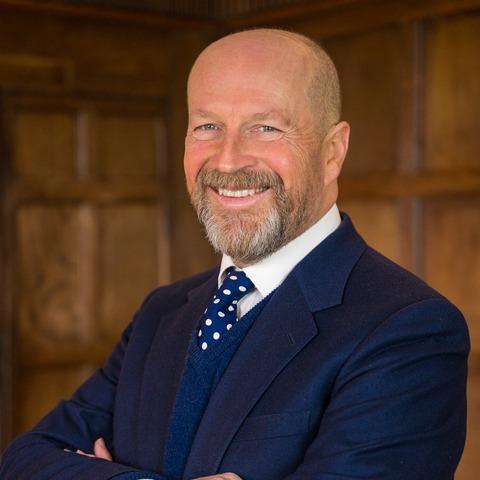
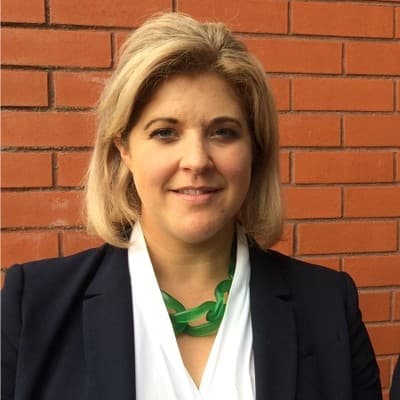
In this episode of all about business, James Reed sits down with Sarah Stone, Founder of the social value consultancy Samtaler. Together they explore how companies can integrate purpose and profitability without falling into the trap of superficial tokenism.
Sarah shares the candid realities of scaling a micro-consultancy, the lessons learned from her background in Downing Street, and how helping renewable energy developers solve local community friction turned into an industry-standard blueprint for success.
The conversation dives deep into the mechanics of public sector procurement, the hidden costs of operational inflexibility, and why true social value must drive commercial performance rather than distract from it. Sarah also reflects on founding the Military Coworking Network out of personal necessity, the critical importance of cash flow management for founders, and why listening to your gut and focusing on real-world problems is the ultimate foundation for a resilient enterprise.
Whether you want to navigate regulated markets, build a purpose-led operating model, or scale an impactful business, this episode delivers essential leadership insights.
Timestamps (video)
04:44 name meaning Samtaler
13:22 sweet spot business value
25:37 mission to improve business
30:01 scaling and winning support
33:07 startup help and mentors
35:33 advice for impact businesses
39:47 future of social impact
Timestamps (audio)
03:44 name meaning Samtaler
11:48 sweet spot business value
24:01 mission to improve business
28:25 scaling and winning support
31:31 startup help and mentors
33:57 advice for impact businesses
38:11 future of social impact
Follow James Reed on LinkedIn:https://www.linkedin.com/in/chairmanjames/
Follow Sarah Stone on LinkedIn: https://www.linkedin.com/in/sarah-stone007/
Find out more about Samtaler and their services here: https://www.samtaler.co.uk/
Submit your application to Reed’s Entrepreneurs Fund for a chance to win a £20,000 grant: https://www.reed.com/entrepreneurs
[00:00:15] Well, today on All About Business, I'm really delighted to welcome Sarah Stone to the studio. Thank you, Sarah, for coming all the way from Wiltshire to talk to me today. Um, Sarah is the founder and director of Samtella, a UK-based social value consultancy that I believe was originally founded in Scotland- Yeah
[00:00:32] in 2017. Samtella helps businesses and public sector organizations understand, deliver, and measure social value through procurement, stakeholder engagement, community investment, and sustainable business practices. So social value is our subject today. Yep. Sarah, I'm really looking forward to talking to you.
[00:00:51] Um, as an aside, you used to work as an advisor for the Cameron government- I did ... in Downing Street. I did, yeah. I think that's very interesting. My sins. And you [00:01:00] worked particularly with Still- Steve Hilton, who is now- Yes ... a candidate for governor of California- Yes ... on the big society agenda, so. Yes, you have done your research.
[00:01:08] I have. And, uh- That's very impressive ... you know, so this is, this is work that you've been involved in for a long time. Yeah. It is, and actually, it's ... So it's, when people, uh, I think most people that I know that work in social value get, when you say, "How did you get there?" They always say, "Oh, by mistake." And, and I'm the same.
[00:01:23] I was, you know- All right ... if you'd said to me 30 years ago- I think that's true of many careers. Yeah. True. So let's, I want you to explain, so what does Samtella do? What, what is it- What do we do? Yeah. What is the business? What are you doing? So we're a c- a business consultancy. We're a, we're a micro SME.
[00:01:36] There's only nine of us. We're quite small. We were founded in Scotland, as, as you said, in 2019, and the business is still based there because my husband's in the military, and we move every two years, which means I have to keep the business in one, in one location, so roots are still in Scotland. And fundamentally what we do is we work with, uh, primarily large organizations, but also smaller ones too, to help them integrate social value into their operating model, so to make sure that [00:02:00] the way that they deliver their products and services creates value and benefits for people, as well as the economy.
[00:02:05] Um, so, um, and I also talk about the environment when I talk about people together. But the, the key thing, the kind of, the kind of place where I sit is that- I don't think making money is a bad thing, and I don't think capitalism is a particularly bad thing, although it's not always done properly, and I don't think that the private sector is evil.
[00:02:22] But I do think that, that businesses have negative impacts on people in society and the environment, sometimes intentionally, sometimes unintentionally. And I spent a lot of time thinking about why this was, and I thought, well, the human beings that work in businesses aren't bad, most of them. Some of them are, right?
[00:02:38] Some of them are lazy, some of them are greedy, some of them ... But you get that in the, in the third sector, you get that in the public sector. But most- People are people ... people are people, right? M- um, so what do you have? You have culture, you have-- especially in very large organizations, it's very easy for groups of teams, you know, for things to break down.
[00:02:55] And the other thing that I realized was that, um, lots of companies don't, [00:03:00] don't or didn't have anybody in their businesses telling them "Hey, do you know if you do this, it's gonna have that negative impact on that stakeholder?" All right. So you- So yeah ... you've got a lot going on here. I just wanna understand.
[00:03:10] So Samtaler- Mm-hmm ... was, why do you call it that, and what does it mean? So it's means conversations in Danish, and the reason I called the business, um, Samtaler is because, um, you can't create value for people without asking them what they want. Right So you can't, you've got to talk to them. So to say it correctly, it's Sam Taylor?
[00:03:28] Sam Taylor. But yeah. Sam Taylor. Yeah. Okay. I- I- I long since given up trying to get people to pronounce it the proper way. All right. And it's, and if anyone wants to find you, what's your web address? So it's www.samtaylor, S-A-M-T-A-L-E-R .co.uk. Right. And, um, so you've said a lot about business. Businesses do multiple things- Yep
[00:03:47] keep the world going round in many ways. But what is, I mean, what, what's the social impact aspect of this? What, you talk about social impact consulting. What are you... I want to understand more about what- Yeah ... you're actually trying to help them do. What... Well, it [00:04:00] actually depends on what they do as a business.
[00:04:02] So give me a couple of examples of- Okay, so- ... clients you're happy to talk about. Yeah, yeah, of course. Right. So one of our clients is a renewable developer called Vattenfall, and they're owned by the Swedish government. Don't know if you've heard of them, but quite a big electricity generator in Europe.
[00:04:13] They create, um, onshore wind farms, and so we have done a piece of work. We did a piece of work for them starting in 2018, and we're still working for them now, where we looked at, they were building a wind farm in a quite a deprived area of Scotland, and the wind farm was in an area where there'd been lots of objections because it's quite a windy part, part of the country, and there were lots of other wind farms.
[00:04:32] The community had had enough, and when wind developers first came into that, that region, the community thought, "Brilliant. You know, we used to have coal. We- we've got no jobs, we've got loads of deprivation. It's gonna bring us loads of benefits." All those wind farms didn't bring them the benefits. They didn't see any benefits.
[00:04:44] So- No jobs ... so they, no jobs, no, n- no benefits. So they s- quite rightly, right, they got cross. And so by the time that Vattenfall came in, they were building this wind farm. And wind farms take quite a long time to develop, so they'd been in the region for about 10 years. Which part of Scotland is this? East Ayrshire, on the border- Right
[00:04:59] [00:05:00] of East Ayrshire and Dumfries and Galloway. And they'd been in the area for about 10 years and, um, you know, so since probably, this would've been 2018 when they, when they, um, first reached out to me. Um, and what they wanted to do was they wanted to build this wind farm and make sure that it actually generated benefits for people.
[00:05:16] So what we did was we, we started off by looking at, well, what, what are people complaining about? And then is there any truth in it? 'Cause I think that's the, that's the really difficult and comfortable bit for people, is to think that you might do something that, you know, you didn't mean to, but so often l- local people, communities, when you talk to them, they're a bit angry and a bit- So what were they complaining about?
[00:05:35] Well, they were complaining about the fact there were no jobs. They were complaining about, um, people speeding on their roads, you know, delivery trucks. There was, people were complaining about, um, the local cemetery would have, um, would have funerals at set times of the week, and people would, you know, the delivery trucks would drive past and disrupt the funerals, and that's a really easy thing to fix, right?
[00:05:53] You know, you can organize your deliveries. They were complaining about, um, yeah, primarily that they hadn't seen any benefits at [00:06:00] all from these projects because they'd brought, uh, workers from far away in because suppliers had come from other places Um, and so, so what we did was we sat down and we looked at, well, how will you build this wind farm?
[00:06:12] And, and they would build the wind farm, um, in a, in the same way that every other developer basically would've done it. They-- But much more environmentally sustainable 'cause that's a big priority for them. But in terms of socially, um, and economically, it would've been, "Well, we'll get a consultant from London," and the consultant will have a supply chain that's, you know, got six companies in it.
[00:06:30] And, and eventually a local company will be at the bottom, but there's a whole load of value that's extracted in the meantime. So it, it was things like w- we found things that like, like trans- the transport consultants who were in London would look at maps. So they would look... 'Cause you would think, "Okay, I could look at a map and I could plan the route that these, these turbines should go," because they didn't know the local roads and they didn't know the local...
[00:06:50] I remember having a conversation with the manager of the local port and, and so much of this is about relationships because I had got, one of the things on the project I got wind of was the fact that we would, in planning [00:07:00] I'm pausing 'cause I'm suddenly realizing probably shouldn't say quite all of this.
[00:07:06] But- No, no. Take, take a pause. That's fine. Um Well, you shouldn't say all this. But, well- Well, what, what's the, what's the point you wanna make? Well, no, no. No, I ... Well, let's, let's say it and we'll see. Um, so what, in planning we had, um, promised that we would use the local port, um, to bring the ... I don't know if anyone knows about wind turbines, but, but they get manufactured overseas because there isn't a manufacturing facility in the UK.
[00:07:25] That's a whole other conversation. But, um, and so they were ... The, the parts and the components and the towers and the, the blades then have to be put on really big lorries and very dro- very slowly driven through quite long distances to site. And so- These are big things ... They're huge. They're huge. It's, it's the most awesome thing to watch them be shipped.
[00:07:41] But the ... There's, it's worth an awful lot of money to the local economy if those, if those parts can come in from the port, from the lo- Yeah ... to a local port, 'cause you can imagine local ports don't get big jobs like this. And it's not just the value to the port, it's all the, um, the unloading, all the hotels, all the- Sure.
[00:07:56] More work. Yeah. Yeah. But the local ports have to compete [00:08:00] with the much bigger ones that have got more infrastructure and, you know, are much more competitive, and so Glasgow Port was just down the, you know, relatively down the road. But obviously, if you get a bigger port further away, the impact on local people of the, you know, on the road s- road system is that much, much worse.
[00:08:16] So I got wind that the project team were ... We'd said that we were gonna, um, use this local port, and then I got wind that the project team were gonna use Glasgow Port. And when I said to the project manager, "Why are we doing that?" He said, "Oh, well, our consultants have told us that this port, the port there, can't accommodate the, can't take the blades."
[00:08:33] And I was like, "Oh, I don't think that's true." So I happened to know the, um, manager of the port. But you were employed by this firm at this point in time. Yeah, yeah, yeah. You hadn't just- I was employed[00:09:00]
[00:09:04] by our, by our firm So you just said to them- But, yeah. So I said, because, because if- There's another way of doing this ... there's another way of doing this. Because if they'd have, if they'd have just gone with what the consultant had said, they didn't. We- So how did they employ you? With, to, to have a look at everything they were doing?
[00:09:06] Yeah. Or what, what was your brief? They reached out to me. Well- What was your remit? So originally they reached out to me through Google. They, they saw that I'd written- Yeah, no, but when you're there, I want to understand. You know, you're working for this firm. Yeah. How do you get involved the detail of where stuff's shipped from- Well, that's it
[00:09:07] without them saying, "This is something I want you to look at"? So they will say ... So what they said to me was Well, when they first brought me in, they said, "We want you to look at how we do our community, community benefit fund." And then they said, "What can you do for us with how we build the wind farm?" So the community said to you, "We're fed up with all these trucks coming through and disturbing us- Yeah
[00:09:20] and getting in the way of our- The, well, the, the company ... funerals and-" Yeah. The, what the company wanted- And then you found another way of doing it- Yeah ... that was- 'Cause what the company wanted was they wanted to av- ef- it's effectively, it's about avoiding risk, right? So on that wind farm, we had zero problems, um, because we did quite a lot of work like this.
[00:09:36] Avoiding risk for who? For them. In the, 'cause every- For, who's them? For the wind farm developer. Right. So operational risk. Because if you're building a wind farm in a, in an isolated area, in a rural community, and the local people don't like you, they can co- cost, uh, they can cost you quite a lot of money.
[00:09:50] You know, they can hold up your project. And every day that you've got one of those really big cranes on site, you know, it's £100,000 a day or something. All right. So there's- So ... a deal to be done here, you're saying, between the- Yeah ... [00:10:00] firm and the local community. Yeah. The community could be either on side or off side.
[00:10:04] Yep. And you help bring them on side by partly this redirection through the local port. Yeah. Were there are other things you do? There were loads of other things. What, such as? That was just one example. So, um, we, um, got local firms into the supply chain. We went out into the community, and we found we would do things like the, the contractors would say to us, "All we really need..."
[00:10:23] They got, we created a, a directory of local businesses that could supply them that was searchable. Right. And they would ring up and say, "We've just had this part delivered, and it's broken. Can you find..." I remember one was, "Can you find me, um, a sonar, somebody who's got a sonar machine that can check for faults?"
[00:10:37] Now, normally what they would do is they would just go to a kind of central procurement portal and find a supplier, but it would be an, a, you know, a national one or one from farther away. Whereas in East Ayrshire, there are loads of companies with that skill set because there's a manufacturing presence- Right
[00:10:52] but just never worked in wind before. So, so is this wind farm all built now? Yeah, it's built. And we did, um, we had a, um, social return on investment [00:11:00] study of it done at the end, which sh- showed for every £1 invested in the social value activity, £13 of social impact was generated. Uh, in, at the beginning, you said about measurement.
[00:11:11] I don't do measurement 'cause it's quite a specialist thing, and I'm also- I'm not, I'm not sure where I sit on it if I'm, if I'm totally honest. But, um- Sit on measurement, is it? Yeah. Yeah. Or you think it's not reliable? 'Cause I ... I don't think it's ... I think it's hard. I think it's difficult- Or measuring social impact?
[00:11:25] M- yeah. Yeah. I think, I think you can, I think you can spend a lot of time and money on it, and I think it makes companies a lot of money, but I'm not sure it's- What's it mean in the end? Yeah. Yeah. Uh. Um, whereas actually what you want to look at the tangible differences, so ... And for me, the biggest tangible difference on that project was w- when I remember doing the research in 2018 and, and to why do the, why the community crossed, and I'd found a video of somebody who was picketing a wind farm, and she had signs up.
[00:11:50] She was a community organizer saying how much she hated them. They never brought anything. She was very, very virulent. And, um, she'd apparently p- protested really strongly this, the project. She was [00:12:00] the first person to be employed on the project after it was completed, and she applied for that job and was a huge champion supporter.
[00:12:07] But they, they've still gotta look at these things. I mean- Say again? They've still got to look at these great windmills. Yeah, they do. But have you- I mean, they don't look great ... have you been on one? On one? Yeah. No, no. You should, you should- I've seen a lot of them. Yeah, I can introduce you But I mean, a lot of people just don't like to see them, do they?
[00:12:21] Yeah. No, they don't. And, and when I first- So you can't do much about that, can you? But they're actually quite beautiful. So when, when you see them, they are. And really- You're trying to convince me of that. No, no. I prefer looking at trees, personally. But- Yeah. But they also, they don't, they, they add trees.
[00:12:33] They don't take, take trees away. So they, they- Right ... if you think the way that wind farms are built, they do what's keyhole- called keyhole. They create a keyhole where they put the turbine, and then they will try and keep as much of the tree as possible. But most wind farms are built in commercial plantations where the trees would be taken away anyway.
[00:12:49] And what the, what happens is the, the developer will plant a more biodiverse trees than what was ... 'Cause commercial forestry is not very diverse at all, not very ... It's, it's like a bit of a dead zone. [00:13:00] So it's actually- So that's part of the social impact. They have to do that, is it? Um, no, s- some of it is, um, is r- legal requirements.
[00:13:06] So, you know, 15 years ago they didn't do this. Yes. Um, but some of it- Okay ... like a company like Vattenfall's really, is really important to them. So, uh, so your clients come to you because they want you to sort of smooth these community- Not- Sorry to interrupt
[00:13:25] So when, so you're, you're a consultancy looking at social impact Yeah Your clients come to you, is it because they want you to sort of facilitate some of these community relationships, or is it- Yes ... wider than that? So, so sometimes some people ... So I had a call last week, somebody who said, "We've got a really big development that we're doing in, um, Portsmouth, and we really want to make sure it generates value for the military community.
[00:13:47] We- we're working with the c- local authority, and we know what the civilian community wants, but we don't know what the, the, um, military community needs. Can you give us some ideas and help us out?" Other people come to us because they are- So this is a building project, is it? Yeah. [00:14:00] All right. Yeah. Other people- What, houses or commercial?
[00:14:02] Yeah, it's, it's mixed. It's mixed, yeah. Oh. Other people will come to us because they are, um, bidding or have won public sector contracts. So we've got, um, a number of contracts where we've got, um, consultants who are employed on the project team that are delivering that contract, delivering social value commitments that were made.
[00:14:20] A lot of people, uh, well, in the public sector are saying we need to know the social impact- Yeah ... of your organization. But you've just said you, you think measurement's a bit sort of hit and miss. I m- how, how do they do that? Yeah. How, what, what's, how do you square that circle? Well, so, so the reas- well, so the reason that I think it's hit and miss is, is that
[00:14:36] And I'm not an expert in, in measurement, so I'm a- Oh ... you know, I have a, um, have a basic understanding of it, but it's- But this is your line of work ... huge specialists. It is my line of work, yes. Oh. But, um, so it's about outcomes. So if you want to create an impact, it's about what is the change that somebody experiences.
[00:14:51] So, um, you know, whether ... And it's not just about a job. So having a job is effectively an output. It's a thing that you can count, isn't it? But what [00:15:00] that job, what you feel about that job and what you, what, how that makes you feel and how it changes your life depends on a lot of different things. If you've already got a job and this one's worse than the one that you had, then that job is not necessarily, might not be that important to you, or if it's a job that doesn't suit your skill set or doesn't fit your, who you are.
[00:15:16] But if you're somebody who has really struggled to, to find work and there've been lots of barriers and people help you, then getting that job is, is a lot more important to you. I mean, I've used job as an example, but it's about the change in wellbeing that you experience, what you think and feel as a result of that activity, and so that's really hard to, really hard to measure.
[00:15:36] And, and val- Yes ... social value, if economic value is pounds and pence, you know, I could tell you the economic worth of this microphone. Well, I couldn't 'cause I know how much it's worth, but do you know what I mean? It'd be a few- Very valuable, yeah ... hundred pounds or something. Sure it is. Look after it. Yes.
[00:15:49] Um, but- Don't hit it. Yeah, it doesn't have a social value, I don't think. But do you know what I mean? The, the, maybe if there was a, um, person who was hard of hearing in the room, the fact that I had a microphone would, would be of [00:16:00] benefit. It's a terrible example, that, but what I'm saying is, is that the price of something is not the same as the worth of something, and it's so hard to measure social value properly, and I don't know that there's a really
[00:16:10] I d- I think it's an evolving field, and I don't think anyone's quite got it right yet, which is why I'm a bit like that about it. So I mean, some, some people listening might be thinking, "Well, shouldn't business just be getting on with business and not worrying about all these people's feelings necessarily?"
[00:16:24] So I totally agree. They're trying to deliver a service, I mean. I completely agree, 100. And that's the one thing I say to, to people is- If you want some, if you want to work with a consultancy who is going to tell you to plant trees and paint fences and do nice things for people and, you know, hand out cakes, that's not gonna be me.
[00:16:41] Right. Or it might be, it might be, but I'll only tell you to do those things if those things help your business. So it's that sweet spot in the middle where your, the business needs align and, and the community, people's needs align, and society's needs align. And the reason that's really important is that, um, businesses aren't charities, so we need our [00:17:00] companies to thrive.
[00:17:00] We need them to make profit. We need them to make money. But I also think that we also need them to operate In a way that, um, I don't know if it's about values or it's about, um, morality, but I think in business, people do things in business and justify it 'cause it's business that they would never do in real life, and they treat people in a way and speak to them in a way that they wouldn't do- But business is real life.
[00:17:22] Yes. But if it- Right ... you know, you wouldn't do it to your friend, or you wouldn't treat your whatever. Some of, some of the ways- Do you think that? Some, or some of the things that I've seen in business, the ways that people... Not, not all businesses- Mm ... and, and hope- you know, not yours obviously, but- We try not to do that- But I think-
[00:17:34] but, yeah ... yeah, no, I know. Yeah. But, but so s- but I think a lot of businesses as well, like if you take the example of the port, that port example, they genuinely didn't think they were doing-- they genuinely thought they were doing the right thing because they were, "No, no, these consultants have told us, and we've gone back and we've asked them and it's all okay," and you really can't just- Yeah, it was weighing up one option or another, I suppose.
[00:17:52] Yeah, yeah. But they hadn't, what they hadn't done is actually go and speak to the port. And so when I went to speak to the port- They hadn't asked the right questions. No, they hadn't. They'd [00:18:00] asked the right questions, but of the wrong people, and nobody had gone to speak to the people who act- so I went to the port, I went down there and I, I had the guy show me.
[00:18:08] I said, "Can you show me?" And he said, "Look, here's-- We've, we've expanded this area. We've created this extra space. The consultants don't know that because they haven't been down and looked at it." Okay. So, so it's a lot of curiosity involved. Yeah, loads. So you've got to ask the right questions. Yeah. You've also got to ask the right people, and you've also got to get out there- Yeah
[00:18:23] and have a good look around- Yeah. And you, and- ... and know what it's like on the ground. Yeah. And you've got to get in, you've got to get into how the business is operating. And a lot of businesses don't do that, do they? No. No, they don't. Uh-huh. And you've got to-- you've also got to be quite open-minded and also quite, um, pragmatic because there are times where actually you just, like, say, that port example, the, the reason for not using that port wasn't economic, it was-- actually, it was more expensive to use a port further away because they had to ship it further.
[00:18:51] So did that count in the, in the, in making the case when I went back to them and said, "Your consultants have got it wrong. Can you please send them back in?" Um, you know, "Go and have a [00:19:00] meeting. I've set it up for you." Um, yes, it probably did. You know, if the further away port had been cheaper, would it have been a harder argument to make?
[00:19:07] Possibly. So I think there are-- and we, we see this all the time, like, there are, you know, every day we, we fail more than we succeed. You know, we will say, "Well, can you do it like this?" And sometimes there's a really good reason why a business can't. So you have to be-- you can't be kind of, um what's the word?
[00:19:22] Like, um, you know, sort of a bit naive or kind of think that you can change everything. But what you, if, what-- you're looking for that sweet spot in the middle where it's just so obvious to everybody 'cause the business case is really strong. Um- So, and you, and you believe you can find that? Yeah. I really do.
[00:19:39] And that's what, that's a really important part of your approach. Yeah. Yeah, I really do. And I, and I think if you find it, it makes it a superpower. So it, it, it gives the companies that, you know, a, a really big competitive advantage because if I look at the work we were doing for Vattenfall in 2018, that is now standard practice in, certainly in Scotland for onshore wind and- So, you know, the st- our [00:20:00] stakeholders, the people that give planning permission for our projects, the Scottish government, local authorities, they say to us, "This is what we want everyone to do."
[00:20:06] And that's really powerful if you're in the, you know, in the business- Yes ... of, if, if, if you're gonna ... If you've, if you, if you live in a community where there's a piece of land that's suitable for a wind farm, someone's gonna build a wind farm on it. But you want that wind farm to be built by somebody who's gonna look after the land, look after the community, you know, create jobs for people.
[00:20:23] Um, r- it's the same with public s- this is why I think, um, social value requirements in public sector contract is such a powerful lever. Because if the public sector can buy, um, they can buy a product from two companies, and they ha- they're very spec- I don't know how much involved you get in procurement, but it's really dull.
[00:20:40] But, um, where they get very specific about requirements. So say they want to buy, you know, I don't know, um, a box of syringes. The NHS wants to buy a box of syringes. And they can- I read that the last government wasted 10 billion on PPE, so- Don't start me ... it's a shame that- Yeah ... people weren't paying more attention to it.
[00:20:56] Don't start me. That's not dull, that's terrible. No, it's true. Yeah. But if [00:21:00] you can buy those syringes and you say, "Well, we want in boxes of 100, and we want them- Yeah ... delivered once a week," and, you know, you've got your requirements, and we're gonna pay this much, whatever our budget is. Uh, all the people that w- are bidding for that contract will give you a proposal which meets your requirements.
[00:21:13] But w- if one of them, um, invests in wellbeing in the workforce and puts in extra measures over and above legal, 'cause it's about going further than legal requirements, right? Over and above legal requirements to make sure that workers, you know, are not unduly stressed, or their physical health is maintained, or you know, all the things that you would want a responsible business to do, and then another company doesn't 'cause they just go for the lowest, you know, they cut everything and they kind of do it on the lowest possible.
[00:21:39] One looks after their workers and one doesn't, and the only difference between those two is that, then surely if you're the NHS, you wanna spend your money with a company that does that. Well, you're saying the syringes are of equal quality? Yes. In, in my hypothetical situation- Yeah, yeah ... yes I, I would agree with you.
[00:21:53] Yes. But I mean, I mean, your first priority as the buyer is to get a good syringe, right? Well, I ... Yeah, I would agree with you on that. At a good price. Yeah. And I, and I think that's where, [00:22:00] um, the application of social value in public sector procurement isn't working at the moment. And one of the- Why is that?
[00:22:06] 'Cause it's been- It's, uh, becau- pr- prima- there is a number of reasons. I would say initially it was, it was ... When it was first ... So I started the business before it was introduced in, in England, and so, um, it- It, it had been introduced in Scotland when I started my company. Um- What, the social value aspect?
[00:22:26] Yeah. Yeah. Yeah. So, so I sat there in 2015 and had the idea for the business, and then spent a while trying to think of, well, what's the, what's the commercial application? It's all very well saying I'm gonna go and help businesses- Mm ... put social value in their pricing model, but what are they gonna pay me for?
[00:22:39] You know? Mm. You've gotta, you've gotta have a pain, haven't you, that someone wants to take away for them to want to pay you. So, um, I kinda spent a bit of time just looking around for that, and, and somebody handed me something called the Procurement Reform Act, which was a piece of legislation that was brought in in Scotland in 2015.
[00:22:54] And I, 'cause I had a background in government and legislation, and I know that legislation is, is easy to get. It's [00:23:00] only as good as the legislator. Uh, you know, once- by the time something gets to legislation point, it's, it's at lowest common, you know, it's at the lowest point they can get through, basically.
[00:23:10] And most legislation, not all of it, but most of it- As members of society, regardless of your political party, most of us generally want the thing that, you know, we, we all want people looked after and we want companies to behave properly. And, you know, legislation, I think is, is one of the levers that government has to make sure that companies do that.
[00:23:29] Anyway, this, this piece of legislation came in and it was, um, it put a sustainable procurement duty on public sector bodies in Scotland. So it said, "If you're spending public sector money, you have to make- procure sustainably. And by that we mean you have to buy from companies who will create benefits for our communities."
[00:23:44] And I read it and I thought, "This is amazing, but I bet you nobody knows what communities want, nobody knows what suppliers can do, and nobody knows what the public sector needs," and that, that bit in the middle. Because the key thing is if you just put cost on business, like if you say to a company, "Oh, [00:24:00] you've got to paint 50 fences or give me whatever it is, sponsor this many cake bakes," um, I'm deliberately being dismissive here, I don't mean it quite like that.
[00:24:08] But then they will give it-- they will give you that because they want the contract, right? But it will co- that it will cost them money, and they will just add that cost. They'll build, build it into the price they charge you. So you're gonna eventually, if you're the public sector, you're gonna end up paying for it.
[00:24:22] But if you can- You pay more. Yeah, pay more. Yeah. If you can find that sweet spot in the middle where everybody's needs align and it, and it helps the business, so it helps, it helps, you know, like say for example, so when they- So this is your pitch. This is what I do, yeah. This is- So you're looking for this.
[00:24:33] So what is that sweet spot? I'm looking for that bit in the, in the middle. What is that bit in the middle? What happens there? What's the, what is it we're looking for? We're looking for the, for the thing that will create benefits for everybody, but also a- also aligns with the business' need. So a classic example would be retention.
[00:24:49] So when I go into a, um ... If I go into a project, so, so we get brought in on really big public sector contracts, really high value ones, and they'll have quite big workforces and, [00:25:00] and they get the p- part of the problem is the questions that they get asked aren't always the right questions for the contract.
[00:25:05] But say they get asked about, you know, "Well, what will you do to help people in the workforce, um, progress in their careers?" And normally I get lots of blank stares when I say, "What's the answer to that question?" 'Cause they don't, it's not something they tend to think about. But, um, then you say to them, "Okay, let's stop, stop a minute.
[00:25:22] Tell me what the problems are with the workforce." And then they go, "Well, it's a complete nightmare. We can't get anyone to work for us. Can't we, we really struggle to recruit," or, um- You don't wanna put that in your pitch, do you? No, no, no. But then you say, "Why?" Yeah. So then you say, "Well, why can't you get people to work for you?
[00:25:35] And why can't you retain people?" And they say, "Oh, well, it's 'cause-" I, I've had one client say, "Well, it's a secure environment. They can't take mobile phones in," or do you know what I mean? The re- most different reasons, right? Mm-hmm. You'll have different reasons for retention. So then you say, "Well, is there anything you can do to change how you operate that will address that, like fundamentally address that recruitment retention issue?"
[00:25:54] Maybe you can't find people 'cause you're not looking in the right places for them or- Yeah. Okay. No, I can see that ... and then [00:26:00] so- So ... so, and then if it ali- if it aligns, and this is why I describe it as a bit like, um, there's way more kind of, um, you're looking for pots of gold. You're going digging, but you do a lot more digging of holes than you do finding of pots of gold.
[00:26:12] You know, you can have-- We could have a conversation like this, and we could explore something- So you might find a few things- Yeah, and- ... that could make a difference ... or, or I might find something that makes a difference, but it's just not practical for that business or not practical for that contract or... A good example would be I was doing a piece of work for a company who were bidding for a contract for DWP And it was the, um, universal- Department of Work and Pensions.
[00:26:32] Yes. Mm-hmm. It was the Universal Credit helpline. So when you're on Universal Credit, if you've got queries- Mm ... or you, you ring a phone number and it gets answered by a call center, and it was to run this call center. And, um, they were asked about, you know, what will you do to support the wellbeing of people in call- the call center?
[00:26:46] And I did some research, and the unions had produced a paper on call centers. Lots ... Call centers had, this is about five, six years ago, really b- bad problem with, um, retention. Um, and the unions had, can't remember which one it was, had done a, a pa- policy [00:27:00] paper saying, "This is what call center operators should do to..."
[00:27:03] You know, and it was thing, it was things that to you or me would be really easy to do. So water coolers, you know, so they could take frequent drinks, and having regular 15-minute breaks because if you're on the phone a lot and you're talking to people, your voice gets quite worn out. If you've got a, if you're cold or you've got, you know, you've got an illness, don't
[00:27:21] This is before COVID, right? Or maybe not after, but don't make them come in because then they could lo- you know, lose their voice even more. These, it, it's just little things. If they have a stress ... These are quite upsetting calls, you can imagine. If they have a really stressful, upsetting call, having, you know, a system in place to support them and a buddy and a
[00:27:38] You know, just things that you would think was logical. So I went through the list with this client, and they said, "We would love..." And, and the client that I was working for was a really big company who you all have heard of. A lot of the things that the unions were saying were things they do in their offices anyway for their workforce as a standard.
[00:27:53] And they said, "The problem is, on this contract, we can't do a lot of this, particularly with the breaks, because the requirements for the contract [00:28:00] are we're only allowed to have this many people, and we have to answer this many calls within a 60-minute period. So the maths of it, if we were to give staff, you know, a five-minute, 15-minute break every hour, for example, it, it
[00:28:13] We wouldn't ... We'd like to do it because it w- we know it would help staff, it would improve retention, it would save us a lot of money in the long run, but we can't because the requirements of this contract don't lend itself to 15 minutes." Well, it means you need more staff. Well, yes, exactly. Mm. And I genuinely don't think the D- DWP had any idea when they sat those, set those paper- So the, the, the procurer had been too specific about the way the- Yeah
[00:28:34] service should be delivered- Yeah ... which counted these- Which, which prevented the company- ... perfectly reasonable requests ... from doing that, yeah. Mm. And nobody, the company didn't have the ability to talk to the procurer and tell them that- So you, you started saying we, the company said, "We would love," and then you didn't say what they'd love But we would love to do that So they would like to have put in the union's suggestions- Yeah, yeah
[00:28:53] but the- But they couldn't ... economics of the- Well, it wasn't just the economics, because the economics- The [00:29:00] practicalities of it Well, it's the fact that it's procurement, so i- in a- if you're bidding for a public sector contract, it's very specific. So in o- if you, if you don't put a compliant bid in by which you put in a bid that meets the requirements, then your bid won't get scored.
[00:29:13] Right. So if, if they- So they couldn't do that They couldn't. They would've risked the whole deal. So how did you solve that then? 'Cause it- We, we couldn't solve that deal. You couldn't solve it. But I s- we couldn't, but I s- Okay. I ... I saved it away But it's there for people to think about. Because I thought- Yeah
[00:29:24] you know, s- so you can't solve some things, but I just thought- No, that's an interesting example. Let's move on. I, I'd like-- you worked in politics and public affairs. Um, what, what did you learn about how business tries to influence all the traditional levers that business pulls around lobbying and, and, and how do you think business should behave perhaps differently?
[00:29:45] So, so- And I don't know about this. I, I'm just so curious- Yeah, so I was- ... from the other side, if you were in that- Yeah, I mean, I was- ... arena ... quite lucky when I, I got my job in, in politics because I kind of got into that by accident as well, and- So what was your actual job? So I started off as [00:30:00] assistant to Steve Hilton.
[00:30:01] Right. Um, and then, um, ended up, um, doing a number of jobs. So I, um, coordinated our election manifesto in 2010, and then when we went into Number 10, I was David's external relations advisor. So when you say "our," you mean the Conservative Party? Yeah. Yeah. Yeah, yeah. Um, I didn't produce the policy. I-- when I say coordinated, I sorted out- Mm
[00:30:19] the printing and- But you were right in the thick of it ... getting it in shops and the- Yeah. Yeah, I was in the, yeah. Yeah. Um, and making sure people have signed it off and all that kind of stuff. Mm. Has it all been costed? But, um, but- And why did I say that? Because a lot of people that work in politics, after they leave politics, there isn't really anywhere, anywhere else for them to go.
[00:30:37] So they either want to be a politician, which I never had any interest in- Mm ... or they go and work for a public affairs company, and I had no interest in that either because I saw public affairs as being as ... So having been in the heart of things and seeing how it works and seeing how we were influenced and weren't influenced and who we listened to and who we didn't listen to and what made a difference, [00:31:00] I could see that lobbying and public affairs didn't.
[00:31:02] It, that wasn't one of those things that did. Now, um, maybe 10, 15, 20, 30 years ago it, it was different. But, but what did make a difference was- Well, these are peoples that are hosting drinks receptions- Yeah ... in the House of Commons stuff You know, and like, yeah, yeah Yeah. It's all the stuff that think- people think how these things work.
[00:31:18] And, and it does t- don't get me wrong, those PPE contracts show you, don't they? That is how- Well, e- well, they didn't work for the public. Yeah. I wasn't there then, so, um but- No, that was shocking. Yeah But generally speaking, um, and so- So that was a, that was an example of where that was abuse, wasn't it? Yeah, it was.
[00:31:33] Because they- Yeah ... they created ... And I think the reason for that is because there was, was a time of crisis, and they created a pathway, and people abused it, um, which is just- Clearly ... shocking and horrible. Mm. But if you look at the amount of money- And that doesn't reflect well, does it? No. Obviously people are people, but- No, it doesn't
[00:31:46] there's a group of people who will take- It doesn't. It doesn't reflect well on politicians, and it doesn't we- reflect well on business. Well, for certain businesses- No ... no, absolutely not. No. And that- But we all get tarred with the same brush. That's the problem. We all get- Potentially. Yeah ... we, we really do.
[00:31:58] And, and [00:32:00] this is the other thing that in Westminster I was surrounded by people who have lived in Westminster. They're, you know, the metropolitan, the elite- Mm ... the people that don't ... I'm from the northwest, and I'm very lucky and very, you know, I had a, like, great- So you must be very pleased with our new prime minister then.
[00:32:14] Yes, I am very pleased. I am. I am. But, um, but yeah- Good ... so, you know, like, I, yeah, I just- He's from the northwest- He's- ... I, I believe ... yes, yes. Abso- yeah. But there's just this disconnect between, you know, what everyday people's lives are like- Yeah ... and what the people in Westminster think is, you know, so- Which seems to be pretty stark at the moment.
[00:32:33] Yeah. And it is. It's, uh, it's really bad. Um, but and, and I think that's one of the other things is we all feel, as I think as human beings, that we think, "Oh, we're a bit powerless, and we can't do anything about it," right? And we all, you know, we look at the heat, and we look at what's going on in the world, and we think, "Well, what can we do?"
[00:32:49] But I think we all work for companies and organizations, and, and- I like this expression, you know, when some- someone should do something about that. Yeah. "Oh, I am someone." Yeah. Well, don't, so- So you know, we [00:33:00] all have a responsibility- Yeah. We do. We, we do ... to try and do something to improve things. We do, don't we?
[00:33:03] But we all- Yeah ... well, there's always something we can do, and lots of little things can have a huge impact. And I mean, we can't change the fact that our politicians are who they are and that it's what- Well, we can. We can vote them out. Well, we can, but that, you know. Oh. But, but also the thing that the kind of light bulb moment for me was when I was thinking about, I was thinking about how does the world work- And about the fact that I'd, um
[00:33:26] So I kind of left politics from, f- from not through choice, although I'm delighted now that that that happened. Yeah, because- 'Cause my husband was in the military, and we- So, um- ... got sent abroad. Yeah. But I was, I was looking ... And so, so I couldn't go back to that, and I was thinking, "Well, I've always wanted to be s- I've always been somebody who wanted to try and, like, use my skills to make things better for people.
[00:33:46] Like, even if it's just a small way." Mm. I just, that's how I ... If we all did that, the world would be a lot nicer, wouldn't it? And, um, and I thought- That's your theory. My theory. My little- Right. Yeah, whatever. Fine. But, um, but- But that's the motivation for [00:34:00] your business. Yeah. Does your business have- Yeah ... a sort of- Yeah, uh, so-
[00:34:02] statement motto? Yeah, so a mi- What is it? ... mission, if you like, is to make businesses better. To make businesses better. Yeah. But you asked about- So I wanna ask, uh- No, go on. You, you said you moved away with the military. Yep. And that took you out of that job. Yep. And then y- you, you started a new initiative, uh, I believe related to the military, which was co-working spaces.
[00:34:24] Yes. Yeah, I did. So- So what- So- So talk me through that. So- So this is another problem that you sought to solve, isn't it? Yeah. Yeah, so I, so I struggled personally through the loss of my career and my identity as a ... I hadn't realized how much of my identity as a human being was- Post your career in politics.
[00:34:38] Yeah- Yeah ... but was tra- linked to my job- Yes ... and my work. And I was unable to work because we were posted to Germany, where I wasn't physically able to work. And, um, and also I was in a culture and in a community that didn't regard my skills as worth anything, and it was quite, yeah, it was, it was a, it was quite a difficult place to be.
[00:34:58] And then we moved back [00:35:00] to j- Scotland, and I, I got a job working on the referendum. So that was 2014, so I did six months there, and I set up a social enterprise, and we were working with community groups and grassroots campaigners, and we were, um- Try and help them navigate the political system and help them understand how they could, you know, talk to their local authorities and get things done.
[00:35:18] And, um, and at the same time, I, I didn't wanna do that. I didn't wanna run a business. I just wanted my job back. I wanted a job. You know, it's really hard to, it's really hard to run a business. Mm. It's much easier to be employed by someone, isn't it? And I just wanted my job back, and I just wanted my old life back because, yeah, I was loving this, this that I was doing, but it wasn't what I want, you know.
[00:35:37] And, um, and I realized that the- I wasn't the only person in my community that felt like that. Um, I did a piece of research and found out lots of people felt like that. And, um, so I, I thought, "Well, what would I do if I was still in Number 10?" And, you know, what would I be saying to the policy people you should do about it?
[00:35:52] 'Cause it was a massive problem for, for military. Um, and I realized that- The spouses not being able to work ... yeah, huge. Yeah, it was, really causes huge problems on [00:36:00] retention, so. Right. Um, and also great unhappiness, so great misery, great unhappiness, and I just thought it didn't seem to me possible that in the 20th century that you could have women, really capable, really competent women, who were unable to work because of the f- what their partner's job was and where they were physically located, and this was before COVID.
[00:36:18] So like now everybody can understand that you could do a job remotely, but so I set up... I looked around and I realized that there was nowhere i- in our community that was focused on, on us, primari- primarily it's women, but for work. So everywhere was about, um, having babies or going to coffee shops. Like there was a cafe, there was baby groups.
[00:36:39] That was basically it really. There wasn't- But there wasn't workspaces. There weren't workspaces, yeah. Right. And, and also, so then you, you didn't have a network. Mm. So you w- you know, every conversation you had was about what your husband did or your kid, and if you couldn't have children, it's really isolating.
[00:36:51] Mm. So I, so I wanted to create spaces and places, and I was inspired by a, by a community program that I'd seen in Scotland that, um, that we could go [00:37:00] and, and, you know, run businesses, study for qualifications, um, work remotely for employers, and that if we had those places, that would then enable... Because this is the other thing, is everything that people need to help them is generally out there, like somebody's thought of it, but you just don't know about it or you can't find it or...
[00:37:18] Do you know what I mean? It's quite rare to... Like when I, when I was talking about that call center, I didn't think, sit down to myself and say, "Well, what should call centers do?" I went and looked for what does somebody that knows about call centers, what have they said? Someone's always said it And so I thought if we create these places, you can bring spouses, partners together so they can help each other.
[00:37:37] That's- Yes ... and, and you can then allow other organizations to integrate with us, and so- Yes ... yeah, so it's called the Military Coworking Network. And so was that how ... Say that again. It's called? Military Coworking Network. And how many are there now? There are, there are nine now. So we've got them in Army, Navy, and RAF bases all around the UK, and we've got one in Akrotiri.
[00:37:54] But we are, um, currently working with the MOD to, um, integrate it formally into the welfare [00:38:00] office so we can expand it and have in lots and lots more bases, yeah. Well done, you. But- So did, did that take some doing? Was it, were, were you pushing at an open door, or was it difficult to persuade them? Yeah, it was.
[00:38:10] At the time, it was quite hard. Like, they didn't believe that it could be done, so nobody believed it could be done. Everybody said- They didn't believe it could be done? No. No, but- What, create a coworking space? Yeah. But- I mean, these would be, were meant to be able to sort of- No, I know, right ... defend the country or- But they, but they didn't even know what a coworking space was.
[00:38:23] So- Really? They, they didn't know what a coworking space was. Oh. They didn't know, well, you can't possibly take over a military building. Oh, and what, you want me to give it to you for free? Yes, I do. And so they just couldn't understand it. Oh, good for you. So you found, you, you showed them it was possible.
[00:38:35] Yeah. So I showed them it was possible. Oh. And then, and show, and, and that i- idea was always to give it to them, so I didn't want to, I just wanted to get my life back. Yes. I didn't want to run a coworking space. No. So we, we got funding, um, from, um, actually the Armed Forces Fund, Covenant Trust Fund, and they have funded it for the last five years, and we're just literally in the process of hopefully getting some MOD funding for it.
[00:38:59] [00:39:00] Oh, good for you. And there's a team that run- You just said to me, though, that you think, you know, it's easier having a job than running a company, but you've ended up running a company. Yeah. Yeah. But were you looking for a job? Yeah, I was. Yeah So, so what happened? So, so you wanted a job, but you ended up running a company Yeah, 'cause I
[00:39:15] So, so- Was that 'cause you couldn't get a job? Yeah. I couldn't, I couldn't- So you became a, you're a sort of reluctant entrepreneur Yeah. Yeah, totally. And there were- Right ... so many military spouses like me And now you employ what, eight, eight, eight people Nine people, yeah Nine people Yeah. Well, ei- eight So you said this is a, I think this is a good message for people who, who maybe are struggling to get jobs at the moment.
[00:39:30] There are- Yeah ... there are quite a lot, that you should consider becoming an entrepreneur if you have a passion or a curiosity or an interest 100%. I mean, I, I never chose to be here, but now I'm here, I wouldn't go back, because I wouldn't have the opportunity to do the things that I do and work with the companies that I work with if I just worked for one employer So was someone giving you a document about the changing rules in Scotland?
[00:39:51] Was it? What was it that- No, oh, you mean the ... You, you, you spoke- What game? ... earlier about the changing legislation, and you read it, and you thought that- Yeah, somebody, some- But was that the trigger, or what el- [00:40:00] what, what, what made you s- What made me think about a business? Yeah Well, I, 'cause I wanted to ... Like, I've always worked, so I've always
[00:40:04] Like, when I was t- when I was 14, I was a kitchen porter washing dishes in a kitchen. Like, I've always had jobs, normally like three or four jobs No, but starting your own c- business, what was the trigger for that? Uh, because I wanted to work, and I couldn't work. Work, there was no other way But what gave you this idea?
[00:40:18] Oh, the Sam- the Samtala thing Yeah Well, so I was doing the social enterprise, working with the communities and helping navigate the political system- Yeah ... and thinking, "Why don't companies just do this?" And then somebody gave me that- That document ... piece of legislation. Yeah So, so it was a piece of ... Yeah Yeah.
[00:40:32] And, and I thought this is an opportunity Or a conversation or a- Yeah. And- So you saw an opportunity I saw an opportunity, and I- Mm ... and I thought, "This is, this is what, this is the commercial application" It's something I could do This is something I could do. I have the skills for this. I know how things work.
[00:40:43] I know how things work, and I know how to connect people, and I'm, and I know how to, like, try and solve problems. And I- So this was a, yeah, this is a sort of developed self-awareness. This is a developed self-awareness of what your own strengths and capabilities are then that you thought- Yeah, but I think- ... "I can apply that to this" [00:41:00] Yeah, but I think it came over time.
[00:41:01] I think you have to- Sure ... just listen to your gut, don't you? You know, you have to, can I do this, can't I do this? That's what you're saying, is it? Yeah. Yeah, I think you do. I think I did. That would be your advice Listen to your gut? Yeah Yeah. And, and also talk to other people as well. So get-
[00:41:21] Yeah, go on. So, so what is that the Ja
[00:41:30] That's it. Should be fine. Yeah, I suppose, yeah, it would be. I mean, I think there are... I often think I was- the thing that I thought was the worst thing that ever happened to me was actually the best thing that ever happened to me because it gave me... You know, I learnt so much. I've, I- So what was that worst thing?
[00:41:48] Uh, not being- losing my career. Losing your career and- And my identity ... and having to go to Germany. Yeah. And, and becoming- So you lost your career and your identity. Yeah. And becoming just a wife of somebody who, you know, and like so having [00:42:00] spent years to build myself up, then- Yes ... suddenly overnight I was just, you know, all that had all gone and, and the world that I was in.
[00:42:08] Uh, if I'd stayed in London and I wasn't working, it'd be different 'cause I'd still see the same people, I'd have the same network. But I was just put into this community where women didn't work, and they didn't value it, and they didn't, and they don't, they don't see s- s- they don't realize that half the community is- Yes
[00:42:22] really quite capable. And you're changing that, though, would you? Well, hopefully. Hopefully. Yeah. I don't know. There's lots of, there's lots of people. It's, it's a, you know, it takes a village, doesn't it? But I suppose what I would say is I, in a way, I was lucky because I, I think if I'd already ha- if I'd had to give up a job to start a business and fund a business, that's a really big thing, isn't it?
[00:42:40] You know, if you've got bills to pay. Yes. Whereas we were already struggling. Like, we were already- You were already in that situation. Yeah. Yeah. So, so I had nothing to lose. And, and I think that's what I would say to people who are thinking about starting a business is just go for it. There's, there's lots of organizations out there that will help startups, people get started.
[00:42:58] But- Who helped you? Oh, so many [00:43:00] people. Organization called Heropreneurs. They s- they provide mentors for people in the, um, military community. Organization called Business Gateway. They are only, they only work in Scotland, but they work all over Scotland. They're amazing, and they help startups. Another organization called Women's Enterprise Scotland.
[00:43:15] Again, and what they did was they put you in rooms with other people who are in the same situation as you. Yes. So, you know, you can kind of learn from them and share ideas, or they'll say, "Oh, I've got someone who you can talk to." Or, you know, if I, if I look at, like how I've got here, you know, where I've come from, all the people that have helped me, and I think, um, yeah- You said it takes a village.
[00:43:35] It does. You said something very interesting, which is that, you know, the, the information is there- Yeah ... or the knowledge is there- Yeah ... if you, if you go and look for it. Yeah. Usually. Yeah. But it's also- And that's what you did. Yeah. Yeah. But I also think it's also about not just looking for it, but knowing what to do with it.
[00:43:50] So you need somebody who can say to you... Like if you, uh, I was talking to somebody on the way here, actually. We're doing a really, well, hopefully, we're trying to make it work, quite cool thing [00:44:00] with... We're trying to make work placements possible 'cause businesses really struggle with them. And we were talking about- For young people?
[00:44:05] Yeah. Mm. But, but they're really, really important for young people. And we were, we've got an idea, and we're just, we're just doing- Sounds like a great thing to do. Um, yeah. And, and so we were talking about, well, what do we need, and how could we ma- the work placement piece we're fine with 'cause we've, we're doing a pilot in Scotland, and it's really well, doing really well.
[00:44:19] We're trying to turn it on to TLabs. But we were also thinking how, h- what else could we do with it? So if we've got young people, a cohort of young people on, on these work placements, we've got them for two years. And over that two years, they'll be- When they start the beginning of their course, they won't really know anything, but by the end they'll actually have quite good skills that small businesses could use, you know?
[00:44:40] Or, um, but also then could we build a pathway so we can introduce them to, you know, employers that have got early careers programs that might take them. You know, you could connect things- Sure ... better because- Mm ... a lot of it is, yes, it's all out there for them, but that young person's gonna look at the website and just kind of be a bit overwhelmed by all the words.
[00:44:58] I know I read things and it [00:45:00] takes me a while to have to ... I'm constantly having to take public sector things and put it into Copilot and say, "What does this mean?" I don't think you're alone in that respect. No. Yeah. All right. Yeah. So it's helping people- Translate. Yeah ... translate and navigate. Yeah. Yeah.
[00:45:12] Well, that sounds like a very good initiative. So what, what, what advice would you give entrepreneurs who want to build, you know, commercially successful businesses around social impact?
[00:45:24] I think it, it's about understanding that, um, there is a problem, like, that you're- there's a pain that someone's gonna pay you to take away. So quite often I will see people who start businesses and they think, "Oh, it's- this is a really good idea. This really needs to exist." And it might need to exist, but there might
[00:45:46] Oh dear. What's happened there? Are they building something outside? It's just got a bit noisy. So start with there's a pain somebody really wants to take away. Yeah, the fact that I would check that there's a pain that, that [00:46:00] you, that you've got something, that someone's got that you can take away- Mm ... and that they're willing...
[00:46:05] The pain in my ear. That's the one. Oh, no. We're nearly at the end, so that's why we can- Oh. Hmm.
[00:46:20] Cool Is it interesting? Is this what you wanted? Yeah. We've covered pre- I feel like I've talked- We've covered a lot. So we've talked about your, uh, military one, which is good. Um, we haven't asked you about the difference between social impact and ESG, if you wanna talk about that. Do you? Well, if, if, if you want to cover it, yeah.
[00:46:42] I'm not a big fan of ESG, so. Neither am I, so let's cover it. All right. So let's do that. Um-
[00:46:51] Okay, so I'll ask the question. So what advice, Sarah, would you give entrepreneurs who want to build commercially successful businesses around social impact? [00:47:00] I think first of all it would be making sure that, that there's a commercial need for the thing that you're selling, so that somebody has a problem or a piece of- a pain that you're gonna take away.
[00:47:08] Um, because I meet lots of people, uh, quite a lot of people in the social... I don't know how much you know about social enterprises, but in the social enterprise sector- I'm sorry. Sorry? I don't know what they're doing. Is that...? Will it pick it up, will it? I think, I think let's just go for it now.
[00:47:27] So I, I meet people, especially in the social enterprise sector, and when I say to them, "What do you do?" They will tell me about the people that they help. Yes. And actually, what they need to start with is telling me what they sell. So you did it to me, and I did the same thing. You asked me at the beginning, "What do you do?"
[00:47:42] And I started telling you all about the nice things. I didn't start by telling you what I sold, which is what you were really asking me. And so I think that, uh, as you can tell, something I'm working on, but I, I definitely think a lot of people think, "Oh, the world needs this, the world needs that," and, and maybe it does.
[00:47:58] Um, the other thing would be is [00:48:00] check that somebody isn't already doing it, 'cause there's an awful lot of duplication out there, and actually, if we, yeah, if we had less duplication and more, more, you know, concentration of e- it would, it would be good. So that would be... And then the other thing would be to, um, get help.
[00:48:14] So, you know, get, get mentors, join networks, because it's really lonely running a business. It's really hard. It's re- it's the most difficult thing I've ever done. Yes. Um, yeah. I just had no idea. So get some help. Yeah. Ask for help. Don't do it on your own. Yeah. But you, you, you... How, how do you... Your second point about not copying or not being another- Duplication
[00:48:37] duplication. I mean, a lot of businesses do quite well by being just a bit better than a, a rival at the same thing, don't they? Yeah, they do. But, um, w- you talked about social impact. Yes. And in the social impact space, it, if there's so- if, if you haven't started and you have an idea, and you find out someone else is already doing that idea, and reach out to them, talk to them, [00:49:00] find out what they're doing, see what stage they're at, because maybe if you, if you like them- Yeah
[00:49:04] you could get on and do it together. Do you know what I mean? Sure. You could join them. You could collaborate. Yeah. You could join them- Yeah ... and then you could have more of an impact. Whereas, what I find a lot of people do is we, we... I see this a lot in the veteran space. I'll see a lot of charities people set up, and they're very small, and they do it because they have a problem, and it's a very real need, and they can't find someone to solve their need, so they set a charity up.
[00:49:25] But actually, there is already somebody, there is already somebody there. Maybe th- they're not doing it very effectively, which, which is- And this is the duplication you're concerned about Yeah. So actually st- the first thing you do is- Yeah ... I would say, if you wanna, if you wanna really have a positive impact, go and see if you can try and get the organization that should have given you the help and support to, to...
[00:49:43] 'Cause you won't be the only one, right? Yeah. And if you can't, then fair enough, go off and do it. Yeah. But, but I think sometimes I see, um, yeah, a bit of... And the other thing I would say is, do you need to set up a business or could you go and do it for a business? So we need more people in all of [00:50:00] our companies thinking like this.
[00:50:01] So what's the future, Sarah, for social impact? I mean, we hear a lot about ESG, uh, uh, environment, social, governance, um, and there's a lot of focus on that amongst companies. Yeah. You're talking slightly differently about social impact. What's the future here and where would you like things to go next on a macro level?
[00:50:19] Yeah. It's, it's tricky 'cause I feel like the future is more and more, um- What's the word? Where you have lots of different, not disintegration, you know, separate- Oh. Yeah. Fragmented? Fragmentation. Thank you very much. Is that good? Yeah. That's the idea. Yeah. Um, I would like to see it, but if you look at the d- all the different legislation out there, sup- super confusing, so many different versions of it, so many different frameworks, so many different tools.
[00:50:44] Um, yeah, and- Needs tidying up. It does. It needs, uh ... But also, it, in some ways it's good that it's there because if it wasn't there, then we wouldn't have, then there wouldn't be ... You know, at least what is there is doing something and driving it, but it's not impactful [00:51:00] enough. It's not effective enough. What, what, what it's not doing, it's tinkering around the edges.
[00:51:05] It's not actually focusing on how are businesses delivering their products and services. And when you look at most of the things that are wrong with this world, they're not, they're not cau- necessarily just caused by businesses, but, you know, hospitals are built by businesses. Um, prisons are staffed by the private se- You know, there's a lot that businesses could voluntarily do if, if they wanted to, to change some of the things that, that need to be changed, and I think there's a really strong commercial, like really good commercial reasons for it.
[00:51:37] Yes, I would agree. I think they should become philanthropy companies. Oh, I'm very- Philcos, Wiggles, all the- I have to say, I'm very excited by that concept. Yeah. So that, that would be my case. Yeah. But no, thank you very much for sharing your experiences, thoughts- Well, thank you very much for inviting me
[00:51:45] and ideas, and coming in to talk to me today, Sarah. I always ask two questions at the end. Right. Um, and the first question is, um, because at Reid we love Mondays, what is it that gets you up on a Monday morning? I think it is the opportunity to be able to fix something. So fix something, help somebody make something better.
[00:51:56] Very good. And you wanted to say something else? Well, I was gonna say, and probably I would struggle to get up on, on a Monday[00:52:00]
[00:52:14] if I was doing something where I was failing at that. You know, someone trying- If you were demotivated ... to fix something, yeah, and it wasn't working or, yeah- Yeah ... that would be really demotivating for me. You'd stay in bed. Yeah. Yeah. Yeah. And I'm pleased that you're- Yeah, I'd like make it, make it ... this is, this is getting out now.
[00:52:25] Yeah. And the last question, um, from my book, Why You, is where do you see yourself in five years' time? So I would hopefully still doing this. Um, but also I'd really like to teach. I'd really like to go and... So I've never done a business course, and I would really like to know what they teach people in business schools about this, because I would love to go and teach that.
[00:52:49] And the other thing- Social impact. Yeah. Yeah. Mm. And, and, and how to integrate it into your business model, 'cause I can't believe that at business schools they, they only, they teach people that you can make money and do what you like. Well, if anyone [00:53:00] from a business school- So- ... is listening, here's a great resource- Yeah.
[00:53:02] that you should be tapping into. Contact Sarah. And, and then the other thing that I'd like to do- Yeah ... would be to be on, on, uh, on a board, because again, I think I work on the, on the ground level, very much- Mm ... on the ground level. I'm, I'm brought in operationally, and I- and that's my choice. I would rather be there, but I think you need both.
[00:53:18] And so the companies where I see the biggest impact, the reason we were able to do so much with Vat and File is because they, their board gets it. There's a culture. Mm. You know, it's driven from the top. And I have never, I've only been on, you know, charity boards and small organization boards- Mm ... but I would like to know what, when some of those decisions that are made by co- in the corporate boardroom that are, you know, you're a bit, you do question when you hear about them, um, I would like to know why are they made, how are they made, what's driving it, and you know- Very good
[00:53:47] all of that. Well, I think anyone listening who wants social impact input on their board would be wise to contact you as well. Oh, thank you very much. Thanks, Sarah. Yeah. Thanks very much for coming in to talk to me. Thank you. I found that very interesting, and, uh, keep going. Thank you. Thank you. Thanks very [00:54:00] much.
[00:54:01] Very good.
[00:54:06] Only thing maybe
[00:54:10] Tell us, so what, what do you wish you'd known, uh, you know, knew when you started your career that you know now? But I guess you've covered this with advice. Is that something you'd like to talk about? In case, yeah. Could ask you that. Yeah. I'm trying to think what I would say to that. Yeah. If you have something, but otherwise- So many things, right?
[00:54:27] It's called wisdom. But yeah, yeah. Like you don't- But sometimes, sometimes it's good not to have it and be naive and have a go. Yeah. Yeah. Yeah, yeah, because if... Do you know what? I think if I- if you knew what you know now, you wouldn't do it. You would just, like if you realized- Wouldn't you? You'd just be like, "Oh, you-" Do you want me to ask that question?
[00:54:44] Yeah. No. Yeah, why not? It's always interesting. Maybe we'll use it. You like this question. Flo likes this question. Yeah, I really like this question. Okay, Flo. Flo's got the question. So, so Sarah, as an entrepreneur now with your own business, you know, looking back, is there anything, you know, you know now that you wish you'd known earlier?
[00:54:59] Or [00:55:00] what, what sort of nuggets of knowledge or advice might you wish to share?
[00:55:07] So funny, 'cause I think probably I, there's so much that I know now that I didn't know then, and had I known half those things, would I have actually, you know, would I have even done it? Would, would I have let the things that- Mm ... you know, those challenges stop me possibly? So, um, but also the other thing that I remember somebody said to me
[00:55:25] Well, you know how you get lots of different bits of advice from different people that help you at different times? And somebody once said to me, he said, "The thing that will end your business will be the cashflow." He said, "You have to be really careful about cashflow and finances," and I didn't know what he meant till we, excuse me, till we started growing.
[00:55:38] I mean, we're still tiny, but- Mm ... you know, it's a big difference. That's really important. I always say cash is the oxygen of business. Yeah, that's exactly what he said, and he was- Mm ... he was a business advisor. He'd, you know, supported hundreds of small SMEs, and he said to me, "This is what you need to..." And I just didn't really get it, and now I totally do.
[00:55:53] So what'd you do about that? I just, I don't take anything out the business. I reinvest it all in- Right ... so that I can have as ... And [00:56:00] yeah, I can't, the thought of not being able to pay the, pay the salaries, and I get very excited about prompt payment. Yeah. And very cross with people that don't. Um, I pulled- Rightly so.
[00:56:08] I support you on that ... I pulled someone off a contract recently because they had- Yeah ... people that weren't getting paid. Well, you, you've done the work, you should be paid for it. Yeah. They went mad, and then they paid us within a week, and then we put them back on the project, project. But yeah. Yeah, I think that's perfectly reasonable.
[00:56:19] I, I don't understand these company- Well, I do understand. They're just using you as a bank without paying the charges. Well, so maybe there's- And it's not fair or right. Yeah. So yeah. Well, some, some- Some ... but this isn't, this is where I would s- I, my starting point- Yeah ... is always ... 'Cause I like to believe in human, humanity, and I like to believe that people are inherently good.
[00:56:37] They're not, not always, but that most people try to. So that I would like, I start from the point of view they're not not paying me because they're trying to s- Whoever's beating that hammer doesn't believe that people are inherently good. Yeah, they don't know that. They are working very hard in the heat out there, so.
[00:56:50] Yeah. But yeah, so I would like to think that they're, the people that are not paying me are not not paying me 'cause they're trying to s- free, fleece me, it's because there's another reason, and if I find out there isn't another reason, [00:57:00] well- Yes ... then we take. But actually, uh, uh, when it comes to prompt payment, it's, um, the structures, the way that large companies pay people.
[00:57:08] Very good. I think we stop there- Yeah ... 'cause this is gonna- Yeah ... defeat us otherwise. Can creating positive social impact also make a business more successful? Today on All About Business, I'm joined by Sarah Stone, founder of Samteller, a consultancy helping some of the world's largest organizations embed social value into the way they do business.
[00:57:31] In this episode, we discuss why social value is more than simply doing good, how businesses can turn positive intentions into meaningful action, and why creating value for communities can also create long-term commercial value. Not true. Thank you, Sarah, for joining me on All About Business. I'm your host, James Reed, chairman and CEO of Reed, a family-run recruitment and philanthropy company.
[00:57:58] If you'd like to find out [00:58:00] more about Santan- Santander I nearly said. If you'd like to find out more about Sam Taylor or Reed, you'll find all the links in the show notes. Thank you for listening, and see you next time. Perfect. That was great.
This podcast was co-produced by Reed Global and Flamingo Media. If you’d like to create a chart-topping podcast to elevate your brand, visit: http://flamingo-media.co.uk/