Fashion's fascination with ‘quiet luxury’ tells us something interesting about where value is shifting. Increasingly, the most desirable brands are not the loudest or the most attention-seeking. They are the ones that consistently deliver quality, craftsmanship and a sense of confidence that speaks for itself.
I believe the same principle is beginning to reshape the way organisations think about their employee value proposition. For years, employers have competed on increasingly bold promises. But as employees become more discerning, the organisations creating the strongest connections are not necessarily those saying the most - they are the ones delivering the most.
At its core, an employee value proposition (EVP) is a proposition of value. And like any proposition, its credibility is determined by the experience it creates. The most compelling EVPs are not built through messaging alone - they are reinforced every day through culture, leadership, development opportunities and the realities of working life.
In that sense, the future of employer branding may have more in common with quiet luxury than we realise.
What does quiet luxury actually mean?
Quiet luxury is the antithesis of fast fashion. No oversized branding, no trend-chasing, no noise. Instead, it prioritises craftsmanship, longevity, and substance. A cashmere jumper that lasts a decade beats a logo-covered jacket that's out of style by spring.
The appeal is confidence. When something is genuinely well made, it doesn't need to announce itself. People recognise the quality without being told.
Now apply that thinking to the workplace. For years, employers competed on the corporate equivalent of loud logos: ping pong tables, free snacks, beer fridges, and beanbags. These perks looked great on your careers site. But did they ever change how people felt about their jobs? Rarely.
True value, in fashion and in work, comes from substance, not spectacle.
The fall of the flashy perk
Benefits are one of the most tangible, visible expressions of your EVP. They’re how your organisation shows - on a practical level - what it values about its people. And just like quiet luxury prioritises fewer, better pieces, employees are increasingly looking for benefits that deliver real, lasting value.
The free snacks era was built on the idea that visible perks signal a great culture. The problem is that they're surface-level. A ping pong table doesn't help someone afford their rent, manage their workload, or grow their career.
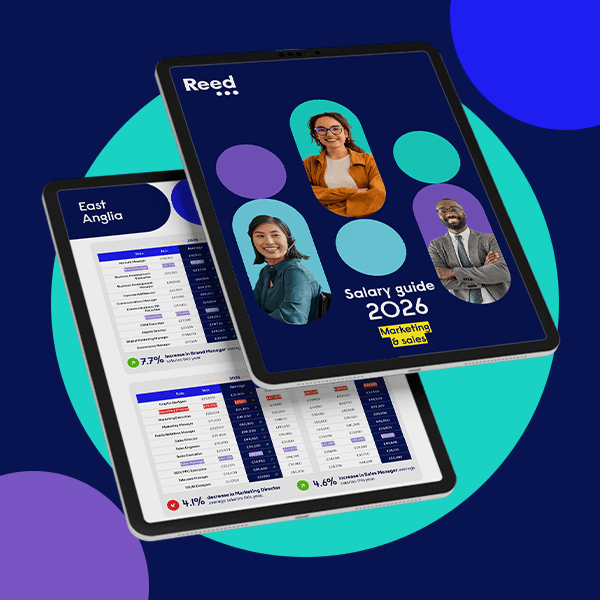
Our recent research backs this up. To help inform our 2026 salary guides, we surveyed 5,000 UK employed adults about their salary expectations and found that 73% now consider salary a more important factor when job hunting than they did in 2021. Substance is winning over style.
The research also revealed something telling about perks the people actually value. When asked which benefits they'd happily sacrifice for a higher-paying role, the top answers were free refreshments (11%) and the cycle to work scheme (11%), followed by on-site parking (eight per cent) and wellness programmes (seven per cent.
So, which benefits truly stand the test of time? Think of these as the cashmere jumpers of the benefits world: not flashy or trend-driven, but consistently valued, long-lasting, and worth the investment.
Flexible working
Once a perk for the few, flexible working is now an expectation for the many. It directly affects wellbeing, work-life balance, and retention. It's understated, it costs relatively little, and it signals trust.
Fair, transparent pay
With over half of unhappy employees (52%) citing pay that hasn't kept pace with the cost of living, compensation is the foundation of any credible employee value proposition. Salary benchmarking helps you stay competitive and demonstrate fairness, which matters enormously to early-career talent who rank fair pay highly.
Mental health support
Meaningful wellbeing support, like an employee assistance programme paired with manager training and leadership support, delivers real returns. It says you care about people as humans, not just outputs.
Career development
A lack of growth is one of the biggest reasons people leave. Personalised development plans and clear progression routes show employees you're invested in their future, which builds the kind of loyalty no beanbag ever could.
Recognition and appreciation
Employees want to feel valued, and recognition remains one of the simplest, most effective ways to boost engagement. Regular, meaningful appreciation helps reinforce a positive culture, strengthens motivation, and reminds people that their contributions matter. It costs little but can have a lasting impact.
Family-friendly support
Enhanced parental leave, fertility support, childcare assistance, and carers' leave can make a significant difference during life's biggest moments. These benefits demonstrate a genuine commitment to employees beyond their day-to-day role and can be a powerful driver of retention.
Why your EVP needs to feel genuine, not performative
The parallel with quiet luxury is particularly relevant here: authenticity is hard to fake. A copycat designer bag might look the part, but it won't stand up to scrutiny for long. In the same way, employees can quickly tell when an EVP is more marketing than reality. Your EVP is the unique set of benefits, culture, and opportunities you offer in exchange for someone's skills and commitment. The strongest ones are a genuine reflection of how your organisation operates every day. When what you promise publicly matches what people experience internally, trust grows. When it doesn't, the gap shows fast.
Quiet luxury is understated but unmistakable. A strong EVP works in much the same way. It doesn't rely on bold claims or attention-grabbing campaigns. Instead, the benefits are woven into the culture, the values are evident in everyday behaviours, and employees become the people who tell your story best.
How to test whether your EVP is authentic
To test whether your EVP is truly authentic, start by listening to your people - through surveys, interviews, and informal conversations - to understand what genuinely matters to them. Then look for alignment between what you promote externally and what employees experience day to day; if there’s a gap, jobseekers will notice.
Speaking to recent leavers can also provide valuable insight, as exit interviews often reveal whether your EVP lived up to expectations. Finally, review how your benefits are actually being used, and if they’re going untouched, they’re either not relevant or not clearly communicated.
Ultimately, an authentic EVP isn’t built on slogans, but on consistently listening to and reflecting the real employee experience.
What this means for retention
The connection between a meaningful EVP and retention is direct. People who feel genuinely supported, fairly paid, and able to grow are far less likely to look elsewhere.
Reed’s research found UK employees have stayed with their current employer for an average of over eight and a half years. That loyalty isn't bought with novelty perks. It's earned through consistent, quality experiences that respect people's time, ambitions, and wellbeing.
Think of it as the difference between a fast-fashion relationship and a lasting one. The former is exciting briefly, then disposable. The latter is built to endure.
Looking to develop or refine your employee value proposition?
Employee surveys can provide valuable insight into what your people truly value about working for your organisation. Our experts can help you turn employee feedback into a compelling EVP that attracts, engages and retains talent.
Get in touch today to find out more about Reed's EVP services.