




Watch the episode
Listen to the episode
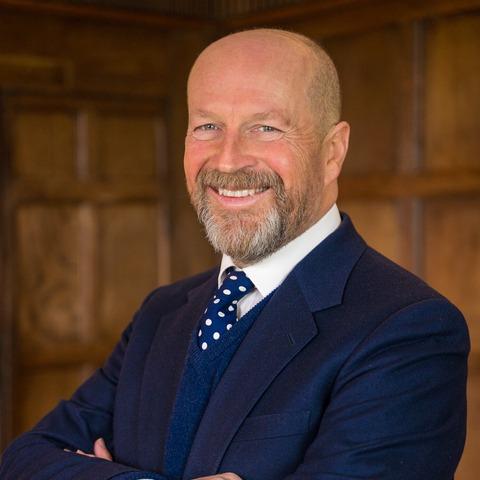
In this episode of all about business, James sits down with Rio Caraeff, Co-President of Musixmatch and former CEO of Vevo. Together they unpack a 30-year career spent shaping how music is distributed, monetised, and consumed globally.
Rio shares candid stories from his early life, including how Dolly Parton taught him to read and how his father captured the legendary photo of Jimi Hendrix setting his guitar on fire, before detailing his pioneering moves in digital downloads with Steve Jobs and launching Vevo.
The conversation delves into the core mechanics and future of the music economy. Rio explains why he views music as a "$10 business stuck in a $5 bag," breaks down the friction caused by fractured global copyrights, and demonstrates how Musixmatch uses AI tools like Sentinel and Music Lens to protect rights holders, while turning decades of lyric metadata into actionable market intelligence.
Whether you are an entrepreneur looking to move legacy industries forward, a creator navigating the rise of generative AI, or a leader seeking to master complex ecosystems, this episode provides a realistic, forward-looking guide to strategy and innovation.
Timestamps (Video)
06:00 Growing up around rockstars
09:01 what music got wrong
19:19 Musixmatch explained
24:08 administration and getting paid
26:48 AI as a Music Superpower
34:54 creativity versus AI
40:48 lyrics as durable signal
49:33 sync and forecasting uses
53:16 optimism and superpowers
Timestamps (Audio)
04:36 growing up around rockstars
07:37 what music got wrong
17:55 Musixmatch explained
22:44 administration and getting paid
25:24 AI as a music superpower
33:30 creativity versus AI
39:24 lyrics as durable signal
48:09 sync and forecasting uses
51:52 optimism and superpowers
Follow James Reed on LinkedIn:https://www.linkedin.com/in/chairmanjames/
Follow Rio Caraeff on LinkedIn: https://www.linkedin.com/in/riozilla/
Find out more about Musixmatch and their services here: https://www.musixmatch.com/
Submit your application to Reed’s Entrepreneurs Fund for a chance to win a £20,000 grant: https://www.reed.com/entrepreneurs
[00:02:08] Well, today on All About Business, I'm really delighted to welcome Rio Caraff, who's traveled all the way from Austin in Texas to talk to me today. Thanks so much for coming, Rio. Thank you for having me. It's a real pleasure. Rio's the co-president of Musicmatch, a global lyrics and music data platform. Uh, Musicmatch provides lyrics, translations, and music metadata across major platforms, uh, like Spotify and Apple Music.
[00:02:33] Rio was also co-founder and CEO of Vevo, um, one of the largest music video platforms in the world, where he worked from 2009 to 2015. Um, during this time, he helped scale Vevo into a platform worth hundreds of millions of dollars and changing how music videos were distributed and monetized online. I am certainly a customer of Vevo.
[00:02:55] Um, he also worked at Universal Music Group, involved in shaping early digital download and [00:03:00] streaming music models. So you know a lot about music and tech. Yeah, it's been about 30 years, you know, I've been in music and tech, and, uh, since about 1993. So, so, so what... Yeah, Rio, what, what first attracted you to that space- Yeah
[00:03:15] this intersection of music and technology? I, I'm always, uh- You, you know, you always, I always like to go back and say, you know, you know, what are the deep psychological reasons, you know, that you're attracted to such a irrational and illogical and crazy, you know, business? Yeah, that's an interesting question.
[00:03:29] Yeah. You know, why, wh- what is that? Yeah. What is- And I think that, you know, the honest answer is my, my father, you know, was in the music business, uh, from 1967 to 1983. Right. And he was, um, you know, basically became a very famous rock and roll photographer. Right. And when he was 17 years old, just a kid in school, in 1967, uh, he went up to a rock concert in Monterey, California, and he was just, d- you know, no, no credentials, no backstage pass.
[00:03:59] Uh- [00:04:00] 17-year-old, Monterey ... 17-year-old, you know, high school kid, and, uh, went to the Monterey Pop and Jazz, you know, Festival. Mm-hmm. Standing on his seat, taking pictures, and he shot a photo of Jimi Hendrix, uh, lighting his guitar on fire, which became a very famous, you know, photo on the cover of- Yeah, I know it.
[00:04:17] Yeah, yeah, yeah. I was just thinking that's where that happened. It's been on the cover of, uh, Rolling Stone- Right ... you know, two or three times, you know, Life Magazine. And- So your dad took that picture- He took that photo ... at the age of 17? He did, yeah. Right. He was not a professional. He was just a kid. You know, s- Right
[00:04:29] and that's... You know, all the professionals were on stage, and they got the same photo but, you know, from the side. Right. And he was, you know, just a kid on his, standing on his chair, and he got the frontal, you know, the full- Yeah ... frontal shot. The best shot. The best shot. Huh. And also, it, I find it interesting, rem- remember, before digital cameras, there was just 32, you know, shots on the roll, you know- Yeah
[00:04:49] the film, and it was the last shot on the roll. It was the 32nd shot. And so that, you know, things moved a little slower then, so it wasn't like, you know, he instantly became, you know- Right ... [00:05:00] a big photographer. It took a couple years. Um, but that, that essentially ignited his passion for rock and roll photography, and then that became later, you know, a famous photo.
[00:05:10] And in 1987 Uh, you know, 20 years later, uh, Jann Wenner, the, the founder of Rolling Stone, uh, called it the most famous rock and roll photo of all time. Uh, but basically from 1967 to 1983, uh, he photographed, uh, art directed, designed, and produced, you know, nearly 1,000, uh, rock and roll, uh, album covers. Right.
[00:05:34] So basically every Elton John album, every Steely Dan album, every Bee Gees album, every Neil Diamond album, every Dolly Parton album, you know, Marvin Gaye, George Harrison. The album covers for younger listeners were like works of art. Yeah, yeah. And everyone waited- We had a- ... to see what they were like and- Can't assume everybody knows what an album cover is.
[00:05:52] Yeah, but I, I mean, I know- Yeah ... what they are. Yeah, yeah. I mean, and, and I'm thinking these are really sort of iconic- They're the little- ... things you're talking about ... they're the little pictures you see on your phone- Yeah, yeah ... you know, on Spotify. [00:06:00] But these were works of art. Yeah. Yeah. Yeah, there was a time they were big, uh, gatefold- Uh
[00:06:04] you know, LPs with pictures and words and lyrics- Sure ... in them. So, so, uh, that launched essential... That, that was his career in music. And it, you know, it... So that was born, you know, in the middle of that, in 1975. Mm. Uh, you know, and when I had hair, you know, it... My, my first haircut was, uh, Olivia Newton-John, you know, gave it to me, and Dolly Parton helped, you know, teach me to read, you know, there.
[00:06:28] Seriously? Yeah. And so, uh- That's so cool ... so I grew up in the- So Olivia Newton-John gave you your first haircut? Yeah, yeah. Right. Yeah. I don't think many people can claim that. And s- And Dolly Parton taught you to read. I love it. And so- What was the first book you read with her? I don't remember. No. Why would you, quite, yeah.
[00:06:42] But the... So you grow up in that era of, you know, of... I grew up essentially in visual music. Yeah. You know, photography and, and images and music and creativity and art, and this was... He was not, like, an executive in a office tower, you know, somewhere. Mm. He was, uh, essentially, you [00:07:00] know, uh, on the road, you know, with artists and traveling with, with the rock stars, and- Mm
[00:07:05] they were all at our house, at our studio. And so it was also a tumultuous time. You know, lots of, you know, as you can imagine, you know, what the lifestyle, you know, would be like in the '70s there. So, uh, a lot of ups and downs and... But that's really what I was, you know, born into. And so it would be, getting back to the question, it- you know, I'm, if I'm honest, and you're open, like, that's probably where, you know, the seeds were planted and the passion was started, even though it's unconscious, you know- Yes
[00:07:32] and you don't know it at the time. And, and then, you know, he got out of music in 1983. You know, he burned out. And his last album I think was, uh, Hall and Oates, Private Eyes there Right And so, uh, then he reinvented himself as a chef, you know, and restaurateur and opened up some restaurants Oh Yeah. Um, but basically years later, you know, I, I got into music, I got into music technology very early, you know, in the [00:08:00] early '90s.
[00:08:00] You know, I built websites for Michael Jackson and The Beatles, and I, uh, sold the first, um, uh, song over the internet from a major music company, which was Duran Duran in 1997 from when I worked at Capitol Records. I helped, uh- What was the first song over the internet? I was the first song ever sold commercially over the internet from a major music company.
[00:08:22] What year was that? 1997. Right. Very early. Yeah, yeah. And then, uh, helped, uh, drive the 99 cent download, you know, business with- Yeah ... Steve Jobs and Apple. Uh, helped conceive, uh, the subscription model that's used today by, you know, nearly a billion people- Yeah ... uh, which is turning music from a product into a service.
[00:08:42] Uh, I helped create the, um, licensing model for music videos, and to turn music videos from what I call the movie trailer, you know, of the music business, you know- Mm ... into a multi-billion dollar revenue stream. Um, and so, you know, I've been a part of nearly every inflection and, and change [00:09:00] point, uh, in the music business, uh, in the last 30 years.
[00:09:03] And, uh, and that's been where my passion is. So there's been huge change over that 30-year- Yeah ... period. Yeah, yeah. And, and looking back, what do you think the music industry maybe initially misunderstood about digital or digital platforms? Yeah. I, I think, um... Well, the first thing I try to remember is there's a difference between the business of music and music, right?
[00:09:27] Yes. People con- It's easy for people to conflate them. Like, like, uh, I always try to remember, let's go back millennia. Like, let's go back in thousands of years and think about, you know, what are the things that are hard-coded into our cellular, cellular DNA that make us human, right? You know, why does everybody love sports?
[00:09:46] And why does everybody love music? And why do people love movies and television shows and books, right? Narrative storytelling. Good questions. And, and religion, right? You know? Right. And so there are, there are a handful of things that we, [00:10:00] you know, unconsciously gravitate towards and we resonate with. Um, and that is, those are what I call, um, pipelines to the soul, right?
[00:10:08] They create a pure emotional connection. They bypass the rational mind. And so it's why brand advertisers, you know, love sports, because sports is a vessel to an irrational decision, uh, with which they can wrap their, you know, their automotive brand or their, you know, their lager, you know, into. Irrational decision, yes.
[00:10:28] Yeah. You know, I want that- More likely to be- I want that Lexus ... I'll buy that. Yeah. Yeah, I want that, you know, I want that BMW. Okay. Is that right? Okay, that's interesting. Yeah. And, and it's why- Perspectives on that ... it's why they love music, it's why they love sports, right? And it's why advertisers and marketers love these things, because that, because people have passion for music, they have passion for sports, they have passion for, you know, whatever, uh, whatever story, you know, you're telling.
[00:10:49] Uh, so, so these are fertile ground for, uh, businesses, of course. Whenever you have, um, something that billions of people love, you know, what are the opportunities to create value [00:11:00] on top of that? Um, and so you're never gonna wake up one day and find a continent of people who just don't like sports or who don't like music, right?
[00:11:09] No. And so, so, so you, you can feel confident that you're, you're building something on a, on a bedrock foundation, uh, where- Oh, tapping on- Sorry. Sorry ... I think pick it up and then say it again. Yeah, sorry. I'm just so excited. The acoustics. Yeah, that's all right. I love it. Yeah. It's good. Keep going. Yeah, go on with that.
[00:11:27] I won't pound the table. Uh, so yeah, you're not gonna wake up one morning and find a continent of people who, you know, just don't like sports or music or, or storytelling. And so those are always the best, um, places to start businesses, I find. And, and so, uh- That's, that's, that's where I start. And then I get into, um, to get to your question about what is the music business, you know, doing or what are th- what are they- Mm-hmm
[00:11:53] what have they learned. Um, but I always try to remember, you know, the, the business of music or the business of sports [00:12:00] are in constant change, right? They're, they're, they don't have a God-given right to exist, right? You know, there's no, there's no fundamental reason even why they should exist, right? And so you shouldn't be too precious or too, you know, hold on too tight and say, you know, "I wish the model of, I wish people still bought CDs."
[00:12:18] Yeah. Or, "I wish that the cable television business still existed," right? You know, you should just accept that change is the only certainty, and, and, and meet the customer and the artist, you know, where they are. The, the, the second thing I learned is that there's also, um, a lot of psych- deep-seated psychological issues which inform the way the modern music business works, right?
[00:12:40] Some of it is, uh, rooted in this zero-sum game, you know, thinking, like, uh, y- I win or you lose, or you're doing something that's gonna debit from me, or, uh, my stream is gonna debit from your stream, and thus I'll make less money, you'll make money. So th- that is a shortsighted, you know, [00:13:00] myopic way of thinking.
[00:13:00] Yes. I often call the music business a, a $10 business stuck in a $5 bag, right? You know, it's artificially small, you know, relative- What do you mean by that? Uh, wh- why? Yeah. So it's, it's- Oh ... if you think about it, the music business and music itself transcends the economics, you know, of its category. So for example, music impacts and moves culture, right?
[00:13:27] Music is used in, you can't go to a sporting event without hearing music, right? Mm-hmm. You can't, uh, go to a fashion show without hearing music. You can't watch a movie or a television show without hearing music. Uh, you know, music move- you can't, you can't buy an iPhone without, you know, music- Mm ... as a part of it, right?
[00:13:45] And so music moves technology, music moves culture, music moves the economy, it moves politics, it moves fashion, it moves, you know, you know, many categories of industry. And, and so it is, but that's not counted as the music [00:14:00] business, you know, even, right? Right. And so there's, then there's all of these structural elements that conspire against the scale and growth of music, right?
[00:14:10] So for example, it's one of the only, it's probably the only industry, uh, that has a fractured copyright, right? So what that means is that the underlying copyright of music is fractured, and there are two parts of it. And the people who write the songs are not the same as the, uh, it's a, that's one copyright, and the people who perform the songs, that's a different copyright.
[00:14:34] Right. And then as music has become a, an asset class, you know, uh, bought and sold, you know, for, by investors, uh, it is, um, the, the, the, it's accelerated the fracturing of the copyright because, you know, one investment company may hold the underlying compositions, you know, of these, of The Weeknd or Justin Bieber or, you know, Ariana Grande, and then another company may own the underlying sound recordings, which could be [00:15:00] Universal or Sony or Warner.
[00:15:01] Right. And so what that means is that it's very hard to do new things, right? It's very hard to invent an entirely new product or an entirely new service or an entirely new category. Like let's say you had a great idea for some amazing new music experience, you know, that was native, you know, to, uh, to AI or, or to the web, and you couldn't just do that Because, because no one company controls all the copyright.
[00:15:29] And, and so even when I ran the digital business for the world's largest music company, uh, you know, we were only 35, 36% global market share. Right. And we only controlled, you know, the rec- the, the record part or the publishing part, but not all of the parts, right? And so even if we wanted to do something as the world's largest music company, we would sit there and say, "Well, we don't control the entire market, and we don't even have the majority of the market, and so we need to..."
[00:15:56] And then also it's against the law to collude, you know, [00:16:00] with your competitors to talk about doing new things. You know, the, in the US, there's, the, the sports leagues enjoy what I call it's a antitrust exemption, right? Uh, they can-- It's legal for them to get together, all the different sports leagues, and talk about new things and, and set prices, right?
[00:16:18] But it's not legal for any other industry, you know- Right ... to do that. So it just means that things happen slowly and things are harder to do. And so, um, and then, s- and so that, that's the root of it. The, the last point I'll make, I know this is a long answer, the last point I'll make is that there's also this deep-seated psychology where there's like a resentment that happens when people build businesses at, on top of music, and then there's no value that ac- that accrues to the underlying music companies or artists.
[00:16:49] So an example, it goes back to the 1950s when there's the creation of radio, right? Radio stations, you know, played music, but they didn't pay for the, the, for [00:17:00] the music they p- they, they- Oh, right ... played, right? Uh, it was deemed promotional, right? You're gonna, maybe you'll sell a record one day, but I'm not gonna pay for this music, you know, I'm playing.
[00:17:09] I see. And so then the music companies that, you know, were... That was a fine bargain at the beginning, and then eventually the radio stations became worth a lot of money, and they said, "Hey, that's not fair. That's not equitable." And then it was, um, MTV, you know, in the '80s. Mm. MTV would play music and, and the music companies and the artists didn't own MTV and didn't, and then that was worth billions of dollars.
[00:17:30] And they, "Hey, that's not fair," you know? And then YouTube, you know, came out and- Mm ... and YouTube had a lot of music and, and then YouTube became worth a lot of money. So y- the, and then everybody says, you know, "They're taking advantage of us. They're, you know, building a business on the back of our music and not paying for it."
[00:17:45] So there's a multi-generational, decades-long, deep-seated psychology of resentment that emerges- Yes ... when, when... And it's, uh, you know, and it's all, it's all, there's always a, a trade and there's always a, you know, a deal, [00:18:00] but, but when one industry, you know, YouTube is worth far more, you know, than the music business.
[00:18:04] And there was a time in 2009 when, you know, I think two out of every three streams on YouTube implicated a copyright that I- Right ... owned or controlled at Universal. And now, of course, YouTube is so much bigger than music. Anyway, I'll pause So, so maybe it's a hundred dollar business in a five dollar bag Yeah Given what you, given what you've just been saying Yeah.
[00:18:22] So you see why I say that is that- Yeah, no, and I can understand that feeling ... I feel like the, I feel like the music business- Mm ... should be, you know, much bigger than it is. Yeah. But, but there are reasons, structural reasons and psychological reasons as to why it's relatively small. So I, I always think of my mission, right, as to f- as to forensically dissect the supply chain of the music business and identify what are the things that are broken, or what are the things that are grossly and tremendously inefficient, and if only those things could be fixed or changed, could we make the business bigger?
[00:18:56] Right. And I try not to think about it for the lens of, like, my [00:19:00] company or this company or that company, because if you just think about it small, like, "I can only do what I can do at my company," you, nobody will ever get anything done. You have to think about it in the, in a macro, grand sense. Like, if I could do anything I want, you know, how could I...
[00:19:15] You have to break out of the prison of your mind and not think about, "Well, I'm powerless because I'm only 30% market share." Interesting. So you're looking at, you're looking at it sort of systemically, looking at the whole- Yeah, you have to ... the whole thing Yeah, I think you have to. That's the key, I think, unlock.
[00:19:29] Yeah. Is, and it's intimidating, 'cause you're like, you're like, "How, how am I gonna do this?" Or, "I'm staring up the side of a mountain," right? Yeah. But you're never gonna get anything big done if you limit yourself and, and, and, and, uh, think about, like, "I can't do this for these reasons," or, "I can't do it for those reasons."
[00:19:47] Right. So you have to really break out of that prison. Okay, Ria. So, so that's sort of, that's really helpful in terms of painting the whole picture of looking at the industry. What I'd like you to explain to me is what Music Match [00:20:00] does. Yeah. You know, what, uh, so what, what does it actually do? What, like, this is your business that you, you, you're running.
[00:20:05] H- how does it- Yeah. I, I run it with, uh, the founder and CEO- Yeah ... uh, Max Giachola, uh, who started it about 16, 17 years ago in Bologna, Italy. And Max, uh, had a vision, right, as, as great entrepreneurs, you know, do, um, for how lyrics, you know, could be a business. And I remember when I met Max, you know, 15, 16 years ago, the first time, uh, and he's talking about lyrics as a business, and I remember thinking, "That's not a business," right?
[00:20:35] "There's no business of lyrics," you know? Uh, and, and so I always- Yeah, is it, you thought that? Yeah, I thought that, and I, I mean, I- How is, how did, how, how were you proven wrong? Yeah. Okay. And I'm happy to be wrong, right? Yeah. Because, and I have a lot of reverence. I always try to remember, like, entrepreneurship is not binary, right?
[00:20:52] You know, you're not an entrepreneur or not an entrepreneur. You know, you're, you... There's a spectrum of entrepreneurship, and I always [00:21:00] th- like, a real entrepreneur to me, you know, could never work a day in their life, you know, for a giant company. Um, and, and, and I find myself, like, I have enough patience and fortitude to thrive in a big company, but I also find myself Uh, growing unfulfilled and feeling dissatisfied if I'm not actually making anything, you know?
[00:21:22] And so I gradually leave the big company because I feel- Hmm ... like I'm, I'm, I'm in an ivory tower or I'm not actually doing anything or making anything of lasting value. And so Uh, so I always have a lot of reverence for Max and for entrepreneurs because they can see through the eye of the needle, you know, to a world that doesn't exist yet, and nobody else can quite see it.
[00:21:43] And, and then their job, like if you ask me, what's the role of an entrepreneur, or what's the job of an entrepreneur? The simplest answer is it's to run through walls, right? You know, is to break through the mental barriers, the economic barriers, you know, and to be able to obsess about [00:22:00] something in an irrational, illogical way and see a world that doesn't exist yet and break through walls, you know, to get there.
[00:22:06] So I have a ch- it's an honor for me, you know, to work with an entrepreneur and to work with Max. Um, so yeah, today, today it's a big business. And, and sometimes you do have to wander in the woods, you know, for a bit, you know, to find your, you know, how is it, how am I gonna make this work, you know? Um, but basically, what do we do?
[00:22:23] So Musicmatch is, uh, I think the world's largest music data company. Uh, we're entirely B2B, and what we do is we provide, um, essentially a, a lot of services around lyrics and music data to a variety of constituents and customers. So, um, so for example, we provide lyric rights, 'cause lyrics are a subset of the music publishing copyright, which is also known as the underlying composition, the words and the melody.
[00:22:52] Uh, it's not the performance, the sound recording, it's the, it's the, it's the Lennon-McCartney, you know, part of it. Yeah. Maybe not the Beatles part [00:23:00] of it. Important part of the fraction copyright. Right. It's the, it's the- Yeah ... it's the genesis moment, you know- Mm ... of the, of creation. Mm. Right? Where the, somebody's gotta write the melody, and somebody's gotta write the notes, and somebody's gotta write the words.
[00:23:11] So the lyrics are part of that. You're like, "The genesis moment." Yeah. Yeah. It's the, you know, there was no song and then there was a song, right? Yeah. So that's, that's, that's the part of the copyright that lyrics reside in. And so, so thus you need the rights from the rights owner, uh, in order to exhibit them or display them.
[00:23:29] So when you go to Spotify and you wanna, uh, play a song, you'll see the lyrics, you know, there. Um, in order to display the lyrics, you need the rights to display the lyrics, so you're not infringing, you know, on the copyright commercially. So we provide the rights, you know, to those. We have, um, all of the major music publishers and all of the very long independent tail, you know, of music.
[00:23:51] It's a very long and thin tail. So we have in aggregate maybe 250,000, uh, licensing agreements- Wow ... you know, uh, for everybody, [00:24:00] all the, you know, from, from India to, you know, Korea, to Japan, to all the, all the major and minor parties. So that's the first thing we do, is we provide the rights. Then we provide the actual lyric content itself, the actual data itself, uh, which are the words, you know, to the song.
[00:24:17] Uh, we produce all of that. Um, we have, you know, today, you know, I'd say over 20 million, uh, lyrics, you know, in our catalog, and we're constantly producing more. So when you're listening on Spotify, the lyrics appear- Yeah, you see the lyrics. It's coming from Musicmatch. Yeah. Right. Yeah. So the rights are coming, you know, from Musicmatch or, or, or deals that Spotify does directly.
[00:24:37] It's all, every- everything is different. So, well, so they may have our rights directly, they may get some rights from us, they get the content from us. Then the next thing we do is we provide the administration, and this is the least understood, but the m- I would say the most valuable, uh, part of what we do.
[00:24:54] And the administration is a, is a generic word for how do you get people [00:25:00] paid, right? Right. And how do you, how do you tell them what's happening, reporting, right? So- So who are we, who are we talking about here? Yeah. So the people who wrote the song, the people who own the song, they should get paid, right?
[00:25:10] Yeah, I agree. We all, we all agree with that, right? Yeah. And they should, and they should get paid faster, and they should get paid more, right? Right. I think that's, that's our- So you enable, you make that happen. Yeah. So what, basically, that's, in the industry, that's called administration. Mm. So what do, what do you do as an administrator?
[00:25:25] You're essentially collecting all of the activity that occurs, right? So we're getting all of the reporting from Spotify and from Apple and Amazon and YouTube and Meta and everybody that we service. And so then we got all the activity, all the lyrics, all the streams that occurred, all the underlying lyrics that were displayed.
[00:25:44] And then we look at our database, uh, which is essentially one of the world's largest database of song ownership. So we know who wrote all the songs, we know who performed all the songs, and we know who owns all of those copyrights. And the average song, you know, could have 12 or 17, you know, different [00:26:00] writers on it.
[00:26:00] Like, this Beyoncé song could have nine writers, and each of those writers has- Nine different writers? Yeah. And then they- I had no idea ... and then they each have- So it's also written by one person, is it? Sometimes it could be one person. Right. And the s- the simplest is when the person who wrote the song also performed the song- That's good, yeah
[00:26:14] and that's, and that's simple, right? But it's never that simple, right? No. There could be a song that has nine writers. Each of those writers could have their own publishing deal. So they could be with Warner, they could be with Sony, they could be with Kobalt, they could be MG, Concord. And so there's all these sub-publisher relationships, and then it could be different by country and geography.
[00:26:34] So, so basically you've gotta take all the activity, you've gotta line it up against who owns what, and then you've gotta figure out the calculations of payments and formulas around there based upon your license agreement and what you get paid by the DSP. And then- And what's a DSP? Uh, sorry. The DSP is Spotify.
[00:26:52] Okay. The, the, it's, it's the industry term for the service provider- Right ... the digital service provider. D- okay. So everybody who- So they pay you, and then you're [00:27:00] responsible for getting it paid out to the- And then we, and then we facilitate the administration. Yeah. So it's the reporting, you know, it's the, uh, it's the reports that say, "Here's what occurred," and then it's the payments, uh, to everybody- Right
[00:27:09] on a timely manner. So, so basically there's the rights, the content, the administration, and all of, that's, that's the core business of what we do. Right. Uh, we also have other things we do, but that's, that's what we're known for. So a lot of data and a lot of moving parts. Yeah. So I mean, the, the thing that's going through my mind, I'm, I'm, and I'm sure other people listening, is AI, obviously.
[00:27:29] Mm-hmm. This is coming. Yeah. Well, it's already here, and- Yeah ... how does that affect the future of music and also what you're doing? 'Cause I can imagine AI could do that, some of that function quite- Oh, yeah ... quite efficiently. We're using AI, uh- Yeah ... extensively, uh- Extensively ... throughout the company. Yeah. It's like a superpower, right, that we enjoy today.
[00:27:45] So you, you're seeing that as a positive, but also- Yeah ... in the music space there are lots of people who are concerned about it- Yeah ... in terms of it sort of- Of course. This is a- So wh- where, where, where are we headed? Yeah, what, what's going on here with the, uh- Yeah, it's a big, it's a big question. Yeah.
[00:27:56] Think the first, the first, uh, place to [00:28:00] start, right, is that it is a powerful tool, but that it is inherently neutral, right? Meaning- Tools can be used for good, tools can be used for bad. It just depends on how you wield and use the tool, right? So you have a choice. Do you, do you look at the tool as evil? Do you look at the tool...
[00:28:18] Like, is the hammer that you're gonna... The hammer could build the house, the hammer could hit you on the head, right? You know, it just- Right ... depends on how you use it and how you look at it, right? And so we, um, we look at it as a powerful enabling technology, um, that, um, n- for example, uh, when we ta- we just talked about reporting, right?
[00:28:37] All the administration in payments- Yes ... to people. That is complicated and, and you- many billions of lines of reconciliation, and that before AI, right, that used to take months or weeks, right, to process all of that volume of data. And now we do it in days, right? And in fact, it's actually hours, but we spend days [00:29:00] checking it and checking it and double-checking it, you know, with humans.
[00:29:02] But it, it enables us to move much faster, be much more efficient. And then what does that mean? It means you can report and pay faster, and who doesn't wanna get artists paid faster, right? So that's a benefit of AI, right? People can get paid faster, and also the overhead of doing it is lower, and so we c- you can take- All right
[00:29:22] there's less, less deductions right there. So that's the- That's a part of it ... that's the hammer as a tool. Yeah. What about the hammer that hits you on the head? Well, I think the, the, uh, a- again, I'm not gonna be a doomer, you know, and talk about all the negative things. No, but people- Yeah ... are worried about it, so- Yeah, I think-
[00:29:36] you know, so what do you think about it? Th- they're valid, right? Yeah. I think the, some of the worry, uh, stems from if you're a creator, right, you know, and, and, a- and anybody can push a button or prompt the creation of a song or the creation of a video or a picture, what does that mean for you, the photographer?
[00:29:52] What does that mean for you, the musician, or you, the, the- Yes ... the journalist, right? Yeah. And so I think the f- the [00:30:00] first thing I would say is that, and again, this may be cold comfort, you know, to an individual, but the first thing you have to understand is that markets are classically made larger through the democratization of tools, right?
[00:30:12] And this is true if you go back decades, whether it's the, the printing press and desktop publishing or the laser printer or digital video or camera technology. Every time there's been a new technology, it disrupts the industry, but the, when the dust settles, the market is much larger, right? Because the tools are now more available, and they're lower cost, and they're democratized, right?
[00:30:35] So what that means is that the, the, the incremental cost of creation, you know, goes to, goes to zero. Um, but humans, of course, are paralyzed by indecision when they're faced with unlimited choice, and are also, humans are also, uh, make decisions from the comfort- from the, they prefer the comfortable and the familiar, right?
[00:30:55] Right. So what does that mean? It means that when I wanna [00:31:00] go to, you know, a, a music service in the future and use AI to make a song, right, I'm gonna say, "Make me a song that's like Fleetwood Mac and Taylor Swift and Prince," you know, mixed together, right? Or I'm gonna say, and I'm, so I'm, I'm leaning on my comfort and my familiarity with major artists and major brands, right?
[00:31:20] And then, and then I'll make a new derivative song, and due to these licensing formulas that are emerging, now all of those people will get paid, right? So there's not, there'll be new- Oh, so you, if someone makes a request of that sort- So- ... those people would get paid? They get paid because I'm using the name and likeness, right- Right
[00:31:36] to create the new song, right? Right. And then I'm also- That's actually happening, is it? It's, the, these are, this is, this is happening- Behind the scenes, and you'll see this in a- But it's happening rather than coming soon? You'll see later this year. You'll see some of these things. Oh, look. Yeah. You'll see them next year.
[00:31:50] So let me say it a different way. Mm-hmm. The indus- the music industry is no longer on its heels, like pretending this doesn't exist- No ... or, you know, trying to litigate as a [00:32:00] strategy, right? They're now on their toes, bear hugging it, leaning in and saying, "How do we, how do we take advantage of this?" Right. "How do we, how do we harness it?
[00:32:10] H- what's the opportunity? How do we grow? How do we enable it?" There's no more pretending, like, "Let's stick our head in the sand and pretend this doesn't exist and hope it goes away." That's, of course, what always happens, you know, at the beginning. And the, and the cycles are compressing. We've seen that before, have you?
[00:32:23] We've seen that before- Yeah ... and that didn't happen a few years ago, you know, with AI. So, so basically now the industry is licensing these services- Mm ... and, and they're gonna... And there's different ways to... There's, there's s- and with AI, there's three parts. There's the training. Like, what happens, how is the model trained?
[00:32:40] Yes. Is it trained on licensed works and copyright, and what's the, what's the remuneration model for that? The second part is, uh, prompting. Like, what happens, how does the user make something? Like, make me a song like this, or make me a song, you know, th- that sounds like this or, or with this artist. And then the third part is the output, right?
[00:32:59] What, [00:33:00] what's the end result that's coming out at the end? And, and so the, who gets paid, uh, how- what's the formula, uh, how does that work? So- So hang on. So you, so you're envisaging a world in which the training, the prompting, and the output are all potentially resulting in payments to people. I'm not, not envisioning a world.
[00:33:19] This is happening, right? This is actually hap- Yeah, yeah, yeah ... but, but people are actually being paid, are they? Not yet. No, well, that's what I mean. Yeah, yeah. So that no one's gonna- Because none of these services are live yet, right? Yeah. No, but they're, but they're in progress. Yeah, yeah. So, okay, so we're on the cusp of this.
[00:33:30] Yeah. There are, there are services like Suno and Udio that are- Yeah ... generative AI music services. 'Cause I've got books behind you that- Yeah ... were apparently fed into sort of AI training for which I've received no payment. And- Right ... you know, then there are class actions about this. Yeah, yeah. I'm, I'm- Underway
[00:33:46] again, I'm not trying to paint a- Yeah ... perpetually rosy, you know, picture. No, no, I'm interested in how this might be b- becoming- Yeah ... more positive. Yeah, yeah. Uh. I, I, I mean, certainly, uh, the dust has not settled on, you know, is training fair use or not? Yes. Right? [00:34:00] Um, courts have ruled so far in the US that, um- That training could be fair use, but not if the underlying source material was pirated, right?
[00:34:12] Yeah. So if the books were purchased, or if the music was purchased, or, but if it was stolen or, or torrented or, or scraped from, you know, from security there, then maybe that's not fair use, right? So there's that. Yeah. So I think the leisurely pace of the law, right, you know, will, will play out. That's one way of putting it.
[00:34:31] Yeah. There's a, there's some- Can't keep up. That's, that's what we always call it in music is the- The leisurely pace ... the leisurely pace of the law. Yeah. The, the te- engineers will call it the latency, you know- Yeah ... of it. But basically that'll get sorted out eventually, but- Right ... but business moves on without regard, you know?
[00:34:48] And so, uh, so a lot of what we're f- the industry's focused on is how do you license training, how do you license the prompting, and how do you license the output? Right. [00:35:00] And because without that, there's no business, you know, around any, any of this. And, and again, I can't speak to books or any other industry.
[00:35:07] I'm just talking about music- No, that's interesting ... specifically. That's very interesting. So the industry is bear hugging it, actively licensing it, and you will see services out, I think as early as this year, you know, that, that embody these type of things, where artists and songwriters get paid for all three, you know- Mm
[00:35:23] parts of that chain. Um, and so that's the, that's what's happening now. I think people would be pleased to hear that- Yeah ... 'cause there is this concern. That's what's happening now. Um- Yeah ... but I, I think the, the other thing I would say- ... there, there was a great interview with Strauss Zelnick, the head of Take-Two Interactive, the, the creators of Grand Theft Auto, you know, video game this week, where he was asked about AI and, you know- Mm
[00:35:43] why, why do you spend billions of dollars making a game and t- you know, five years of production when somebody could just make it with AI? And I, I think his, his fundamental point was that, you know, creativity is by its very nature forward-facing. [00:36:00] Yes. You know, you are informed, we're all informed by the music we've heard and the books we've read and the movies we've seen, but nothing new is ever created by staring backwards.
[00:36:11] New things and creativity are only enabled by looking forward, right? And, and AI is fundamentally built on data sets, and data sets are by their very nature backwards-facing. So if you rely on AI only, you can only make derivative versions of the past. And if you are truly a creator, you're making something new that didn't exist before, right?
[00:36:31] And so- So creativity is forwards-facing It's forward-facing Yeah And AI is by its very nature backwards-facing Because it's relying on data from- It's 'cause it's solely in, you know, reliant on, on, on backward-facing data sets, right? Um, now things will evolve and change, right? But I think that-- So I think what is the artist of the future, you know?
[00:36:51] Or what is- Mm. I, I like to think about what is the ascendant generation, like what is my three-year-old or 11-year-old, you know, gonna do? Like what I, what I wanna do [00:37:00] is irrelevant, you know, 'cause basically dead. You know, but the, the point is, um, that they're going to-- The, the creator of the future will look at these as tools and say, "What could I do?
[00:37:12] What new things can I create using these powerful generative AI tools," right? "That allow me to, you know, have unfettered creativity and powerful superpowers, you know, to make things." Um, but yeah, like I said, the future is here. It's just unevenly distributed, right? And so a lot of people aren't even aware, you know, that this- Yeah
[00:37:29] the world has changed. Yeah. So Musicmatch recently launched Sentinel. Yeah. Um, what problem is that trying to solve? Yeah. The first-- Uh, S-Sentinel is a new service we've launched for businesses that essentially allows them to detect what is being prompted and what is being uploaded, uh, to them, because they do incur liability and risk if their copyrighted materials are, are uploaded to their service or [00:38:00] prompted into their generative AI service.
[00:38:02] So an example, and this is not just music services, it could be, you know, Roblox or Canva or any company that has a upload button or a prompting box And so if copyrighted works like Taylor Swift lyrics or, you know, other types of songs are uploaded in there, and then it shows up somewhere in the service and it's not licensed, you are incurring risk and liability if you do that.
[00:38:26] Well, you're, you're like- you- in the future to get a bill for that. Yeah. You could- Yeah ... you could be an in- an infringer. You could be sued, right? Yeah. You could get... have claims made, so because those are copyrighted works. And so the first step is detecting, you know, what is being uploaded? What is being prompted, right?
[00:38:42] How, how can you figure out, you know, what's being put into your business? Well, if you're an organization with lots of people, you don't know what people are asking for. Right. So that's what Sentinel is. Yeah. So you, you integrate Sentinel into your service where you have a prompt or where you have an upload, and we essentially, in sub-millisecond time, we [00:39:00] deliver a confidence score to the business.
[00:39:02] We say, "Hey, I'm, I'm 99% sure that's a copyrighted work. I'm 100% sure it's public domain," right? "I'm 100% sure I've never seen that before, and it looks original," right? We don't tell the business what to do. They business makes their own decisions about whether they wanna let it fly or take it down, right? But the first step is detection, right?
[00:39:23] And that's what Sentinel is. The, the, the vision of Sentinel is actually not to take anything down. The vision is to leave it up, because leaving it up is what I call the happy path, right? That's, that's what the user wants. The user put it there. The user wants it to go out, right? And so the... I always look at YouTube content ID as the model for Sentinel, because YouTube content ID is not about taking things down.
[00:39:47] It's about leaving it up. But you can't leave it up if you don't know what it is in the first place, because you can't... If you... You have to first figure out what is... what are people uploading, so that's the recognition part. Then you get to say, "Okay, now I know [00:40:00] it's a Bob Marley song, and now I'm gonna license it.
[00:40:03] And then now that I know what it is and it's licensed, I can advertise and monetize it," right? And then money flows. So YouTube content ID is a $58 billion business, right? And it's not, and not... It's not about taking things down. It's about leaving it up So because we have 250,000 rights agreements, we could also issue instant licenses.
[00:40:23] Sorry, I'm hitting the table here. So we can say we're 100% sure it's Taylor Swift, uh, Love Story. Um, and now we could say, and here's a license for it so it stays up, and then that creates a second business model for us, which is the administration of that copyright and the annuity that that affords. But th- th- that's dependent on someone who's posted this on YouTube paying the license then, is it?
[00:40:48] Or, or whatever business is using Sentinel. So, yeah. Yeah. So it tends to be to businesses. Yeah. So, uh, yes. Yeah. So it-- Sentinel is a service for any business- Right ... that has prompts or upload buttons. So it's business to business. Business to business. Not business to [00:41:00] consumer. Yeah. Yeah. And so, um, you know, there is a, a leading generative AI music service that has integrated Sentinel today, and we are-- everything that gets prompted, everything that gets uploaded hits our Sentinel service.
[00:41:13] We deliver the score back to them in, you know, near real time- Mm ... and then they make decisions about licensing it or leaving it up or taking it down, and it's essentially a way for them to manage and mitigate their risk. So how does Sentinel actually detect these copyrighted lyrics in, in music that may be AI generated or AI generated from- Yeah.
[00:41:32] And as you can imagine, it's built upon our competency, you know, which is lyrics and lyric data. Yeah. And, and, and we have a, the-- and we know who owns what, right? So we, because we know who wrote it and who owns it and who, and who, where the splits are and who administers it, we, we can tell whether it's a copyrighted work or public domain or, or not because we have all of that information for our business.
[00:41:54] So we- But that's AI checking it, is it? Again, AI is like-- at, at this [00:42:00] point, AI is like talking about oxygen, right? Or air conditioning or... You know, AI is g- gonna be in your toothbrush and your Gmail and so- Yeah ... it's a, it's AIs in everything, right? And so we, we use AI, yes, in order to help it make it work well.
[00:42:14] Yeah. And but we're, we're looking for strings and matches. It may not, you may not be u- somebody may not upload the entire lyrics, but just a, a- an excerpt or a portion or- Quite likely, yeah ... or parts of it. And so we're, we're doing all of that pattern matching and identifying it, and we're saying, yeah, this looks like it implicates a copyrighted work.
[00:42:32] And so the business can take it down or the business can leave it up, and we do that because we have all the lyrics and we do that because we have all the ownership data so we know what's copyrighted and what's not. The other point I would make is lyrics are very durable in terms of, um, a signal. So for example, there are other content identification technologies, but they don't focus on lyrics.
[00:42:56] They focus on the waveform or the way that [00:43:00] sounds. Does this sound like a Taylor Swift song? Does it sound like a Bob Marley song? Like, let's examine the, you know- Mm ... the bits, right? And look at the waveform. But those are easily, um, easily defeated. You can speed it up and slow it down. You can put white noise in.
[00:43:18] You can f- flip it around and change it. You know, you can alter it. You can remix it in a different genre, you know? And, and all of a sudden, the forensic fingerprinting technology says, you know, "I don't know what this is anymore," right? And, and so lyrics though, ha- are... They have to be there. They have to persist.
[00:43:35] Lyrics are lyrics. Yeah, lyrics are lyrics. Yeah. They can't be removed, right? Mm. 'Cause then it's not the song anymore. So they're dur- surprisingly durable and not brittle, and that, we find that to be a good signal to, to base Sentinel on. Right. Yeah. Very inter- so you've also launched Music Lens. Yeah. So what, what exactly is this- Yeah
[00:43:54] and how does it work? Music Lens is interesting. Uh, it's the first application of [00:44:00] AI that we, um, undertook last year, uh, on our business, and the idea was, you know, our thesis, you know, fundamentally is businesses who have proprietary data and who serve vertical industries are well-positioned in the, with this transformation of AI.
[00:44:16] You know, if you, if you provide horizontal services like generic databases or CRM or you don't have proprietary data, you're gonna have a harder time, I think, in this new world. And so because we have proprietary data and we serve a specific industry, we said, "What c- what, what will happen if we take all of our data and we, and we allow you to interrogate it, right, with the power of a large language model?"
[00:44:42] So for example, now I can learn why are songs about love in a perpetual decline since 1950, you know, in, in America. Are they? Right. And they are, right? I want to know that. And we learned that, you know, from, uh, from Music Lens, right? Right. Or you can take a different tact and say- Oh, because the lyrics are [00:45:00] not- Because we're looking at the long arc of time.
[00:45:02] Uh-huh. We're looking at streaming volume and activity. We're looking at the s- the meaning and sentiment of the song, you know? Songs about love are in p- Perpetual decline ... perpetual de- Yeah, for multi-decade decline, yeah. Oh, no. Yeah. Songs of- That's the... Why is that? What's that about? There's a lot of sad stories, you know, here.
[00:45:19] You know- What's that about? ... so- songs about, uh, songs about politics and civil, you know, civil disobedience or unrest or protest are also in a perpetual decline, right? You know, the, the- So what are the new songs about? They're about, uh, consumerism. They're about auto- you know, what are the top three luxury brands, you know, in songs, or automotive brands or alcohol brands, and so they're, they tend to be, they're more about...
[00:45:43] But they're also about friendship, and they're about, you know, love and, you know, some about love or about sex or other things. And so- Huh ... um, they're, it's not, there's no, it's not, uh, all hope is lost, you know? But, but it is things that, um, s- you know, music- I'm sorry about this loss of [00:46:00] romance, but, uh- Yeah, yeah Oh
[00:46:01] you know, it, you know, I, I... music used to be a, you know, a way for people to talk about society and, you know, and, and the government and, and, um, and civil, you know, the civil nature and, you know, and everything from protest songs or protesting- Yeah ... the war or these things. And but there's not a lot of songs about the Ukraine war or about this in, in Palestine or, or...
[00:46:23] You know, there's not a lot of songs about that, unfortunately, there. And so, um, yeah, so, so Lens, getting back to Lens, it's essentially a, a powerful magnifying glass that you can use to interrogate and understand, you know, the corpus of music in whole or in part- And, and, and that is a powerful tool that you can use for different industries and purposes.
[00:46:47] So for example, if you were a brand marketer or advertiser and you wanna know what are the top, um, you know, fashion brands that are sung about in songs in the UK in the last 30 days, you know, you [00:47:00] can use Lens to, to d- to learn about that, or automotive brands or, you know, consumer products or, or- So these brands are appearing in songs, are they?
[00:47:08] Yeah. Yeah, people will sing about- In the lyrics ... Gucci or they'll sing about, you know, Balenciaga, or they'll sing about- Right ... you know, Mercedes or Bentley or different things like that, and they show up in different songs in different ways, and y- or they'll- Right ... sing about different geography or different, you know, themes or places.
[00:47:23] So you, you can dissect the semantic meaning and understanding, you know, of the songs that way. But there are practical commercial examples. So in music, uh, one of the big revenue streams, uh, for, for music companies and artists is called sync licensing. Right. And sync licensing is where you license a song to be synchronized with a video or a moving picture.
[00:47:45] So like when you see a TV commercial and there's a song or a video game or a movie and there's a song, that, that is licensed and under what's called a sync license 'cause it's synced with a moving picture. And- Sync, S-Y-N-C ... S-Y-N-C, yeah. Not [00:48:00] S-I-N-K. Not S-I-N-K. Yeah. And so it's a, a... It's in the, in the realm of music publishing arcana, you know, or music- Right.
[00:48:07] Yeah ... it's, you know, it's an obscure thing, but it's a big business. It's a multi, you know, billion-dollar business. And so my point is, um... So let's just pick an example. You're a, you're a big music publisher. You have 3 million copyrights, you know, in your database, and you have 11 people on your sync licensing team, right?
[00:48:25] Um, those 11 people don't have 3 million songs in their frontal lobe, you know, of their brain- Right ... at all times, and they get the RFP from Nike or, you know, um, you know, this McDonald's commercial. You know, they're looking for a song, you know, to use. Um, they can now drop that RFP and that proposal into Music Lens- Which would make, may be trained on just their three million songs, you know, if they're a customer of it, and then will spit out, "Here are the top five songs in your catalog that are well-suited for that proposal."
[00:48:55] And you may not, some of them may be obvious, some of them may be not so obvious. You may not have thought of them. [00:49:00] Here's why they're the best fit for them. So that could lead to more sync licensing and more, you know, um, uh, more commercial opportunities for rights owners. So it's surfacing these sort of, uh- Yeah, yeah
[00:49:10] works, works. Another example could be financial forecasting, right? Mm-hmm. You're the CFO, you know, of a big music company. Um, you're gonna use Music Lens to figure out what are the, what are the top, uh, songs that are likely to generate income for me next quarter. Um, or what, what artists, who wrote those songs, and maybe I should re-up my contract, you know, with those people, or maybe I should find other songwriters like that.
[00:49:33] What genres are likely to drive more income for me in the future, right? Um, what are, what, how do I increase my market share, you know, which is, gives me more pro rata income in a shared pool? So, um, there's all kinds of financial forecasting benefits to Lens. There's... So it's a powerful tool, and we haven't even begun to discover all of the possible commercial opportunities there.
[00:49:56] The Economist, you know, in London, is using Lens [00:50:00] to tell stories and find trends about the economy, about politics, about society, um, and then they want to express it through, you know, visual charts and graphs, and using the power of music to do that. So they're using Lens, you know, as a jour- there's not much money, you know, in that, but it is a, it could- It's quite an interesting cultural insight.
[00:50:18] Yeah. Yeah. But we're happy to have them do it. Uh- Yeah ... so, so we're just uncovering, you know, the use cases of it. Yeah. Yeah. And I mean, one thing that's, that's on my mind is, uh, obviously there are huge back catalogs of music. Yeah. I mean, is- AI and Lens and other tools like it, does it have the potential to surface more of that and bring it- Yeah
[00:50:40] back to life, I suppose? Yeah, yeah. Even to my sync licensing example- Mm ... there are some music publishers where the, the, their songs may be Sam Cooke, you know, from, you know, from- Mm ... the '60s or Rolling Stones, you know, here, and the people who work in those teams may be generationally, you know, come later.
[00:50:58] Like, they may be 24-year-olds, [00:51:00] and they may not know- Yeah ... everything about every song from the '50s or '60s. And so Lens could help them- Yeah ... understand, "Hey, this is what's in your catalog. These are the, these are the little diamonds that you may not have m- may have missed, and this is why they're good, and this is why they're useful for this purpose."
[00:51:14] Yeah. Yeah. So there is s- so, so y- you sound... I mean, I w- I want to sort of draw this up to a conclusion because, I mean, we've sort of lifted the bonnet on the music industry in a really interesting way and had a look at the sort of engine beneath, and you've been incredibly insightful, which I'm grateful to you for, Rio.
[00:51:33] Do you feel optimistic about the future with these new technologies that are coming over the hill? I do. I do. I've never been more excited and more optimistic about it. Why is that? Why is that? Um, because I feel like, uh, these are- These are all enabling opportunities. They're en- they're powerful tools, and they're...
[00:51:51] They give you superpowers. So a- again, if you're an entrepreneur, I believe there's never been a better time to be an entrepreneur. There's never been a better time to start a company [00:52:00] because you are... Think of the leverage you have, right? You can now, um... You can now, uh, get things done as if you had a team of 10 people, as if you had the team of 100 people.
[00:52:10] Um, you can now have powerful financial tools and powerful business tools and powerful marketing tools and powerful creation tools, and you don't need to say, like, "How do I raise a bunch of money?" or, "How do I dilute my equity?" or, "How do I spend six months doing something that can now take six weeks or d- six days?"
[00:52:29] So that- This is very recent, isn't it? This- Very recent. Yeah. Like, you know, I, I have... Personally, right now, I'm deep into my, uh, OpenClaw, you know, which is a agentic- Mm ... AI framework, and I have... And I'm constantly having these mental breakthroughs and unlocks when I realize, like, what's possible, and I... And it's making...
[00:52:47] It's enabling me to do all kinds of things that I'd never would've been able to do before, like, m- you know, manage my health or, uh, uh, be more effective at work or be a better communicator with my 6,000 people [00:53:00] in my address book, in my network. And, and so it's, um... I'm constantly giving my agent... Like, I used to think of my agent like a, an assistant, right?
[00:53:08] Yes. And now I think of it like a genie in a bottle, right? Where I just, like, whisper to the genie, you know, and things happen, right? And, and, and s- I... You know, the first mental unlock for me was, was when, uh, I realized that software doesn't exist. It can be willed into existence, right? Right. W- you know, I, I said...
[00:53:27] The very first project I gave my AI was, you know... I had 30 years of... My address book was a mess, right? Mm. I got 6,000 people. It's a, it's a freaking mess, right? You know? Yeah. I, I don't, I don't, I don't have time to go deal with that. So I said, "Clean that up," right? "De-duplicate it, make sure all the most recent contact information is in there, and then put it in a CRM so I can actually stay in touch with these people on a, on a, on a more proactive basis."
[00:53:55] And, and in my head I'm thinking, "Oh, now I gotta license a CRM, and which [00:54:00] CRM? And sh- I don't have time for that, and I gotta modify it." And, and, and then s- my agent said, "So you want me to make you a CRM?" Right? And I was like, "Oh yeah, you can do that?" Right? And then the next moment when I got my Anthropic credit card bill, you know, from all of the tokens I was burning, uh-
[00:54:17] I was like, "Oh, this is expensive." Right. And it said, "Oh, you want me to figure out how to get that to zero?" Right? "You can do all this, this, and this, and this locally, and I can set that up for you so you don't have to pay Anthropic, you know, to do that. Because I can tell on your network you've got an NVIDIA 4090 card, you know, on this PC," or, "I can tell you've got this much unified memory, and I can just do this, this, this, and make it work for you for free."
[00:54:36] And I said, "Oh, yeah, do that." It's like da-da-da-da-da-done. You know, now I don't pay, you know- Right ... for any of that, right? And so every day I have these breakthroughs, like where I can do more and more things. And, and it's really empowering, um, because I, I... there's no limits anymore to my... I don't, I don't think I don't have time for that, or I don't think I don't have the skills for that.
[00:54:56] And, uh, and, and so it's a great time to start a business. It's a great time to be an [00:55:00] entrepreneur. It's incredible leverage. Uh, it's a real... It's like... And again, the world hasn't... In, in the world of tech or, or San Francisco or London or New York, there, everybody seems to be, like, doing this. But you don't have to go too far out of those bubbles to realize that a lot of people are not even aware, you know- Yes
[00:55:17] of this stuff yet. And that's a tempor- not a permanent advantage, it's a temporary advantage. But when you, when you have a superpower and other people don't, you know, it's, it is an incredible advantage, right? And that window will close eventually. But it's like realizing the world has changed and other people haven't yet realized it's changed.
[00:55:36] You ha- you have an op- you have a, you know, maybe it's a six-month advantage, maybe it's a 18-month advantage, but you've got an advantage over everybody else, you know, if you take advantage of these tools. You know, the alternative is to live in fear and to be paranoid and to be negative and to be, you know, "Here's gonna...
[00:55:52] Everybody's gonna do this and everybody's gonna do that." I tend to also think it's human nature to think in binary absolutes. Like, [00:56:00] everybody will lose their job, and nobody will ever drive a car again, and everybody will do this, and nobody will do that. And that's normal human thinking, you know, to go to those extremes.
[00:56:10] But, but- Yeah ... history shows the pendulum swings hard, right, in directions- Right ... but it usually settles back, you know, somewhere in the middle, and things are never that simple, right? And there's also a difference between, like, what the technology could do versus what actually happens in the labor markets or these things.
[00:56:27] And so- Very true ... I, I tend to be more optimistic by nature because I, I like to build things, and I'm a, I'm a... I'm not an entrepreneur, but I'm, I have entrepreneurial tendencies. And, and you can never... I believe also you can never be an entrepreneur and build things if you're a pessimist, if you're negative, right?
[00:56:44] Because, because it, it is... Being an entrepreneur and building a business or building a product is by its very nature uh, irrational, it's illogical, it makes no sense. The odds are against you. It's probably not gonna work, right? And if you let that consume you and [00:57:00] dominate your thinking, you'll never actually build a company or launch a product.
[00:57:04] You have to be able to believe that in yourself and believe that you can do it, and even if you can't quite figure it out yet, you have to believe that you will figure it out. And so the best entrepreneurs are optimists, I think, and they believe in themselves and their team and their ability to pull it off, even if they don't know exactly how they're gonna do it.
[00:57:22] Thanks, Ryo. Yeah. Thanks for that, uh, uplifting, uh, um, and inspiring, uh, conclusion to our conversation. I agree. Yeah. I think it's important to be optimistic. Yeah. And entrepreneurs, I think, have to be optimistic- Yeah, yeah ... to be entrepreneurs. That's right. I, I agree, otherwise you wouldn't have a go, and it's so important to have a go.
[00:57:39] So thanks so much for coming in and sharing your incredible knowledge of the music industry and what's coming, and also, you know, some of your own personal stories, which I enjoyed very much. Yeah, thank you. I'm happy to be here. I don't think I've ever met anyone who was taught to read by Dolly Parton, so I love that.
[00:57:53] Yeah. I'm a huge fan. And, uh, I wanted to just finish, as I always do, with two questions, [00:58:00] um, that, uh, that I ask all my guests. The first is at Reid, here at Reid we love Mondays, so my first question to you, Ryo, is what gets you up on a Monday morning? On a Monday morning, what gets me up lately is, um, the smile of my three-year-old daughter, you know?
[00:58:16] So it... I love having a daughter, I love having, you know, um, uh, you know, being able to see, you know, how she sees the world, and loves discovering music and art and making things. And so it's really motivates me to think about, you know, my own health and my own, you know, um, my own ambition and my own responsibilities.
[00:58:38] So I, I... my family and my daughter. Does she start early, your three-year-old daughter? She likes to sleep in, you know? Oh, that's quite unusual. Yeah. Yeah. No, that's good. But she's, uh- Unlike my grandson. Yeah. She, she does like to sleep, but eventually she gets up in the morning and- Oh, cool. Yeah. So then you've got...
[00:58:52] Yeah, good. Yeah. So that's, that's really why- Yeah ... I look forward to every morning. Fantastic. And my last question, which is from my interview book, Why You, [00:59:00] is: where do you see yourself in five years' time? Uh, hopefully retiring in Italy, you know? Heading for Italy. No, but, uh... no, I'm just joking. The, uh- Just joking.
[00:59:11] Okay. Yeah. The, uh... In five years' time, you know, I'd like to be, um, you know, I'd like to still be curious and building and, um, you know, I find my, my passion and my purpose, you know, is really about supporting people who need to put their fingerprints on the world, right? Who, you know, the... you know, artists, uh, you know, they, they all have certain things in common, right?
[00:59:34] They need to make a living. They need to, uh, find an audience. Uh, obscurity is the enemy of artistry. Uh, they need inspiration through tools, right? And, and creativity. And so my mission and my purpose is to solve those things, and that drives curiosity, that drives my, my ambition. And so to me, that's my purpose on life.
[00:59:55] I'm not a great musician, you know, but I like supporting musicians. I'm not a great artist, [01:00:00] but I like supporting other artists, and doing that at tremendous scale if I can. Well, I wish you complete success in that, uh- Yeah. Thank you ... uh, uh, endeavor because I think that's really important. Yeah. Thank you.
[01:00:09] And it gives people a lot of meaning and purpose in life. So thank you very much for coming- Yeah. Thank you ... sharing those thoughts. Thank you. Been a real pleasure. Thank you. Very good. Thanks, Reet. Thank you very much. Did we... Uh, Florence sometimes asks me to ask a follow-up question.
[01:00:35] So shall I also- Yeah, let me, let me think about that for one second. Uh, current challenges you're facing
[01:00:44] Were there any other thoughts? Is that it?
[01:00:54] Yeah. Yeah, no, I mean, I always am skeptical of wh- ev- you know, 'cause nothing is ever [01:01:00] that, is ever, you know, good. There's always, like, what's the hard part, and where's the, where's the drama? Well, so I can say, I can... Well, maybe the question is- Yeah ... you know, I can see there are a lot of opportunities in this space.
[01:01:09] Are there any cha- you know, 'cause challenges and opportunities sort of often go together. Yeah. Yeah. Shall I ask you that? Yeah. I just don't have an answer yet, so give me, give me one second.
[01:01:28] Yeah. Okay. I don't... I'll figure it out. Shall I ask you something? Yeah, sure. So, so Ria, I can hear that there are clearly a lot of opportunities emerging in, in the space with new technologies. Um, what are the challenges you might be experiencing, or are there any sort of obvious things that you feel challenged by?
[01:01:46] Yeah. That's a great question. Uh, I think fundamentally, you know, the, the challenge we face, you know, is, um, how we navigate all of the, the different parties and [01:02:00] constituents, you know, in the music industry. Um, you know, you may have a- an idea or a service or a product or something you wanna do, but you...
[01:02:07] there's a lot of cats to herd, right? There's a lot of, of, of people to compel and convince who may not be as far along, right, in, in their, in their thinking or may be more conservative or more, more less progressive. And so, um, a lot of the work is in mo- moving... The hard part is moving everybody forward and moving the industry along and, and doing that through consensus.
[01:02:30] Mm. Um, so I, I, I li- I liken it to that, uh, that Christopher Nolan movie, um, Inception, right? Which is, it's not... Nothing really works if it's your idea. You have to make it everybody else's idea. So you have to be willing to give up ownership over your idea and, and essentially tell a story that implants the idea in everybody else, and then they take, then they dream about it, and then it becomes their idea.
[01:02:55] And then, and then all of a sudden they wanna do it. And so, uh, so I try to, [01:03:00] I try to think about that. It's like, if I wanna do something, it doesn't really matter what I wanna do. What matters is how do I get everybody else to think that it's their idea so that they can also wanna do it as well. Right. And that, that is, sounds easy, but it's really hard.
[01:03:14] And, and, and I find that that's my biggest frustration often is how do I get things done, and then I have realized I have to do a lot of communicating and a lot of meetings and a lot of conversations and a lot of work, you know, to just to take one step. You have to herd a lot of cats. Yeah. Yeah. That's a challenge.
[01:03:31] And, and that's- Yeah ... but that's what you have to do when you wanna move the industry forward or do something new, you know, uh, on behalf of everybody. It, you know, and that's the har- that's the nature of the fractured copyright or that's the nature of the structural elements of the music business is, is again, no one person can do something.
[01:03:48] You have to get- Yeah ... everybody to move in that direction. Um, but this is, this is what I had to do, you know, with Vevo. This is what I've had to do, you know, with subscription music. Uh, and so I'm used to it, and I, and I [01:04:00] see a path, you know, to do it. But it's, that's the hard part is I wish it could move faster.
[01:04:04] I wish, you know, I could, um, break through walls easier. Yeah. But that's the, that's the challenge every day. Thank you. No, that's- Yeah ... that was a good answer. Thank you. Interesting answer. I'm glad we asked that as well- Yeah. Thank you ... 'cause it pulls that together well. We're gonna take a picture of you, Ria, just to go-
This podcast was co-produced by Reed Global and Flamingo Media. If you’d like to create a chart-topping podcast to elevate your brand, visit: http://flamingo-media.co.uk/