
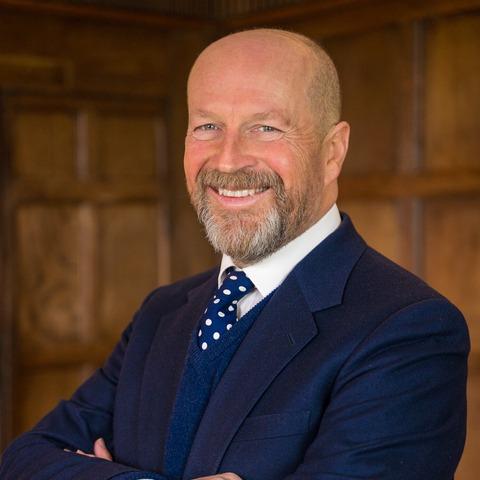
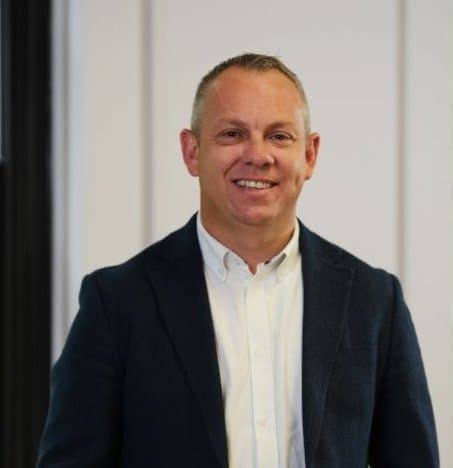



Watch the episode
Listen to the episode
In this episode of all about business, James sits down with David Powell, CEO of Andrews Property Group, to trace his rise from a 19-year-old negotiator to leading a major property services firm. David shares candid lessons on managing older teams at age 21, rebuilding after his employer collapsed post-2008 crash, and overcoming the "year-off penalty" after taking a 12-month sabbatical.
The conversation also explores broader economic and business realities. David breaks down why single-revenue models are giving way to multi-stream operations, how tax burdens directly suppress hiring and growth, and how emerging tech and AI can automate routine tasks to enhance human connection.
Whether you are looking to advance your career, navigate market downturns, or lead a purpose-driven business, this episode provides practical insights into resilience and leadership.
Timestamps (Video)
02:46 falling into property
11:58 crash and starting over
22:15 Covid pivot to new homes
29:17 new models and income streams
35:33 stamp duty as a market brake
41:03 taxes and hiring costs
Timestamps (Audio)
01:53 falling into property
10:05 crash and starting over
21:22 Covid pivot to new homes
28:24 new models and income streams
34:40 stamp duty as a market brake
40:10 taxes and hiring costs
Follow James Reed on LinkedIn:https://www.linkedin.com/in/chairmanjames/
Follow David Powell on LinkedIn: https://www.linkedin.com/in/apgceo/
Find out more about Andrews Property Group and their services here: https://www.andrewsonline.co.uk/
Submit your application to Reed’s Entrepreneurs Fund for a chance to win a £20,000 grant: https://www.reed.com/entrepreneurs
[00:01:19] Well, today on All About Business, I couldn't be more delighted than to welcome David Powell, who's traveled to talk to me today from Bristol. Uh, David is the CEO of Andrews Property Group, a UK estate agency and property services company David joined Andrews in 2021 and was quickly promoted through senior roles, going from commercial director in 2022 to managing director in 2024 and CEO by 2025.
[00:01:47] So we'll be asking you about this meteoric rise, David. Mm. Um, Andrews Property Group, I think it's important to say, is owned by the Andrews Charitable Trust, which means profits generated by the group are used [00:02:00] for charitable causes, which creates long-term social impact. So not only does this help to support good causes, but it also, I believe, creates a people-first culture within the business.
[00:02:12] So David, thanks for coming in. Let's start at the beginning. I understand you started out in your career in property at a very early age. How did that come about? Yeah, of course. I, um, I started at 19. It was my first, what I would class as my first real job from education. Um, it was not by design. Um, I don't think anyone chooses property, um, but you fall into it, and then you very quickly fall in love with it.
[00:02:36] So 19 was my first role as a junior negotiator. So I like that, you fall into it, and then you fall in love with it. So you, you, you were a school leaver at this point? Yes. Uh, um, school, uh, went through, um, yeah, traditional school, then college for two years, and then finished, um, went to America, a little bit of traveling, um, Camp America, a bit of sports coaching, and then straight into estate [00:03:00] agency.
[00:03:00] And where was that? Um, in, agency was just south of Bristol, a little town called Nailsea. Um, so it was a small independent business, um, which only formed about six months before I joined. And you fell in love with it. What was it about estate agency or property that you fell in love with specifically? Um, I th- I think it was, um- Well, just stop.
[00:03:19] Sorry. Whose is that? That, that's- David Sorry, I shouldn't That's Imperil, isn't it? David, that's a first. You want me to- Leave it in. I do apologize. That's all right. Oh, dear. Got caught. Got caught. That's all right. We'll turn that off. So, so I'll start that question again. Um, so, so David, what was it about estate agency or property that you fell in love with?
[00:03:41] Yeah. What are the specifics of that? Uh, I, I think if you take it back, it, it's people. Um, I enjoy people. I enjoy speaking to people, helping people, and I, I guess you're, you're dealing with, um, yeah, one of the hardest things someone will go through, i.e., buying a house. Um, so you got to know your clients very well.
[00:03:58] I enjoyed the buzz of selling. [00:04:00] Um, I enjoyed the buzz of achieving. Um, and you could do all of that whilst helping people, you know, secure the dream home. Not, not always a dream move for some people. Sometimes it wasn't a move they wanted to make. Um, so it's the problem-solving of, of, of that piece as well.
[00:04:15] David, I'm conscious you're getting quite hot. Shall we get... Can we get him some more tissues? Of course. Sorry. Yeah, just we'll get them for you. Don't worry about it. I'll, I'll cool down in a few minutes. Yeah, no, yeah, keep drinking the water. I don't, uh, I want you to be happy with this. Um, so we'll just pause it for a minute so you don't get too far Yeah, my fault sprinting through.
[00:04:32] No, you were trying to be on time. And I've been in the same situation. I overheat. Overheating. Yeah, that's right. Happened to me at LBC just last week, so I'm entirely sympathetic. But that was live. So there wasn't much- You didn't have that choice, yeah ... there wasn't much I could do about it, yeah. Um-
[00:04:56] We'll make sure you got a good supply of those if you need them. And we can easy, we can easy [00:05:00] It's, uh, it's about two or three degrees warmer here than it is back in the country. It's very warm in here, yeah. Yeah. Yeah. Thank you
[00:05:10] Well, he's all right. You just gotta, you dab that occasionally. If you, when y- if you do that occasionally, we'll make sure that they can cut to me when you do that, and it's fine. Okay. So it's not an issue. Don't worry about doing that. Yeah. All right. Thank you. Um So it was the people aspect of the job, it sounds to me, that you particularly liked- Yeah
[00:05:28] as a young man. Um, but you, you obviously did well because you were a manager of one of these agencies at the tender age of 21. Yes. Yeah, yep. So what happened? How did you get promoted so quickly? E- estate agency has a funny way of operating. You, you become good at selling houses, um, so you very quickly get promoted to valuing houses off the back of that activity.
[00:05:50] Uh, and when you become good at valuing properties, you then get given people to look after. So feels quite disconnected, but that's the path that you generally [00:06:00] take. So, um, because you're good at one thing, you very quickly move to the next thing and ultimately get on to run your own office. And, um, in, in a lot of estate agencies, the manager is generally the one that leads by example, uh, for people to follow, uh, and a lot of learning on the job.
[00:06:16] So it was a, a quick route to management, but, um, generally through just making sure that you're leading in the right way. So you're 21. Describe it to me. How, how many people are in the office? There are three people in the office, plus myself, so we had four. So what sort of ages were they? Um, they were older.
[00:06:32] Um- So you were the youngest ... largely. Yes, very much so. So was this a certain pressure on you? Did you feel it or- No, I didn't feel it because I was too busy at 21 trying to achieve. Right. So I was head down running forwards, and, uh, they were part of the team just to help aid that process. So you were ambitious.
[00:06:51] Very much so. And that's, that, that's what carried you, carries you along. What, what did you learn? What were your early lessons as a young manager, as a young [00:07:00] agent that carried you forward in your career? Yeah. I, I, I think my lessons learned at that point were probably relatively short. It was probably when I moved to the next company where you then started to think about your impact a little bit more.
[00:07:14] Um, so you can kind of race to a certain point with your eyes closed, and then you have that point of reflection, what next? Um, and I think as, as I made that transition, um, you started to ensure that you are actually taking people with you and not just running there yourself. No, but ha- hang on. So you, you, you stayed...
[00:07:32] How long were you at this first company then? Um, I was at that firm for just over two and a half years. So you left at 21. I, I left, yes, just at 21 and a half, then moved on to a regional firm where I continued the same role in a slightly different environment. Were you a manager somewhere else?
[00:07:45] Absolutely. All right. But as a young manager- Yeah ... what were the things that you learned? What, what, what were the things that you maybe were surprised by or found- Um- ... novel or interesting? It w- um, again, yeah, probably what I found interesting, um, w- were the people because [00:08:00] everyone's different. Um, and, and also then not everyone was the same as myself, which I didn't quite understand at the beginning.
[00:08:07] I felt I wanted to achieve a lot, so everyone else should want to achieve a lot, and I wanted to work longer hours, everyone else should want to work longer hours and- You got some pushback on that, didn't you? Uh, a little bit of pushback, yeah. Um- So that not everyone's the same- Not- ... is a good early lesson
[00:08:20] very, very much so. And- Yeah ... and I think from, from that, you know, it's, it's trying to win the hearts and minds, and you realize that not every heart and mind was the same. Uh, and that was the big learn for myself at an early age. So what, uh, so, so what do you learn in terms of how to do that then? How to take people with you, and how to achieve a strong team that's successful?
[00:08:37] Yeah, ab- absolutely. We, we had... I mean, I was quite fortunate in, in, in that part where we had a lot of people that were similar-minded, but not, not everyone, and everyone had slightly different working styles. Um, so it was the, the big lesson was to make sure that, you know, it worked for them as well as it worked for myself and it worked for someone else.
[00:08:55] And, uh, at that point, it was just trying to make the team gel whilst they had [00:09:00] very much different focuses in work as well as outside of work. Mm. Bit of thunder. We'll let that, we'll let that, um, we'll let that rumble over. So, so you're building a career as an estate agent. It seems to me one of the things that's attractive about estate agency and why it might have been a good place to start for you is success and, and, and contribution is very transparent, isn't it?
[00:09:28] You're either selling houses or you're not. Yeah. Yeah, it's, for me, it's a career I reflect on and we talk about it. Certainly back then, the industry's changed somewhat, but to your point there, you could put a lot of effort in, you see the reward quite quickly. Um, I think with rising costs and various other dynamics, that's perhaps come out of the industry a little bit.
[00:09:50] Um, but at 21, um, you were able to earn quite healthy money, um, purely through effort. So you get a commission on the sale? You would earn commission on the [00:10:00] sale. Uh, various, uh, other areas you might earn referral business would be quite big in our industry. Um, so you, you could rack that up quite quickly if you were willing to put the hours in.
[00:10:10] And, yeah, and the more hours you put in, the more you're able to sell and ultimately the end result was quite positive. So I'm, I'm thinking of what, what the options are for young people these days. Mm. And what you're describing seems very attractive 'cause-
[00:10:26] It's far first That's a, that's a good effort, that It's our first thunderstorm Yeah I quite like it. I mean, sure, it doesn't matter
[00:10:38] That's a yes. So, uh, um, you know, I was thinking about the options, listening to you, David, that are available to young people today. Um, and the journey you've just described of going into a business, being able to earn pretty good money by working hard, learning a lot [00:11:00] about people, and progressing early in your career is really very attractive because, um, you know, I think a lot of young people are wondering which way to go.
[00:11:10] Would you, would you advocate estate agency as something people... Is, is that still possible? Uh, that... There's, there's been a few changes, I dare say, over the time. So during... Because of rising costs in various areas and national living wage and high end, the way the industry's changed as well in terms of portals particularly, um, you know, the, the expense of running a business is higher.
[00:11:32] Therefore, the profit margins in our industry today would be smaller. Uh, and that's put some pressure on being able to earn as much as quickly as we used to be able to do. Um, so almost a bit like property, um, you're having to, you know, play a medium game or a longer-term game now to get to those levels.
[00:11:49] It's not quite as easy for people to earn that so quickly. So it's not booming in the way it was then? Not, not booming the way it is, but I'd, I'd absolutely advocate it as a career path. [00:12:00] Um, but, uh, you're probably taking a, a slightly more sustained journey to a certain level. So, so what qualities would you be looking for in, in people you're hiring that would be well-suited to that career?
[00:12:11] Yeah. For, for, for property, it's... Property is driven by people. So if, if you're capable of building relationships, uh, you have a genuine care of wanting the right result for your customer. Um- That's a good one, that
[00:12:28] sirens, but this really is This is, yeah, this is a, that's a different one Contagious one
[00:12:38] Shall I start on people? Yeah. Yeah. Yeah, just if, if you don't mind answering that question- Yeah ... about what is it you look for? Um, it, it, it's really about people. Uh, if you have a genuine interest in building good relationships, uh, if you have a, a real interest in making sure you're creating good positive outcomes for your customer, um, then, then those qualities will put you in good stead for a, a, you know, a good career [00:13:00] in, in property.
[00:13:01] And how do you spot those people? Um, generally, um, personality, um, more so. Uh, it's, it's making sure you're not, um, coming across with someone that's just after a quick gain, um, because that generally might win in certain scenarios, but it's not gonna play out, uh, in medium term. So, um, someone that can express that, uh, it might be through good customer service in current roles.
[00:13:26] Um, our industry is changing in the sense it's, it's more about the service being provided rather than a salesy experience. Um, people generally get put off by a salesy experience, but they want comfort that you're gonna look after their needs, and you're gonna be able to support those. So your, your career obviously, you know, progressed well for a period of time, and then- You came across 2008 and the crash occurred.
[00:13:52] You know, obviously there was a booming property market before that, but quite the reverse afterwards. What, what happened to you in that situation? Yeah. The, the, the [00:14:00] company that I was working for at the time, uh, unfortunately went into administration. So, um, you know, one day you're in work, next day you're not, and that, that was a bit of a learn.
[00:14:09] Um, so from that point it was really a case of what, what happens next? Um, I opted in 2009 to open my own estate agency business off the back of that, uh, which was quite a difficult time. Uh, not very many transactions, uh, and some businesses were starting to push into other revenue streams, lettings being a big one.
[00:14:27] So I opened a sales and lettings business, um, that went back into the office that I left from the previous company, so there was some continuity in geographical location. Um, and, um, two of the staff members actually came back and joined myself as well. So in some respects it felt a bit like BAU, um, but we went about to put a different brand into that village.
[00:14:48] So you put the old team back together. We, we put the band back together and we- Oh ... got on with it. Yeah, absolutely. Well, good for you. Good for you for leading that initiative. So where was that? Um, that was in Weston-super-Mare, just south of Bristol. [00:15:00] Right. Um, so it was a- Why did you locate there? Because you'd been there before or?
[00:15:03] Be- be- it was simply, uh, it, it ... In, in some ways it was the easy choice to go back into the office that I came out of. It's an area that we'd been running around the streets for six, seven years. Um, we would have repeat customers. Uh, it was really to jump off the back of that and, um, take full advantage of it.
[00:15:20] Yeah. So how did you get on then with your own business? Um, th- that was great. Um, learnt a lot during those three years, an awful lot. Um, and again, we had some quick successes which was, which was great, and we really, as a small team, we really enjoyed, uh, those three years, and you were able to do things that would be quite difficult to do in a bigger organization as, as Andrews is today.
[00:15:43] Um, so really enjoyed that part, but th- there was a reflection moment for myself where I, I could be more impactful in a slightly bigger operation. Um, the four walls, the same five people, um, lovely as they were, but it was a case of I think I could do more than this. And, [00:16:00] and at that point I wasn't really too sure how I could really build that business to a scale worth having quickly enough.
[00:16:07] Um, so I thought, well, th- there's a bigger world out there, and, and we were approached, it wasn't part of the plan, but I was approached to f- to buy the business, um, and that kind of coincided with my thought process at the time and, um, opted to sell that to a regional firm, which I then went on to run that regional firm for, for seven years.
[00:16:25] So you stayed with the business, so to speak? So, so I, yep, sold, stayed as part of the furniture, and then continued to- Did they ... Do you think they bought the business so they could get you into the firm? Um, it was ... I'd like to think that. There you go. The thunder agrees. Thor is in, in, in, in applause.
[00:16:49] Bear the rain Yeah, that's quite something. Are you, are you all right with the hot? Are you all right? Yeah, yeah, I'm starting to cool down now. Okay. So I'm, um- Sounds like the whole world outside is as well. [00:17:00] Good place to go and stand for 10 minutes
[00:17:13] You can't hear that
[00:17:17] Okay. So, so David, do you, do you think that the, um, purchaser of your business was looking for, for a leader for their own, you know, to take it forward? Um- Was that part of their motivation for buying your business? Yeah, I'd like to think so. Um, I, I think it was certainly the, the, the purpose of that business was to try and buy a number of businesses to build together, to build a regional sales and methods business in the area.
[00:17:40] Um, so, uh, in- initially, the plan was just to merge my business into it, um, and with the view of real growth, uh, thereafter, which we went on to do, and we acquired a lot of businesses. Uh, and then my role very quickly got involved in running, um, initially a very large part of that business [00:18:00] and then all of it, um, uh, very quickly thereafter.
[00:18:03] So it, it was an interesting time. Again, learned an awful lot, um, certainly through the acquisition piece, uh, and merging businesses and, and again, you're back to merging people. Um, and yeah, where that went well, we had great success. Where we didn't, there were certainly some challenges. Yeah. What, what, what are the key sort of, uh, ingredients that are needed to make it successful, that merging of people or businesses?
[00:18:23] Yeah. Uh, alignment, um, absolutely alignment. And, um, we, we purchased a lot of smaller businesses that were quite handheld by owners. Um, that came with some challenges, uh, particularly if that didn't quite fit in the way that we were running. Um, and, and they might've been sitting in a very small business for 20 years, and then all of a sudden they're being mopped up into something slightly bigger.
[00:18:47] Um, so that would create, um, you know, an unsettlement to some of those smaller teams. Um, so really trying to embrace those people as quickly as you can. And you did some better than others, you, it seems, from what you just said. [00:19:00] Yeah. Abso- we, we had some fantastic results through that, um, where generally where people felt that it was a, a real improvement for them, it created opportunities, it created sustainability.
[00:19:11] Um, where people felt they were losing something, whether or not they were or they were not, um, but if they felt they were losing in the deal- Mm-hmm ... um, then that would become a slightly tougher challenge. Mm-hmm. So sort of painting a, a view of the future which is positive for the new team- Yeah ... as part of the wider group was the important part of that role, was it?
[00:19:31] It, uh, ab- absolutely. And, um, I, I guess the lesson through that was, whilst it might have felt like a positive trajectory for, for myself and for the business That might not have been the positive tra- trajectory for that person. All of a sudden, you know, they're, they're part of something they might not want it to be.
[00:19:48] So sometimes it wasn't for everyone, and that's the challenges with acquisition. So what happened then? You built this business- Yeah ... added lots of agencies together. Yeah, absolutely. And, and, uh, my time came [00:20:00] to an end in that business in 2019. Um, so- What happened? Why, why? Um, I, I think that largely because my view of the way forwards was slightly differently aligned to the owners at that point.
[00:20:12] And, um, I, I think for me it got to a point where I've done my stint in that business. I've taken it as far as I felt I, I could have done. Um, the owners had a slightly different view, and at the time, um, uh, it was, it was a, it was quite a difficult time, but reflecting back, it was absolutely the right thing that happened.
[00:20:31] Um, uh, and then from, from there, I opted to take a year off to really reflect what I wanted to do and, and where I went, and I had two very young boys at the time. It's great to spend a bit of time at home with them, uh, and, and then really- Can I ask what sort of age you were at this point? Um, at that point I was 39.
[00:20:48] Right. Um, my boys were two and four. Um, I, again, work a lot of hours, so it was a case of spend a bit of good quality time with, with my wife and the two boys, and really [00:21:00] enjoyed it, uh, for the first couple of months. But- Yeah ... uh, and, and then you're really missing that work element, the buzz and the purpose.
[00:21:06] Um, beyond being a father, you wanted to kind of get back into the working environment. But, but I sustained 12 months off, and then, yeah, coming back into employment wa- was difficult at that time. Um- So you sustained, you say you sustained 12 months 'cause you'd made a decision to take a year, is that- I made a, a decision to take a year- Right
[00:21:23] out and have a, have a real break, which, which I did. Well, it's nice for your family. I, I think the first part was. Yeah. Uh, after that they might have wanted me back sooner. So was it, was it, was it hard to re-engage then after this sabbatical, if you like? It, it, it was. Um, job market at that point, um, so we're talking 2020, um- Right.
[00:21:41] Pandemic ... um, so just, just before the pandemic, so- Oh ... it, it, it was, it, so it was kind of the back end of 2019 going into 2020, and we... The job market didn't seem to be overly fluent or certainly not in, in the industry, and- No, it wasn't. I remember that period 'cause I remember thinking there might be a recession coming, and then there was a big one because of the [00:22:00] pandemic.
[00:22:00] Yeah. I, I, I, I- Yeah ... I took both bullets there, I think. But the- Oh ... where, where, where I found it really interesting is when you go into companies, and I was trying to enter at a similar director level, um, and there was a lot of nervousness over someone just taking a year off Um- What, amongst the other- Yeah
[00:22:18] people? So, so, so you'd, you'd be going up against, um, you know, some, some very strong candidates, uh, some great roles, but you've had a year off, and they've carried on. And I think for, for many, I had a lot of feedback around a bit of concern around that. Are you just gonna take another year off, et cetera, et cetera?
[00:22:34] And, and then I- So how did you answer that? Um, I, I answered it very honestly, uh, rightly or wrongly, but, you know, I opted to take a year off, and I want to go again, um, and, and go and to achieve something. Um, so, so that was difficult, and I think with the shortage of jobs available that I found, you started to, you know, go down the ladder, so to speak, because ultimately I got to that point, I needed to earn some money as well.
[00:22:55] So there was a sort of year-off penalty in that- It felt- ... where you were assessed ... [00:23:00] it felt like it a little bit, and it makes me reflect quite differently when I see a gap in someone's CV. Does it? Um, I think before I probably might have taken a similar sort of view. Why, why have you just taken a year off?
[00:23:12] Um, and then as I w- So what would you do now? Um, I'd, I'd try and to, try and understand why they've taken that year off, um, and, and not just assume- And have you, have you come across people who have done that? Yeah. Ab- absolutely. Um- Have the reasons been similar, or have they been different? Uh, I, I, I think we've had some various scenarios in that some might not have felt like they were telling the truth, and some that absolutely were, and, and for good reason they've taken a break.
[00:23:36] It might be through mental health, needed a rest. It might- Well, the words in my mind are burnout. Yeah. I mean, is that what- I think, I think- ... you're talking about when you say mental health- Yeah, I, I think so ... rest? That's, that's probably something I suffered from in 2019 that- Yeah ... uh, led me to sign up to having a bit of time out.
[00:23:51] And it's entirely healthy to take a break. Um, yeah. I think the world is becoming more accepted to, to some of these, these principles, but, um, certainly at the time, [00:24:00] I found it difficult. Right. So you, well, you, you weren't being given the sort of- chance that you feel you should have been Uh, I, I don't think so.
[00:24:08] Um Yeah A- and then the, the challenge is where, where do you go from there? Because- So what happened? Where did you go from that? Well, I, I started to take ... I had to start looking at lower level roles. Uh, and that created challenges- What, so you'd been applying for what, managing director jobs then?
[00:24:23] Absolutely. Yeah. Yeah. Um, and then you would take, you would start looking at lower level roles, and that created another battle that no one felt you were gonna stay there. Right. Um, and probably true. So when you say lower level roles, what were you pitching at then? Uh, reg- regional level- Right ... regional level manager roles.
[00:24:39] And, um, so, so, and, and, and eventually that's, that's where I ended up, and I'd, I'd, I'd took a, a, a regional, equivalent to a regional manager level role, and, um, and, and- In another estate agency ... in another estate agency group, yeah. And then what happened? Um, that, that was short-lived. Uh, through the COVID piece, we, um, eight weeks after- Mm
[00:24:59] starting, [00:25:00] um, we went into lockdown. So, um, so- That was tough Uh, that was a bit tough Not good timing, eh? It wasn't great timing. If I pushed everything back 12 months, it, it would've been fantastic. Um- Mm. So it, it led to kind of, you know, one minute you wanted to be back in work, you were, next minute you were back at home and you've just been there for a year.
[00:25:17] So it was an- Mm ... interesting time. Um, and then going into the early days of COVID, no one knew what was happening with the job market. So, and at that point there were some financial battles where you had to earn some money. Um, so, uh, it was a case of reinventing myself slightly. I started to venture more towards land and new homes, um, which is a slightly different style of work within our industry.
[00:25:39] Um, and, and that's what really brought me to Andrews eventually, um, which was about a year after that period. So land and new homes. Could you just explain what that is? Um, yeah, land and new homes, specifically working with, uh, PLCs, SMEs, um, you know, really trying to find- Big companies and small companies
[00:25:57] b- big and small. Um, and- Right. Doing what? Uh, [00:26:00] you, you were land sourcing, so trying to find development opportunity for them, and then seeing that through to the end process. I see. So you were looking for land for them to develop? For them to develop, and then you continue the journey all the way through.
[00:26:12] So they build, and then you sell on their behalf. So were they building residential? Residential properties basically. Right. Yeah. So there's meant to be a lot more of this going on in the country than there is, isn't there? 'Cause the government wants to build millions of houses. Allegedly. But it's not happening, is it?
[00:26:25] It's, it's not happening, and, um- Why is that, do you think? Th- a lot of reasons. I mean, the target of 1.5 million over a five-year term, they'd have to increase output by 50%. Um, th- there's- It's not gonna happen ... it's not gonna happen. There's no appetite for developers to do so. It was never gonna happen, was it, really?
[00:26:39] No, it wasn't. Um, it, it certainly wasn't gonna happen in that term. Mm. Um, whether or not they could get their house in order to, to deliver it on a second term if they get that far. Um, but it, it wasn't gonna happen i- in that part. Uh, you didn't have the- Uh, planning, um, the planning teams were just not set up to even deliver that if they wanted to.
[00:26:58] Mm. Uh, developers had no [00:27:00] incentive to increase their output by 50%. The, the housing market didn't lend to supporting- Mm ... uh, uh, an increase of, of such either. And, uh, whilst housing associations would mop up as many properties as they would want to, but someone's still gotta build that. Uh, the, the rise of costs, uh, in building, uh, in, uh, staffing- Mm
[00:27:21] everything kind of went against and made those principles quite difficult. So Andrew's... I'll just wait for this
[00:27:34] Andrews, I believe, headhunted you Yes So what, what did they want you to do for them? Uh, they, they, they'd seen very quick success in delivering a lot of business, um, in that, that region, in the Bristol area. So, um, the, the ask was very much come and do that in Andrews, but on a bigger scale. Um, and that is, is very quickly how I got involved with Andrews.
[00:27:56] So, uh, the attraction there was to come and do that on a slightly bigger [00:28:00] platform without really looking too far forward to that point. Um, for me, it's about taking an opportunity that was put in front of you. So at this point, it'd be helpful, I think, for our listeners just to describe Andrews. How big is it?
[00:28:11] Where does it operate? How many people- Yeah ... that sort of thing. And Andrews, uh, is three hundred and fifty, three hundred and sixty staff. Um, we have 40 offices that span across, uh, Bristol, Gloucestershire, Oxfordshire, and then we come across into the South East, London, Surrey, Kent, and, and Essex. So the south of England.
[00:28:27] South of England, um, very much so. Uh, we, we focus very much on, um, estate agency, residential lettings, mortgages, um, block management, land and new homes, estate management. Um, so generally anything stuck around the, the estate agency core market. Mm-hmm. Mm-hmm. So you joined as commercial director, and your role was really to build this land and property business line.
[00:28:54] Yeah, that was the initial, um, role that I came into Andrews. Very quickly, I [00:29:00] got involved in a couple of the other income streams, be it the corporate division, um, and then very quickly after that, um, anything that effectively created money came under my stewardship. So, um, that was heading up all of those frontline income streams.
[00:29:15] Right. And from there you became CEO. Yeah, there was, um, um, MD, uh, and then CEO. So we, we went on a bit of a turnaround project in '22. Um, so the company had a new short, short-term CEO, so I was promoted into MD to support that gentleman. Uh, and when that contract came to an end, that's when moved into the CEO role So that was a pretty meteoric rise.
[00:29:42] It was, yeah. Yeah. Um, and what do you think, what advice would you give others who are ambitious to sort of achieve higher levels in an organization to focus on, look out for, think about? Yeah. I, I, I think largely it's, it's looking for opportunities where you can make a difference, um, because if you can make a difference, someone will recognize [00:30:00] it.
[00:30:00] Um, I think if you sit in an area where it becomes, yeah, it doesn't matter what you do, the end result's the same, it's difficult to stand out from the crowd in that. And I, I think I had an advantage of coming into Andrews at a certain time where actually y- you could make a difference. Um, and if you make a significant difference, it's difficult to ignore it.
[00:30:19] And, and then it allows you to go on and help others do the same, which is how that journey came about. You've said e- earlier in our conversation that this has become a, I think your words were high cost, low margin business. What... Why is that? What's happened? Um, it, estate agency still relies on a lot of people- Right
[00:30:39] manpower. So despite the rise of, uh, PropTech in our industry, uh, and there's- PropTech is what? Pro- PropTech is, is effectively, uh, largely software, uh, pieces that help us do our job. Um, we label that through PropTech. So- Property technology ... property-related technology. Um- Right ... th- and there's an awful lot of it.
[00:30:59] Um, [00:31:00] there's, there's an awful lot on there, and I sit on a couple of panels, committees that help support some of that. But the cost of that, the co- the rising cost of portals, um, significantly, um, and the continuation- Portals, you're thinking of- Uh, Rightmove, Zoopla are on the market- You're paying for those, yeah
[00:31:16] with the big three, big fees. Um, estate agents can pay quite a lot of money on, on those. Uh, and, and then the, the increase in, in cost to staff as well. So the combination of all three, um, a- along with premises, um, you know, haven't got any cheaper. Um, the combination of all of that means that the overheads for running a business of such, um, it- It means that, I, I guess if you go back when I started, you could run a sales-only business.
[00:31:44] Um, now you are reliant on having other income streams to that, be it lettings, mortgages, conveyancing, so that it's very difficult to run just a sales-only business of, of scale. Yeah, it is. So you're saying, I think, that [00:32:00] traditional sales isn't enough to sustain- Um, I... No ... most agencies anymore? No, I d- I don't think it is.
[00:32:06] There, there, there is a, a slightly new model in our industry, which is kind of the American model. Um, so it's, uh, individuals working by themselves, um, selling properties without the overheads of offices and so on and so forth, uh, and almost under a franchise model of sorts. Um, that, that creates lower overheads, um, and I think for, for those individuals they will, yeah, if they're successful, will earn a good salary.
[00:32:34] Um, the bit that's questioned there is whether or not they're actually building a business because they are the business. Mm. Um, so it'd be very difficult for them to go on and sell that at some point. Um, so I think if you're gonna grow a business in, in the country that will cover property in its full, then yeah, th- th- those five or six multiple income streams are pretty important.
[00:32:55] So what, what misconceptions, David, do people have about estate [00:33:00] agency? I mean, it's one of those careers, a bit like employment agents- ... that gets a bit of heat every now and again. Which one's worse? Um- So what, what misconceptions? Tell us what they are. The, the big one is it's an untrusted industry, um, and, and that's often thrown around quite quickly.
[00:33:15] Um, and, and I think that that's a bit of a shame 'cause there's a lot of, I'm sure like recruitment, there's a lot of good businesses doing a lot of good things. Um, and always, you know, they're... it's the bad ones that grab the headlines. So your starting point is a degree of mistrust- Massively ... often. Yeah.
[00:33:30] Yeah. I, I, I think the industry really suffers with a lack of transparency, uh, and I think if we, if, if we use the advances in prop tech particularly to, to move that forwards, um, if the whole system was more transparent, um, then I think, then I think customers will understand actually the amount of work good estate agents actually do.
[00:33:52] So you think, is it, what, what isn't transparent that should be then, to be spec- specific? I, I, I think largely, [00:34:00] um, all of it from... If, if we go to the very beginning, I think one of the things that is changing for us is, is values, property values initially. Um, th- there is far more information available today that, you know, even someone sitting in their own home can gather a good amount of information to start to gauge the price more accurately.
[00:34:18] Well, you can look at what the pr- house or flat next door was sold for, can't you now? Ex- exactly, and, and I guess if you go back to when I started, it was harder to get all that information. So you can find that stuff out. Well, well- So it's fairly transparent already. I- So if someone comes round and tells you your house is worth X, you can check that quite quickly.
[00:34:34] You, you, you can do. Um, the challenge then comes the, the customer has a responsibility at that point. Uh, if they're given three different valuations and there could be 100 grand between top and bottom, you know, they might believe the bottom ones, but they might hope for the top. Um, and unfortunately, that's where you can end up with a slight discrepancy.
[00:34:55] So I suppose a Criticism of [00:35:00] agencies in the past is that they say your house is worth more to get your business, and then the offers- Yeah ... are always lower. Yeah. They don't have the buyers who will pay that. No. So I think it's important today when, when people are looking to buy their house, they're not just looking at the, the valuations, they're looking at the detail behind that.
[00:35:16] How many properties does this agent sell? What, what is the number of houses they sell compared to the number of houses they take on? And if they take that next step, um, the, the- That's a good question. So they should ask how many houses they sell re- relative to how many they take on? Uh, absolutely. Yeah.
[00:35:32] Yeah. And would they get an honest answer? Um, well, it, they, they can find that out. Um- You can find it out? How do you do that? That information is available. I mean, if you just simply go to the portals as a quick test- What, Rightmove or something? Rightmove. Rightmove. Rightmove, Zoopla, OnTheMarket, if you just go and have a look at the number of o- properties that that business, that branch is marketing.
[00:35:52] So you could go and look up Andrews on Rightmove? You can look up Andrews. If we give you a branch of Bath- Yeah ... you can have a look at Bath. It will show you all of [00:36:00] the properties that are on the market with that agent, that, that office particularly. Yeah. Uh, and then you can have a look at the ones that are marked as sold subject to contracts and the ones that are still available.
[00:36:08] So it'll start to give you a bit of a test to, how to test- So you can begin to see how quickly they're selling them. Ab- absolutely, yeah. And as agents, we can see the timeframe of all of our competitors whilst they can see ours as well. So what you have on the back of these portals, uh, there's more information in the back end.
[00:36:26] So cl- unfortunately, uh, customers can't access it, but we certainly can. So yeah, if, if you're at the point where you are not sure of the information being provided, other agents will be able to confirm that. So what's more important to you as an agent, the buyer or the seller? Um, the, the seller attracts the buyers, so you need the seller to attract the buyers, and then the buyers might be sellers themselves.
[00:36:49] So, um, for, for us, largely what we're after are people that want to sell properties. Right. Um, because- And how do you find them? Um, ul- ultimately, you, you use [00:37:00] one property to attract the next seller. Um, so for every house that we might put on the market, your aim is to try and find two extra sellers. Um, so if Mr.
[00:37:10] and Mrs. Smith are looking for a four-bedroom house, they will start looking. They start looking mainly before they put their house on the market. Um, so you build a relationship with them. If you can find them the right house, then they'll use you to sell theirs. Hmm. Hmm. And, and what are the main pressures then facing the housing market now?
[00:37:29] Well, we, we've got a few. Affordability is the big, the big piece. Um, in terms of interest rates higher than they used to be, uh, the property value's higher than they have ever have been. Uh, and, and I think the affordability part between what mortgages are available. Um, what we have seen in my time is it's very difficult to buy a house by yourself today.
[00:37:49] You're almost reliant on two salaries to make- Really ... the multiples work. Um, so- So what sort of multiples would you look for? Um, I, I mean, they're up as much as seven times multiple, which is quite scary. [00:38:00] Um, and I think the ... What we are seeing there is the bank of mom and dad, um, really helping out part-time.
[00:38:06] So, so seven times earnings? S- seven times earnings just to create the, the affordability piece to make that mortgage work. And what's the sort of interest rate that's typically being charged? Um, i- interest rate typically around now is about four and a half percent. Right. So that's a lot of money. Uh, it is, yeah.
[00:38:22] And then you've got taxes on top of that. Yeah, um, stamp duty being a big one, um, for sure. Um, so if you are a second first time mover, so you've, you've had the, the piece of first time buyer behind you. If you're selling that house for the first time, buying your second home, uh, then you're liable for stamp duty, which, which can be quite excessive.
[00:38:42] How much would that be today? Um, a, a half million pound house is £15,000 in stamp duty. Right. So it's a lot- And it goes up to 10% on higher value ones, does it? Uh, absolutely. Once you start to get higher up the ladder, um, it, it... yeah, you can be looking at a £75, 80, £90,000 stamp duty bill. Right. Um, and if [00:39:00] you're downsizing as well, um, you know, you could end up with a £50,000 bill for stamp duty just for downsizing.
[00:39:07] Mm. It's a deterrent to move, um- So people... Does that mean people are... Is that a, a challenge that people are sitting tight because of this? Yeah, absolutely, because if, if they're sitting tight to release a couple of hundred thousand pounds but losing 100,000 of it in moving costs, uh, why would, why would they?
[00:39:20] So we've got deterrent to get people to move up, we've got deterrent for people to move down. It's, it's not a popular tax. So this is, this, this is having a dampening effect on the market, I can expect- Completely. Yeah ... completely, you say? Absolutely. And also for investors, if you're looking to buy to rent out, um, you're, you're paying higher percentages on that as well.
[00:39:39] So since that tax was changed, we've certainly seen a reduction. When, when was that? Um, that was about 2021, I believe. I'd have to check that. So you blame the Tories for that one. That's- Um- 'Cause Labour get a lot of heat for some other things, but- Yeah, absolutely. Yeah. No, that was a Tory tax, um, for sure.
[00:39:55] Um- Mm ... and, and, you know, since that investors... yeah, they, they certainly have [00:40:00] reduced. Right. So you've launched something, I believe, called the Stamp Duty Campaign. Yes. What is it, and why have you launched it? So we launched the Stamp Duty Campaign last year, uh, really to... I, I guess as CEO of Andrews, I felt I had a responsibility to do something for our consumer as much as the business.
[00:40:17] Um, Andrews have got a history of making improvements to the industry, uh, and I wanted to continue that. Uh, in 1962, the CEO of Andrews at that time created the National Association of Estate Agents. Uh, and that was the inspiration to think, "Well, what else can we do?" And stamp duty's been a problem for some time.
[00:40:36] The Tories were in power for 14 years, changed it multiple times. They actually took it away, put it back in. Uh, they now have a campaign to get rid of it, which is always quite interesting. But we felt, well, it, it was something that was a problem. The market needed a boost. Every time the stamp duty has been given an incentive, the market gets a kick.
[00:40:54] Um, and they brought it back and it's... Ultimately, you can feel the market was getting a little bit [00:41:00] tougher. Um, you could see this real affordability crisis happening in front of us. Uh, and we felt, well, let's use our voice to see if we can make a change. Um, we got great support by Rightmove, by Supla, um, by Phil Spencer, and we had a lot of agent support in that campaign.
[00:41:16] Um, ITV then came and filmed What, what, what, what was the campaign saying though? What, what- The, the campaign was- What was the message? The campaign was to find a, an affordable approach to paying stamp duty. I think at that time we had a belief that the government were not just gonna turn this off. Um, stamp duty creates, well, now it creates up to 20 billion pounds per annum.
[00:41:36] Uh, at the point of the campaign it was about 15. Uh, and over two-thirds of that is from property-related transactions, um, as in sales. So the campaign was look, we accept that the government are probably not gonna just turn it off 'cause they need the revenue, um, so can we make a more affordable approach to it being paid?
[00:41:54] So can we pay stamp duty over a 10-year period rather than all upfront? [00:42:00] Um, that was the campaign, but you know, we, we were happy, we're happy for the, for the whole tax to disappear, but it was about creating the conversation. Um, and it did that. We had a lot of conversation about stamp duty leading into the autumn budget.
[00:42:13] Unfortunately, Labour released a number of ideas and suggestions of what they were going to do. Uh, the Conservatives started to mute, "We want to get rid of it." So the campaign almost came to a natural end because of that. Um, but we're certainly still looking for the solution to solve that problem. So were you surprised by the public response?
[00:42:32] What was it? What- Yeah, the public response was gr- the problem with stamp duty, it's only a problem when you're looking to move home. It's very difficult to get excited by it when you've got no interest in moving. So that was a learn from it. Um, also we had some great support from some of our fellow estate agents, and we had some that didn't want to get involved despite there being a real benefit for the whole industry.
[00:42:53] But ultimately it's, it's trying to get a, a, a benefit for the consumer to make it more affordable to [00:43:00] move home. So those people looking to move were very supportive. So, so why, why do you think, Davey, that meaningful changes haven't happened yet in this space? Um, yeah. I, I think there's a concern that if you remove stamp duty, what happens to house prices?
[00:43:17] Uh, and, and previously you've seen it, you remove stamp duty, uh, or you bring in another incentive like Help to Buy for developers, uh, and it, it encourages more people to buy, and it's trying to control that because otherwise prices shoot up. Um, so I think from a government perspective that they don't want to see prices shoot up
[00:43:35] to such a point. Get that. Uh, I think they've also got to, you know, how do they backfill the hole of 15 to 20 billion pounds? Uh, there's an argument to say that the increased activity through the economy will cover that gap- Mm-hmm ... um, which is okay in a rising economy. If you have one that goes backwards, then where do you go from there?
[00:43:52] I mean, a, a l- a lot of businesses have different priorities when it comes to tax changes. Mm-hmm. I mean, you- yours are about stamp duty. You're in the [00:44:00] property world. Um, earlier we spoke to somebody in hospitality- Mm-hmm ... who's worried about VAT being too high. Yeah. People w- who, who care about jobs worry about National Insurance.
[00:44:12] I mean, it feels to me th- looking at the overall landscape, simply that taxes are too high, and this is suppressing business activity. Would you agree with that? I, I, I would. You touched on National Insurance there, um, and that, that's one that's really hit us as a business. Uh, what that's done is slowed our growth.
[00:44:30] Where we would want to bring more roles into the business, that's created a, a significant burden of cost to us that's prevented that from happening. So- So what you're saying is you, you, you've not created the jobs you would have created because of that. No. The, the National Living Wage increase, uh, of last year and the NI increases cost us just short of 600,000 pounds.
[00:44:50] Just your business- Just our business ... of 350 people. 350 people. That's, that's- 600,000 pounds ... 600,000 pounds was the impact to our business. So if you do the arithmetic and multiply that across the country. [00:45:00] Significant. Huge. Absolutely significant. Massive hit. Massive hit. And that, that, that's just prevented growth because that's money we would have invested in, in absolutely growing, um, that we have, yeah, I say lost, but it's just no longer there to do something else.
[00:45:13] Well, it's not yours to do things with, is it? Absolutely. It's gone. So, um, that would, that would explain Why the business is not growing? Yeah, yeah, I think we've, for, for us as a business, we've gone through quite the journey and, and really made some big inroads. But yeah, th-that, that was a real kick for us.
[00:45:33] Um, we actually pre-built our budget and we had something in it, but we certainly didn't have that scale. Um, so where we set out a budget, um, before that was announced, we had to go back to that budget, rip out a bit more and reset ourselves. So that, that was a big, big kick for us. Right. So I mean, we-we've discu- discussed some of the sort of dampeners.
[00:45:55] I mean, what opportunities do you think still exist for property entrepreneurship [00:46:00] today? I mean, there are always opportunities, David. Th-there, there is. And, you know, fortune favors the brave. So what, what would you say is sort of areas that people should be looking at? Where are these opportunities for the future?
[00:46:11] Th-th-there is still plenty of opportunity, I think, but I, I, I guess as property has now become a slightly longer term investment, uh, if we go back to early 2000, you could buy a house very quickly, make some money, sell it on. Those days are behind us. That's, that's gonna be harder to do. Uh, there's certainly still opportunity in, uh, redevelopment, um, properties that we often call them as flipped, um, where people will, uh, buy something run down, turn it round and then move it forward.
[00:46:38] They might refinance, rent it, uh, and, and then go on to the next one. So there's certainly still opportunity. Uh, there's, there's still great opportunity in the, the buy- The, um, sorry, the buy-to-let market. Um, although there are have been significant changes in regulation recently with Renters Rights Act. Um, but again, if that's set up properly, um, and you manage it properly [00:47:00] as a business, um, then there is still plenty of opportunity through that as well.
[00:47:04] It seems listening to you that property is a good way to get started, whether you wanna be an entrepreneur or an agent or- Well- Or a bit of both ... I, I th- I-- Look, you're always gonna need property, so, uh, I think with that there's always a need. Uh, and, and some of my best years have been years where it's been harder.
[00:47:19] We, we talked earlier about 2008 with the crash, that created opportunities for many. Um, might not be the opportunity you would've wrote down, but, um, but through that, um, yeah, we, we've seen great things happen. So pr- property's absolutely got a lot to it. A- and, and again, there's a lot of people that need some help and assistance through that process.
[00:47:37] So how do you see Andrews, uh, progressing in this environment? What, what are your plans for the future? Yeah. We, we've signed off our five-year term, which moves us forward. Uh, one of the things that we want to resolve is, uh, really what is the future of estate agency and what do we think that looks like.
[00:47:53] Um, there's, there's a big question mark around what, what's the purpose of a branch in the estate agency today. [00:48:00] Um, and that's something we want to answer, which we've started to do so. Uh, I think we'll answer that through our five-year term. Uh, we will certainly make significant advances in technology. Um- Can I just stop you for a minute?
[00:48:11] Yeah. What is the answer to that? What is the purpose of a branch? Yeah. The, the purpose of, um... So if we... The purpose of a branch before used to be you had to go into the estate agency to transact. A couple of decades ago, but that was the purpose. Um, portals, perhaps, uh, the Rightmove, Zooplas on the markets of this world have changed that.
[00:48:28] So yeah, the, the reliance of having to walk into an office disappeared through that piece. The, the real purpose of a branch, look, is an advertising holding, being one, but, um, it's ultimately to create a space that clients can come in when they need some help. Um, it, it builds that trust element. Um, you're available for your customers, um, as and when they want you to, to, to, to speak to them.
[00:48:50] So, so there, there is absolutely still a purpose for the branch piece. Um, people still like to transact in person as much as there has been a rise to- So [00:49:00] you're sort of doubling down on it. You said you had 40. Yeah. We've got 40 branches. I think, I, I th- I think our, our future is probably we'll still maintain somewhere around 40, but they will become slightly further away from each other Uh, at, at the moment, um, or if we go back previously, you'd have a lot of offices in every corner of every high street.
[00:49:18] I, I think that will change over a period of time, and I think people understand that actually, yeah, you can drive five miles in a car and do an appointment, and that's okay. That office can still cover it. Um, so I think, I think there'll be big-bigger geographical spreads between branches. But the purpose of that branch, to build the trust, to create an environment where customers can come in and talk and seek professional advice, I think that's still absolutely maintained.
[00:49:41] So you mentioned that, and then you were about to talk about technology. Yeah, technology- Mm ... is a big one. Uh, we touched on earlier transparency. We, we've got to get to a point where clients can see the whole transaction, um, and, and really share all of the information in a way where it auto-updates and it's not reliant on the person feeding it back and forth.
[00:49:58] Um, our industry, I [00:50:00] guess one of our biggest battles is that communication between conveyancer, so your solicitor, once you've sold the property, we need their help to get it through, and it needs our help to guide everyone through that process. So if we can make all of that more transparent, um, uh, hopefully our, our trust element with customers will, will certainly lift.
[00:50:17] So are you looking at AI to help you with that? I think AI will do a part. What, what AI is gonna help us with is, is do the heavy lifting on some manual tasks that, that if the computer can do it, great. That's gonna free our people up, um, to really hone down on the in-person activities. So I, I think the in-person activities will increase.
[00:50:36] Um, they'd become more important. So what's in that category? So, so I guess if a, a simple AI activity would be something around that will help produce property details a lot quicker. That will free up our time, so actually when we are getting towards the end of a transaction, uh, where it tends to become a little bit more tense because emotions come into play, we can spend more time guiding that [00:51:00] customer through- Right
[00:51:00] that process. Right. So are you optimistic about the future? Um, I am. I think we've got our challenges, but very much optimistic. I think the industry's got a good future, first and foremost. I think we've got a better way in front of us for guiding customers, uh, and very much looking forward to the future of Andrews.
[00:51:18] Well, I wish you continued success both with Andrews and in your own career. Thank you, David, for coming to talk to me and sharing your journey and also your thoughts about property and the, the wider environment, which has been fascinating. I always ask two questions at the end of our conversations. The first is because at Reed we love Mondays, the first question is, what is it, David, that gets you up on a Monday morning?
[00:51:41] Uh, for, for me, 'cause I know every Monday is different, so it's the excitement of whatever the next challenge is gonna be. Very good. And my last question from the interview book, Why You, which is right behind you there on the shelf, is, uh, where do you see yourself in five years' time? Um, I get asked that quite a lot, but for, for [00:52:00] me, I'd, uh, I th- I think that I, I still see myself in Andrews in five years' time, but I see ourselves at the end of this five-year term, uh, and really, it probably comes before that five years, really challenging myself to, you know, making Andrews a far better business than it currently is, and, and again, helping more of a, more of a- So this five-year term that you've mentioned is a sort of new plan that you're implementing now, is it?
[00:52:22] It is. Oh. It's, uh, it's a five-year plan we signed off at the end of last year. Uh, we're now through, um, discovery stage, moving into implementation, uh, and then that will take us largely towards the end of that five-year period. We'll be writing the next script from there to see what the next one is. So you're talking up to 2030.
[00:52:35] That, so that sounds like a big job. Yeah. I wish you every success with it. Thank you. Thank you for coming in to talk to me. Pleasure. Thanks, David. Great. Fantastic. Um, I just- Anything I didn't ask? One addition, um, with everything you've done and-
[00:52:59] So yeah, [00:53:00] Dave, David. So I'll ask that question. So, so David, you know, looking back on your career with a little bit of perspective, um, is there any advice you'd have given to your younger self that you'd have found helpful knowing what you know now? I, I, I would. Um, take your time. Take your time. I th- I think I was-- Certainly when I was younger, you were so keen to get to the end line, where the, the end line never really came.
[00:53:23] Um, but you always wanted to get to the next part, get to the next part. And I think looking back now, if I took a little bit more time, put a little bit more thought in, I probably would've got there at the same time, but in a far more structured manner. So certainly take your time before you're trying to sprint forwards.
[00:53:38] That's very helpful advice. Thank you. Thank you. That's great. Good. Thank you. Thanks. Take your time. But yeah, there's, uh, I guess, yeah
[00:53:51] Okay. Well, tomorrow will be good. I know they'll be interesting. Yeah. Um, yeah, they're all good. I mean, they're just different [00:54:00] Ready? Yeah. What does it take to build a successful career in one of Britain's most competitive and cyclical industries? Today on All About Business, I'm joined by David Powell, CEO of Andrews Property Group.
[00:54:15] In this episode, we discuss resilience after the financial crash, how the property sector has evolved into a service-driven business, and why housing affordability and stamp duty remain major challenges for the UK economy. Yeah. Good. Wasn't too gravelly. All right
[00:54:38] Thank you, David, for joining me on All About Business. I'm your host, James Reed, chairman and
[00:54:51] CEO of Reed, a family-run recruitment and philanthropy company. If you'd like to find out more about Andrews Property Group or Reed, you'll find all the links in the show notes. Thank you for listening, and see you next time. Great. Very good. All [00:55:00] right
This podcast was co-produced by Reed Global and Flamingo Media. If you’d like to create a chart-topping podcast to elevate your brand, visit: http://flamingo-media.co.uk/