



Watch the episode
Listen to the episode
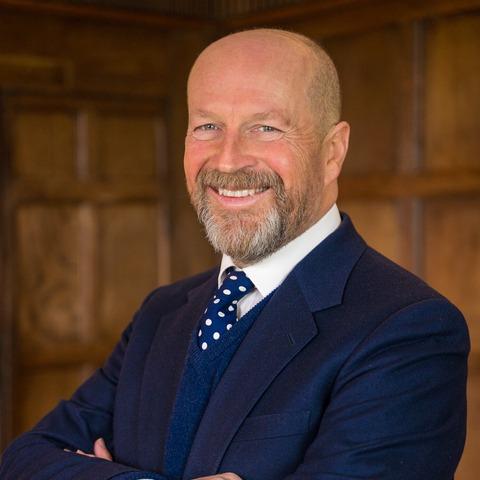
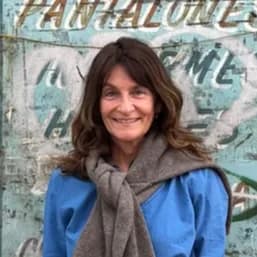
In this episode of all about business, James speaks with Victoria Stapleton, Founder of Brora, the British luxury cashmere and clothing brand. Victoria has built Brora over 30 years from a single supplier and a home phone number into a business with shops across the UK, a store on Madison Avenue, and a fiercely loyal customer base.
Victoria shares what she learned from building slowly and deliberately, and why organic growth gave her control, quality, and a life outside work. She also gives insight about why every founder considering outside investment should think carefully about what they are actually giving if they take it.
Together they explore what it really takes to run a product business built on craft and quality: how to manage suppliers, why the shop experience matters more than ever, and what you actually learn about your business by walking the warehouse floor every morning.
Victoria explains how she transitioned Brora into an Employee Ownership Trust, one of the most underused business succession models in the UK, and how it works.
12:28 first shop and doing it all
19:51 hiring and building a loyal team
21:54 organic growth without investors
31:28 styling customers well
39:18 bonuses profit and margins
48:07 store locations and New York
55:21 Glasgow store disaster
57:16 Final questions and farewell
Follow James Reed on LinkedIn: https://www.linkedin.com/in/chairmanjames/
Follow Brora on LinkedIn: https://www.linkedin.com/company/brora-ltd/
Find out more Brora and their products here: https://www.broraonline.com/uk/
Submit your application to Reed’s Entrepreneurs Fund for a chance to win a £20,000 grant: https://www.reed.com/entrepreneurs
[00:00:12] Well, today on All About Business, I'm really delighted to welcome Victoria Stapleton to the studio. Um, Victoria is the creative director and founder of Brora, which is a wonderful British fashion brand specializing in luxury cashmere and beautiful clothing. Um, Brora is known for combining traditional British craftsmanship with bold colors, patterns, and contemporary, contemporary designs.
[00:00:37] And I know, Victoria, that you're a strong advocate for ethical production, sustainability, and I'm pleased to say British manufacturing. So thanks so much for coming in to talk to me today. Um, I am in fact wearing Brora. Thank you. Um, I'm a long-standing customer of your, and of, of yours, and admirer of your brand and your work.
[00:00:56] Um, I'd love to begin at the beginning really with the origin story, because [00:01:00] you started the company, uh, in 1993, I believe. Yeah, it was sort of an accident, a happy accident as it turns out, but I was, I was made redundant, so I have also had that experience. I know what it's like to be made redundant. From where?
[00:01:12] What, doing what? I was working for a tweed mill in Scotland called Hunters of Brora. Right. Hunters of Brora had been going since 1901. It went into receivership in 1990, and my father, amongst other people, decided to save it from, um, going down the s- the pan. It was in the village of Brora- Right ... which is right up in the northeast of Scotland.
[00:01:33] And, um, he asked me to come along. I'd been working for an interior designer in London. I was probably 22. And he said, "Can you come and revamp the shop in the village? Let's make it into the Harrods of the North," you know, this little shop- Right ... in the station square in Brora, "and fill it with lovely things.
[00:01:51] Use the tweed from the mill, but also find other Scottish produce. You know, here's a really great guy I've met along the way who runs one of the best [00:02:00] cashmere mills. You know, fill it with lovely things, and we'll do a mail order business." And, um, I was like, "Oh, can I really work for Dad?" You know, this is- Right.
[00:02:10] Yeah ... a very strong personality. But it was also really exciting and tempting as, you know, a creative journey and something to do, my next bit of my career. And basically, the retail got so much bigger so quickly, and they needed the cash flow to keep the mill going, to keep the tweed being on those machines.
[00:02:33] Right. And the mill was employing 100 people in the village of Brora. Right. And that was the essence of why they saved the mill in the beginning, was to keep that intact. And as you'll know with retail, you need a lot of money- Mm ... for stock, and so they decided to close down the retail operation, which I was head of.
[00:02:52] Right, and that's why you were made redundant. And that's why I was made redundant. But you obviously retained a love for Brora. Yeah. So I just turned around and went, "God, do [00:03:00] I start ... Do I go and try and work for somebody else doing something totally different, or actually I've really fallen in love with all these Scottish textiles.
[00:03:07] I think there's something really exciting here, and if I can take this concept to London and make it a bit more groovy," 'cause we were doing quite a lot of country kit. Yes. Um, the, and I'd have my own, you know, control and DNA, and I just had met all these amazing suppliers. I suppose it had been two years.
[00:03:25] And I thought, "Okay, I think I can do this." And, and I went to the mill and said, "Do you mind if I call the business Brora after the village?" And I really had no idea how good a name that would be, because it's sort of one of those names that people go, "Brora, what's that? Where's that?" Yes. It's something they repeat once or twice, and actually the two Rs either side of the O, and the O's now a thistle, and it's sort of symmetrical.
[00:03:47] No, it's great. So yeah. Right. So that's the beginnings. So you, you mentioned that you sort of brought this thought to London. Yeah. So, so you were relying [00:04:00] on your supply f- from the mills- Yeah, it's- And, and how... So what did you begin with? What did you make first? What were the first sort of- Well, I think that the cashmere was the key thing.
[00:04:06] That's where I saw the market. That's where I saw there was, you know, a possibility, because I did a bit of research, and everything in London that was cashmere was behind glass doors in a very small shop in somewhere like the Burlington Arcade, and a lovely lady of some age where, you know, you'd come in- Mm
[00:04:24] and she'd say, "Oh, well..." I mean, it was like getting the crown jewels out of the glass doors and putting it on the counter, and you couldn't- Yes ... open it up or try it on. It was like, "Would you like this very precious piece?" And to be honest, they were pretty much the same price as they are now. Right. You know, you paid several hundred pounds for a sort of Burlington Arcade navy blue round neck jumper, and they were very much navy, black, cream, camel, maybe a bit of red.
[00:04:50] Right. But there was nothing in green, burnt orange, turquoise, fuchsia, primrose yellow, ochre, you know, all the colors that Brora's is so synonymous with. [00:05:00] So what was the first thing you sold then of- Uh, well, we... Very early on, I did this little thing called a cashmere cropped cardigan, which was tiny wee, and- Right
[00:05:11] um, it's still in the collection today. So that was aimed at women? It was aimed at women, yeah. Oh. Yeah. Not, not, not kids, no. It was just- Yeah ... it was a very sassy... It w- the original one was from the 1950s. Right. So it was a very high-waisted, tight-waisted little cardi, high neck, neat fitting with three-quarter length sleeves.
[00:05:30] Right. And the original one was a, was a vintage one. And I also used to raid my mom's wardrobe, 'cause we were brought up in Cumbria, so we were very near, actually, all the mills- Mm ... in the Scottish Borders. So quite often we'd go and have a rummage in the mill shop. So I sort of knew about cashmere from an early age, not from a spoiled point of view, just because I- Yeah
[00:05:47] lived very close to where it was all happening And, um, so Mom had some great vintage cashmere pieces in her wardrobe. So I'd take some of those up to the mill, [00:06:00] and the guy who ran the mill would be like, "Oh my God, I remember making this, you know, 20 years ago," or it was an original '70s- Right ... piece or whatever, and this was 1993.
[00:06:10] So we slowly basically started with the cashmere, and I can't tell you, James, it was the easiest business. I pretty much had one supplier. Right. Now I've got about 100. Yeah. And you're dealing, you're firefighting with production all the time, but this was a beautiful relationship. One supplier that w- working very well for you and, and more and more customers by the sound of things.
[00:06:31] Yeah, and somebody very supportive, actually. He was a bit of a mentor, and he's sadly not with us. He died very suddenly of a heart attack about age 75, I think about eight, maybe 10 years ago now, and he was, you know, godfather to one of my children, and he was a guy called James Sugden, and he got an OBE for his
[00:06:49] uh, well, for what he did for textiles in Scotland. So he helped you- He was- ... and advised you a bit ... unbelievable, yeah. So that's interesting. So, so it was good to have a mentor, and you valued that. Yeah, it was really good to have a mentor [00:07:00] on not so much the financial side and the business side 'cause I was quite- Mm
[00:07:03] savvy on that. Dad had been brilliant on that, so I'd been brought up with gross- Mm-hmm ... margin and profit and loss and how you ran a business, really. So what business was he running, your dad? He did lots of different things, but his- Right ... big one that I remember, because it was during my teenage years, was he started something called Pinnies of Scotland, which was a smoked salmon business.
[00:07:19] Right. And because, again, we were on the border of Cumbria and Scotland- Yeah ... it was in Scotland. It needed to have the Scottish address. Right. And I understood that thing of the authenticity and something coming from Scotland and Scottish smoked salmon, so it was like Scottish cashmere was a sort of- Yes
[00:07:32] natural lead on from that. Scotland has a very strong brand, actually. Yeah, very strong- You know? Yeah ... around the world. Exactly. I mean, everyone wants to go to Scotland more than they want to go to England. Yeah, well, they- You know? ... they've been clever at marketing it. I mean, they've been- Yeah. A- a- and your brand is consistent with that.
[00:07:46] Yeah. No, it's key that we have... We have two shops in Edinburgh, one in the airport and one in the city center. Yes. And that's people wanna come to Scotland and take something home that's made in Scotland. So you, you started this business before the internet, which is interesting to [00:08:00] me. Yeah. So, you know, sort of establishing a brand and a, a, you know, building a customer base before the internet.
[00:08:06] How did you do that? Yeah. What was, uh- I think it was maybe easier in some way. Uh, we were very... The press really mattered then. Right. You got something in the paper, your phone rang off the hook, and I had the most exceptional moment. W- you know, you remember in a business your lucky moments- Yes ... those turning points, and basically it went from being Hunters of Brora to Brora on the 1st of March 1993.
[00:08:34] And I got a f- and it was gonna be in my home- Right ... in London, in a room. I mean, nothing grand at all. Mm. Cardboard boxes all around me. And I got a phone call from somebody who was assisting Lucia Van der Post at the time. Right. And she was writing an article on the best cashmere around, and she had met Dad over the years- Mm
[00:08:53] knew about Hunter Sabrora. And I said, "Well, actually, Lucia, we've, you know, just made a change, and it's now gonna be called [00:09:00] Brora, and all the cashmere's the same." Mm. "It's from the m- best mill in Scotland." And, um, she wrote an article that Saturday. Literally, I'd launched the business on the 1st of March, and it was something like the 2nd of March.
[00:09:11] Mm. And it said, "This is where you buy your cashmere, and a black cashmere jumper costs £99, and this is the phone number." Right. It was my home phone number. Oh. And literally, my flatmates were going mad. So it was ringing off the hook, was it? The phone did not stop ringing. It was just me. Where did this article appear?
[00:09:27] This is- It was in the FT. Oh, fantastic. It was in the Financial Times. And- The How to Spend It section- Yeah ... or whatever, yeah, was it? And I literally took orders. This is 1993. I took orders- Mm ... for £10,000 worth of cashmere jumpers just from that little paragraph. Right. And they all just said, "Can I have the black cashmere jumper that Lucia Van der Post talks about?"
[00:09:48] Right. Well, it's just like, literally my children would be amazed by that because it just... That does not happen today. No. Now, to do that sort of business, you need [00:10:00] Claudia Winkleman to wear it on The Traitors. Right. And she has. I thought you might say that. I thought that might have been- Yeah ... coming next.
[00:10:09] So Claudia Winkleman wears it on The Traitors. Yeah, I mean- Well, there you go. That's the modern equivalent ... she's, she's at a Scottish castle. Exactly. What could be- Her stylist ... what else could she possibly wear? Yeah, I mean- I, I completely see the s- the sort of, uh- No, but, but it's the influencer now. It's the sort of, you know, it's digital, you know, it's who's wearing your kit- Yes
[00:10:25] is, is the most influential bit. Yes. And, and making people aware of that, I guess. Yeah. So, so your brand grew. When, when did you open a shop? When did you move out of your sort of home? Yeah, I was really nervous about opening a shop. So basically, once these aforementioned flatmates got fed up with the phone and the cardboard boxes- Mm
[00:10:45] and stumbling into, you know, things as they came through drunk through the door- ... I said, "Okay, I think I better get a studio." So I then got a studio, which was sort of by appointment, but I did all my mail order there. It was still sort of over the phone, "Hello," you know, "Mrs. Smith." Yeah. "Yes, I can send you [00:11:00] this today."
[00:11:01] Um, and I got the first shop in 1996, so three years later. But for those first three years, what's really one to remember is every day at 5:00, I got in my car and I drove to the post office with all my parcels that I had packaged up myself, and if you were behind me in the queue in the post office, you really knew it was a bad day.
[00:11:21] Right. 'Cause I was there for hours weighing each one, putting the stamps- Right ... on, and, you know, so just doing all that stuff yourself. So you, you did everything? I did everything until I'd been going for six months, and then I employed one person. Right. And she was with me for the next 15 years. Right. But it's really, I think that sort of doing everything is very valuable, isn't it?
[00:11:43] Oh, my God. In, in terms of understanding your own business and, um, and especially understanding your customers. I mean, you obviously were talking to the customer. You speak to everyone every ... You speak- Yeah ... to all of them, and some of them become real friends, you know? And actually, it was one of the things, um, I was talking about the other day, you know, on the phones now.
[00:11:59] We don't get nearly so [00:12:00] many phone calls because 90%- Yeah ... of people are going to... If they're ordering to get it sent to their home, they're ordering online. Yeah. But 10% of people ring, and they really wanna talk about- They still ring ... what the weather's like in Cornwall, and what their grandson would like- Yeah
[00:12:12] for his birthday or, you know. So you get- So you have people to talk to them? Yeah, we do. We have six ladies. Yeah. Again, most of them have been with us Where are they? Where are they? They're in our, our lovely head office in Stevenage. Right. So you're based in Stevenage. I live in Hertfordshire, so we opened our head office.
[00:12:28] We bought a, an amazing big warehouse- Right ... in Stevenage. I like to see all the goods going in and out. I don't want a- Right ... distribution center. I like to know it's all in one building. You know at a glance what your stock situation. You can look at your stock on a bit of paper, but there's nothing like walking around the warehouse- Right
[00:12:44] to know what you're short of. So your office is in the warehouse? Yeah, so the office is upstairs. Yeah. We've got a photographic studio, we've got a design studio, we've got finance, we've got marketing, we've got the web team, we've got design team. All together in Stevenage? Yeah, all together. Pattern cutting rooms, you know.
[00:12:58] Yeah. Amazing, [00:13:00] amazing space that we bought about, mm, maybe 15, 18 years ago. Right. Um- So you walk around the warehouse- Yeah, love it ... a lot. Love it. So when did you last walk around, and how was it? Oh, yesterday. Yesterday. Good I, I walk, I see- Yeah ... Ian. Ian comes in the earliest. He comes in, I don't know, about 6:30.
[00:13:18] He loves an early start. Right. And, uh, and he'll probably clock off at 2:30. People do different hours. They do. We're very, like, flexible. Yeah, but that's- As long as they do their day, they come within reasonable hours. Yeah, if you're in distribution, it's good to start early- Yeah ... before the traffic. Yeah. So- Exactly
[00:13:35] that's, uh ... So, so do you think something's been lost in, in the way we do business today with so much of it going online and so much of it being sort of impersonal, in a sense? Yeah, but I think it's amazing for the consumer that they can... And online's become so good. So if you look at our online, there's gonna be at least six images of the thing you're gonna buy.
[00:13:53] You've got front, back, you've got video. You know, you've got information- All the colors. Yeah ... all the colors. You've got customer [00:14:00] reviews, so you know exactly. You can look down at the bottom and see seven people have bought it, if they've needed to size up, size down. So you've got so much information at your fingertips, and I think that's, you know, amazing for the customer.
[00:14:12] But your, your business is a blend of shops and online now. We love that. Yeah. We love, I love that. I love a shop. I mean, I love walking... I, I would say invariably what you think you're gonna choose by looking online- will end up being totally different if you come to the store. Really? You might like that, but you might try it on and go, "Hmm, it's not quite what I wanted, but actually I love the look of this dress," or, "I love that jumper."
[00:14:34] And so I just think that nothing beats coming and feeling, seeing, feeling, trying on. Also, I'm rather proud that our products all feel so good. Right. So, you know, you might... A brand might photograph something and it looks great in the picture, and you get it, and it's as stiff as a board, and the- Yeah
[00:14:52] fabric's not nice, and they haven't lined it properly. Like, we have lots of secrets in our clothes. Like, um, [00:15:00] quite often we put lace trim on the bottom of a lining of a dress- Right ... so it's lined, and then you... Like a proper petticoat. But we don't show that online. We can't show- Right ... that online, so that's like a little surprise.
[00:15:12] Or we hand-sew these tiny copper beads on the hems of our dresses, and it- Right ... weighs them down and gives them a swish. But it can't, you can't really see that online. So people discover things. I think the clothes should look as good on the inside as they do on the outside. Sure. So the shops are very important for that.
[00:15:27] Yeah. Yeah. Yeah. And, and- And relationships ... and from what you're just saying, obviously the brand has moved from jumpers to a whole clothing range. Yeah. Which is really- So- ... exciting. Yeah. I mean, that happened- When did, when did that occur? When did you do that? Yeah, it happened quite a bit... I mean, that's a funny old story 'cause obviously, as I said, it was very simple running a business with one fabulous supplier guy who I got on with so well.
[00:15:48] Mm. And we made from wrist warmers to snoods to hats to jumpers, men, women. You know- Mm ... started doing children's things when I had my first baby, who's 28 now. Um, [00:16:00] but we had to put something with the jumpers in the brochure. The models had to wear something . They couldn't just- Yes ... appear in their knickers, or we couldn't have every shot cropped off.
[00:16:08] No, that's a very good point. So I would... Yeah. So it's like, what are they gonna wear? Well, they couldn't really wear other people's brands 'cause otherwise that would seem a bit- Yeah. Who are you selling? Oh, exactly. Yeah. So I used to go to vintage markets, and I'd go to Portobello and vintage markets and flea markets, and I'd buy maybe...
[00:16:23] One season I'd buy great big tutus, or- Yeah ... I'd just buy beautiful lace skirts and dresses, and I'd put all these vintage pieces with the cashmere. And then people started saying, "Oh, I'd really like to buy the dress in the picture," or, "I'd like to buy the skirt. I wanna buy everything she's wearing." So I was like, "Oh, maybe I've got a bit of an eye for this."
[00:16:44] Whoa. Good for you. Um- So that's how it d- you sort of developed your range. So yeah. Then I... And I knew nothing. I mean, that's complicated, James. That's c- I mean, the jumpers is easy. Right. That is complicated. Cutting patterns, the right [00:17:00] fabric for the right design, the lining. There's so many components in a bit of clothing.
[00:17:05] So knitwear is, you know- Mm ... it goes on the machine. It's, you know, the spec's done, and it's the yarn. But, and of course sometimes on cardigans you have grosgrain ribbon and buttons and things, but a, a knitwear is, it's just a much simpler thing So how did you learn this whole new- Well ... trade? Trial and error, and quite a lot of errors.
[00:17:24] Right. I did get an amazing production manager in the end, who had had his own cut, make, and trim factory on the outskirts of London. He's still with me today. He's called Gary. Right. And he, his factory made for Jean Muir- Oh, okay ... who was an amazing- Yes ... designer, and he was, he was making all her stuff in the '80s and '90s.
[00:17:43] And then when Jean Muir went under, his business went under- Right ... because I think they owed him 30 grand or something. So I just saw his CV came onto my desk at exactly the right time, and I rang this guy- Yeah ... and he lived in Hertfordshire. And- Perfect ... we were still in London at the time- Mm ... and I said, "Gary, [00:18:00] I promise you the business is gonna move to Hertfordshire, but can you come bear-" Right
[00:18:03] "to start commuting into London for the first five years?" And, um, and he's been a godsend, because he understood it right from the beginning. So he- Mm ... has found us factories. You know, he works with the pattern cutters, he works with the production. It's- So good recruitment there. Very good A good plug for recruitment.
[00:18:22] Yeah. The value of recruiting someone who knows- Yeah ... and can help you It was really brilliant. It was a lucky- I think, I think a really good hire like that makes a huge difference, and you're just, like, sort of- Yeah ... illustrating that And, and, and I think actually that's maybe been... It's really funny, 'cause I'm quite slapdash actually.
[00:18:37] But I'm quite good on people, I suppose. I take a quite a gut feeling about somebody in an interview process. Right. I'm not that interested in their CV, because they wouldn't be there if their CV hadn't got them there. You know? Yes. They've got the skills, I know that, so I sort of need to know if they're gonna be a good fit with me and with the team.
[00:18:55] Yes. And, um, they've got some integrity, some loyalty. [00:19:00] Um, yeah, so I- And, and over the years you've built a strong team, it sounds like I've got amazing... I mean- Right ... my head of buying, who is really exceptional, she's been with me nearly 25 years. Right. Um, my finance director's been with me over 20 years. Um, yeah.
[00:19:16] My, my, my MD at the moment's just on 10 years, and I had somebody before him who did about 15 years. So yeah, it's been... I've got some really fabulous people who know the business very well. That's so important, I think. So, so you decided to grow this business organically. Yeah . You know, over- I didn't really know any other way, but yeah.
[00:19:35] So, so was that a conscious choice, or was it just sort of just happened? Um- I think it was much less- I mean, it's a strategy I subscribe to- ... scary ... but what, what was your thinking? Yeah. I think it's much less scary, isn't it? Um, if you're not very greedy, if you're not... If money's not the key thing, if it's not your key performance indicator or whatever you'd say, um, then it's a very nice way to grow organically because you sort of can keep [00:20:00] up with the customer demand.
[00:20:02] Mm. The quality doesn't let you down. You sort of know everybody who comes into the business who's working for you. You can grow their strengths and train them up properly 'cause you've sort of got that time. Um, you know, you- I don't know, there just seem to be so many benefits. The other huge thing is you don't need to borrow money from anyone.
[00:20:21] Yeah. So we never had to borrow from the bank. We never had to get outside investors, and hence why I've always been the 100%, um, owner of busines- of the business until recently, and we can talk about that later. But, um, it's means that you have 100% control of your business, and you Yeah, you're not, you're not answerable to anybody.
[00:20:45] Nobody's ringing you up every three months and saying, "How are the accounts? What's it looking like?" And we all know with business you have ups and downs, you have bad times, you have good times. Certainly true. That's certainly true. So you, so, so retaining your control and not putting the business in, in jeopardy was an [00:21:00] important part of your thinking, it sounds to me.
[00:21:01] Yeah. I think I just- Mm ... you know, as much as anything, Brora is quite a lifestyle business. You know, I really wanted to spend time with my children as well- Mm ... with my family. I'm, I, you know, they probably say I am a workaholic, but actually I like a good game of tennis or any- anything else in the middle of the day as well.
[00:21:20] Yeah. So, you know, I wasn't going to be one of those people who didn't have a life outside work. I had really wanted the balance. Yes. Um, and I think growing a business organically means that you sort of are more likely to get that. So that's worked well for you. I mean, you've been in business now more than 30 years.
[00:21:37] Yeah. Um, so how do you, how do you balance sort of staying timeless, you, you, you talk about clothing for decades rather than seasons, with, you know, the, the need to keep up with trends and being sort of relevant? So funny, James, isn't it? It's sort of so much of what you do is innate, so much of it, what you do is in your [00:22:00] sort of DNA.
[00:22:00] So I think it's very difficult to do things when they don't come naturally to you. So I suppose I just, the way I was... Where I started Brora with the Scottish cashmere, I mean, the sort of people who make at the mill alongside me are Chanel, and Hermes, and Louis Vuitton, Burberry. You know, it's very high-end- Right
[00:22:18] Parisian couture brands, and Brora. So by its very nature, our cashmere is incredibly high quality- Mm ... which does mean unless the old moth get hold of it, it lasts for years, and years, and years. Mm. And especially if it's well looked after, and a lot of people buying cashmere do actually wash it and put it in zip bags- Mm
[00:22:38] and, you know, and they care for it because it's expensive. Mm. So I suppose that in turn meant that it needs to be fairly classic- Mm ... what you're doing, otherwise people are gonna look at it in five years' time and go, "I don't really feel like wearing that zany stripey jumper now." Um, but over the years we've done some amazing statement pieces as well.
[00:22:59] Mm. And I [00:23:00] think, I suppose that- Nowadays, because the cashmere has become more and more expensive for all the obvious reasons, um, the clothing's where we might make more of a flash thing or more of a seasonal thing. But I still see people who keep their clothes and then they go back to it, like 10 years later they look in their wardrobe and be like, "God, I've..."
[00:23:20] Or it gets passed down to their children. Mm. I mean, there's a massive raid on mothers' wardrobes of Brora- ... as you probably- Well, that, that- ... know in your family. That, that's a, that's the ultimate compliment, is that the next generation want to wear it. Honestly. That's a good sign. Honestly, I have to put- Mm
[00:23:38] pictures of, of me wearing something, you know, that I suddenly think, "Where has that gone?" I put it on the family- Mm ... WhatsApp group and say... I've got five daughters. Oh. So I mean, the raid is- So you're losing stuff. Oof. Five daughters. Yeah. The raid's big. Well, they're probably quite good as a sort of, uh, customer sort of input for you as well.
[00:23:58] Honestly, design input. Yeah. They, [00:24:00] it's, they're so stylish. A- in all in different ways, and they're- Ah ... 23 is the youngest, and 37 is the eldest. So you've got quite a good- The first two are my stepdaughters, and then- Yeah ... I've got three daughters with Johnny together. Um, but you know, they all dress in a different way, and I really notice what they wear.
[00:24:17] So using the next generation- I notice what everyone wears. Yeah ... as a, a sounding board is a good thing. So you've, you've mentioned the, the importance of your suppliers, and you mentioned that you had one right at the beginning, but now you said over 100. Um- How d- uh, what do you think about in terms of relying on, you know, suppliers?
[00:24:36] What do you look for in suppliers? You obviously use traditional craftspeople. This is a very important part of your sort of business ethos. How do you make sure that that sort of works for everybody? Um, I think, I mean, when I say over 100, I, I mean, it's not an exaggeration because you might get buttons from somewhere and lining from somewhere, but they're not what I call sort of key suppliers.
[00:24:57] Right. We probably have, you [00:25:00] know, 15 really key suppliers. So we do try and give quite a lot of work to one manufacturer because it really builds a sense of loyalty and partnership. Right. And I think that's quite key. It's sort of like, you know, if you want to trade in season, which I have learned is pretty key to your bottom line, you know.
[00:25:26] If you see something that's ... You don't know. We do not know. There's no crystal ball- Mm ... that tells you that is the dress that's gonna fly. You know? You can make a bit of an assumption based on past seasons, based on history, bas- based on the data, but it's very difficult to make a judgment as to what piece is gonna be the one that season.
[00:25:47] Right. So if you can remake within season, if you can see that trend very early on and say, "Okay, we're gonna take a punt and we're gonna order another 300 of those," or whatever it is, then that's, can be very [00:26:00] crucial to your figures for that season. Right. So working closely with good partners where you are quite a big part of their business means that they're more likely to turn things around quickly for you when they need to.
[00:26:13] So you're an important customer for them. Yeah. And they wanna get- We're not everywhere. No, but- And I notice the difference- Right ... between somewhere where we only make a few things and we're slightly bottom of the pile, our production might get delayed a bit. They're very good at what they do. Uh, let's say I don't know.
[00:26:34] We don't do, let's say, a lot of suede and leather. Mm. So if we do one jacket with somebody, we might be the person who the, you know- Yeah ... if they've got to delay one thing because things are not going quite right, it might be us. Whereas another supplier, you know, we're 50% of what they're producing in their whole factory, so we are like top, top dollar.
[00:26:55] So what, what I'm hearing, I think, is that i- i- in your customer's demand [00:27:00] is unclear. You don't know i- from season to season what are gonna be the real star products, so you need a supplier who can respond quickly and make you more of something, which- Yeah, I fully- ... which favors a British over- Yeah ... Chinese or- I mean, that, that, that is an- Does it?
[00:27:13] Is that right? Um, well it ca- Yeah ... it sort of depends- Unless you're in the- ... on the supplier, but it is- Yeah ... amazing. You know, the mill in Scotland, what is so incredible about them, I mean, last winter when we were on The Traitors a lot- Mm ... and our cashmere wrist warmers, these fingerless gloves we do that- Yes
[00:27:30] again, we've done since day one, these fingerless gloves. Um, and you know, Claudia wears them in almost every scene on The Traitors. So suddenly we needed, you know, another 300 in black. Yeah. And the mill could turn that round in a week. Yeah. Uh, which is- And you really need that, don't you? Yeah, it was- You can't wait a month or two months 'cause people lose interest.
[00:27:50] No. No, interestingly, there is a, there's a limit. Mm. I know the limit. You know, if something's really good and it's quite near the beginning of the season, [00:28:00] people will wait six weeks. Right. They will pre-order knowing they're getting it in six weeks, and there's also something quite sexy about pre-order.
[00:28:07] It means- Mm ... "God, I'm getting hold of something that is bit like gold dust." So they... And there's only a limited... We, again, we will always keep it to a limited amount. Mm. Like, we've never made 1,000 of something. Right. Like, like that just, just, just doesn't happen at all. Of course, I don't really want it to happen.
[00:28:23] I don't want- Yeah ... everyone wearing... You remember there was that story with Zara once. Like, uh, it was a long time ago, and everyone was wearing this same jacket- Yeah ... every, or this coat, and it got, sort of became the thing. You know, and obviously they're, they're different and they're making 100 thousands- Yeah
[00:28:36] of units but, you know, we only make, we generally make, you know, 150, 200 of a dress, of a skirt. Right. And then if it goes really well, we can make some more, but that's sort of, you know, where we're at. Yeah. So, so that enables you to sort of stay very close to customers and- Yeah ... move quickly. Yeah. Um- Retail seems to have changed quite a [00:29:00] lot.
[00:29:01] I mean, you mentioned that you love the shops. So the, it seems ... Do you spend much time in the shops yourself? Is it- Well, after this, I'll definitely go down to Marylebone High Street. I love- Yeah ... looking after a customer, especially somebody who's lost their way a bit. Right. And either they've lost some weight, or they've put on some weight, or they've, let's say they've moved from London to the country, or they've moved from the country to Lo- I don't know.
[00:29:28] Somebody who's just a little bit lost. You know- Right ... they've had children, and they don't want to dress in the same way as they did before There's just sort of nothing quite like finding the right thing for somebody- Right ... and them going out of the shop with a real smile on their face. So you'll help people choose and- Yeah, I love doing that.
[00:29:46] Yeah. And also, it's really good getting people into maybe a color that they didn't think was right for them, and then they put it on, they go, "God, wow, I look quite well in this. I look great." Ah. I look great. So this is, this is a really important role for your physical stores then, is the- Yeah ... I suppose. It really [00:30:00] is.
[00:30:00] I think customer service, I mean, customer service is second to none, but I have noticed recently, James, in retail that everybody is upping their game in terms of their interior design. Right. It is a massive thing at the moment. You've only gotta walk down Marylebone High Street, where it's, you know, beautiful shop after beautiful shop, and these are not Gucci, Prada, Versace.
[00:30:22] This is upmarket high street stores. Right. And they are really spending serious money on their shop fits. So what's the, what's changed here? Why is that happening? Uh- Competition? I think people know if they've got... If they wanna get people into their stores and not just buying online- Yeah ... they've got to make them feel amazing.
[00:30:44] Right. They've gotta walk in, it's gotta smell good, it's gotta look good, they've gotta be well looked after, they've gotta be tempted, they've got to really feel it. So the, it's a whole experience- Yeah ... that you need to compete with someone sitting at home- Yeah ... clicking on the website. And [00:31:00] hence why in the last two years, we are now on a program of refitting our entire shop portfolio, and we're halfway through.
[00:31:11] That's a big investment. So it's a big investment. Um- And how, how long would you expect a shop fit to last? How, how long would you depreciate that o- over? Um, well, it, it, it takes four weeks to do the shop fits. Ah. The shop has gotta be closed for that four weeks, so you've gotta choose a particular, your, your most challenging month of the year.
[00:31:31] Right. So we just did Edinburgh in February. Right. Probably didn't miss, miss, miss much trade. Yeah. Um, last August we did both Sloane Square and Marylebone High Street. August, July- Yeah ... August, over a period of eight weeks. And we would write that off over a four-year period. Right. And they're all... Actually, we won't do it unless we know we've got a 10-year lease on that store.
[00:31:52] Right. So we do it once we've signed our new 10-year lease, then we say- Yeah ... "Okay, we're gonna do this investment. Um, we know [00:32:00] we're gonna be here for the next 10 years." And actually, it's the sort of the shop fit is to such a high standard what we're doing, it'll easily last. You know, we might- Yeah ... need a lick of paint, but it, it's, it's there for the duration.
[00:32:12] Yeah. So you've, you've done something very interesting in the last couple of years. You've changed your ownership structure. Yeah, I didn't- So- ... think I'd ever do that. You, you've gone from being the sole owner, shelled, haven't you? Is this right? Uh, to, to becoming a- an employee-owned Majority-owned business It's an employee ownership trust.
[00:32:32] It's an EOT, which some people might have read about. It's slightly unknown, and shall I tell you the reason it came about? Yeah, well please explain what it is and then why you did it. Yeah, because I think this is really interesting. You're the first guest I've had on the podcast who's undertaken this journey, so I'd like to understand.
[00:32:51] So that actually is quite shocking in itself- Yeah ... because it's such an amazing vehicle for a business, and I just think it's really [00:33:00] under publis- promoted. So, so what is an employee ownership trust to start with? Okay. So firstly, I, i- it's a government scheme- Mm ... that was Put together by Nick Clegg when he was in coalition with David Cameron.
[00:33:15] And I only know that- Mm ... 'cause I sat next to David at dinner about five years ago, and I said, or, you know- Mm ... three years ago, I said, "I've just done this EOT thing," and he said it was a Nick Clegg idea. Right. A liberal idea which appealed. Mm. And I thought, um, after going to many VCs, after being approached by people trying to invest in the business, at first, I remember about 20 years ago, somebody said, "You know, I'd like to put...
[00:33:42] Can I buy 15% of your business?" Yeah. "It would pay for all your children's school fees or something." I was like, "No, why would I? I don't want that. It's not gonna do anything for me." And I went to VCs and they were like, "Yeah, well, we can, you know, we can sell your business for you. You might get X," you know.
[00:33:58] But they were, every [00:34:00] person I knew, every female, especially founder who I knew who had sold their business nearly always wanted to buy it back. Right. They were horrified by what then happened to the business in terms of, you know, supply chain, changing the quality- Yeah ... making shortcuts, redundancies, you know, all the usual things that have to happen if you're gonna amalgamate a business into another bigger umbrella.
[00:34:25] Yes. So the EOT was something that my managing director went to have a Christmas lunch with the bank manager, and they said, "Oh, what's Victoria's succession plan?" And Mark said, "Well, she's stumbling a little bit because-" Mm. "... you know, we've been and see these people who, y- you know, are talking about investing in the business, but it just doesn't resonate with Victoria."
[00:34:46] Mm. "It just do- doesn't chime. She's not very happy with it." And he said, "Well, has she considered an EOT?" And Mark said, "You know, what's that?" So he brought me back this concept, which is basically you have your business valued by an- Mm ... [00:35:00] outside auditor. You agree the valuation, then you decide to put between 51% and 100% into the trust, which is owned by every single employee.
[00:35:11] 51% of the shares we're talking about? Of the shares of the business. Right. So I, in the end, decided that 70% would go into the employee ownership trust because I wanted to keep 30% in the family because I- Right ... think it's quite important to have a family on a board and have- Yes ... that passion that's come through the founder.
[00:35:29] Mm. Um, and so that was sort of the way we went about it. And then logistically how it happens is that the company, your company then has a debt to you, and that sits on the books. So this, so this employee ownership trust effectively wrote you an IOU Exactly ... for your shares For my shares. That's on the books The 70%.
[00:35:51] Yeah That then gets paid out over time from the company Through, through profit. Right. Basically through profit. So you have to make a profit. So you have to keep [00:36:00] making a profit to make the payments possible. Yes. So it's quite critical that the business is steadfast, you know- It's a good business ... it, it's a good- Yeah
[00:36:11] you, you've gotta take that punt as the founder because you, if your business goes under three years later, if you sail off into the sunset- Mm ... and go, "Oh, I'm gonna get my check once a year"- And the business goes under, you'll get nothing. Yes. So, you know, it's in my interest to make sure the business continues to be successful and stable and steady and- And I can see you're still fully engaged.
[00:36:36] You've, you've not sailed off anywhere. No, I haven't- No ... sailed off anywhere. So th- so, so now, so, so now you've got, you said 70% of your business, or what was your business, is now in this employee ownership trust. Yes. So everyone in the business shares in that. Everyone in the business shares in that. Um- Ha- has, has that changed how people are or how they- I-
[00:36:56] think about the business? What's, what's the- The, so the initial [00:37:00] benefit, one of the- Mm ... initial benefits of an EOT is that any member of staff can earn up to £3,600 a year free of tax in a bonus. Right. We don't necessarily have to pay that bonus, but we do have a really nice bonus scheme at Brora based on quarterly budgets.
[00:37:20] Right. So it's not to do with profit because it's too complicated that. Mm. It's if we turn over what we're meant to turn over for March, April, May- Mm ... then everyone gets a week's pay. Right. And again, it starts again then in- So each quarter you do that? Each quarter. Right. So, you know, people are very engaged with that.
[00:37:41] Like, our financial year starts on the 1st of March, and we did our budget for March. Mm. And now we're getting into the last 10 days of April, and we're, like, watching, watching, watching. Are we going to get that? And then we've got to get through May. So, you know, a week's extra salary is fantastic, especially when it's tax-free.
[00:37:57] Yes. So- And this enables you to do that. [00:38:00] Yeah. And that enables us- Mm ... to do that. And then basically once the debt has been paid off to me, um, over this period of time, then we will have the ability to share profits- The dividends would go to the- From the business. They'll go into the employees and to the other shareholders who own the other 30%.
[00:38:20] Right. So it, you know, you could start doing that now, but the primary thing when you do an EOT is to pay the founder off the debt. You know, you don't want that debt- Yes ... on your books. So my senior management's team, th- their, their goal is to pay me off as quickly as they can. Right. Um, but I know realistically that that won't be.
[00:38:41] That will be a 10-year period. That's gonna take a while. Yeah. It'll take a while, but that's, that's sort of fine. Yeah. I, I quite like that because it, it ... You know, I don't ... I think it's quite difficult to go cold turkey on something that you've been running for 30 years. Well, you, and you, you don't appear to want to do that, so why would- Yeah
[00:38:58] you know, why? So selling something, and [00:39:00] this is a different way of doing it. Oh, and one of the other bonuses for- Mm ... entrepreneurs listening to this is that those payments come to me tax-free. Right. So there is You know, so those payments, which sort of you could look like as a dividend, but there's no tax I think they might have changed that in the last budget Yes, they did I think they, they reduced the- They did
[00:39:22] advantage there. Yeah. I can't remember the details. I know. But it's no longer tax-free It's no, not, no longer completely tax-free But I think it's, it's discounted, the tax. Mm-hmm. So there's still an advantage. I will- It's a shame they did that because I think, as you say, it's a really interesting model- Yeah
[00:39:36] and it would- And it might stop people doing a bit because they have- Yeah ... you know, it's not the same tax as you'd pay if you sold your business. Right. But they have done a, some 50% tax on that bit that you, the extra bit or something. Yeah. Um, but I was lucky. The timing was good. I realized that I needed to do it when I did it- Mm
[00:39:56] because also your, uh, valuation [00:40:00] of your business is based on four years of accounts. Mm. And we'd had a really good run. Mm. Sort of just really, just before pre-COVID- Mm ... all the way through, and then coming out of COVID was an amazing period for us. Yes. And, um, but what's great is the last three years we've managed to retain the same level of profit.
[00:40:22] So that's very good. And it's, we're just looking, we're just looking to do the 10%- Yeah ... on our turnover. Right. Which is, you know, a g- a well-run business- Mm ... you wanna make an average of 10%. Yeah. If you do do 15% one year, you're really feeling cock-a-hoop. Right. And if you're down to 5, it feels a bit tight.
[00:40:39] Yeah. You know, 10% generates you enough cash in the business for your stock, for your cash flow, for the, for the ups and downs. I- is my experience. So that's, uh, in, in the retail sector? Yeah. The retail sector. Yeah. Yeah. It's a different sector. So, no, I mean, that, your, your margins are, our margins are much lower than that.
[00:40:57] Yeah. In, in recruitment, with sort of low single [00:41:00] figures, typically. Yeah. And that's- And in manufacturing the same. Yeah. Um, but in retail, that's what you sort of aim for, and that's a balancing all your, you know, your rents... It's getting tougher and tougher because we, our turnover's not really going up at the moment, but obviously all our costs- Yes
[00:41:18] are going up a lot. And it would be nice to see, but, you know, there's a lot going on in the world. Yeah. I mean, there is huge cost pressure on business. Yeah. So i- from your point of view as the founder who's gone on this journey and now become, you know, part of an... Well, you're part of an employee ownership- Yeah
[00:41:35] trust. Yeah. I mean, I'm thinking this gives you a legacy that would've been diff- well, that will be different to if you'd sold the business, or I suppose passed it on to someone in your family. I mean, you've got a sort of combination there, haven't you, of- Yeah ... the team and the family. I have to say, James, it feels really perfect.
[00:41:52] It feels really perfect from where I sit ideologically. It just feels like it's something [00:42:00] I hope I have given an opportunity to some people- Yes ... who might not have had that opportunity. I hope if there are some people who stay with the business now for the next 10, 15 years- Yes ... that they will really do pretty well out of it, um, and give people an opportunity to, you know, buy their, their own house.
[00:42:19] What- whatever it is that they're, they're look- Yeah, to really participate in its success. Yeah. Yeah. So you'd recommend this model to other entrepreneurs? I, I just... Yeah. I, I think, I think- Because I was the 100% owner- Mm ... it was quite a simple EOT- Mm ... because it was just passing, you know, my- You were the sole decision-maker, I said.
[00:42:39] Yeah. Yeah. Yeah. And because I had lots of employees who'd already been with me a really long time- Mm ... it felt a really nice way of being able to reward people. Mm. Um, and I suppose it's made people even more loyal or more keen to come and work for the brand. But, you know, we probably, [00:43:00] outside of retail, because that's always a little bit more fluctuating- Mm
[00:43:03] in terms of employment. But, um, at head office, you know, we, I mean, maybe we employ one person a year, maybe one person leaves, you know? It, it- So it's very stable ... out of 10. It's very stable. It's- Yeah ... you know, it's not a big turnaround. So, you know, when we're taking somebody new on board, we're really considering whether they're right- Yeah
[00:43:25] for the brand and the fit, 'cause we want it to be long-term. So I mean, have you been conflicted in terms of being paid out yourself with, at the same time, the need to invest in these new stores or the store upgrade? Yeah, I mean- I mean, are, are there tensions here? 'Cause you obviously haven't received- Yeah, interesting
[00:43:41] your full payment. I've had to really reduce my payments that were planned. Well, I was wondering that, yeah. Yeah. Because you're, you're reinvesting. Yeah. Mm. Um, if I hadn't done the shop fits, I would've done, you know, the w- the debt would've been much lower. And I actually had to really agree that with the senior management team, [00:44:00] because obviously their raise on debt is to get rid of the debt as quickly- Mm
[00:44:03] as possible. So there was a sort of, a little bit of a tension in the room between the four of us, because I was saying, on the one hand, I really don't mind not receiving what I'm meant to. Yeah. I'm happy getting only 50% of it to be able to do these shop fits, because I see this as a short-term- Yeah ... you know, if we can do this over a three-year period.
[00:44:26] And also this year we're re-platforming our entire website and redoing our server room, so we need- Mm ... entirely new servers and an entirely new platform for the website. So we've got a really expensive year. So there's a lot of in- well, the business requires reinvestment, doesn't it? Yeah, it does. So there is a tension there between paying out and- Yeah
[00:44:44] investing. But it was- But I'm- ... interesting that they were keen to get it paid off so that they could start participating, I suppose. Yeah. Actually, gosh- Is that- ... that's interesting, James. Yeah, I hadn't thought of it in that way, which c- obviously I should have done. I don't know. Yeah. I'm just thinking aloud, really.
[00:44:58] I hadn't- So there are tensions [00:45:00] here, though, that I can see. Yeah, yeah. I can, yeah. But I think- Basically, the shops that have had the refit are doing really well So that's good for business. And there is, we have got a comparison- Yeah ... of shops that are looking pretty scruffy and old- Oh ... and shops that really look beautiful.
[00:45:16] And they don't look blingy and snazzy, 'cause that's not- Yeah ... Brora's way. They just look like, they look a bit more like my home. Right. They've got really beautiful dark wooden floorboards, and beautiful blue painted walls, and nice cabinetry, and art on the walls, and- Right ... so I've made it feel more like a home.
[00:45:33] And they used to be white, you know- Yes ... whitewashed, clean, whitewashed spaces. So it's quite a shift. And, um, yeah, I think- So if anyone wants to visit one of these lovely shops- Yeah. ... come on, where are they, Victoria? Tell us. Now, you mentioned Marylebone and you mentioned Edinburgh. Where are the others? Yeah.
[00:45:51] There's a lovely one at Sloane Square, just off Sloane Square, behind Peter Jones. Yeah. And then we've got really great locations. There's only 10, so- [00:46:00] You know, it's, they're quite key locations. There's one in Oxford, one in Harrogate, one in Bath. Right. Um, couple up in Edinburgh 'cause one's at the airport.
[00:46:08] We've even got one on Madison Avenue in New York. Fantastic. Fanta- so is that your only one outside of the UK? Yeah, it is. Is that doing well? It's the only one I think I'm ever gonna have outside the UK. Right. I don't know how people do it. It's so complicated having a store abroad. Because- Well, A, you can't visit it every week.
[00:46:26] Yeah, you can't drop in. Yeah. You, you can't drop in, so you are really reliant. We have an incredible team there. Mm. And Mike, who runs it, again, has been with me for, you know, 10 years. Right. Um, and, and the rest of the team pretty much have. So that's really steady. Um, but you know, just the duty, the customs, the change of tariffs, the, you know, the just difficulty of getting things in and out.
[00:46:50] And then at the end of the season, we really have to bring the stock back. Right. Because we haven't got... After the sale, we've got no way of getting rid of the rest of the stock in [00:47:00] America, so then we've gotta pay the customs to bring it back. Oh, that's very annoying. So it's re- Really? We're double customs.
[00:47:06] It's, yeah. So it is an expensive- Right. I can see that's complicated. Yeah ... thing to do. It really is. Unless you're warehousing over in the US. You know- Yeah ... unless you're doing it on a big scale, and you've got 10 shops, and you've got your US website, and you're, you know, you're warehousing there, then I think probably that's a bit more viable.
[00:47:23] But we haven't gone to that level. Mm. And actually, we've seen our web sales in America was the biggest growth- Mm ... and it hasn't been in the last two years. We're doing really quite a lot in Europe and- Mm ... and rest of world. You know- So the market's moving. Yeah. So I'm, I'm not, I'm sensing that your sort of ambition is not to expand round the world.
[00:47:44] What, what are you hoping to do next in, you know, looking forwards for the business? What, what are your sort of priorities? Yeah. We, uh, funnily enough, ha- having, you know, come through COVID, we sort of always said, "Oh, we'll never open a- another shop. We don't need- Mm ... another shop." But I [00:48:00] am sort of getting to look again at whether there might be- Interesting
[00:48:06] probably more London-centric because you just get- Mm ... the footfall, and you get the tourists, and you get the sort of... It's a great combination when you get your locals, you get tourists, and you get visitors from out of London. Right. And if you can add a fourth, you get professional working people around that area.
[00:48:26] Right. So if you can sort of... So somewhere like Marylebone High Street gets all four- Has everything ... of those. Yeah. Uh, Sloane Square, probably less tourists, but it gets the country folk- Mm ... come in, and the Lon- and the locals. Um- So where would your next location possibly be? Oh, I don't know if I can say.
[00:48:43] Why not? Do you know what? Yeah. An area that really flummoxes me, I've had two shops in Notting Hill- Yeah ... plus I've had a pop-up shop in Notting Hill. And I've never really managed to make... My first one in Ledbury Road that [00:49:00] I had- Yes ... before the internet really, really worked. Then there was a flip moment when, do you remember for a tiny bit of time they brought congestion charge into Notting Hill?
[00:49:09] Yes. And things all changed and everyone went to Westfield Right ... in Shepherd's Bush. It killed it, didn't it? And it really killed it. Yeah. And we, and Ledbury Road, the rent went up and up and up to a crazy level. Yeah. So we got out of that. Half of it's empty now. Yeah. If you went down there now, you'd see lots of boarded up shops.
[00:49:25] Exactly. Yeah. Because they've just been too greedy. Yeah. And funnily enough, they always call Westbourne Grove the sort of, the graveyard of retail. Right. It sort of looks really nice, and it could be like a Marylebone High Street, but it just isn't. Yeah. And you don't get that mix that I was... Nobody's- Hmm
[00:49:42] working around there. Hmm. Half the people who live around there, it's a second home and they don't live there anyway. Hmm. Hmm. You don't get so many tourists. They all go down Portobello. And I love Portobello Road, and I would have a shop in a minute- Hmm ... on Portobello Road, but it's also quite scuzzy and quite markety and quite...
[00:49:59] Would more look [00:50:00] sort of quite out of place on Portobello Road. So I'm quite muddled about Notting Hill because I sort of still feel we- Hmm ... could do well there. I've got lots of my really old loyal customers live in Notting Hill, so they'd probably go to Marylebone High Street. Hmm. You know, they're more likely to go there.
[00:50:16] Um- I mean, there, there are a lot of businesses that began in the Portobello Market. I mean, it's a real sort of entrepreneurial- Yeah ... hotspot, uh, which is interesting. Yeah. So you're still making your mind up about that . I'm still making my mind up. Well, look out for your next- I'm, I'm sniffing around ... your next store.
[00:50:32] I'm sniffing around. So maybe, but you know, James, it's a huge investment opening a store. Sure. As you know, it's a huge investment. All that shop fit, all the staff training, the stock that has to be in the store. It's not really movable stock, you know. No, but it's good to, good to hear that you're still so positive about retail.
[00:50:48] Yeah. Yeah. What, what percentage of your sales would be online versus retail? Well, the, the, the big thing has been the flip in the last seven years. We were probably two thirds retail, one third web, and we're now two [00:51:00] thirds web, one third retail. Right. And the business is more profitable because of it. Yeah.
[00:51:05] Less costs. Much less costs. But is there, is there a need to have retail for sort of brand awareness and- Yeah ... people coming to see things, feel things? All of that. So it, it is a hybrid model, isn't it really? You couldn't just go web. Or could you? Um- Businesses starting today can certainly just go web, and then they have- Yeah
[00:51:23] pop-ups and things like that. Um, and there's some really, you know, successful mail order businesses, web businesses that, that don't do retail. But not my model, 'cause we started as retailers. Yeah. So there are still people who go to the original Kings Road shop, which is right at the bottom of the Kings Road, and actually that is now an outlet store.
[00:51:42] Right. So we... It's a really fun store to go and visit because it's not just an outlet in terms of its end of season clothes. It's also where all our samples go. Yeah. So when you make a piece of clothing, n- first time round nearly always the sleeve's a bit too long- Mm-hmm ... or the hem's a bit... You know, there's just something you wanna [00:52:00] tweak, but there's nothing essentially that wrong with it.
[00:52:02] So that will be a real bargain. You can go and buy bargains. So the Kings Road's full of, you know- Yeah ... and, and where else would these place- pieces go, you know, if they didn't go to the, to the outlet? Yeah. Um, and sometimes at the mill, because our colors are made especially for us, our cashmere colors, if we've got, like, 20 kilos of saffron yellow left at the end of the season, then we do what's called a knit up order.
[00:52:25] Right. So we knit up. When the, when the mill's less busy, we put some things on the machine, and then they go to the clearance shop. Right. So you might pick up something that's, you know, 50%. So that's still an important part of the mix. Yeah. Well, I'm so pleased to hear that 'cause I, I, I really worry about town centers sort of being hollowed out and retail- Yeah
[00:52:45] disappearing. And I mean, so with, with this sort of cost pile-on that we've been experiencing, uh, it becomes more difficult to run a retail operation. Yeah, it really does. So it's good to hear you're positive about it. But, I mean, we've got some, we have got some disaster stories. Mm. I can tell you one really, really [00:53:00] bad one.
[00:53:01] Go on. We- I was gonna, hoping to finish on a high note, but let's do this first. No, we, we had a really bad one. We- What was that? Because Edinburgh was so good, we thought Glasgow, why not? Right. I mean- Yeah ... fabulous city. Um, I know it well. Two of my girls went to the art school there Uh, we opened and we did no business at all No business at all?
[00:53:24] We did no business. Oh. Sometimes we did £52. Right. I mean, you know, it was shocking, and we stayed open for a year. Right. And then we thought, "It's cheaper to close it." So, so what did you get wrong? What, what is it? Location. Glasgow, Glasgow, they spend money on clothes, but they love a label. Right. They want Prada, Gucci.
[00:53:48] They want the label. They want the bling. They wanna show the label. They want the label on the outside. Right. They want the logo. Right. They, so they'll definitely spend money on clothes, but they want them to be [00:54:00] lavish. They don't want subtlety. Right. Whereas in Edinburgh, it's much more old school and- Yeah
[00:54:06] they like the quality, and they like- ... you know. So, so I don't know if this is gonna be controversial, but you're more Edinburgh than Glasgow then, your brand. It sounds like- Well, I don't really like to think that 'cause Glasgow- It's what you just said ... is so groovy. No, I would like to be. Well, uh- I love, but they, they...
[00:54:22] No. I don't know. We just, we, we couldn't make it work. It was either the wrong- Interesting ... location or the wrong city, but it's- But you tried, and that's the important thing. We tried. That's the important thing. I think y- y- and you, you give me every sense that you're gonna keep trying and keep doing more, which is- Yeah
[00:54:37] yeah. I think you've gotta keep taking risks. Yeah. You know? Well, that's the, that's the point I think we should conclude on. You've gotta keep taking risks, Victoria. I like that- ... as a statement. Now, I always ask at the end, thank you for sharing your thoughts and experiences, but I also ask at the end two questions, and because at Reid we love Mondays, the first of these two questions is what gets you up on a Monday morning?
[00:54:59] A swim. [00:55:00] A swim? Mm. Where do you swim? I'm a really big swimmer. I really love swimming. I'm very bad in the morning, really shockingly bad. Right. I would sleep like a teenager till 10:00 if my alarm didn't go off, which is really weird for a woman in her late 50s. Right. But my alarm goes off, and I put my swimsuit on, and I go for a swim early in the morning.
[00:55:21] Do you go in a, in a pool or in- In a pool ... not in wild swimming? No, I know. I'm not brave enough. No. And, um- Uh ... yeah, that really gets me up. That's, that's interesting. And my last question from my interview book, Why You? 101 Interview Questions You'll Never Fear Again, is where do you see yourself in five years' time?
[00:55:42] Ooh, I really love where I am right now. So, um, the only thing that I know is coming my way is, um, grandchildren. Oh, that's exciting too. So I will definitely- So you know they're coming your way. Yeah. Oh, well, congratulations. Yeah. I, I hope you enjoy being [00:56:00] a grandmother. Yeah, I'm really excited. Yeah, I bet you are.
[00:56:03] Well, that's wonderful. So thanks so much, Victoria, for coming to talk to me today. Oh, it's been a pleasure. I'm enjoying wearing your Brora jumper, and I hope to continue wearing this one and others for many years to come. Thanks, James. Thanks very much. Thank you. Thank you. Excellent. Very interesting.
This podcast was co-produced by Reed Global and Flamingo Media. If you’d like to create a chart-topping podcast to elevate your brand, visit: http://flamingo-media.co.uk/