




Watch the episode
Listen to the episode
Sahar Hashemi believes the opposite.
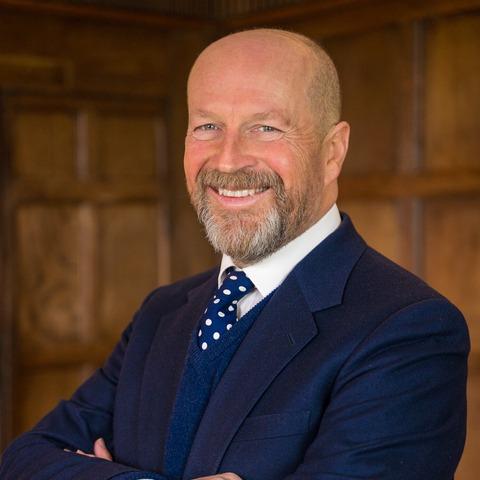
In this episode of all about business, James speaks with Sahar Hashemi, Entrepreneur, Author, and Founder of Buy Women Built. They talk about Sahar’s journey over three decades building businesses, backing herself, and why entrepreneurship is far simpler than most people make it.
Sahar shares the hard lessons from scaling Coffee Republic to 110 stores and what happened when they handed the business to the professionals. She talks about what she learned about founders staying close to their customers, why bureaucracy is the silent killer of entrepreneurial culture, and why the moment you lose sight of who you are serving, is the moment a business starts to decline.
Together, they explore what a startup mindset actually looks like in practice, how to know when a growing business is quietly losing its edge, and why the single most important thing any leader can do is keep their people connected to the customer. Sahar also makes the case that something done badly is better than if it’s not done at all, and that the best thing any aspiring entrepreneur can do is start somewhere, however small.
Timestamps (Video)
4:03 discovering New York-style coffee
10:20 the decision to leave law
13:09 first Coffee Republic
17:44 going public
27:29 the tweet that sparked Buy Women Built
35:55 the Rose Review of entrepreneurship
41:33 the startup mindset
52:07 no plan, just purpose
Follow James Reed on LinkedIn:https://www.linkedin.com/in/chairmanjames/
Follow Sahar Hashemi on LinkedIn: https://www.linkedin.com/in/saharhashemi/
Find out more Buy Women Built here: https://www.buywomenbuilt.com/
Submit your application to Reed’s Entrepreneurs Fund for a chance to win a £20,000 grant: https://www.reed.com/entrepreneurs
Well, today on All About Business I'm really delighted to welcome Sahar Hashemi. Um, thank you for coming to the studio, [00:01:00] Sahar. Thanks Sahar is a British entrepreneur, author, and campaigner. Um, she's known for founding or co-founding, I should say, with her brother, Coffee Republic, um, back in 1995.
Since then, she's founded other businesses, one called SkinnyCandy in 2005. But now most importantly, uh, Sahar runs and, and is building a movement called Buy Women Build, um, which we'll come to in a few minutes, Sahar. But thanks, as I say, for coming to [00:01:30] talk to me Yeah, thank you for having me I'd, I'd love to know the origin stories of Coffee Republic, that first business of yours that you opened in 1995.
I mean, what made you think it was a good idea to bring coffee to a nation of tea drinkers back then?
Sahar: Um, uh, well, you know, I mean, the only reason I thought about it was because, um, I wanted to drink, uh, the sort of the skinny lattes I saw in America, and I couldn't find them here. And actually, just coming to this podcast, James, um, you know, I was brought up [00:02:00] in the legal world for five years.
I was a solicitor literally around the corner from here, and I would spend my time to, in the sandwich bars in the kind of early '90s- Here in Chancery Lane. Yeah, yeah Literally in Chancery Lane and Holborn. Um, look, you know, going to the sandwich bars where you'd get all the sort of sandwich filling first thing in the morning, and then at the back would be this horrible coffee machine that, you know, and people would be queuing up for, like, you know, what you called back then a cappuccino- Right
and it would come in those horrible polystyrene cups with the lids [00:02:30] that used to steal the foam off your cappuccino Right Um, and I was brought up with those, and just coming here just really reminded me of those. So that was the world I knew. And obviously, you know, coffee is a- an addiction. You know, if you start drinking coffee, you've got to drink it every morning.
So you've got to get your fix somewhere
James: Yes, I, I'm aware of that Yeah. So- There you go ...
Sahar: um, so it was really when I went to New York, um, looking for a c- caffeine fix, and I found these New York-style coffee bars, um, that I just fell in love with them, [00:03:00] and I just couldn't believe we didn't have them in London.
Uh, but I didn't look, look at it as a business idea. Um, literally I was a lawyer at the time. Um, I just thought, as a customer, I can't believe we don't have them here. You know, we- But you, I mean, you probably
James: weren't alone in that thinking that. I remember sort of thinking that a bit 'cause I'd- Yes ... studied in the States.
I know my wife, Nicola, when she came to visit, she, she loved the coffee in the States. And some of us have a little regret that we didn't do this, but you actually did it. I mean, you [00:03:30] saw this difference. What, what mo- Yeah, I mean, you know- What moved you from being a lawyer to saying, "Hey-ho, I'm gonna start something in the coffee business"?
Yeah, I mean, it w-
Sahar: it was, it was a sort of, in my personal life, there was a series of events that had happened. My dad had just died. I, you know, I'd been a lawyer for five years. Um, I loved the beginning of it, but as I qualified, I could see everyone else was sort of thriving, and I could see on a personal level, you know, it was great when I was at Arthur Clark training, but once I qualified, I sort of realized, I sort of knew I wasn't really playing to my strengths 'cause [00:04:00] I could see other people really blossoming, and I was just going like, "I hate this."
Like, "This seems to be torture." It wasn't for you. Uh- Yeah, exactly ... torture. Yeah, it was. Time to change. It was pure torture, like- Yeah ... kind of drafting documents, you know. And it's really bizarre, like, you know, the 20-something old me that would just be looking at the girl in the next cubicle to me, seeing how she was sort of really blossoming in this position once we'd qualified and see myself going, "Ugh, I hate this."
And I think sometimes, um, you know, thank God I left 'cause otherwise I would've [00:04:30] just thought I was a mediocre lawyer and I would've gone to a mediocre law firm 'cause I'd sort of started somewhere wonderful and ... You know what I mean? I could just, my whole career could've just gone- Well, listen to you, I'm
James: thinking this, this is a journey that a lot of young people, you know, are going through right now.
You know, in our 20s we try jobs, don't we? And they- Yeah ... they're not always for us, and it-
Sahar: That's right ... just
James: sort of realizing that's such an important part of that journey.
Sahar: Yeah, but I mean, funny way, um, I think it takes a bit, like, sort of wisdom of, of age to realize 'cause you gotta be pretty confident to [00:05:00] realize this is not for y- for you, you know?
And for me, I thought there was actually something wrong with me 'cause I was like, "I'm actually quite mediocre," 'cause, you know, that's all I saw. Right. You know, that's the thing about being young, right? Like, there was this girl, Isabelle, you know, next to me, and she was just, I could just see she was doing so well.
Yes. And I, who started really well, was just like literally going downhill. Um, and I could have thought at that moment that actually I'm not really great and that I thought I'm, I'm never gonna be really great at what I do 'cause I wasn't as good as her. Right. Um, and [00:05:30] then I got saved by this idea, so that's why exactly for young people, it's if you're not good at something, if you're not enjoying it, which is often, I think, they go together- Happens a lot.
Yeah ... right, if you don't enjoy it, by definition you're not good at it, um, it's a question of you just gotta open as many doors until you find that one thing- That you're gonna be good at, and I really believe that actually if you keep looking, you are gonna be good at something. And the only reason why people never find that, 'cause they don't keep looking.[00:06:00]
James: I love that. But you were saved by an idea.
Sahar: Yeah, literally. I mean, like, kind of, um, a, you know, a k- I s- I believe in sort of gratitude, just I kind of learned a new idea- Mm ... of gratitude, that actually, um, we don't deserve a- anything, you know, everything we get is a sort of gift in a way. Right. And when I think about it, um, you know, that idea coming to me at that moment in New York in the morning, um- So describe
James: the moment.
What happened in New York that morning? Yeah, so it's at the m- I mean,
Sahar: New York was jet lag, looking for a cup of [00:06:30] coffee, you know- Yeah ... thinking, "I'm in New York. I'm gonna get, like, go to a diner and, you know, how there's these sort- Ah ... of diners, and they get these white mugs, and they keep pouring you endless coffees," and thinking, "That's that."
And then, you know, I literally was walking down Madison Avenue, and I came across one of these new-style coffee bars called New World Coffee. That was before even Starbucks had gone to New York. Um, and I just fell in love with it, but I fell in love with it, like, thinking, "God, it's, I can drink a skinny latte."
I'm always on some sort of diet, so I was like, "I could drink a skinny latte every morning. How wonderful." Um, uh, but I didn't [00:07:00] think that this was a business idea, so that, really, New York was just me getting, you know- Mm ... falling in love as a customer. And then it was when I came back to London that I told my brother Bobby, and I was like, "I can't believe it, you know.
I just wish we had those New York-style coffee bars." 'Cause I was like, "It'd be such a difference, you know, if I was in Chancery Lane, to have one of those New York-style coffee bars." And I never, ever said it with the intention of starting it, 'cause I thought, "Other people open coffee bars. I don't. I'm a lawyer.
You know, I should go and get a job as a lawyer." Um, you know, [00:07:30] I couldn't quite understand why I had to provide a solution to my own problem. Sort of, do you know what I mean? That's kind of- It's a good
James: idea if you can ...
Sahar: entrepreneurship. Exactly what I want, and if you, um... And so that was, and I literally, when I told him, he got the light bulb because he had always wanted to be an entrepreneur, and he was an investment banker.
And he said, "You've just given me the business idea I've been looking for all my life. We should bring American-style coffee bars to the UK." And my reaction was, "Hang on a minute, you know, Bobby. I just meant I just wanted someone else to open it." "So [00:08:00] do tell all your friends," you know. Suddenly
James: you're a barista.
Do you
Sahar: know what I mean? Literally, I was like- Yeah ... "Do tell all your friends." From barrister to barista. Do you know what I mean? Literally. Yeah. Um, actually, that's, that's a very good, uh, title. But it, you know, I was just like, "This is what I, I've trained all my life to be a lawyer." Like, you know- Yeah ... I, it, I can't tell you how alien the concept was of leaving the law and starting something.
Like, I mean, it was just something that I just, my mind just couldn't, that it was just never part of any remote vision- Yeah ... or thinking for me, the idea that I would start something. I never [00:08:30] wanted to be an entrepreneur. I didn't even know what entrepreneurs were. I mean, when I was growing up, that was the sort of late '80s, early '90s.
I mean, there was-
Flo: Yeah ... I
Sahar: suppose Richard Branson, but you don't really Had heard about that much from Richard Branson. There was- No ... maybe I'd heard about Dame Anita Roddick, maybe. Maybe not I w- I used to work for her. Oh, really? Yeah, no, no Gosh, she was an amazing lady She, she was
James: an amazing woman. Yeah. So no, entrepreneurs weren't sort of the, the sort of- No, it wasn't like an option
category or the, yeah
Sahar: Yeah. No, it was definitely not an option. So, [00:09:00] um, yeah, and then, and then basically, um, to answer your sort of initial question is the only reason I did it and didn't let the idea get into my head is, um, I sort of started acting and actually has since become my motto in life, is anything worth doing is worth doing badly.
You've just gotta start small and start somewhere. Mm. So I sort of got on... I literally left my house and got on the Circle line and bought myself a tube, tube, um, pass for a day, and got off at every single of the stops on the Circle line to see what there [00:09:30] was. Um- Right ... you know, then therefore my mind that night was like, "Oh, wow, there's nothing like it."
And then the next day I called up a friend who was in property saying, you know, "How do you lease shops? Like, what happens with that one?" And then just- So you went on the
James: Circle line to see if there were any existing coffee shops? Yeah,
Sahar: I just went to see what it was like- And there were none ... 'cause I'd never...
And then I got, there was 27 stops on the Circle line. Um, I, I started in High Street Kensington, and I got off at every single one, and I went up the escalator and I was like, "Okay, let me simulate the experience of someone working in the area." Yeah [00:10:00] Walked out, looked around, and there was nothing. Kind of got back in again.
That was market research, right? 'Cause as an entrepreneur, you can't really afford sophisticated market research No, it's inter- I never knew
James: there were 27 stops on the Circle line Yeah,
Sahar: so it's like-
James: But you know them all. Yeah, I knew, 'cause I knew if I got up- And you know what it looks like when you go outside Yeah.
Yeah, exactly. Got near- So that was your first piece of research
Sahar: That was my research, yeah That was a good idea Cheap, doesn't cost anything- No ... apart from one day tube pass on the Circle line. But you know, I think a lot of entrepreneurship is you've gotta persuade yourself, you know- Right ... you've gotta really [00:10:30] believe in it.
Um, it's not about persuading someone else. You've gotta get the first buy-in. Yes So if you don't believe in it yourself, that there's nothing... 'Cause as a customer I loved it, right? So that's a start. But then does the market have anything like it? Does it already exist? And you've gotta really go out there and see that with your own eyes, feel it.
Yes Really, really kind of, um, internalize it, I think.
James: Oh, so interesting. So having done that and sort of convinced yourself, [00:11:00] what did you do next? Where did you open your first coffee
Sahar: bar? Um, it took a year to open the first one Took a year Yeah. It took a year So were you still
James: working as a lawyer or- Um, no, no, by that stage You'd sort of- Yeah
you'd committed fully to this Yes.
Sahar: Yeah, exactly. Yeah I comm- actually not voluntarily, to be honest. No. Um, it was kind of a- One way or another
Flo: Yeah. Right
Sahar: Yeah, I hadn't committed voluntarily. I was actually desperately looking for jobs, and then there was one point when I was like, actually the hell with this.
Let me just pursue this." 'Cause, you know- Right ... it's, it's very demoralizing looking for jobs. It's probably the most demoralizing thing in the world- It can be, yeah ... sort of. Yeah, and funny enough, [00:11:30] um, that first conversation I had with my brother, I'd just come back from some headhunters drinks. Right. And they give you co- you know, yeah, so
James: So where was the first Coffee Republic, Sahar?
Sahar: Um, the first Coffee Republic was in South Molton Street. Right. And it took exactly a year- But that's not on the Circle line ... that's not on the Circle line. But that was, like- Ugh ... literally a friend of a friend knew of a T-shirt shop that was going out of business. Right. So we could take on the lease. You know, it's all, like, it's all what I call scrappy.
We used to have an office
James: in South Molton Street. Oh, really? Yeah, I remember [00:12:00] your Coffee Republic- Yes ... in South Molton Street. Our office was the William Blake House. Oh, really? Which is- The halfway up. Yeah, which is still there. Yeah, it's
Sahar: a good place, South Molton Street, 'cause you get- Yeah ... office workers, you get shoppers, you get tourists, you get, uh- There's a lot of through f-
James: Yeah
footfall.
Sahar: Yes, exactly. It was when the doorman at Claridge's would queue up and get lattes for the guests, 'cause obviously, you know, at that time- Oh, that's a good sign ... I mean, when you knew that- So
James: all your New York, all their New York visitors- Even, even at Claridge's, you
Sahar: would not be able to get a latte, you know, in that traditional sense-
or [00:12:30] a skinny latte, and literally he would queue up. You didn't think opening a concession in there. I wish, I mean, I wish it was those days where you had your mobile phones- Uh ... you could take a picture of everything at every given time- Yeah ... of the guys from Claridge's queuing up for- So the Claridge's footfall
coffee for their clients ... was clearing up. Yeah. That's
James: brilliant. So you knew you were onto something at this point, I'm sure. Oh, hang on, they've got a s- s- sound interruption. Don't get tangled up. I'll ask the question again when this police car's gone past. That's a hazard of London.
[00:13:00] So, Sahar, you knew you were onto something when you saw these queues.
Sahar: And Dave, do you know what? I mean, I suppose, you know how it is, you never really know you're onto something. Like, I do- I don't think you ever know. This is sort of a bit of a myth, I think, that people think, wow, you know, it's a whole sort of overnight success myth.
I definitely think, I mean, my head was, you know, both Bobby and I, we were just up to here with, like, issues with, you know, sort of staff and how to clean the store and how to get more customers in and how to get suppliers. So you never really [00:13:30] kind of... And I think that is the thing about entrepreneurship, is you're never getting that little sort of vi- you know, navel-gazing kind of- Yeah
oh, is this a success. You just don't have time, right? I think that is actually my advice to everyone, is actually stop navel-gazing and getting a helicopter view of how is this going. Right. Because it wasn't going well. I mean, literally, um, the first six months, our break-even sales were 700 pounds. For the first six months, we were making 200 pounds of sales a day, and, you know, 200 pounds of sales a day, my poor mom was [00:14:00] coming in, drinking as many cappuccinos as humanly possible.
You know, trying to... So you know, you know, this was like-
James: What, you needed to make 700 pounds a day?
Sahar: Yeah, to break even. That was, like, the break even number. That's a lot, yeah, that's a- And, and yet it was-
James: Oh.
Sahar: And you know, yet we were making 200, you know, you know, if you discount my mom drinking cappu- you know, it's not many customers.
So it's just, I sort of always wanna tell people that- It's kind of staying at the table long enough, 'cause there's no such thing as, you know, imagine we were the f- one of the first coffee bars. I mean, there was a Seattle Coffee Company who'd opened the same time- Yeah ... as us. [00:14:30] You know, it's been the biggest sort of, I suppose, revolution on the high street.
You know, everyone's now drinking those things. Yeah. But everyone thinks overnight success. Actually, it wasn't. It takes a long time to convert people, and you've got to get that into your business model, and not only your business model, but into your own head and your own expectations, um, that actually it's not instant.
James: Yeah. It's not instant coffee.
Sahar: It
James: takes a long time to convert people. I think that's really good advice, 'cause I think a lot of people quit just before they're about to [00:15:00] succeed. Yeah, I think just
Sahar: be- because it's just we hear the sort of story of, oh, of, you know, of a huge success kind of thing. Actually, and when you really read people's stories, and I'm sure it's come through on your podcast, it's never like that, is it?
It's always really small, scrappy starts, you know, just kind of nothing- Yeah ... is like a hit like that, and we, we b- when we buy into that sort of illu- that thing about, you know, instant success, overnight success, um- We're kidding ourselves ... we're kidding ourselves. Yeah. And then, then we put so much pressure on ourselves, and then we [00:15:30] think we're not quite like everyone else, and then we don't focus on what we've got and really building the customer from the ground up.
James: Hmm. Hmm. No, I mean, I've, I have heard that, and I, I think starting small is, is also very important. Massive.
Sahar: I mean, I've just, like, if I was to say one thing- Yeah ... is sort of just start with what you can do with no budget, but that- Hmm ... is the biggest step you can take in anything. So, you know, for me, I kind of went there, and then I made a phone call, and then I kind of called up a coffee supplier.
Then I went to New York, and I took pictures of the coffee bar. [00:16:00] Just little, little actions, and I was so busy in the actions that I was never thinking, "Oh God, I'm a lawyer. Like, is this the right route for me?" Hmm. A coffee bar's gonna work in the U- in the UK? And I think the less we can overthink when we're on the journey and just do, just put your head down- Hmm
and just do, and then when you- Try stuff ... look back, yeah, and go, you know, "Oh- Hmm ... that worked."
James: So don't overthink.
Sahar: Yeah, I'm really, really against overthinking. Experiment. Yeah, just, just, just experiment. Just, you know, you're in the moment. You know [00:16:30] what to do. Just get up and do what you need to do next.
James: So you and your brother, Bobby, I mean, you built this business from 1995.
I, I think you, you ended up with over 100 Coffee Republics- Yeah, yeah, 110 stores ... around- Yeah, in five years ... around, around the country. What happened after that? 'Cause, I mean, I, I w- I'm not, it's not a secret you're not on the high street now.
Sahar: No, gosh, it was, um- Is it? No, um, terrible. So we got, we got to 100, and, um, it's really where I learned about what I speak about a lot to corporates now, about sort of entrepreneurial culture because, [00:17:00] um, we got, you know, we were very, very entrepreneurial when we...
Then we went to an office and kind of team, and the team was, like, really start-upy and scrappy, and just the focus was on the customer and the product. And everything served that, right? Like the customer coming in. And then as we got bigger, we sort of started hiring these big company types, we started hiring CBs.
And as they came in, slowly it was like, actually, you know, actually, you know, you're not a startup anymore, we've gotta corporatize this. We've gotta, you [00:17:30] know, create a real structure and stuff, and, um, and we sort of believed that, right? But then the more they came in and sort of set up silos and ... Ooh, sorry.
Set up silos and titles and everything for everyone. Um, and you could just see the more they did that, it's almost like you couldn't see the customer anymore. It was just became just a corporate machine- Right ... and the corporate infrastructure, and the processes and the systems, and you need them a bit, but when they actually kill the whole fire, which is out there where the customer [00:18:00] is, that's when it changes the culture into being corporate.
So, um, you know, very quickly the people that had been with us initially, they started feeling very out of place in that sort of culture.
James: So what, so how did that happen? Did you hire too many of these people too quickly, or are you looking back, you're thinking, "Well, we didn't need them anyway," or?
Sahar: Yeah. No, no, no, um, we definitely did need them 'cause we were expanding, you know- Yeah
sort of, um, at that level of stores, but we didn't choose carefully 'cause I sort of at that time it was very much like, oh, you know, someone's telling me, you know, oh, and we had a board of [00:18:30] directors, um, 'cause- Mm ... we, by that time we became a PLC, and it was like, "Oh, good, you, you gotta professionalize." Oh, so you have,
James: you're a listed company.
Sahar: Mm-hmm. Oh. Yeah.
James: So when did you go, when did you float?
Sahar: Um, well, we floated at seven stores onto AIM.
James: You went onto AIM. Yeah. So that was a way of selling some of your shares, I suppose. No, not at all. Oh, my God, no. You didn't
Sahar: sell? No. God, at that time you're definitely not thinking of selling. Um, actually the person that, um- So you, what, what were you doing then?
How did you do this? The person's sort of rather famous, um, two of them. They were friends. I was at university with, [00:19:00] um, their daughter, and they had a shell company on AIM. Right. And they exited. Right. But not us. Oh, I see. Yeah. It was, it was them sort of reversing into their shell company, so it was their sort of clever financial- Right
scheme, but not for us, no. For us it was just raising money to the next level. I mean, you know, the- So you,
James: so, so you found yourself on AIM through this reversal.
Sahar: Yeah, through this reverse. Yeah. And also thinking this is a great way for us to raise money really quickly- Oh ... to really expand. 'Cause the thing about coffee bars is you're not gonna [00:19:30] drive to your local coffee bar, are you?
It's gotta be- No ... on your way kind of thing. So, uh,
James: AIM, for people listening who might not be familiar, is the alternative investment market, which was the sort of junior stock exchange- Yes, exactly ... in London. Exactly. Still exists. Yeah. But it was quite vibrant at that time.
Sahar: Yeah, it was vi- but, and then, and then that, that kind of brought with it, um, you know, brought with it sort of board of directors, and brought with it just- Bureaucracy
yeah, bureau- That's exactly- Ah ... the word. It brought with it sort of [00:20:00] bureaucracy, and then you realize that actually that bureaucracy has completely cut you off from- Everything that made you special. And at this time, Starbucks was coming in as well. Right. Um, Starbucks had sort of came in and, um, at, at the end of, um, I think '98, so it was, you know, took a while for Starbucks to come, but it's getting very competitive- Yes
and we've suddenly be- and me as an entrepreneur and my brother Bobby, we're feeling completely alienated from this culture that- Right ... is within our company, 'cause becoming a [00:20:30] really corporate culture, and the customer's way out there. You know what I mean? Yeah. You're looking, you've got mystery customer surveys, you've got...
Do you know what I mean? You've- Mystery cu-
James: When you used to serve them coffee yourself and could talk to them. Do you know what I mean? Yeah. And with
Sahar: customers, some, some hired person that is just filling out- Yeah ... a form when they go to a store, and, and that is becomes your data rather than that real feeling what the customer feels.
James: Yeah. I used to have a, uh, I had a colleague in one of our branches when I worked for it, and she used to do focus group research. Yeah, [00:21:00] cool. And I used to, uh, I used to enjoy asking her on my way, 'cause she used to do it in the evening to get some extra money. I used go, "So, what are you today?"
Sahar: Yeah, yeah.
Exactly. You're so right. She'd say, "Well, I'm a, I'm
James: a mom of three." And I, "Well, you haven't got any kids." Yeah, no. It was awful, but, uh, you know, just sort of ... And then, and then someone somewhere- Such a good point ... is looking at this as sort of gospel.
Sahar: Absolutely. It's the gospel. Absolutely. Yeah,
James: when there's no better way of finding out about customers than- Yeah
being in front of them.
Sahar: And then, and then, you know, the thing is, and I speak to companies now, you know, when you get your people out there with where the customer is, th- they sort of turn up to work [00:21:30] the next day a different person 'cause they've sort of found their own why, their purpose. Why do we do what we do?
Yes. Why do I come into work every day? This is who I'm impacting. But that sort of i- idea that hopefully companies are moving away from it, but shielding people from customer because they're not in the customer service department- Yeah ... is so wrong because- Yeah ... purpose doesn't come from, you know, you don't have to just be, you know, curing cancer or solving poverty.
Yeah. You know, it, purpose means I come into work every day and I'm actually doing something. I can see the end result of what I do. Um- Exactly ... [00:22:00] and, and the c- customer's where that's at, right?
James: Exactly. So, so you outgrew your name and then you went to full listing.
Sahar: Full listing, yeah.
James: So you, you looked for more of this bureaucracy.
Yeah,
Sahar: well, it was natural, I think. Well, it wasn't- I, I wasn't, it wasn't- Once you had a slice- But I, but I think- ... some, you wanted
James: more, did you? Yeah. Do
Sahar: you know what I mean? It was just- Oh ... it was just natural for that. And, you know, people were... You know, it was very exciting- So what was happening at the time- Then the-
that was the journey. Yeah, exactly. It was, you know, we, we were, like, sort of one of the fastest- Mm ... growing companies in the UK. It was, um, but- So then you're
James: full listing. Full listing, yeah. When, when are, when are we talking about now, so?
Sahar: Um, very [00:22:30] s- you know, very soon after the '97, probably '98. Right.
James: Um, yeah.
And then what happened?
Sahar: And then, um, so full listing. Then we're, my brother's CEO at that point. I am sort of, you know- Marketing- Yeah ... director of the sort of brand, but we've got more and more people in. And then it was that time where everyone sort of said, "Actually, Jinoir, I don't think it's healthy you guys being around the business.
You need to give it to the grownups to run. You know, you've done a really good job." Is that what they actually said? Yeah. It's, uh, but, but that was the feeling, James, back then. It was like [00:23:00] entrepreneurs were sort of almost pariahs after a while. You know, that whole entrepreneurial mindset didn't exist. I mean, we forget what it was like back then
James: in the sort of- No, that's quite shocking now, though.
Sahar: Yeah. When everyone's lo- I mean, God, I mean, everyone's looking for- I mean, we're all grown up, so I mean ... entrepreneurial mi- yeah. No, no, no, it was like entrepreneurs are not grown up. Like it was that whole- Huh ... sort of my being customer, um, wasn't really, that wasn't really enough 'cause you need to have- Yeah
you, you need to replace my own kind of customer instinct and that of the team with like [00:23:30] data and st- do you know what I mean? But
James: here, here you are as a lawyer, a, a business person with a track record, a successful business, and you're told you're not a grownup.
Sahar: Yeah.
James: Interesting.
Sahar: And I believe, and I, and I also, because the culture was different, the sort of fun had stopped because, you know, you're running a big company, and it was quite sad- Yeah
seeing it. You know, we, before when we opened the store, we'd sort of, all of us would be there like tacking the stuff, making sure it was like... I'd sort of turn up like some sort of, you know, some member of, I don't know, some dictator leader, you [00:24:00] know, at the store- Yeah ... opening, kind of cutting the ribbon- Yeah.
That's right ... with no idea what was happening- ... kind of thing. And, um, I didn't love it, and I really thought- Dictator. Really? That's
James: not good. No. Right.
Sahar: And I sort of thought maybe, um, maybe our time is up, and we were quite... And, you know, I, I, I, I come that, I come across that a lot. I think it's quite tired. On- people get tired, and they actually need a break.
They don't need to sell. Yeah. Don't you think? Sometimes you sort of- Yeah ... people wanna sell their business 'cause it's just relentless. Yeah. But sometimes you just need a break.
James: [00:24:30] You could've had a sabbatical.
Sahar: Do you know what I mean? Literally- Yeah ... a really nice long holiday not thinking about it. Um, anyway, so, you know, I mean, mistakes, I'm not gonna blame anyone else.
I'll just blame ourselves for leaving- Mm ... for believing that actually you hand the company over to professionals that can run it. Right. Um, and then, of course, they didn't run it at all within, you know, we kind of left the company with 50 million, million pounds in the bank. Um, they sold-- They, they spent the whole, you know, it just took...
We left in 2001. By 2009, the company [00:25:00] went into, um, administration. Yeah, just like a slow decline, and you could see it every day when I went to the stores. It just became unbearable after a while. Right. We used to still go 'cause we loved it, and then you just see it becoming dirty and then, you know what I mean?
There was just like a film of-
James: Just poorly managed.
Sahar: Yeah, of just not caring, right? Right. No
James: one caring. Yeah. That's so sad. Yeah. But yeah, I can see how that happens. I mean, you see that
Sahar: Yeah, absolutely Oh, well And for a founder, it's sort of really, I mean, there could be 100 founders But that's
James: why owner-managed [00:25:30] businesses are often so successful- That's right, yeah
'cause there's people there who really care about it
Sahar: Yeah Yeah Or you hi- make sure you hire someone. Uh, uh, yeah And I think the thinking is very different now, that actually doesn't see the entre- the founder as the enemy. Yes. You know what I mean? Like, whereas before it was very much like, actually I could only run this, and this is what the people at, at, um, at, this guy we hired, hopefully he's not listening, um, that he was very much like, "I can run it, but I don't want the founders anywhere there."
Yeah You know what I mean? Like, whereas actually, as Anita Roddick used to say, the founders are the umbilical cord to [00:26:00] the business. So if you're actually running- Yeah ... the business with the founder on your right, right, in your right ear, telling you the soul stuff that you- Yeah ... don't understand, that's actually a really com- good combination.
You're gonna do your job much better. You're gonna succeed much better.
James: Exactly.
Sahar: But people didn't think that before.
James: Right. So we've learned. So you're now doing something very exciting, which I believe came out of what used to be called a tweet, but is now a post on X, uh, during the pandemic. [00:26:30] Tell us about Buy Women Built.
Sahar: Oh, well, um, no, thank you for coming to that because I always used to do these podcasts, James, and people would be like, "So are you gonna do anything else?" I was like, "No, I'm just gonna write books." Yeah And, you know, then people would be like, oh- One of which is behind you Oh, really? Lovely. That's actually wonderful.
Yeah. And I'd be like, "Actually, yeah," I mean, you know, I don't think I can start... You know, I haven't really got it in me to start another business. Um, but I really missed it. I, you know what I really missed was I missed, um, I missed the [00:27:00] struggle, you know? Right. I missed the struggle. I missed not knowing what to do.
I missed being so stuck that I had to just out of a clear blue sky, just come up with a solution and do something. Do you know what I mean? It just... I think that's what's really addictive about entrepreneurship- Yeah ... is the struggle and not knowing and that kind of... Yeah. But anyway, I never thought I, I could.
James: No, no, but I, you just, you just rang a bell for me. I, I think entrepreneurs are like artists, you know, they never retire. [00:27:30] Yeah I mean, once you're an entrepreneur, you're an entrepreneur. But what, but, but- And you, you clearly are an entrepreneur ... but what, but what, but
Sahar: what do you think you're addicted to?
Like-
James: Well, I, that's a very good question. You're addicted to something To the struggle. I think you're addicted to the struggle Yeah. The struggle would be your answer to that question. Yeah.
Sahar: I think you're addicted to the, you know, to- Yeah ... to the need to be scrappy for the hustle, for the kind of having to use every part of your brain and everything you've got to kind of...
You know, when you're used to, it's almost like, you know, I suppose that's what the high of like- Yeah ... I've got no... And it's not the high of [00:28:00] success, I think, it's the high of-
James: It's a sort of restless spirit, I think Yeah. It's just like- Yeah ... you know, something
Sahar: you really want and how am I gonna get there?
And it uses- Yeah ... some, a part of you that when you're not using it, you feel very, very empty. Yeah. And I had that, those moments in, in entrepreneur- So you felt empty at one- Yeah. God, yeah, absolutely. Wow. And I, I remember I wrote three books, and that was, you know, and I would tell them- And you
James: were, you were, your books were very successful.
Sahar: Um, yeah. No, they were good, but- A Financial Times prize winner and things like that. Thank you for saying
James: that. Yeah, yeah, no, that thing is absolutely.
Sahar: Yeah, and then, um, probably, and then so, um, [00:28:30] then I was, like, doing a lot of speaking about this entrepreneur mindset 'cause it was a real bugbear. What happened?
What did we get wrong? Yeah. And how could company... It was wonderful once companies started thinking, "Okay, you're right, actually," 'cause how could they have bottled up all that passion you had as you grow so that- Mm ... you know, s- growth and o- and entrepreneurial spirit are not, like, are, are kind of can come together.
They're not- Mm ... opposite. That you sort of... Which is what I call my book Startup Forever. But, you know, to have to be sort of... But anyway, um, then COVID hit, and [00:29:00] then I was doing no speaking whatsoever. And, you know, sometimes they say if there's nothing, you know, that empty space is when- Mm ... ideas come because you're sort of receptive to ideas.
Um, and then I saw the tweet, literally, I just remember where I was. What did you say in your tweet? The, the, it's someone's tweet that I, I- Mm. And I had time to actually look through Twitter- Mm ... 'cause normally you're sort of, um, scrolling, not, not knowing what you read. And, and it was, "Not all of us can invest in women, not all of us can mentor women, but we can all buy from [00:29:30] them."
And it was just really that idea that, um, you know, we talk a lot about, like, supporting women, but the easiest way to support women is there are so many women-built brands out there, if you just buy from them, you know. Everyone talks about investment, but the best investment a business can get is- Customers
customers, right? Definitely. And we always forget that in a Series A, Series B- Yeah, yeah ... women can't raise money through investment. Well, the business has gotta be great, and, and, you know, that's kind of, it's through turnover that you're going to ... You know, that's really where [00:30:00] every business should be looking at.
And I knew quite a few women-built businesses, and I thought, you know, the pity is people don't know that there are so many w- brands out there that are women-built. Um, and I'm gonna start something. And it was actually, um, it was the same time during the pandemic when we'd had the very, very tragic murder of Sarah Everard in Clapham Common- Yeah
if you remember. Terribly, yeah. I
Flo: do remember. And it was
Sahar: just... And all these girls, it was just literally that time- Mm ... when all these girls were going with their vigil. And I kind of thought, there's such a big ... You know, these young girls, [00:30:30] they wanna support women. Mm. They wanna say ... There's something that we need to come together.
Wanna support
James: each other, yeah. But, but
Sahar: what about coming together for something really positive, is what I mean, is- Mm ... Me Too was brilliant, but, you know, it's just something that actually has, you know, it's, it's really positive we can do towards it rather than say what we haven't got and why. Mm. You know, I k- I kind of banned that word of which I'm gonna say the 2p out of every pound goes to women-built businesses.
Do you know what I mean? I just- Mm. Is that gonna help anyone start a business? No. Um, and it was really on the back of my sort of work, my title, my [00:31:00] first book, Anyone Can Do It, 'cause I believe anyone can do it, and women make amazing entrepreneurs. So anyway, there and then- I decided to start a movement to, um, kind of a consumer movement to shine a light on women-built brands, to tell consumers, did you have any idea all these brands, um, around you are women-built?
Um- S- ... which is what became Buy Women Built.
James: So Buy Women Built spelt B-U-Y- Exactly ... Women Built. Exactly. God, it's got a nice play on words. Yeah. Um, where can people find [00:31:30] this and, and how do they see, you know, which companies are in the- Yeah. Well, well, at, at moment- ... movement ... we've, we've
Sahar: got a mark kind of on our, um, on, on, on all the women-built packages, thousands and thousands of them.
To give you an idea, if you go on Ocado, there are 100 and... There's a whole Buy Women Built aisle on Ocado. Um, at Tesco- There's an aisle? Yeah, a, a whole aisle. Okay. You could sort of go under, like, the different kinds of aisle. So you can look for Buy Women Built and it's all there. Yeah, exactly, and, and the sort of 120 brands come up.
Um, we took over all the windows of Whole Foods, Tesco, Holland & Barrett, Planet [00:32:00] Organic. Um, and that's really, that's since I got the idea. This is really the sort of three, four-year journey of Buy Women Built. Is there a website as well? There's a website. There's a directory of women-built brands, and then behind it, um, what I love is a community of 2,500 women-built brands.
And these are all brands that people would know from, you know, Little Moons, Marshies to, um, let's see. I've got a minute. Child's Farm to kind of... I've got a complete men- um, Biotin for dairy- Yeah ... to, like, much smaller brands. So the, you know, a lot of them are big, [00:32:30] big consumer brands that everyone knows, to much smaller brands.
And this community, I love the community. We've got a community app, and women are kind of collaborating, all the... It's all founders of consumer brands. Right. Um, yeah. I'm gonna
James: tell my wife, Nicola- Oh, my God. Like, if she's got a thing s- ... she makes sure Beeble is on Wi- Buy Women Built. Because
Sahar: basically, um, and we- Ah
Nielsen did a, some research for us last year, and when someone sees a Buy Women Built logo, um, it doubles purchase intent. Right. Um, yeah, and for example, you know, with, um, Ocado, with Whole Foods, with Tesco, we've seen, um, [00:33:00] a minimum 20% uplift in sales when people know a brand is women-built. Because, you know, in this days, in this sort of day and age where everything is so sort of impersonal and disconnected, when you know the founder, when you know there's a woman, and 90% of our founders started from a personal need.
Right. So it was something they couldn't find for their family. Yes. You know, women are solution providers, right? So there's something like their daughter's got eczema- Yeah ... she starts Dr. Pulpu. You know, she's got an allergy to something, she starts this sort of- Yeah ... allergy-free brand. [00:33:30] So it's just everything is a solution 'cause that's what women are, and, and it's incredible.
And I have been doing this now, um, you know, for over four years, and I'm pretty good at due diligence from my lawyer days, but still brands come up. To this day I'm like ... And we're, you know, quite a small country, right? And I'm like, oh, my God, I had no idea this brand was women-built. You know, it's still to this day- Right
we have not covered everyone.
James: Yeah. I, I, I hope you manage to find many more, and I hope- Yeah ... there'll be women listening who are [00:34:00] encouraged to start businesses- Yeah, 'cause you know- ... and join the- ... they, they are
Sahar: proof that, you know- Yeah ... and they come in all shapes and sizes And, you know, the only way, um, you know, you can't be what you can't see, right?
And for so long we're very good in this country of saying what we don't have and criticizing. But actually I thought let's just change the script. Instead of saying what we don't have, and what women specifically don't have, um, and I'm just gonna do a proviso, James, that the reason I'm doing this is because of the Rose Review of Entrepreneurship that came out that I was involved in.
And in the UK we have [00:34:30] 30% less female entrepreneurs than other developed countries. Can you imagine? And that costs the UK economy 200 billion.
James: So j- just tell us a little bit about the Rose Review. And was it, it was Alison- As you've mentioned it. Yeah. Yes.
Sahar: It was the Alison Rose Review of Entrepreneurship that she did about female entrepreneurship, and that was really the catalyst for me.
James: So that was looking at the whole- Yeah, so what- ... sort of landscape ... yeah, and I had no
Sahar: idea that we have thir- you know, in a country like that- And why is
James: that, do you
Sahar: think? You, you know, confidence. Women don't think they've got the right skills. That, that's all that is. Right. It's literally, it's visibility, and [00:35:00] that's why kind of in a way Buy One Build One was my solution to, um, you know, obviously funding is an issue, but, you know, you gotta have a good business to be funded, right?
Like, yeah.
James: Sometime, I, I've ... It's interesting to me in recruitment, uh, and also when people put themselves for pr- for promotion, women sometimes just don't apply or put themselves- Yeah, absolutely ... when you kind of wish they did because they are qualified or, uh, uh- That's right ... there's a sense I think in some people's minds that, you know, unless I can tick every box of what this job's description requires- Yeah[00:35:30]
then I shouldn't apply. Well, that- that's absolutely not the case.
Sahar: That's right. Yeah.
James: If, if, if you, if you've got some of it and you think you can grow in the role, apply.
Sahar: Yeah, and when women especially, women have like almost- Mm. ... it's the opposite of sort of arrogance. They feel they, they have a, it- it's sort of misaligned feeling- Yeah
that they haven't got the skills.
James: There's something in our culture that seems to make that happen- Yeah ... which is unfortunate. I g- so you're really addressing this, I'm, I'm pleased to hear that. Yes. I, and I- Yeah ... I kind of
Sahar: practically, and I'm really proud- Mm ... of the fact that you can see it everywhere. [00:36:00] And, you know, some, my idea is that some young girl sitting at the breakfast table, you know, maybe she doesn't h- get that much inspiration from her mom or the women in her family, and she will pick up the jam, Fern and Rosie, she'll pick up the milk ex- Mm
um, uh, uh, um, uh, you know, the, the milk brand or the peanut butter brands- Yeah ... Paper Knots, and she will see that it's built by women. And when she sees, wow, I love this peanut butter brand, Paper Knots, and actually a woman started it, so therefore maybe I can start a business too.
James: Well, I'm [00:36:30] thinking of you going into that coffee shop-
Sahar: Yeah.
James: Mm ... all those years before. Uh, is exactly right. So you, you, you've spoken quite a lot about the entrepreneurial mindset. You've made that a sort of focal point for yourself. What, what do you mean by a startup mindset? I'm, I'm very interested in mindset, and I once wrote a book called Put Your Mindset to Work.
Oh,
Sahar: really? Yeah. And I think it's very
James: important because it, it- It really- Yeah ... sort of changes our perspective on all sorts of things. Yeah. But what is a startup mindset? I mean, it is funny
Sahar: we actually, um, James, I've sort of almost [00:37:00] decided that we call it mindset, but it's not really, um, it's not really how you think.
It's sort of day-to-day behavior is actually what defines a mindset- Okay ... right? And startup mindset is exactly what we were talking about earlier, is, you know, um, having your eye on the customer 'cause that's where the money comes from, and I think, you know, that's what people forget when they join a big company.
You always forget actually that if the customer wasn't buying the product or buying the service, there would be no money in this company. It doesn't just [00:37:30] grow on trees. Well, I
James: tell colleagues, you know, the customer pays our wages.
Sahar: Pays, yeah. Yeah. People don't realize that. It's a really bizarre thing, but people actually don't realize.
It's
James: fundamentally obvious that yeah. They s- no, no, but it, it is really
Sahar: that connection. Yes. Yeah. People think your boss pays your wages. No. Do you know what I mean? No, customer. Or the management team. No. But it's actually, uh, you know, and when you're in a startup, you see that 'cause if the customer's not buying, there ain't no money to pay your wage.
James: And that also applies to the public sector, I think it's important to stress.
Sahar: Absolutely. We as
James: taxpayers are customers- That's right ... paying their wages. Absolutely.
Sahar: It's the recipient of the s- of whatever you're [00:38:00] doing. The service. Yeah. Yeah. So, so, so is that, so that mindset is actually by keeping yourself so focused on the person you're serving, and then removing, you know, a kind of, you know, that too much bureaucracy, too much distance between it, being too busy, you know, that sort of back-to-back diary, that kind of what I call comfort admin.
James: It is difficult though that if you're growing a business not to be sort of consumed by the requirements of running the business.
Sahar: Yeah, but- Like
James: you, you in a sense where that takes you away from the customer and from the- [00:38:30] Yeah,
Sahar: and it shouldn't, right? So I think the, the job- So- ... of a good leader is to always bring everyone back to the customers- Mm-hmm
and be aware that couple of stuff can come in, and, uh, you know, and I've kind of s- um, you know, worked with companies which, you know, tr- the more they try to be entrepreneurial is just like cut the bureaucracy. You know, do we need to have these processes? You know- Mm. Like even Amazon has a system whereby people can write in and go this pr- you know, we've gotta cull this process.
'Cause processes develop like weeds. Mm. And it's getting the processes out to, [00:39:00] to sort of simplify the road between the people that work in the company and the customer. Mm. 'Cause the more shielded they are, I think the more disconnected they are. And the reason why people are in a startup are so buzzy is because, the only reason isn't because it's like sexy or exciting or there's money there, it's because they're so close to the customer.
James: Right. That's the heart, the- And that gives it an, an obvious- The soul ... and immediate purpose. Yeah, exactly. Mm. It's the
Sahar: soul. You know who you're serving, you know what to do. It becomes really obvious. Yes. You know, 'cause when you see a customer's got a problem, and y- [00:39:30] you're seeing it in real life, when you go back to the office, you know, you don't have to kind of go on a brainstorming session to...
You, you just know that you have to provide a solution for it. You don't
James: have to send in the mystery shoppers. Do you know what
Sahar: I mean? Exactly. You, you- Yeah ... you, it just, you can't not provide the solution when you, when you have seen what the problem is Right And it's things like, you know, again, you know, being scrappy, doing things, not waiting for perfection.
Um, that's what startups do the whole time. So this is a couple of stuff that you can kind of, you know, bring in to kind of company teams and big companies to become much more aware. [00:40:00] You know, being clueless, asking stupid questions. I love asking stu- do you ask stupid questions? I love asking- All the
James: time
yeah. That's part of being a podcast host. But, but yeah, no, I, I, I like to say there's no such thing as a stupid question, but actually- Yeah ... there is. But why not ask them anyway?
Sahar: Ask them anyway. 'Cause look- Yeah ... I mean, if you're gonna be judging every question- Uh-huh ... before you ask it, it's sort of- No, quite
you know, no more poker face 'cause the world's changing so fast that you've just gotta, you know, we all know as much as each other, just gotta keep questioning it, especially in this day and age, right? I mean, the pace of [00:40:30] change is just amazing. No, it's incredible. Yeah.
James: Incredible. And what, what, how do you tell when a company or a team's losing its entrepreneurial edge?
What are the sort of warning signs? I mean, you mentioned a couple of things. Yeah, I mean, they- All the canaries are sort of falling off their perches. Yeah, look, I mean, I've got a very small team- What we should look out for ... of,
Sahar: um, of five of By Women Built. And- Oh ... as we're progressing, someone said, "Oh, you've gotta have an org chart 'cause you're all the sort of girls."
It also starts, you know- Org chart ... org chart. 'Cause they were like- No ... "Oh, this is not professional enough. So this, this way that, that, that, that you're running- No ... is just all very [00:41:00] chaotic and stuff." And I think that many of their friends must have sort of said, you know, "Is there any structure here?" So I kind of developed- Mm
an org chart. And we move very fast, and we've been growing very fast. And I sort of put this org chart, like, okay, you do this, you do that, this is your position. And literally within, like, 10 days, I was like, something feels different. No one's- Mm ... talking to each other. Everyone's just gone into their own silos.
And then I was like, oh, God, it's that goddamn org chart. That's what it's done. Right. 'Cause no one's looking at who we're serving, which in our case is the community who have the brands. Yeah. [00:41:30] You know, we'd just all gone into, like, that's all I do, and disconnected from each other. And you just feel it, right?
You just feel it. It's like something. It, it loses its effervescence, and you know a team that is effervescent because they're coming up with solutions, they're coming up with ideas- They're excited Interesting.
James: So what did you do? All get in the car and go for a drive?
Flo: No, literally, I took out the org chart- Tear up the org chart.
Sahar: and said, "Everyone," literally, like I kind of crossed out the things, and I said, "This is the org chart," but everyone's working towards the community- Uh-huh ... and the purpose of [00:42:00] what we do at By Women Built. And I kind of try to get everyone involved in quite a few conversations. It's not that ef- probably e- you know, not that efficient old style, but actually- Mm
when everyone's involved, everyone knows their bit of what we're trying to do, and we're sort of joined together as to who we're serving.
James: Do you all work tog- do you work in the same room, or are you sort of remote?
Sahar: Um, no, no, I hate remote. Are you remote?
James: You hate remote, did you say? Yeah. Yeah, no, I was just thinking 'cause if five people, you sit around a table, and if one of them is doing [00:42:30] something, the others might be doing something else, but they sort of overhear.
It's quite a- Good ... you're working in the same space- Exactly ... physically is very helpful.
Sahar: It's incredibly helpful. And I kind of find- Yeah ... even, you know, sometimes, um, Friday's a work from home day, and, you know, they kind of go, when they make a cup of coffee, they're with their roommates who don't work- Mm
at By Women Built, whereas I quite like all of them, when they work there, ideas come and, you know, we- Yeah, there's
James: this sort of energy as well that's, uh- Yeah, I'm
Sahar: really, I'm really, really, um, yeah, I think everyone should, should, should come in. It just, you just wanna be in the juices of [00:43:00] the company together- Yeah
and just creating, and even if people sort of say, "I get much more done when I'm at home alone," I'm like, "Actually, much more done what? Like what bit are you getting done?"
James: Yeah, that's a good question. So I read somewhere recently someone saying, you know, working from home was career suicide. Oh, really? I thought that was quite strong, but there is something in it.
Yeah. I don't think it's helpful in the long run.
Sahar: That's right, yeah. No, definitely. Okay. I mean, I, you know, I'm, I sort of, the level I'm at, I quite like to sit at home every morning in [00:43:30] my tracksuit bottoms. But, you know, I've kind of got a team. I've gotta, gotta get out there. Yeah.
James: Yeah, yeah. I'm sure they're pleased to see you as well.
I do think so. So what, so what, what happens, what, how does entrepreneurship get overcomplicated? 'Cause what you're describing is a pretty direct, simple, energetic approach, but it seems to get overcomplicated. That's
Sahar: right. Yeah, I mean, God, I mean, the, the, um, the sort of like 67,000 books on Amazon on innovation.
You know, because I think we, we've sort of got to feel, how can everyone get motivated? [00:44:00] How... Whereas actually, you know, I believe it's just really simple. Once you're with a customer, you can't not be motivated 'cause you know what problems they have. You'll know if what you're giving them is solving- Yeah
their problem, and it just re- it just seems so basic, but we just forget who we're serving, and I think in a startup, if you've been in a startup, it's so obvious. So hopefully, get that as a legacy that you carry through as, as the founder or as the startup team.
James: Well, uh, yeah. I mean, uh, it also applies to jobs 'cause in, in my book, Why You, I, I describe a [00:44:30] job as a problem to be solved.
You know, when someone's- Oh, I love that ... hiring someone- Yeah ... they're hiring them to help solve a problem. You know, like you're talking about here for customers directly- Yes, yes ... in the chain- Absolutely, absolutely ... towards serving customers. And I think when someone who's applying for a job realizes that a job is a problem to be solved, they bring an entirely different disposition to the interview.
That's right. Right? It's not what's in it for me, but how can I help solve this problem, or why am I the right person to solve this problem?
Sahar: That's right. Which is- I, I, I love that analogy 'cause it's almost like what I say is, it's you're not s- [00:45:00] selling, you're solving. Yeah. You know, and people go in like, "This is my product and I'm trying to sell it."
But actually if you sit in the shoes of the customer, which is actually you're the person- Yeah ... interviewing for the job, they, they need someone to solve that problem. Like- Yeah ... they've got an issue. They're looking for a solution. Exactly. So the more you put yourself in their shoes rather than you in the sell mode-
Flo: Yeah
Sahar: transmitting, and that's what people do, transmitting about their product, not realizing, you know, things have changed, especially now when things are changing so fast. It's sort of we've really gotta-
James: So don't get jammed on [00:45:30] transmit,
Sahar: you're
James: saying. Yeah. Make sure you're, you're part of the solution. No, I would agree with that.
Um, but thinking about your own career and, and what you've learned and what we've just been discussing with By Women Built, have you got any advice for people on how to decide whether an idea is worth pursuing? I mean, you said earlier you were saved by an idea. I love that. Yeah. I mean, I, I think ideas are so important.
But how do you weigh up whether this one's ... Uh, how, how, what's, what's involved here? No, no, [00:46:00] brilliant.
Sahar: I've got exactly the answer for you. You don't sit there weighing it up. You don't sit there kind of asking people or kind of plan A, plan B. You get an idea, it's like a gift from heaven, right? And you just go for it, and you just, you just try to kind of implement it.
And then fairly quickly you'll know if this is gonna work or if it's not gonna work. But you've gotta like pursue the idea and give your brain that, that, that message that if a idea comes, we're gonna try it out. Like I ha- I had a, um, like- I mean, [00:46:30] that
James: feels quite militant to me. 'Cause I mean, you might be getting masses of ideas.
You're not- No, well hopefully- ... trying to try them all. No, but then again, that, that's why. But like how do you curate ideas?
Sahar: Hmm. So my brain knows that when I get an idea- Hmm ... I'm quite serious about it. Oh. So for example, I mean, for, um- Before Buy One Build I got this idea, um, for, for dog, um, having sort of places for my dog to go to in London 'cause I had a whole issue.
And sort of in America they've got these like- Destinations
James: for dogs ...
Sahar: for, you know what I mean? That you can just- Oh ... put your, you know, d- a dog nursery kind of thing. Oh, right. And I just thought, brilliant idea, I'm gonna do a dog [00:47:00] nursery, because the idea came to me. You know, then started speaking to- So you're doing this
James: now?
Sahar: No, not at all. But because ... So that's why I'm telling you about an idea. Oh, okay. So dog nursery comes to me. Yeah. Instead of going to people, should I start a dog nursery? So it's in my head the whole time. Mm-hmm. I kind of, I remember calling up, you know, I probably spent 10 days. I did a business plan, then I started calling, uh, estate agents, and they were like, "Actually, do you know what?
Most of the properties we've got, like, you know, we want gyms and stuff. Dogs are messy, um, neighbors don't wanna have dogs around there." Hmm. So very quickly I was like, actually, do you know what? [00:47:30] I've spoken to, like, 10 agent, no one seems to want it. That's a real issue. Hmm. So maybe on a personal level, I was like, actually, I'm not gonna pursue this.
Um, I think, you know, someone else has started that, sort of that, that is successful, somehow they found a way. But for me, I sort of hit a brick wall. Hmm. But then next time my brain brings me ideas 'cause it doesn't think, I'm, they're not gonna send her ideas 'cause she just, like, wastes them.
James: Right.
Sahar: You sort of, do you know what I mean?
You're quite so you get something, you're like, okay. Yeah. That's interesting, I'm gonna pursue it. So I think a [00:48:00] lot of life is about, um, telling your brain, you know, I, I, I can do this. Like, send them to me, let's give it a try. And then, and then you sort of become more receptive the more ... Is that too woohoo or kind of like - No, no.
I'm thinking
James: about how do you get, you know, more ideas to come, you know? Yeah. Well,
Sahar: you don't want too many ideas, right? No. 'Cause the worst thing, I bet you know people who have thousands of ideas, that's so boring. I know people with lots- I mean, an idea's
James: worthless, right? They're worthless until you do something with them.
Sahar: Yeah, I mean, I, I, I- Mm ... um, with Buy One Build they're sort of natural peer to peer mentoring. So I, I've got, I'm at full [00:48:30] capacity, but before when someone wanted advice, especially when I wrote my books, um, Anyone Can Do It especially, about entrepreneurship, and there weren't that many entrepreneurs. And so, um, if I mentored anyone, I was like, I will never mentor an idea- Right
because I don't respect an idea. I will only mentor someone who's taken the leap, you know, gone for it, started, and then they can ask me, "Do you think I should get a new designer or is that logo okay? Should, do you think I should pursue this avenue?" But they're actually
James: underway.
Sahar: [00:49:00] They're on their way. Yeah.
Because I think an idea is like washing up liquid literally as you're sort of, I mean- Yeah ... a bubble. And it's abs- someone with an idea for me is absolutely worthless.
James: Right. So it's someone who does things that you're looking for.
Sahar: Yeah, just actually I, you know, I had an idea. Oh. This is how far I've come.
I've stuck my neck out, I've worked really hard.
James: Yeah.
Sahar: Can you help me? 'Cause I'm at a crossroads. Do you do- Do you know what I mean? Yeah,
James: you said you were at capacity, but do you do s- still mentor people?
Sahar: I mean, gosh, look, look, we have community of two and a half thousand, so I don't mentor them, but, you know, I think I can- You don't mentor
[00:49:30] give enough to ... Yeah. But, I mean,
James: but you're giving good advice now for people who are thinking about business. Well, just sharing and, yeah, just
Sahar: sharing what I know, sort of, yeah. Yeah. Or what I've, through the scars really, James, I think.
James: That's the great thing about a podcast. Yeah. You can share it with a lot of people.
Yeah.
Sahar: Exactly.
James: And so, uh, so you, you must move forward with ideas without fully knowing what's gonna happen next. Yeah. I mean, that's kind of necessary. Exactly. So you have
Sahar: no idea, so you gotta just take the step. Yeah. You're never gonna be sure. What, what surprised,
James: what surprised you the most in your sort of entrepreneurial journey?
Here's an idea, I think I'll [00:50:00] try it. Either good or bad, what was... Did anything catch you out? You think, "Wow, I wasn't expecting that."
Sahar: I d- I mean, God, life is all... You know, it's just- Yeah ... a sort of journey, right? Like, I don't even think, um, James, that much, and I think now, um, actually I... People keep asking me, as ByWomenBuilt's growing, "What's, what's your plan?"
And I'm like, "I haven't got a plan." That
James: was my next question. Really?
Sahar: Yeah. So you haven't
James: got a plan. But- I haven't got a plan ... but that's quite refreshing.
Sahar: Yeah, I just, no plan.
James: You have a purpose.
Sahar: It's so nice. Um, I, I wait to see [00:50:30] what's coming- Yeah ... and what's around us, and you know what I mean, what opportunities we have.
And then I'm sure to be kind of, you know, like a sort of warrior and the thing, just grab that opportunity. So you wanna be really opportunistic. So I wanna be awake- Yeah ... and aware and ready to grab the opportunity. And I find a lot of people I come across, they're so fixated about a certain route they've gotta take, that you're actually missing out on everything that's around you that you can grab at that given moment.
Um, and so I'm very much like... And [00:51:00] it takes, uh, like a tiny bit of, it's a bit counterintuitive, and I think people slightly like, "Ooh, you have got pl- you don't know where you're going." I'm like, actually, I know now where I'm going much more than I ever have, because my little teeny brain coming up with a little plan that I write in a business plan is so small compared to what opportunities we have in this world.
At any given day, what email we get, what phone call we get, what idea pops into our head, what someone says. Whereas I much prefer to be aware, and I think if I could live my life, I wouldn't be so dogmatic about, "This is what I [00:51:30] wanna do." I'd be much more like, "Okay, this is who I am. I sort of know... But this is in front of me.
Let me do this, and then let me see where it takes me. And then let me do this and let me take..." Do you know what I mean? It just... I, I don't know if you- Yeah ... if you know what I mean.
James: No, I do. Well, I'm thinking about it. Yeah. I mean, we do strategic planning, but it never turns out like the strategy. Exactly.
And I think it's very important to be agile and, and opportunistic- Yeah ... and to s- be super aware of what's happening, especially now, more than ever now- I mean, gosh ... because of the pace of change- Yeah ... with [00:52:00] technology.
Sahar: Exactly, and, and- Gotta move quickly ... opportunities are everywhere, and I kind of find sometimes in my sort of youth, the mistakes I made is just so dogmatic.
I want that, you know? I want my life to turn out this way. And I've learned that actually sometimes life, life turns out much better than you think, but not in the way that, that your little brain and your little ego that looks at everyone else and compares and then sets you a little... You know what I mean?
Mm-hmm. Like that, that whole idea of the sort of vision and the dream and stuff, it's so small compared to what opportunity we have. [00:52:30]
James: I like that. So a vision and a dream is small thinking Yeah,
Sahar: it, it, it's more, it's, uh, kind of the idea of the big dream- The universe has
James: much more to offer. I think that's a good- No, the idea of the big
Sahar: dream is something your teeny mind has made up- Oh
kind of.
James: Let's, let's embrace the universe. I like that.
Sahar: God, and I've gone really woo-hoo now. No, I think that's great. I'm not even woo-hoo, but I'm sounding a bit woo-hoo. No, no, I think that's great.
James: But it's like- So, so my last question, you know, in that spirit is, without asking for your plan, you know, what does success look like for [00:53:00] By Women Built in five or 10 years time?
Sahar: Yeah. It ju- it just looks like, um, every day I feel like, you know, I'm, I'm sort of doing my best. Do you know what I mean? And every day I'm alive and there's stuff coming through, and we're using everything, you know. It's just kind of, um, uh, yeah. And, and my, my, my dad, um, had this sort of wonderful saying.
He used to say, "Do your best and let God do the rest," in a way. So with By Women Built, I kind of just wanna be aware, see, see what we're doing, making sure we're doing, making sure my team [00:53:30] is excited, fully energized. You know, make- Can
Speaker 4: I just get you to say again, "From my dad had this beautiful saying," and we just
Sahar: heard a honk just before.
Always. And it was a very
James: lovely saying. Yeah. So, yeah, please say that. Yeah. Yeah, yeah.
Sahar: Um, I mean, my dad had this, um, uh, wonderful saying that, that stays with me, and that was, "Do your best and let God do the rest." Um, and that kind of means that sometimes we try to control outcomes and, and, you know, worry about, you know, plan A, plan B, that sort of planning bit.
Whereas actually if we just do our [00:54:00] best every day, and we don't need to have a plan for it, we know what to do every day. If we're fully awake, fully aware, fully in love with what we do, fully focused on who we're serving, we know what to do. What we need to do is becomes very obvious to us. So it just, it's just doing that every day, and it's the first ti- you know, I'm in my 50s, and, um, I'm living like that, and I'm working like that, and I can't wait to get to work.
You know what I mean? The weekend comes like, "Oh, I have to wait till Monday again." I just, I just love what I do, and, um, [00:54:30] and I'm lucky, and I never thought I would be in that position again.
James: Well, I'm very pleased that you are, and, um, and what a fantastic organization you're running, so thank you, Sahar- Oh, thank you, James
for coming to talk to me. I enjoyed
Sahar: it tremendously. Uh,
James: and for giving such inspiring advice and thoughts, um, to share. I, I found that fascinating.
Sahar: Good. I loved the chat. I'm gonna- When you said an hour, I was a bit worried then. It's a very long time, but actually it's flown by. I, I'm
James: gonna ask you two questions, which I always ask at the end.
I mean, you partly answered the first one, because at Reid, we [00:55:00] love Mondays.
Sahar: Oh, great. The heckling is- Yeah, there you are ... this is working subconsciously. So what is it, Sahar,
James: that gets you up on a Monday morning?
Sahar: Yeah. Just, just, just not knowing. I'm like, "Bring it on." Let, let's see what Monday brings, and it's just the excitement of just utilizing every bit of what I've got.
You know what I mean? Yeah. I feel...
James: I believe you. Yeah. And then the last question is, is from my book, Why You? 101 Interview Questions You'll Never Fear Again, is where do you see yourself in five years' time? [00:55:30]
Sahar: Oh, God, I don't even see myself. Yeah, I, I kind of-- I, I prefer not even t-to think or look. No. It's, it's too terrifying.
James: So you really are true to your, your word. Yeah. You're living in the moment.
Sahar: Yeah.
James: Well, good for you. And I hope there are many more moments to come. Thank you very much. Lovely. Thank you. Thank you. Thank you for talking to me. Thanks. Fabulous.
Sahar: Perfect. Lovely. Great. I, I, I enjoyed that. Thank you. No,
James: so did I.
This podcast was co-produced by Reed Global and Flamingo Media. If you’d like to create a chart-topping podcast to elevate your brand, visit: http://flamingo-media.co.uk/