




Watch the episode
Listen to the episode
Two things are clear. Britain's food system is more broken than most people realise. And Gousto is far more interesting a business than its recipe boxes suggest.
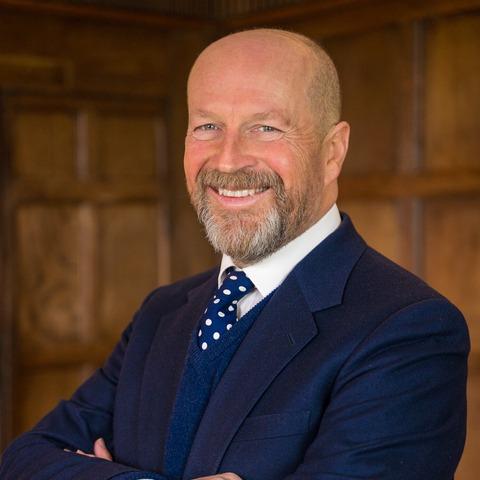
In today’s episode, James speaks with Timo Boldt, founder and CEO of Gousto, about building one of the UK's most ambitious food businesses from scratch and why, 14 years and 80 million meals later, he's only just getting started.
Timo shares how he left a career in investment banking to start again. With no money, no network, no customers, he shares what that journey has taught him about fundraising without connections, growing with your customers and building a business around a problem genuinely worth solving.
They also discuss how Gousto has used AI intelligently from the beginning, not as a replacement for people, but as a tool that makes the whole operation sharper; from cutting food waste and optimising factory logistics to building fully personalised menus that 80% of customers now rely on.
Timestamps
02:31 what Gousto does
07:17 from banking to startup
15:37 first orders hustle
26:28 making healthy food affordable
35:26 factories and delivery network
42:59 China trip and AI agents
Follow James Reed on LinkedIn:https://www.linkedin.com/in/chairmanjames/
Follow Timo Boldt on LinkedIn: https://www.linkedin.com/in/timo-boldt/
Find out more about Gousto and their products here: https://www.gousto.co.uk/
Submit your application to Reed’s Entrepreneurs Fund for a chance to win a £20,000 grant: https://www.reed.com/entrepreneurs
00:00:03:14 - 00:00:10:19
Well, today on All About Business, I'm really delighted to welcome Timo Bolt, who is the founder and CEO of a wonderful business called gusto. Thank you for coming in to talk to me today, Timo. I congratulate you on creating a business that's not only grown, but is giving people good, healthy options to eat food and new and different ways.
00:00:37:12 - 00:00:52:00
James
At a time when so much food, particularly in Britain, is processed. So I'd like to start our conversation really by giving you an opportunity to describe what gusto does and why you started this wonderful business.
00:00:52:02 - 00:01:23:01
Timo
Thanks for having me. It's a privilege to be here. Gusto. I founded gusto 14 years ago, and the premise was 3,040% of food is wasted in this country, so it's a massive CO2 problem. And then 60% of diet here in the UK is ultra processed food. And so what you put into your body. Now science is telling us has profound impact on your longevity, health span, how your organs function.
00:01:23:03 - 00:01:43:11
Timo
Yet we're putting 60% of calories into our bodies from from UPF. And so that was kind of the initial idea to give people across the UK a healthier way to eat dinner. And the way it works is you choose from 200 recipes on your app and you get all the ingredients delivered, and you still have to cook. But we make it a bit easier, healthier and more fun.
00:01:43:13 - 00:01:50:17
James
So there's a lot here. UPF ultra processed food. That's sort of what we want to replace in a.
00:01:50:19 - 00:01:53:20
Timo
Need us only with the US.
00:01:53:22 - 00:02:03:06
James
So we we eat in Britain more processed food than anybody else apart from people in the US which has led to widespread. You're saying health and other issues.
00:02:03:08 - 00:02:11:10
Timo
Cost 200 136 billion on cost into the NHS because of poor diet, right?
00:02:11:11 - 00:02:25:10
James
So poor diet is a big issue and you're looking to address that or give people the opportunity to address that in their lifestyle choices. And to do so you need to get an app. You said, what is the app called? How do you find it? That's the first question.
00:02:25:11 - 00:02:26:23
Timo
Gusto on the App Store.
00:02:27:03 - 00:02:27:13
James
Or.
00:02:27:13 - 00:02:45:23
Timo
The Android app? Very easy. And then a couple of clicks and you get, you know, all your meals delivered. You just click on whatever you like to eat, really healthy meals, quick meals, family meals, Asian meals, pizza, whatever you like. And then we deliver everything to you.
00:02:45:23 - 00:02:51:16
James
And everything's delivered. So. So it arrives in Augusta box with directions on how to cook it.
00:02:51:19 - 00:03:00:07
Timo
Got a little recipe card. And then you follow a basic steps. And after five minutes, ten minutes you're done. And hopefully you have a delicious meal.
00:03:00:11 - 00:03:01:23
James
Only takes that long to cook.
00:03:02:00 - 00:03:09:19
Timo
A lot of to me, it's not all of them. If you want to have to 60 minute extravaganza on Saturday night, you know. Be my guest. We've got that.
00:03:09:21 - 00:03:16:12
James
Is it called that? No, no. It should, it should know. That sounds good. But. So you can choose how long it takes to cook.
00:03:16:13 - 00:03:16:20
Timo
Yes.
00:03:16:20 - 00:03:25:10
James
Yeah. And. And who are your customers? Who were the first people to sort of start thinking, I want to embrace this. I want to try this.
00:03:25:11 - 00:03:47:20
Timo
So I would say 35 to 55 female living outside of London. It's quite competitive from a pricing perspective. We're trying to cater for the masses, not the classes. And so meals start at 3.20 pounds and we deliver to all of the UK Highlands Islands, wherever you live.
00:03:47:22 - 00:03:49:06
James
3.20 pounds a head is that.
00:03:49:07 - 00:03:50:11
Timo
Yes. Yeah. Yeah. Per person.
00:03:50:14 - 00:03:52:01
James
Right. A fresh.
00:03:52:01 - 00:04:14:04
Timo
Fresh food from the farm. You know x x off your five a day. Good for from a protein perspective fiber perspective. And so we're not we're not saying food is medicine. We're saying this is a more convenient and healthy and tasty way to eat. But we are over time I think, becoming a preventative health care company, which is not obvious today.
00:04:14:06 - 00:04:28:08
James
No, I can see how that might happen. So so you started off female customers 35 to 55. Would would they be typically cooking several meals? I mean would they be ordering for 4 or 6 people. I mean.
00:04:28:09 - 00:04:32:06
Timo
Yeah, so so the core customer is buying for 4 or 5 people.
00:04:32:06 - 00:04:33:14
James
So it's like a family unit.
00:04:33:15 - 00:04:58:21
Timo
Family unit. And they normally by four recipes most customers get it delivered on, which is a a logistical nightmare because the concentration is so vast. But most people want to have it delivered on a Sunday or Monday to cook during the week. Everyone is competitively busy, running after toddlers and having chores, and so they just want to have a little bit of a simpler life.
00:04:58:21 - 00:05:08:19
Timo
And gusto is providing convenience, but without the compromise. So you're not compromising on price, health, CO2 emissions, these things.
00:05:08:21 - 00:05:15:18
James
I like that expression convenience without the compromise. So you don't have to have all the toxins because yeah, you.
00:05:15:18 - 00:05:25:03
Timo
Can get a, you know, you can get a pizza delivered faster than us. That's more convenient than gusto, but you're compromising on a couple of levels there.
00:05:25:05 - 00:05:34:06
James
Yeah, I, I can see that. So what gave you the idea to start this? I mean, you were working in banking, weren't you? Investment banking?
00:05:34:07 - 00:05:48:14
Timo
I was I was an investment banker. I stumbled into banking in 2008. I studied finance, and my professor said, look, you like numbers. Have you heard of M&A and banking? I didn't I had no clue.
00:05:48:15 - 00:05:49:19
James
Your professor where was this?
00:05:49:19 - 00:05:53:13
Timo
Was I studied in the US and Germany. Right.
00:05:53:15 - 00:05:54:24
James
So you're from Berlin originally?
00:05:54:24 - 00:06:16:10
Timo
I am from Berlin. Yes. The German accent has never gone away. I've lived here for 18 years. Yeah. Speak English to my kids, surprisingly. But, And so my professor really pushed me, and he said, look, Goldman Sachs is recruiting. You should. You should go. I had no idea what M&A is. I mean, completely embarrassing experience. Didn't get it.
00:06:16:11 - 00:06:17:18
James
So you worked in Goldman Sachs?
00:06:17:19 - 00:06:19:10
Timo
No, I didn't. I didn't even get an interest.
00:06:19:11 - 00:06:20:09
James
It didn't get an internship.
00:06:20:10 - 00:06:35:20
Timo
I didn't know what the guys were talking about. Like. And you know, all these like, lots of. Yeah, yeah. And and then I did look into it more, and then I studied up on it, and I got a job offer at Rothschild. I was briefly in New York. And Frankfurt. Is pretty high.
00:06:35:24 - 00:06:37:16
James
High ranked. I said yeah.
00:06:37:16 - 00:06:58:07
Timo
It was good. You know, somebody said, look, would you like a job in London? And I had never been to London. Right. The day after my final exam, I was on a plane to London, and it took me some time to culturally get used to the language. Oh, my. My first. Just one quick memory, but the first off side, the Rothschild kind of introduction.
00:06:58:12 - 00:07:11:00
Timo
Offside. It said casual. Right. And so, you know in picture 30 people from Oxbridge wearing cufflinks in a jacket and me in a t shirt understand what casual means.
00:07:11:01 - 00:07:15:22
James
I think you did. And they did that.
00:07:15:24 - 00:07:26:19
Timo
And look, I gained an analytical toolbox and I really enjoyed kind of meeting smart people. But then I left after two and a half years to join a hedge fund. And.
00:07:26:19 - 00:07:27:12
James
Again, I thought.
00:07:27:13 - 00:07:38:16
Timo
You know, banking is not for me. I want to be more entrepreneurial. I want to be on the buy side. And again, to be honest, I it took me a long time to learn, but it just wasn't for me.
00:07:38:17 - 00:07:39:04
James
I didn't.
00:07:39:05 - 00:07:40:07
Timo
Enjoy finance and I.
00:07:40:08 - 00:07:47:13
James
Wanted to, but that's that's a journey that many people go on early in their career is trying things and then finding something that is for them.
00:07:47:18 - 00:07:49:03
Timo
You need serendipity and.
00:07:49:04 - 00:08:02:20
James
Yeah, but what? So you came here from, you know, as a new arrival to London. You said, you know, the language, the culture. What about the food? I mean, is that part of what motivated you to do this, or am I being unfair?
00:08:02:21 - 00:08:11:15
Timo
Not. Not initially. If I'm being brutally blunt. No, no. But I mean, in fairness, London has such amazing variety.
00:08:11:16 - 00:08:12:07
James
It does.
00:08:12:08 - 00:08:28:20
Timo
Wow. And you know, the types of restaurants, the quality, the standards, even the produce you can get. And so over time, I fell in love with London and the food scene and the restaurants and the choice and the wider UK and. But it wasn't an initial love affair.
00:08:28:22 - 00:08:35:10
James
Yeah. So. So how did this idea sort of develop in your mind from working in a hedge fund?
00:08:35:12 - 00:08:54:07
Timo
So I, I before I started working, I did my senior high school in the US. And my God, parents are hard core entrepreneurs who have built dozens of companies, small companies, ice cream places, a restaurant, an organic supermarket, a vineyard. These types.
00:08:54:07 - 00:08:56:05
James
Of these were people you were living with.
00:08:56:07 - 00:08:58:11
Timo
So they found a host family for me.
00:08:58:12 - 00:08:58:23
James
Oh.
00:08:59:00 - 00:09:29:07
Timo
This was post 911 in 2001. Host families didn't want to take German students in my. My godmother hustled and she she convinced her neighbors to take in this German kid who couldn't speak English. Right. And I got to play American football. And I firsthand saw my godparents kind of have amazing lifestyle and have all these businesses. And I kind of felt like, you know, at age 16, I want to do what they are doing versus my dad, who was kind of slaving away and working really long hours while he worked.
00:09:29:07 - 00:09:35:17
James
For a corporation in Germany. Yeah. So you sort of thought, oh, this entrepreneurial thing looks quite, looks.
00:09:35:17 - 00:09:36:13
Timo
Quite good. Get into.
00:09:36:13 - 00:09:42:07
James
This thing, you know. Yeah. But that and they were doing they were sort of multiple entrepreneurs.
00:09:42:08 - 00:10:01:22
Timo
I mean they had endless businesses. They had a pain practice. He was a doctor. She was a dentist. So they had a dentist practice. And then these kind of businesses created enough income to start a lot of other businesses on top. And, you know, most of them failed. They've never raised money. They don't have boards.
00:10:01:23 - 00:10:05:20
James
They the fact that they never made raise money suggests that overall, they've been very successful.
00:10:05:21 - 00:10:08:07
Timo
Overall, they have been very successful. Yeah, right.
00:10:08:09 - 00:10:10:20
James
So that was a sort of early eye opener for you.
00:10:10:21 - 00:10:31:05
Timo
Yeah. They pushed me you know provenance, food purpose. Is this good for the planet. Let's let's walk the vineyard. This is how we do kind of the farming. And it just really kind of impressed me. And so I always dreamed about having a business myself one day in the food space. And then I joined finance, and I kept on pushing.
00:10:31:06 - 00:10:34:03
Timo
Timo, why are you in finance?
00:10:34:05 - 00:10:35:02
James
Oh, so your.
00:10:35:02 - 00:10:35:09
Timo
Your.
00:10:35:09 - 00:10:40:02
James
Job, your friends in California were saying. Hang on a minute. What's going on, Timo? You can always get.
00:10:40:02 - 00:10:48:01
Timo
A job again. So if you quit your job, no kids, no mortgage, there's no risk. And if you fail, well, you learned how to cook, so just just get on.
00:10:48:01 - 00:11:04:22
James
With it. What you just said really resonated with me. You can always get a job again. And it's so true. I mean, people think, oh, you know, this is a huge risk, but is it really it's just having a go at something else? Yeah. So you sort of reflect. So you were sitting in an office working for a hedge fund, thinking about food and.
00:11:04:23 - 00:11:05:16
Timo
Working a hundred.
00:11:05:21 - 00:11:05:24
James
An.
00:11:06:00 - 00:11:08:05
Timo
Entrepreneur food and being an entrepreneur.
00:11:08:07 - 00:11:12:11
James
And one day, what happened? You you decided to take the plunge?
00:11:12:13 - 00:11:35:03
Timo
I decided to take the plunge. I worked 100 hours. I couldn't even write a business plan. But I had the strong calling to do something that's more purposeful and that is related to food. And so I started dreaming about how how can you make diet better across the UK? How can you give customers better, more fun kind of ways to cook dinner?
00:11:35:05 - 00:11:48:05
Timo
The most important? The high, high stakes kind of meal of the day. How can you make that better? And this then morphed into the gusto idea over time. But I just at some point, I just knew I need to quit my job to pursue this fully.
00:11:48:07 - 00:11:50:10
James
And you did this on your own? The gusto I did.
00:11:50:11 - 00:11:52:10
Timo
I had a co-founder for three years.
00:11:52:11 - 00:11:52:23
James
Okay.
00:11:52:24 - 00:11:57:04
Timo
So for the last 11 years I've been by myself and initially I had a co-founder.
00:11:57:06 - 00:12:04:16
James
So when you started, could you describe the scene? I mean, where were you? What were you doing? How did it work?
00:12:04:18 - 00:12:25:13
Timo
So I moved back into student accommodation. My girlfriend back then did her PhD in Oxford University. And so we we moved into the tiniest, tiniest place in Oxford. I took the 7 a.m. train to get to London, and we rented this, this tiny space, which served as a test kitchen slash office slash everything.
00:12:25:14 - 00:12:26:15
James
Where was that?
00:12:26:16 - 00:12:49:02
Timo
I was near Shepherd's Bush, but not where you have a tube station, a train station, or even a bus. So you had to walk quite long to an industrial complex. You had a shell gas station and a Tesco, a tiny Tesco convenience store. There was fairly basic and downstairs my co-founder I would cook, and upstairs one of us would work and, you know, the fumes and smells.
00:12:49:03 - 00:12:55:01
James
So you were doing you were cooking the meals or preparing the food. I boxing it up and delivering it.
00:12:55:03 - 00:13:08:01
Timo
I developed the first kind of 4050 gusto recipes. What did you. They're all blacklisted now, I think. Right. I, I tell the team for supply chain reasons, but, I mean, in fairness, the chefs are much better today.
00:13:08:05 - 00:13:23:04
James
So that's the reason. Oh, it's a shame. You should have. You should have one signature recipe. Shouldn't I think I deserve one? I think so I think you should go back there and get one back in. But. So you started doing this. Just so, how did you get your first order? How did you tell people this was a possibility?
00:13:23:09 - 00:13:45:17
Timo
Pure purely hustling. You know, we went to the train station, handed out fliers, begged people to try. And every weekend I would go to food festivals, right, with a pestilent mortar, making kind of samples of how our amazing pesto would taste right. And doing this for ten hours and trying to chat up people and say, would you like to try this as a flier?
00:13:45:17 - 00:13:55:02
Timo
This is amazing. Limpia retained your life. Yeah. Yeah. I mean, you know, we had initially we might have had two customers, five customers, seven customers.
00:13:55:06 - 00:13:57:18
James
And you would take them, take the boxes, and.
00:13:57:18 - 00:14:07:10
Timo
Then I would hand deliver to these customers in Oxford and London. So I would take these boxes on the train to Oxford back home and then hand deliver in Oxford.
00:14:07:11 - 00:14:09:03
James
The economics of that don't sound great.
00:14:09:04 - 00:14:13:00
Timo
No. And I couldn't afford a car. So I mean, it was completely scalable.
00:14:13:01 - 00:14:22:07
James
Okay. So how did you how did you solve that conundrum? How did you scale up from that to what is obviously I mean, just describe how big it is now. How many people work for this company now?
00:14:22:08 - 00:14:25:16
Timo
Today we've got a 600, 700 people.
00:14:25:20 - 00:14:31:12
James
1700 people delivering. How many meals would you deliver a day or week?
00:14:31:13 - 00:14:34:19
Timo
We just we did 80 million meals in 2025.
00:14:34:20 - 00:14:40:03
James
80 million meals, million meals. So that's a long way from you on your own in Shepherd's Bush with your partner.
00:14:40:04 - 00:14:42:03
Timo
I feel very privileged today. Yeah.
00:14:42:04 - 00:14:49:10
James
So I mean, that's a brilliant achievement. But how did you do it? I mean, what's the what's the story here?
00:14:49:12 - 00:14:50:19
Timo
I mean, we, we.
00:14:50:21 - 00:14:52:01
Timo
We really, really.
00:14:52:01 - 00:15:16:17
Timo
Wanted to succeed. And I think we had this boundless curiosity and we just start naively. We will make this work no matter what. But we weren't fixated on this price point or these types of recipes. We changed everything based on the conversations we had. So we went to the tube station, talked to people, took into account their feedback, changed the website overnight, changed small, tweaked everything.
00:15:16:18 - 00:15:17:24
James
So you were learning all the time?
00:15:18:00 - 00:15:19:03
Timo
All the time. Yeah.
00:15:19:04 - 00:15:25:06
James
And it's interesting to me you were talking to customers all the time because you were delivering the food at the tube station.
00:15:25:06 - 00:15:28:12
Timo
I gave to my phone number and they would literally call until 1 a.m..
00:15:28:13 - 00:15:41:07
James
Were they not after 1 a.m.? How nice of them. So. So you were very much in touch with your market. Yeah. Are you still able to do that? And now running a much bigger company?
00:15:41:08 - 00:16:01:14
Timo
I still try to. I still talk to customers all the time. I gave some of these early share early customers. I gave one symbolic share in gusto, and I framed it nicely. And I went to their house and I said, thank you. You believed in us. You know, we now raised some money and the company is kind of going somewhere and it please be a shareholder.
00:16:01:14 - 00:16:13:03
Timo
And I want to say thank you. And so I stayed in touch with these early customers. And some are still buying today. And we're on year 14 now right. And so I tried to connect with customers as much as I can.
00:16:13:05 - 00:16:15:20
James
So you said then subsequently you raise some money.
00:16:15:21 - 00:16:16:21
Timo
We did manage.
00:16:16:21 - 00:16:18:12
James
To raise. What did you do? What was.
00:16:18:12 - 00:16:40:12
Timo
The family and friends initially. Right? I was naive, I didn't know what a VC fund is or what angel investors are. I didn't know rich people. And so we hustled kind of in a network of the few people we knew. Yeah. And then I, I kind of, over time started to get to know angel investors. And I learned what a VC fund is.
00:16:40:13 - 00:16:44:07
Timo
I went on to Dragon's Den. That was fantastic.
00:16:44:09 - 00:16:45:14
James
Did they invest in you?
00:16:45:15 - 00:16:47:14
Timo
They didn't invest. They made two offers.
00:16:47:14 - 00:17:00:10
James
On their mistake. A yes, they didn't. They made two offers on the show. They didn't miss out, but it was amazing. You're quite glad on that. You kept the shares I guess. And so we tried everything.
00:17:00:10 - 00:17:05:23
Timo
We just sent random people. If I had known you back then, I would have sent you five postcards.
00:17:05:24 - 00:17:26:07
James
I'm very sad you didn't. Yeah, it sounds like a very good. So you. So you went out to your network. But this is good advice for people who, I mean, who does know VCs and angel investors, actually. I mean, you're not alone, are you? So if you want to grow a business and your advice is very helpful, what you did is what worked for you anyway.
00:17:26:07 - 00:17:41:11
Timo
Yeah. And I challenged myself, you know, I the most influential person I knew from Rothschild, for example, was the managing director who was kind of near me, and I worked for him. But then I thought, why? Why not message the chair of Rothschild? Yeah.
00:17:41:17 - 00:17:42:24
James
Well, wrong.
00:17:43:00 - 00:18:01:20
Timo
Yeah. And so I sent these 100 Christmas cards to 100 people totally out of my reach, and I would say five responded. And so the chair of Rothschild, for example, did respond and said, yeah, sure, I mentor you and I'll buy you a coffee. And, you know, and he then invested later and was still.
00:18:02:00 - 00:18:14:11
James
So it was that was that what your request was? Would you mentor me? Well, on a Christmas card. Yeah. What could go wrong. See what you just said. I mean, basically nothing. I mean, just the answer just no or yes. Yeah. You know.
00:18:14:13 - 00:18:20:17
Timo
100 pounds and 95 people have not responded. And so Tony Blair, if you're listening,
00:18:20:19 - 00:18:44:07
James
Tony and Mr. Track. Yeah, but it's not too late. I'm sure he's a regular listener of our podcast, but yeah, that's that's very interesting. But so you had five respond. I think sending people things in the post sounds outdated to a lot of a lot of young people, but it actually works because you don't get that mean. I've just been away for a week, came back and there were five envelopes on my desk.
00:18:44:08 - 00:18:49:18
James
I opened and looked at every one of them. I haven't looked at my email yet. Yeah. So, you know, it's interesting.
00:18:49:22 - 00:18:50:22
Timo
It's very powerful.
00:18:50:23 - 00:19:19:13
James
So that worked for you. So looking at the scene now, you've expressed concern that the sort of food system in Britain, I think you've used the word broken. What do you think needs to happen? Because there are a lot of concerns around people eating too much processed food and not being able to cook a healthy food, and you're obviously presenting an option.
00:19:19:13 - 00:19:21:23
James
But what else needs to happen?
00:19:22:00 - 00:19:55:16
Timo
I mean, since 1990, we've seen a four fold increase in obesity levels across the world and even more in the UK. And then we talked about ultra processed food, how the UK is leading in bad nutrition, pretty much next to the US, and you've got 135 billion on costs for the NHS due to bad nutrition. And now science is clearly showing the evidence between what you put into your body and your longevity, and you can literally take ten years of your life expectancy off if you if you kind of continuously eat bad food.
00:19:55:17 - 00:20:08:18
James
You've talked about the bliss point. I read this, which is a combination of salt, sugar and fat, which is the sort of tempting stuff that this is. This is the hook they get. Get us on, is it?
00:20:08:19 - 00:20:31:02
Timo
This is the hook. People manufacture the bliss point to get you addicted and to massively overeat beyond the point where you should stop. And in addition, the food we eat is full of additives. If you go to the local supermarket and you look at stuff, oh my God, I is full of stuff that it shouldn't have in there and is fundamentally bad for you.
00:20:31:04 - 00:20:33:23
James
And the additives are put there for what reason?
00:20:34:00 - 00:20:57:20
Timo
To extend shelf life to make it tasty artificially, you know, to to be able to claim no sugar. But then of course, lots of additives and stuff. Yeah. And ultimately these things are really cheap. Salt is cheap, sugars, cheap additives, chemicals are cheap. And so if you want to have a juicy margin as a food manufacturer, you put more of this addictive stuff in.
00:20:58:00 - 00:21:17:18
Timo
Yeah. And if you don't have to pay for the consequence, the consequence then is the NHS on its knees. Yeah. But your profits are going up. And so you have this moral dilemma and no, no business in the world will ever then decide, okay, we walk away from this. This is bad for humans. People get addicted to the profits.
00:21:17:19 - 00:21:21:21
Timo
And so I'm not I'm not huge on regulation. But here you really clearly have to regulate.
00:21:21:22 - 00:21:45:04
James
Well, people get addicted to the product and the profits. And I mean, I'm thinking about tobacco when you were describing, which is clearly a poisonous product that has been very highly taxed and, and its marketing very much curtailed in my lifetime. You know, it was very glamorous when the Marlboro Cowboy and stuff when I was young. And now you look at a pack of cigarettes if you're able to see one.
00:21:45:05 - 00:22:18:14
James
And it's grotesque. Yeah. This, this level of attention has not been applied to the type of poisoning you're describing in the food category. And it seems that when people do say, oh, we're going to put a tax on salt, you know, there's this huge outcry from the prayers nanny state. And but if the state has to pick up the costs in terms of keeping people alive in the NHS or looking after their health, that can't be a reasonable state of affairs, can it?
00:22:18:15 - 00:22:19:05
James
I mean.
00:22:19:07 - 00:22:50:04
Timo
No, and we need to move away from the notion that you just need a better mindset and better habits because ultimately these additives, you know, are really strong and they make you addictive, addicted. And so, yeah, I mean, I see it in any state argument everywhere, but ultimately it's just a grossly unfair system. And to make it more fair and to protect the vulnerable, if you are in the top, in the bottom 20% of income, 80% of your calories are ultra processed food.
00:22:50:08 - 00:22:51:16
James
Because it's the cheapest food.
00:22:51:16 - 00:23:01:08
Timo
And for kids, it's like it's 90% of calories are old reposes food in these poor demographics because it's the cheapest food. And so you have to just change that.
00:23:01:09 - 00:23:12:08
James
I mean, that is terrible. And you're saying this takes ten years of your life expectancy from recent scientific research. So we're feeding the most vulnerable the worst food. Yeah.
00:23:12:09 - 00:23:27:01
Timo
And willingly and knowingly. Doing that. And and we have so much scientific evidence now that's kind of showing the link between bad nutrition and health outcomes, that now really is the time to kind of do something and intervene.
00:23:27:03 - 00:23:43:19
James
But what I've also observed is a lot of these processed foods, you don't have to cook, even, you know, you just get them, eat them straight away or warm them up or put them in a microwave. So they've made everything very easy. Yeah, cheap.
00:23:43:22 - 00:24:04:18
Timo
And especially in the UK, were made to believe that convenience comes with a compromise. And what we're trying to say is no, no, no, you can have it all. You don't have to compromise. But somehow we've been conditioned to believe that we're all competitively busy, and we have to sacrifice quality in order for for us to gain some time.
00:24:04:24 - 00:24:05:10
James
Right.
00:24:05:11 - 00:24:06:17
Timo
But that's not the case.
00:24:06:18 - 00:24:07:12
James
That's absolutely not.
00:24:07:13 - 00:24:07:24
Timo
Looking at.
00:24:07:24 - 00:24:32:07
James
All who can have it all. Well, well, but I am I am sort of interested in how to address that. The less well-off demographic where children are eating that percentage of processed food, how could society help that group of people better? Because, I mean, your price point is not high, but some people in that category might struggle to pay for your meals on a regular basis.
00:24:32:07 - 00:24:40:14
James
Clearly, how can you make good food more affordable and more attractive to poorest people in the community?
00:24:40:15 - 00:24:57:06
Timo
With school meals, university meals, NHS meals? Can you start by making these healthy as a starting point? Right. And then how do you tax UPF companies and products so that you can subsidize kind of the better stuff. Yeah.
00:24:57:08 - 00:25:09:23
James
So there's huge taxes placed on sort of energy companies. Maybe there should be huge taxes on some of these other companies that what you're saying and then and then the money's recycled to make it more affordable.
00:25:09:24 - 00:25:22:05
Timo
Absolutely. And you got, you got to hold these supermarkets and manufacturers to account. Reporting has to be more transparent. Labeling has to be more transparent. So do we really understand what companies are doing.
00:25:22:07 - 00:25:42:17
James
There's an app I was told about that. You pointed at the barcodes on things and it'll tell you whether it's healthy or not. It's quite surprising what comes up. I mean, some things are look quite healthy, you know, a big red circle and things that maybe don't. Okay. So so that level of information is not widely available either, is it?
00:25:42:18 - 00:25:56:07
Timo
No. And often, you know, you buy, I don't know, a garlic salt. And then suddenly you look at it and there's sugar at it in it. Why do you need sugar and garlic salt. Yeah. And so it's quite surprising once you start studying these labels.
00:25:56:09 - 00:26:04:11
James
Yeah. Years and years ago my French friend was complaining about British mayonnaise having sugar in it. I think he was on to something. Yeah, he was horrified. So.
00:26:04:12 - 00:26:16:22
Timo
But I promise you, they did to study in their lab, and they realized the retention and frequency shopping frequency is better if they secretly add sugar. And they kept on raising it because sugar is so cheap. But people got more.
00:26:16:24 - 00:26:33:20
James
And more addictive than cocaine, apparently. Yeah. So that's why they do that. Yeah. I mean, this doesn't reflect well on business. I mean, I mean, I'm an advocate for business. I'd like to think a champion of entrepreneurs. But business isn't behaving well here, is it?
00:26:33:22 - 00:26:49:02
Timo
No. And look, I get it. The short term pressure and profit margins. And ultimately that's become the God to pray to. But but here it has a really, really, really nasty negative consequence.
00:26:49:08 - 00:27:10:16
James
So I mean, I mean, it's not as bad as the opioid scandal in America, but there's an aspect of that in this, you know, putting things in products that hook people and keep them coming back for more that isn't good for them. That it might shock many people, I think. But you were obviously onto that a long time ago.
00:27:10:18 - 00:27:18:13
James
I mean, you said that it was since 1990, obesity is quadrupled. So this was obviously something you were aware of a long time ago.
00:27:18:14 - 00:27:19:01
Timo
And.
00:27:19:03 - 00:27:22:17
James
And you started trying to create an answer. Yeah. Chris, packages.
00:27:22:18 - 00:27:26:16
Timo
Have become bigger and bigger and bigger and we're just addicted to these foods.
00:27:26:18 - 00:27:38:05
James
Yeah, I was thinking of crisps when I was thinking of the bliss point on the motorway, and I think I might stop and get some sort of vinegar. I mean, yeah, that's the trouble though. It's got all those ingredients in, isn't it?
00:27:38:06 - 00:27:48:14
Timo
For me it's binary. Right. Once I stopped that Chris back, I lead it all. And then I want another one. Yeah. And so it's easier in the first place to not start because I can't control it.
00:27:48:15 - 00:28:10:03
James
No, nor can I. So that's that's good advice. So you've started this this business with this objective, but you've said you're moving it or there's a sense that you might be moving into preventative health. I mean is that a strategy or is that an observation or how do you see that shaping up going forward.
00:28:10:05 - 00:28:30:00
Timo
So, so it is part of the strategy. But you've got to be really careful. If you just tell people this is super healthy food you lose your mainstream appeal. People still want to have a burger and they still want to have sausages and they still want to indulge. And so we're not we're not here to take away all the fun, but we still want to make the meals as tasty as possible.
00:28:30:00 - 00:28:49:07
Timo
But we want to do it in a way that's good for you. And so over time, we're leveraging the personalization ability to make the meals better and better and better. And so for example, we just have taken, you know, x percent of salt out of the menu. But we've done it in a way that kind of retention didn't go down, frequency didn't go down.
00:28:49:07 - 00:28:53:19
Timo
And so you as a customer don't even know. But we're making the menu better and better and better.
00:28:53:20 - 00:29:03:17
James
Right. And I understand you're using AI to help customize menus and that every menu is potentially different. How are you doing that?
00:29:03:18 - 00:29:23:04
Timo
Yeah. So you and I should never see the same menu. We should see very personalized and customizable menus. And so for the last ten plus years, we've built 17 AI products that power the factories that decide what you and I should see based on what we've ordered the last couple of.
00:29:23:07 - 00:29:24:18
James
We've been doing that for ten years.
00:29:24:19 - 00:29:29:00
Timo
Yeah. I mean, employee number eight was a PhD in machine learning, right?
00:29:29:01 - 00:29:30:09
James
So you're well ahead of the curve.
00:29:30:13 - 00:29:53:11
Timo
And he he was amazing. He cut forecasting waste and saved us lots of money. And so we got we got addicted to data science early on luckily. Right. And so we we asked what else can you do. And so he moved from forecasting to order routing optimization. Where how does the order travel through the factory. And how do we do.
00:29:53:11 - 00:30:06:22
Timo
We put tomatoes on the first station and the factory, the last one, all 150 stations. I mean, no human can ever kind of calculate these things. No. And every time he updated the algorithm magically or labor costs went down.
00:30:06:23 - 00:30:07:17
James
Right.
00:30:07:19 - 00:30:21:20
Timo
And you still need people who have 50 years of of factory experience. Then you also need these 20 year old kids with PhDs and machine learning. And together they did magical stuff. And so we got quite addicted to the power of data science early on.
00:30:21:22 - 00:30:39:01
James
Well, it reassures me you still employ 1700 people in this environment because that's what success, can bring. But you, you got addicted to a data science. So how does it work now? Why would my menu be different? Because of what I've eaten in the past, or what I look at? Or how does it. How does it work?
00:30:39:05 - 00:30:59:02
Timo
Yeah, I mean, exactly. It takes into account what you've chosen in the last couple of weeks. It looks at customers that have chosen similar recipes to you, but have then ordered X, Y, z. And so it starts to recommend the same. It looks at the stuff you you browse. How much time are you spending on these? So it takes all these cues into account.
00:30:59:02 - 00:31:06:20
Timo
And then kind of creates a personalized menu. And 80% of of of chosen recipes are now from that AI driven menu.
00:31:07:00 - 00:31:21:06
James
80%. So you mentioned you had a factory. And a few moments ago you were talking about this little workshop in Shepherd's Bush. Where's your factory now? And and how does it work?
00:31:21:08 - 00:31:31:03
Timo
We've got a massive factory in Warrington and then we've got one in Lincolnshire. So the breadbasket of the UK. Flatland potatoes everywhere.
00:31:31:05 - 00:31:33:09
James
Why did you choose those locations?
00:31:33:13 - 00:31:41:21
Timo
They already have a lot of manufacturing capabilities, factories, a lot of people who want to work in food manufacturing.
00:31:42:01 - 00:31:52:07
James
And Warrington in Lincolnshire or Lincolnshire. Yeah. So. So is that where all the meals are assembled? Which do they perform? Different functions. Those factories. Lincolnshire. Warrington.
00:31:52:09 - 00:31:57:08
Timo
Slightly different, slightly different degree of automation and data science. But I mean broadly the same.
00:31:57:09 - 00:32:01:05
James
And then you have a huge logistics or do you see or do you.
00:32:01:07 - 00:32:02:10
Timo
Are we. It's all we.
00:32:02:11 - 00:32:03:05
James
Do that yourselves.
00:32:03:05 - 00:32:24:06
Timo
Or we piggyback on the existing careers. So yodel DPD right. Royal Mail they deliver for us and the box is compartmentalized. And there's a cool cool box chilled kind of compartment in there. So the food stays fresh for 36 hours. You leave it out the door. We obviously temperature probe test all the time.
00:32:24:07 - 00:32:29:03
James
So those companies are pitching for your business basically. So the Royal Mail, DPD.
00:32:29:04 - 00:32:49:11
Timo
And the main the main reason is we initially try to I've been hand deliver myself. But you put so many more CO2 emissions on the street. Whereas if you can piggyback on the existing supply chain and they send an Amazon delivery to the Highlands, why not take the Gustav box in the same van? Yeah. So just yeah, it was a lot more economic and a lot better for the environment.
00:32:49:12 - 00:32:58:24
James
And does your data analyst look at all those options as well. Yeah. So I imagine that's getting much more efficient with AI because the AI can see all the possibilities.
00:32:59:00 - 00:32:59:08
Timo
Yeah.
00:32:59:10 - 00:33:01:01
James
So that reduces cost for you.
00:33:01:02 - 00:33:21:12
Timo
Yeah. And also error rate. So the AI takes into account dis DPD hub or yodel or whatever. I don't want to sing loud one. And but this this hub does perform amazingly well. We must give them more volume. This one not so much. What's going on here. And then I can you know, my my team calls them and finds out what's going on.
00:33:21:12 - 00:33:24:02
Timo
Is it a people issue? Is a lack of training.
00:33:24:06 - 00:33:26:18
James
Do you know that they've got a problem before they do.
00:33:26:20 - 00:33:30:17
Timo
Often, yes. Yeah. Because we get the data in real time.
00:33:30:19 - 00:33:49:06
James
Yeah. Exactly. So that's quite valuable that they've got that a good relationship with you. So how do you see this growing. How are you going to expand. Because it sounds to me like an entirely positive thing that people can order healthy food quickly and efficiently through gusto. How are you going to make more people aware of it?
00:33:49:08 - 00:34:16:01
Timo
So, I mean, the two things that really resonate are convenience and then health. And so we'll we'll push the proposition quite hard into these directions and offer people even faster choices. And I think we're morphing from being a meal kit subscription business to a much more flexible dinner time solution business, where you can have a lot of healthy options in five minutes, three minutes, ten minutes, 60 minutes.
00:34:16:01 - 00:34:29:15
Timo
And so you get a lot more empowerment as a customer. So we're making the product proposition a lot more flexible. And then look, we launched Ireland as our first international market last year. It's early days. We've only been trading for a year.
00:34:29:16 - 00:34:31:02
James
Have you got a factory there as well?
00:34:31:02 - 00:34:32:09
Timo
We have a small factory.
00:34:32:10 - 00:34:33:05
James
Where is it?
00:34:33:10 - 00:34:35:08
Timo
In Dublin. Outskirts of Dublin.
00:34:35:09 - 00:34:38:15
James
So in Ireland as well. And it's the same app and everything.
00:34:38:21 - 00:34:44:09
Timo
I mean, look similar to the Brits. The Irish are so proud of their produce.
00:34:44:10 - 00:34:46:15
James
Rightfully so. You want to use local produce.
00:34:46:16 - 00:34:47:03
Timo
But they.
00:34:47:03 - 00:34:48:05
Timo
Are completely.
00:34:48:05 - 00:34:53:17
Timo
Time poor and just like us in the UK. And so there's a lot of commonality actually.
00:34:53:19 - 00:35:02:04
James
Yeah. And and it's a smaller population though in with some places quite remote. Yeah. The logistics might be different. Yes.
00:35:02:04 - 00:35:07:00
Timo
Yeah. Very different. But it's a nice testbed for us, you know, to explore Ireland.
00:35:07:01 - 00:35:10:24
James
So then you're, you're thinking maybe going to other geographies after that.
00:35:11:02 - 00:35:12:13
Timo
Yes. I mean there's no rush.
00:35:12:14 - 00:35:13:05
Timo
We really.
00:35:13:05 - 00:35:20:08
Timo
Really want to create value for our customers here in the UK and in Ireland. But eventually. Yeah. Yeah. Go go further.
00:35:20:10 - 00:35:43:08
James
Okay. Well I, I think that's a a good ambition. What about the sort of packaging aspects I mean because you're obviously very focused on sustainability and the purpose of the business being a positive one. How do you manage the packaging. So you use materials that are sustainable. Are you able to do that? Because I imagine food needs to be kept fresh.
00:35:43:08 - 00:35:46:08
James
And that's there are some complexities around that.
00:35:46:09 - 00:36:02:06
Timo
There are complexities. So the the aim is to shift from today, 80% of packaging being recyclable, reusable, compostable to 100% by the end of this year. We may or may not manage to achieve it.
00:36:02:08 - 00:36:03:03
James
That soon.
00:36:03:03 - 00:36:13:08
Timo
Yeah, yeah, yeah, we were pushing very hard on this. And so there was a Bristol University study in 2023 that concluded, every time you eat gusto, you save.
00:36:13:09 - 00:36:14:09
Timo
23.
00:36:14:09 - 00:36:30:04
Timo
Percent of CO2 emissions versus the equivalent supermarket shop. And they looked end to end at the food waste, the packaging, the couriers, everything. And so seven kilos of CO2 emissions are already taken out. Every time you eat gusto.
00:36:30:05 - 00:36:31:12
James
Seven kilos.
00:36:31:16 - 00:36:33:20
Timo
Seven kilos, which is a massive amount.
00:36:33:21 - 00:36:40:11
James
It really is. But if you try lifting seven kilograms. Yeah. I mean, are you saying for one order. Yeah. That's extraordinary.
00:36:40:12 - 00:36:43:10
Timo
And so obviously we got to do more. And so we're pushing.
00:36:43:13 - 00:36:47:02
James
So we're creating so much carbon through huge eating habits.
00:36:47:03 - 00:36:47:16
Timo
Mainly.
00:36:47:16 - 00:36:52:09
Timo
Through food waste. Food waste is the biggest evil really.
00:36:52:11 - 00:36:54:03
James
I had no idea it was that much.
00:36:54:04 - 00:37:13:01
Timo
And a lot of the food waste is hidden because if Tesco wants to sell salad across its thousands of stores, they have to push salad into all these stores. And then 66% of salad in the UK is wasted. And so it's very, very hard to write sell certain products.
00:37:13:04 - 00:37:27:19
James
Right. So that's a staggering that's a staggering variant but a hundred. So this suggests to me that there's quite a lot of innovation going on in the packaging space, that you can move from 80 to 100% in what we're talking like, not much more than six months now.
00:37:27:21 - 00:37:35:03
Timo
Yeah. And we're co-creating solutions with the suppliers, the farmers. And so there's a lot of helpful thinking across our partners.
00:37:35:09 - 00:37:43:24
James
So does that does that mean we have in prospect a world where there isn't going to be lots of packaging pollution in the next few years?
00:37:44:04 - 00:37:45:18
Timo
Theoretically, yes.
00:37:45:20 - 00:37:48:23
James
But again, it's about economics, I guess.
00:37:49:00 - 00:38:05:16
Timo
Yeah. And enforcement and, you know, I mean, we talked initially before we started, but I just came back from China and, and all these hotels. China just said you cannot have plastic bottles anymore. It's bad for the environment. And, you know, China being China, they're enforcing this fairly rigorously.
00:38:05:17 - 00:38:08:07
James
So what do they use aluminum or glass.
00:38:08:09 - 00:38:09:13
Timo
A combination.
00:38:09:14 - 00:38:20:17
James
That's what they're using. So so did you get a sense that they were much more serious about this than we are. Because that's not the message we hear necessarily. We hear China's a polluter.
00:38:20:17 - 00:38:42:03
Timo
And I mean it's changing. Really really fast. The places I've visited wow are very green. Now. You've got solar panels everywhere. You've got emission targets for every single building. I was I was quite impressed. Right. And it made the argument and it brought the argument a life that for stuff like emissions, you just have to say this is what you have to do.
00:38:42:09 - 00:38:48:05
James
Did you go there because you were thinking of opening there or because you wanted to get some ideas? What took you there? I mean.
00:38:48:06 - 00:38:49:23
Timo
One.
00:38:50:00 - 00:38:50:22
Timo
So I went there.
00:38:50:22 - 00:38:53:16
Timo
To immerse myself in AI and robotics.
00:38:53:17 - 00:38:55:14
James
Did you? And where did you go.
00:38:55:16 - 00:39:05:03
Timo
See the future? I started in Hong Kong, went to Shenzhen, which is mind boggling. Wow. 45 years ago, this was a fisher town. Now it's.
00:39:05:03 - 00:39:06:21
Timo
20 million people.
00:39:06:22 - 00:39:12:00
Timo
Building the future. It's it's beyond any anything I've seen. And then Beijing.
00:39:12:02 - 00:39:18:06
James
So you went to Shenzhen. And so when you say did you go and visit companies there and.
00:39:18:08 - 00:39:20:03
Timo
I met I probably met.
00:39:20:04 - 00:39:21:02
Timo
30.
00:39:21:03 - 00:39:23:12
Timo
Founder CEOs.
00:39:23:14 - 00:39:25:01
James
How did you set all that up?
00:39:25:02 - 00:39:25:11
Timo
Well.
00:39:25:11 - 00:39:41:15
Timo
Luckily I got invited by somebody who set it up very kindly. A big investor named process. They've got 40,000 employees across their portfolio. They took ten, ten ish. European CEOs, Brazilian CEOs, Indian CEOs. And so we had an amazing time.
00:39:41:21 - 00:39:46:10
James
I bet that sounds eye opening, but did it make you anxious?
00:39:46:12 - 00:39:47:06
Timo
It did.
00:39:47:12 - 00:39:51:01
James
The speed because the competition is coming fast.
00:39:51:03 - 00:40:08:22
Timo
It's coming very fast. And China in a nutshell is moving from nine, nine, six, where you're supposed to work from 9 a.m. to 9 p.m., six days a week. And now they're saying, no, no, no, we're moving to 007. So you work from midnight to midnight seven days a week, which obviously means only agents.
00:40:08:22 - 00:40:10:02
James
Can be. Only machines can do.
00:40:10:03 - 00:40:11:03
Timo
And so they're embracing.
00:40:11:07 - 00:40:13:05
James
007. That's the future.
00:40:13:06 - 00:40:26:10
Timo
It's scary. It's scary. But embracing these agents so much faster than us here. And it's all about speed, speed, speed. That's the only mode they have to execute, right? It's,
00:40:26:16 - 00:40:42:03
James
So did you come back with lots of ideas? Yes. Oh, I wish I'd been on that trip, so that sounds very interesting. So. Yeah. So anyone who gets a chance to go and see what's going on in China, because I suppose we always think of it happening in California. Have you been out there as well?
00:40:42:05 - 00:40:55:07
Timo
I have, and I actually was invited to OpenAI and see the CEO and founder and all these people. And I also had an invite to China. And so I went to China this time. But I, I have been to Silicon Valley many, many times.
00:40:55:08 - 00:40:59:12
James
And was there a difference in the lessons you took away?
00:40:59:14 - 00:41:10:22
Timo
I think fundamentally the US and Europe is focused on chips and models, right. In China, it's all about the agent and the agent adoption.
00:41:11:01 - 00:41:14:05
James
And so explain what you mean by the agent.
00:41:14:08 - 00:41:27:24
Timo
Well, so so in you know here we talk about chips and video chips and how good they are. And we can't give them to the Chinese. The Chinese are leasing them in Japan. They have access. I mean, it's completely it's you put your serious.
00:41:28:03 - 00:41:28:20
James
Thing.
00:41:28:22 - 00:41:30:07
Timo
The silliest thing I've ever seen.
00:41:30:08 - 00:41:31:11
James
So they've worked that one out.
00:41:31:12 - 00:41:35:20
Timo
Yeah. They're all like, oh no, no, we have to release them in Singapore. In Japan. Okay.
00:41:35:22 - 00:41:40:10
James
So they've sold that. So. So what are they doing? What's all this about the agent.
00:41:40:11 - 00:42:08:01
Timo
What's it. Well, so so the idea is that agents don't sleep and they don't complain, and they work around the clock. And so they're trying to infuse agents in everything. And so we met, for example, we met a company that last year had 125 agents that would do coding and basic tasks and then the for customers. And then they ended the year with 40,000 agents working for them.
00:42:08:03 - 00:42:10:14
James
Well, these are AI agents, agents.
00:42:10:14 - 00:42:33:04
Timo
And so they do literally software coding. The Chinese WhatsApp is called WeChat. So in WeChat, you now have a new contact in your contact book that says Agent Joe. And you can literally say, Agent Joe, book me a flight. Do this because payments are already integrated in in the chat message.
00:42:33:08 - 00:42:35:07
James
An agent Joe will be your travel agent.
00:42:35:08 - 00:42:41:02
Timo
Yeah. And they literally anything. Get me a taxi. Which hotel? What food.
00:42:41:02 - 00:42:45:11
James
And how do they charge for that? Do you subscribe to Agent Joe? Is that.
00:42:45:11 - 00:42:47:13
Timo
What you subscribe? I mean, I.
00:42:47:13 - 00:42:48:23
James
Think or do you pay a margin?
00:42:48:24 - 00:42:56:10
Timo
The most tangible benefits today are on the cost saving side, right? You know, suddenly you don't have to employ.
00:42:56:12 - 00:43:01:11
James
Yeah, but where does that take us? I mean, are you seeing people losing their jobs in China then as a consequence?
00:43:01:12 - 00:43:19:14
Timo
I mean, you see extreme FOMO in China. So China on average has $4,000 household income. So this is still pretty poor. However, if your kid graduates with a Stem degree, yeah, you predictably will earn $40,000, right? So the pressure on that kid is off the chart.
00:43:19:15 - 00:43:21:01
James
I mean, it's the only kid typically.
00:43:21:02 - 00:43:23:14
Timo
Gravy train only kid every.
00:43:23:16 - 00:43:24:23
James
Ten times your.
00:43:25:00 - 00:43:42:05
Timo
Ten times. And so that kid and that family now he is about AI and the FOMO is enormous. The fear of missing out. I mean, they they really, really want to adopt AI before that person adopts AI. And so there is a strong kind of feeling. AI will not take my job, but.
00:43:42:11 - 00:43:43:23
James
Someone else might. Yeah.
00:43:44:04 - 00:43:44:11
Timo
Yeah.
00:43:44:12 - 00:43:45:14
James
So that's fiercely competitive.
00:43:45:14 - 00:43:51:06
Timo
So everyone is dabbling in using these agents and technology. And literally everyone.
00:43:51:07 - 00:43:57:23
James
Was there a agent that you were particularly taken with? So I want to take this agent home with me.
00:43:58:00 - 00:44:21:12
Timo
A couple of examples. There's one called Gen Spark, which is a startup in China that gives you access to all, all of the frontier models, but then has an agent on top. And so you can literally say, give me the financials of, of of this company. Right. Bang. It's the Excel spreadsheet. Now create a podcast for me based on the last financial outcome.
00:44:21:12 - 00:44:23:22
Timo
I want to listen to it. You know I've got ten minutes in my car.
00:44:23:23 - 00:44:28:17
James
A great podcast me on that company's financial outcome. Yeah. So I could do that for a competitor or something.
00:44:28:18 - 00:44:37:23
Timo
And you can literally say make it in the voice of Scott Galloway. I like his podcast, make it very similar. And now now create a comic.
00:44:37:24 - 00:44:41:14
James
Makes reading competitor accounts more entertaining.
00:44:41:16 - 00:44:51:23
Timo
You know, you can say create a comic now based on the financials they had so that I can look at the comic in five minutes and get the main takeaway from the financial report.
00:44:51:24 - 00:44:52:17
James
And you've done this.
00:44:52:19 - 00:44:54:08
Timo
And it all happens in real time. I've done.
00:44:54:08 - 00:44:55:05
James
It and it works.
00:44:55:05 - 00:44:57:07
Timo
It's it's amazing.
00:44:57:09 - 00:44:59:04
James
So where do we find this gen spark.
00:44:59:05 - 00:45:00:22
Timo
Gen spark as one example.
00:45:00:23 - 00:45:02:14
James
Right. And what was your second one?
00:45:02:15 - 00:45:22:12
Timo
I cling, cling AI. Clinging cling. For example, it's a video generation app where you can. You upload a picture of us sitting here and you say, make us fly out of the window and turn into birds. Oh, and within 90s it creates an amazingly accurate video.
00:45:22:14 - 00:45:26:23
James
And you saw the bird, were you?
00:45:27:00 - 00:45:28:10
James
Don't want to tell me?
00:45:28:12 - 00:45:30:18
Timo
I just as an example. But I mean it's.
00:45:30:24 - 00:45:34:03
James
It's incredible. So this is all. Yeah, it's a name.
00:45:34:05 - 00:45:44:08
Timo
Today Sora in the US is losing, was losing $2 million a day. And they have the same video capability, but make money. And so it's quite astonishing.
00:45:44:09 - 00:45:49:17
James
So what's the difference there? We have got cheaper labor or they've got smarter execution.
00:45:49:21 - 00:45:52:18
Timo
Cheaper labor, cheaper energy. The government is subsidized.
00:45:52:18 - 00:45:55:07
James
Cheaper. Energy because that's such a huge cost.
00:45:55:12 - 00:46:13:14
Timo
Any AI company gets energy subsidized by the government. Plus the government is investing into 80%. 80% of the startups in China that have raised money have raised mainly through the government. Right. And so the government is back stopping innovation. Right.
00:46:13:16 - 00:46:15:00
James
It's taking a big risk then.
00:46:15:01 - 00:46:30:01
Timo
Yeah, but it's also very strategic. All these all these, Chinese hosts, we met, they all kind of laughed about. Oh, we had the US is so distracted. This is amazing for us. And they're just in a very disciplined way saying in five years we want to be here.
00:46:30:03 - 00:46:33:22
James
Yeah, yeah. They say when you when you see an enemy make a mistake, leave them to it.
00:46:33:24 - 00:46:42:09
Timo
Yeah. That's their mindset right now. Just buckle down and then you see robots on the streets everywhere. Yeah it's very impressive.
00:46:42:11 - 00:46:50:03
James
It is extraordinary the pace of change that's coming. So in your business you're going to be taking these new technologies and applying them.
00:46:50:05 - 00:46:53:14
Timo
I mean we have used AI for the last ten plus years.
00:46:53:14 - 00:47:08:23
James
I think you're unusual in that respect. I mean, you obviously we saw you saw it early and made that good hire. It's all about making a good hire, isn't it? Absolutely. Just to bring it back to recruitment. As we wrap up, it is absolutely. You say that. But that made a huge difference to your business. And it.
00:47:08:23 - 00:47:36:01
Timo
Is all about people. Yeah. And, you know, my moral obligation is to equip these people with a genetic knowledge and AI skills because they they still have to work for another 30 years in the world of AI. And so I feel like I have this moral obligation to help people at gusto. And so I'm sitting down with, you know, people who are 20 years all the time and understand how they're thinking about the world and what we can do for them to equip them to succeed.
00:47:36:04 - 00:47:38:21
James
Right. So what's top of your list?
00:47:38:23 - 00:47:55:23
Timo
I mean, you have to embrace these tools. You just have to because the world is changing. It will change. And you either embrace it or you don't. And so my my job is to really kind of role model using these tools all the time and not being afraid to dabble in them.
00:47:56:02 - 00:48:14:20
James
Well, you've certainly done that by going to China and coming back and telling us so much about what you saw, which is fascinating and I think will be very helpful to our listeners. Thanks, Timo. Thanks so much for coming in to talk to me. I found that very interesting, and I hope many of our listeners will be ordering some of your meals, because they should.
00:48:14:20 - 00:48:17:16
James
Do we all need to eat more healthy? Thanks very much.
00:48:17:17 - 00:48:18:22
Timo
Thank you, I enjoyed it.
00:48:18:23 - 00:48:33:19
James
Now I always ask two questions at the end that I ask all my guests. The first question and it's, because we love Mondays here at read is what gets you up Timo on a Monday morning.
00:48:33:21 - 00:48:50:07
Timo
I I'm an early bird. I never struggled to get up. But look for me, it's it's purpose. It's meaning. It's building with people I love working with. I genuinely get huge joy just working with people I. I look up to.
00:48:50:09 - 00:49:01:00
James
And my last question, which is from my interview book, Why You 101 Questions You'll Never Fear Again, is where do you see yourself in five years time?
00:49:01:02 - 00:49:21:02
Timo
I mean, fundamentally, I want to be stronger faster than myself today, and so I'm quite competitive with myself. And can I lift more weight in five years? Can I run a bit faster? Am I eating more healthily? Am I seeing the family more? Do I have more quality time in my life? I think that's kind of what constitutes success really.
00:49:21:03 - 00:49:35:06
Timo
We live in a world where it's all vanity and so sanity for me, a D's metrics. And then look, you know, if I can be the best version of myself, that's good for gusto. I've got more energy to lead gusto and that's good for the business.
00:49:35:08 - 00:49:39:05
James
Keep lifting those weights. Thanks for coming in. Timo, good to see you.
This podcast was co-produced by Reed Global and Flamingo Media. If you’d like to create a chart-topping podcast to elevate your brand, visit: http://flamingo-media.co.uk/