



Watch the episode
Listen to the episode
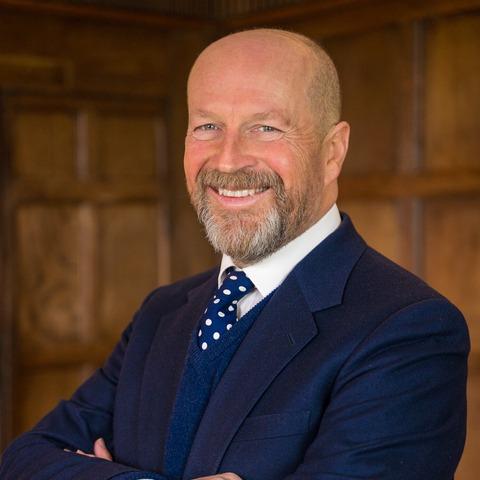
In this episode of all about business, James speaks with Stuart Gillies, chef, restaurateur, and former CEO of the Gordon Ramsay Group, about building excellence in hospitality and leading through growth, crisis, and reinvention.
Stuart shares his journey from starting out in kitchens through international experience in Sweden, Italy, and New York, to becoming a senior leader at the Gordon Ramsay Group. He reflects on the discipline, attention to detail, and resilience he developed early in his career, and how those lessons shaped his transition from chef to CEO during one of the toughest periods in hospitality.
The conversation explores leadership under pressure, making hard commercial decisions, closing and opening businesses, and why devolving responsibility builds stronger teams. Stuart also shares what it’s really like to run a family hospitality business with his wife Cecilia, navigating Covid as founders, and why consistency, standards, and purpose matter more than ever in building a business that lasts.
A grounded conversation about leadership, craftsmanship, and building high-performance teams in one of the toughest industries in business.
04:30 early career journey
05:43 New York Daniel restaurant
24:37 CEO transition
39:03 Covid challenges
40:50 family business success
52:23 couple business partnership advice
01:01:20 leadership lessons
Follow James Reed on LinkedIn:https://www.linkedin.com/in/chairmanjames/
Follow Stuart Gillies on LinkedIn: https://www.linkedin.com/in/stuart-gillies-740778a1/
Find out more Number Eight restaurant here: https://no8sevenoaks.com/
Stuart Gillies
[00:00:00] Well, today on all about business, I couldn't be more delighted than to welcome Stuart Gillies.
[00:01:27] Stuart is a chef restaurateur and former CEO of the Gordon Ramsey Group. Um, he currently runs with his wife Cecilia, two famous restaurants, number eight in Seven Oaks and the Bank House in Chisel Hurst. Um, you've got an amazing story that I'm looking forward to sort of excavating, uh, Stuart, and I'm looking forward to hearing all about your journey.
[00:01:50] But I just looked up, I looked up number eight in Seven Oaks on. Um, my computer just before you came, and it's very highly rated, Google 4.7 [00:02:00] out of five, but I noticed on TripAdvisor that there are 103 restaurants in Seven Oaks. So how do you stand out? How do you compete? How do you make a business work in such an environment?
[00:02:11] That's my first question 'cause I think it might begin. Okay. Let's start at the top, a conversation in an interesting way. Yeah. Well, thank you for inviting me today. That's real pleasure. Thank you very much. I, I appreciate that. Um, so yeah, I didn't know there were that many restaurants in Seven Oak exceptions, but did I I was amazed.
[00:02:25] We, we don't spend a lot of our time looking out, I'll be honest. We look in and that's, I suppose, the essence of what we do. Uh, every day we look at what we do as a business and if it's good enough for us, then we hope people like it. And that, and we are really tough on detail, micro detail, attention to detail, team, energy atmosphere, all, all the 360 of what, uh, going out and hospitality is that, that we've learned.
[00:02:50] My wife and I, so. I wouldn't have known there were 103 restaurants. We notice new competition when it comes and we look at it and we, and we take a view, but [00:03:00] generally we're always judging ourselves. I would say. Um, look, looking internally, uh, judging the food, the drinks, the atmosphere, the team, the way people engage so that when people arrive, it's unique and it's got something that is almost living, it's got a heartbeat.
[00:03:15] And that, that's what we've always done with our businesses. Right. And you've got a, a, a 30 year career history in hospitality. Um, you've obviously learned a, a lot along the way, um, coming to this point where you now focus so much on detail. Where, where did you begin and, and what were your first lessons?
[00:03:34] Well, I, I wasn't born into hospitality. Uh, born, uh, the youngest of four kids, uh, glaswegian parents who weren't foodies at all. We, we were brought up on, you know, the famous smash for mash get smash. Oh yeah, I remember it. Brilliant advert from the, uh, seventies. Uh, that and boiled mince was a pretty normal meal, uh, at our house and, and a posh dinner with steak the week, [00:04:00] the weekend that my dad would get.
[00:04:02] Right. And I'd get off cuts. So I didn't have a culinary upbringing at all. Right. Um, we'd go up to Glasgow quite regularly, see cousins and things and eat Asher Pie and taste Gone and fruit slice. It was super excited to me as a young kid right. From Crawley and Sussex. Um, so it was only really when it was mid eighties and the recession was on and Thatcher was trying to rebuild the country and, uh, I managed to get on a YTS scheme, um, which was 25 pounds a week.
[00:04:31] You work five days, you get to college one day, and you have one day off. And, uh, that gave me a, a, an entrance into a kitchen, local kitchen. See, I think they should be doing this now. Yeah, absolutely. It, it was something equivalent because you are not the first person, that first guest on our podcast who started on a white tier scheme and went on to do brilliant things.
[00:04:50] Yeah. 'cause it didn't cost the employers anything. They had two or three kids who came in on the scheme age. I was 17 and I didn't know what I wanted to do. Stayed on for a year at school. My brother was a chef at the [00:05:00] airport, Gatwick. Right. So, yeah, it's a good laugh in the kitchen. Go and try it out. And I went and tried it and loved it even though I'd never.
[00:05:05] Had anything to do with food. I just loved the atmosphere. So you were 17 at this point? 17 went in on the YTS scheme, worked a year, and at the end of the year was lucky enough to get taken on of the three kids they choose one to keep on. So where was this? This was in Crawley, in Sussex. But what was it? A restaurant was a local Crest.
[00:05:21] Crest hotel. Right. So do you remember there was a group called the Crest Hotel Group. Right. And uh, they, uh, they had a hotel there with a kitchen, old style eighties kitchen. So are you cooking breakfast for people and stuff? Uh, you, you're doing everything really, you know, and the chefs drank beer and it was, it was rock and roll eighties kitchen while, you know, while working.
[00:05:38] Yeah. And I just thought, this is completely normal. But the head chef was really good. He was really talented. A guy called David Woods and he said to me, if you're gonna make something of this career, get yourself to London. And so, um, he introduced me to someone who was at the Royal Garden Hotel, and I went and worked at the Royal Garden Hotel in Kensington.
[00:05:55] And that finished my apprenticeship at Westminster College. So that was my three years of 7 [00:06:00] 0 6, 1 and two City in Guil. And then finished my year, um, at, at the Royal Garden and met a lot of chefs that I was, yeah. Then in, so when you completed your apprenticeship, what sort of qualification did you have?
[00:06:11] Uh, so you get a sitting guilds? Yeah. Uh, 7 0 6 1 and two. Right, that's what they're called, which is was the basic of that era. So that means you can go to a kitchen and it, it's a really good qualification actually. Yeah. Yeah. You, you, you have to study, you have to pass, you have to do well to, to achieve that.
[00:06:26] Um, it was a basic, I think it, it was a lot higher level and, um. Uh, expectation and the NVQ certificates are now. So that was just standard and, and it was full-time, two years or three years, part-time apprenticeship, which is what I did the apprenticeship. So that's your entry ticket to good jobs in hospitality?
[00:06:45] Yeah, pretty much. That was it. So that gave me the basic tools as a chef qualifications. And my third end of my third year, I, I'd been working all those years as a young chef and all my friends were doing other jobs and earning three times the money and had [00:07:00] doubled the time off. And I was working with a whole massive team at the Royal Gardening.
[00:07:05] 'cause back then the kitchens had about 45, 50 chefs in the brigade. They were huge teams of people. And I, uh, met a Swedish girl named Andrea, and we got together and started seeing each other, and she was heading back to Sweden. At, at that time, and I was just finishing my year, so she said, why don't you come back with me?
[00:07:23] Um, so yeah. Uh, a boy from Crawley who'd never really been anywhere except London to get the chance to go to Sweden and uh, yeah. Have an event was leave all those friends behind who were showing off about how much they were earning. Yeah. Well, it was good. Were more exciting. Well, I was just so excited that the, the opportunity to grow and do something else and, and travel.
[00:07:41] So I went to Sweden with Andrea, and when I got to Sweden, all the Swedes were completely different culture to the British back then. They are all about outdoor health and travel, and they're huge travelers. You know, they were traveling the globe in big chunks of three months, 12 months. And so when you live in that [00:08:00] culture, and I was completely immersed in that culture, you know, I didn't know any English people.
[00:08:03] I didn't, I stayed away from English people. I was just living with my girlfriend and her sister. I worked with Swedish people. So I learned Swedish fluently within a year. Uh, and I only immersed myself in that culture. And I found I had a real gift for language. I found I had an ear that didn't materialize at school when I was being bashed with a book and reading off the blackboard, but immersed into it fully.
[00:08:25] And you were working in a restaurant? Yeah, I was working in a restaurant, fantastic restaurant in Stockholm actually called Che Restaurant. Um, different food, I imagine it was different food and the kitchen was full of Austrian and Germans and Swiss, who were the best cooks in the world back then, back in late eighties.
[00:08:42] They, they were phenomenal cooks and they, they were just doing things and understanding food and produce and attention to detail that didn't really exist in London at all back then. So, yeah, I, I loved Sweden. I loved the, the culture, I loved the, the lifestyle. I loved the food and the [00:09:00] restaurant. I loved working with these guys who were super strict, very Germanic in their manner that everything was incredibly disciplined and meticulous.
[00:09:09] Right. Um, and, and just their knowledge was phenomenal. So, so I had a fantastic year. Working with them, um, in Sweden. Uh, then I, then I came back to UK sort of family, spent a few months here and then I went off to Italy, um, to Rome actually. And you learned Italian, I imagine. Yeah, I learned Italian. It just happened was um, that then you could take a one-way ticket, a one-way trip.
[00:09:32] So I basically saved up money for a few months. I guess you still can, I dunno, maybe with Brexit you can't get to work so easily. Yeah, that's the thing. So back then I had a one-way ticket and about 300 pound went out there and three, four days in I didn't have enough to fly back. Right. So I started knocking on doors everywhere, all over the city and eventually got sent to a place, um, called the Lord Byron, which was a beautiful white marble hotel behind a, a park in Rome called [00:10:00] vLab.
[00:10:00] Gezi. Sounds quite British. Well it was named after Byron, of course. Yeah, yeah. Almost serendipitous. Yeah. In, in the direction. And I arrived there and they just said, okay, come back tomorrow. And we didn't discuss money or job or anything. They just had come back tomorrow. So I went back the next day and then I moved in a few days later with one of the waiters, right?
[00:10:19] 'cause I was running out of money. I was living in, uh, a hostel. And so I slept on his floor for about four weeks, um, in Rome. Traveled to work with him. Just worked and worked and worked and started to learn Italian. And so what I'm hearing here, um, if you don't mind me, just That's right to summarize is as a young person, a young man, you really went out to learn.
[00:10:43] I can hear the back's gone. Yeah. So, so what I'm hearing here, Stuart, you know, as a, as a young man, you really went out to learn and expose yourself to different sort of experiences, cultures, kitchens, and you were benefiting from being in, in [00:11:00] a different environment with people with different approaches to work that you'd perhaps.
[00:11:04] Been with before, from whom you learn a huge amount initially in Sweden. Completely. And this is a good thing for young people to consider now when, you know, the environment for young people was quite tough to get jobs, but you were really prepared to go out and give it a go and, you know, sleep on someone's floor for a few weeks if it was necessary.
[00:11:24] I think, I think I, well I wasn't phased by anything, right. And I expected things to be tough and failure was inevitable. But from that young age, because I'd never really, as a young kid and in that family, and never really, apart from sports, I did a lot of sports as a kid, I'd never really achieved anything as such.
[00:11:42] So I had no, I had nothing to lose. Yes. I had no fear of failing or not looking good, or someone thinking, oh, you, you are rubbish at this. It didn't matter. Nothing mattered like that. All I was interested in was going ahead and just learning. I was So, you weren't phase and you weren't afraid of failing.
[00:11:59] Weren't, wasn't [00:12:00] afraid of fame, wasn't afraid of being on my own. I was quite comfortable in my own environment, uh, willing to take risk language. People laughing at you. 'cause that's what happens when you go aboard. You know, you have to have really thick skin and just move on. Uh, you can't be sensitive because it's an English cook in the eighties, in Europe, trust me, we were a laughing star, a butt of jokes.
[00:12:21] I imagine. We were a butt of jokes. And when I arrived in Rome was in the kitchen. Uh, I was never called Stewart once, and all the time I worked in Rome, they called me Lingle. Lingle. Where's Lingle? Lingle of course. I fell Lingle. Yeah, ev all the time. It was just constant and didn't bother me because I was just learning.
[00:12:38] I was just eating, learning. Yeah. And, and Rome was like, it was literally like a magical storybook of if you could find the most amazing place to go and work and indulge, where would it be? That would be the storybook. Yes. 'cause people would come on a bicycle in the morning and bring produce in a box.
[00:12:55] They'd have a coffee, they'd have a Graber, they'd talk about produce, and then the next [00:13:00] person would come and the truffles would be in a little cloth. And everything was so romantic and incredible that, 'cause I'd never seen food like that coming from London and the uk and even Sweden. You didn't get produce like I saw in Rome.
[00:13:14] That produce was just mind blowing. And that was, that was what gave me the benchmark for the future of taste. Right? Because I ate things there that were just. Credit, they, they, they were what I call those life moments when it's just a, it's just a, a showstopper. You eat it and everything stops just, oh my God, that tastes incredible, that tomato or that apple or that.
[00:13:39] So you can still think of moments in Rome when you tasted something. Yeah. The, the, the, the nostalgic memory of that, uh, that that flavor point. Yeah. I don't think it ever goes away. And that informs you to this day completely. Yeah. That's my benchmark if it doesn't taste as good as that with this. But it's hard to get the produce, isn't it?
[00:13:58] It is. Uh, well it's come on a [00:14:00] long way. You can get phenomenal produce here, um, and you, and you get a lot of rubbish, rubbish produce, no doubt. Yeah. You get that everywhere these days. But I think if you haven't tasted something at its best at maximum level, then, then you are, you are, you are never gonna shoot that high and, and get close to achieving that.
[00:14:17] So I think that was the thing, and I didn't know where that was taking me back then. It was all a hodgepodge of. You know, the German, the Germans and Austrians in Sweden. The travel, the, the produce in Italy and the attention to detail on how they start the result or how they make the pasta by hand. You know, it was small things that were a whole mix of detail that didn't come together until years, years later, when I worked in New York, actually, which then was a catalyst.
[00:14:43] Okay. So let's fast forward. So you ended up moving, leaving Rome and going to New York? No, it was years later. Years later. I was really busy in between busy where? Well, I, I backpacked after Italy, I went, I stopped working for, uh, five months and backpacked, uh, south America. [00:15:00] Right. So when I was I, Italy, my dad died, I was 23.
[00:15:03] My dad died in the uk and, uh, oh, I'm sorry. Um, went, yeah, got the phone call from my brother one early morning at the place I was staying and thought, that's weird. He's calling me. Anyway, that dad had died, had a heart attack. Huge shock. Yeah. Yeah, huge shock. So, um, carried on work for a couple of weeks, just in shock really, you know?
[00:15:20] Mm-hmm. Um, and then went back, had the funeral, uh, saw my friends and really missed that connection actually. And then went back to Italy and it just didn't feel the same. I think I'd lost my spark of, I suppose, loving it. And, and I, I'd, I, I'd had a great time, no doubt about that, but I was done. So I went back to the uk, spent time with the family, and then four, six weeks in, started to get itchy feet again.
[00:15:45] As always. 'cause I, I guess I always had that dynamic more challenge, do more, see more adventure. And because I was a chef, I could. Do so much, just go work anywhere. Just go and work anywhere. Yeah. Which was about then was, was a phenomenal tool to have. So I decided I was [00:16:00] gonna go to South America because no one knew anything about it.
[00:16:02] No one was going to South America. So I thought, right, let's go. We will go to Miami and then we'll get a return ticket from Santiago in Chile. That looks quite, quite a nice trip. So that's what we did and that's what I did for five months. Well, you went overland from Overland. Yeah. Well I actually flew from, um, um, Honduras to Columbia.
[00:16:23] Right. I didn't do the bit in between and the dairy and Gap, which I was planning, but I decided it was too long. Right. Uh, too long a journey, but then went all the way over. So did you work in kitchens or were you doing that? No, I just packed, packed. I lived on about three to $4 a day. Right. Um, and just lived on a shoestring like all the other travelers who were out at that time.
[00:16:41] Uh, and actually back then you could live on an incredibly small budget. Uh, and travel and have accommodation. Sure. You just had to plan and, and, and be aware of the dangers because it was pretty dangerous back in early nineties. Yes. Um, south America, so Yes. Well, I can imagine it still is in [00:17:00] places. Uh, yeah.
[00:17:01] I don't think it's changed dramatically, but, uh, so, so, okay. So then you came back at some stage and you worked in London and New York and you worked in these high profile restaurants. Do you want to share a couple of stories about where you went and what you learned? Sure. I mean, I did go back to Sweden in between then 'cause I had a residence fees and I spent two years in the north in ski resorts, which was phenomenal actually.
[00:17:23] Okay. Did a lot of ice climbing and stuff like that, but back in London, yeah, it was about, I was about 25. I'd done lots of years of traveling James in and out back to Sweden, Italy, south America. And then got to the point I was done. I'd had enough of living out of a bag. I'd seen a, a lot of things, I'd seen a lot of danger and I was at a point where I decided I needed to get my career on track.
[00:17:44] So I went to work at a place called Grave Time Manor down in Sussex. Spent 18 months there, split shifts back into the routine of being a chef, working all day. Um, so I met Marcus Waring. He was there as a young cook. Um, and [00:18:00] from Grave Time Manor, I then went to look a priest, right? Uh, which back in early nineties wasn't really known at all.
[00:18:07] Actually. It was only known to the elite of society and the billionaires of the world all knew look of priests because they all went there. Chris and Jeremy had this incredible place. They'd built, um, the bottom of Arlington Street, and it was full all day with every, every Alister in the world would go to Lu Caprice when they came to London.
[00:18:27] Um, so, uh, Lu Caprice was two and a half years, which was phenomenal for me. Um. Just working with Mark Hicks, uh, Tim Hughes and a whole team that were there. So a really famous team. It, it was, it was a bunch of phenomenal cooks who were just cooking all the time, super fresh produce, as well as the staples of lookup priest's menu, which were the Caesar salad, the fish cake, the bang bang chicken.
[00:18:50] There was all these staples that all the regulars loved from Peter String fellow to Princess Diana, to, um, Leslie Waddington. That, that these were their, so you sort of knew what [00:19:00] they'd order when they came in, so they knew Yeah, they, they looked after 'em. It was their place. It was incredibly consistent, and that was their place.
[00:19:06] And then you had all the others who came because it was, look, a priest. So the menu changed regularly. It was incredible, uh, artisan and British produce that we were using all the time, uh, rotating. So I spent two and a half years there as a sous chef, which was, uh, fantastic, um, entry, I think, into that style of food, which was all ingredient led.
[00:19:25] Um, very much regular changing, adapting things all the time, rather than the serious level of Michelin where you don't do that. Mm. So Michelin is get perfection and just repeat, repeat, repeat, repeat. Okay. So the Caprice was much more risky, much more off the cuff, but phenomenal food. Um, and from there, I, I was at the level sous chef and thought, well, head chef is obviously next.
[00:19:45] I'm in a serious zone. I'm really focused, but London's not giving me anything exciting. Everybody in London is feeding off each other. They're all going to each other's places. They're all repeating and copying what everyone else does. So [00:20:00] I looked, uh, I looked out at what was around and heard of this place called Danielle in New York, which was top five in the world.
[00:20:08] Danielle Ballou was creating a sensation with his style of cooking and. Wrote a letter to him. Um, in fact, I did the draft letter and Jeremy King offered to help and he looked up the letter I wrote and said, it's not really punchy enough, Stuart. You know, this is a guy in America. You gotta really, you gotta regale him with, you know, you gotta pamper his ego a lot more.
[00:20:27] So, so Jeremy helped me write the letter, uh, which was stunning. That's nice. As he, you were working for another time. It was phenomenal. Yeah. It was like nothing I could have written. Yeah. And clearly it had an impact because it went, went over there and I heard nothing. And then decided I was gonna go there instead and meet him and confront him.
[00:20:45] Turn politely, turn up, have lunch, said, oh, actually wrote you. So we did that. Me and another three of the sous chefs who worked at Looker Priest, we all went over, planned this trip, went to Union Square Cafe, which was legendary back then. And we had lunch [00:21:00] at Danielle and at the end of Mill, Danielle came out and spoke to us and I said, oh, actually, I, I wrote to you, Danielle, about.
[00:21:05] A job here, but I didn't hear anything about it. He said, what's your name? So he went away and came back two minutes later. He said, yeah, yeah, I've got your paperwork here. I just, I was waiting for timing 'cause it takes quite a long time for the J one Visa. So he said, I've got your paperwork here, so yeah, we are looking to, uh, contact you and you would start in September that year, and it was March at that point.
[00:21:24] So, so I waited a year for that job at Danielle from when I wrote. Um, but it was, it's a good story about just going out and getting a job. I mean, literally going there and say, saying, but I wasn't taking no for an answer. No, no. Quite. Um, but you were very focused on what you wanted to do and where you wanted to work and who for Well, yeah.
[00:21:43] I, I, I had a dream, I had an ambition and I was determined that I would find a way to make that work. So yeah, we went out and, and it worked and I spent, uh, 18 months with Danielle, which was, yeah. Yeah, that was phenomenal. I mean, Danielle was the most incredible kitchen because it was full of, do you know, it was full of chefs from France and, and, and [00:22:00] America.
[00:22:00] But the guys from France had all worked in every single top three star in France and they wanted to come and live in America. So they were coming from Michelle Bra. From Mark Vera, they were coming from Gro Boku, oh Lamb Wasi. I mean everywhere that you would hear about and just be like, wow. So they'd all worked there and so what a stage for me as a cook to judge myself on, you know?
[00:22:26] Were you called Ling Gla there, or No, they called me Teabag Teabag. So yeah, I some other English maybe, maybe they didn't like Stewart, but uh, yeah, so I was teabag there 'cause that's what the Americans called the British. Okay. They haven't forgotten that Tea party yet. They've forgotten that. Yeah, exactly.
[00:22:43] Years ago. So I was, and I was the only English you tea bag. I was the only English you'd ever worked there. I was the first English guy Really? Who had actually worked there, I imagine. Yeah. Fully. So, um, yeah, worked there 18 months from Danielle and that was incredible. That place was the catalyst that brought together everything I'd ever seen.
[00:22:57] Uh, eating ceviche in, in [00:23:00] Peru and cooking in Italy and cooking in Sweden. It just brought everything together as this mix of, you can have one style of cuisine, which was French, which was Danielle's cuisine, but you can have influences from all over the world. Right? And that's what he did. And he did it incredibly, um, really creatively.
[00:23:17] And, and, and he was a brilliant technician, Danielle, that he could do volume and finesse at incredible, incredible levels. So Danielle changed my cooking career, no doubt about that. Right? It brought everything together. Um, and then I went back to London after that. And then when you came back to London, your journey involved you moving from being chef to CEO?
[00:23:41] Yes. Took a few years. Took a few years. But you went from being obviously top chef to CEO of Gordon Ramsey Group. Is that right? Yeah. Yeah. So just describe that journey a little, if you might. And I. I was, how that came about, what you learned When I was working as a chef director of three or four [00:24:00] of the businesses, the business had gone through a massive transition.
[00:24:03] Uh, Gordon's father-in-law had been removed from the business, and the business was in a lot of trouble because it was 2010 on the back of the just call time. Yeah. On the, on the back of the, the, the Lehman, um, issues and, and the financial crash, you know, the whole fine dining sector had gone. So that was gone.
[00:24:20] So the big, huge, spending the fat cats of the city and spending like 44,000 pound at Paru, there was that story that came out back in the day. Oh yeah. The wine and everything. Yeah. Which was happening all the time, you know, and that was regular. And those businesses in that, uh, area, or echelon, let's say, they were profiting brilliantly from that.
[00:24:38] They loved that because people come and spending incredible amounts of money. So that had all gone. And I, I was working as a chef director with so many of the businesses in the company, so I was doing everything new anyway, and Gordon and I had a conversation. He said, look, I've found someone to take over.
[00:24:52] A group. I said, okay, great. Who's that gonna be? Um, and he said, somebody who really knows what he's doing. I said, okay, great. And, uh, he said, that's gonna [00:25:00] be you. And I said, oh, no, no. I, I'm not ready for that. I said, that's, I, I can't do that. I'm, I'm a chef and I love being a chef. Yeah. He said, yeah, but you talk about change what we need to do.
[00:25:09] Yeah. I think you can do it. And you can't say no. So that opportunity, no, you can't. It wasn't, I didn't, it wasn't, I might being a chef, but that opportunity was huge to have that. Then, of course, and we agreed that he would step back. I'd have pretty much a clear run to change and make the changes that I felt needed to be done and just keep him in the loop while he was in the US a lot, doing the shows, earning money to support the business, which is a really simple.
[00:25:38] Arrangement, but it was, there was a lot of layers of complexity in that. And the business was Yeah, really brilliant in some areas and really damaged in other areas like, like lots of businesses. As sure as you progress through the years when things get tough, you suddenly notice what doesn't work anymore.
[00:25:53] Yeah. And, and as I understand, you had to make some quite difficult decisions. You had to close some restaurants, you opened others. [00:26:00] Was that Yeah, I think I closed, yeah. So over the period I was in charge, I closed 12 businesses around the world and we opened 18. Right. So that was the transition. So really there was a lot of things that were, what were your decision points on why you decided to close something or, and what you were gonna open?
[00:26:19] It definitely wasn't emotional, right? It was, it was just logical for me, that sort of job when I get into that role, or even how I'd always functioned as a operator and as a chef, for me it was, often it was, it was just mathematics. Some things added up and some things didn't. Right. So you got to make decisions that are not emotional.
[00:26:37] You really need to get the facts, gather the data, and make a really informed decision. So I'd always done that my whole career and probably my, my whole life in lots of ways, just naturally. Uh, so when I got into that role as CEO, you just have to strip back and see. You need to be able to see what the root of the problem is.
[00:26:56] Get, get to the, get underneath the skin, get to the core of the problem, and then make a [00:27:00] decision and move on and then, and then execute that. So, so these were businesses you didn't really see a fu future in because the mathematics didn't add up and you couldn't see a way of turning that around, didn't, it didn't add up financially.
[00:27:10] Mm-hmm. And it was also draining the, the resources. 'cause when you have right businesses in trouble, every consumes consume cash. It consumes cash and it also eats up all your time. You put way more time into a business that's doing badly than you do into a business that's doing well. That is just, that's just the facts of it.
[00:27:27] A business that's trouble, you put way more time and emotion and energy into that to fix it. A business that's going well, you just, you just keep an eye on it and you let it tick along. Um, so there were, there were lots of those businesses that needed attention and a lot of them were international deals that had been set up by, um, other people that were just draining resource, weren't contributing financially.
[00:27:49] They were eating up Gordon's time. So you'd have to get Jordan on a plane, fly him out, take his time up, which was taking him away from things actually that were generating more [00:28:00] profitable gen. Yeah. That were more profitable. Simple as that. So, so, so those 12 were fairly easy decisions actually. And, and what were you looking for in terms of opening new ventures?
[00:28:08] What were you Well, when, when I took over, we had the conversation and I was quite clear that in order to develop and stabilize and grow, we, we needed to debrand to a large extent, we needed to create individuality within the structure. Um. The brand? Well, because everything had been called Gordon Rams.
[00:28:27] Well, everything was stamped Gordon. Yeah. So the group, everyone was making decisions prior to me taking over. Really? Everyone loved that. And they would just stamp Ramsey over everything, which makes sense in one respect. But when I looked at it, would you just mind saying that again? Also, also you might, you might wanna bring your chair forward a tiny, because it's just the thing behind you.
[00:28:45] The shelf is moving a little bit. Yeah. Okay. The shelf is maybe just even a little bit more if you, if that's okay. Yeah. Is that good? Yeah. Great. Thank you. So that, is that just my energy using that? It is. It basically, can I move that back? The shelf is rocking as little bit, that's all. But that's fine. So [00:29:00] you were saying where we up to brains already moved on to Debranding.
[00:29:07] Yeah, we were talking about Debranding. So Stuart, you, you mentioned Debranding, I mean, which is a surprising term. What were you doing? Well, as, as I looked at it and spoke to Gordon about this, so we. Saw that everything was branded Gordon and Ramsey, which makes sense for lots of people. But I think what I saw when I looked into the group and, and at the, the, the micro detail levels, I saw that everyone was hiding under the brand and they were looking thinking, well, if things aren't working we'll just wait for the brand to fix it.
[00:29:40] But it wasn't, and so the people working within it had got used to the good days, big spend, high income. So that was fixing all the problems in lots of ways until you get to a point when that stopped. And so my, my view was we debrand, we create individuality and we bring in new people to support the current team who have unique skill [00:30:00] sets.
[00:30:00] So they're not all born of the same. Yeah. Core, um, central, um, what would we call it? I, I suppose, area where they've all worked together in that level of fine dining. At a super high level, we need people who are diverse, who have. Only worked in bars or worked in Braes or worked in different environments where they have different skill sets.
[00:30:23] That's interesting because that, that is a different business strategy to say, recreating the ivy in lots of places or Yeah, yeah, yeah. Cafe Rouge, that was a big deal at the time, or, and I'm thinking of Gale's now, which is a sort of, but it's different if you've got one thing phenomena. But if you've got one thing that works Yeah.
[00:30:40] And you can do the co cookie cutter. Yeah. And mass produce it really well, then there's nothing wrong with that. That, that, that's very clever. Yeah. But your business was not like that. You say it was different. It was already diverse. Right. It already, it was already a collection of restaurants, as I called it.
[00:30:56] And it was, [00:31:00] it, it, as I say, it had great elements within, but there was, so, there was so much noise that we had to really individualize and start to put responsibility and pressure into individuals within their bricks and mortar establishment. Right. Rather than them looking to head office and central support area.
[00:31:19] So So you wanted people to take responsibility in their Yeah. And, and actually own kitchen location. Be involved in the decision decision making. Yeah. Um, and actually make this, make decisions that were gonna drive the business forward and they would then own and manage that decision rather than we hand down a directive or a.
[00:31:37] Yeah. Um, a, a command, so to speak. Uh, and then they would just execute it because there was, you just lose so much along the way. So you were basically devolving sort of responsibility from the center to Yeah. Well, well put, that's exactly what we did to the point where I made a really unpopular decision and I changed the name of head office to support office.
[00:31:57] Oh. Which was really un Who was that unpopular with? [00:32:00] Obviously head office. The people, not, not those people in the other office. No, because I said, look, without the restaurants, there is no business. Yeah. I always say at Reed we don't have a head office because Yeah. It's, we don't need one. It's a collective force.
[00:32:11] Yeah. And you don't need, we're all one team. Yeah. Because everyone's out doing their thing in, in, but you know, together you're a brilliant machine and it works brilliantly. 'cause everyone's an, an integral part of that machine. So that's how I explained it, and the teams understood it completely. So. Right.
[00:32:25] We're we're, as you say, evolving power to you. This is support, support team will help you achieve that. And you need to drive this and you need to hit your targets and you need to. So we did that and that then created the individuality of different brands, bread, street Kitchen, uh, union Street, cafe, London House, and then all the developments in the United States with Burger Hub.
[00:32:47] So there was lots of that individual focus on each of these businesses that then worth more self, well, well, they were self perpetuating to a large extent. And then the support office gave them the [00:33:00] resources to see what was good and bad, right? And, and grow that business. Um, and that was pretty much what I spent my eight years doing, was growing new businesses, new contracts, new relationships with Caesars, with, uh, sands Casino Group, so a CEO.
[00:33:14] It's a completely different job to being a chef. You know, I wasn't cooking, I wasn't spending time in that way with teams as I would've done before. Much more focused on the, the artist side of the business. I was purely involved with banks finance. Costs resource. So that's a very different, you know, role.
[00:33:37] I mean, did you, did you find that you could rely upon things you'd learn as chef? I mean, it doesn't mean chief, doesn't it, chef in French being C Yeah, it does. Which boss? Chief, yeah. Boss actually means boss. Your boss in the kitchen, a boss of a company o other sort of things you took from one to the other.
[00:33:55] Well, definitely, yes. I, I just transitioned from [00:34:00] one job to the other people had some other people I knew outside the industry who were already CEOs. They said, you know, it, it is gonna be the loneliest job in the world. Mm-hmm. Being the ceo, EO because you have to make tough decisions and people won't understand those decisions, but you've gotta make decisions.
[00:34:17] Do you find that to be true? Become a hundred percent. It's true. I, I think the things about being a CEO, there were a couple of things I really learned. First of all, it's, it's the loneliest job in the world, and secondly, you are really up against. With regards to your strategy, depending on who you're trying to keep happy, whether you are trying to grow the business for the future and build something, or whether you're trying to keep your shareholders happy, right?
[00:34:41] Those two strategies are, in my experience, very different because the shareholders had more short term. They have expectations, financial expectations. They want dividend money, dividends. They want, I think they want some money. Yeah. Well, I think in lots of businesses, you know, CEOs are really, and you don't know until you're a CEO that you're really under that pressure.
[00:34:59] 'cause [00:35:00] you go to the board meetings and it's all about money shares, what, what, what's in it for us kind of thing. And that's what board meetings, I suppose I've oversimplified it, but that's what they're really about. But if you wanna build something for the long term, for the long term, it's not gonna look pretty you to make your case, don't you?
[00:35:15] It's not gonna look pretty. You're, you're gonna have to put money in, you're gonna have to do things, you're gonna have to break some shell, you're gonna have to build, you have to structure, you have to build. And I see a lot of these companies around the world that. Producing results and people say they're doing badly, but I would see that they are putting money into growth.
[00:35:32] They're investing, they're investing into growth. So your results aren't going to look pretty if you are building. Right. If you are building it in growth, it, it's extremely unlikely. The results will look pretty because it takes money, it takes investment, and, and no matter what the business, you just don't know how well it's gonna go.
[00:35:49] Your forecast and your projections. No, they're, they're literally just guesstimates you, you take the best guess you can and you push it out there. Um, but to the point, I think, um, [00:36:00] my strategy was rebuild, restructure, bring in new talent, individualize, and create then avenues that can be grown into future individual brands, things that could be segregated, whatever it might be.
[00:36:16] That was always my focus. So the Debranding point wasn't to remove the name or anything that was negative to Gordon, it was creating. Individuality within that, which was then associated with this amazing brand. Right. Just by association. Sure. Which, when we did Savoy Grill, that was the last restaurant that I was in charge of as a chef director.
[00:36:36] So I remember having the conversation before Chris left and they wanted to call it Gordon, Gordon Ramsey Savoy Grill. And I said, no, no, no. It's got to be Savoy Grill. That's it. And you let the quality speak. So, I mean, it's a famous restaurant, Savoy Grill. It's a famous restaurant. I said, you can't be bigger than that name.
[00:36:52] It's been around for 150 years. You know, even a massive name now isn't bigger than the Savoy Grill. It is an [00:37:00] institution. So let's just let it do the work and let everybody else bring the name in and let people know that it's run by Gordon Ramsey's team. Exactly. Let the press talk about it. Let the article say that.
[00:37:08] That's much more, I think it's much more endearing and it's much, it's much more of a statement of confidence in your ability. You don't need to stamp the name. Right. It's the, it's the quality that shines through it. So I think that was where we got to with a lot of what we did. Uh, and grow The US of course, was different, completely different because Go was a huge name out there.
[00:37:28] Mm-hmm. Uh, and you needed to stamp the name on everything because that's how the American market works. Mm-hmm. Uh, 'cause it's off the back of the tv, not off the back of a career of 20, 30 years. Yeah. It's off the back of tv and that's, that's how the US works differently to here. Maybe not so much these days, but certainly then it was, it was quite different strategy.
[00:37:49] No, that's very interesting. So, so you were there for eight years you say, and then you decided to pursue your own strategy and start your own business. Is that right? Is that the right way of, yeah. [00:38:00] So you set out on your own again, is that right? Yeah, I finished up with, uh, Gordon Rams group, the CEO, uh, in 2018, January, 2018, finished and um, then looked that.
[00:38:13] Towards that next chapter of 20 years. My wife and I talked about it. I'd been aware a lot as CEO and as a chef I hadn't, I'd been home, but I hadn't been fully a hundred percent at home. I was either on the phone, I was either just on emails or I was completely consumed by something that was, uh, work related.
[00:38:30] And when I was CEO, I was away once a month, traveling sometimes for, for a week or 10 days. So when I'd come back, my plan was organize this, speak to this child, speak to this child. It was, it was the same as I organized my work life. Everything was on a list, which is really bad. But it's just the way you function.
[00:38:49] Yes. Because you're so busy juggling things. So we looked at it and agreed that, yes, this next chapter will be different. We will start our own business. And because we do that with the creatives, we, we know how to run these things. Let's [00:39:00] just do it. So that was in 2018. We had the chat, we looked at options, and then in 2019 we launched our first business bank house.
[00:39:07] Right in Chisels September, 2019. So everything looked great. The world looked amazing and hospitality had a massive opportunity to grow. And Sun was out. Sun was out. So we had six good months. And then, and then, yeah, and then COVID hit, but so what? Yeah. That must have been a bit of a nightmare, wasn't it?
[00:39:25] You made this big investment Yeah. And your wife Cecilia, and, and then suddenly COVID hit it. It was a nightmare. Yeah. Full stop. Because we just had a review by Grace Stent, right. In the January Grace stent came unannounced, gave us this review. Phenomenal review, which is exactly what you want. Yes. As a local business, you know, the biggest food critic in the country at that time.
[00:39:46] She comes and gives you this amazing review and talks about how incredible, it's, why can't every local business be like this? And you start to build immediately on the back of that, and then COVID hits. Yeah. So no doubt we lost all the value. [00:40:00] Of that review and that positivity that had come, uh, that we'd spent ages building towards.
[00:40:06] But here's what it is. What, what do you do? You, you yourself. So you start it again in a sense. You pick yourself up and you just keep going. And then we, we are still a startup business six and a half years later. There's no doubt about that because every six months we have to review everything. We have to review the pricing, the menu, what works.
[00:40:22] Because every six months, the landscape has changed for the last five years, really. Um, not by choice. It's just the way the world has gone through the economy, through the external factors. Um, even post COVID. Yes. Or the new things came, which was the war costs, utilities. So we, we are still a startup. Um, but we just keep going.
[00:40:47] And I would say even through the hardship and the pain and the frustrations, the journey of working, uh, with my wife, Cecilia and our kids, has been something that I never planned. [00:41:00] But it's probably been the best thing that happened. Uh, working with our kids actually, who were back then aged, what were they, uh, 18 down to eight, pretty much, or seven.
[00:41:13] So you just dunno how that's gonna go. And the kids came into the business to earn some cash. We dragged them in. They were typical owner operator kids, you know, they get dragged in, you know, often by choice and often not by choice, but, um, so this is a real family business. Yeah. Full on. There were, there were times when there were five of us working in the business.
[00:41:33] My brother was babysitting, right? For our youngest. He was at our house and we were just there all working between kitchen kp runners bar. A front of house, the, the whole thing. And, and, and I'd say yeah, that, that created a whole new dynamic and a whole new chapter with our relationship with our kids. So the kids had never understood what I did.
[00:41:55] They just knew they would go to lots of restaurants all the time and everything would be really [00:42:00] great and everyone would know us. So that's what they thought. Like they get a front of house experience kind of. Yeah. But, but it wasn't, you know, when you look back at it, you think there's not a good way to teach your kids.
[00:42:09] No. 'cause they just become so, so, uh, so privileged in lots of ways. And so it was different because they saw their mom and dad working extremely hard, really long hours. Right. Uh, and dealing with so much stuff inside, outside the business. And I think it was the best chapter that we've had with the kids, where we taught them the value of hard work, of if you want something, go and do it.
[00:42:31] Go and get it. And you've just got to have this work ethic. So our kids are 100%. Working kids. They are super hard workers. If they want something, they know that they will achieve it and they will go and get it. And they've just become those sort of adults. So James is 25, Harry's 23, and Lucas's, uh, 20, almost 21.
[00:42:54] Uh, and they all, now James is digital media, so he's in hospitality in that way. Works with restaurants in central [00:43:00] London and then Harry's in Australia, in Sydney, uh, has been traveling a lot like I did. Right. And he's working in Sydney in sales, and he loves Sydney at the moment. Not sure if he'll come back.
[00:43:10] And then Luca's a chef. Serious, serious chef. So Luca has gone on that path and he's fallen in love with food and become consumed by food and cooking. And he's currently a, uh, Ellen at the ll as a young 20-year-old. Well, good for him. Yeah, good for him. And your youngest, what's your youngest doing? Still helping you?
[00:43:30] So Arthur's 13, so he's been desperate to come into the restaurants and work for ages. For years he'd been telling me I can earn this much, I can do this many hours. And he got fed up waiting. So Arthur age 12 started a car wash business. Oh right. So he started a car wash business with lots of kids do.
[00:43:45] And he's got to a point where he's now 13 and he's got about 15, 16 clients regularly. He started now what they call a de detailing business where he does really high levels of car washing and he earns really [00:44:00] quite amazing. Oh, the is very impressive. Yeah. Amazing. Yeah. Quite amazing money. 'cause his attention to detail and his levels of uh, I suppose finesse and perfection is so high.
[00:44:10] Which he's got from Cecilia more than me. 'cause she's very meticulous as you know, with perfection and you know, in that OCD manner. So he's got all that detail. So he's suddenly creating his own business and now employing other kids. Who come and work with him. He drags a trolley down the street, he's got his cart, he's got, and it just keeps, well, this sounds like a very good education for everyone.
[00:44:31] It, it's been quite phenomenal, but we didn't plan it. But I would say if we could have chosen it to be like that, we would've said, God, how could you, we create that? But that's very interesting, the family aspect of this and how positive that has been, uh, super positive, putting this business together. Yeah.
[00:44:46] It, it was completely unexpected. We did not expect that, and we didn't set out to do that. We didn't force our kids to do that. They just wanted to organically chose to do that. Right. And organically they've seen us deal with a lot of stress, [00:45:00] drama. Yeah. Uh, people, managing people how to, um, deal with financial situations, external factors, stuff.
[00:45:06] We learn a lot from that. Yeah. Unfair. But you just need to make a plan and get on. So yeah. I've had the best time with my, uh, me personally. I've had the best time with my sons the last eight years Yeah. Than I had for all those years where I would've thought, oh, they're seeing me as a CEO and, but it was completely disconnected.
[00:45:22] Yes. Uh, now they just see, they see the raw world of what you do, how you deal with stress, how you deal with everything. And it's, it's been the biggest education for them Yeah. Of how to actually get on in life. Did any of them go to university? Only Harry. Right? Only Harry went. Harry went and studied, uh, finance and economics.
[00:45:41] Right. Uh, for three years and yeah. Dunno if it was worth it. Really. Well, that's what I'm wondering because you learned so much doing what you've described. Yeah. The others didn't want to. They definitely didn't. They were quite clear. James is always really artistic as a photographer. And set up his own own website, own company.
[00:45:58] So again, very entrepreneurial. He went [00:46:00] out and got business with people that he was doing photography for, for dinner, for Sketch, for the Goring, for the Conor, for a Wong. Just incredible clients with no, no university qualifications, just based on what he did. His, um, talent and his website that he built, and those people seeing the attention to detail with his photography.
[00:46:25] And they're like, yes, that's our level of sophistication. Um, and that's, that's, I'm hearing you say attention to detail a lot and it, and it sort of reminded me of the early part of our conversation when you were talking about those chefs in Sweden, from Austria and Germany, and places that you said then had great attention to detail.
[00:46:44] Do you think this is a skill that. Isn't sufficiently sort of emphasized, you know, being good at the detail, do you think we've sort of become a bit, sort of brandiose and sloppy in the management of things? Well, I, I, I think this, [00:47:00] it's a really difficult question to answer, but I would have to say short answer is yes.
[00:47:05] I think it's critical. I, I don't think I had it as a kid at all. I think I was young as the four, pretty casual, pretty sloppy and not particularly focused in anyone else apart from sport. I did a lot of judo and I achieved really high results in that and won lots of competition. So I guess it was in there, but I needed the training of all those people to be extremely strict with me and disciplined that if you follow this way and you plan and you have this structure, you can achieve great things.
[00:47:34] And I think that just organically stuck with me and grew that if you are meticulous and detailed, you can achieve. So what, what sort of, I mean, what sort of disciplines or structures help to be focused in this way? I, I, I think the basics. So what you get out of every motivational book and speaker in the world, um, make your plan, [00:48:00] get up early, keep yourself mentally and physically fit and ready.
[00:48:05] You know, constantly challenge yourself. Never be afraid of failure and risk. It's, it's all internal. None of it is, is unachievable for anybody. E every, all the basics. You know, like the David Goggins, you know, uh, education of, you know, be hard, push hard, train hard. I think everyone has their own version of that, but I think it starts internally.
[00:48:32] So our son, Luca, for example, is 20. Was, yeah, for want of a better expression, all over the show, as a young 17-year-old, didn't know what to do. He was going into property and, you know, he wasn't consistent, wasn't reliable. He was a classic teenage boy who was just a bit all over the show and was distracted really easily, couldn't focus on anything.
[00:48:52] And then he worked with me in the kitchen for about six months when I was back in the kitchen about three years ago, just rebuilding the structure. [00:49:00] And he fell in love with it. He fell in love with the discipline that every single day he had to repeat and replicate the setup. And he had to check everything exactly the same way every day.
[00:49:12] And if he did that come the busy time, he was okay. Right. And he just saw the, the beauty in being prepared and being organized for any eventuality that then he could just get on with stuff. Um, and I think that's really, that is impressive for other people to see. I think that attracts people to you because you're so consistently meticulous.
[00:49:33] And it gives great confidence to people that you know what you're doing. Confidence. I think it's the drive. You need energy to do that. You need to be driven, you need to be super focused. You don't get distracted. Uh, you can have fun, but you, you really have this sense of purpose. I think that's what it maybe comes down to, and that's probably the best expression I've read over all the years, is this sense of purpose.
[00:49:56] If you have a sense of purpose and a drive and a [00:50:00] determination to get somewhere and, and you might achieve it and you might fail, it doesn't matter. You've got this sense of purpose that you are gonna achieve this and get somewhere. I think that is incredibly infectious. Other people sit and they're like, yes, I can control all my distractions, all the noise, I can deal with all that.
[00:50:18] If I just stay on point and I stay focused and I keep my own discipline, personal discipline, if I keep it really rigid and meticulous, then I can And, and even the things that get in the way. They're just problems to solve because there's always something that will stop you. But it doesn't matter if, if you Yeah.
[00:50:39] Have a plan for that and you counter it. If you want to train regularly and you haven't got time to train, it's 'cause you're not getting up early enough. And I'm not saying that people should get up early to do it. I'm saying you need to structure your life with what you've got to work with. So you've been dealt a hand, work with that and then build on that.
[00:50:56] And I think then anybody, anybody can achieve [00:51:00] like, you know, their wildest ambitions, um, by having that sense of structure and a sense of purpose. Um, and if you want to build a company yeah. That is infectious. That passion and drive is super infectious. People migrate to that so much. And when I talk about restaurants and food and different things, or even people management with our teams, yeah, I, I really believe and mean what I say with that.
[00:51:24] And, and I think that helps keep our teams together. 'cause our teams have been with us a long time. In a really complicated period of time. So there's a lot of, the team has been with us six, seven years. Um, and, and we build and we grow more. But our ethos is always the same, that we're super focused. We are, uh, we, we shoot high and we, we want to achieve the best and we are determined to get there and nothing will stop us.
[00:51:49] Not financial issues, not problems with people. Whatever the problems are, they are just, they're always gonna be there. They're just there. Um, [00:52:00] so yeah, no, I'm, I'm, I'm signed up. I like the sound of this. So you, you put me into a space there. That's no, I, I think that sounds Well, no, it was interesting 'cause when I asked you about number eight, your other restaurant in Seven Oaks and all those other restaurants in the town, I mean, you said we look within.
[00:52:16] And about getting it right from, you know, what's within our control and everything you've just said. So supports that. I mean, one, one thing I'm interested in beyond what you've been explaining so brilliantly is your working relationship with your wife, Cecilia. Because I mean, quite a lot of people embark on business ventures as couples.
[00:52:37] What advice might you give them? You know, what makes that, how do you make that work? I mean, I used to work for Gordon and Anita Roddick, who founded the Body Shop. Shop. Body Shop, yeah. Brilliant. Both of them and learned so much from them both. But they were obviously a famous business couple to, what do business couples need to think about?
[00:52:58] Well, I don't think it's easy. [00:53:00] That's the first thing I'll say. I think you have to tread carefully. I think, uh, it was Sina and I had history already working together. We met working together, so we launched a restaurant called Teatro with Lee Chapman back in late nineties. Which was a massive success on Shaftsbury Avenue and at a member's club and a restaurant.
[00:53:18] So Cecilia was a young 20 something French super professional from Paris who'd been working with Mark Pierre White. Mm. And I'd just come back from New York. Uh, so I was, it was my first head chef job and I was full on and completely focused on, um, yeah, self achievement, I guess, or on this mission, uh, cooking.
[00:53:39] So we, we worked together professionally and we clicked 'cause she was super professional. So then we fell in love, had kids, and then Celia spent all those years giving me the space to spend 80, 90 hours a week in kitchens. Uh, and, and she was at home with the kids. So when we got back to working together, you don't know how it's gonna work.
[00:53:56] But we clicked together within, I think two [00:54:00] weeks, right? Like we'd never stopped working together again. 'cause Cecilia is so professional, she's so focused on detail and cecelia's good at things that I'm not good at, which is really important I think in the couple, you both need to have your individual skillset.
[00:54:13] That, uh, then contribute and make you a stronger unit. So I think that was always the way it was. I, I am a chef. I'm all about food. I'm all about structure and engineering systems to work, and I'm about finance and cost control, you know, because that's the career I've had. And that's what I've learned.
[00:54:32] Cecilia is all about being the people, the person that people like. So if they choose out, the two people who they like best, it's always Cecilia. It will always be Cecilia, a hundred times outta a hundred, because I'm focused on just being professional and running a business. Cecilia's, charming, bubbly, charismatic.
[00:54:50] She's got all the finesse of the front of house with then immaculate training from Paris. Um, and she's got such a, a, a, so much of a softer approach with the team. [00:55:00] That just wraps them in a warm, we can do this. So yes, so I think those two factors sounds like a good team. It's a good team because then, you know, if there's something to be said, I'm the guy who brings the hammer down, sits them down and says, it's not good enough.
[00:55:14] It's not good enough for this reason and that reason. This is what you are going to do. And the team like, okay, I get it right. I've got direction. I'll go and do that. And so they learn. And so that's what they all want. All those people, whether they're 20 years experience or two years experience, they want still to learn and be structured.
[00:55:31] So a lot of our team have got a lot of experience, some of our team in their fifties, but they still get direction and guidance from me in certain ways, which is what they want. And I think that's very hard to find in our industry, um, where you can go somewhere with a lot of experience and still get developed.
[00:55:48] I think that's very difficult for people to find. Um, and if you don't get developed and you, you plateau. Uh, so I think, um, point mean it, it's, it's amazing to work together as a couple. [00:56:00] But I think you really need to make sure you both focus on different areas of the business and you are not clashing too much.
[00:56:06] That said, when we used to have management meetings, we would often sit there and it, and for the team, it's like being in some domestic, um, home argument because the scene would be like a teenager and I'd be saying, can you be quite pissed? Oh, I'd be telling her off at a meeting because she'd be too bubbly.
[00:56:23] Right. And having fun with the team and I'm trying to get some points across and the team would just sitting there not knowing what to say. So it's more like a family than of course, because they're terrible. Yeah. Terrified. But I think that's been a lovely dynamic that the team really love. Yeah. They love the fact that there is this dynamic which is pure family, and it's not just corporate, it's not just a meeting of professionals.
[00:56:45] There is this whole side to it, which, which is ultimately what hospitality is. I think when you lose that in hospitality, you really lose that nuance of. Exceptional guest care. Yeah, kind attention to attention to detail again, for the millionth time, you know, [00:57:00] it's, those little soft skills with the guest are, are critical.
[00:57:04] Um, but you can't do that if you don't have, I think your structure really well organized and your engine meticulously tuned so then you can have fun. Mistakes can happen, you know, it's not a big deal. So what about sort of back at home? I mean, are you talking business all the time or do you have to make time when you're not gonna talk about business?
[00:57:24] Or does it not matter? Does one have to stop and the other begin in terms of home and business life? Or, or is it just a sort of fusion? So that's really tricky, I have to say. 'cause the, especially when your business, uh, isn't doing so well, or you're going through a tough time, then that, that consumed your home life as well, so that, that can put your relationship under a massive amount of pressure.
[00:57:47] I'll be honest, that is just inevitable. You can't avoid that. Um, you try and balance it out and you try and cut it off. But ultimately you can't really, well 'cause the stakes are so high, aren't they? You can't, yeah. Even when things are going well [00:58:00] or you are discussing stuff, you can talk about personal things for a while, but eventually that is always gonna segment back into something, um, work related.
[00:58:09] Yeah. We we're, we are quite strict and disciplined with that. At times when we tr we block it out and we just talk about us and we section that, that it's about us and it's about our time in the future. But you really have to be disciplined. Um, do you take holidays or not much? We do take holidays. Yeah.
[00:58:26] Yeah. And often they're amazing and sometimes they're completely consumed by problems with the businesses that come up just before you go away or you can get a message or Yeah, something happens. Something happens. I, and, and because I'm, you know, the head office, the term we don't use, 'cause I am head office 'cause I deal with so many elements of the business.
[00:58:44] If we have to recruit, I have to focus on that. Or if there's something that comes up that's to do with an issue or payment or whatever, I have to deal with it. I can't not deal with that. Well, we can help you with the former if you need it. So, so, um, just [00:59:00] to sort of pull this together, I mean you, you, you've touched upon some of the challenges there, running a business.
[00:59:05] Is, is there a failure? I mean, you said earlier that you weren't put off by the prospect of failure. Is, is there a failure that you had earlier in your career that in hindsight shaped your leadership style particularly, or a failure that you look back on and think, I really learned from that and this is what I'm gonna do differently?
[00:59:25] I mean, that, that's tough. I mean, there's lots of failures really. I've had that's, that's a fact. There's lots of things I've done wrong or badly. Mm-hmm. Um, and hopefully lots of stuff I did well, which, uh, carried me through, but I don't know if there's one particular thing. Um, no, it's, it's really hard that actually I have to have to say.
[00:59:47] But your, your spirit that it's coming over so strongly is, is to keep going. I mean, kind of maybe that's one of the lessons from the failures of the past to keep going. Well, I think, yeah, I think, [01:00:00] I think you, you just have to keep going. I think life will just grind you down. Whether you're doing well or whether you're not doing well in business.
[01:00:08] I think there comes a point when there are, there are issues and obstacles and there's, there's a adversity and you have to see that adver. I think that's probably it. I'd always seen adversity as something that I needed to overcome no matter what it was. So if there was a challenge, I'm be, I'm better out of my, in fact, that's the lesson.
[01:00:30] I'm better out of my comfort zone. I'm better under pressure and out of my comfort zone. I did, I did a couple of courses when I was CEO Gordon at, uh, a couple of courses at Harvard. The ex ed courses, they do this executive education courses where you do a big chunk of a BA course in, you know, 10 days and it's really intense and you live together as this group.
[01:00:51] So you live on campus, you live together, you study together, and, and you're working almost like 24 7. It's super intense. And I was [01:01:00] definitely, you know, uh, probably the least smart person. In both the courses I did, which I have no problem saying because all the people had done a lot of these courses before and I didn't.
[01:01:10] I was a chef and a newly promoted CEOI didn't know what I was walking into, but I took the most out of those courses, that's for sure. 'cause I just learned more about the fact of, um, how to look at business, how to look at the future, how to look at what di what being a disruptor means, all the, and, and also about internal focus on you, how that then impacts other people and affects other people.
[01:01:35] There was so much I learned from that just by being in that community and with those teachers. There, there were fantastic courses and I think that's what Harvard puts them on for, is to teach all those values, not just stuff you can learn from a book. It's about the whole package of being a a, a good.
[01:01:51] Business person that capitalism can be good. Yeah. If you do it well, there's nothing wrong with capitalism if you spread the love and you [01:02:00] spread the, you know, the profit. And so that was a really big education for me. So, so I think the big learning was I'm better out my comfort zone when I'm not out my comfort zone.
[01:02:09] I'm probably not pushing myself enough. I'm not reverting back to that focus my mind, get up earlier, get my list done, make my plan. And go attack and achieve. Uh, well, that, that's a very good point and probably a good place to finish. I, I mean, I think the message of getting outside of our comfort zones is a really good one.
[01:02:31] And, and you've exemplified that in your life, whether it's gonna dangerous parts of South America or heading off to Italy with a one way ticket. Um, you certainly have done that, Stuart. So thank you so much for coming in to talk to me and for sharing your story At the end of Thank you, judge. Each of these, um, conversations, I always ask the same two questions, which I'm gonna ask you, and the, the first one, uh, because here at Reed we love Mondays is what is it that gets you up on a Monday morning, Stuart?[01:03:00]
[01:03:01] The problems from the week before, probably, but yeah, no, I'm, I'm a morning person. I've always been a morning person and I have no problem getting up. Uh, it's, it's the, it's the comfort zone thing again. It's that, what am I not. Achieving enough of what am I not doing enough to achieve better? That, that's probably the thing that gets me up always perfect.
[01:03:25] I don't look to be comfortable or relaxed, or I'm gonna have a chill Monday. That probably never, ever enters my mind, right? I'm always like, what haven't I thought of this week? So you are actively seeking discomfort and to do better that way, what can I do better? Yeah. And the last question, which is from my interview book, why You 101 interview questions you'll Never Fear again?
[01:03:47] That's a shameless plug. Stuart is where do you see yourself in five years time, pH I, we'll be doing the same thing. We'll be still working in hospitality. We will have [01:04:00] more restaurants. We will grow and we will do more. We love working with teams and as I've said, we're not phased by how difficult that looks like.
[01:04:08] I, I, that doesn't put me off. It just means I have to work smarter and I have to plan better with the team. So I, so that never scares me. Um, and I think you have to have an appetite for risk and almost danger to be able to, to get through that. So I see myself doing the same and, and developing hospitality.
[01:04:27] People who really need that development, they, they deserve to work with people who are fused with passion and love for what they do. Um, and from grassroots level up from the young kids up to really senior people. Uh, I, we love working with all, all people within that structure and we love working with people.
[01:04:46] We love the guests, we love the complexity of people, we love the challenges, so, and we love food and drink. We love food and drink, so, so we love food and drink. And if anyone listening wants to enjoy summer of Stuart's food and drink number [01:05:00] eight in Seven Oaks and the Bank House in Chisel House, both have very good ratings.
[01:05:04] Thanks so much for coming in to talk to me. It's been a pleasure, James. I really enjoyed the conversation. Thanks, Stuart. Great. Yeah, I think that was really complete. I think there. One thing. Um, I would be interested in sort of more practical terms. Um, what advice or what would you think couples should ask themselves if they want to start a business together?
[01:05:25] Yeah. So I'll ask you that. Yeah, yeah. Okay. Just gimme a second. Think. Yeah. Okay. Yeah. Fine. I'm ready. So Stuart, you work with your wife Cecilia, very successfully it seems. Um, what if a couple is thinking of embarking on a similar business journey as you both did and of thinking of working together? What questions should a couple ask themselves before going ahead?
[01:05:53] So, tread carefully, that's for sure. Don't just think it's gonna be easy 'cause it [01:06:00] definitely won't be easy to be honest. Make make sure you are strong as a couple. Make sure your marriage is strong and you're not doing this to fix something else because it won't, it won't fix something else. This will be its own challenge all on its own.
[01:06:12] And you need to make sure you are strong and you, and you have a good marriage. We have our problems in our marriage, like every couple means Celia, but we work hard to make it work. And if you don't have that ability to talk and get through that, then it'll be super tough. Again, it doesn't matter. Doesn't matter what you both do within that structure.
[01:06:31] It will be tough at some point and you can't be blaming or angry with the other person for that. And that's a natural emotion that comes out. So yeah, be a strong couple if, if you've gotta work on that first. Work on that first. That's what I would say. That's very helpful advice. Cool. Great. That was good.
[01:06:49] That's good. I'm glad we asked that 'cause that was interesting. I'm gonna give you my book, which is there behind you. Oh yes, please. Um, Will's gonna take your picture. Sure. And I'll get the book and write it. Uh uh. [01:07:00] Okay. Well you didn't tell me to start so.
[01:07:09] What does it really take to scale a founder-led hospitality business? And how do you make tough decisions when your reputation and livelihood are on the line? Today on all about business, I'm joined by Stuart Gillies, founder behind Number eight Seven Oaks and Bank House, chisel Hearst Independent restaurants, rooted in seasonal cooking, thoughtful hospitality, and strong local communities.
[01:07:36] Um, let me do that again.
[01:07:41] Today on all about business, I'm joined by Stuart Gillies, the founder behind Number eight Seven Oaks and Bank House Chisel Hurst. These independent restaurants are rooted in seasonal cooking, thoughtful hospitality, and strong local communities. Stuart is the former CEO of the [01:08:00] Gordon Ramsey. Where he helped lead one of the UK's most recognizable hospitality brands through major transformation experience he now draws on in building his own ventures.
[01:08:12] Stuart Off has a rare perspective on what it takes to move from chef to CEO, make high stakes decisions in hospitality and build resilient businesses in one of the toughest industries There is, yeah. Should I do it all again? Maybe the last two paragraphs again. I'll do the whole thing from the top again.
[01:08:34] Okay. Yeah, because I've read it. So what does it take? No, what does it really take to scale a founder-led hospitality business, and how do you make tough decisions when your reputation and livelihood are on the line? Today on All About Business, I'm joined by Stuart Gillies, founder behind Number eight Seven Oaks and Bank House, chisel, Hurst independent [01:09:00] restaurants, rooted in seasonal cooking, thoughtful hospitality, and strong local communities.
[01:09:06] Stuart is the former CEO of the Gordon Ramsey Group, where he helped lead one of the UK's most recognizable hospitality brands through a major transformation experience he now draws on in building his own ventures. Oh, frog in my throat. Yeah. Maybe start again. Yeah.
[01:09:32] Stewart is the former CEO of the Gordon Ramsey Group, where he helped lead one of the UK's most recognizable hospitality brands through a major transformation experience he now draws on in building his own ventures. Stuart off has a rare perspective on what it takes to move from chef to CEO, make high stakes decisions in hospitality and build resilient businesses in one of the toughest industries there is.
[01:09:59] [01:10:00] Great. Is that all right? Not to, yes. I go a bit. It's, I have a bit
[01:10:16] throat clearing. Too much talking. Yeah. All right. Last bit.
[01:10:25] Thank you, Stuart, for joining me on all About Business. I'm your host, James Reed, chairman and CEO of Reed, a family run recruitment and philanthropy company. If you'd like to find out more about Reed Number eight Seven Oaks or Bank House Chislehurst, you'll find all the links in the show notes. Thanks for listening and see you next time.
[01:10:45] Great. That was good. All right. Thank you guys.
This podcast was co-produced by Reed Global and Flamingo Media. If you’d like to create a chart-topping podcast to elevate your brand, visit: http://flamingo-media.co.uk/