




Watch the episode
Listen to the episode
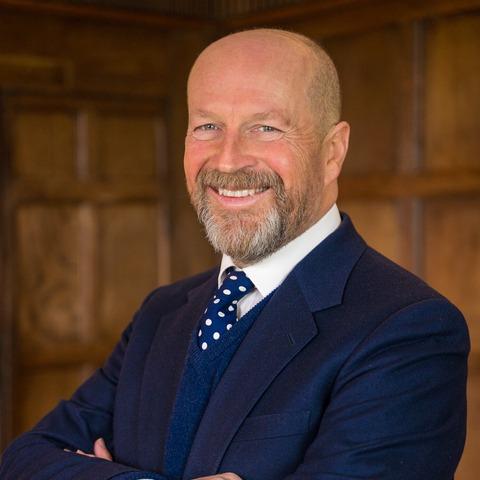
In this episode of all about business, James speaks with Jake Wilmot-Sitwell, Co-Founder and COO of Sandbox VR UK. Jake shares how he transitioned from venture capital to entrepreneurship, taking on £10m in capital to scale full-body, immersive VR experiences across the UK and Ireland.
Jake breaks down the core mechanics of their expansion strategy, explaining how a master franchise model eliminated the initial tech-development risk. He details their shift from capital-intensive flagship locations to lean, plug-and-play concession hubs, while sharing actionable frameworks for optimising yield per square foot, leveraging media partnerships like Netflix, and scaling a frontline workforce.
Timestamps (Video)
03:06 why VR and entrepreneurship
11:17 who comes and why it works
24:00 high-end tech meets hospitality
34:02 hiring young teams
42:46 fixes VAT wages rates
53:18 future IP partnerships
Follow James Reed on LinkedIn:https://www.linkedin.com/in/chairmanjames/
Follow Jake Wilmot-Sitwell on LinkedIn: https://www.linkedin.com/in/jake-wilmot-sitwell/
Find out more about Sandbox VR and their experiences here: https://sandboxvr.com/
Submit your application to Reed’s Entrepreneurs Fund for a chance to win a £20,000 grant: https://www.reed.com/entrepreneurs
[00:00:00] James: Welcome to All About Business with me, James Read, the podcast that covers everything about business, management, and leadership. Every episode, I sit down with different guests that bootstrap companies, mastermind investment models, or built a business empire. They're leaders in their field, and they're here to give you top insights and actionable advice so that you can apply their ideas to your own career or business venture Today on All About Business, I'm really
[00:00:34] Jake: delighted to welcome
[00:00:35] James: Jake Wilmot-Sitwell. Um, Jake is the co-founder and
[00:00:39] Jake: COO of Sandbox
[00:00:41] James: SandboxVR. VR stands for virtual
[00:00:44] Jake: reality,
[00:00:45] James: and this is a company that offers immersive virtual reality entertainment experiences where users can play
[00:00:51] Jake: video games
[00:00:52] James: with their friends
[00:00:54] Jake: Several locations
[00:00:55] James: now, as I understand it, Jake.
[00:00:57] Um,
[00:00:58] Jake: before that
[00:00:59] James: though, before [00:01:00] starting this venture in 2020, sort of at the time of the pandemic, Jake worked in venture capital and investment, including roles at Hambro
[00:01:08] Jake: Perks
[00:01:08] James: and Sabika Investments. So Jake, I'm really excited to talk to you and ex- sort of discover more about
[00:01:16] Jake: the world of
[00:01:17] James: VR and what you're offering, uh, in terms of entertainment and experiences, the sort of experience economy, I suppose it's known as.
[00:01:24] Um, but what was it that attracted you to virtual reality in the first place? What made you think this was, this was both an opportunity and, and an exciting area to go and work in?
[00:01:35] Jake: Of course. Well, f-firstly, thank you very much for having me on, James. It's a pleasure to be here. Um, the start of our journey with Sandbox VR, it was, it was quite a sort of serendipitous beginning. Um, my best mate from university had just flown back from living in Singapore during the sort of height of the COVID pandemic, and he rang me up and said, "Jake, I've got...
[00:01:56] I've done this unbelievably exciting [00:02:00] virtual reality experience called Sandbox VR in Singapore, and I think there's an opportunity to bring this to the UK market." And we saw the UK market as a thriving leisure sector. There's lots of new entrants coming into this kind of competitive socializing space, and I think the British population and consumers are very, um, kind of willing to try new things and try kind of funky new experiences.
[00:02:27] And, uh, at the time, I was kind of in between jobs and going back to your question on was it, you know, VR that led me into entrepreneur- entrepreneurship or was it being a business founder, a company founder and, and starting my own business? And I think coming from my venture capital days, I used to sit on the other side of the table as the investor, and I was always really jealous of all these founders who had these brilliant companies and the kind of independence and freedom to create, uh, a business from [00:03:00] scratch and to, um, to, to kind of-- to create an identity, a, a company culture, build their teams.
[00:03:09] And I always thought, "God, that's, that sounds so much fun." I mean, obviously huge amounts of work, stress, but actually at the end of the day, it's yours. It's y- it's your business. You've created that. You can be the master of its own destiny. And I was always really, really jealous sitting across the table looking at these founders.
[00:03:27] And when this opportunity landed with, you know, one of my best and oldest friends from university, someone who when we were at university, we always joked about setting up a company together, it just felt like the kind of perfect opportunity, and I was in between jobs at the time. It was in the middle of COVID, and I just thought, "Well, this could be a productive use of my time, um, whilst we're all sitting in our bedrooms, living rooms, waiting for the storm to blow over.
[00:03:52] Why not just give it a go and set this business up?" And it-- I kind of fell into it. Now, looking back, I don't think I could ever be-- [00:04:00] I could ever go back to that kind of corporate role. I think I'm now fully in on entrepreneurship and, and, and, and running a business. I absolutely love it. It's fantastic.
[00:04:10] When you say nice-
[00:04:11] James: into it," I, I was actually thinking at the time that you took the plunge, you know, you dived into it. Um, and y- you know, you were sitting in your bedroom thinking, "I've had enough of this." And, um, and good for you for doing that because, um, I think quite a lot of companies were born out of the pandemic, and sometimes the hardest moments are the best times to start a business, in my experience.
[00:04:34] So your friend went to Sandbox in Singapore as a customer and was sort of blown away by the
[00:04:39] Jake: experience
[00:04:40] James: and realized
[00:04:41] Jake: you could set this up
[00:04:42] James: as a franchise, as I understand it, in the UK. So you create your own business and then become a franchisee. Yes. Yeah. Um, where, where did the Sandbox concept originally come from?
[00:04:52] Uh, where, where was it sort of first
[00:04:54] Jake: Yeah, originally founded in Hong Kong. Um, and, uh, then they, they created [00:05:00] the, the technology, uh, in Asia and Hong Kong, um, but then quickly moved to Silicon Valley and got some pretty major funding from some big, uh, Silicon Valley VC companies, uh, investors. And, uh, you know, that helped them scale to a level and invest in the technology and the game development.
[00:05:18] And they've got an unbelievable team of, of game developers that have come from, you know, Ubisoft and Activision, and they are there creating these incredible bits of content that we then give our customers in- Okay ... in their headsets.
[00:05:32] James: I think it's important that we explain, or you do to me and, and our listeners what actually happens when you, you know, become a customer- Yeah ... at Sandbox VR. So you walk in, and
[00:05:42] Jake: what happens? So, so look, we're a leisure business that uses some very advanced technology, um, for our customers. So we're-- at the heart of it, we're still a people-led business that welcomes our customers into a location-based site. We have sites across the UK. We have three in London, one in Birmingham, and one in [00:06:00] Dublin.
[00:06:00] Um, a customer will walk into our site. We have these VR rooms or Holodecks we call them, which is about the size of half a tennis court. Uh, within that space, you've got these, uh, Hollywood-grade motion capture tracking cameras that sit on the top of the room that, um, they, they take your body position and your body movement and map it into our experience, into our game.
[00:06:25] You wear a haptic feedback vest that gives you this sort of haptic sense. Uh, you know, think, uh-
[00:06:31] James: the word haptic
[00:06:32] Jake: haptic mean? Think of a zombie scratching your back. Mm-hmm. You'll feel, you'll feel the, uh- ... the tingles, you'll turn round. So you have this kind of almost 360, four- 4D experience where, you know, if something's behind you, you'll feel it.
[00:06:46] Okay. Um, y- depending on the experience, we have 11 different experiences, you'll have some sort of prop, you know, a weapon, a rifle, pistols, swords in your
[00:06:56] James: 11 experiences. So these are different games, are
[00:06:58] Jake: We have 11 very different [00:07:00] experiences. Um-
[00:07:01] James: the most popular experience?
[00:07:02] Jake: What's the most popular experience?
[00:07:03] Zom-zombies. Zombies. People absolutely love killing zombies. I don't know if that's a sort of indication about the, the sort of mindset of the population. Probably is the population. They just wanna go and murder hundreds of zombies for an and a half hour experience. So that's, that's one of the
[00:07:17] James: And, and what are a couple of the
[00:07:19] Jake: So we then have a time with Netflix.
[00:07:21] We have a, a Squid Game experience, which is kind of a mini tournament, slightly less violent. Yeah. Um, we've got a Stranger Things experience, which is again, kind of shooter-based. A lot of them are shooter-based. Um, but we're also going into more educational content that's much more family-friendly. So we've just annou- we've just released a, a, a dinosaur experience, so you're kind of walking in the land of dinosaurs, and it's a very kind of im- For the younger children.
[00:07:44] Yeah, much m- for the younger crowd. You know, we're trying to get into the school market. Um, it's, it's very popular with, you know, young families. So how, how, how many-
[00:07:52] James: h-how many people need to book at a time for-
[00:07:55] Jake: So you go into this room about the size of half tennis court. You've got the-- all this unbelievable [00:08:00] technology that's sort of all around you. You put on the headset. Uh, you can have up to six people into the, in the room. You put on the headset, and you have a 30-minute fully immersive free roam experience where you're walking around the room interacting with your co-players, shouting at them to turn around because there's a zombie or competing against them in, in-
[00:08:21] James: they're all doing the same
[00:08:22] Jake: all doing the same thing. You're mic'd up. You have, you know, audio- You
[00:08:27] James: dinosaurs while someone else is shooting- No, you're, you're... It's a
[00:08:29] Jake: haven't got children looking at di- dinosaurs while someone- No, you're, you're... It's a shared experience. Right. And the great thing about that is, you know, everyone's glued to their phones these days and, you know, for, for, for 30 minutes you put away all distractions and you're, you're fully locked into a shared experience.
[00:08:42] There's nothing else distracting you in the world. There's no texts, there's nothing coming through that's gonna pull your attention away. And so that's, I think, where we've found this experiential business really exciting because I think, you know, consumers now they're, they're looking for, for, for more than just, [00:09:00] you know, your s- your kind of traditional forms of leisure.
[00:09:03] Oh. And they're also prioritizing experiences over products. So we're seeing consumers are much more willing to, to spend on experiences versus buying, you know, a pair of new sneakers. Oh, very interesting. It reminds me-
[00:09:14] James: of paintballing years ago, and, uh, it's a sort of virtual reality version where you... But which would be different in two important respects. You know, the place I used to go to was called Combat Splat, and, uh, it was great, but it was in a rural area, so you're obviously in city centers, so it's much more accessible for people, and you can probably process more people at a time.
[00:09:36] Jake: We'll do about a quarter of a million guests this year through the sites. Um, and it's, it's, it's-- I mean, you know, when, when, when I often say virtual reality, kind of the immediate thought goes to, you know, solo player in a home, at home, maybe sort of in a kind of teenage segment, uh, traditionally male.
[00:09:57] That's kind of the most people's initial thought [00:10:00] on- Yeah ... virtual reality. But we're a much more broader offering. Um, you know, our, our main customer segment is 25 to 35-year-olds. It's a pretty even split between male and female. It's about 49/51. Um, we're very popular with families. That's about 30% of our business.
[00:10:17] Uh, and then corporate. So, you know, we, we were t-discussing before the show that we're gonna get you in for your Christmas party.
[00:10:23] James: Yeah. Well, I was thinking about that. So, um, that's a popular choice
[00:10:28] Jake: Yeah, it's-- people love it
[00:10:29] James: but just shooting colleagues doesn't cause a few problems afterwards or?
[00:10:33] Jake: you know, no, well, the-- we-- you ne- you, you, you never shoot other players. You don't. It's, it was, it's, it's always a, it's, it's always a team- Oh, okay ... environment. So you're, you're actually working together against a common enemy, which is typically zombies. Oh, I-- okay. So you're all on the- So you're all on the same side.
[00:10:48] James: was just worried at the, as the sort of boss that I might get machine-gunned by- Yeah, yeah,
[00:10:52] Jake: I was just worried that the, as the sort of boss that I might get machine gunned by No, no, no. No, no, no. We wouldn't do that. We wouldn't do that. They've had enough of me, wouldn't you? So that doesn't happen. There is a bit of friendly fire, but you know, uh, the, I, I can't help that.[00:11:00]
[00:11:00] James: So- I can't hold it ... okay. Well, that's good to, good to hear. Did you know that there are nearly one million 18 to 24-year-olds who are currently not in education, employment or training in the UK? This is simply not good enough, and I want to do something about it. That's why Read is launching a new initiative, giving £20,000 to young entrepreneurs to help them grow their small business.
[00:11:24] Visit read.com/entrepreneurs to find out more. We want to support and encourage the next generation of entrepreneurs. So Jay, interestingly, you chose to take the franchise route and start a business that was a franchise. Um, why did you decide to do that?
[00:11:45] Jake: So I think the, the, the advantages of being a franchisee and, uh, working with, you know, a larger brand owner is that they have created this-- w- in my experience, they have created this brilliant product and, and [00:12:00] there was already an existing technology, brand identity, and product that was appro- that was a proven concept in other markets.
[00:12:10] And I think, you know, we as the franchisee were able to sort of shortcut a lot of the risk in getting from zero to one, and then it's from us taking it from one to 100 in our own market. And, you know, we w- we're operating in the UK and Ireland, and that's the market that we know best. So we know the British consumer the best.
[00:12:32] We understand the geography of the country. You know, w- we're able to... You know, we have the network in the, in, in the country to, to find sites and raise capital and, and, and, and f- and, and hire. And so I think on a kind of franchisor-franchisee relationship, it de-risks the global expansion for the franchisor because they don't have to go into new markets that they're not familiar with.
[00:12:56] And as the franchisee, we are getting this, [00:13:00] um, prepackaged business that we then just have to go and find sites in good locations, you know, raise a bit of capital to invest in those sites, hire the teams, market locally, and then run those businesses to the best degree possible. It allows us to run the UK and Ireland business to the best of our abilities and be laser-focused on that part of it without having to worry about the, the, the technological development or the sort of the global IP of the, of the brand, the intellectual property of the brand.
[00:13:34] So it simplifies our life a little bit. Um, and then it allows, you know, our franchisor to, to scale across the world quickly into new markets, um, you know, putting their trust into local operators like ourselves.
[00:13:49] James: Th- there's a lot of trust-- Listening to you, Jake, there's a lot of trust both ways in this relationship because they've got to trust you to get on with, you know, opening the outlets and making it happen, delivering the, [00:14:00] the, the, the entertainment, and you've got to trust them to maintain a high-quality experience and to continue to invest in it.
[00:14:06] Is that
[00:14:07] Jake: Absolutely. I mean, trust is the, the key here, and we are both bound by each other's fortunes and successes. So, you know, for, for this to be a successful global brand, we need our partners to succeed, and they need their franchisees to succeed. So absolutely, we're, we're, we're, we're completely in bed and, uh, w- we are completely reliant on each other's successes in, in, on the, you know, in the nth degree.
[00:14:38] So trust is, you know, one of the most important elements of this. And, um, you know, we've-- we were one of the earlier franchisees. Um, you know, we, we, we, uh, invested in them or in the concept during a very challenging period of the kind of global hospitality sector being COVID. And, you know, we took a punt and they took a [00:15:00] punt on us and, you know, w- we, we now have three of the top or the top three performing sites globally in terms of revenue and guest numbers.
[00:15:08] So I hope that we've done, you know, our bit to kind of bring them, you know, the, the, the, the, the brand success. Um, a- and, you know, they continue to bring exciting new experiences, uh, to us and, and, and we can then sell them to our customers.
[00:15:23] James: Well, thank you for explaining that, 'cause I think franchising is a very interesting model that many entrepreneurs might usefully consider if they want to start something.
[00:15:31] 'Cause it, as you say, de-risks, I like the way you put it, zero to one, then you can go one to
[00:15:37] Jake: you're essentially t- yeah, and, and I, and I think it's, it's a concept in the US that's-- it's, it's huge. You know, you go to the US and everything is franchised. In the UK, it's a bit more of a... In Europe, it's a bit more of a kind of novel sector. I think it's growing. I think you're seeing, you know, US-led brands come into the UK on a franchise basis.
[00:15:55] Um, you know, if you're a budding [00:16:00] entrepreneur that doesn't maybe have the skill set to go and create a, a, a very advanced bit of virtual reality technology, or if, you know, you wanted to, you know, set up a, a restaurant chain but maybe didn't have the, the catering experience, franchising's a great way to take a, a proven pl- a proven playbook and replicate it to your local market.
[00:16:26] And I think that gives, you know, people like myself an opportunity to create a, a brilliant business that has an amazing product, but without a lot of the risk that is involved in getting to a proven concept. And I think that's where, you know, when I spoke about kind of falling into it, you know, I was a young, ambitious, slightly naive, uh, person who wanted to create a business and, and this [00:17:00] franchise route gave me that opportunity to get a fantastic product quickly to market, um, with a lot less of the, the risks entailed in completely creating a brand new concept.
[00:17:11] James: and there are quite a lot of companies that offer franchise opportunities for people to go and research, aren't there? If other people wanted to follow you in that journey.
[00:17:19] Jake: Yeah, look, I think, um, you know, it goes back to my-- our sort of founding story, which was it, it was a bit of luck. It was my, my business partner going and doing this experience in Singapore, and he took the headset off and just thought, "Wow, that was completely novel and unlike anything I've ever done." And I think the UK consumer base would absolutely love this.
[00:17:45] And, you know, we then did the research and found that there was not a huge amount of offerings in this field and, you know, we could have a, a USP in our local market. And, you know, I think if you're someone that may be interested in, in taking [00:18:00] franchises, it's, it's go out and look at new markets, go to... You know, look at brands or products that are doing really well overseas that you as a potential consumer would, would be interested in, and then try to see if, you know, maybe these novel brands that aren't massive might be interested in kind of opening up a presence in, in a new market.
[00:18:22] James: And that instinct proved to be correct.
[00:18:25] Jake: Yeah, I, I, I think so. You know, we, we-- 99% of our customers come out with, you know, a massive smile on their face, bit of a forehead sweat, their heart rate's up The Google review
[00:18:36] James: reviews are very good. I saw 4.9 on, I think, every site.
[00:18:40] Jake: Yeah, yeah. Look, we do our best. We
[00:18:43] James: So y- did you think, um, when you were starting the business that it was quite risky going into something which involved people coming together at a time when everything was going in the opposite direction really, with more and more remote sort of [00:19:00] working, shopping, entertainment. You, you bravely headed in the opposite direction, as I see it.
[00:19:05] Jake: Yeah. Well, I think- What was going through your mind? Well, I, um, naivety. That's often, that's often great. Yeah. Don't overthink it. Um, well, look, I, I, I think the, the, the fundamental, uh, sort of... Human nature always wants to-- is come together in a social environment. And, you know, during COVID, we, we took a punt that COVID wasn't gonna last forever, and once the lockdowns were restricted and once people were allowed out their homes, we would see an immediate bounce back of these kind of in real life forms of socializing, and people wanna get out of their homes and, and, and, you know, physically interact with other humans.
[00:19:45] I think that's just a, a kinda core human desire to- Which is definitely happening now. Which is definitely happening now. And I think, you know, that, that's not going away. You know, that's a fundamental aspect of, of, of, of human civilization is to, is to kind of be c-coming together. And our [00:20:00] experience, while sort of technology-led, is it's still the fundamental pieces you bring together friends, family, colleague under one roof, and you do a shared experience that's completely wacky.
[00:20:11] You know, you get your heart rate going. There's a bit of a sweat. You come out, you think, "What the hell have I just done?" And you have this kind of endorphin-led kind of buzz afterwards where you're sort of all thinking, "Well, what..." You know, there was that bit that you, you know, you had that zombie on your face and, you know, you're, you're kind of all bouncing- Yeah, you're bouncing this thing, and then, you know, you go on to go for a dinner or you go back to the office and you, you...
[00:20:35] Everyone-- There's a kind of collegiate feel to it, and I think we're just creating a memorable, happy experience for our guests, and we're bringing them into a site out of the home. Um, you know, I see families with their teenage kids who, you know, may be being dragged out the house by their parents, and then they all come out and it's kind of this buzzy family en-environment or it's the same with colleagues.
[00:20:57] You know, you see this kind of [00:21:00] great sort of team mentality after they've done it. Um, and you know, if you look at the sort of the digitization of life, people are spending more time on, you know, s-platforms and online shopping and working from home. Businesses are still investing in kinda getting their teams together, and actually you're seeing it more.
[00:21:19] You're seeing companies think, "Okay,
[00:21:21] well,
[00:21:22] if I have a lot of my workforce are, are working from home, we need to bring them out of the home together physically to kind of build that relationship." And I think, you know, no business can operate fully remotely. You have to have that physical presence, and I think-
[00:21:36] James: So you're helping people to get
[00:21:38] Jake: to know each other better
[00:21:39] James: build relationships
[00:21:40] Jake: and- Yeah.
[00:21:41] Absolutely. I mean, there's- Enjoy each other's company. There's
[00:21:43] James: each other's company as a sort of- There's no
[00:21:44] Jake: better way than in a, in a crisis where you're defending yourself against a, you know, invasion of aliens or, or a, a horde of pirates. In the happy knowledge that it's not real. In the happy knowledge that you will come out alive. Yeah. Albeit maybe, maybe, you know, a few nightmares that evening.
[00:21:58] James: Yeah. So [00:22:00] what make-- I mean, you've sort of started to explain, but often, as you say, think of virtual reality as someone doing something by themselves. So the, the key here is it's immersive VR in terms of bringing groups of people together, isn't it?
[00:22:18] Jake: Yeah. It's a, it's a location-based entertainment play. We are bringing, bringing people together in under one roof. It's, it's as simple as that. You know, the, the VR element is sometimes a distraction of what we are. We're, we're ultimately a, a hospitality or leisure business that is, you know, a huge part of our business is, is the people that work in our, in our company and, and my colleagues and y- you know, half the battle is just ensuring that we are able to give our guests the best end-to-end experience.
[00:22:48] With 30 minutes of that in a room where you're kind of isolated from the world. But before or after, there's a huge amount of, um, you know, customer interaction, kind of getting them ready mentally for the experience [00:23:00] of psyching them up. Um, you know, getting them to choose their, their characters, their names, their weapons.
[00:23:07] Um, and then afterwards, you know, we have a whole sort of highlights video bit where you can kind of see your, your best bits, and there's a scoreboard, and then you can get some drinks afterwards and sort of chat about it. So, you know, we try to give this sort of, you know, otherworldly end-to-end experience where you're kind of stepping into our venue, which, you know, we design them to be very futuristic.
[00:23:28] Uh, we have, you know, weird things like robotic bartenders that are serving cocktails and mocktails. Um, we try to sort of give this, you know, impression that we're a sort of very future-focused, future-led technology business, but ultimately, we're just a, we're a leisure business. We're a hospitality business that-
[00:23:44] James: But you are using
[00:23:45] Jake: high-end tech.
[00:23:46] Yeah. We, we know, we, we, we use- It's a fusion of the two ... absolutely some of the most advanced technology that you can, you can, you can get to create this very, very [00:24:00] immersive l- world-leading experience that, that can't be replicated at home. I think that's the big thing is, you know, you can play a headset at home on your living room on your sofa, but you can't, you can't create the environment that we create, which is shared physically with other people in a, in a space that gives you the, the, the movement to walk around, that you're not tripping over your cat or your, your coffee table.
[00:24:25] Um, and you have this, this incredible, um, motion capture tracking system that maps out your entire body so that it's synced to your avatar in the experience, so that when I'm wearing the headset and I'm looking at you, and you're wearing the headset looking at me, we can high five. I can pat you on the shoulder.
[00:24:43] I can push you out the way if there's a sort of- Without
[00:24:46] James: actually doing any
[00:24:46] Jake: of those. Well, no, we are physically interacting. Oh, okay. Yeah, yeah. We'll, we'll physically high five because your body's completely synced. Yeah. Anyway. Well, not in, not on, not in, not on a kind of otherworldly pal- planet. Okay. Or on a pirate ship [00:25:00] or- Okay.
[00:25:00] Or on a pirate- ... or with a T-Rex coming over you.
[00:25:02] James: I forgot all
[00:25:02] Jake: Yeah.
[00:25:03] James: So, so,
[00:25:04] Jake: um, when I think about
[00:25:06] James: as a business person, what you're describing, I-- Well, from a consumer customer point of view, I think that sounds really fun. How exciting. I'd like to try it. From a business person point of view, I'm thinking that sounds quite expensive. You know, that's a serious investment because you've gotta get a property, you've gotta fit it out, you've gotta invest in these cameras and technology. You've gotta hire people to look after the guests.
[00:25:29] You're gonna have a robotic bar person. You're gonna serve drinks, a bar. So there's a lot going on here logistically in business terms. So this is a big investment for you. Yeah. Each one of
[00:25:41] Jake: investment for you. Y- yeah, absolutely. Each one of these sites must be a substantial- Yeah, m- millions in CapEx. Millions.
[00:25:44] James: Millions. Yeah. Um- So you have to ra- you had to raise a lot of money
[00:25:47] Jake: Y- yes ... get this business up. We, yeah, we raised, I mean, today, I think seven and a half million in equity and then two and a half million in debt.
[00:25:54] Right. Um-
[00:25:55] James: got 10
[00:25:56] Jake: you got 10 million dollars. 10 million of sort of funding to get, to get five sites up and [00:26:00] running. Right. We have two models, um, in terms of the venues that we run. We have flagships, which are big 10,000 square foot kind of sites, kind of, you know- And where are they? So that's, we've got one in just down the road in Covent Garden.
[00:26:13] Um, we've got one in, in, in Birmingham in the Bullring, and we've got one in, um, Dublin just off Grafton Street, which is sort of- So those are your flagships. Those are our flagships.
[00:26:22] James: key. They're, they're
[00:26:23] Jake: in expensive locations, city center. They're... Y- yes. We went, you know, prime location- Yeah ... city center, big.
[00:26:30] Invested a lot in the kind of fit out, the look and feel of the site. Um, but you know, they, they push huge footfall through them. Um, th- they're actually the top three-
[00:26:42] James: fall into... You d- you really did take the plunge.
[00:26:44] Jake: you really did take the plunge. Yeah, yeah, Yeah, yeah,
[00:26:46] You didn't just go all in, all in debt. Y- yeah.
[00:26:48] James: credit where it's due. I think, you know, you, you really stepped up to make this happen, you and your university buddy.
[00:26:55] Jake: Yeah, look, it-- I mean, you know, it, it, you-- we fell into it, but it, it took a lot of hard work. [00:27:00] Um, it took a bit of luck. Um, you know, we were lucky to be able to raise the funds to get the first site. We were lucky to get the first site. When we were walking around London during COVID, there was a moratorium on...
[00:27:11] Landlords weren't allowed to kick out tenants through the COVID period. Um, you know, there was a government incentive to sort of protect the tenants, but that meant that there was limited stock for new entrants like us. Uh, we, we were laughed out the door from, from many landlords because they just saw, you know, two 20-- late 20-year-olds with, with no experience in, in running a hospitality business with a sort of wacky VR concept, and they thought, "Mm, we're not gonna sign up to-- sign you guys up to our, our, our, our space."
[00:27:40] Um-
[00:27:41] James: So where was the first one?
[00:27:42] Jake: first one? First site was in Covent Garden. Um, and we were able to get a, a site that hadn't been taken for a while, so it, it had been sitting there vacant. Something the landlord wanted off their books. Um, it, it was, it was uniquely placed that it was sort of on the edge of kind of the West End, but also kind [00:28:00] of encroaching into Holborn in the city.
[00:28:02] So you had a good m-melting pot of, uh, you know, sort of social leisure, 25, 35-year-olds going in out into Soho and, and, and Shaftesbury Avenue, um, who are looking for things to do. So there's this sort of high density of kind of leisure consumers there. You've got, you know, all the businesses in, in sort of City and Holborn that, you know, were on their doorstep, so great opportunity to get kind of corporate dos going.
[00:28:26] And then we're on the, we're on Museum Street, so we're on the sort of thoroughfare into the British Museum. So again, tourism plays a massive part of our, our London operation there. So we got lucky with that location. I mean, you know, we, we, we knew it was gonna be a good location for those three customer bases,
[00:28:41] so.
[00:28:42] James: And that's worked well.
[00:28:43] Jake: Yeah, we got off to a flying start there, and that kinda gave us the momentum to keep growing, and it gave us the reputation from, from landlords to see us as a, you know, a, a strong kind of covenant business to get into their centers. I've-
[00:28:59] James: with, you [00:29:00] know, so many high streets sort of struggling to attract people and, and, know, exciting new businesses, you could almost ask them to pay for you to go.
[00:29:09] Jake: Well, yeah. I mean, y-yes and no. I mean, you know, we do get some good incentives from landlords to, to kind of come in into their scheme. So-
[00:29:16] James: big draw for
[00:29:17] Jake: draw for them ... to bring footfall into the shopping centers. So, you know, uh, you know, I think you're seeing a lot of these big shopping centers pivoting slightly away from retail and kind of cr- and diversifying their, their portfolio.
[00:29:29] So, you know, historically, those shopping centers would be, you know, their mix would be 90%, um, retail, 10% sort of food. Now they're, they're kind of trying to create a much more even mix where it's maybe 30, 40% retail, 30% the food court, 30% leisure. You might get a cinema or bowling alley in there. You know, w-we fit into what we describe as the competitive socializing sector, where we have seen a lot of new entrants, and we're one of those and- Competitive [00:30:00] socializing.
[00:30:00] Competitive socializing. I like that. So you, you, you know, you see brands like Flight Club or, or Toca or Puttshack,
[00:30:06] James: Jack.
[00:30:06] Jake: uh, and it's a sort of technology-enabled form of leisure. So Flight Club's darts, but it's with a- Yeah ... you know, augmented dart
[00:30:15] James: people love to compete with
[00:30:16] Jake: compete with each other. Yeah. And, and it's, and again, it's that- It's a driver
[00:30:18] you're going down that new
[00:30:18] James: the thing is that- No surprise there.
[00:30:20] Yeah ... they're going down that new form
[00:30:22] Jake: of, of leisure where, you know, consumers are looking for maybe something slightly elevated, um, to what they've historically done in their spare time, and, uh, they're up for trying a new novel experience and, you know, we fit into that se-sector and- So they-- So not
[00:30:38] James: experience, but is it an experience that people repeat? Do you have a lot of repeat visitors?
[00:30:43] Jake: Yeah. Well, I mean, that's the, that's the, that's the aim of the game is to try and make this a sticky product that you, you see, uh, your customers coming back once, twice, three times a year. At the moment, you know, our re- our, our repeatability is about 15%, so we're getting about one in six customers back within a year, which is pretty good.
[00:30:59] [00:31:00] Um, we wanna get that higher. Um, the way that we can do that is, you know, we operate similar to a cinema. We-- every year we'll bring out a couple new experiences. Um, the idea is that you've done one experience, but actually you can come back a second, a third, a fourth, a fifth time and do a completely different experience.
[00:31:20] And it's a- again, a whole new novel kind of, uh-
[00:31:25] James: But it sounds to me you might have to get a bunch of people to go with you- Uh
[00:31:28] Jake: Mm. Um. I mean, you know, you can come with two people,
[00:31:30] James: have a good
[00:31:31] Jake: you can
[00:31:31] James: I mean, you know, you can come with two people,
[00:31:32] Jake: come with six, you can come with 14. You know, it, it, we-- it depends on, you know, you can, you can pick and choose your group size. Okay. So how- We do a lot with dates.
[00:31:41] James: dates. Uh- Right.
[00:31:42] Jake: funny enough, we tried...
[00:31:43] 'Cause two people is not our best number because if there's a room of six and you have two people in the room, your utilization is, you know, one third of the max capacity of that room. So we, we tried to do a couple of years ago, uh, an anti-Valentine's Day. So, you know, if, if you don't have a date, come [00:32:00] to us with a group of mates, pretend you're not, it's not Valentine's Day, and you can come and do a, a group experience.
[00:32:05] Anyway, what that meant is everyone who was looking for a date decided that this would be a great opportunity- Right ... to do, to bring, bring your date and, uh, uh, we suddenly had loads of twos, groups of twos coming into the venue over Valentine's Day. Well, obviously it is Valentine's Day, I suppose so. Yeah, yeah.
[00:32:21] James: that's... So you now employ how many people?
[00:32:24] Jake: Uh, 150. Yeah
[00:32:26] James: So that's grown a lot. And what sort of people do you look for? How do you-- Uh, who, who do you want to recruit?
[00:32:34] Jake: We, we-- I mean, m-most of our, um, workforce, most of my colleagues are, are, are young. Uh, I think, you know, median age at the moment is, it's about 23, 24. Um, we hire a lot of 18, 19, 20-year-olds, um, coming out of college, school, university. Um, you know, w-we, we-
[00:32:53] James: what, what's the job they're typically doing?
[00:32:55] Jake: typically doing? Uh, guest experience guides, so front of house.
[00:32:58] Um, [00:33:00] e-e-essentially taking a group from entrance, from entering the property to the, the room. They, they will sit and monitor the, the group through the half-hour experience. So you'll always have, uh, a member of the team sitting by your room just for sort of, uh, safety reasons, just to ensure that, you know, if anything happens, there's, there's someone that can jump in.
[00:33:22] James: So what sort of characteristics are you looking for in these young people you
[00:33:25] Jake: are you looking for in these young people you employ? Um, y- I think a, a, a variety, but you, you need to be confident to be dealing with customers on a day-to-day basis. You need to be, um, uh... You need to turn up on time. You need to be committed. But, but beyond that, we're not picky.
[00:33:43] You know, we, we, we try to hire people who have got loads of energy, who are really into, um, giving our guests the best possible experience. You know, if we're welcoming hundreds of guests every day, uh, it can get quite repetitive, so you've just gotta keep that energy [00:34:00] going. Um, you've got to ensure that, you know, our, our, our customers are paying quite a lot of money to do the experience, so you've got to ensure that every customer that walks through the door are-- i-is greeted with energy, commitment, and you've got to, you know, realize that we know everything about what they're going to do, but they don't.
[00:34:18] So it's all about just getting them educated before they go into the room, getting them excited. If they're nervous, you might want to, you know, reassure them. If they're super excited, you might wanna get them kind of feeling competitive. So the-
[00:34:32] James: This is interesting to me because there's so much, um, commentary at the moment around young people struggling to get into work and lacking in confidence, but perhaps with things like anxiety and depression.
[00:34:43] I mean, you're giving people a real opportunity to get started h- here. Yeah,
[00:34:47] Jake: Yeah, I think, look, the-- I think one of the most... the proudest things that me and my business partner have done with this business is employ predominantly young people, um, who [00:35:00] are often it's their first or second job, and we do our absolute best as the employer to give them not only career skills but life skills.
[00:35:10] You know, give them the confidence to deal with customers, to, to, to, to work in a team, to work in a high-paced hospitality environment, to, um, you know, be disciplined with turning up on time, being presentable. And, you know, our retention rate at the moment is, is, is really strong. Um, and we've had some incredible stories of people coming and starting in entry-level positions in our business and, and, and growing all the way up to people within our senior leadership team.
[00:35:43] And now some, some of the people there are 25-year-olds that started when they were 21 as their first job with us. And we have empowered young people to, um, grow within our business and, and, and we do our best to promote internally. We hate-- I mean, we don't [00:36:00] hate it, but, you know, we much prefer to promote, uh, from, from within rather than hire externally.
[00:36:06] Oh, I, I- And that's kind of our, our biggest goal is just to try and create this incredible pipeline of team members that are growing in our business.
[00:36:15] So,
[00:36:16] James: well, I applaud you for that. And it sounds-- I mean, those life skills that you mention are very valuable for life.
[00:36:22] Jake: Yeah, I mean,
[00:36:22] you, know
[00:36:23] James: you're helping people launch their working lives.
[00:36:25] Jake: We, we don't expect a, a 19, 20
[00:36:27] 21-year-old to stay with us for the rest of their career, and they might not want to stay in hospitality. But I think whatever they go on to do, I hope that they would look back on their time with us and think, "That was a brilliant experience for me to give me the confidence or give me that first paycheck, get me out of, you know, the house with mom and dad," or, you know, build a community of peers, you know, coworkers that you then go and socialize with after work and, you know, you create a, a network that's outside of maybe your school network [00:37:00] or your home network and, you know, it, it brings people into, into real life.
[00:37:04] And I think, you know, as you say, we, we, we, we are in a, a youth crisis, I think, at the moment. You know, you've got a million people not in education, employment or training, as, as I'm sure you know with, with REED. Um, it, it... You know, we have youth anxiety skyrocketing. People are feeling, you know, helpless.
[00:37:24] They're, they're stuck on their phones. They're stuck at home. They're feeling like their job prospects are diminishing. And, um, you know, w- from, from, from my perspective within the hospitality sector, we as a sector employ, I think, almost a third of young people. We're the sector that gives most young people their first ever job, their first ever paycheck.
[00:37:45] We, we give young people the, the confidence to then go out and get, get the job that they're passionate about or, or start a business or, or, or do something that, you know, they, they want to build their career around. And I [00:38:00] think, you know, I think we need to protect that. We need to protect that, you know, in terms of the, the ecosystem that we operate through the- So
[00:38:07] James: how, how are we getting on in terms of protecting that?
[00:38:10] Jake: Not very well, as I'm sure, as I'm sure you're aware through, uh- Well,
[00:38:14] James: would you say? What- Well,
[00:38:15] Jake: look, I think, you know, m- our journey with this business, it's, it's, you know, parts of it have been fantastic, but I'd say the last 12 months has been some of the hardest sort of challenges that we've had to deal with. Um- Such as? Well, look, we're in a cost of living crisis where consumers are spending a bit less, um, particularly on kind of non-discretionary, um, spend, such as leisure.
[00:38:41] I think, you know, you're seeing working families and working people get to the end of the week, and they've been grafting all week, and, you know, at the end of the week, they, they look at their bank account, their, their paycheck, the, you know, the end of the month, and they get their, their salary after, after they've spent on the mortgage, the rent, the, the car payments, whatever it is, the [00:39:00] groceries, filling up with petrol.
[00:39:01] There's not a huge amount left in the kitty to maybe take your, your, your family out for a, for a nice meal or to do something silly like ours. And I think, um, as a business owner, you have to build a business that can withstand these sort of cyc- cyc- cyclical upturns and downturns. But I think the, the real challenge has been a lot of the, the, the, the, the tax burden that we've faced as a, as an operator.
[00:39:26] We've seen employers' national insurance rise. We've seen minimum wage for young people rise to almost a level that's the same as employing a 35-year-old. Um, I think VAT for hospitality is the second highest in the UK. VAT in the UK is 20%, and that's the second highest rate in Europe. Um, and I think all of these things are creating a, an environment where these labor-intensive brick-and-mortar businesses [00:40:00] are, are struggling to, to invest in the people they employ and invest in new sites.
[00:40:05] And I think, I think we need to try and find a way, or the government needs to try and find a way that can address that. And I think we wanna have a hospitality sector that is thriving because that's a sector that Look, if, if I was a government and I wanted to make my population and my voters immediately happier, what's the quickest way to do that?
[00:40:27] Create a hospitality sector that is thriving, that if you work seriously hard all week, you can then go out on the weekend with your family or with your friends, and you can invest some of your earnings into an experience. And that experience might be a wonderful meal, or it might be a VR experience like ours, but it, it will give the feeling of hard work that extra satisfaction, and it will stop people sitting at home in their living rooms, you know, on their screens [00:41:00] and just sort of feeling a little bit downbeat about their life.
[00:41:02] And I think we wanna get the population happier. And how do you do that? You, you, you gotta, you gotta make, make their lives happier. And I think leisure and hospitality is one of the quickest ways to do that. You know, there's, there's obviously big, big problems that the country faces. Have you got
[00:41:17] James: specific
[00:41:18] Jake: suggestions?
[00:41:19] Well, look, I think the simple one is cut VAT. I think we're at 20%. Um, most of Europe are-- is at 10 or 9%. If you're- Hospitality. Hospital- for hospitality, yes. So if you're, if you're Italy, if you're Spain, France, you're running at, I think, 10%. You know, they understand that they need to protect the hospitality sector.
[00:41:39] I think they-- th-these countries have under- have understood that part of their USP is the Italian trattoria or the French brasserie, uh, the Irish pub. These are kind of USPs
[00:41:51] James: USPs
[00:41:52] Jake: both in terms of the domestic culture, but also the, the, the, the international tourism that comes to those countries [00:42:00] to spend.
[00:42:00] James: And we've sort of missed
[00:42:01] Jake: And I think we've slightly missed the mark there, and I think we as a sector are being punished more so than potentially other industries. And I don't wanna sort of point fingers, and I think every industry is fighting for their kind of livelihood. But I think if you look at, you know, what the hospitality sector does, it, as you say, creates businesses on the high street, so reinvigorates the city or town centers.
[00:42:30] We employ a high proportion of young people who don't have work experience. We give our consumers this healthy experience that is bringing people out of their homes physically together in a social capacity that creates memories, that creates social bonds, and package that all together. And I think it's a, you know, it's a pretty healthy, you know, [00:43:00] route to building this country to become a, you know, better b- a better nation.
[00:43:04] James: So that's,
[00:43:05] Jake: So
[00:43:06] James: of
[00:43:07] Jake: that's on the sort of customer
[00:43:07] James: end, the VAT. Is there anything-- Y-you said it was becoming much more expensive to hire people, especially young people. Is there anything you'd recommend is changed on the sort of supply side? I mean, you've talked about the demand. What about the supply?
[00:43:21] Jake: Look, I think it's The cost of employing a young person now is, is almost the same as cost, the cost of employing, you know, a 30, 35-year-old who has experience. We're, we're now seeing when we put a job ad out, we're, we're, we're inundated with, with, with... You know, our inbox for a job is, is inundated. We-- Two years ago, we'd put a job ad out, and we'd get, you know, a smattering of applications.
[00:43:48] We'd then do an assessment day, and 50% of people wouldn't, wouldn't turn up. Now, today, we put a job ad out and, you know, we-we're, we're inundated with applications. Our assessment days are full, and we're [00:44:00] looking at the kind of cohort of people that we're, uh, in-i-interviewing, and it's, it's... You know, we, we, we obviously still have young people who first, second job, but we're also getting people who've had three or four years of hospitality experience.
[00:44:14] And then you look at the cost to employ those two different types of people, and it's basically the same. And then, and then, you know, as an employer who's fighting for margin and fighting in a competitive business, you know, we as an employer have to go with, you know, the, the, the best candidate that will give our customers and our business the best opportunity to thrive.
[00:44:33] And sadly, for those younger people, we end up prioritizing the more experienced person who's, who costs the same. And I think, you know, w- uh, whether the government would row back initiatives they brought on, I don't know. But it's whether we can, you know, maybe freeze the, the, the, the rate of the minimum wage for under 21-year-olds, or whether, um...
[00:44:54] Yeah, I, I... It's, it's a tricky situation. I think the, the business rates landscape [00:45:00] is also quite punitive for high street-led businesses like ours. Um, you know, we're seeing rates across our fleet increase by up to 50%, which is, uh, you know, a big hit to our, our cash flow. So I don't wanna be too doom and gloom, but we do-- We are met with a lot of policy headwinds that are making our life as an operator harder to, to manage the business.
[00:45:23] Now, where does that lead us? Well, that leads us to, you know, focusing on cost optimization. So we're trying to create a more lean organization. You know, how can we, you know, run the company with, with fewer headcount? Fewer people. Fewer people. We have to take, um, you know, cost-saving measures, whether we're reinvesting in, you know, uh, refurbishments of our sites or growth.
[00:45:50] You know, the growth has slowed at the moment because, you know, we don't have as much cash flow to reinvest in new sites and, and open new locations in, in new towns and cities across the [00:46:00] UK, where we would employ more people, you know- Put those things together, you can see why there's
[00:46:04] James: know, there's less work and fewer opportunities.
[00:46:07] Jake: fewer opportunities.
[00:46:07] Exactly. And then also, sadly for our consumer base or potential consumer base, who would love to come to a Sandbox, but maybe we're, you know, we're not geographically in the right location, they can't experience our, um, our product. So- You know, I think it's, it's just, I think, you know, it's, it's f- from my personal perspective as a operator, business owner and operator in the hospitality sector, I wholeheartedly believe this is a sector that the government should prioritize, should help create an environment in which these operators who aren't making much money and who are predominantly British-owned.
[00:46:48] If you look at the hospitality sector, it's, it's a lot of British-backed independent businesses, whether it's pubs or fish and chip shops or- Sure ... you know, domestically created companies. Th- [00:47:00] this is, these are, uh, you know, businesses where the, the, the, the, the, the pounds, the GDP being created, it stays in the country.
[00:47:07] It's not being extracted overseas. Um, so I think there's a huge opportunity here
[00:47:13] James: many people listening would feel a, a lot of sympathy for what you're saying, and I would expect agree with you. Um, I mean, this su-suggests that... I mean,
[00:47:23] Jake: This government has the
[00:47:24] James: the opportunity to make these changes, but given they introduced some of the increases in costs that you've been talking about, is that likely?
[00:47:31] I don't know. But certainly a, a future government do this as well. So whether it's this one or a future government, people are listening who, who, who write policy documents, because I see
[00:47:43] Jake: documents
[00:47:47] James: to less opportunities for all sorts of people, but especially young people. Yeah. Look, I
[00:47:53] Jake: because I see this all over the place. It's a pattern that's being repeated that leads to less opportunities for all sorts of people, but especially young people. Yeah. And look, I think ultimately, w- wha-wha-what's the, the reality of these governments, whether you're a government in power [00:48:00] or government or, or, or a party trying to get into power, th-their main aim at the moment is to get votes.
[00:48:05] And I think how do you get votes as an incumbent government? It's to make your population happier. I think we're all a bit glum in the UK at the moment and, and, you know, there's many reasons why we shouldn't be glum. We've got this amazing country that does so much in, in technology and, you know, hospitality is an underpinning of, uh, human culture.
[00:48:27] And, you know, for, for, for the history of mankind, humans have had this desire to socialize, and I think we need to, we need to kind of nurture that. We need to protect that. Otherwise, we have this sort of,
[00:48:43] James: sort of, sort of
[00:48:45] Jake: vacant country where people aren't getting out their homes as much. And I think you need to create a society that's coming together physically and, and, and one of the easiest ways to do that is, is create, uh, a [00:49:00] sector in hospitality and leisure where it's very easy for consumers to come together and socialize, and then the operators are thriving so they can bring their prices down, they can offer a better service, they can then employ and invest in, in new sites.
[00:49:15] Prioritize
[00:49:16] James: what I would call a vibrant society.
[00:49:18] Jake: Yeah, and I think the easiest way to do that is, is actually just align it to the European model, which is in Europe, most countries give their hospitality sector a much lower VAT rate because they understand that it's a labor-intensive business that requires, as you say in the, in, earlier in the podcast, you know, it's a labor-intensive business that involves us having to invest in CapEx, in physical sites.
[00:49:43] We have to spend money on business rates and all these other things. And, you know, it's a tough business to be in because the margins are, are, are compressed.
[00:49:52] James: So looking outside of the UK, the US, I mean, this business that you, [00:50:00] um, run here in the UK is now very established in the US, as I understand it. Um, are there any lessons from the US that you'd bring to the UK or have brought to the UK?
[00:50:10] Jake: Um, well, look, I, I don't know the US as much, but I, I can, I can go to Ireland 'cause we have a business in Ireland. Yeah. And in Ireland, our VAT rate's gone from 13% to 9%, and that-- and our business rates are half of what we pay in the UK, and we're looking at growing in Ireland. You know, we're looking at investing, investing there because we have this, you know, almost 10% margin buffer just through a lower tax threshold.
[00:50:36] Um, and it's similar- You're
[00:50:38] James: outside it, but you, your
[00:50:39] Jake: Your franchise is confined to the UK and Ireland, is it?
[00:50:40] James: the UK and Ireland, is it?
[00:50:41] Jake: Yeah. We, we, we focus, we focus on what we know, which is UK and Ireland. Well, that's interesting.
[00:50:45] So you have the-
[00:50:45] James: that's interesting.
[00:50:46] So you have the freedom to set up more outlets in both countries, but you're prioritizing Ireland at the moment because you see the environment as more business-friendly?
[00:50:55] Jake: Yeah. Well, it's not even just we see the environment. We-- Our, our cash flow allows us to [00:51:00] reinvest in, into Ireland because we, we... It's two separate businesses. Right. So the cash being generated from our Dublin site gives us a bit more headroom to go and invest more in that country. Now we're, we're looking at lots of opportunities in the UK as well, and w- you know, we wanna, we wanna get our business to a, a national level that's, you know, nationally recognized as a, as a leading operator of leisure.
[00:51:25] You know, we wanna be, you know, we want to have a Sandbox site that's within an hour of every person in the, in the country. But it's just at the moment, our growth has slowed somewhat because of the headwinds that we've, we've encountered. Um, a large part of that has, has been, you know, policy-led rather than,
[00:51:45] you
[00:51:45] know, macroeconomic-led.
[00:51:47] James: Right. Right. looking
[00:51:50] Jake: So looking forward
[00:51:50] James: what, what excites you that you, you said you wanted to set up within an hour for everyone. Well, what excites you most about the future of immersive entertainment? What's the... [00:52:00] What's coming soon if, if you
[00:52:01] Jake: look, we've got lots of new experiences coming. Um, our, our, our franchisors are, are always reinvesting in the, the, the sort of hardware stack. So, you know, w-we'll be, you know, looking at, you know, a more immersive, you know, better graphics, better visuals, um, maybe more exciting props. Um, we've got, uh, you know, IP partnerships, so we're looking at partnering with big kind of global IP owners such as Netflix.
[00:52:25] So we currently have three
[00:52:27] James: IP, you mean intellectual property?
[00:52:29] Jake: property. Intellectual property. So-
[00:52:29] James: how would that work, an IP
[00:52:31] Jake: IP partnership? Yeah. So we, we, we take a, a well-known brand, so, you know, think "Squid Game" or "Stranger Things," you know, household TV programs that- What
[00:52:40] James: a, the Squid Game reality show. We had the
[00:52:42] Jake: you have to produce?
[00:52:43] Yeah, I know. I saw. So, so again, Netflix are doing a great job at, um, kind of commercializing some of their more popular titles. Right. And, and kind of you've watched the show, now go and live the experience. And so, you know, I think Netflix, uh, has seen [00:53:00] our product as a great way to almost simulate their show in a- Extend the franchise, I suppose.
[00:53:06] James: I suppose.
[00:53:07] Jake: Yeah. No, extend the franchise into the VR headset and, you know, you... If you're a big "Squid Game" fan, you can then come to our site and you can basically relive some of those really popular "Squid Game" tasks. So you cross the bridge or... I don't know if you've watched "Squid Game," but, um-
[00:53:24] James: love Squid Game. I, I've never seen something so violent. I mean, it was an extraordinary but incredible series. Uh- Yeah, yeah ... I think Netflix was surprised when it took off as the most popular show in the world, isn't it now?
[00:53:35] Jake: And so I think that's an exciting piece for us where we can do these brand collaborations. Our, our Walking with Dinosaurs or Age of Dinosaurs experience, um, we've partnered with the Natural History Museum. So we're, we're-- we as a brand are looking to work with more of these- Yeah, I might bring my grandsons to your- Please do.
[00:53:54] Yeah. How old are they?
[00:53:55] James: Oh, yeah. Five and two. Okay. Is that too young?
[00:53:57] Jake: Two-year-old might- So five and two ... the two-year-old might [00:54:00] struggle. I think the five-year-old's probably just about there. I brought my five-year-old girl in and, um- I
[00:54:06] James: say
[00:54:06] Jake: you liked
[00:54:06] James: and six months.
[00:54:07] So I'll wait until they're all a bit bigger
[00:54:09] Jake: yeah.
[00:54:09] We, we tend to say eight years old is the sort of minimum age. Is it? Okay. Um, I, I, I, I- All right.
[00:54:13] James: useful for listeners. And you said earlier that it costs a few bob to come. Uh, what, what can people expect to pay so people know as well?
[00:54:20] Jake: Very much ranges to, as to sort of the, the, um, where you are in the wor- or where you are in the country, uh, and time of day, time of week. But we sort of range from lower price of £20 and then all the way up to £50 per person.
[00:54:35] James: Depending on whether it's Saturday night
[00:54:37] Jake: Depending on if it's Saturday night. Depending on if it's a Saturday in London or a Monday in Birmingham.
[00:54:41] It, it's a sort of range. W- we've actually... You know, we, we, we, we understand that we are a premium-led experience, and if you're a family of four or five, you're gonna be putting in, you know, a decent investment into this experience. So, you know, A, we try to give the [00:55:00] absolute best customer experience for everyone that walks through the door, but w- we're doing our utmost to try and bring pricing down or at least freezing it.
[00:55:10] We, we, we think the best way to drive repeatability is through an affordable product. And, you know, we want people to be able to come to us, you know, every, every few months, and the only way to do that is try to be price competitive
[00:55:27] James: When, when you set business up, you know, virtual reality was sort of on everyone's lips, you know, the metaverse, and, uh, it was, you know, we were, we were talking about these funny art, tokenized art and all this stuff that was going on, which now seems quite strange.
[00:55:46] And, and, and now everyone's talking about AI. So I mean, you've obviously doubled down on virtual reality. Do, do you see these sort of experiences becoming more mainstream? Do you think virtual reality is
[00:55:59] Jake: still a big part
[00:55:59] James: of [00:56:00] the future,
[00:56:00] Jake: Or do you think it'll just
[00:56:02] James: be a sort of entertainment niche?
[00:56:04] Jake: Uh, I think, um, the, the sort of at-home VR model is the hype is wearing off. Yeah.
[00:56:12] James: Yes
[00:56:13] Jake: y- I, I think the, the use cases in a sort of single player environment are becoming quite limited, and I think it just hasn't quite hit the, as you say, the expectation of a few years ago.
[00:56:25] I, I think it's becoming... The, the, the virtual reality sector is becoming more specialized, and I think we are a specialized subset of
[00:56:35] James: VR,
[00:56:36] Jake: VR, and w- we cater to people who have never touched a VR headset in their life, predominantly. You know, the vast majority of our consumers or guests have never even put on a headset.
[00:56:49] And so I think for us, and the sort of longevity of, of, of that technology, I think you're still seeing some exciting developments there. I think where the technology is at is [00:57:00] still in, at a level that gives us a sort of medium to long-term runway that the, the, the, the sort of the software and the hardware isn't gonna start feeling too, too kind of archaic.
[00:57:11] Um, and, and ultimately we, we still are this, this leisure business that is, you know, at the heart of it, just putting guests into a, a completely new environment, and that, that-- the technology is really there for that. And I think we... Y- it's so realistic. I mean, you have to come and try it. It's so realistic that you kind of almost forget where you are, and you're completely immersed in this world.
[00:57:39] And I think that the, the, the... our partners, um, you know, have, have invested, you know, tens and tens if not hundreds of millions of dollars into this technology now and creating this ecosystem that we are now there for the, for the long run. And for us, you know, our goal is just to keep the customer base excited about it [00:58:00] and keep getting them back in.
[00:58:01] And I think the best way to do that is bringing out new novel experiences that gets, gets our consumers excited again.
[00:58:07] James: the future.
[00:58:08] Jake: that's the future. So-
[00:58:10] James: so, so that's the future. I'm, I'm sort of seeing, um, you transporting people into all sorts of different scenarios, stories, um, for their entertainment, um, for many years to come.
[00:58:24] I mean, that sounds like- Yeah ... that sounds like your goal. Um, so for you specifically as a business, what, what's next for Sandbox VR?
[00:58:33] Jake: So at the moment, um, we're looking at new sites across the UK and Ireland.
[00:58:37] James: and Ireland. Um,
[00:58:38] Jake: we,
[00:58:39] we are focusing slightly more on, uh, a concession-type model, so working with other operators and kind of fitting our sites into their sort of real estate.
[00:58:51] James: So what
[00:58:51] Jake: So what sort of- So, so, so we have the flagships, and then we have these sort of slightly smaller, more plug-and-play model.
[00:58:57] So, uh, you know, we don't need [00:59:00] 10,000 square feet, we need 2,000 square feet. You might
[00:59:02] James: alley
[00:59:03] Jake: them. So yeah, we actually work with some operators called Gravity Max. Um, and then we also work with an operator called Toca. Gravity is a sort of multi-leisure. There's bowling, there's mini golf, there's all sorts of different...
[00:59:15] There's arcades. So we sort of slot in as a sort of co-tenant. Mm-hmm. And then same we've done with Toca, which is a sort of a football-led experience. And so that model's worked really well for us because it's, it's a lower CapEx. Uh, you're creating these sort of destination hubs where it's sort of multi-offering.
[00:59:32] Um, so we're trying to figure out-
[00:59:34] James: of those hubs?
[00:59:35] Jake: you've got many of those hubs? Yes, we've got two of those. Oh. Uh, and that's where we're spending a lot of our time at the moment, because at the moment, the, the, the, the, the CapEx required to do these big sites, the risk is, is huge. The, the, the investment's massive. Um, and the payback period to these smaller sites is much faster.
[00:59:52] So we feel like we can roll these out much quicker.
[00:59:54] James: flagships, but now you'll do lots of- Yeah
[00:59:56] Jake: the flagships, but now you'll do lots of- Yeah, the flagships- Sort of pillar of smaller- Exactly. It's a sort of, you know, [01:00:00] hub-and-spoke model where, you know, the flagships are those engines and, and they're the big kind of brand ambassadors. But then these smaller sites, they're actually the, the really efficiently run businesses that still get lots of people through the doors, don't need a huge amount of space, can-- we can run them with a smaller team, and we're also piggybacking off other operators.
[01:00:18] So we're working with other brilliant operators that we're kind of doing co-marketing. So we'll, we'll be marketing to our customer base, they'll be marketing to theirs, and you have this sort of shared environment where, you know, you might come to their experience, and then a week or two later you come back and do ours.
[01:00:35] It's a center of sound fun. Yeah, they're great, and I think that's the future is, is maybe amalgamating lots of different offerings into one... under one roof. Yeah. You know, you have a lot of these big sort of department stores that are closing down, so it's, it's sort of could you create a department store of fun?
[01:00:52] James: Right. Well, I like the sound of that
[01:00:54] Jake: Yeah.
[01:00:56] James: So I think that, that's a good place to sort
[01:00:58] Jake: of perhaps conclude
[01:00:59] James: our [01:01:00] conversation, Jake. Thanks very much for coming in to talk to
[01:01:02] Jake: me. I'm looking forward
[01:01:03] James: to a world full of department stores of fun and lots more, uh, virtual reality offerings from you and your colleagues.
[01:01:13] Jake: I always ask two questions
[01:01:15] James: at the end of, um, our conversation, and the
[01:01:19] Jake: First
[01:01:19] James: one, because we at Reid love Mondays, is what is it, Jake, that gets you up on a Monday morning?
[01:01:26] Jake: You up on a Monday morning Mostly my kids. Once I've been woken up by them. Um, to be honest, the, the-- my favorite thing to do on a Monday is we, we do all of our team meetings that day, and it's, it's just hearing about how the weekend goes. You know, a huge part of our business happens on Saturday and Sundays, as you'd expect.
[01:01:47] And so it's just clocking in on a Monday morning, hearing from all of our general managers, uh, about how the weekend went and all of the customers that we had through their doors, seeing the Google reviews come through and seeing all these [01:02:00] f- seeing all the fantastic feedback that we've got. Um, you know, that's definitely the highlight of my Monday, um, looking back at the week past and, and, and seeing.
[01:02:11] James: So the question, did you have a good weekend, has particular meaning at Sandbox VR. Absolutely. Yeah.
[01:02:16] Jake: And, and, uh, it, it, it tends to, at the moment, be very led by the weather. So when it's raining, tends to be a good Monday.
[01:02:24] James: Business is good. Why you... Yeah. Okay. And my last question, um, Jake, from my interview book, Why You, is where do you see yourself in five years' time?
[01:02:34] Jake: Well, hopefully we have, uh, a nationally recognized brand called Sandbox VR that's welcoming hundreds of thousands of guests through their doors every month. And we are giving friends, families, colleagues, a, a brilliant, unique experience that they can then take home as a memory, and they can use that as, as a memento of their time together in a, in a [01:03:00] shared physical experience.
[01:03:02] James: Well, that sounds wholly positive. I wish you every success with that, and I very much hope that happens.
[01:03:08] Jake: Thank you very much, James. Thank you for-- pleasure to be on
[01:03:10] James: It was really interesting
This podcast was co-produced by Reed Global and Flamingo Media. If you’d like to create a chart-topping podcast to elevate your brand, visit: http://flamingo-media.co.uk/