



Watch the episode
Listen to the episode
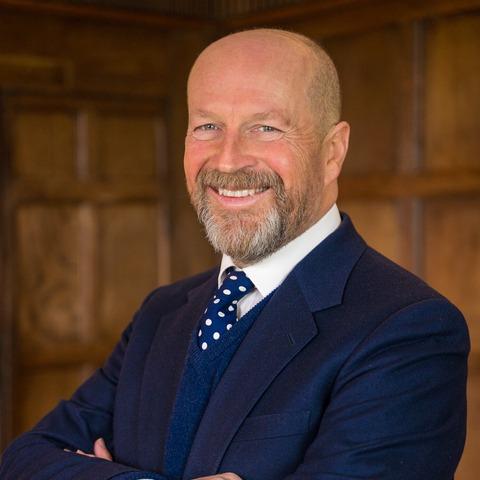
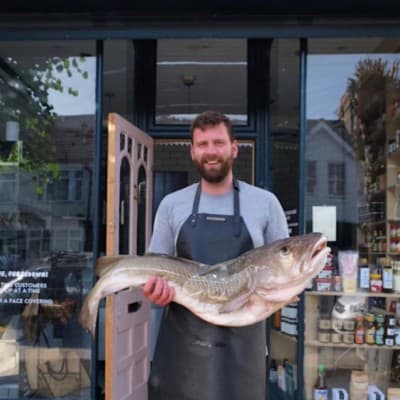
In this episode of all about business, James speaks with David Palmer, Founder of Life of Fish, the modern London fishmonger that started as a lockdown pop-up outside a Peckham cafe, and has now grown into a multi-site retail and wholesale business built on sustainability, craft, and genuine customer service.
David shares what he learned starting work at Billingsgate Market, at the age of 14, with no qualifications and no plan. Climbing into bins at two o’clock in the morning and learning to fillet fish under pressure, allowed David to slowly piecing together a skillset he didn't realise he was building. The lesson he took from those years is simple: nothing you learn is wasted, and starting from the bottom teaches you things no shortcut ever could.
Together James and David explore what it really takes to build a product business in a traditional industry that nobody had modernised. How do you source fish responsibly from small day boats and coastal fishermen, why educating customers builds more loyalty than any marketing, and what happened when David took 100 tuna steaks to Brick Lane and sold none of them.
They also discuss the harder lessons of growth: why expanding too fast almost broke the business, how to know when to consolidate rather than chase new opportunities, and what it means to build something that runs on profit rather than debt.
Timestamps
3:16 leaving school at 11
14:01 the entrepreneurial pivot question
16:19 the breakthrough moment
18:31 the gap in the market
20:38 Covid lockdown launch
22:20 70 people queue
40:00 Lesson on over expansion
41:02 turning down free rent
44:44 hiring philosophy
Follow James Reed on LinkedIn:https://www.linkedin.com/in/chairmanjames/
Follow David Palmer on LinkedIn: https://www.linkedin.com/in/david-palmer-8867888b/
Find out more Life of Fish and their products here: https://lifeof.fish/
Submit your application to Reed’s Entrepreneurs Fund for a chance to win a £20,000 grant: https://www.reed.com/entrepreneurs
[00:00:46] Well, today on All About Business, I'm really, really delighted to welcome David Palmer. Uh, David is the founder and director of Life of Fish, a modern sustainability-focused fishmonger based here in London. [00:01:00] And David, your Life of Fish began, I believe, at the age of 15, if not earlier. You've been in the- Yeah
[00:01:07] fish business all your, all your sort of adult life. Yeah. Um, so you're the right person for us to be talking to to learn about this subject. And, and, uh, I'm really looking forward to the conversation because I love fish, I love eating fish, I like fishing, I like, um, the sea, and I like looking after fish as well.
[00:01:23] Yeah. So we can cover all of those, all of those aspects. Um, as I understand it, you started the business, you know, coming out of the pandemic or during the pandemic, but before that, you worked for many years at Selfridges, um, in London in the fish counter. Yeah. And so, um, could you just gi- give me a little introduction to yourself in terms of how you got into this, this business and, and what your early sort of lessons and learnings were?
[00:01:50] Yeah, sure. Yeah, so I, um, I left school at a really young age. Um, I never really got along with school, to be honest. And then, um, I think I left around [00:02:00] year seven, which, um, which is yeah, the first year of secondary school, obviously. Um- That's, that... I mean, how old is, that's, that is a really young age. I think it's like 11 or 12 or something, isn't it?
[00:02:10] You're not allowed to leave school at 11 or 12, are you? No, you're not. You're certainly not allowed to, no. We got many visits, um- Oh, right ... yeah But you, you just left. But I, I left. Yeah, I didn't, I didn't like it, and I, there was no way- Oh ... I was going back. But my mum started, uh, homeschooling me- Right ... for the first few years.
[00:02:25] Um, and we did that until I was around 14. Um, and having five older brothers, I think their, their plan was to- Hang on. Uh, you have five older brothers? Five older brothers, yeah. Were they being homeschooled as well, or were they- No, no, no ... uh- They sort of, they sort of all did a similar thing. I don't, I think only one of us barely finished school, to be honest.
[00:02:43] Right. Um, but yeah, I- So none of you liked school? No. We grew up on a council estate in Robber Hive in Bermondsey. Right. It was kind of, it was kind of the trend. It was the '90s then, you know, sort of... And I was, um, kinda, like, forgotten kids and, and- Right ... just sort of kids roaming around on [00:03:00] bikes, really. So it wasn't, it wasn't the most amazing upbringing, I must say.
[00:03:04] No. Um- But you had the solidarity of your family. Yeah, we had the solidarity of the family, and we've all, we've all always worked. Uh, so I- Right ... I saw all of my older brothers work from a young age, and weirdly it was kinda normal then, about 15, 16, just to go straight to work. I don't know if it was just the area I grew up in, but there wasn't, uh, there wasn't many other things to do.
[00:03:25] You know, university and stuff like that wasn't, wasn't really- Yeah ... you didn't see anybody go off to uni or anything like that. Well, if you weren't going to university, you went to work, I suppose. Yeah, exactly. Yeah. Yeah. Yeah. So, so I think, I think their aim was to make me go back to school, 'cause obviously they didn't.
[00:03:39] Mm. So they wanted the best for me, and I think it was more like a scare tactic. "Well, if you're not gonna go to school-" Then you gotta come to work with us at 2:00 in the morning at Billingsgate Market Oh, so they were working at Billingsgate? Yeah, they were working at Billingsgate This is your mom and dad?
[00:03:54] Uh, no, no. My brothers Oh, your brothers. Your brothers. Yeah. Okay So, so I said, I... being a bit [00:04:00] cocky, "All right, fine. I will then." Like, anything's better than school. Well, so d- you better say what Billingsgate is in case people listening don't know. So- I mean, I know it as a Londoner, but what, what is Billingsgate?
[00:04:08] Yeah, Billingsgate is, um, I think it's the largest fish market in Europe. Um, and it's, yeah, it's, it's a big fi- fish market in Lo- based in London, basically. Um- It's now in the Docklands, isn't it? Yeah, it's in Docklands It used to be in the city Right next, right next to Canary Wharf. Um, it used to be located just a- across London Bridge, basically- Right
[00:04:27] which, um, very central location. Yeah. Would make things a lot easier for me now. Yeah. Um, but yeah, so, so they were basically working through the night prepping fish for fine dining restaurants. That was- Right ... that was their job. So they took me in, I think hoping that they would, I would see- What age? 15? Uh, age, age 14.
[00:04:48] 14 Near 15 You'd think, "Well, I don't wanna do this." "Oh, my God. Yeah, I don't wanna do this. I better run back to school." Yeah. Right. But it didn't work. But it didn't work. So what, you liked- I wouldn't say I loved it- ... but I didn't dislike it. Right, you didn't dislike [00:05:00] it. Yeah, so- So you got into it- Yeah ... one way or another.
[00:05:02] Yeah. And the, um, the owner of the company basically said to me, "All right, if you're serious and wanna work full-time, come back when you're 15." Mm. So I did. 'Cause it was lawful to start employment at 15 back then, yeah. Yeah. Yeah, yeah, yeah. Um, so I did, and my first job at Billingsgate was to climb into these...
[00:05:19] They've got these huge, um, containers where all the polystyrene boxes are stored, and obviously this is, this is back- What, 20 fif- 2005 I guess Yeah ... around then. So there wasn't, you know, Amazon where you could just order nice boxes. Yeah. So my first job was to climb in and out of bins- Right ... to get polystyrene boxes to then jet wash them- Right
[00:05:44] nice and clean to then be used to pack fish in again. Right. So 2:00 AM, 15 years old, crawling in and out of these bins- Right ... looking for boxes that weren't damaged basically is, is how I got into fish. Right. Um. And [00:06:00] then what happened after that? Then I graduated. I mean, this sounds like something out of a-
[00:06:03] Charles Dickens book. I know. It's, it's- So, well, yeah ... it's bizarre, isn't it? No. Well, I mean, you, but you made a life and career out of it- Yeah, I mean- ... very successfully. So what, how did you do that? What happened next? I don't know. I guess, I, I guess there was just this determination to, to sort of keep going back and not necessarily to find the boxes, but, you know- Mm
[00:06:21] there, there was a lot of other things going on there, um, like filleting fish and seeing these huge fish come in that were f- being filleted for, you know- Mm ... like Gordon Ramsay restaurants in his, in his prime and- So these were tuna fish, were they? Like, um- Um, mainly like a lot of salmon and a lot- Yeah ... of cod.
[00:06:39] Um- Mm. So it was kind of exciting and traumatizing at the same time, you know, 'cause it was like early hours of the morning, freezing cold. Um- Did you feel sorry for the fish? When you said traumatizing, I was wondering what the- No, it was more- No ... it was more just the, the elements. Oh, right. Okay Like it being January and it being snowing- Yeah, it was tough
[00:06:58] outside. Yeah, it was very, it was a, it's a, it [00:07:00] still is a very tough job. But then- Right ... I sort of, I think they saw that I was gonna stick around, and then they started getting me more involved in, um, prepping and cleaning squid and things like that- Uh-huh ... which is kinda like the entry level to being a fishmonger.
[00:07:14] And then sort of fast-forward a bit, did that for a while, and then I, I, I started helping to pick all of the orders for these fine dining restaurants. Right. Um, and I didn't really know, it, I didn't, it didn't really sink in, like the experience I was actually gaining, but what I was learning is about grading fish, understanding sizes, and understanding, you know, quality control and, you know, how to look after fish with regards to, like, packing it away and things like that.
[00:07:42] So I was actually learning a lot more than I thought I was, I think, at the time. You didn't realize. Yeah. No, I didn't realize. Um, and then I started learning how to fillet fish as well. Did you do a formal apprenticeship or you just sort of learned it? No, it was, it was- It wasn't, it wasn't structured in that way.
[00:07:56] No, it wasn't structured, and I think that was the kind of, when I [00:08:00] say traumatizing, it was kind of, you know, I was, one week I was playing PlayStation at home, nice cozy in my room, and then all of a sudden I was, I was off to work. And- Yeah ... 2:00 in the morning, six days a week, about 12 hours a day, um, with a load of men that were...
[00:08:16] It was, I always describe it as like f- m- imagine having like four Gordon Ramsays just screaming and shouting at you all day. Um- It's not, you're not, you're not selling this to me. I'm not selling it, am I? Yeah, sorry. Um, but I mean, it sort of- Sorry ... it, it does sort of lead to why, or how I run my business these days.
[00:08:33] Go on. But, um- So, so, so but then, but before we talk about your business and which you started- Mm ... in this decade, you worked at Selfridges. Yeah. So you learned to become a fishmonger. Yeah. And then, I mean, Selfridges, you were at the fish counter. Is that right? Yes, I was the manager there. So I, I'd sort of learned, learned a- enough about fish in wholesale and- Mm
[00:08:52] and I went into retail just 'cause I'm a more of a people person and I have a passion for food. Um, before, around the same sort of [00:09:00] time, I was also enrolled into the Jamie Oliver Fifteen Foundation, which I, I completed the first section of that, of cooking- Right ... and learning how to be a chef. Um- Okay ... and then- Yeah, so I discovered that I, you know, I really like working with people.
[00:09:15] Um, and the hours for the wholesale side of things at Billingsgate weren't suiting me so much. So that's when I m- I moved. I actually started working in a small independent fishmongers before Selfridges, which is where I, I learnt how to sell and price fish and, um, and deal with customers really. And- Right
[00:09:35] and I was able to sort of show my passion more for fish there. Whereas in wholesale, it's more about just throwing the fish in t- into a box, getting the order- Yeah ... ready. Getting it shipped. Um, yeah. And then the director of the company that ended up taking over the concession in Selfridges was on the hunt for a manager, went round all of the good independent fishmongers, and that's how he found me [00:10:00] and offered me the job to be the manager in, uh, in Selfridges, which, yeah.
[00:10:05] So you were, you were headhunted. S- yeah. Caught on a hook. I was trying to think of a funny fish thing. Yeah, no, I was trying to think of a fish analogy. Yeah, yeah. But you were ... But that, so that was an interesting process of recruitment- Yeah ... which makes a lot of sense to me. Yeah, and- Yeah ... it was the first time that I'd really been able to see that, you know, maybe there is a bit of a career path in, in fish and fishmongering.
[00:10:26] It's a lot- Yeah ... different today. Fishmongers are great today, but then it was kinda everybody was in it because it was all they could do, if you like, kind of like how I was in it. Yeah. Um, so yeah, moving on to Selfridges was, was a massive career change. And you stayed there for how long then? I was there for I think nearly nine years.
[00:10:45] Right. Um, and I learnt going there, uh, moving to Selfridges, I just, I learnt more about, um, pricing fish and margins and obviously more dealing with a luxury [00:11:00] service- Yeah ... and providing a luxury service to, to a different clientele really. Um- So y- so over this period, you'd, you'd accumulated a lot of knowledge and experience.
[00:11:10] Yeah. You know, f- from Billingsgate w- and up until the time you were at Selfridges. Yeah. Clearly, and you'd learnt about cooking and, and, and- Yeah ... obviously service as well. So this gave you, gave you a lot of sort of- resources with which to start your own business, in a way. Yeah, definitely. And I don- I don't think I realized that at the time.
[00:11:31] I, I think I was just kind of plodding along. Um, but it wasn't until I did go to Selfridges that I sort of, I started seeing ... We were getting training for certain things, and I was kind of like, "Well, I already know this." Right. Um, and then I started to piece the puzzle- Yeah ... um, as the manager there. Um, and I learned about all, all sorts of different things like food safety procedures and all that sort of stuff.
[00:11:55] Some of the best- Yeah ... food safety training out there, obviously Selfridges, [00:12:00] and that's something that we a- apply to our shop today. Which is really, really important. So what, so what was the moment that made you decide to go out on your own and ... I mean, this is a, a key moment for entrepreneurs, isn't it?
[00:12:10] Yeah. You know, I'm gonna take the plunge and, and start my business. Well- How did that happen? What, what was your journey? I started a little street food business. Um, there wa- it was, at the time there was this movement of, um, st- lots of different street food vendors that were buying high quality produce that you would get in a restaurant, but they were cooking it in a street food sort of- Oh, so you were cooking it as well?
[00:12:34] Yeah, yeah. So, so I started that, and the first week I took 100 tuna steaks to cook and didn't sell a single one. Where was this? This was in Brick Lane, um, market. You didn't sell a single one? A single one. There was about 300 people- Didn't that break, didn't that break your heart? ... walking around. It did, yeah.
[00:12:51] And then I start- 100 tuna. I'd have bought one. Yeah, I know. My freezer was packed. So what happened there? So how did you proceed from there? Uh, I [00:13:00] don't know. I just, I went home, and I w- I was a bit down. I was a bit like, oh, I really had my heart set on this 'cause I'd seen other people do it and thought- Yeah
[00:13:07] why, like ... But there was something in me that was kind of, I was more trying to find solutions as to why it didn't work- Right ... rather than giving up, and I think that was really the first time that I saw something different in myself. And I went back the following week- And this is the part where you probably expect me to say I sold a thousand.
[00:13:26] And I didn't sell a single one. I wasn't sure what you were gonna say. And I was like, "Oh." So then what happened? Yeah. And then I went back, and then I s- I did end up sell- selling a few, and that, so that was the third week. And that gave me a bit of a buzz to, to, you know, keep moving. But what it taught me is that I w- I was in the wrong area.
[00:13:48] And then I moved to a different market, got there, could barely set up. Where did you go? So I went to Maltby Street Market, which is near Borough Market. Right. So, um, different clientele [00:14:00] really. South of the river- Not many tourists ... west a bit. Yeah, yeah. Yeah. Closer to home maybe. And I sold, I think I sold 100 or 70 tuna steaks in an hour.
[00:14:10] And- So the location was critical ... it was, yeah. So that's what I learned. But I always- Yeah ... think to myself, if I didn't keep going back to make those mistakes or whatever it may have been, I may never have gone to Maltby Street. Right. And I made £700 profit in an hour on my day off. And- Right ... I was, honestly, if you would've seen me, it was like I was a millionaire walking down the street.
[00:14:31] Um- So there was no looking back. No. There was- Yeah ... a- after that, it, it just filled me with this feeling that I knew that I would never be able to get from working for somebody else. And- Right ... that was apparent when I went back to work the following week, and I was- You didn't like being told what to do.
[00:14:46] No. I had a really good job on a good wage and, and whatever else. Um, but yeah, there was something inside me that just, I think I, I unlocked this entrepreneurial spirit, I think. So, so you had this, this concession in [00:15:00] Maltby Street Market. Yeah. But then you started a fishmongers, huh? Well, so I did that for a few months, and then logistically it just wasn't working out, which is another learning curve is- Because- I, I didn't have a driving license, so I was, I was- Oh, getting everything there
[00:15:14] getting taxis there. Oh, right. That's expensive. Yeah, it was just, yeah. Right. It was just... So I went back to work, and then started over the next few years s- kind of formulating a plan in my head. Um- Right ... and it... I was just unhappy. So you held onto this idea- Yeah ... that you wanted to work for yourself. I kn- I knew that I wanted to do something, and I knew, I also knew that street food wasn't it, because it wasn't sustainable.
[00:15:38] I, I was never gonna be able to sustain an income. Right. People do, but me personally, I don't think I could have done that. Um, so I, but yeah, I always knew that I wanted to do something for myself. Um, and then I think it, I was just frustrated with fishmongers in London especially, or, or, or the UK. I just, I felt [00:16:00] like it was quite a boring...
[00:16:02] And people were referring to it as, like, a dying trade. Which obviously it's my trade. I, I've been doing it my whole life. And at this point I was about, I'm 36 now, I was about 30 then. And- I just suddenly thought butchers had this sort of resurgence where they had, like, the cool aprons and everything. Mm.
[00:16:21] They, they were more explaining about where the meat comes from, and people- Mm ... were taking a bit more pride and, um, wanting to understand more about where their food comes from, and I was kinda there with all the information. So, but nobody had really ever done that in fish, in a, in a fishmongers anyway, um, for customers to be able to- So your, your concept then is to sort of share much more about the- Yeah
[00:16:48] produce? Yeah, definitely. I think it's can be quite intimidating when going into a fishmongers and seeing a load of whole fish and having to, you know, I, I- How do you help people? Yeah, I, I understand that, 'cause you don't know what they [00:17:00] are or- No, yeah ... or which ones are fresh or how to cook them necessarily.
[00:17:03] So how do you help people with that? Yeah. We just, we focus more on, um, customer service- Right ... um, rather than, say, your filleting skills, 'cause that can be taught. But what we've found is that, you know, education around fish and where the fish comes from, and h- well, how to cook fish and how to make it easy is probably more important than that.
[00:17:25] Because after all, we want the customers to buy the fish. Yeah. Um, and I think I witn- I've just witnessed so many different, um, scenarios in fishmongers where they've just not been helpful to customers, and in my head I'm like, "You're, you're y- losing customers." Right. Yeah, so we sort of- So you've brought a real customer focus to this.
[00:17:43] Yeah, customer focused, um, and then also just made it a bit more appealing by selling different things other than just fish. So you can come into any of our stores and, and buy non-r- non-fish related things, you know? So if we wanna find [00:18:00] you, Life of Fish, you say come into any of... How, how do people find you if they wanna come and enjoy your service- Uh, so-
[00:18:05] and buy fish from you daily? So we've got two shops. Uh, one is based in Peckham, and one's based in Abbeville Road in Clapham. Um, a lovely little street in southwest London. Yeah. Opposite the famous, uh, butcher's Ginger Pig. Um Uh-huh. Um, and then- You're obviously friends. Yeah. Yeah. And then obviously in Selfridges Food Hall, we've got a big concession there.
[00:18:27] Selfridges Food Hall as well, so- Yeah ... so you maintain that relationship successfully. So okay, so what are the, what are the most popular fish? What, we, what do you sell the most of? What's- We sell a lot of salmon. Right. A lot of salmon. Uh, uh, salmon's kind of people's go-to, I think, for midweek, uh, meals. Um- Mm
[00:18:47] and then it'll be another white fish, I would say, a- along the lines of cod, hake, things like that. Um, we generally try to keep people onto British coastal fish rather than, [00:19:00] wild British coastal fish rather than farmed, um- Right ... fish, which Which, yeah, I mean, people love salmon. I don't think you could ever turn them away from that, but, um- But that w- that would be farmed, wouldn't it?
[00:19:12] That would be farmed, yeah. Yeah. But the other fish would tend to be wild. Yeah, they tend to be wild. So, so at the moment there's, um, there's concern about the mackerel- Mm ... stocks around the UK, and th- th- they've been graded five, I think, on the risk list. Yeah. So some, some stores are not taking mackerel anymore.
[00:19:30] W- w- what, what's your view on that, and how do you deal with that? I mean, I'm, I'm all for it. Obviously, uh, we need the fishermen to be able to sustain our business and sell fish. Um, and I know personally, just because we do use a majority of our fish comes from small day boats, which are- Small day boats?
[00:19:49] Yeah, so- What are they? So- So they only go out for short periods of time, whereas the other- They're not big trawlers. No They're not big trawlers. They have low impact on the ocean, basically, and it's the most sustainable way [00:20:00] of fishing. And where do they go from, these guys? Um, so a lot of these go out of all different places in Cornwall- Right
[00:20:07] um, and in Devon. Uh, we, I drive three times a week to Hastings, where there's- So you've got a driving license now? Yeah, I got a driving license now. Yeah, yeah. Thank God. To Hastings. Um, yeah. What happens there? I drive to Hastings, and basically there's two fishermen there that I buy everything that they catch.
[00:20:24] Um- Right ... a lot- So it's super fresh and it's sourced locally. Yeah. So it's, it's, it's- So you buy the whole catch? I buy the whole catch, yeah, whereas a lot- They must love you. Yeah, I mean, uh, well, it was, it was, it was my way of getting them to sell, sell to me, just because a lot of the bigger companies, they wanna sort through and find the, the perfect size for chefs and restaurants, whereas us- Right
[00:20:45] we're selling to the public. So what do they have typically in their catch? So they can have anything. A lot of plaice. Yeah. Um, occasionally a turbot, and occasionally mackerel. Right. Um, but I- They've already caught the mackerel at this point. Yeah, I try... Yeah, exactly, yeah. [00:21:00] So I try to, you know, I, we concentrate a lot on the Marine Conservation Society, on, on their website, and what they recommend is a, a fish, a good fish to eat or a good, or a fish to avoid.
[00:21:14] And we tend to follow that, like, almost religiously, especially for Selfridges. Yeah. Um, but then there's the other side of it where I'm actually physically dealing with the fishermen, and I can see that, you know, they, they say to me, "We're not actively looking for mackerel- Mm ... but we've caught them." And once they're there, you know, uh, me as an operator, what am I, and what am I meant to do?
[00:21:39] Am I meant to see them throw these dead fish back in the water or am I meant to buy them? Um, so you can, you can sort of, um, be stuck in between sometimes. But, but generally we do buy the whole catch of everything they've caught. Yeah. Yeah. And, and you're doing that on the understanding they're not actively looking for things that- No, I mean, if there were [00:22:00] three-
[00:22:00] three huge- Yeah ... crates of mackerel, I'd probably turn them, turn them away because then- Yeah ... that, that shows- That suggests they've been out fishing for mackerel. Exactly, yeah. Whereas if there's three to five fish or something like that, then, then- Yeah ... we'll take them. But, and then that's when it becomes important in our shops, as I mentioned before, is that we then educate our staff and they will then relay- So this matters to your customers, you find?
[00:22:20] Yeah, definitely. Yeah. Yeah, yeah. Especially with social media and stuff like that, everybody is kind of, um, educated around things like this now. Yes. Which, which I remember a, a lot of people almost seeing that as a negative, whereas I always thought that was a positive because then that opens the doors for us now to be able to show all of our hard work and experience with regards to how we source our fish.
[00:22:45] Yeah. Um- Have you seen people's sort of eating habits change? Are people eating more or less fish? Is that, I mean- Definitely more, I would say. Are eating more fish? Yeah, definitely more. Yeah. Why is that, do you think? 'Cause we're around. No, I'm joking. Yeah, 'cause you, because there's a great... Well, if, if you don't have the good [00:23:00] fortune of living near one of your outlets.
[00:23:01] Yeah. Well- Uh, we do deliveries as well. Do you? On, yeah, we've got an online shop. How do you... So you've got an online shop? Yeah, yeah. You didn't tell me about that. No, yeah, sorry. So how do people find your online shop, though? Um, yeah, so on our website, My Partner Ruth is, um- What's your p- what's your website called?
[00:23:14] Uh, it's www.lifeof.fish. Life of dot fish. Um, not .com. We thought we'd be a- Oh, you're a dot fish. Yeah, dot fish. Life of dot fish. Yeah. Okay. Ruth, my partner, who is, um, a brilliant graphic designer and web developer, she, she comes up with all the- She's created this for you ... cool, uh, creative. So you can order online?
[00:23:33] Yeah, so you can order online. I think we are the only fishmonger that is also, uh, that's got physical stores as well as online stores. Wow. So how long, how long does it stay fresh? How do you get it... I mean, 'cause one- So it's all next- ... what you've been describing, the, the sort of going to Hastings, getting it fresh, is quite appealing.
[00:23:50] But how do you get it to people quickly enough through the online ordering? So everything's n- everything's next day delivery. Next, so that's- Yeah ... like getting it from Cornwall. Yeah, exactly. Yeah. So you'll order with us. [00:24:00] We've, we've always got... We've designed the website to have obviously our stock items in.
[00:24:06] Right. And if, if something isn't available, it's not available. Um, but normally we know... I, I, we have, we tend to have regular customers online, so we- Lifeof.fish. Lifeof.fish. I'm gonna go and have a look at that. Yeah, you should. Yeah. Yeah, yeah. No, that sounds great. And it's often me who do- still does the deliveries.
[00:24:21] Um- Really? Yeah. So you'll come in person. So that's good too. Yeah. I always j- I, yeah, I always just find that, um, well, one thing that I've found with running the business is, um- You have to also find what you like to do in the business as well as all the boring stuff. And doing the deliveries and being out and about in the van and stuff is, yeah, I enjoy it.
[00:24:41] So you like, y- y- as you said earlier, dealing with people. So you like dealing with customers, you like dealing with the- Yeah, I think- ... the suppliers. Yeah. You're out and about. I mean, I'm awake from 4:00 AM pretty much four times a week. Right. So, uh, my day can look like anything like that. But you actually get up at 4:00 AM.
[00:24:55] Yeah. Unlike me, I just wake up at 4:00 AM. Oh, really? I can't go back to bed. Oh, God, no. But [00:25:00] you're using the time more productively. Yeah. Yeah. Som- sometimes. Yeah. Um- So you get up at 4:00 AM? Yeah, yeah, about that. Right. Um, and yeah, I'll go into each shop, um, see their displays, make sure the displays look nice, make sure that they're, you know, o- one big- What time do the shops open?
[00:25:18] They open at, uh, 9:30. Okay. Yeah. So, so not... But before then, I- But you've gotta get everything into the shops ... before then I would've been to collect the fish and back again, and then distribute the fish to- Where do you collect it from? So we do, we do buy a bit from Billingsgate. Um- Right. So you're either getting it from Hastings- Yeah, Hastings
[00:25:34] south from Cornwall. And then we buy a lot from Newlyn in Cornwall- Right ... and Brixham in Devon. A lot of- Right ... our flat fish come from Brixham in Devon. Um, but there's, i- if you, if you can order a bulk amount, then Cornwall Transport will deliver directly to the shop. So everything that was caught yesterday tends to be delivered today.
[00:25:52] Um, so it's, it's a pretty good service if- That's really important, isn't it? If, if you can, if you can sell enough fish because, yeah. So is it true you [00:26:00] shouldn't buy fish on a Monday? Not so much anymore. No. Why is that? Uh, just because- I've always been told that. Yeah. What? Well, we've, we've... I have to say this now anyway- No, go on
[00:26:09] because we've, um, we're actually a seven-day operation now in all of our shops. Are you? Yeah. We're sort of trying to get rid of that stigma around- Right ... not buying fish on a Monday. Um- The, the, traditionally, that was im- that was a, a thing because everybody bought their fish from Billingsgate. Right. And Billingsgate is closed on a Monday.
[00:26:29] Right. But because we buy so much fish, obviously, to be able to sell throughout our shops, it means that we do buy directly from the coast, which we do get deliveries ev- nearly every day. Yeah. Um, also fish shelf life, you know, you tend, you, you can have fish that lasts two days comfortably. Yeah. Um, so it might be a, a, a less selection, say, to a Saturday, but- Yeah
[00:26:53] but yeah. It's, I think- So- I'd say some- a good fishmonger opening on a Monday is, is fine. It shouldn't be a problem. Yeah. So, so [00:27:00] y- you've said you also learnt from Jamie Oliver. You're a bit of a, bit of a chef. Yeah. What's your favorite fish, and how would, how would you suggest it be prepared? Weirdly, I always go for all the cheaper fish.
[00:27:11] Yeah, go on. That's, that's encouraging. What, so- Um, I, I love things like gurnard. Um- Yeah ... to make fish and chips out of gurnard is really nice, um, because it's quite a, it tends to have quite a meaty texture. Yeah. Um, but my sort of specialty is turning fish into, uh, what you would normally use meat for. So I cook, I've cooked twice now at one of the largest barbecue festivals around called MeatoPIA.
[00:27:37] Right. And the proof is kind of in the name. Yeah. I think when I contacted them and asked if I could cook there, they were like, "Well, we're called MeatoPIA, not FishtoPIA." Where, um, and, and where's MeatoPIA occur? Where's- Uh, it's at, um, Tobacco Dock. Uh, in- And is this in the summer? In London, yeah, yeah. So it's every summer and September, I think.
[00:27:55] So, so, so anyone going to MeatoPIA who doesn't fancy a steak can find you- Find me, [00:28:00] yeah ... and have a tuna steak or something else. Yeah, so, so what we cooked this year is there's a lot of British bluefin tuna now in the UK. Is there? They've been migrating here, yeah, for the last 10 years, I think it is. But, uh- And is that because the sea's getting warmer?
[00:28:11] Yeah, all different things. Apparently it's that. There's a lot of mixed opinions, but a lot to do with it is they, they just migrate, I think, um- Bluefin tuna around the UK, aren't they? Yeah, yeah, yeah, loads of bluefin tuna. But one thing I learnt from my wholesale days is that a lot of fish just gets filleted and the bones get thrown away full of meat.
[00:28:29] Right. So for MeatoPIA, I created a, a double cheeseburger by using all of the carcasses that would've normally been wasted- Right ... but full of meat, minced it how you would normal, normally do a burger, and turned it into what looked like a double cheeseburger. Um- But it was fish ... but it was fish. And- So what did you call it?
[00:28:49] A blue, a bluefin double, I think it was called And it's always amazed- And people went nuts, and we, we had a queue of about 500 people. Really? Yeah. Well, it s- it seems quite [00:29:00] original. Yeah, um- So this is all the, this is all the sort of r- left- Y- yeah ... material that was re- Yeah, I mean, there are big chunks of meat left on the carcass, so- Right
[00:29:07] I always just saw an opportunity- Seems a good idea not to waste it. Yeah. Yeah, it was, yeah, it was partly that. Do you get, can you sell th- do you sell those through your, uh, your fishmongers? We, we were selling them last summer, yeah, after I did Meatopia- Yeah ... we had loads of people come in saying, "Where can I buy these?"
[00:29:22] Which I, I didn't- So are you gonna, you gonna do that again this year? I think so, yeah. We- Yeah ... every year you have to cook something different. Um- Right ... but obviously it has to reflect kind of like a meat dish to fit in with Meatopia, I would say. Right. Right. Yeah. So how are you hoping to sort of grow and develop your business from here?
[00:29:37] I think one thing that we've learnt is to really concentrate on what we've got at the moment. I think in the early days I was maybe a bit too eager to grow, which resulted in us having to close our first shop. Um, just because I'm, I'm just one person, you know? I can't- Right ... I can only get round a- as many shops as I can, [00:30:00] and, and staff.
[00:30:00] There's, there's always something going wrong all the time, basically. A, a friend of mine just basically describes it as putting out fires. Well, on the people side of things. On the, on the, mainly on the people side of things. Um, so yeah, w- I, I would say that we, we probably grew too quick in the early days.
[00:30:17] Right. Closed one of the shops, really focused on what we have, and that's what we, we tend to be doing now, is focusing and, um- So you're really- ... enriching what we already have ... you're really doubling down on your- Yeah ... operation as it is. As, as difficult as it is, yeah- Hmm ... 'cause I think we're, we're quite a pretty looking fishmongers- Hmm
[00:30:36] that, that fits nicely into streets, so I mean, we get contact. We're, we're kind of- People say, "Will you come into our development?" or whatever. Yeah, we get so many landlords all the time. I mean, uh, uh, this, this year alone- Will they offer it to you for free? Uh, we, we got offered a shop in Dulwich Village, um, free for two years, and he- help with fit out costs.
[00:30:55] And you didn't fancy it? And I really fancied it. So why didn't you do [00:31:00] it? That's part of the problem. Well- Um. So you're worried about overreaching yourself. Yeah, yeah, somewhat. Yeah. But, and that's because you've had experience of that before. Yeah, had experience of that before, and- So what, how does that happen?
[00:31:11] I mean, because this is interesting for entrepreneurs listening about pacing yourself and- Yeah ... trying to structure your business in a way that's sustainable and doesn't overreach. I think- What, what was your experience? I think with us it's, um, we've not got any bank loans. Is we're all funded by our profit.
[00:31:26] We use our profits to reinvest into the business, and we've still g- still not got any bank loans or, um, any investment. So it's all q- You wanna keep control of it, and that's it ... we wanna keep control of it. Um- And I've, I've, I've kind of hit a point now where if we do wanna grow, the, uh, those things may need to come into place to be able to do things properly.
[00:31:47] Um, but yeah, I would say that, you know, if, if you spread yourself too thin, then- Yeah ... customers will notice, and that's kind of what happened. Uh, I always, I always [00:32:00] f- feel that our b- like, businesses are like a living thing. They kind of, uh, uh, especially for me, this is how I get it anyway, you know, they take on a, a mind of their own.
[00:32:09] They take on a, a path of their own, and they will... Every shop's different, and they, a lot of the time, you know, the business will be screaming at you to change something. And in the early days, I d- I didn't know, I didn't know that because I hadn't run a business before really. Um- You, you didn't know that it would be screaming at you?
[00:32:27] Yeah. I didn't, I didn't- Well- ... like to change something, you know? The- Yeah ... it just wasn't working. But I've, I thought that I could continue and, you know, change it, and it, it probably- And you've done that successfully. Yeah. I mean, well, well, cha- by change it, I mean closing the store, which we did. Which is a difficult decision to make.
[00:32:45] Which is a difficult decision. Um, and yeah, but it probably should've happened probably two years prior to that. Right. Um- But you've still got two successful- So yeah, we s- ... outlets ... yeah, so we looked, we really took a look at what is successful and [00:33:00] where. The area will tell you if they want it- Yeah ... you know?
[00:33:03] And we, we, we don't apply any different methods to different stores, so if it's, if it's not working there, then it's not really us that needs to change so much, I think. This is, this is a really... I think it's a really interesting subject because if you've built a business that's quite dependent on you and your service and your personality and- Yeah
[00:33:21] your good name and reputation, and you're there a lot, what's the next step? How do you grow it? Because if, if you have two shops, you're not gonna be in- Yeah ... you can't possibly be in both of them at the same time. No. So you might- Yeah ... so you, you, uh, you need to find people you can trust to delegate to, I suppose.
[00:33:39] Exactly, yeah. Uh- Which is the hardest part of it all. You find that, yeah. Yeah. Why is that so hard? I really don't know. Um, we, we've... I'll be honest, we've had some really awful people come through our shops that we've... And we've had a massive- On, on your payroll? Yeah. Yeah. Massive struggles with, with, with certain people in the business and- [00:34:00] And yeah, that, I think that in itself is, is what holds me back.
[00:34:04] But like you say, you need to find these people if you wanna grow. They're out there somewhere, I'm sure of it. They are. We- Yeah ... do you know what? We're doing real- I don't wanna jinx it, but we're, we're doing really well. You've got the right people at the moment. Yeah. Yeah. Well, maybe that's part of the journey, just getting better at finding- Absolutely
[00:34:15] people and, uh, and judging people, deciding who to hire and who not to. Yeah. 'Cause a good hire makes a huge difference. Yeah, definitely. And I, I've, I've definitely got a bit of a sixth sense for it now. I, I know exactly what to look for, and- What do you look for? I just think it's, a personality is worth more than any skill.
[00:34:33] Right. Um, it, I mean, I can speak for our business, um, to- 'Cause you can teach the skill. Because you can teach the skill, but you can't teach people to have a really good personality, or you can't teach people to be engaged so much, I would say. And someone once said to me, "You can't teach someone to smile."
[00:34:46] No, exactly. Yeah. Yeah. And our, our job is all about smiling. Yeah. So that's it. So you, so y- you know, their sort of mindset trumps the skill set- Yeah ... which is a sort of- Definitely, yeah. So I- So you've got to identify that when you're talking to or meeting them, deciding. Yeah, [00:35:00] definitely. Yeah. I, I almost- What, what do you ask them to identify that?
[00:35:02] I almost just ask, I, I ask them really basic questions because I, I start the interview normally by, by, um, explaining to them that I understand that they have no fish experience or very little. Yeah. Because I wanna put them at ease, because I feel like they might be going into the in- I don't, I don't want them- Mo- most people will not have fish experience, I guess.
[00:35:20] No, exactly. Yeah. And then why they want to work with fish, and what are their expectations around fish. Mm. And then I'm also really honest about what the job is. It's- Yeah ... it's not glamorous. Um, it can be sometimes when you get, you know, celebrities coming in to shop with you or whatever. Yeah. But the, but in a nutshell, it's, you know, shoveling ice and, you know, a lot of heavy lifting.
[00:35:45] And it can be really rewarding to the right person because you're constantly learning, you know? Yeah. There's, there's a lot of fish out there that you need to learn about and to fillet and, and yeah, if you, if you get the right person who has an interest in wanting to learn a new skill, [00:36:00] um, then that's a good- Yeah, who wants to become a, I, I suppose- Yeah
[00:36:03] who wants to become a fishmonger in the full sense of- Yeah ... that. Definitely. I mean, we, we had a guy come and work for us who, um, worked in advertising for years and was on a really good salary, and just decided that he didn't wanna do that anymore and- Right ... wanted to work with fish. And obviously took a massive pay cut, um, and- But he convinced you-
[00:36:23] loved every minute of it ... that he would be a good- Yeah, he convinced me. And- Right ... and I was really hard on him, if I'm honest, 'cause I was like, "Well"- Advertising. Yeah. Surely not. Yeah, yeah. Yeah, yeah, yeah. I can imagine. I'm, I'm jealous of your old job and you wanna come and work for me. Yeah. S- so that's interesting.
[00:36:35] So this person really was looking for a career change, something different. Yeah, definitely. Yeah. And he, he did amazing, you know, and worked for us for about a year and a half and has gone off to do his own thing and, and yeah. Well, a lot of people are saying now that jobs that involve working with your hands are gonna be the jobs of the future.
[00:36:50] Yeah, yeah. And, and you're offering that to people. Yeah, definitely. I mean, fishmongers do work with their hands, don't they? Yeah. And we've, we've modernized it a bit, you know, um, in terms of, uh, we [00:37:00] want, we want people to feel comfortable and, and we provide all of the right equipment and, and, and things like that, that make people feel comfortable, and the right training.
[00:37:09] Because of, like I, like I mentioned already- Yeah ... when I started, they opened the door and went, "Go over there and do this." Whereas I know- Yeah ... what not to do now. Right. So you said something interesting earlier. You said that for customers it can be a bit intimidating going into a fishmonger's. Yeah. And, and I sort of identify with that 'cause it, you know, there's a lot of information that you may be...
[00:37:30] So h- how do you, how do you make it more sort of user-friendly in that sense so that people- I think- ... come in and have a chat? Yeah. Um, how do you do that? One thing with how is how we design our shops. Right. So we've got, we're called Life of Fish, Fishmongers & Pantry, so we have a huge pantry section that is just based up, based of all, all different, kinda like a dry goods section that is based- So what do you sell out of there?
[00:37:56] So we sell loads of olives, and e- we sell truffle [00:38:00] crisps and- So it's like a sort of deli ... yeah, like a deli side of it. Ah. And that will sit right in the window. Right. And the fish side of things is a bit pushed a bit further down with all- Oh, I see. So- With all the soaking wet taps and the guys in the aprons and things like that.
[00:38:13] Yeah. Is a bit further down. But there's a bit of theater involved with as well, isn't there? Yeah, definitely. I mean, the, you said the guys in the aprons. Yeah. You know? For the right person. You wanna... Well, yeah, I like a bit of theater- Yeah, yeah ... in my shopping- So do I, yeah ... experience. It makes it more fun.
[00:38:25] Yeah. But yeah- ... one thing we wanted to concentrate on is that if we're gonna be a neighborhood, if we're gonna be in neighborhoods, then, you know, people might may not wanna eat fish every single day, but we need to figure out a way to get them to shop with us every single day. Okay. So that was kinda how we, we came up with the idea of having a pantry section that, you know, if people are going f- to a dinner party or something like that, they can come in.
[00:38:48] We sell these lovely Portuguese, um, tinned fish, and they've all got their own design on the front of the box. And we get so many people coming in to buy things like that for gifts and, [00:39:00] and- Oh, right ... other things. Um, so a big part of the- So you have to be pretty clever in what, the sort of accessories that you have in- Yeah, I think the days of just putting fish out and people coming to buy it is, is kind of shrinking a bit, I would say.
[00:39:11] We have to make it a bit more exciting. Right. We sell, sell things like, uh, dumplings and things like that, um- Like, like Asian- Yeah, yeah ... kind of things, yeah. Um, and then all of the smoked salmon and things. Right. Um. So I've just been very fortunate in that I've just been to Japan. Yeah. And, and I was told in Japan by, uh, someone who runs a cookery school, that there are 55 different species of fish around Japan.
[00:39:40] Wow. And, and they've become very, um, accomplished at catching and eating them it seems- Yeah ... 'cause apparently the Japanese eat something like 20% of the world's fish. But the, um, i- interesting point he made is that the... And I'm not sure if it's true, but is there are only five species of fish around the coast of Norway or northern- Oh
[00:39:58] the North Atlantic. [00:40:00] Is that in any way plausible? Uh, I'm not sure. I've never heard that before, to be honest. Um- But can you think of many fish that we, have been- I mean, I've been to Norway a lot, and they tend to only have around five or six- It's like- ... um, species of fish displayed, so ... would y- Yeah, so there's a lot of cod going on.
[00:40:15] Yeah, so it's a lot of cod, there's a lot of, um, haddock. Oh. Um, pretty sure they get a lot of mackerel there. Something called Arctic char as well, they have there. Yeah. Um, but I would s- yeah, I would say that it's probably more a desire of just, like what's more desirable to the customer is probably what they focus on.
[00:40:31] So this, but this, I think, th- th- this might be something to do with the water or the sea, you know. Yeah, I mean, it's- How re- 'Cause that's obviously, the Japan's obviously in the Pacific. Yeah. It's different, totally different ecosystem. Yeah, so I mean, it's obviously, it's a tough climate in, uh, Norway, and s- it's- Yeah
[00:40:45] freezing and, and, uh, I, I would imagine they've got a lot of deep sea fish there, um, that they probably don't catch. But yeah, definitely loads of halibut comes from Norway. Um- So that'd be the other one. Yeah. But that does have a bearing on, on the sort of [00:41:00] business, doesn't it? I suppose. Yeah. Yeah, I would suggest- And the, the, the sort of options.
[00:41:03] Yeah, they're probably well known for halibut, cod- Mm ... haddock, um, and a few more. So what, what's happening with, I mean, there's big concern ar- around climate change, sea temperatures. How's that affecting fish stocks? And I mean, uh- I mean, yeah, absolutely ... I hope I'm asking the right person. Yeah. It's probably unfair asking you this, but - No, no, I mean, I know a, I know a-
[00:41:23] but I'm interested and- I know a little bit about it. I mean- Yeah, I thought you might. So that's, that's- I mean, my, I- What, what can you share on this? At Selfridges, I worked alongside the mo- one, probably one of the most amazing people I've met along my i- career. His name, Matt, his name's Matt Couchman. He's a, he was a sales manager, but he was also a fishery scientist.
[00:41:40] Oh. Um, and we still speak quite often, um, now, and he just, he just knows everything. Um, so he's always there. Right, Matt Couchman. Yeah, so he's- Oh ... always there if I ever wanna speak to anybody about things like this. So what's his latest sort of take on things? Um, I've not actually asked him that, but I mean, my take on things is that it, it's just constantly changing, you [00:42:00] know.
[00:42:00] And, um, like we discussed about the mackerel, um- Yes ... you know- 'Cause it wasn't long ago it was cod. Yeah, exactly. Mm. And now c- I think cod is now coming back round again to, to being not sustainable again
[00:42:22] Yeah. Oh, okay. Thank you so much. Yeah, no worries. Like for example, mackerel, um, has now been rated five. Mm. Um, whereas growing up, um, I mean, hearing stories of people go to Cornwall used to be able to just drop a hook in and a mackerel would jump on the end. So i- is this ever-changing thing around, um, fish and sustainability, um- It's important we get that right though, isn't it?
[00:42:45] Because- Yeah, definitely. And I think- No one wants the stocks to be depleted. No, no. And that's why we, we pay a lot of attention to what the MCS are, are saying on their website. And it's- The MCS is what? The Marine Conservation Society. Right. Um- So people should look at their [00:43:00] website for this. Yeah, they definite- they've even got a really good app, a portal, and you can just check.
[00:43:05] You can literally type in any fish and it will tell you the rating. Oh, as a customer. That's good. Yeah, as a customer, yeah. Um- Oh, we should all do that. Yeah, definitely. Yeah. And these are the things that, you know, fishmongers are not telling their customers or educating them in that kind of way. Right. Um, I guess they don't wanna have the conversation, um- Right
[00:43:24] which is why they should come to Life of Fish Yeah. I was thinking that. You, you're a responsible supplier. Yeah. I mean, fish is protein ultimately, isn't it? And protein is good for the brain. Yeah, definitely. Especially the omega-3 fish and- Yeah ... um- So which ones are those? Uh, so that'll be like mac- Mackerel again
[00:43:44] unfortunately mackerel. Unfortunately, yeah, that's all it... Um, mackerel, tuna, cod. Do you sell fish oil in your shop? We don't, no. Maybe you should. Yeah, yeah. Those little tablets, the fish oil tablets in the- I mean, we have got a gifting section actually- Yeah ... which, um, which we sort, which sort of started off as a joke, but, um, we sell sort [00:44:00] of cards, the place to be or something like that.
[00:44:02] It's got a picture of the place. Oh, oh, right. So- Yeah ... so yeah, people, people are interested in all sorts of things, so maybe. Yeah. No, so good. So in, in, in the future, it sounds to me like you're really focusing on making sure your, your fishmongers are fabulous. Yeah. But do you see potential in building the online offer?
[00:44:21] I think so, yeah. I mean, you said you delivered yourself. I mean, you'd have to get some other people to help you, I imagine. Yeah, yeah. And that, that's- But is that a- an upside that you see, uh, potentially? That's part of it. I mean, we've got a three-year-old daughter, so- Right ... um, any plans that I make now are kind of have to be, you know, quite solid and are a bit more thought out.
[00:44:39] You feel you have to be more responsible now, do you? Yeah, yeah, yeah. Well, that's probably right. Yeah. And I've, I've taken a lot of risks in the last six years, um- Right So you want to consolidate would be your thing? I do, yeah, but i- it depends what day it is. So yeah, it sounds to me like you have a- No, I mean, we, we, a couple of years we recent- we, we got offered a sh- shop in Marylebone.
[00:44:59][00:45:00] Right. And it was just the most perfect location. Right. Um, so I definitely think there is scope there to, to maybe expand it in that way as well. Marylebone's a very, um, popular shopping destination. Yeah. Yeah, definitely. And we've sort of built a bit of a reputation around there by being in Selfridges. So someone should give you a good offer for a, yeah- Yeah, anybody listening-
[00:45:21] location. Yeah. Yeah, yeah, that'd be good. Well, I, I, I, I sincerely hope that they do. Um, thank you so much for coming in to talk to me, David. Thank you. I, I always ask two questions at the end for my guests. Um, they're the same questions. The first question you see on the wall here, because at Reid we love Mondays, is what is it that gets you up on a Monday morning?
[00:45:44] Very early, I think. Yeah. Well- ... I absolutely love Mondays because it's my only day off. It's your only day off? Ah. But- So it's still true ... as I mentioned, my daughter Pixie- Ah ... she, um, she makes sure that I'm awake normally around 6:00 or 6:30. Oh, that's a lie-in for you. [00:46:00] Um, yeah, exactly. Yeah. So that's good.
[00:46:02] Um, no, but yeah, Monday is kind of- my sort of rebuilding day, getting ready for the, for the week. So I love walking and- Right ... I tend to take my daughter for, like, a four-hour walk. Um, and while I'm on that walk, I'll listen to a podcast or be, be with her while she's in the park and- Fantastic ... and sort of recoup and, um- So you have good family time.
[00:46:23] Yeah, yeah. We... That, that Monday is sort of dedicated to that. Um- I'm assuming she's in a buggy. No. No, no, she's- She walks for four hours as well? No. Oh, no, she is in a buggy. Yeah, yeah. So I was gonna say, that's a, a- We did have the conversation about her walking one day ... she's gonna be an elite athlete. Yeah, yeah.
[00:46:39] Uh, uh, that's good. Um, but yeah. So that's nice time together. Yeah, yeah. It's lovely time. Yeah. And I'll be honest, I, I spend the whole time just sort of reflecting on the week before and- Yeah ... I, I d- I really do have this almost an obsession with... I wouldn't say I'm a perfectionist, but I really like to get things to a certain [00:47:00] level of where I'm happy.
[00:47:02] Yeah. And I think that's what I've worked out, rather than looking outside of what everyone else is doing. If I'm happy with how things have run the previous week, I'll have a, I'll have a good day. 'Cause no one cares about it more than you. Yeah, exactly. Yeah. Makes sense. And, um- Yeah ... yeah, so sometimes I can spend too much time on that walk thinking about that.
[00:47:19] Yeah. Um, but it's a good time to, yeah, reflect and, and think about the things that, say, we've spoken about today, about maybe expanding- Yeah ... or focusing on the website and stuff. Thinking about the future. But it's, it's a... Yeah, it's a really good... I try and just put my phone in my pocket and not, not look at it- Yeah
[00:47:35] and, and think about, yeah, what's important. Now, there's a lot of, lot of evidence that suggests that we shouldn't look at phones for the first hour of the day. Yeah. 'Cause our brain works differently for the whole day if we do that. I've read that. In a more creative way. Yeah. Yeah, yeah. Absolutely. So I try and do that too.
[00:47:50] Yeah, I definitely try and do it before bed. Mm. Yeah, it's funny you say that actually, 'cause a few years ago I have... For years I slept with my phone under my pillow. [00:48:00] Right. And I c- it just seems like such a strange thing to do now. Yeah, I try and keep the phone- I sleep with it on the side ... I don't put, bring the phone into the bedroom anymore.
[00:48:06] Yeah, 'cause even if you can see it, yeah. But then I have a fear of being like that guy who runs Heathrow Airport and someone- ... and they try and ring you in the middle of the night with an emergency and you sleep through it. This is it, yeah. Um. It can create a more of a- Yeah, so there's a new anxiety around that.
[00:48:19] But I think it's good to try and cr- create a bit of distance with it so you can think creatively. Yeah, definitely. And then my last question for you, um, David, is from my interview book, Why You? 101 Interview Questions You'll Never Fear Again, is where do you see yourself in five years' time? Um, I think doing the same thing, like I said, refining a lot.
[00:48:40] Um, there is, there is part of me that, you know, wants to continue growing different areas of the business. The shop run, the shops run themselves now. I, I, sometimes I can have three days off a week, um, which I don't know what to do with myself. But yeah. Yeah. Um, so I d- I do think there is- Do you ever go out with the fishermen?
[00:48:58] I have been a couple of times, yeah. Yeah. But I get [00:49:00] terrible seasick, which- Do you? ... yeah, I don't like to. That's a shame. Yeah, yeah. I bet it's quite interesting. I w- I was in- Yeah ... Sicily on a boat, and I had to make 'em turn around and- Did you? ... get me off 'cause I felt terrible, yeah. Right. But, um, but yeah, we, we're doing a lot of wholesale now.
[00:49:12] We're careful about what we do in wholesale. Um, so we supply a chain of sushi restaurants. Oh. Um, we also, we also, uh, supply once a month or every other month, um, 500 lobsters, 500 pieces for an online meal kit company that was- Right ... recently bought by Waitrose. Okay. So, so yeah, it's, uh, quite- So you, so you're doing retail, wholesale a- and also online?
[00:49:38] Yeah. So you've got quite a lot going on. Yeah, a lot. I need a few more vans and a few more people. Oh, we can help you with that. But that, yeah, that- But that's, that's the thing. I think we're, we're sort of... Obviously, I'm very driven, and, um, I'm careful about the risks that I take and... But I think that, that in the, in answer to your question, yeah, the next five years either looks [00:50:00] like m- what it looks like now or getting some investment and really, really going for it.
[00:50:06] Um- So that would be a big decision for you? Big decision, yeah. Um- Yeah ... I just wanna be careful about, like what happened before of diluting too much or something like that. Yeah. Well, I wish you every success. Thanks so much for coming in to talk to me. Um, I'm gonna have a look at lifeof.fish. Yeah, you know us by the fish now.
[00:50:23] And, uh, yeah, and I've learned a lot this morning, so thank you very much. Cheers. Thanks very much. Thank you.
This podcast was co-produced by Reed Global and Flamingo Media. If you’d like to create a chart-topping podcast to elevate your brand, visit: http://flamingo-media.co.uk/