



Watch the episode
Listen to the episode
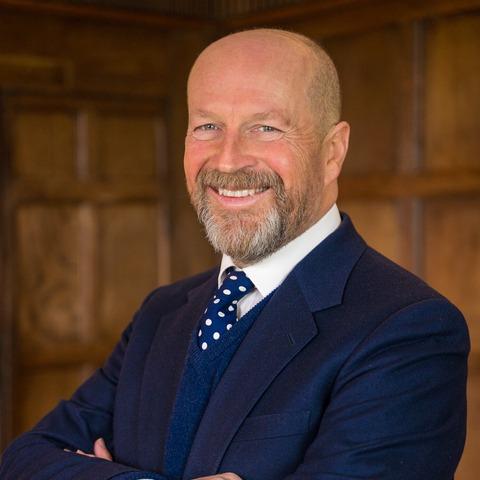
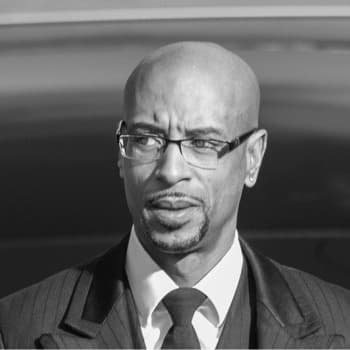
In this episode of all about business, James Reed sits down with Damian Melville, Managing Director of Melville & Daughter Funeral Directors. Together they explore leadership in one of the most emotionally demanding industries there is.
Damian shares his journey into the family business, reflecting on the responsibilities that come when helping people in their most vulnerable time, and how that shapes both leadership style and company culture. He shares what balancing tradition with modernisation means, the realities of running a business where empathy is as important as efficiency, and the discipline required to maintain high standards in sensitive circumstances.
The conversation explores what it means to lead with care while still making clear commercial decisions, how to build trust within communities, and why consistency and professionalism matter more than ever, in a service built on reputation. Damian also discusses the challenges of succession in a family-run business and the importance of supporting both clients and staff through emotionally complex work.
A thoughtful, grounded conversation about leadership, responsibility, and building a business where purpose and performance have to coexist every step of the way.
02:09 finding a niche market
07:41 going solo challenges
13:55 winning trust locally
24:23 Covid shock to the system
37:32 hiring costs and NI
44:30 a funeral director day
01:01:31 memorial innovations and burials
Follow James Reed on LinkedIn:https://www.linkedin.com/in/chairmanjames/
Follow Damian Melville on LinkedIn: https://www.linkedin.com/in/damian-melville-74b22a43/
Find out more about Melville & Daughters Funeral Directors here: https://www.melvilleanddaughters.co.uk/
[00:00:00] Well today on all about business, I'm really delighted to welcome Damien Melville. Um, Damien is the founder and managing director of Melville and Daughters Funeral Directors. Right? Yeah. And, uh, you are based in Tottenham, north London. Mm-hmm. Um, your business, Damien was established in 2010, and you initially identified the Afro-Caribbean market as your focus, but you've widened out from there since you began. [00:00:26] Yeah, essentially I was, I was trying to find a niche, uh, within a business that, an industry rather, that I really enjoyed being in. Uh, and I obviously, being part of the Afro-Caribbean community and culture, I, I saw, uh, an opportunity to provide a service for people that are like me. Um, so can, can, can I just wind back a moment before that? [00:00:49] Yeah. Because I, I want to understand Damien, I mean. How did you become a funeral director? How did you get into this? Because you didn't inherit a family business. No, no, no, no, no. So how did you, how did you [00:01:00] start out? I fell into it by accident, by, um, just by chance, because obviously when, when I was at uni doing business studies, um, I still wasn't sure what I wanted to do. [00:01:12] So I thought, let me finish the degree. And then, you know, the government promised US jobs. Did they? At the end of it? Did. Yeah, yeah, yeah. Go to uni, get a degree as soon as you come out, you know, it would be wonderland and there'd be jobs and opportunities waiting for you. Um, that didnt happen. That didn't happen. [00:01:28] Okay. No, no. So what did happen, what happened was, is that I, I had our first child and we needed to provide for her. Um, so I just basically did whatever I could. And that involved me driving a lorry, um, for a couple of years, um, on delivering to a, a local business. That was, it wasn't too far away from me, but it was, it was. [00:01:51] Near enough. Um, I asked 'em if there was any opportunities that if they came up, would they consider me 'cause I was reliable and so on and so forth. [00:02:00] They said Yeah, of course. So, um, an opportunity came up, they gave it to me. I worked there for two, two or three years. Uh, organizing rotors for the staff, drivers tilers labor. [00:02:12] So this was a tiling business? You Yeah, it was a tiling business. Yeah. So they, it was a retail outlet. They had three outlets, uh, which they sold tiles from and they also provided the fitting service. So it was a lot of juggling people, A to B and timings and that type of thing. So I did that for a couple of years, which was it, it was a learning curve 'cause it was a small family business. [00:02:34] So, you know, it was good for me to experience the pressures of that. Um, but it was too much of a chore driving to work. Hour and a half, sometimes two hours, sometimes two and a half hours each way to get there. Yeah, yeah. Each way. Yeah. 'cause of the traffic. So you're doing four, five hours in the car just to get to and from. [00:02:49] Wow. Which was, which was a lot. Um, so I started to look around 'cause of the fatigue that was bearing down on me and a job came up in a funeral directors, which was not too far from my house. And the job [00:03:00] description was basically, uh, arranging the staff, uh, making sure the limousines and hearses everyone were where they needed to be, when they needed to be. [00:03:10] So you were in sort of logistics to start with? Yeah, yeah. It was logistics really. Right. Um, before they, you know, put me in the kind of more sensitive areas. Okay. So you started at this funeral direct. Where, where was this located? This was in Hartfordshire Hartfordshire. Um, and they, they specialized in Repatriations. [00:03:29] So if someone passes away in this country, we would repatriate them back to their home country, ah, uh, abroad. Uh, but they also did day to day funerals as well. So I got an experience of the repatriation work as well as the day-to-day funeral. So you, so you were repatriating people to their country's of origin for, for burial or cremation? [00:03:50] Yeah. Mm-hmm. And then you started as doing, as you put it, the more sensitive side of the work. Yeah. So it was, so what did that entail? Was involved care of the deceased really. Right. So [00:04:00] dressed in people, uh, getting 'em ready for families to view them and pay their nice respects, whereas before they kind of just kept me in a little office. [00:04:09] Right. But that is quite particular, isn't it? I mean, that's, yeah. It, it is because, how can I put it? Our clients are trusting you with their most precious, um, their precious loved one. Yeah. So they have to be able to know that who is handling them is handling with care and dignity, um, and respect. So they can't just have, you can't just have anyone, you know, no. [00:04:36] Coming in off the street and then, you know. You're let loose with someone's loved one. Yeah. Um, so it took them a little while, but I understand why, because, you know, they needed to know that they trusted me. Right. So I got involved in that part of it and I, I really enjoyed every aspect of, of the work that we were doing. [00:04:54] Um, and I just felt that there were things not to say that they were doing wrong, but that they [00:05:00] could do better. Right. Um, so that's when I decided that I was going to do my qualifications. Um, so what are the qualifications you mentioned? So there's, there's a number of qualifications. So there's the National Association of Funeral Directors. [00:05:14] Right. Funeral Service, uh, certification. And then there's also the same but for funeral data as well. Right. Uh, and that it, it's kind of one-on-one tutorials. Uh, it's just like being back at uni. Right. How long does that take though, to qualify? Is it, uh, it depends on how much you do. It is almost like opening university. [00:05:35] So the more time you put into it. The quicker you can do it. But because I was working at the same time, and it was in the evenings, it took me about two years. Right. I think at dinner, in the evenings after work. So while you were employed in Hartfordshire, you were sort of thinking about starting your own firm. [00:05:51] Yeah. Yeah. I, I was just, because I think sometimes you have the, if you have it in you, you, you always want to [00:06:00] work for yourself there. 'cause the way I see it is that there are people that want to work for someone and there are other people that want to work for themselves. And I think throughout my life, I've always been someone who wanted to work for themselves. [00:06:13] Right. Um, I can't really put it any more than that really. I mean, I've, I'm, I'm always happy to, to have worked in the places I've worked in 'cause I've learned a lot. But my overall ambition was always to have my own business. Right. Um, it's extremely challenging and I don't think having your own business. [00:06:33] Yeah, yeah, yeah. It's, it's nonstop. Right. And especially in the funeral business, it's, it's 24 7, 3 6 5. Um, which can impact on, you know, so could you tell, tell me what the business is like now? So, so you, you founded the business in 2010. 2010, yeah. So you've been doing this 16 years now? 16 years now, yeah. 16 years. [00:06:54] This, this month. So how, how busy are you? How many funerals do you organize? Um, [00:07:00] we, on average every year it's about between 220 and 240. Uh, and that's our capacity. Right. Um, in order for us to grow even more, I would need to employ another funeral director. Right. Um, to be able to So you do all of that yourself? [00:07:18] Yeah, yeah, yeah. I've got staff that work and assist me in doing the day-to-day run-ins, but I, at the moment conduct every single funeral that, that we put out. Uh, which is difficult because time off. Uh, yes. Don't really get time off unless it's Easter or. Um, but I'm, I'm caught in a bit of a catch 21 because especially at the moment we've, for me to expand, the business needs to expand at the same time in terms of our turnover and the work coming in to justify paying another funeral director. [00:07:55] But I can't get to that until the work comes in. [00:08:00] Yes, I see what you mean. So it is a, it's a big step up in terms of expanding, but it's a chicken and egg sort of Exactly that. Yeah. I, I can see that. So, so you do all of the, so you are sort hands on, so to speak. You're doing this yourself. Yeah. Uh, in terms of the, the day-to-day funeral, I mean, I, I will go out and conduct a funeral. [00:08:23] Um, yeah. But my staff will do all of the collections of people when they pass away, whether it's at home or in hospital. Uh, they'll prepare the coffins, they'll, uh, dress the deceased. So they do. In the, in the beginning I did all of that. Right. But as, as time has gone on and I've employed staff, they kind of do all of that for me now. [00:08:42] Right. So how many people do you have on your team? Uh, eight in total. So it must be, I mean, hiring people for this must be, it must be quite difficult. I mean, you have to be very, have to find absolutely the right people. Yeah, it is, it is really, really difficult. And, um, the industry as a whole is suffering a, a skills [00:09:00] shortage. [00:09:00] Just because, 'cause we're so particular about the staff that we employ, it makes it more difficult. So out of 20 people that might apply for a job, maybe one might be suitable. And in the funeral business, we don't really deal with mites. It's either yes or no. And, and what do you look for? What, what makes them unsuitable? [00:09:23] It's their reliability, their personality, uh. There are parents I can work on. Um, but it's just that, right, that, that willingness to want to help people in, in their darkest time. Um, and you can tell, I, I mean, I, I see myself as quite a good judge of character and I can tell straight away, I mean, the staff that work for us now, they are all from that mold. [00:09:49] So, and when I first met all of them, they, they exuded that to me, right? So it was, it was quite straightforward. But I've been through lots of interviews and what have you, [00:10:00] where the people weren't, you know, straight away. They, they, they see the, the salary, so to speak, and the hours and they think, oh yeah. [00:10:06] Are gonna apply for that job. Rather than thinking, have I got the skills to execute that job to the best of my ability? So reliability, I can see why that's so important. Yeah, yeah, absolutely. Because you've gotta be on time and there's no way you can't, and, and, but personality, what, what, what are you looking for? [00:10:22] Personality? Um, when the cameras are rolling, excuse the pun. They need to be game face, serious, empathetic. Outside of that, then they just have to have a bit of, because, 'cause the business that we do is such a sad and somber time. You have to be able to lift yourself up when you're not on the day of the funeral. [00:10:44] Yes. So you can't be an introvert and you know, because it wouldn't be good for you. No, it wouldn't be good. It wouldn't, wouldn't be good. It would take you down. You'd stay in that space. Yeah. Then you, because we're such a, a small team, it brings everyone else down as well. That's interesting. So you're looking [00:11:00] for people who are actually quite outgoing. [00:11:01] Yeah. Yeah. Yeah. But they have to be very quiet and somber when they're doing their job. Yeah, yeah, yeah, yeah. Yeah. And thankfully, thankfully we, we, we've got the right balance of that. The staff. That's interesting. 'cause I, I heard about your business through customers of yours who spoke very highly of you who said that you'd organize funerals for their loved ones. [00:11:21] Yeah. So, um, you're obviously, you know, very good at what you do. Um. I mean, do people typically choose their funeral director before they die, or, or is it people coming to your, from their families afterwards? How do you sort of win your business, so to speak? So, essentially when I first started, you have to integrate yourself within the community before they'll give you that trust. [00:11:45] So we're, we're not the type of business that you open today, and then everyone's flooded in. So when I first opened, I, I went to visit all of the churches, uh, ministers, um, and people that are on the [00:12:00] circumference of our business. And it took a little while. Um, but because in the area that I opened my business, there wasn't really anyone who looks liked me doing our business. [00:12:13] So that kind of gave me a, a, a bit of a foot in the door. But in terms of being from your community, yeah, yeah, yeah, yeah. Right. Yeah. But they still need to know that, um, you. Do the task that has been given to you professionally and comprehensively. So it just took time and trust and what have you. And it, I, I kind of, I think the first thing I did was probably four months after we opened. [00:12:40] Right. Which, which was, was tough really. Um, but then from then it kind of, it's just where our, our business is solely on word of mouth. Right. Which takes time solely word of mouth. Yeah. Yeah, yeah, yeah. So people have had a good experience. Yeah. So what we've, what we've [00:13:00] found is that every time you, every funeral that we do is an advert for the potential next funeral that you're gonna do. [00:13:08] Right. Which is why I'm so strict with my staff. So, you know, don't let your standards slip because there's always someone watching. Um, and over time it's taken us a long time. I mean 16 years, but now, um. Everyone recommends us. I'm not sure if they're supposed to, but you know, well, why not? I mean they obviously, I, I, I think private, private clients, you know, families and what have you, they do. [00:13:34] Um, but there are professionals that also, I think because they've had an experience of us conducting a funeral within their church or the place of worship, they know that they can rely on us and depend on us to do what we need to do. So if a family asks them, they can feel confident that the name that they're giving them, we'll do what the family want. [00:13:54] So my father sadly died last year, late last year. So we were sort of, um, quite involved [00:14:00] organizing the funeral. And he had a woman funeral director, which was typical of dad. They called Zoe Mills, and I call her out from So, and Sons in over North Oxfordshire. And they were brilliant actually. They couldn't have been sort of more sympathetic and. [00:14:15] They did a really good job and it, but I was thinking it, there's so much presentation in involved and mm-hmm. Every detail has to be right. And it was, it was, I thought, really impressive how they sort of went about their work in such a, a dignified way. And that takes quite a lot of training, doesn't it? [00:14:31] Or 'cause they get a whole team working in unison in that way and sort of so that it was all run smoothly. 'cause you don't want that to go wrong. No, no. It's such an important moment for a family. Exactly. And it's one of the few things that you can't do again. So you can get married once or twice or three times. [00:14:47] I hadn't thought about that. Yeah. I mean, you're not meant to, but Yeah. You can't do it meant to, but you can do it again. You can do it again. But a funeral is, is you're only gonna have one, huh? Yeah. Only gonna have one. So everything has to be perfect, you know, [00:15:00] so it it, so this is what you tell your team. [00:15:02] Yeah. Every, every day. They probably get sick of hearing it, but, well, it's a good message. You know? It has to be perfect. Yeah. It has to be perfect. There's, there's, there's no room for, for, uh, complacency. Because in life things are, things are gonna happen. Um, but it's how you deal with them. Uh, you know, if, if there's a massive accident on, on, on the motor or on your route, there's nothing you can do about it. [00:15:25] But you, you can still do the best that you can to still arrive at where you need to be, when you need to be. Yes. So, you know, so do you have sort of routines where you set off a lot earlier than always? Always. Yeah. Because what, what are your sort of maxims around that? I would prefer to be parked around the corner from the family house and sit there for half an hour rather than us chasing through the streets, which, you know, I, I've seen before, which really upset me 'cause I just thought, alright, the family aren't with [00:16:00] you, but you've still got the deceased with you. [00:16:02] Yes. Yeah. So the last, you should be going the same speed from the minute you leave the garage until you get back. Um, so I'd prefer to be. Sat there, just relaxed waiting and then, you know, if I say I'm gonna be there at 10 o'clock, 9 59, I'm knocking at the door. But you are typically there at nine 30. Yeah, yeah, yeah. [00:16:20] Always. Right. So you are always trying, so yeah, just because if, if anything happens, you can deal with it, you know? Yeah. If there's a, an accident or the road's shut, um, which has happened a couple of times, and you have to go all the way around, especially with the, the way the councils and local authorities are blocking every other road off. [00:16:38] Um, yes. It's not easy in London at the moment. Must be difficult. It's, it's, it, it's navigating around London is just as hard as doing my day-to-day work. So I understand, I mean, you started off with your community, Afro-Caribbean community. Um, did you give, did you give things a different emphasis because of that? [00:16:56] I, I was, I was thinking about the celebration of life. [00:17:00] Yeah. Uh, is that something that you brought it, it wasn't, it wasn't really a different emphasis. I kind of honed in on things that I knew. Uh, our community wanted, so for instance, white horses and white cars, uh, whereas other funerals, it's probably different now, but back then 16 years ago, it would be a case of, oh no, you can't have white horses or you can't have white cars. [00:17:26] Um, whereas at our place of business, as long as it's respectful Yeah. Then you, you can have it. Um, so jazz bands, you know? Right. Anything you can think of which is respectful and dignified will provide it. So for, so you mentioned white horses, white cars, jazz bands, what, what else? Yeah, silver cars. Um, yeah, we tend to do doves as well. [00:17:51] Um, orders of service, booklets, pens, little, you know, all of the ECS that people want, whereas before [00:18:00] people weren't offering them ribbons. Um, so was before was it just black horses? Is that what you're saying? Yeah, just black horses. So, and then I, I found a carriage master who. Had a, he had a carriage that he was thinking about painting white. [00:18:13] And I said to him, if you paint it white, I'll probably be able to give you quite a lot of work. So he painted it white 'cause he had white horses from, uh, doing weddings. So it was just, he didn't have a white carriage. Um, so he, in the end, he painted it took him about six months. I dunno what took him so long, but, but as soon as he, he, so you use the same, you call 'em carriage masters? [00:18:34] Yeah. They keep the carriage, they keep the horses as well. Keep horses and, and the carriages as well. Right. Um, and now we, we do equal the amount. So as many black horse drawn funerals, we do as many white horse drawn funerals. Do you ever have black and white one? It, it's funny you say that. There was a, a family that came to see us, said it must be about eight years ago. [00:18:53] And she said there were a, a, a, a interracial couple. Oh. So the lady [00:19:00] was, uh, white and the gentleman was black and she said, can I have a black horse and a white horse? Oh, and I said, Bob, does that mean two different carriage masters? Because our carriage master's got black and horses' got, all right. So did this trouble you then? [00:19:14] Was it it, it, I, I had to think about it just 'cause I thought it was a bit of an odd request that I asked her about three times because I thought maybe she was winding me up, but she's actually being honest, so it's a, well, two toss. I said, well, if that's what you want and you're happy with it, then you know, we'll give it to you. [00:19:34] And, and we did it and she was over the moon, she had a black carriage, so I kind of got 75% because I prefer the black 'cause. Do you I just think, they just look, they look regal. Um, I suppose black is what you associate more. Yeah. Yeah. And just looking at them next to each other, the, the blacks look more fitting towards the task that they're assigned to. [00:19:55] I think white is, is more for, uh, more joyous [00:20:00] occasions, but. For our community as funeral is a celebration of life. So, so that's the reason they wanted the white horses. So that's the, that's the origins of that. Mm-hmm. Yeah. I didn't know that. So, so it's more of a focus on the celebration of the life. Yeah. [00:20:15] Celebration of life and the, the sim symbolism behind the white is you're, you're going to heaven. So, you know, when you go meet God, then you wear, you wear white almost angelic, so to speak. Right. So, uh Oh, interesting. Yeah. Very, very many. Um, Caribbean, Afro-Caribbean funerals. Now I've seen magnificent, uh, horses, white ones around where I live with white horses. [00:20:40] Yeah, yeah, yeah, yeah. Often flags. Yeah, yeah, yeah, yeah. No, magnificent. I wasn't stop and take pictures because I, I love horses. Oh yeah. I love, so yeah. Black and white horses, they, oh, so, so is that, do you typically have two horses or four do. They have a choice. They can have two, to be fair. They can have anything up to six. [00:20:57] It's just six as well. Yeah. Six is, [00:21:00] uh, driving six horses through Tottenham. I mean, that's quite a task for somebody. Yeah. Yeah. The most I've done is, is four because aesthetically, I mean, I have had a couple of families ask me and I said, it kind of takes away from the person who's in the carriage. 'cause as you're going down the street, you see two horses, then you see the four, then you see six, and then you're, you are, you're kind of you. [00:21:23] Right. It's, it's too overwhelming. Yeah. Uh, and it takes away from what you are, you know, you're trying to, for one of a better phrase, showcase your loved one to the community, but yet you've got six, six horses. You feel That's too many horses. Yeah, too many. It's, it's overkill. Yeah. So two or four would be your recommendation. [00:21:43] Yeah. Yeah. Four. Yeah. So in, in the period you've been organizing funerals, have they changed a lot? Has have people's tastes and preferences changed or is there a real consistency around this? Uh. COVID, um, you know what happened with COVID? That must have been very hard. It's the hardest time of my life. [00:21:59] That was the only time [00:22:00] that I think that I considered that maybe I needed to stop doing what I'm doing just 'cause it was so, oh, really intense. Yeah, it was. It was because what was making it more intense? It couldn't have people at the funerals or It was just intense Just because the phone literally didn't stop ringing and every single phone call was someone that had passed away. [00:22:18] Right. Which is extremely rare. Um, and it was, it was depressing because you knew, you knew people were cooped up at home and you could feel their frustrations, especially at the beginning where the government guidelines were, you could only have six people at the funeral. Well, I had a couple of cases where the deceased had 10 children, so who makes that? [00:22:40] Who makes that call? And the government didn't really help us. They said, well, those are the rules and you enforce them. And the police were very much of the same ilk where you deal with it and we're like. We didn't implement these rules, but yet you are asking us to enforce them, which was stressful because we're the ones that are giving the families the, [00:23:00] the bad news. [00:23:00] So they're just kind of not attacking us, but they're taking their, they're venting their frustration out on us and we're like, well, it's not really our fault, but you know, what can you do? Um, and it was just, it was just No. I can see how difficult that, because it's such an emotional, difficult time for families and Yeah. [00:23:18] To be told that you can't have all your children at all. Yeah. It is just their father's or mother's funeral. Yeah, exactly. Yeah. Um, you know, it, it was really tough and it, it was tough for just the volumes for the first three months after we got, um, locked down. It was just literally nonstop. I was working seven days a week. [00:23:36] Um, and psychologically it was tough, not only dealing with the number of people that passed away, but driving to work and not seeing anyone else on the road mm-hmm. Had a, had a real impact on me just because I. When you just feel, think to yourself, has the world ended? And I didn't get the memo right. And that's what kept going through my mind every day that I drove to work and came home.[00:24:00] [00:24:00] And when we eventually opened up again and what have you, it still haunted me just because it was just, it was just airy. Yeah. I suppose doing what you were doing, that was you particularly Yeah. And there was aware of that. Yeah. And there was no, so you were a key worker as they were called at the time. [00:24:17] Yeah, yeah, yeah. So you were allowed out and about. Yeah. Um, which, you know, we, we were grateful for, but it, it was just a really, really tough time and there was no celebration of life. It was just a case of, uh, almost a means to an end someone had passed away and you need to lay them to rest. So that was quite depressing for us because we're used to, um, you know, you get some funerals that, you know, everyone's dressed in black and they som or what have you, but. [00:24:47] To lift you up again towards the end of the week, you might have one, which is a little bit more Yeah. Uplifting. Um, so dealing with that psychologically was difficult as well. Yeah. Really. So it was, it became more of a sort of processing [00:25:00] the deceased. Yeah. Yeah. And it was a task based rather than a celebration. [00:25:03] Yeah. We doing like four or five funerals a day and it was, it was literally 15 minutes. So, you know, the rehearse would pull up to the cemetery, uh, we'd lay the person's rest and then we'd come back, collect another person, do the same. And it, there was no, I mean, a funeral is not so much for the person who's passed away. [00:25:23] It's for the people that are left behind. Mm. And them not having that, that process of being able to grieve properly, 'cause it's all done and finished in 15 minutes is, is heartbreaking. Mm. Really. And we, we, we saw that that impacted and still impacts people to this day, you know? Mm. Five, six years on. [00:25:43] 'cause they weren't allowed to grieve. Right. Um. So, yeah, I think things changed then I think for the worst because as we were doing what we called a direct funeral, [00:26:00] the direct funeral model kind of pushed forward. So you have people advertising on TV now, um, saying, you know, we'll take care of everything. [00:26:09] And it's, there's no involvement of the family in that process. Uh, and because of what happened in COVID that has accelerated their growth. 'cause a lot of people thought, well, you know, back in COVID we couldn't do anything, so why should we do anything now? Right. So we, we are seeing that that is, that market has increased and it's kind of taken away from the traditional funeral and that you call that the direct Yeah. [00:26:34] Di So what does that mean? That sort of literally, so someone will pass away you phone a, a call center. Yeah. Give them all of the documentation. They'll handle collecting the deceased, promming them or burying them. And then at the end of the process, they give you back the ashes. Right. Which is soulless. [00:26:53] So there's no gathering, none whatsoever to remember the person. None whatsoever. Literally is soulless. [00:27:00] Yeah. But I suppose it's cheap. Is that, is it, is it the economics of that? They, they, they market it as if it is cheap, but I could still do a, a, a, so to speak, direct funeral with the family participating. [00:27:13] They just wouldn't be able to go to church and then, uh, go onto the cemetery of the crematorium. We could do it directly at the cemetery or directly at the crematorium for the same price. Right. Um, but because these companies have got more marketing power, they've kind of hypnotized the population into thinking that they are doing them a greater service. [00:27:38] At a greater price. At AT because they're spending money on television. Yeah. And that's what I say to families whenever they call me. I say, if you knew how much it cost to advertise on television, you'd know that that company is not doing you any favors. Because it has to, I know how much it cost to advertise on television because we do that and it's expensive. [00:27:55] It's expensive. But I dunno what funerals cost. What would you be talking about? What's the sort of [00:28:00] range on average these days? Between three and a half thousand to 5,000. Right. On average Rose. But if you wanted horses and everything, horses, uh, add an extra 13, 1400 pounds. Right. So three and a half to 5,000 on average, but maybe up to six and a half if you want horses. [00:28:18] Yeah, yeah, yeah, yeah. Right. Um, but these direct cremation companies will say that they'll do it for, I dunno, 1200 pounds. Right. Um, which I find that sort of quite as you say. It's just soulless. I can't imagine doing that from no one of my loved ones. And that you send them off and they come back as ashes. [00:28:42] Yeah. And you haven't, you haven't had any. But that's a, that's a popular alternative now. And you think, and you say that's because of the, what happened in the pandemic? 100% introduced that 100% because people have still got the hangover of, well, we weren't able to do anything right back then. [00:29:00] So, you know, we may as well just do that now. [00:29:03] But what you said to me earlier was that you felt that people were still feeling the consequences of that in a negative way. Yeah. Years later. 'cause they hadn't been able to grieve properly. Yeah. I spoke to a lady, it must have been about three, four weeks ago, and she said, oh, you did my mom's funeral during the pandemic. [00:29:19] They said, oh, you remember me? And we were talking talking, and she said, I'm still, um, aggrieved by the fact that I wasn't able to give my mom what she deserved. Right. Uh, you know, with, 'cause I think with her mom's funeral. Think it was, we were up to 10 people and she was quite a popular lady, so there would've been at least a couple of hundred people there. [00:29:40] Uh, church service and singing and so on and so forth. But it was, we picked 'em up from the house and we took 'em to the cemetery. Yes. So, and she still feels, because I, I think because in the, the Afro-Caribbean community, we, we tend to speak about the final farewell quite a lot. So it's very important to us. [00:29:59] [00:30:00] So to be denied that opportunity when, you know, outside of your control, is something that you will take with you to your, to your end. Right. Really, you know, this lady, she was, she was so, I could see it in her face. She wasn't just saying it. I could see the pain in her eyes that she was denied the opportunity to give her mum that, that send off. [00:30:24] Right. So, you know, time, time it is a healer, but it's. So do people dis often discuss what type of funerals they want to have? Yeah, yeah. Yeah. Long before they die. Yeah. Together what you sort, yeah. There's always, uh, I say elder ladies who I see when I'm out on a funeral hall say, oh yeah, you're gonna do our funeral, right? [00:30:48] And they say, I want this and I want that. And I'm just, and I say to them, you gotta remember everyone's request. Yeah. Yeah. Just worry about what you are worry about living. Right. You know, write it down. Yeah. Be good [00:31:00] or write it down and we'll deal with it when the time comes and forget about it. Don't keep thinking, you know, this is what I want for my family. [00:31:06] Think about what you wanna do with your grandchildren. You know, because that sounds like good advice to me. Yeah. Just And you'll take care of the, the rest. Yeah. Yeah, yeah. Just write down a few requests. Yeah. Yeah. I mean, there are people that do funeral plans. Um, I think in the past few years it's kind of tailed up a little bit because there's a financial pressures that people are under. [00:31:26] So a funeral plan where you put money aside Yeah. Where you put money aside and you can write down your. That you want for your funeral. Yeah. And then that's given to the funeral director. You're next of kin, and then you've got one. So those three parties know what you want when that time comes. Um, but we've seen that there's been a lot of, uh, funeral plans that have been canceled just because of So that's is that a service you offer the funeral plan or is it other people? [00:31:49] We, we facilitate them, so Right. The government changed the, the regulations on it about three, four years ago because there was no regulation. [00:32:00] So every, every man and his dog was selling funeral plans, and there was a company that went bust and lost about 20 million pounds worth of people's money. Oh, that's bad. [00:32:10] Yeah. Um, and then the government stepped in and said, hold on a minute. And they looked at the in industry along with our associations and said, well, this isn't regulated. So now it's regulated by the financial conduct authority. Oh, I see. Yeah. Because it's a financial service, isn't it? Yeah. Yeah. So they recognize that. [00:32:29] So you have to be financial, FCA regulated to, and I, I could do it, but I, I'm a funeral director, I'm not a financial consultant. Yeah. So for me to keep up with the, the training that's involved with that sector to be able to sell a funeral plan isn't, doesn't really, is not really for me. Whereas the funeral planning companies that, uh, can sell the plans, they can nominate us as a funeral daughter. [00:32:54] Right, right. So, you know, they have to come to us in the end. Yeah. Okay. [00:33:00] So, so, so I'm just thinking about the running the business. What are your sort of key challenges? You know, we're post pandemic, thank goodness. Mm-hmm. Um, and, uh, society's gotten back to more normal, not completely, but sort ways of being. [00:33:16] Um, what are your principle challenges now? I think the day-to-day, uh, running a business, um, in the UK business rates, um. Fuel, um, national insurance, um, those are the challenges that, I mean, we've, we've, we've got the, the clients you're talking costs here. Yeah. Costs is just, uh, I mean, so you mentioned business rates, fuel and national insurance. [00:33:43] National insurance. They're the three principles and insurance as well. Insurance too. Yeah. Yeah. They are. Every year they go up regardless of what happens. Um, I, I just renewed our fleet insurance and that's gone up and I said to 'em, but I have a claim for like seven years. Yes. Yeah. But the industry, you know, it's, [00:34:00] it's the usual insurance. [00:34:01] Um, yeah. Spiel. Spiel of, yeah. Prices only seem to go up that they, they never come down. I can't remember the last time anything ever came down like that. No, it's ridiculous. Um, so that, that's a, that's a pressure, which then all of those pressures will impact our, our families because it, it will mean that we need to put our prices up. [00:34:21] Yeah. And I hate putting our prices up because I. I'm, I'm of the ilk that we provide a certain service at a certain price and I've been able to kind of weather, weather that storm in the last 16 years, but now it's come to a point whereby I'm having to put it out even though I don't want to. 'cause I, I, we financially have to, otherwise we won't survive. [00:34:48] Mm-hmm. You know, and that, that, that sticks in my core, if I'm honest. So national insurance is of interest me. 'cause that's the cost of employing people. Yeah. And, um, so this is becoming more expensive. [00:35:00] Yeah. Are you finding it harder to hire people or is it Yeah, just because it's the extra expense that comes of employing someone. [00:35:05] So I, I would like to employ at least another two or three people, but the cost of that has, has gone up significantly whereby I wouldn't be able to sustain everyone else if I took those people on because the national insurance is so much more, I think on average it cost me. Uh, I think it's at least another five or 600 pounds a month off the top of my head. [00:35:29] Which is a lot. Yeah. For a small business. So, so what you're saying, if I hear you correctly, Damian, is that you, if, if the national insurance hadn't gone up as much, had you in all, like, you'd been employing two or three more people would Yeah, I would've definitely taken at least one. Yeah. Maybe two. So if you replicate that up and down the land, that's a lot of people who would be working that maybe that's that's exactly it. [00:35:51] Been stopped working by these extra costs. That's exactly it. And if I don't have that staff, then I can't grow the business to the, the level I want it to go. [00:36:00] Uh, and therefore then we, we pay less corporation tax. So Yeah. So it's a self-defeating, self-defeating tax. Yeah. Because if the business was growing you'd have more, you know, tax to contribute in other ways. [00:36:13] Yeah. Yeah. And then the employees would be spending more money. Yes. So then that's more, um, the government would be spending less on welfare. People sitting at home. Yeah, that's exactly it. It's, it's, it's uh, it's a, it's kind of, it's upsetting to me 'cause I think it's the people that are making their decisions have never asked. [00:36:35] The people that are the feel the consequences of their decisions, they seem to know it all. Yes. Um, they seem to know it all. Yeah, yeah, yeah. Yes. I'm just being, I'm just being perfectly honest because Yeah. I'm interested in what you you wanna say. 'cause you are in the, at the sharp end of all this. Yeah. I mean, you've, you've got a government at the moment whereby none of the cabinet of ever run a business, but yet they're [00:37:00] making decisions that are affecting business. [00:37:02] So that is like me trying to tell a fisherman how to fish. It's just not gonna work. None of the cabinet have ever run a business. You say from, from my understanding, yeah. Yeah. I don't think any of them have ever started a business, no. Run a business or had a, a senior job in a business. No. So, yeah. So there should be more consultation with business. [00:37:24] You, you're, yeah. 'cause I mean, they've been in waiting for so long, you'd think that they, they've come well equipped, more than equipped to, to deal with the problems that have been created over the last 14 years. But they're not, it's almost as if the, the conservatives through them a hot potato and they, and they don't know, they dunno what to do because they, they've almost become a little bit, threw them a hot potato. [00:37:50] What do you do with a hot potato? I dunno. So you just keep juggling it, keep juggling it, I suppose. Yeah. And it, it seems to me that they, [00:38:00] they didn't really have a plan. It is almost as if they'd been in the, in the background for so long, waiting, waiting, waiting, waiting, waiting. And never really thought that they were actually gonna get into power. [00:38:12] They got into power and it's like, oh, sugar, what do we do now? Just because, you know, I'm, I'm awful. Giving people the opportunity to grow into their role and take advantage of opportunities that, that they may come across. But how many u-turns can one person make before you're just going around in the circle? [00:38:32] So you'd see, you'd like to see a lot more support for, for business? Yeah. I, I, I would do, um, because obviously it impacts me and it impacts the country, you know? Yeah. It is small to medium sized businesses that, that power this, this country and this economy. And it just seems as if at the moment we are just being punished everywhere. [00:38:54] We, everywhere we turn. Um, it's, it's definitely, it's not, this current [00:39:00] time period is not the best time for an entrepreneur, entrepreneur to flourish. 'cause there's too many, there's too many pitfalls, right. I don't think I would've been able to do what I did 16 years ago today, even now. So really, even. So, so you'd find it harder to get going now than you would've done back then? [00:39:22] Yeah, yeah, definitely. Definitely. And 16 years ago was just after the financial crisis. I, yeah. So that wasn't an easy moment either? No, no. So you're saying this is harder than then? Yeah. I, I would say so because everything, everything that is being pushed towards us is, is, it's kind of just, just keeping us down. [00:39:42] That's what it just feels like. It's just like, just stay down there. Oh, and we're gonna take this, we're gonna take that. Yes. Whereas whenever there's a, the, there is a financial disaster, there's always an opportunity there, and it's just whether or not you can ride the storms, ride the storm, so to speak, and take advantage of that [00:40:00] opportunity, which is what I, I, I was able to do because the shop that I, uh, the premise that we got, it had been empty for like at least two years because no one would take it on. [00:40:11] So they brought the rent down. About three or four times. So you were able to take that opportunity? Yeah. Um, get a premises. Get a premises. How big a premises do you need for this? Um, well, fortunately we, in London it's very difficult to, to find a funeral director, friendly sized building. Um, but I've got our garage at one place, our mor to one place. [00:40:34] Our offices is in one place and our chapels of rest, but I'm, I'm lucky. So you are, you mean it's all in one location? It's all in place, yeah. It's all in one location. And that, that's, uh, unusual. Yeah. Extreme. So how big is that? Uh, it is about, I'd say about 2000 square feet. Right. So fair size. Yeah. And so how many vehicles would you keep there then? [00:40:53] Uh, I've got four that are kept there. Um, and then I've got another three that are on, uh, [00:41:00] resident base where we, we buy a business purpose or, yeah. So what are the key elements you need? You need a garage, you need laundry, garage, you need space for mortuary and then space for chapel of rest, for people to come and pay their, their last respects. [00:41:11] Right. Really. And so that all needs to be well presented as well. So the property side of this is pretty difficult too. Yeah. Especially now. And if you've been in the same place all since 2010. Yeah. Fortunately we got the shop next to, um, a shop one down from us because I needed to expand the office function. [00:41:30] Right. So they're both, you know, if it wasn't for the hairdressers in between, they'd be next to each other. Right. Come to a deal with the hairdressers. No. Well, yeah, I was thinking that, um, the trouble with our parade shops is that in between each premise there's a flat Right. With a stairway. Oh. So even if I, I did have the hairdressers, I'd have to probably just bore through the, the staircase. [00:41:55] Yeah. But you might not be allowed to do that. Yeah. It might be a bit difficult. It might be a bit difficult. [00:42:00] So I'm interested in your sort of, if you don't mind my asking, your sort of personal journey. I mean, because death is something that happens all the time. You said your phone keeps it ring. But it's something we, in a way, as sheltered from as people going about our everyday lives. [00:42:16] Mm-hmm. And a lot of us haven't seen a dead person. Mm-hmm. And so has your relationship with death changed or evolved given your work? How's your understanding, um, developed? My, my understanding is that you literally, I, I, I know it's, it's a saying that, it's quite said quite a lot, but life literally is too short. [00:42:40] Um, so you have to live every day as if it's your last, because over the last 16 years, I've seen people, even relatives of mine, where they're here today, gone tomorrow. Um, and it, you know, tomorrow's not, it's not promised to anyone. And that's one thing that [00:43:00] I, I think about every single day. Um, and even more so these days, I mean, I'm. [00:43:08] Lane to arrest a lot of people that are in their sixties. Mm. And I'm in this paranoid spiral at the moment where I'm 48 this year. Mm. I'm thinking to myself, I've only got 12 years left. Well, I'm 62, so how you think I feel I'm on borrowed time hanging in there. There. Yeah. But you're right. I mean, that's the interesting thing about turning 60. [00:43:31] You could live another week or two, or you could live another 30 years. You don't know. I mean, it's, this is exactly it, which is why I always say to people, you know, you, you have to live every day as if it's your last, I mean, right. A friend of our family last, no week, week before last was out, had a heart attack, um, and then went into a coma and then passed away within three days. [00:43:54] Right. And I'd seen him a couple weeks before and he'd just think, wow. So. [00:44:00] That's your key sort of thought actually from what you've seen. Yeah. And your day-to-day work life is short. Yeah, it is. To make the most of it. Yeah. Yeah. Yeah. That's, that's the longest short of it, you know, don't put off doing today. [00:44:14] Uh, don't put off doing, uh, something tomorrow when you could do it today. Right. Really. Yeah. 'cause tomorrow you don't know if you're gonna be, so make the most of the, of, of the present. Mm-hmm. I mean, you must have found, you must have had to officiate some very upsetting or difficult funerals. I, I imagine too. [00:44:36] I think the hardest ones for me are children. Yes. Children is heartbreaking because they haven't had an opportunity. Yes. And babies. Yes. And even to this day, I, I, I can't, I can't come to terms with it. Right. Um, just 'cause it's, you know, it's, it's not a life that has been lived. No. It's very hard for a family. [00:44:58] So. Yes. [00:45:00] You must find that. Yeah. It's, it, there, there are no words that I can say to them that will make them feel a little bit more comfortable with the situation. Right. Whereas if it's, you know, if it's Mrs. Jones who's husband is 91 and he is passed away, you can kind of find a, a, a way to make her feel better. [00:45:19] You know, you were married for 65 years mm-hmm. So you've got 60 years, 65 years worth of memories. Mm-hmm. Um, to, 'cause we are just trying to lift people out of that dark space when we're speaking to them. Um, but we've, we, when it's a, a baby or a child or a teenager, what, what, what, what can you possibly say that's gonna take them outta that darkness in that moment? [00:45:45] Yes. I can see. And it's also very hard to imagine 'cause then you, after going to work and doing that in the daytime, you, you go back home to your own family. Yeah. I mean you've gotta try and separate these things so your dad and Yeah, I mean [00:46:00] it's a little bit difficult 'cause my wife and my two daughters work for work for the business as well. [00:46:04] So you're all in. So, so yeah, I knew it was, I didn't know, I knew it was called Be Daughters, but I didn't know your wife was involved too. Yeah, yeah, yeah. So this is a real family business. Yeah, it really is. So how do you manage that? That's interesting. You know, so, okay. It is been a hard day. What, what do you do? [00:46:20] I, it set, initially we used to talk about work a lot. Uh, I used to talk about work a lot at home, and then it got to a point where I was like, we can't escape work, so we need to stop talking about work. So I, I, as soon as I leave the office now, even though my mind's always ticking because, you know, running your own business and what have you, and because it's a 24 hour business. [00:46:43] I kind of switch off to what's happened during the day. But my wife at the moment, she, she, she's fallen into the trap that I fell into 16 years ago whereby we were sitting on the sofa yesterday, it was like nine o'clock, and we were watching The Apprentice and she started talking about a [00:47:00] case that we were dealing with. [00:47:00] And I was like, babe, can you just, just, you know, just let's talk about maybe it wasn't a good addition of The Apprentice. Yeah. But it's difficult because when it's your, when it's your own business, uh, you, it's very difficult to detach yourself. Yes. When you work for someone else, you can, you know, switch your phone off and then see you later. [00:47:21] I'm off. But you can't even switch your phone off, can you? 'cause you get, must get calls that someone's died. Yeah. Have to collect them and things. Do you? I mean, yeah. I mean, the only time that my phone ever gets switched off is when I get on a plane. Right. Um, whereas otherwise it's always on. 'cause I'll get calls in the middle of the night. [00:47:39] Um, and I'm, I'm climatized to it now 'cause I've been doing it for so long. But that's hard in your, in a family context, you know, you can't ever really switch off. Um, but you said you found a way of doing it where you don't Yeah, I mean, not talking about work after a certain time when we're at home. What time is that? [00:47:58] Don't tell my wife. But it's about half past six, [00:48:00] even though seven might be missed. Oh, right, okay. She'll be watching. Yeah. I tried to say like one time, once I'm at home right, and I'm settled, then I don't wanna talk about work anymore. No. Underst because underst I know in about seven, eight hours time I'm gonna have to switch on and, and and go again. [00:48:18] And my phone's always on. So I, I'm not really switching off. I'm, excuse me, I'm just pressing. So I'm interested in your experience. So what sort of advice would you give entrepreneurial families then to sort of have a time of day when that's sort off? Yeah. Off the agenda? Off the agenda. Um, where. Know that family time is family time. [00:48:38] Um, it's more diff it's a lot more difficult in the funeral business. But if, you know, if you are, uh, I dunno, as another business, which is nine till five, make sure you have that time that you switch off from work. Yeah. 'cause you're just burn yourself out. I've climatized myself to deal with it because of the business that I'm in, but just [00:49:00] in, in general as an entrepreneur, you need to know when to switch off because you will burn yourself out. [00:49:05] Yeah. And your daughter's enjoying it. Yeah. They, they, they do enjoy it. Um, in all fairness, I one, my eldest, she's, uh, an actor. Um, but acting is a very challenging industry to get into. So, uh, when she finished acting school, she came to work for us part-time. Now she works four days a week, but if something comes up where she gets a casting or she gets a job. [00:49:33] Well, it works well in that way. Yeah. She can, she can go off and do it until she gets to that stage. Uh, where, you know, she's one, the good thing about having a family business is you can give family members sort of part-time work and stuff. Yeah. I try not, I try not to give 'em part-time. I try and keep her busy full time. [00:49:48] Yeah. Part fulltime that's good. But it's, it's, it's flexible. And the other daughters full-time, is she or she? Um, she works when she wants to know that's being unfair. Uh, she works three days a week. Right. [00:50:00] Um, but she is a qualified nail technician. Right. Um, but again, she wants to set up her own business. [00:50:06] Yeah. Um, but she knows that there's a lot of planning that she needs to do to be able to, to fulfill that. Yeah. Um, seems like they've both got your work for yourself. Yeah. The gene. Yeah. Yeah, yeah, yeah. Yeah. They like doing that, but they, on the day to day, they really enjoy it. Yes. Um, so when that day comes, I mean, I, I set up the business obviously for myself and also for them. [00:50:32] If they want it, they can have it. If not, then, you know, at least it's, it's, it's, but you must, you must now, after this period, you must be, as, have a central role in your community. I mean, you must know a lot of people. Very, very networked and connected in the community. Yeah. I'm, I'm very fortunate that people have a, a, a high regard for the work that not just me, but the team, uh, carry out. [00:50:55] So there are a lot of people that, that, that know me, [00:51:00] which sometimes is difficult when I try and go down to the post office or the bank on a local high street because, you know, people are telling you what type of funeral they want. Yeah. I speak to me. But it's nice because like I say to my staff, it's, it's better that they have a positive, um, uh, what's the word I'm looking for? [00:51:17] A positive, uh, attitude towards you rather than, you know, oh, you messed up my mom's funeral. Yeah. And it's negative. I mean, I, I went to a 60th birthday party and everyone's come up and talking to me. Yeah. If I had hadn't done our work the way that we need to, I might have been lynched. Right. So, yeah. It's quite high stakes. [00:51:38] Yeah, yeah, yeah, yeah. You wanna get it right? Yeah. You did say you can't get anything wrong, you've gotta get it absolutely right. Spot on. Yeah. So I can see that, that when you are an integral part of a community is even more pressing and important, but obviously you wanna do it properly. Yeah, yeah, definitely. [00:51:53] I mean, I, I take a lot of pride in, in, in what we do. Yeah. Because I'm, I'm, I'm a perfectionist now I [00:52:00] heard, I dunno if this is true, but you could let me know that it's possible instead of being returned as a box of ashes to be returned as a diamond. Yeah. My mom keeps going on about this. She keeps saying, Damien, when, when it's my time and you cremate me, you have to make me into, into a diamond. [00:52:15] I'm like, right. How does this work? Because my wife might be interested. Yeah. Yeah. So I think the Americans developed this, um, this technique of using the deceased to ashes to formulate a a, a diamond. And even these days you can get lab grown diamonds. So I think in that process they just add a little bit of the cremated remains. [00:52:41] So you actually have Oh, so it's not your entire remains? No, no, no. It's, it is literally, it's probably less than a teaspoon that they use. Well, that becomes part of a lab created diamond. Mm-hmm. Yeah, that's exactly it. So you haven't, so your mom's requested this, but you haven't had any of this, you haven't done this for anyone yet? [00:52:58] Uh, not the diamonds. [00:53:00] There's, there's other ornaments that people have had, like, uh, I've got my father-in-law's ashes in some of my cuff links. Really? Yeah. Where they, it's, it's, it's called Ashes into Glass. Right. And that's a lot more straightforward because they just mix a little bit of the ashes into the, the glass making process and it's a lot easier to do. [00:53:17] I've never heard of that. That's, that's quite, that's quite popular actually, where people use it for cuff links, rings, um, chains. Right. You name it. So they have a part of that person with them. Yeah, all the time. Right. Um, that's quite popular. So are there any other innovations like that that you, um, not really. [00:53:37] It's just really an extension of, of that really. Yeah. Um, people have requested woodland burials as well. I've come across that you might not get so much of that in London, but No, I, I've had probably in the 16 years, probably about 10 people. Right. But it's very restrictive because, uh, in a woodland barrel there's no, there's very limited marking of the grave [00:54:00] and it can only ever be, uh, a wooden ornament. [00:54:02] Right. Um, so you can't have a traditional headstone or tombstone. Right. Um, but that's, some people, that's what they want. They just want to be back in, in, in nature. Right. I didn't know that. So, so, so it just returns to nature basically. Yeah. Yeah, yeah, yeah, yeah. Um, but I, what I've seen over the last 16 years or so is that when people are dealing with losing someone, they'd like to have somewhere to go and. [00:54:30] Reflect. So they need a space to actually go to. Yeah. Um, and in the middle of the woods for some people wouldn't really be suitable, whereas they, they just want to go to a grave where there's a headstone and they can go whenever they want. Yes. Um, and have those moments. Yeah. But it's quite hard to find burial places in London, isn't it? [00:54:52] Yeah. Because there's not enough space at the, at the moment it's extremely difficult. 'cause a lot of the cemeteries are running outta space. I mean, I spoke to [00:55:00] one the other day and they've only got seven years worth of burial space left. Mm-hmm. Um, but times are changing anyway because, 'cause because burials are financially, um, you, you're, you're kind of tied to a lease. [00:55:17] So each person that gets buried depend on the cemetery, will be between 30 and 50 years. So you pay that lease for that amount of time. They've only got 30 or 50 years. Yeah. Yeah. And then what happens? In the 50 years, then the cemetery will write to the next of kin and ask them if they want to renew the lease for another period of time. [00:55:36] Or if they want to re relinquish their rights to the grave. And if they relinquish their rights to the grave, the cemetery then would the ownership reverts back to them. Right. And they can exhume you and use that space again? They can, yeah. And where do they take you then? Uh, depending on the cemetery. [00:55:54] Some will, they'll exhume the person. Um, and then they'll dig further down. Right. And [00:56:00] then place them there. And then they'll sell the space that was above them. Right. That's called a reclaimed grave. Right. Um, but they obviously, they let the new purchaser know that the area that they're laying their loved one to rest in is a reclaimed area. [00:56:13] Right. Um, and they're doing that because of space. I mean, right. 50, 60, 70 years ago, graves were in perpetuity. So they were forever. Well, that's what I thought. So this is news to me. Yeah. But because. They've all realized that they've run, they've run outta space. Um, so then they So you can't get a freehold anymore? [00:56:32] No, just the lease hold. Yeah. It's just lease hold. Oh, right. I didn't know that. There are certain types of graves, but they're extremely expensive whereby you do have them forever, but they're few and far between and they're extremely expensive. Right. Um, they, a lot of the cemeteries changed to from, in perpetuity to a hundred years. [00:56:51] But then again, getting in contact with a family in a hundred years time became very, very difficult. Right. People don't tend to stay in the same place anymore. So [00:57:00] then a lot of the cemeteries changed from a hundred years to 50. Between 50 and 30 years. 'cause it's more realistic for them to be able to renew a lease. [00:57:07] Yeah. 'cause it's a, it's a very, uh, drawn out process to reclaim graves. You can't just do it. Uh, private symmetries have to do it through act of parliament, whereas local authorities, it's a little bit more straightforward. Right. So it's not something that they want to do to be honest. They just want a write to the lease holder. [00:57:25] Ask someone, uh, if they wanna renew, they renew, and then that's it. Its happy days. So, so just to sort of wrap up here, Damian. Mm-hmm. Have, have you and your wife and daughters got a business plan for the future, or are you taking the days time? Do you have a sort of view of where you'd like to take the business or how you'd like to grow it or develop it? [00:57:43] Um, I, I, I want us to be able to increase our, um, our volume of funerals and then ultimately I would like to pass it onto my daughters, [00:58:00] or if not, then I would then look to exit the business through selling it to a like-minded business. So I wouldn't just sell it to anyone. Um, 'cause you know, I, I can't work forever. [00:58:14] So you are obviously quite an important part in this story at the moment. Yeah, yeah, yeah, yeah. So. That would be the two options really. Yes. And what sort of timeframe have you given yourself? It depends how long I've got. Oh, well, yeah. That's for true of all of us. Yeah. So, but as a family business, thinking about the future, if your daughters were gonna take it on, when you're thinking five, 10 years time, I'd say, I'd probably say about 10 years time. [00:58:40] So that I, I have time to, to enjoy life with my wife and also with my children as well. Well, I'd say children, but you can still be involved. But they'd be, they'd be leading it. Yeah. They'd never go to me. I'm too much of a workaholic. Right. Um, yeah. I might be the secret for your success. Yeah. So I'd, I'd [00:59:00] still be, I'd still be there, but, yeah. [00:59:03] Well, very good. I, I, I wish you continued success with that. And thank you very much for coming in and talking to, to me about such a sensitive and important subject because. Thank you for asking me. I, I've, I found it fascinating and, and I've learned a lot, so thank you so much. Yeah, no, thank you for asking me. [00:59:18] It is a privilege and I'm glad you asked me. Well, it's very interesting. Thank you for coming. So I always ask two questions at the end of my, uh, conversations. The, the first of these questions is Damien, what gets you up on a Monday morning, because a read here, Reid, we love Monday. So what gets you up on a Monday morning? [00:59:36] Uh, knowing the challenges that I face in the coming week, that really gets me up. Um, just because I, 'cause, because I love my work. I, I I love to get back to it. Yes. So that is, that is my kind of Monday morning feeling. I can't wait to get to work. I like that. You love your work, so you love looking forward to getting back to it. [00:59:58] Yeah. That's good. And, and [01:00:00] in five years time we sort of started exploring that. Where do you see yourself in five years time? That's my last question. Uh, five years time with more staff and. Uh, being able to look after more families. So you want to continue to organically grow your business. Yeah. Yeah. [01:00:16] Yeah. 100%. Well, I wish you every success with that. Thank you. And I look forward to hearing about your future growth and how the business goes. Appreciate it. Thanks for coming and talk to me. Thank you. It's been a pleasure. Thanks, Damian. Great. And I wonder if we could talk a little bit more on your day to day. [01:00:34] Okay. Um, James can ask, what does it involve, you know, business on day to day for people who No, that's fair enough. So flow listens to the conversation, picks up questions I've failed to ask that the audience might wish to know. So yeah. All right, so I'll do that. Um, so Damien, I'm fascinated on the sort of day-to-day basis, you know.[01:01:00] [01:01:00] How you run the business, what you, what happens on a day-to-day basis in a funeral? Directors know, if I was a fly on the wall, what would I see? Uh, on a day that we are going out on a funeral, uh, I come in typically at least an hour and a half before the rest of the staff, and I do my last minute checks, uh, for the funeral that we're about to go out on, uh, the team get the fleet ready and the deceased. [01:01:24] Um, and then I make sure that all of the work that I need to do before I go out is done so that the office can do what they need to do. Um, then obviously we go out on the funeral, go to the family address, go to the funeral venue, um, and just conduct the funeral on a day that I'm in. The office is very different to, I mean, the, the number of phone calls we, we get from not just families, but from people trying to sell us stuff, it's just, it's insane. [01:01:58] So I find myself having to do [01:02:00] a lot of those. Um, I also have to deal with the, the day-to-day things of dealing with ordering coffins, all of the, the materials that we need to do our day-to-day, um, troubleshooting. Um, [01:02:19] just, it's just, it's, it's not as fascinating as, as you think, me being in the office. No. Well, I'm interested, so you said that I've got a couple of things I wanna follow up on that have fascinated me that you just said. The first is you get in an hour and a half before everyone else on the day of a funeral. [01:02:35] Mm-hmm. So how early are we talking about here? Uh, if the boys are coming in at six, I'm usually there by half four. So you're at work at half past four? Mm-hmm. On the day of a funeral. Yes. That means I'm usually up at half past three. Um, and then it only takes me that time in the morning, 20 minutes to get to work. [01:02:52] So this is a really, so you start work very early often? Yeah. Uh, it depends. And what are you doing for the, that hour and a half before they come in at six? [01:03:00] Uh, a lot of the time I'm making sure that no roadworks have popped up where I hadn't planned for, um, the day before. Um, so you're looking at the route you've gotta take the route that I've gotta take and looking at any family requests that they may have, if they want me to go a certain way or um, um, just particulars, I'm just fine tuned and making sure that I'm fully equipped for the day that I'm going to encounter. [01:03:24] So this is real detail you're talking about. Yeah. Yeah. Yeah. So when you say no robots, but have you, do you drive the route beforehand or check the route? No. So personal. How do you do that? Google's my, my biggest friend at the moment. Right. But it's not always accurate. So because I know our local vicinity Yeah. [01:03:38] Um, our local area, I, I, I know when the roadworks are going to pop up 'cause they obviously sign up and what have you. And I just check and make sure. Using Google where traffic is building up. 'cause there's a times function on it as well. Yeah. Which uses their algorithm to, you know, so I just, there's nothing worse than [01:04:00] not being prepared, so I'd rather, even if there are no roadworks, at least I know that because I don't like surprises. [01:04:06] And then the other thing you said, you talked about ordering coffins. Mm-hmm. Where do you order them from and what, what are the sort of range of options? So I built our range whereby there we have 26 different coffins and about 28 caskets, American caskets. So there are, so what's the difference? An American casket is, uh, they're all one size and they've got two lids. [01:04:33] Typically, you see it in the movies, uh, you just see half of the person. Right. Um, coffins is what we're more accustomed to in this country, uh, where it's, uh, they're usually made outta wood and they're all the, the lid is just one. Yes. Um, and traditionally probably up until about a hundred years ago, funeral doctors would make them 'cause they were furniture furnishers and they would make them themselves. [01:04:58] Uh, whereas [01:05:00] the Americans, I dunno where they got this fascination with caskets from, but that's all they attentive to use. Um, so I order that and they're all one size casket's. All one size. Yeah. Coffin's a made to measure. Right. So obviously, you know, I wouldn't go into a small coffin or, you know, make it to my size. [01:05:19] Um, but there's two or three companies that I order from just 'cause I don't like to have all my eggs in one basket. Yeah. So if one can't deliver, then I know I can get from another one. Right. And, and what's the delivery time? Typically I can have one next day. Right. Uh, if I order in it. So where are these companies? [01:05:36] Are they, uh, a lot of them are up in the Midlands and, uh, in. Up in the north. So they're make, they're just making lots of caskets and coffins all the time. Yeah. I'm assuming. And then they just ship them to you and other people when, as, as and when they make them, I think at their busiest, they make about five or 600 coffins a day. [01:05:54] Right. The one, the biggest supply that I order for. Yeah. Um, so I can have them. I, I usually get [01:06:00] our coffin's in at least a week before the funeral, so that if anything's wrong with it, then I, I've got time to So what, what, so what's the top of a range coffin? What's the most expensive sort of elaborate one that people might choose? [01:06:15] Okay, so a casket, I think there's one which is, it's called the Permean. And at the moment I think it's 48,000 pounds, really. Uh, and coughing, I think probably about, I think the most would probably be about 4,000 pounds. So the cast gets much more expensive. Yeah. Much more. Um, this one in particular, it's, it's, it's, uh, it's stain is steel and it comes from. [01:06:40] Um, so, you know, but that's gonna cause a crematorium of problem. Well, it's a burial casket. So yeah's burial casket, is that right? You gotta stainless steel one, right? Yeah, yeah, yeah, yeah. But it's relative to the, the person who's ordering it. So, you know, if you, if you can afford to buy a fiesta, [01:07:00] then you're gonna buy it within your means. [01:07:01] And if you're a millionaire, then you, you could buy one of those. It just depends on, you know, so people were quite specific about that. Yeah, yeah, yeah. And I'll tell you what they want. Yeah. Very interesting. I never knew that. Yeah. Yeah. Um, but I mean, on a day to day it, I'm just troubleshooting. Right? I know it sounds boring, but you know, when we, at any one time, we've probably got 25, 30 funerals on the go at this at the same time. [01:07:29] So that's a lot of firefighting that needs to be done. Um, so because I have all of the answers. The team lean on me. So when I'm in, they're, you know, I'm, I'm getting it. So sometimes I prefer to be out because they can't ask. Someone else has to do the troubleshooting. Yeah. Well you, yeah. So that, that, that's good advice for a lot of entrepreneurs. [01:07:51] Yeah. Stay outta the office. If you get out the office more, the admin finds someone else. That's what I found. I find a way. 'cause if, if they can't get hold of me, they have to solve [01:08:00] the problem. Exactly. Exactly. I've, I've discovered that too. Very good. Perfect. Great. Good. Yeah, that was good. Fascinating. So I didn't know the difference.
This podcast was co-produced by Reed Global and Flamingo Media. If you’d like to create a chart-topping podcast to elevate your brand, visit: http://flamingo-media.co.uk/