




Watch the episode
Listen to the episode
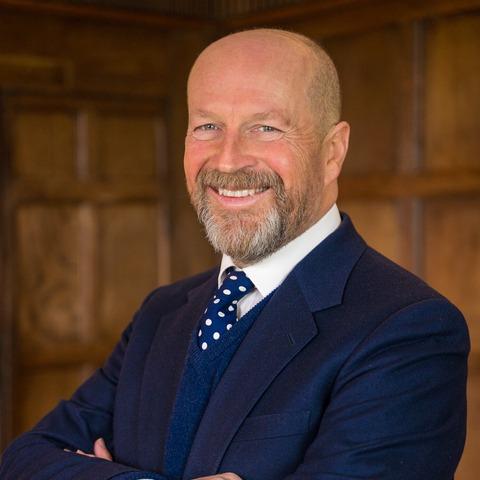
In this episode of all about business, James Reed sits down with Andrew Hulbert, Entrepreneur and Founder of Pareto Facilities Management, a company he built from his bedroom into a £50 million business before successfully exiting in his thirties.
Andrew shares the journey from a difficult start in Oxford and an unconventional path into business, to scaling rapidly in a competitive industry and navigating the realities of high-growth entrepreneurship. He reflects on the mindset required to build something from nothing, the importance of winning (and keeping) customers, and why consistency and execution matter more than ideas.
The conversation explores what it really takes to scale a business, from landing pivotal contracts that accelerate growth, to building a leadership team strong enough to step back from. Andrew also speaks candidly about the personal cost of success with long hours, burnout, and the moment he realised the business he built was no longer sustainable for the life he wanted.
Now focused on family, investing, and sustainability, Andrew offers a different perspective on success that goes beyond financial outcomes.
This is a grounded and honest conversation about entrepreneurship, growth, and what success really looks like once you’ve achieved it.
02:17 council estate roots
09:20 knife lesson turning point
22:06 bedroom startup launch
34:14 why sell the business
42:57 health reset and purpose
46:50 sales tricks that work
54:47 advice for entrepreneurs
Follow James Reed on LinkedIn:https://www.linkedin.com/in/chairmanjames/
Follow Andrew Hulbert on LinkedIn: https://www.linkedin.com/in/andrewhulbert/
Find out more about Pareto Facilities here: https://www.paretofm.com/
James: action. Well, today on all About Business, I'm really delighted to welcome Andrew Halbert. Uh, Andrew is an entrepreneur and is now chair of the Institute of Workplace and Facilities Management, having built and sold a facilities management company called Pato fm, which I believe you started, uh, from your bedroom at the age of 27.
James: That's right. And exited for the princely sum of a hundred million dollars. That's, that's right. Is it, Andrew? Well, that seems like a good place. You,
Andrew: you are well researched. That's great. Thank
James: you. Yeah. Well, that's my job. That's my job. Um, but I, I think let's begin with your early life, because I think. You, you, you grew up on a council of state in Oxford?
Andrew: Yeah, so my family, family units from the Council of State. Yeah. Uh, I think I mentioned earlier, my grandmother moved there in 1953 in a caravan with, uh, with my grandfather and they [00:01:00] built the family unit up from there, but. So they started in a caravan. Didn't even have a house initially, but they ran the community center and uh, they, uh, it was my grandmother's funeral just a couple of weeks ago, which was tremendously sad.
Andrew: But she was 93, so she had a fantastic, so what was
James: her name?
Andrew: Jean Bradley. Jean Bradley. Jean and Bill Bradley.
James: So they went to Oxford?
Andrew: Yeah, they, they went to Oxford. And do you know what was really magical about that? Uh, that funeral? Uh, there was also a children's home on the estate at the same time. Right.
Andrew: And my nan and Grand, they just opened their house to that children's home. They could come and eat in there whenever they wanted to. Food's a big part of my family, which I'm sure we'll explore today. And there were three kids from the children's home at the funeral who were now in their sixties and they were still referring to my Nan Jean as mum and dad.
Andrew: And, um, because that was like part of the ones that brought them up. And I think children's homes back in the fifties and sixties probably weren't quite as, uh, progressive as they are today.
James: When you said you, you said family unit, I feel like that's a interesting way of describing a family. It felt, felt in my imagination.
James: It's a sort of compound. Well, I wouldn't say compound. Was it? I would say describe this seat [00:02:00] because it obviously, it was obviously a central place for people to come together.
Andrew: It was, I would sort of describe it as a mafia type group. Really?
James: Well that's what, that's, I I didn't wanna say that, but how does that, how does that work?
James: Well, what was it, what was happening
Andrew: there? What I mean by family unit is in my immediate family there are around 75 people
James: across 75.
Andrew: Correct. Um, which
James: makes, I knew I was onto something, so
Andrew: Yes. Come
James: on. How's
Andrew: this work? Well, it makes Christmas Day a complete nightmare. No,
James: 75.
Andrew: Yeah. No one has a living room big enough to do it.
Andrew: In my family, everyone lives close by. So everyone's within say 10 minutes drive of each other. Um, and when I was 11 and smoking for the first time, uh, even before mobile phones and everything, my mum knew about it before I'd even got home. 'cause someone had seen me, who'd spoken to someone who told her before I got back.
Andrew: Right. And I got a clip round the ear, uh, with my Marra Gold in my, in my pocket at the age of 11. Right. Um, but yeah, no, what I mean by family unit is a really close group of family members, um, that all looked out for each other. And every Sunday we would get together and eat together. Not all 75, but a big group.
Andrew: And uh, yeah. So [00:03:00] that's really what family unit means and community and food and being together. That is my background and that's what I love. And I'm so grateful for it. But yeah, it all started in that caravan on the Northway council estate in the fifties.
James: Right. And the, so there must have been a lot of people at the funeral?
Andrew: Uh, yeah. The funeral, my grandfather's funeral in particular, um, it was in the crematorium in Oxford. Um, they were queuing out the door. Right. Uh, there was easily 200 people there. It was absolutely huge. My grandmother lived for another 10 years after he passed. So by the time she had passed away, a lot of her friends had died by that stage.
Andrew: Yeah. 'cause she'd outlived them. But I would never forget my grandfather's funeral. And you can have all the money that you want in the world and you can do all those things, but actually they, they weren't rich people, but they were brilliant for the community. They were genuine leaders, genuinely helpful.
Andrew: And when they were running the community center, they would raise money to buy bikes for the kids and track suits and all those things. In a time when you didn't have the internet and GoFundMe and all that, this is when they had to do the hard work. So I really, that part of my family unit, [00:04:00] that's really where I resonate and it's where I get my community spirit from.
Andrew: And ultimately where I try to. Uh, place my entrepreneurship and subsequent to that, my social activities, because that's really important.
James: So you were inspired by
Andrew: their example?
Yeah,
Andrew: and I, I really didn't have much choice because it was what we lived every day and, uh, yeah, hugely special. And entrepreneurs, we come from all different backgrounds and places and everything, but helping people and being a good person and having integrity and always being available to support, that's, that's the core values for me.
James: But you had a pretty sort of edgy teenage life, didn't you, in Oxford on this council? What happened? Yeah, well, I mean, you've got some stories to tell.
I,
Andrew: I mean, there's plenty of stories that we haven't got long enough. Look, I think before the age of 16, I sort of started hanging around with the wrong crowd, really.
Andrew: Now look, I'm 39 now, but when I was 12 I could walk into a shop and buy alcohol and cigarettes, which as a 12, I mean, it's inconceivable now that that would be possible. Um, but I did, and of course, when you start hanging around with that sort of group of people and you have the counselor state [00:05:00] mentality, and we were hanging around with other counselor estate kids as well, you know, having sex early and getting in trouble early and all that sort of stuff.
Andrew: My mum and dad were really worried when I was about 14 that I was gonna get someone pregnant. Right. That was the main challenge. I know, of course that wasn't the vision for myself, but you know, you're a 14-year-old boy and exploring everything. So, um, yeah, I, I got into scrapes. I was a bike thief is one of the ways that I used to make some money.
Andrew: Um, I was very good at stealing bikes and, well, from
James: those Oxford students,
Andrew: from those Oxford students. You, uh, I mean a real, uh, I, I always laugh about this, I probably shouldn't always tell the story, but I lecture at Oxford Brooks University Oh, right. As part of their real estate course. And Brooks is where I used to get the bikes from.
James: So it's not far from where you lived?
No,
Andrew: no. About it was in Headington, so just down from the Old
James: Ox, the mammogram. So that's what, that was your bus first business.
Andrew: It was. And I, I always laugh whenever I address the students for the first time and say, don't worry, your bikes are safe. I, I steal tea bags generally now from corporate events rather than anything else.
Andrew: Um, so, yeah, no, I, I did a little bit of [00:06:00] that and I was. I was just getting in trouble. Used to start fires and bins and all that sort of thing. Just stupid stuff. Oh, for fun? Yeah, just for fun. 'cause we were bored and we didn't have a youth club or anything like that. So
James: Did you end up with a record?
Andrew: No, no, no.
Andrew: Never got a record. I mean, got, um, pulled over by the police many times for not having lights on my bike. That was mainly the worst thing, but you're quite clever about how you do some of these things. Um, it culminated one day I I was hanging around with the wrong people and I was in South Park in Oxford and when I was about 15 and I, I did get assaulted and I did nearly get murdered.
Andrew: Uh, three guys beat me up in the park. They had a tbar scooter handle of these little micro scooters. Two of them held me back. One of them smacked me around the head with the T-bar scooter handle about 10 o'clock at night. And, uh, I can will never forget this vision of this bar coming towards my head.
Andrew: And I, um, I pulled over to the side and it caught my ear and tore my ear off. And of course in the family unit, in the community spirit. I didn't call an ambulance. I called my dad. Right. My dad rushed down, picked me up, all these T towels, pushed my ear back on the side. I can see it's
James: still [00:07:00] there.
Andrew: So the ear was just about, yeah.
Andrew: And then we went up to the John Radcliffe and they sewed it back on for me. But I was very angry after that and started carrying a knife and knit. I found the guy that had beaten me up and nearly went back and killed him. Um, but I decided not to. Right. And that, that was the right choice at that stage.
Andrew: But I had the chance. And uh,
James: so this was like sort of gang warfare then?
Andrew: Well to some degree in a three. In a three versus one, uh, situation. But, um, yeah, look, youth is, youth is dangerous when they're bored. And also, 'cause I was six foot three when I was 15, I was a big guy. So sometimes the real
James: target.
Andrew: Yeah, the young, angry small guys, you know, they want so to go and beat up and I wasn't trying to cause any fuss on that day. Uh, so yes, luckily I had an opportunity to get my own back, if you like. And I had, I had a couple of knives that I carried at that stage and I didn't take that chance. So
James: what would you say to people now who young, I mean, 'cause obviously carrying knives is a huge problem.
James: Huge.
Andrew: Yeah. Uh, what would I say to people now? I mean, I know it seems like the right thing to do for some people that are very young and angry and trying to protect themselves. [00:08:00] But a knife is more likely to be used back on yourself rather than you using it onto somebody else. And if you can somehow get over that red mist and that red anger.
Andrew: Not everyone is against you. Not everyone's trying to get you. And I, I think when you're a young man and trying to work it out, sometimes that can feel like what's happening and uh, you just need to take yourself out of the situation as much as possible. What used to happen to me whenever I went into a shop, I would always be followed by the security guards.
Andrew: Now, I didn't steal from shops, I was just doing bikes in Brooks instead. Um, but actually going into the shops I used to hate, it used to really make me angry about what was going on. 'cause I was being targeted and I dressed like maybe I was going to, but, but that was it. Um, but look, what happened for me was I got into sixth form and actually all my friends almost exclusively, where did
James: you go?
Andrew: Uh, to Cherwell School? In Oxford. Just normal school. But it just so happened to be that I got in my GCSE grades were reasonable. I didn't try very hard, but I got in and all that life that I just described got left behind. And now [00:09:00] I was at sixth form with all my white middle classmates who were all gonna go to university.
Andrew: And they had good jobs and good relationships with their family and their dad didn't abuse them and all that sort of stuff, you know, which was the relationships I'd had before. So I think, um, for me that was the catalyst for change. Very luckily at 16 I got in with the right crowd. If I hadn't have done, I would've had a baby when I was young, I would've gone down a certain route.
Andrew: I like to think as an entrepreneur, I still would've made it somehow, but it would've been very difficult and very different.
James: Yes. So, so you went, you went to sixth form. Yep. And then you went to university?
Andrew: Yes. Then I ended up going to university. Yeah. And actually my, my parents are proper, hardworking, working class.
Andrew: Never been to university. They thought university was for rich people and clever people. We were neither of those things. And, and I'd been messing about for 18 years. Uh, so we had some really difficult conversations with my mom and dad when I wanted to go. My mom and dad had to sell some bonds and shares and things that they had within Sainsbury where my mum worked, right?
Andrew: So they could afford for me to go. So when I got there at the age of [00:10:00] 19, on the very first day, my mum and dad had always sacrificed for us. 'cause my dad was working hard in the factory and my mum working three jobs. Um, but when I got to university, I felt very lucky to be there. And as the kicker, literally as I moved into the halls of residence on day one, I held the door open for this beautiful blonde woman who turned out to be my wife.
Andrew: And we were together for 20 years since then. So,
James: serendipity, eh?
Andrew: Oh, and if you want, you want an, you want an extra kicker. She was also born the day before I was.
James: Oh, right.
Andrew: And, uh, so if you believe in fate, there's your little story on the fate side of things.
James: That's amazing. Yeah. That's very So, so what did you study?
Andrew: Uh, I studied business, uh, and I, I got into University of Essex where I went by the skin of my teeth. I got the exact number of points only because I'd been to Glastonbury and I'd watched Oasis play and I was studying a hundred thousand people, crowd drinking beer and smoking weed and singing champagne soup, and Nova and all that.
Andrew: Came back, did the exam for general studies, which you didn't have to do any classes for. And it said, describe a time that you've been [00:11:00] emotional. And I wrote this essay about being emotional at Glastonbury. Uh, and I got a hundred percent, and luckily for me, Essex included that general studies as a full A level and it counted towards my degree, and I got in by the exact number of points.
James: So you owe Oasis
Andrew: hugely. And I, I went to Heaton Park twice to see them, to try and thank them directly, but couldn't get close enough to the front. Well, um, but that was a real moment. And actually, do you know why that was special? Because, um, I'd been earning money since the age of 12. I'd been working in a corner shop, stuffing papers, getting up at 4:00 AM on Saturday.
Andrew: So you'd done legit
James: work as well
Andrew: as bike I'd done some real work, yeah. Rather than just stealing bikes. And, um, yeah, so I ended up, um, I, I had money in terms of like relatively small amounts, but it's the first time going into Glastonbury. I spent that money on something. I was just saving. I didn't know what I was saving it for.
Andrew: Um, but that was one of the first times I spent, it was 149 pounds or whatever for the ticket. But that was big for me at the time. Well, it's a lot of
James: money now.
Andrew: It is, it is. Why? Yeah. I think it's 400 now for a ticket. But yeah, my mum really encouraged me to go. Um, and yeah, it is [00:12:00] the best thing I ever did and without it, I, I wouldn't have gone on this journey.
Andrew: There's many sliding doors, moments in early life.
James: It is interesting how some, some moments that maybe don't seem that significant at the time.
Andrew: Yeah.
James: When you look back become, you know, the They're pivotal.
Andrew: Yeah.
James: And how it's so important to get out there. Yes. And do things, meet people because you never know when those moments will be.
Andrew: But, but isn't that still good advice today? Get out there and be around people. I, in this lecture I did at Brooks, they're all say 21 about to go into the world of work. I was saying, how many days do you wanna be in the office to this group? Uh, there's about 50 of them. Two.
James: Mm-hmm.
Andrew: I was like, well, my advice to any entrepreneurs in here is go to the office five days a week because your presenteeism activities will get you much further than the other people who are not there three days a week.
Andrew: And I think early life is about building your own personal brand and business and understanding how business works to get the skills you need to go and start something yourself in the future. I, the concept of leaving university, starting a business and being a huge success, there are people that do it, but I think [00:13:00] we all need to learn from businesses first before we go and build something.
Andrew: I suppose.
James: I really agree. I, I mean, know, a friend of mine's son recently got a job and he was told by the employees, you only have to come in two days a week. Yeah. And my friend said to me, what do you think about that? And I said, tell him to go in every day.
Andrew: Yeah.
James: Which he did. And he is been promoted three or four times out of pay rises.
James: Yes. And is doing really well. And I think that's exactly because of the advice you just gave.
Andrew: Yeah.
James: That people saw he was committed.
Andrew: Yes.
James: He cared.
Andrew: Yes. I
James: mean, it's that basic,
Andrew: but this is, I mean, it's a tale as old as time. We know academically that this has been the right thing to do since the eighties. I, I remember in my course I studied Japanese culture.
Andrew: And in Japanese business culture in the nineties, you'd take an extra jacket and leave it on your chair to make sure that people knew you were there. And if you fell asleep at your desk, it was seen as a great sign that you were working really hard.
James: Yeah. That might be overdoing it.
Andrew: Well, yeah. Oh yeah.
Andrew: Well, depends what time you wake up. But But even like, go back to Xerox. Xerox knew in the eighties that the engineers coming back from fixing printers at the water cooler and chatting about [00:14:00] their knowledge at the water cooler, that tacit knowledge exchange, that was the most precious knowledge they could share.
Andrew: And there's no way Xerox could even make that happen. It was just the fact that they happened to be at the water cooler or the coffee machine. Yeah. And that was so bent. That was so beneficial. So
James: learning from each other.
Andrew: Absolutely. But that is still key now. And even more so. And there's a big piece of management theory at the moment that the Gen Zs that don't want to go into the office when the alphas come in who are not, um, affected by COVID.
Andrew: This is the next generation, this is the next gen. Now when they come in, they might go back four or five days a week and they might outperform. Well, I
James: think they are. I see that already.
Andrew: Seem to have a
James: different view. Think that's
Andrew: really important. And actually there's only so much, uh, entitlement you can have.
James: Yeah. I, I think that's interesting. So I understand, you know, while you're a student, you did a bit of work for Reed.
Andrew: We did indeed. And this is how we came
James: temporary work.
Andrew: This is, well, very, very temporary. This is how we came to meet, uh, at the end of my first year of university, I'd put on a bit of weight.
Andrew: I'd had a very enjoyable time in the first year, drinking a bit too [00:15:00] much. And I went to re agency and I was like, I wanna be a Dustin man. And, um, so I thought, great. I now look at university genuinely. I was waking up at 5:30 PM and I would watch neighbors, uh, at 5:30 PM whilst eating my breakfast. For anyone who doesn't know neighbors, it used to be on twice a day, 2:00 PM or 5:00 PM And I went to
James: So you were doing a sort of nocturnal course.
Andrew: I wa Well, I was, and I wasn't going to my lectures either, which, uh, wasn't particularly good. Right. But back in the day, you could buy the cassette of your lecture. Oh, and I had, I had a mini, uh, I had a metro and I used to listen to the cassette in the metro writing my notes while I was eating my cereal and things.
Andrew: Um, I wasn't particularly good in that first year of university. Um, so yes, I went to read and they got me on the Dustin Lorries and I, and I went out now. What you should understand is Dustin Ls go out very early. Yeah. So I had a 3:30 AM alarm clock on that first day. It was a lovely sunny day and I went over to uh, it was where I did it and I went out with the team.
Andrew: All five of us on there were temps, right? So they're all through re [00:16:00] and we were just trying to work out what we needed to do. We had a route and we had a plan. And the driver, he was really keen because on those jobs you got paid the same regardless of what time you finished, right? So he wanted to do it quick and we were all running around and sweating and everything for him.
Andrew: And I probably hadn't showered either 'cause it was so early in the morning. So yeah, we went round, it was brilliant camaraderie. And on the way back he stopped off and he bought us a pack of fosters and we all had a beer apart from him, uh, on the way back to the depot. And I got back and I got home at maybe 11:30 AM and I just went back to sleep.
Andrew: And then the next morning when that alarm went off again, I was like, no, this, uh, this isn't for me.
James: So you worked for Reed for one day? That's pathetic.
Andrew: I did. I I actually, I did actually also work for Reed separately because I did, um, over one of the summers I worked for Barclays and Barclays used Reed as a, uh, yeah.
James: They were a big client.
Andrew: Yes. As an agency. So I was also through them doing some stuff for them in Call Market Street in Oxford. But yeah, the, uh, the Dustin Lorry was a great [00:17:00] experience 'cause the characters. On there were brilliant. And I, I remember just getting in the bus to go over to the depot and the guy, he was like, oh man.
Andrew: Should have seen the color of my excrement this morning. I had four Guinnesses last night. Oh no, we don't need
James: to, we don't need to hit that on the podcast.
James: But these are formative experiences for young people to go and do the uh, yeah, the jobs of,
Andrew: yeah. And it's hugely formative. And actually, I, I wouldn't change it and, and don't, temporary
James: work is good.
Andrew: Yeah. I don't care what background you're from, what form of life you're from. Stick yourself in the middle of that, uh, situation and see how you get on.
Andrew: Some people think some people swim and I was just too lazy, ultimately, physically, at that stage. And I, I was so bad with my sleeping pattern that it was just never gonna work for me.
James: But as your life progressed, you became quite dynamic as it turned out.
Andrew: Well,
James: yes. So you started a business Yes. From your bedroom, is that right?
Andrew: Yes, that's correct. So I,
James: so tell us that story.
Andrew: Yeah. So I went to university, I studied business and I finished my degree and I got linked up with a property services business, a 6 million pound one. [00:18:00] And, and I went and joined them for about six years. And I,
James: so what sort of work were they doing?
Andrew: Imagine a nice commercial office in London, nice tall building.
Andrew: We looked after all of the maintenance, the statutory compliance, the leases, everything that it took to deliver statutory services to buildings. And that's what facilities management is from our perspective. I did that for So
James: what, just so people understand, what sort of statutory things are we talking
Andrew: about?
Andrew: Oh, uh, water management. So literally taking the tap temperatures, checking for legionella, doing the fire alarm testing, checking the emergency lights.
James: So making sure it's all compliant. Correct. And safe for the people who work there or use it?
Andrew: Exactly. And mainly for insurance purposes. Um, 'cause fires do happen and when fires happen and you get investigative from an insurance perspective, you can evidence that you had control of the building.
Andrew: Yes. And uh, so that's what facilities management is principally looking after the, um, the assets. And what we know in most businesses, people costs is usually the first cost. And property cost is usually the second. Right? So managing property cost effectively is really important, but you've also got how sustainable is the building and what are the [00:19:00] energy and utility management pieces.
Andrew: All the changes in compliance and law, which is significant. So yeah, we delivered all of those services on a self delivery model and actually used agencies. This
James: was the company you were working
Andrew: for? That's who I worked for to start with.
James: And, and you used agencies to supply staff?
Andrew: Absolutely, because
James: we work with facilities.
Andrew: Yes. I would've thought so, because we employ 1.2 million people, um, in this sector in the uk it's worth over a hundred billion in GDP and uh, so we know it's a critically important one. And interestingly, there are 125,000 service providers in this sector according to the Office of National Statistics.
Andrew: So starting one was an interesting one 'cause there was 125,000 other people doing what you were doing. Um, I did four years with roll. Right. And I was an ops director when I was 24. I had a team of 250 people under me at that stage. I, I was working hard. And then we got bought out by a big business, and I did two years for that big business.
Andrew: Didn't like the big business mentality. It wasn't for me. I've gone from being the king of this very small castle to being nobody in the big business. Yeah. So when I was [00:20:00] 27, it's literally true. I, I went home to my wife one day and I said, I'm, I'm gonna leave, I'm gonna start my own business. She wasn't entirely on board with the idea to leave a well paid job.
Andrew: We just got a mortgage. We didn't have kids yet at that stage. Um, and I think, was she
James: working as well?
Andrew: She was working as well. Yeah. We were sort of starting to plan the rest of our life really at that stage. And, uh, yeah, no, I, I literally just gave my three months notice and I started Pareto from my bedroom in August, 2014.
Andrew: And when I say I started with nothing, it was literally me and a laptop. So I didn't have partners. Didn't have processes, didn't have any funding, any investment. It was just me and an idea.
James: So, so how, what was your idea? How did you do that?
Andrew: The concept was that the bigger businesses in our sector had completely lost touch with the client.
Andrew: And actually they were so big that they were too rigid and they didn't treat staff very well, and they didn't care about things like sustainability and people and social. And I wanted to start this modern version of what a facilities management and property business could be. And I was 27, so all of my ideas were pretty sort of new and different.
Andrew: Um, [00:21:00] so there were really three concepts. Put people right back at the heart again, because we'd just lost touch with the staff. And I mean, pay them on time, pay their expenses on time, give them a decent allowance for their boots, give them the tools that they need. They sound really basic, but that wasn't practice, common practice in the sector.
Andrew: Make your processes completely flexible. So a lot of these big companies, they had really rigid IT processes that if the customer wanted to work with you, you, they, the customer had to change their processes to fit yours. I was like, no, no, no, let's turn it round. Let's have really flexible cloud brace processes so that we can do it the way the customer wants to do it.
Andrew: And then the final one is what I would call ESG. Uh, so environmental, social and governance, which really means doing brilliant sustainability initiatives that are very real. So we were carbon neutral on Scope one and two, for example, and we'll be net zero by 2027, still go in today. Um, but also to have a brilliant social heart.
Andrew: So to be a good business to help people out, to do lots of initiatives around charity, making our own honey and all that sort of stuff. We had Pareto [00:22:00] Honey made in Market Harbor as well, which I know is a passion of yours.
James: Yeah, no, I think that's very good.
Andrew: Yeah. So, um, in the end, that's what we started with.
Andrew: But what made us special was we went for the big brands right from the very beginning. I, I was trying to be a 20 million pound business outta my bedroom from day one. So the first four or five customers, Bulgari Hotel, which is obviously amazing jewelry brand. Yahoo Candy Crush, Twitter, London Zoo.
James: So, but you obviously went out and won them as customers,
Andrew: correct?
Andrew: Yeah.
James: So you went and sit to see them Yes. And presented to them and
Andrew: Exactly.
James: So you're obviously good at that.
Andrew: I, I think so. Hope so. Um,
James: we must have been,
Andrew: I went on,
James: what was your pitch? I mean, you go to, so, okay. Talk us through Bulgari Hotel. This is in Knight Knightsbridge,
Andrew: yeah. Yeah.
James: Six. It's a glittering, sort of posh plate.
James: Six stars, did they say? Yeah. Got a marketing
Andrew: tree. Yeah. Yeah.
James: So this is an amazing hotel. So Yes. Why did they pick you at 27 out of a bedroom in Oxford?
Andrew: Yes. Good question. Um, now look for the six years prior to starting the business. I'd been networking my ass off. I'd been writing articles, I've been winning awards.
Andrew: I've been doing my LinkedIn. I created a brand for [00:23:00] Andrew as myself. So when I started on day one, it wasn't like I'd come out of nowhere and I just entered the sector and no one knew who I was. They knew who I was because I was good and what I'd been delivering previously. So I knew Bulgari Hotel from the networking and from being around.
Andrew: And I called Jeff. Jeff is the guy who gave me my first opportunity. And Jeff was a bit of a maverick, which in entrepreneurship you need Maverick sometimes to say yes. Um, and it was an engineering contract, couple of hundred thousand a year. And uh, I called him up and I said, look Jeff, I've started this business.
Andrew: I'd be really interested in helping you out. I knew Jeff was getting frustrated with the big business that was serving him in that organization and I was just right place, right time. And the reason I targeted Jeff, he had two kids that were in their thirties that also ran their own businesses. So I was like, look Jeff, if I hit you, I know you've got kids similar age to me.
Andrew: I know that you love entrepreneurship and I know that I can deliver services to you in this space.
James: Oh, so find an entrepreneur friendly client.
Andrew: It was, and it Oh,
James: that's a good idea.
Andrew: Yeah. Well, and and actually look, that's good networking. 'cause [00:24:00] the fact I even knew he had kids and what they kid what kids.
Andrew: Yeah. He's gonna
James: be sympathetic to your
Andrew: sort of, yes. That's the idea. And you also need someone who's a little bit unhinged that's gonna say yes. Your first Yes. Is the hardest one because you've got nothing to start.
James: Exactly. That's what I'm thinking.
Andrew: Yeah. And you just have to convince them. But also, look, I'm a good salesperson.
Andrew: I, I genuinely went on to sell quarter of a billion pounds of services personally over the next nine years.
James: So you were really leading from the front
Andrew: Absolutely. All the way through. Too much so I, I was all in as an entrepreneur, but as soon as you get your first one and when it happens to be Bulgari Hotel, which is 15,000 a night to stay in the suite, and they claim to be the one of the most expensive hotels in London.
Andrew: It was, um, it was a brilliant name to sell from. And then we started to gain a bit of attention. So what
James: was the engineering you were doing for them?
Andrew: Uh, so that was maintenance of all of the, say heating and air conditioning system.
James: So you want that to work when you've got 16,000 pounds
Andrew: room. Um, uh, one of, one of the challenges in that location is the quality of the guests is very high.
Andrew: Yes. And perhaps the most famous people in the world. And their [00:25:00] expectations are very high.
James: Yeah, that's what I'm thinking.
Andrew: So temperature control is an important one. It has to be precise. It does. And you know, especially when you have like people from Saudi and Middle East who were coming there and uh, they don't want, yeah.
Andrew: They wanted it to be very cold. Uh, and then, um, there were certain people that were there that wanted it to be very warm and it was all about, uh, changing yourself, but in,
James: so you had to provide the facilities management that would make
Andrew: that Absolutely. Yeah.
James: Deliver,
Andrew: yes.
James: Deliverable to your client.
Andrew: Correct.
Andrew: And it wasn't just the heating and cooling, it was things like the swimming pool. So obviously when you have public swimming pools, there's lots of risk around legionella and illness and those things that you have to demonstrate. And then even down to things like the, um, electrical system that's running the building, electrical systems in London, we have spikes quite a lot.
Andrew: So making sure that if we have a spike or the power goes off for like seven seconds or so, that the building still functions. Um, because the expectations are very high. But we were good and we were on it. And what the one way I could.
James: So you needed a good network of engineers?
Andrew: Hugely. Yeah.
James: So who you have in your world?
Andrew: Yes. Your, your network of,
I'm
James: thinking of your family unit, you know, lessons of that sort of connected, [00:26:00] sort, connected group. It sort of, it is almost recreating that,
Andrew: isn't it? You, you are so right. The, the strength of an organization. Yes, it was me and yes, it was the engineers that we hired directly into those teams, but it was the specialist service providers outside of this that if I called them at 11 o'clock on a Friday night because there was a problem, then they could come.
Andrew: Yeah. And of course the thing with property services is, especially in a hotel or in a zoo, it's not as if that five o'clock everything gets turned off and everyone's all, okay, that's a 24 7 business. And expectations even at three in the morning are still very, very high. And if you have water coming through the ceiling at three in the morning, which happens invariably in, in property, um, you wanna make sure you're gonna sort it out.
Andrew: Yes. So it was that personal assurance like early on, which I was able to give. And also they, they knew that I would just give my all and it would happen, it would work, and I was able to prove myself from there. So yeah, that's, that's how it started. And then we, we started just to build out from there, so the likes of Yahoo and Candy Crush and, uh, London Zoo and things.
James: You said the zoo. So you looked after the zoo?
Andrew: Still do today. Yeah. [00:27:00] Been a 10 year contract. And, uh, so,
James: so what has been the most challenging thing that's happened down at the
Andrew: zoo? Crus, I can't say some of the things on camera. Uh, no. London Zoo and Whips, node Zoo. So there's, you're
James: not responsible for escaped animals.
Andrew: Uh, there, there are some stories, uh, around those that some made depress. Um, the working in 700 acres with 20,000 animals and over 250 buildings is a phenomenal undertaking for a small business to take on.
James: So that's the, that's
Andrew: the, that's the scale
James: footprint of London
Andrew: Zoo. That's London and Whip. Sade Zoo.
Andrew: Yeah. The two oh whip as well. We made over in, um, in Woburn and, uh, we, uh, we built systems for them. We built their compliance, we built their structure. And we've been there for 10 years and it's been through competitive retender and it's a really successful customer. Animals are a completely different thing because of course you have something called a category one animal, which is something that can kill you.
Andrew: Now, of course, a spider, a snake, or a gorilla or an antelope can kill you for one reason or another. So the health and safety protocols and the security there [00:28:00] was really important. And London Zoo, they love animals. That's, I hope
James: so. Yeah.
Andrew: But that, but that is what they do. And like that is the most important thing.
Andrew: Human safety, animal safety. And they would never want to get that wrong. And that was so important there. So again, Bulgari may seem nice and shiny and there's lots of rich people there, but in the zoo, if you got it wrong, animals could be harmed. And you didn't want to do that of, because they were a zoological service.
Andrew: Yeah. Um, a beautiful client, amazing relationship. And uh, something that really helped propel us at the start. 'cause when Pareto was about 1.5 million turnover, um, they, we brought them on as a customer and it was a couple of million pound a year contract and we grew 300% in one year, um, off the back of that contract.
James: So you have a wide variety of clients then. Yes. And you, and that's how you scaled the business.
Andrew: Yes.
James: So what was the moment when it really took off? Was it winning that zoo contract or?
Andrew: Yeah, I think so. So at the end of year one, we were run rating at 1.5 million. At the end of year two, including the zoo, we were run rating at 5 million.
Andrew: And at the end of year three, we were approaching 10 million. So we [00:29:00] had some really quick growth, um, going off the back of those. Now what's beautiful and why investors love Facilities management is we have long-term contracts that are five to seven years long. They're on notice periods, but generally they don't get exercised unless something bad has happened and they're substantial contracts that, you know, mm-hmm.
Andrew: The the biggest one we sold was a 30 million pound contract over five years. So actually they can have some really sizable funds that go through there. So, um, for us, I'm sorry, shut carry. Yeah, I moved a little bit.
James: Probably maybe move your chair in as well. 'cause you might be just pushing the thing behind you a bit.
James: That's all right. You, you're right. Yeah. Let's go.
Andrew: I'll go. Uh, I'll go back to, um, we good?
James: Yeah. Sorry.
Andrew: The best thing about facilities management contracts is their long-term contracts. So they're five to seven years long. They are, uh, hundreds of thousands, if not millions, on an annual basis. And they're tied in and actually they're linked to various SLA, um, service level performance and key performance indicators and things.
Andrew: But they're good. And you know that if you win a contract you can continue to build. [00:30:00] But Pareto, so from the standing start. Every quarter for 10 years straight. Pareto grew 10 years straight every quarter. And some years we grew 300% as I mentioned. So trying to keep hold of that growth was really quite difficult.
Andrew: And I'm just an entrepreneur who started from my bedroom. I didn't necessarily know what I was doing. Um, but it really took off after the zoo. And then we quite quickly got to 20 million turnover. And then, um, uh, and then after, well
James: it's a remarkable record. Every quarter was ahead Yeah. Of the previous one for 10 years.
Andrew: 10 years, yeah. And it included in COVID, if I can add. Right. And in COVID, all the offices were empty. So, uh, basically in COD, um, it was a very challenging time as it was for all businesses. And most of our clients sent everybody home as they had to by law. So we work with all our customers to say, right, we can furlough the staff, we can send our staff home, we can claim the furlough credits, we can give it back to you.
Andrew: All those different things. And we retained all of our customers in that time. If I go back to big business for a second, what didn't work in [00:31:00] COVID is the large providers. Generally, we're saying to customers, our notice period is six months. If you want to change anything, you need to give us six months notice.
Andrew: And of course, that upset customers quite significantly. We'd said to all of them, we'll change it tomorrow as long as we can mutually agree what we're gonna do. And so we went into COVID on 16 million, came out around 18 million turnover. And then off the back of COVID, we'd won a lot of customers who were disillusioned with the big businesses.
Andrew: And we grew from 18 to 32 million organically in one year. And then we did 42 million the year after, and then nearly 50 million the year after that. So we had a huge growth off the back of,
James: so looking back from what I've just heard, you'd credit some of that growth to being sort of customer oriented and flexible.
Andrew: Yes. Hugely because other, other competitors in the sector, they weren't. And actually we were gaining a reputation that if you wanted to do it your way within services, you came to Pareto. But we also had a brilliant social heart and we were a great organization and great marketing and stuff that came with it.
Andrew: But that is what you did. You, you came to us [00:32:00] and we would build something that had been broken for a long time. And in a facilities management business, you generally have one central computer system, which we call a caf a system. We had 11. Right. 'cause customers wanted to do it differently. So we just changed ourselves every time.
Andrew: And what was really unique about us is if their customer had their own system, we would just operate inside their system. It permitting and it is one of the biggest challenges to, uh, facilities management. So yeah, that worked. That worked really well. It was for us, it was very adaptable, very, very adaptable.
Andrew: And, um, it sounds really simple, but the sector hadn't seen an organization like that before. And um, and because I was still in my early thirties, this was also a very new and exciting and I was talking about things that people weren't talking about, and that's where the, um, the environmental and social stuff came into.
James: So you had this great run, but in 2023 you decided to sell the business.
Andrew: Yes, that's right.
James: So how did you come to that decision and
Andrew: yes. What happened then? Um, look, the truth is I've been running hard for nine years and, um, we'd made a great, we've made great growth and um, and it was [00:33:00] a point where. Yeah, if I didn't sort something out, my conversations with my wife and divorce were gonna get very difficult because I was just all in and I'd had two kids by that point.
Andrew: I had my daughter in 2019 and son in 2021. So what that meant to me was I now had this biological pull that I hadn't had before with the children, and I wasn't getting the balance right to start off with. Um, because I would come home just before seven o'clock bath, my daughter, give her back to my wife, and then I'd carry on work until midnight or whatever.
Andrew: I was doing. Just for context, I was an entrepreneur that was up at five and went to sleep at midnight and then did that for every day. And even on Sunday, you're now
James: talking five in the morning.
Andrew: Five in the morning was, was switched. Yeah. Yeah. Big one. I was four or five hours a night's sleep and uh, you know, I taken a lot of caffeine and things to, uh, to keep going.
Andrew: So, um, so yeah. So
James: that's not sustainable,
Andrew: you say? Oh, absolutely not. No. No. And I, I do believe in entrepreneurship. There are times when you need to be unbalanced because you need to outperform your competitor, doing things quicker, doing things more detailed, doing [00:34:00] things better. I think you should do, but there's only so long you can run at that before you ruin all your personal relationships.
Andrew: My wife and
James: your own health probably.
Andrew: And your own. Well, yeah, and I'll talk about my health as well 'cause I went on a big weight loss journey in between all this too. So I think, yeah, for me that, that become quite difficult and quite strained. And I'd said to my wife in about 2020, about 2020 in the middle of COVID, I said, I just need three years, just give me three years.
Andrew: And I got three huge wall charts showing the next three years and I drew a big red X on three years from that moment. And I said, I'll be done by this point. And luckily it only took two and a half years from there. But, um, but I got out so it became to a point where I knew it wasn't sustainable. I knew that the business was valued at a level that I would make a significant return.
Andrew: So that I was very happy in my late thirties to turn. So
James: were you the sole shareholder?
Andrew: I would, no, no. There's share various shareholders. We'd split it between us. We'd given 20% of the business to the team as well. 'cause we had that senior leadership team too. So no, there was a wide cap table on what we were doing, uh, that was split between us.
Andrew: But I like that because we were so, even [00:35:00] though we made say a hundred billion dollars in total value, it was split across many people. And, and that was brilliant from my perspective. Yeah,
James: lots of winners.
Andrew: Lots of winners. And also, um, for anyone who does ever go and sell a business and you get eight figures in your bank account one day, you feel a lot less guilty when there's people around you that are also jumping up and down because they're paying their mortgages off or they're buying a new car or whatever it is that they wanted to do about a year before the exit.
Andrew: We hired a new C-suite of the whole team because I knew that at exit, I couldn't be the center of attention because that wasn't gonna be sustainable for the longer term. So we hired a brilliant C-suite and it was a really diverse group of people, about 15 people in total that we had across the, the senior and director team.
James: And that was the team of the future.
Andrew: That was the future team. Mm-hmm. And I, and actually for any entrepreneur who goes to try and hire their own replacement as CEO, that's also an interesting endeavor to go down because what
James: advice would you give me?
Andrew: Uh, they'll never be as good as you are, uh, uh, and try and see the best in them, but also you don't have to be their best friend, right?
Andrew: You are, they're, if I may [00:36:00] be crass, they're there to perform a function so you can exit. So whether you entirely agree with what they're doing and whether you think they're absolutely perfect, your opinions sort of irrelevant. Now. What's relevant is how are they going to be seen to investors in the future?
Andrew: Yes. So these things can work, and that is a really important piece of advice is difficult to take. Because especially with men, men being men, it's difficult for us to think other men might be able to do what we do in a, uh, in a different way. Um, so yeah, we did that and we hired a great team and um, I agreed to stay on as a non-exec as part of the deal, so I didn't want to leave entirely.
Andrew: So you
James: vice chair, is that right?
Andrew: I vice chair, yeah. So still non-exec today. Yeah. And so I go to the board meetings and, but I don't have any operational day to day now. I just advise, um, which is great. And I also chair the industry, workplace, as you mentioned at the start. So those roles really go hand in hand very nicely.
Andrew: Um, so yes, we managed to get our exit and uh, for anybody who's ever sold a business, the due diligence process to sell it, it's very, very challenging. You have about a million pounds being spent on fees to exit the business and [00:37:00] PWC come in and Deloitte come in and the banks come in and ask you all these difficult questions.
Andrew: You have no idea what they mean. Uh, when we sold in 23, there were 856 questions we had to answer as part of the due diligence process, and we did that in just over three. And we exit. Uh, we managed to execute the deal in that. It's one of the fastest deals that I'm aware of that's happened within the sector.
Andrew: Um, and then, um, and then that was it. And then that was in November, 2023. And then I took my step back at that stage, and that's when I would say I semi retired. So I You
James: are a young man now. You were younger then. You were 37?
Andrew: I was 37 when I finished. Yeah.
James: So how, what, what are you gonna do now? I'm a bit mystified.
Andrew: Yeah. I, uh, I'm still working it out. Look, I, it really weighed heavily on me that I wasn't a good enough father, um, because I wasn't there enough. I was not prioritizing my kids and I wasn't prioritizing my wife and even my family. Go back to the family unit that I mentioned at the start in my family. It doesn't matter how much money you've got, it matters that you're part of the unit and you're part of the [00:38:00] group and you look after each other.
Andrew: And if someone needs to taken to the airport at three in the morning, there should be three of you put in their hand up to do it. It it is that sort of environment. So the last two years, I've literally just gone back to being a dad. Right. I'm just, I'm just doing my, 'cause my kids were two and four when they finished.
Andrew: So taking them to school, making their lunches, cooking dinner, going swimming, doing the homework, gonna play out in the farm, which I, I'll come on to. But being a dad has been the most magical thing. And the money is wonderful and the money gives you time back to go and enjoy all of those things. But there is nothing more precious than being with your kids and not having an alarm clock and having a cuddle and them holding your hand as you go into school.
Andrew: I love it. And actually, and they
James: grow up fast.
Andrew: They grow up and, and I do, you know what? My wife's uh, my daughter just turned seven and my wife's like, wow, that's flown by. I'm like, no, it hasn't. This has been, this has been a long seven years. I, I wouldn't change anything. 'cause our daughter still doesn't sleep today.
Andrew: So we have a, we've had a lot of sleep issues. Right. But actually, like for me, money, I, I've got so many stories for you, but I, uh, I did go and buy a bright yellow [00:39:00] sports car, um, McLaren five 70 s with the doors that go up on the side.
James: Oh, right.
Andrew: You
James: still got it?
Andrew: No, no. Sold. I felt like a total fraud. Right.
Andrew: It's total fraud. I was driving around in this thing thinking, who am I trying to impress? Right. And also, look, my, uh, I'm a six foot four guy with big old rugby legs. When I sat, I went into a showroom and bought it without even, uh, driving it. And when it got delivered to my house, I sat in it and I didn't fit in the bucket seat 'cause my ass was too big.
James: But you still bought it?
Andrew: Well, I'd already bought it by that stage. Oh, you already bought that? I was a hundred K in the, in the hole at that point.
James: Okay, so don't by McLaren unseen?
Andrew: No, not unless, not unless you're a little bit smaller. They, they turned it on in the showroom and that was it. I was, uh, I was absolutely hooked.
Andrew: But no, I, I felt in the McLaren you drove around and people took pictures of you and they were waving at you and all that. I, I didn't like that. There were, I love the anonymity.
James: So you thought you might like that, but it turned out you didn't like
Andrew: that. Yeah, I, I'm, I'm So
James: What do you drive now?
Andrew: Uh, I, I have like 10 cars these days.
Andrew: So you
James: still like cars
Andrew: then? Yeah, I still like cars, but they're all different ones. Ire. So the car I love at the moment got an old, uh, AC Cobra. Uh, it's got like a six liter Chevy engine. Oh,
James: people still look at [00:40:00] that?
Andrew: Oh, they do, but I don't take it out too often. But no. Um, got an old 1959 series two Land Rover with an automatic gearbox and a V eight engine in it to drive around on the farm.
Andrew: To be honest, flashing around wealth with cars is not what I'm about. I, uh, I'd much prefer to have a, I sometimes take the old Volvo out, uh, which we use on the farm, uh, which is like a 2009 Volvo that's got 175,000 miles on it. Yeah. Um, it's a great fuel efficiency actually on that. We just keep running those cars.
Andrew: They do, they, they just never fail. My jaguars have definitely been the ones that I've had to replace engines and stuff in that haven't been so good. But, um, so yeah, really? What, so it
James: sounds like you're a fan of British cars, which
Andrew: means you applaud
James: on this podcast.
Andrew: Absolutely.
James: So you've got a lot of brands there that
Andrew: I haven't bought an Aston Martin yet, but I will do.
James: I recommend that I bought one years ago and I still have it.
Andrew: I, um, I really love the new shape of the Vantages and everything, but if you're not careful, you're spending 220 grand on a, uh, on a car. Got
James: a secondhand one.
Andrew: Well, you, yeah, you that's better. But I like the racing green and driving in and out of London from Oxford.
Andrew: There's an Aston [00:41:00] Martin garage on the left hand side as you come into London. And uh, yeah, I often think as I go past there, um, but right now I don't want to be drawn away by things like cars because I want to be at home and doing the stuff with
James: the
kids.
Andrew: Right. So,
James: so this is a big change in sort of speed for you and focus,
Andrew: enormous change,
James: but you are happy with this.
James: Yeah. What's that sort of being an entrepreneur doing,
Andrew: um, in entrepreneur now? Is that getting
James: sort of bit, sort of twitchy?
Andrew: Well, no setting, setting new challenges for myself, right? So I just go back to my health, um, in the lead up to selling the business in 23, I went on a diet and I lost nine stone in seven months.
James: Wow.
Andrew: Uh, in totally no manjaro, no nothing, literally no
James: wavy or
Andrew: woke up one day and I go, right, I'm gonna just have 500 calories a day. I'm gonna eat up one time a day. And I just did it. Came off sugar, caffeine, and alcohol, literally nothing. And yeah, lost a load of weight in that time. Got down so low. My wife was saying, I'm not attracted to you at this, at this physicality.
Andrew: So I put a cup of stone back on. But, um, that was a challenge for me. And now, right now my challenge is [00:42:00] making sure that generally I'm doing things between nine and three. 'cause I can take the kids to school, I can come and have conversations like this and I can grow my profile. But the reason I want to grow my profile is I am nothing special.
Andrew: I didn't come from a special background. I didn't have any support along the way out outside of the norm. With the right mindset, I believe people can do the same thing. But I also think you have to be ready to go all in at sometimes to actually sacrifice other things to be a success. So it's not as if someone gave me a million quid and then I started a business off the back of it.
Andrew: I was there on day one. And the advice I want to give to people is for when you come out of, uh, your apprenticeship or university or however you come into the workforce, go and work somewhere for a few years, learn how business works, what's good and what's bad, and then start to build your personal brand on someone else's time where they're paying your salary.
Andrew: And then get ready to go and then get ready to start something yourself. 'cause I think a lot of people, what you don't wanna do is wake up when you're in your fifties or sixties and go, ah, should have taken my [00:43:00] shot when I was back in my thirties. And I'm quite philosophical these days about business because I think your twenties is a great time to start and fail because maybe it works, maybe it doesn't.
Andrew: You've got nothing to lose really. Thirties and forties, life gets busy. Probably gonna get married, probably have kids, probably gonna have a mortgage. All those things. I think, and I'm just about to turn 40 now, but I think into my fifties. When the kids have grown up, they've fled the nest, and I've got a load of time back again.
Andrew: I think I'd be a really good entrepreneur again at that stage, um, because I've learned it all. You've already made some money. There's not too much risk around it. Um, that may be what I'm aiming for, but right now I am holding myself back.
James: So you're not, you're not doing a bit of investing with the process.
Andrew: Oh, I, I do a little bit of investing here, but that
James: can lead you into new
Andrew: entrepreneurial
James: ventures. I,
Andrew: the investing, uh, I'm trying to invest into a children's home at the moment, right? So I, I care about kids and looking after people and building good homes, and there's a brilliant couple of entrepreneurs that need to start, want to start a children's home.
Andrew: Couple of hundred thousand to get it off the ground, uh, under SEIS investment, which is [00:44:00] brilliant as well for anyone looking at investment. So that sort of thing. But the key is I'm not involved, right? I don't wanna be doing anything day to day. I'm not trying to get dragged in 'cause I know what I'm like.
James: But you're very interested still. I understand. In sustainability. Yeah. Social,
Andrew: hugely
James: enterprise.
Andrew: So the other thing I've done is I, I bought a farm, so an equestrian facility over in Oxford and I planted my forest, uh, last year, which 86% of it died over the summer 'cause it was so dry. Just replanted it. Now shout out to Lloyds.
Andrew: Thank you for helping us with that. And um, and actually we just bought a nature reserve just agreed on it yesterday. So it's about a five acre nature reserve with a natural spring pond and 200 meters of, of, um, stream that goes through the middle of it. Completely undisturbed loads of old trees. That is really interesting to me because we want our kids to plant their own vegetables or plant trees and see them die and realize that climate change is real.
Andrew: Um, and actually what I love about my son, he's really picky about what he eats. So give him a fish finger. He won't eat it, but if he's planted, I haven't
James: heard many parents say that.
Andrew: Well, yeah, [00:45:00] go out, go outside where we plant some carrots, he will pick a carrot out the ground without even washing it and eat it.
James: Oh, okay.
Andrew: And I'm like, Luca, how are you eating a muddy carrot? But you won't eat this process stuff that we're trying to give you at the same time. But no, the well good for him. Yeah. Yeah. And, and look, he, uh, he's, uh, fantastic for that, but he'll always eat some Haribo as well, of course. But, um, in Pareto, one of the tricks that I used to use is entrepreneurs, if you're small, when you see big businesses work out what they're not very good at or what can they, what are they trying to hide that they're not good at?
Andrew: My competitors had a carbon footprint on scope one and two of over a million tons. The big companies did. Our carbon footprint was 169 tons. So quite often, and this worked, I used to take 5,000 jellybeans into a sales pitch in a big old bucket, nearly five kilos. And say, here is the carbon footprint of the competitor that we also know is bidding for this job.
Andrew: Can you guess how much ours is? And ours is one third of a jellybean compared to [00:46:00] 5,000.
James: Oh, so you had a big jar and then one third.
Andrew: Yeah. Yeah. And I'd usually cut it. I'd take a pair of scissors and cut it so they could eat. Um, and like if you care about sustainability, which some clients claim they do, who are you gonna choose?
Andrew: 1 million or 169 tons. And sometimes that worked. Didn't always work.
James: You can look this data up in there. Reports
Andrew: as well. Oh yeah, the data's very easy to find. Um, and, uh, so yeah, I, uh, so for me, like little tricks like that, the other trick I used to use, which is I think good advice was donor. So I'm, I'm a big food guy.
Andrew: Going back to that community thing, I always, without exception, would go and get donuts with the branded logos on of the customers that I was selling to. And then when I went into a sales pitch with them, I'd give them the donuts. And the extra kicker on that is always take a gluten-free option and a vegan option, because there are really powerful signs that if I go in to meet someone who I've never met before and they happen to be celiac or happen to be vegan or dairy free, I've already thought of their needs before I've met them.
Andrew: It's just [00:47:00] so deep on like a level that they're thinking, oh wow, this person's really thinking outside of the box, really basic stuff. But actually like, it was just a way that we were able to demonstrate why we were different to the competitors. And whereas our competitors would go in with like eight people into a sales pitch, we'd maybe go in with three.
Andrew: So it was all about quality and we weren't trying to hide anything and we were experts in everything. So there's a huge amount of psychology about sales pitching when you're doing tendering. And we were successful at it. And at our height, we were winning eight in 10 tenders when the industry average is like two in 10 at that sort of level.
Andrew: Um,
James: but the service must have stood up on its own.
Andrew: Well, well it did. And on the service we had our net promoter score externally validated on two occasions. The industry average net promoter score in facilities management is minus 10, and ours was plus 60. So we were able to evidence externally, validated wise, that we were better than most of the sector and you could speak to our customers because they talk about us and that's what Net Promoter score is for.
Andrew: So yeah, we had about a 90% retention [00:48:00] rate of customers at our height, and uh, that's how you grow a business. You win work and you don't lose it, and then you just keep growing from there. And because the contracts were five to seven years long. You had to, it was pretty hard to lose them unless you were terrible.
Andrew: And we weren't terrible. So actually we were doing a lot better than other companies were.
James: Right. So now you are non-exec and you are obviously focusing a lot more of your time on family and your forest and farm, which sounds fun. Um, what do you think is happening in the sort of world of offices? You know, this hybrid working
Andrew: Yeah.
James: Two days a week, we mentioned earlier. Yeah. But what's the future for offices?
Andrew: Yeah. Well, as chair of the institute workplace, this is something that we're talking about every day. What I have seen in reality is Mondays and Fridays are almost not work office days any longer. I'm generalizing of course, but we know large customers that have less than 15% occupancy on Mondays and Fridays, Tuesday, Wednesday, Thursdays, the twats, as they call 'em, they uh, they do come in on Tuesday, Wednesday, Thursdays, and that tends to be a higher [00:49:00] thing.
Andrew: So. We are seeing the younger generation generally wanting two or three days in the office. We're seeing some of the older generation also want that because where COVID was big for this sector of workplace, mm. People who were in their fifties who'd been going to a workplace for 30 years, all of a sudden in COVID, they didn't need to go anymore.
Andrew: Mm. And they realized that they could do some of their work from home and that, and there was a lot of retirement earlier than what we'd expected within, uh, as a population within the uk. But the middle group, so sort of people between say 25 and 45, we know they do want to be in the office and that that group is still there because that they call them generation Y and a little bit x.
Andrew: Yeah. Um, those ones want to be there. My other hypothesis is the alpha generation, which will come after Generation Z as we mentioned. I think they will also want to be in the office space. So what we definitely saw a shift from is say be a Fridays in the office and now be a Thursdays. And because probably people are working from home on Friday, people may stay later and [00:50:00] they may do more social activities 'cause it doesn't matter the next day 'cause they can sleep in a bit more 'cause they're not traveling to the office.
Andrew: We are also seeing customers or, or clients. They want much higher quality space. So although they may not have as many desks, the space that they do have is higher quality because when those people are in the office, they need to have a brilliant experience whilst they're there. And that it's not, not new that the likes of Google, Facebook, Twitter, exec, et cetera, have these amazing office spaces.
Andrew: 'cause that's how they attracted talent. But even more now, the office needs to do more for people than just be a place to rest your laptop down. And the quality of the interactions on those Tuesday, Wednesday, Thursdays is really important now. And that could be, you need more quiet rooms, you need more coffee stations, you need more sofas, you need more PlayStations, whatever it is to make people interact with each other.
Andrew: I think that's more important than ever. And, um, but it's a constantly shifting thing. Mm-hmm. And Barclays commissioned a piece of work called Five Generations in the Workplace. And the real challenge, and, and I don't know the [00:51:00] answer to this, but how do you build a workplace that works for a 21-year-old and a 68-year-old?
Andrew: It's a challenge because they have completely different expectations of the space. Uh, but that's what organizations need to continuously adapt and, um, not cut their office desks down too much. If you cut all your desks down, you then get to this point where people don't want to come into the office.
Andrew: 'cause they might not have somewhere to sit. And now the whole thing just, it gets a bit ridiculous.
James: We're in the process of refurbishing our office Yeah. Um, at the moment and does raise a lot of questions. It's quite interesting. It does. How do people move through it? How are they gonna meet? Where's it, where are the sort of workspaces?
James: And
Andrew: one of the best I ever saw, and this was back in 2016, was Candy Crush or king.com. So they, candy Crush was the second most downloaded app in the world at that stage. But they never met their customers. 'cause their customers was people like my mom at home spending 99 p to go to the next level. Mm-hmm.
Andrew: But it meant that in the office, it was a stunning place. They had a 3D printing room, they had an amphitheater, so you could put on performances. They had a PlayStation room, they had ping pong [00:52:00] tables and uh, throwing tables. That literally sounds
James: like dreamland.
Andrew: It was, they had amazing showers. They had an amazing gym.
Andrew: And they still have that space today, but they got acquired by Activision and then Microsoft now. But that environment was like nothing I'd ever seen before as a young entrepreneur going in and delivering to them. And actually, but the, the quality of what they were delivering, and they were one of the most financially successful businesses that there had been from an app perspective, the brilliant entrepreneurs there.
Andrew: But that's what office space was like. It was about, and it was a destination to go to be with people as opposed to just somewhere that you were gonna do some work. And, and what they did really early, they did food. So like proper high quality. Like, um, you go into a, a sandwich shop, grade food, and I always remember they had a nut bar.
Andrew: So every possible type of nut that you could imagine in a big jar, which would cost you hundreds of pounds if you were to eat them, just have them for free, just put them in and do it. And they were trying to encourage people to come in and it was so, well, I
James: might introduce a nut bar as an [00:53:00] idea.
Andrew: Yeah.
Andrew: It's uh, if you wanna burn some money, that is idea burn money.
James: I don't wanna do that. No. Get
Andrew: some walnuts and all that sort of stuff. Walnuts
James: are healthy, aren't
Andrew: they? But you know, people care about their health. Yeah. And certainly now, and they care about, you know, chia seeds and all that sort of thing. So you, you can do those things.
Andrew: But yeah, a nut bar was worked really well for them.
James: Very good. So I, I'm just conscious if you move around a bit. Is the camera still good? I'm just sort of Oh, yeah, it's fine. It's fine. Camera's. All right. So, um, well, I think we're, we are near the end of the conversation. I, I just to, to, to wrap up, you know, looking forwards.
James: Mm-hmm. What, what would you, um, what would you say to prospective entrepreneurs, you know, your journey's been a remarkable one, I must say, but what, what advice would you give prospective entrepreneurs, uh, who, who may be thinking, shall I or Shante?
Andrew: Yeah. For entrepreneurs who are thinking about it. I think depending on what type of business you have, you can start to build on the side of your desk.
Andrew: So there's this phrase [00:54:00] that the internet loves. It's not what you do nine to five, it's what you do five to nine. I buy into that a little bit. You don't have to take the risk of just leaving a business and starting with nothing. You can start to build a website, a brand, get your social media up and start to do that on the side and start to see whether that, firstly, do you like working 12 hours a day?
Andrew: Because that's at least what you're gonna be doing at one point. Secondly, do you love it? Is that something that those four hours after you've come back from your day job, can you commit to spending time on this? And thirdly, what sort of traction are you getting? Is it working, is it not? How can you pivot?
Andrew: What can you do? And actually that means then you can test a lot of that on the side. So perspective entrepreneurs, for me, firstly, probably go and get a job in the sector that you're trying to build your own thing in, and start to build a brand for yourself whilst someone else is paying your salary. But secondly, build on the side.
Andrew: Build on the side and build something that you can test so that when you start on day one, you are not at zero. You may already be at level two out of 10 at that stage, and then you try and promote it and [00:55:00] move forward. So, but overwhelmingly, go for it. If you think you've been inspired by what I've said today, the story I've given is all true.
Andrew: I don't come from anything special. I am nothing special either. You just have to work incredibly hard and be focused on what you're doing. You will make sacrifices and you will lose some friendships and things along the way. But personally, I would much prefer to work really hard for 10 years and finish working at 37 than Bumble along for 45 years.
Andrew: Um, my dad was in the factory for 42 years until I gave him quarter of a million pounds in cash on a quad bike one day so he could retire. And um, I didn't want that for myself. And I think entrepreneurs have the opportunity to do that as well.
James: So your message, which I love, is overwhelmingly go for it.
Andrew: 100%. Go for it. Yeah.
James: Thank you very much, Andrew, for coming to talk to me. I thoroughly enjoyed that conversation. I'm gonna ask you two questions at the end. Okay. Yeah. Which I ask everybody. Um, uh, all of my guests and the first one is because at Reed we love Mondays is you do what gets you up on a Monday morning.
Andrew: Well, these [00:56:00] days it's my daughter. Um, my daughter runs in about seven o'clock in the morning if she slept all night and then jumps on me and gives me a hug. And then my son, who's five, he'll come and start wrestling and tickling. And that is what gets me up on a Monday. Well, that sounds
James: like a lot of fun.
Andrew: I absolutely love it in that moment of warmth and embrace, uh, you forget about the money, forget about the success, forget about the bright yellow sports cars. Nothing matters. Being in that moment is what matters.
James: Um, I think that sounds perfect and my last question is a question from my interview book, why You 101 Questions You'll Never Fear again is where do you see yourself in five years time?
Andrew: In five years, I think I'll still be doing what I'm doing now, which is trying to balance fatherhood. Probably understand that my kids don't want to know me as much as they do at the moment, as they get a little bit older. But, um, still feeling like I have some purpose. Um, we're planning to get some animals this summer as well, so the farm will start to, um, grow itself out.
Andrew: We're looking at pygmy goats as our first, uh, our first soiree. Um, but really I, I hope to see myself [00:57:00] as happy and content and still spending as much time with my family as I can and really not putting myself under too much pressure. I'm really enjoying where I am at the moment and time flies now because I, I'm a couple of years into this story and it still feels like last week that I sold the business.
Andrew: And I love that for myself because there's no pressure and it's great enjoyment. And also I hope to continue. I'm one of the biggest blood donors in the world at the moment, and, um, managed to donate a hundred times in the last 500 odd days. And actually I want to continue that and help more people have saved over a thousand lives already.
Andrew: And uh, hopefully go on to save thousands more. And that's an important endeavor for me. You've
James: done that by blood being a blood donor.
Andrew: Blood donor. Yeah. So I donate.
James: So that's something for people to reflect on. You say you've saved how many lives
Andrew: thou Over a thousand lives. Yeah. As
James: a blood donor.
Andrew: As a blood donor.
Andrew: Well that's
James: remarkable.
Andrew: I donate every couple of weeks. Um, Yahoo just did an article on me as well last week, which was very funny 'cause they were our second customer. Yahoo. But Yahoo was just in the press last week about that as well.
James: Well, good for you and I hope your family and farm continue to flourish.
Andrew: Thank you so much.
James: Thank you Andrew. Thank you very [00:58:00] much. I'm so pleased you said that at the end because it's such a good message.
Andrew: Yes. It was a nice one to uh, to leave in at the end. I always forget about the blood donor stuff.
James: So when he says he put it to a million dollars, 'cause it was obviously less than that in pounds, wasn't it? But I'll just say a hundred million I think just he said that for, yeah. Yeah.
James: So you ready? Yeah. What happens after you build and sell a company for 100 million and step away from the business world before the age of 40? Okay, I'm gonna do that again. What happens after you build and sell a company for 100 million and then step away from the business world before the age of 40?
James: Today on all about business, I'm joined by Andrew Halbert, founder of Pato Facilities Management, a company he, ah, [00:59:00] today on All About business. I'm joined by Andrew Halbert, founder of Pato Facilities Management, a company he built from scratch into a 50 million pound workplace services business, employing more than 500 people.
James: Quite a lot of long words in this sentence. We can cut the employing, um, no, that, that's all right. No, I'm gonna start again from the top just now. I know. Maybe have a glass of a little bit of sip. Yeah. Yeah.
James: What happens after you build and sell a company for 100 million and then step away from the business world before the age of 40? Today on all about business, I'm joined by Andrew Halbert, founder of Pato Facilities Management, a company he built from scratch into a 50 million pound workplace services business, employing more than 500 people.
James: In this episode, we discuss building a business from humble beginnings, the realities of entrepreneurship and what [01:00:00] happens when success arrives earlier than expected. Great. That's okay. Thank you, Andrew, for joining me on all about Business. I'm your host, James Reed, chairman and CEO of Reed, a family run recruitment and philanthropy company.
James: If you'd like to find out more about the Institute of Workplace and Facilities Management or Reid, you'll find links in the show notes. Thank you for listening and see you next time.
Flo: Maybe I'm thinking we could
James: say
Flo: instead of the Institute of Workplace measure, we could just say his name. Yeah. Because it is quite in the background and it sounds like he wants to build his personal brand more.
James: Yeah, good idea. So Andrew Halbert.
Flo: Yeah.
James: And you'll have that in the show notes there. Yeah. Thank you Andrew, for joining me on all About Business. I'm your host, James Reed, chairman and CEO of Reed, a family run recruitment and philanthropy company. [01:01:00] If you'd like to find out more about Andrew Halbert, you'll find links in the show notes.
You
Flo: forgot Reid now, Andrew Halbert.
Flo: Halbert or Reid?
James: Uh, that's 'cause I crossed it out with Andrew.
Flo: You can just go from if you'd like.
James: Yeah, if you'd like to find out more about Andrew Halbert or Reid, you'll find links in the show notes. Thank you for listening and see you next time. That All right.
Great.
This podcast was co-produced by Reed Global and Flamingo Media. If you’d like to create a chart-topping podcast to elevate your brand, visit: http://flamingo-media.co.uk/