



Watch the episode
Listen to the episode
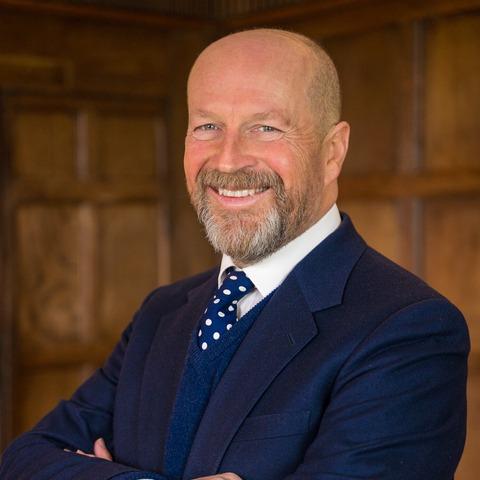
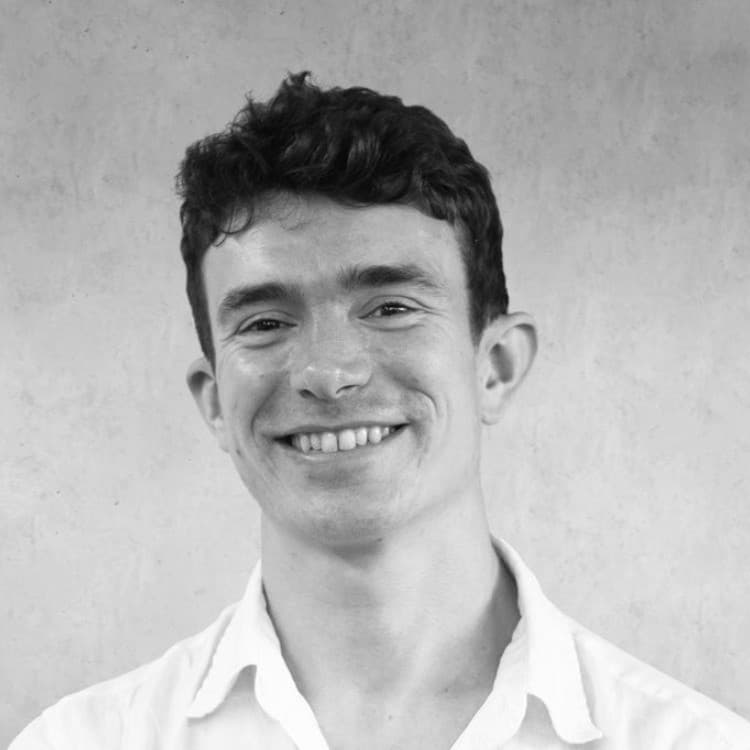
In this episode of all about business, James Reed sits down with Dr. Edward "TJ" Mitchell, Co-Founder and Chief Technology Officer of Arda Biomaterials, a London-based startup redefining the future of leather. Using cutting-edge technology, ADA transforms waste grain from brewers and distillers into sustainable, animal-, and plastic-free leather alternatives that are poised to disrupt the fashion and materials industries.
TJ shares his remarkable journey from a PhD in radioactive waste storage to the fast-paced world of entrepreneurship. He opens up about the pivotal moments that led to founding ADA Biomaterials, meeting his co-founder, and the bold decision to pivot from food-based protein products to sustainable materials. TJ also talks about the challenges of scaling a deep tech startup, from overcoming scientific and engineering hurdles, to building a team, and navigating the complexities of fundraising.
TJ reflects on the importance of networking and immersing yourself in the right communities, the art of storytelling as an entrepreneur, and why asking for advice often leads to unexpected opportunities.
Timestamps
02:39 from PhD research to entrepreneurship
06:22 discovering the value of waste grain
12:15 pivoting from food-based protein to leather alternatives
14:19 using chemistry to mimic collagen for sustainable leather
20:33 the science behind transforming waste into leather-like materials
21:20 why communication and storytelling are key for entrepreneurs
24:47 advice for scientists: finding co-founders and startup programs
35:00 the future of plastic-free, animal-free materials in fashion
39:49 Arda Biomaterials’ vision as a waste transformation company
42:13 scaling globally and creating local production facilities
Follow James Reed on LinkedIn:https://www.linkedin.com/in/chairmanjames/
Follow TJ Mitchell on LinkedIn: https://www.linkedin.com/in/edward-j-mitchell/
Find out more about Arda Biomaterials here: https://arda.bio/
[00:00:17] Today on all about business. I'm delighted to welcome Dr. Edward Mitchell. Otherwise known as TJ Mitchell. Um, he's the founder, or I should say co-founder and chief Technology officer of ADA Biomaterials. Um, this is a London-based biomaterials startup that creates animal free and plastic free leather alternatives, some of which are in front of you here on our table. [00:00:59] [00:01:00] Tj, um, you've done this. I, I think this is a wonderful story. I, I don't want to say too much in the introduction because I'd like you to explain. Why you've gone along the road you have and why you make the products in the way you do. But let's begin with why tj? Yeah, it's a good question. Uh, well, first of all, thank you very much for having me here. [00:01:22] Yeah, TJ is a weird one. Um, it's my dad's side of the family still called me Edward, but pretty much everyone else calls me tj. And it's, when I was born, my parents separated and I grew up with my mom and my mom's side of the family are all Scottish. And my Scottish granddad refused to have a grandchild by the name of Edward. [00:01:38] Because it's so English. Oh, so I, I, I Edward hammer of the Scots. Exactly. You probably thinking of the king. Yeah. And my, my brother's. So no one's called Edward in Scotland? No. Well, there must be. That must be. I didn't know that. So TJ was the preference. Yeah. So short for Edwards Teddy. So I had to grow up as Teddy Joe Joseph being my middle name. [00:01:57] And Teddy. Not a name you wanna be called at [00:02:00] school. Um, you get picked on for being called Teddy so quickly became tj. Um, so TJ was a survival strategy. Was Scotland at the time? It was, yeah. Well, unfortunately it paid off, eh? Yeah. Which brings you here today. I, I didn't grow up in Scotland. I'm actually from Cheshire. [00:02:15] Warrington, so there's different levels to it, but Yeah. If you're visited your grandparents at least. Yeah. Yeah. So, um, well, I'd like to start. By exploring the beginnings of ada, you know, you have a background in chemistry research. Um, what led you to explore the idea of turning waste grain from brewing, which is, I believe what you do, and, and distilling waste grain into new materials. [00:02:39] How did you end up doing that? Yeah, it's um, there's so much serendipity across the whole journey to get here. I think the first thing is my PhD research was nothing to do with this. It was, I was actually developing. Like sensors for long-term radioactive waste storage, and it went fairly well. We patented the technology. [00:02:58] We were looking at potentially startup [00:03:00] space, but it wasn't for me really four years of intense lab-based research on that. I just wanted to get away from it, and the question was, what would I do after I finished my PhD? And I'd seen so many of my peers struggle to really find, find themselves with a stable position in academia. [00:03:18] I also didn't really wanna be in a lab too much longer. I looked at some friends who'd gone into consulting and they, their careers on paper were great, but they were looking for their next move in their career. They were actually quite fed up of consulting. So I looked around, I looked for different opportunities, and I, um, I saw this program called Entrepreneurs First. [00:03:37] So I'm not sure whether you're familiar with the program. Um. But essentially I, I'm, I'm aware of it, but tell us what it is. Yeah, so there's, there's quite a few of these programs. There's zinc, there's um, antler, there's Carbon 13, there's Entrepreneurs First. And essentially it's kind of like Love Island meets Dragon's Den. [00:03:56] They bring in a maybe 80 people. Half the people are commercial types, half the [00:04:00] people are technical types, and you have to meet and match up to find a business partner. And if you don't find someone, you get kicked off the program. And if you do, you have an opportunity to pitch for investment. And so it's. [00:04:11] It's for those who don't necessarily have an idea already, but you go in potentially wanting to start your entrepreneurship journey and find a co-founder. And it was during this program that essentially we invented the technology behind what we're doing. So hang on. So you went to an event organized by entrepreneurs for. [00:04:28] So it's, so you met your business partner or co-founder at that event? Yeah. So it's a six. How did that happen? Six month program. So you apply to it and everyone has to quit their jobs. So you've got your sort of your CEO types joining. So they're the more commercial side, the 40 commercial people. Uh, bankers, private equity consultants, people from various industries, they have to quit their jobs. [00:04:48] They have to quit their job. That's part of the deal. You get paid to be part of the program, right. It's not much. But coming from a PhD, it was more than a PhD. Right. But it's probably not more than being a consultant. Oh, it's definitely [00:05:00] not. It's, it's, it's barely anything really. Okay. Um, so it shows some commitment that people do this. [00:05:04] Yeah, you've really gotta commit to it because they, they wouldn't want to back anyone who wasn't fully committed to their journey and to really being a co-founder. The other half of the people are mostly tech types, so you mostly get your software developers. Um, but a few PhD students don't go through. [00:05:21] So you get into this program, they have this sort of kickoff weekend, which is like a freshest week at university where everyone's trying to sell themselves. You, you sit around and you have these speed dating sessions where you chat to everyone. And the people in the program, some of them are incredibly impressive. [00:05:34] Um. There was one chap in our program who was shortlisted to be part of one Direction, but turned it down and he'd had a whole sort of artistic career after that. There was people who'd sold their own startups already and who were looking for a new co-founder and a whole new opportunity. And going into this world, it was incredibly intimidating and like I'd been essentially in a lab for four years and everyone kind of had their angles and who they wanted to be [00:06:00] and I was trying to sell myself, but. [00:06:02] What were you trying to sell yourself as? Well? I'd finished a PhD on sensing for long-term radioactive waste. So I was kind of pitching that as my angle really. I should have just been pitching kind of chemistry and industrial and sustainability, the things I really care about. Um, but it was when I met my co-founders part of the program that kind of really the gears started to kick into action. [00:06:22] So who's your co-founder? So his name's Brett Cotton. He's from New Jersey in the States and he has a really interesting story. So. He always wanted to be in like biotech industry, and he did his undergraduate in biochemistry, but he had a mentor who said, look, you could take, you could go straight into a master's, you could go straight into the career, into a career, or you could take a year out whilst you're young and do something he really interested in. [00:06:50] Uh, so he took a year out and he interviewed biotech founders from across the world and collated those interviews. Into a book and published a book. And by doing so, [00:07:00] he built an incredible network, learn so much, and then learn about new opportunities. And from that he went to do a master's in Cambridge in the UK in biotech enterprise. [00:07:10] Uh, a course he likens to biotech an MBA for biotech people who don't really wanna go full into business but wanna keep their foot still in the scientific side. And after that he got involved with several like startups doing business development, um, working with VCs on due diligence. But his passion was to start his own company. [00:07:31] And he actually applied to Entrepreneur first a few times before he got in. And then he got in and it's, when I met him, he, he was so familiar with all these different startups, all these crazy ideas that were happening. More in the synthetic biology side, so the kind of science where you get cells to create things, lab grown meats, uh, fermentation type processes, um, that realm. [00:07:53] And I, when I first met him, he would tell me about all these different startups and I'd say to him, look, I'm not a biologist. I'm a chemist and [00:08:00] chemistry is the industry, is the science of industry and it's often, chemistry is quite in the background. Even though it powers so much for this world. People think physics and big questions and big problems. [00:08:11] People think biology and medicine, but the chemistry is, there's still so much innovation there. So well self evidently, which you, you've, you've brought some in to show us. So, so you started this conversation, this dance with your co-founder and you, you obviously came to a view that this was a good opportunity to try. [00:08:33] Yeah. Um, how did that happen? I mean, what, yes. So he was a biochemist or Yeah. So not really a scientist, but understood that world and focused on, so he's the CEO, I'm CTO. He was. He was proposing all these different ideas and I had to say, I'm a chemist, so what could we work on? And valorization the transformation of waste was something at the forefront and we think, oh, we could work on that. [00:08:55] That's what valorization means. Yeah. That's new word for me. [00:09:00] Transformation of waste. Valorization. Yeah. It's, uh, increasing the value of something. I guess that's kind of the fundamental. Okay. That's interesting. And we were looking at lots of different ideas and part of the Entrepreneur first program is you have. [00:09:11] Two months to find a business partner to settle down with and say, that's who I'm working with. And if you don't have someone, you get kicked off. So there is this kind of, there's a lot of courting going on. People are making up, people are breaking up. You have to announce every makeup and break up on, on the Slack channel. [00:09:27] So at the start everyone's like, oh yeah, they were so great to work with. By the end of it. No one is talking about how like people are just like scrambling and getting more stressful. It sounds very entertaining. It is. It would be good for tv. It's stressful. I did have some people after me, lots of bus stops. [00:09:41] Yeah. So Brett, Brett, me, but eventually found the good match. Yeah. So we partnered together and initially we actually, so this, this guy in a value need to entrepreneur. They say like, oh, we're bringing in people who are outside the box and that you get there and they try and put you in their box. So we actually, [00:10:00] sneakily didn't announce all of our pair up at the start. [00:10:03] Um, we saw this pitch competition for, and we scrambled together a starter idea and we pitched for the competition. Wasn't so good. Oh, we didn't win. But what we discovered is we were very good at working together and we'd decided at that point we would stick together. And Entrepreneur First is constantly monitoring you. [00:10:21] You're kind of, because a lot of it is investing in the founders rather than the idea and. We were kind of trying to show how husty we were as well. 'cause if they don't think you're moving quick enough, they, they force you to break up and that causes a lot of tension. Mm-hmm. And we actually broke into this conference to just try and network and speak to people and learn as much. [00:10:40] And so we chatted to this guy who said, oh, you're in Birmingham in South London, which is where I coincidentally lived. I'd just moved down to London and it's where Brett lived and it just so happened to be where entrepreneur first was. But more important than that, it just so happened to be where the famous Bermansy Beer mile Is this some something like for those who Dunno it. [00:10:59] Describe it. [00:11:00] Yeah. Like 10 to 20 micro breweries. Tap brooms under the arches. Under the railway for about a mile. Sounds great. In Cy Stag dos. Love it. Groups of pals. Love it. It's um, the Bourbon Sea Beer Mile. Everyone don't forget that. Cy Beer Mile. And this guy said, go, go chat to the brewers. See what they, they're up to. [00:11:18] So this was in May, 2022 and we went along. It was a sunny day chat to the Brewers good lads. They gave us some free beer. And they told us one of the biggest issues they face is actually getting rid of their waste. These inner city brewers pay to get rid of their waste stream. So I've got some here. Yeah. [00:11:34] Um, and it's So what is that? You just shook, shake, shake it near your microphone so people can hear it. So that's a little, you've got a jar of something. What is that waste? Yeah. So breweries and whiskey distill. They take malted barley, extract the sugar, and brewers ferment that into beer and, uh, distill his ferment and then distill into whiskey or other Yeah, spirit alcohols. [00:11:57] And by doing this, they're essentially taking [00:12:00] malted barley, extracting the sugar, but leaving behind fibers and the protein. And so when we first looked into this, we were like, oh my gosh, this is a remarkable resource that people are paying to get rid of what is in there, about 25% protein. So we were like, oh, this is, this is brilliant. [00:12:15] We found a waste stream that is really undervalued and protein four years ago was top of the market. Plant-based meats. Plant-based milks. Mm-hmm. Like this is easy. They need a new protein source for kind of these, um, for vegan based products. So that was where you first thought you would go? Yeah. So we spent about a month on this easy extraction, chemistry. [00:12:34] Then we just found a way to retail it. And we got to meetings with fuel, being like, oh, we have this new product on the market. Um, but we spoke to ab Bev, so the likes who own Budweiser, stellar Trois, big brewer, huge world's biggest brewer. Um, and they said, look, you could do this. We've seen other entrepreneurs try this. [00:12:55] They'd actually backed 110 million to doing just this in a, a North American [00:13:00] facility. And they said, look, unless you're at huge scale economics don't really work out. Waste into food is a regulation minefield and it doesn't taste that good. Um, there's kind of variability in the feedstock as well that can knock on, have, knock on implications. [00:13:16] These plant-based milks are so highly engineered that they want a very consistent protein feedstock. So at this point we were back to the drawing board and entrepreneur first was putting the pressure on us being like, if you haven't got ideas, break up and find someone else. But we were thinking, we're like. [00:13:34] Food, protein based food, right? It's just a material that we eat. What protein based materials are there? And there's fur, there's silk, there's wool, there's feathers, and there's leather. Say that again? That's, it's so interesting. They're all protein based materials. Yeah. So fur, silk, wool, feathers, and leather. [00:13:53] So, yeah. All protein-based materials, right? Um, all animal derived and in the [00:14:00] modern day we have lots of different alternatives, but everything's pretty much plastic derived as an alternative. Yes. And it just so happened to be that in my field of chemistry, there's about 15 years of work coming out of Cambridge where they're taking plant-based proteins like, um, pea proteins and manipulating them to mimic collagen. [00:14:19] Right? Collagen being the protein that makes up leather. So having looked at this research, I was like, oh my gosh. Like we have a huge protein source that's high quality, so low value, could we not just take that and create a material out of it? And the materials that have shown up in the research, they're actually using these collagen like structures to replace plastics. [00:14:40] And when we looked into the leather space, there were sort of two mainstreams of products that were being presented. You have leather and you have plastic leather. And the alternatives were. Either these synthetic biology approaches, lab grown leather, we're still not looking at lab grown meat just yet. [00:14:55] Mm. It's too expensive. Regulatory hurdles. And then the other, [00:15:00] there's things like mycelium leather, mushroom grown, and it's into leather inherently a batch based process, not very suitable for a commodity product like leather. That needs to be everywhere. And then there's things like, well, there's a couple waves of the last two decades we've seen some products come to. [00:15:16] To the market that are stepped towards sustainability. Things like apple leather, um, cactus leather, uh, variety of different organic substances just ground up into a paste or into a powder mixed with plastic. So these products are neither biodegradable or recyclable and sometimes quite, very much deemed as greenwashing. [00:15:37] So Brett was like, Brett had thi for, at first he thought he was all solved because of these lab grown approaches. But then more we looked into it, leather was this huge market that hasn't really been disrupted. And we started to speak to fashion people and it was clear. Some of them still love leather, it's fine. [00:15:53] Um, it's a premium product. There is a sort of a, a very much an attachment to the leather, but [00:16:00] no one really wants to defend a plastic leather. So if we could first knock out plastic leather, then we can start to move in on leather. Um, so that's kind of how we came to the idea, right? And it started with prototypes in my kitchen. [00:16:13] Um, so how hard is it to make, I mean, you say you started with prototypes in the kitchen. Oh, they were, they were terrible. They were so crude. They looked like flapjacks. I mean, what you are displaying today looks from here, like leather. Yeah. Um, so you've gone on quite a journey it would seem. It has been. [00:16:30] But that looks absolutely like leather. And you say that this is used for upholstery or. Yeah, small leather goods is the main use case at the moment. So wallets and things like that. Yeah, handbags especially. Uh, we've done a couple of things like tennis racket holders. We did a nice whiskey holder as well when we were courting a whiskey brand. [00:16:50] Um, so that's kind of the market side of it. Speaking to these companies like leather is everywhere and. The sustainability angle that we're proposing here [00:17:00] is pretty huge. The no plastic side is very much wanted from the industry. So a lot of leather has plastic. Yeah. So if you imagine most fashion companies, they'll have the leather based product, but then they'll also have a plastic leather alternative. [00:17:13] So whether that's a jacket or handbag, so they call it plastic leather. Yeah. Pleather. But is that what it's called? Pleather? Yeah, but it's not real leather. No. Everyone hates it. Yeah, everyone hates it. Yeah. I wouldn't want one of them. Yeah. Yeah, exactly. A plethora jacket. Yeah. I wouldn't want one of them. [00:17:30] So these, these are alternatives. Yeah, potentially. But you are pretty early in your journey, aren't you? So. Yeah, you haven't made new jackets yet? Not new jackets yet. Cardholders and bags so far. Um, but yeah, we've got a long way to go. We're a team of 15. We have a site, a 5,000 square foot site in Biy, so we're adjacent to the brewery suppliers, so that's really good. [00:17:53] So you've developed this new business in bi, he buy be a mile. Yeah. It's totally synergistic. Right next [00:18:00] to your entrepreneur first Yeah. Uh, organization as well. Well, they've moved out now to Hoxton, so we are, we are left behind at Bey, but it's a good site. It's, um, it's, there's a lot going on there. Yeah. [00:18:12] So that's, that, that places you well, and do you deal with most of those breweries now? Yeah, so we mostly work with, our main grain suppliers are a very cool brewery called Kernel Brewery. They're, they're kind of like the, the brewery that held out as Camden Town and Beavertown expanded more. They're the North London breweries and, and sold to some of the multinationals like AB and Bev and Heineken Kernel dug their feet in and said, we're gonna stay independent. [00:18:38] So they're our main supplier. But we do have a really good relationship with the likes of Heineken and Navy and Bev, and we've been able to make. Materials out of their beer. So where are their breweries? Breweries. So AB and Bev, who brew Stella Artis and Budweiser and Corona, they have a massive brewery in south of Wales and in Lancashire. [00:18:58] Uh, and so we actually went and collected [00:19:00] some of their waste grains. So this card holder here, this is made out of Budweiser, so we've done this, but I see that the Budweiser card holder. Wow. You'd have no idea, would you? So it's, yeah. There's no real, you'd have no idea it wasn't leather. Yeah, no, Patrick, before this conversation, and it's not pleather either. [00:19:21] Well, I can recommend your cardholder to our listeners. Thank you. Thank djj. I think it's very nice. Yeah. What do you think? Team may like it. So yeah, so okay. That's a Budweiser cardholder, and I think one of the key things is none of this would've ever really been a good idea. Had there not been the scalability? [00:19:40] So the feedstock is so abundant, like humanity's appetite for beer and whiskey is just kind of, that's gonna continue, isn't it? It's gonna continue even if they say so. You've got a good source of supply. Yeah. Yeah. Even if Gen Z are drinking less, they're still drinking. So there's gonna be a huge py of it, which means it's really low value. [00:19:58] And the process to make our [00:20:00] material is using off the shelf equipment. It's just using some smart chemistry. Um. And actually the research for this was started in the 1920s, so prior to plastics and petrochemical inputs, a lot of research was going into sort of natural or semi-natural products. [00:20:17] Petrochemicals come along, plastics are discovered, and we see humanity just replace everything with some sort of plastic. What a shame. Those other developments didn't get ahead. Yeah, we wouldn't have plastic everywhere. We, we wouldn't, but now we're waking up to the fact that we have these natural feed stocks. [00:20:33] Essentially the nature is Lego building blocks and we're using modern understanding of chemistry to piece things together. Right. So tj, you've said you have a PhD in chemistry, but you're now running a startup, the CTO, chief Technology Officer. Um, that requires a very different set of skills, doesn't it? [00:20:53] It does. Um, what's been the biggest shift in mindset, you know, from scientific research [00:21:00] into entrepreneurship? For you, tj, um. I think it's just the amount I'm speaking to people. So during my PhD of course I'm speaking to all my peers and my supervisor. But now being on my feet and really trying to sell something, um, I think that's probably, and also being able to tell a story, I think is probably the most exciting. [00:21:20] So the amount of speaking to people. That's interesting. So you, you, you talk a lot as an entrepreneur. Yeah. And so you need to be a good communicator. Yeah, I think so. That's one of your key takeaways. Yeah, yeah, definitely. And I, I would always say the key takeaway is just try and chat to everyone. Really try and, um, make friends with everyone. [00:21:38] 'cause you just never know where any opportunity will be. So actually I was connected to you because I met. Uh, a mutual friend. A friend's friend at a wedding. Right. And that's how it connected to him. You meet lots of interesting people at weddings. I find that too. Yeah. That's very good advice. Be friendly to everyone. [00:21:55] Yeah. I think the world would be better if everyone did that. So, so [00:22:00] you, you've taken that approach. I mean, do you think talented scientists sometimes a struggle in building companies or finding their way in building companies? Yeah, I think it's one of the biggest challenges. Um. Uh, there are a lot of scientists with great ideas out there and the academic environment, though it is very good training for some parts of being an entrepreneur. [00:22:23] I do think academia with sort of grant writing, developing your own group, a personal endeavor that you have to really stick by and you have to believe in yourself, their qualities that track from academia to entrepreneurship. I think one of the big issues is there is so many PhD students or postdocs who have ideas, but they just dunno where to start. [00:22:40] Mm. They, there are tech offices opening up. In universities, but often they're run by people who haven't actually been entrepreneurs themselves, don't really know where to start. Um, some type, A big issue in academia is the equity take from universities. Universities are getting better at this. Imperial at the moment is killing it [00:23:00] right now. [00:23:00] So what are they doing? They have reduced the equity take from Imperial for new spin outs, and they are, they've created several different hubs to get startups. Um, up and running, they're doing so spin outs from their community. So what do they take as an equity for that? Well, I dunno exactly, but I, I know. [00:23:17] So I did my PhD at Oxford. Yeah. And at the time they were taking somewhere between 30 and 50%. And that just hamstrings many starters. So if you wanted to start a business out of Oxford at that time as a scientist Yeah. The university would require a big stake. Yeah. And that would just, that makes it harder to raise money, huh? [00:23:33] Yeah, it spooks investors immediately. Yeah. Um, what would be reasonable do you think? I think 10%. I, someone was explaining how Imperial has an option where either they take Tencent flat or they take a lower percentage that doesn't it get diluted, but they still open their resources to the spinner. Yeah. [00:23:52] And I think that model's working really well for them. I mean, I think encouraging universities, scientists, you know. O [00:24:00] others of academic disciplines to start businesses and to have an incentive to do that makes total sense. Yeah. Because you, you right. Rather, like you did with your partner at Entrepreneur First, you are combining really valuable skills that wouldn't otherwise be combined. [00:24:15] Yeah. I mean, your business wouldn't exist if that hadn't happened. Yeah. So. Entrepreneur take an equity cut. So you, you, after the two months, you then pitch to them. Um, but yeah, I would like, I'm not too fussed about the equity cut. Some people would argue it wasn't as good a deal as it could have been. I think it's more generous now. [00:24:32] But having never found Brett, none of this would've happened. I dunno where I would be right now. No. So, so those PhDs that you'll talk about, or scientists that are thinking, I'd like to do something entrepreneurial, where would you direct them? What, what advice would you give them from your own experience? [00:24:47] I would look into these programs. So you mentioned entrepreneur first. Who else does this? Uh, there's a com, there's a, a group called Zinc. They're based in London. There's one called Antler who are also in London. And then there's one that's more [00:25:00] sustainability focused. Called Carbon 13 and they're based in Cambridge. [00:25:04] And I think for a lot of scientists who have the ambition and potentially have ideas, it's just the where to start and trying to do it on your own is incredibly difficult. Um, but if you have a partner who's more commercially focused, you can divvy up responsibilities and you can cover a lot more ground. [00:25:22] Mm. So to change tack a bit here, tj, I'm looking at you and in front of you, there are some. Items that look like leather samples, but they're not and that they're your products and there's a jar of spent grain. Can you sort of do your best to explain to me how the jar of spent grain is turned into what looks like a nice piece of leather? [00:25:45] Yeah, definitely. Um, so the first step is the brew is they take the malted barley, strip away the sugar, and then you're left with the fiber and the protein. So what we're able to do is we collect the grain. We wash it and then we extract the [00:26:00] protein. So the extraction of the protein is sort of a standardized industrial process, the same way they extract pea protein or soy protein, high pH alkali conditions. [00:26:10] Where we can pull the protein into a liquid, at which point we get rid of the husks. So we have our own waste stream that we're looking at Valorizing as well. Um, oh, so you wanna turn the husks into something else? Yeah. There's um, huge opportunities there. We call it fractional valorization, if you imagine. [00:26:28] Um. A oil refinery goes through fractional distillation where they separate all the oil into different components, whether it's for jet fuel or bitumen for roads. We can take this natural input and carve it up and take out the different pieces needed. Fractional valorization, everyone. I think that's a, that's a process of the future. [00:26:46] Oh, I hope so. I hope so too. It sounds like a really good idea. Yeah. So go on. So you, you take your protein, you leave your husks. Then what happens? So we have the protein essentially in a soup. And it's in this soup, we can start modifying the pH and the temperature. So if [00:27:00] you imagine a protein is almost like, um, a wire that's been raveled up, we can change the conditions. [00:27:05] So it starts to unravel and becomes sort of a single fiber, a molecular fiber, and we can start to modify the conditions. So these fibers start to interact with one another. And in a process called self-assembly, they start to form these connections and. It's those connections that form the basis of our material and once that soup is ready. [00:27:27] So how do you do that though? How do you get the soup? So that's the extracting the protein and we just add in different reagent salts, different Oh, I see. Increase the temperature, other chemicals and heat. No, uh, no other chemicals at this point. Salt is a chemical, isn't it? Uh, salt is a chemical. You are right? [00:27:42] Yeah. I'm not a chemist, but I, yeah, no, you're right. So, yeah. Alright. But apart from that, apart from that, yeah. Um, all non-toxic. Yeah. Uh, and then once that's ready, we add in sort of different reagents. So we add in vegetable oils to keep the material flexible. We add in different natural cross linkers to help with the [00:28:00] strength. [00:28:01] Um, we add in any pigments needed. And actually the color. So this is of your invention? Yeah. You, you came up with this. Yeah. So we have recipe. Yeah. We have four patents. I wouldn't say I came up with the recipe now. So we're a team of, right. You have four patents. Four patents. We're a team of 15. Right. Most of the team are focused on the research and developing. [00:28:19] Right. The material. And when, so when did you file your patents? The first one was in October, 2022. That was one of the first things we ever did. We just started to engage with investors and it became clear that. For the investors to take you seriously, just making sure you got your foot into the IP space was really important. [00:28:39] How long do they last? Patents? Oh, um, so none of ours have actually been sort of complete filed, so depending on the journey you're taking, you have about, you file, you kind of, you file for. Patent application, which is about a year. Within that timeframe, you can make some edits. Mm. Then it becomes published and it sits there for about a [00:29:00] year. [00:29:00] And then you can either go to international or you can focus on local geography. Um, so we've gone international, so we're looking at the regions of North America, Europe, and Japan as our main markets. Uh, and then within those jurisdictions, I think it's about 18 months from then before they ever, if there's any complaints. [00:29:21] Yeah. Or before it files. So it it's years and years. And then once it's filed, you have a set amount of years. Yeah. How many is that typically? I, I dunno, actually, as long as possible, I suppose. If you can, after all that work, forget it. Yeah. Yeah, well, congratulations. Four patents in four years is pretty good, isn't it? [00:29:39] Yeah, I think so. Oh, I think so too. So, alright, so, um, so what interest, what, what, what interest are you getting from other industries at this material? Which industries are most interested at the moment in terms of potential future sales? Yeah, so the most interested industries, the luxury fashion space or the sort of the premium fashion. [00:29:58] They want to replace plastic in their [00:30:00] supply chain. Some of them also want to just replace leather outright. Uh, the problem with modern day leather is the chrome tanning industry incredibly polluting and directly impacts millions of people in the global south. And most modern day leather is coated in plastic anyway, so it's far removed from that natural material. [00:30:17] We once knew. So we, and more people are becoming vegan too, aren't they? And won't wanna wear leather or Yeah, choose leather. Exactly. And so there's that kind of consumer pressure. Then we have large policy pressure as well. The EU are implementing two policies, one focused on remo removing, um, materials from deforestation. [00:30:36] So that is going to impact leather and the other focuses on end of life, and that's probably gonna affect plastic leather. And so both those materials are gonna have, are gonna go up in price. And so an alternative that can be made. Uh, price, current price parity with plastic leather that is completely plastic and animal free is a huge opportunity. [00:30:58] So you can do that for the [00:31:00] same price? Yeah. In theory, once we're at factory scale, you need to get, but you need to scale up. But in theory, yeah, you might be able to do it cheaper even. Yeah, we might be able to actually. So is that your next challenge to scale up? Yeah. That's the big focus at the moment is scaling up. [00:31:15] So what are you looking to do? So there's, we really have. Given ourselves a challenge. 'cause we've got the two sides. We've got the extraction of the protein and purification, and then we've got the actual production of the material. So we produce it by taking that soup and pouring it. At the moment we pour into a tray and the water evaporates material sets, and we peel it and cure it. [00:31:36] We need to do that onto a conveyor belt. You pour the liquid onto a conveyor belt, liquid evaporates material sets, and it cures and forms rules. How long does it take? So at the moment it's about. 24 hours. Right. Um, but you want to get this down to about a half hour production. So may, maybe the protein extraction can take several hours, but the actual, so looking, so trying to get it from 24 hours to half an hour is your challenge. [00:31:59] Yeah. [00:32:00] And at scale, there's a lot of science involved in that, isn't it? There is so much science and actually now it's taken me, far from my expertise, it's taken into the realm of like heavy engineering. Right. Yeah. So you having to recruit people with that expertise or you learning as you go or? We are recruiting people and finding industry engineers in London is challenging. [00:32:23] Right. Brilliant scientists, brilliant commercial people. Brilliant designers, but heavy industry engineers or So does that make you think you have to do your production somewhere else? Um. I think for our pilot facility, we'll likely be co-located with a brewery partner in the uk. So that could be the likes of kind of, uh, Heineken or AB and Bev Brewery. [00:32:46] Or it could even be a single malt whiskey distiller up in Scotland, which would be very exciting to make. Sounds quite an attractive option. It, it would be single malt. It has to be single malt, single malt leather and um Right. That sounds like good marketing. [00:33:00] I think it is a good story. Hope to sell itself. [00:33:02] Yeah. Um. We kind of at this, this crossroads, where do we make our own production facility? We're definitely gonna make our own extraction to get the protein, but it's whether we ship it to an external facility. And do we do that in the UK or do we do elsewhere? A lot of the calculations we've done have been on UK based manufacturing and it still makes economic sense. [00:33:24] So if we were to focus on other geographies, we could reduce the cost even more. But one of our big visions is the fact that breweries are everywhere. We could transform waste. Well, some parts of the world don't have many breweries. Oh yeah, you're right. Okay. Except for the few dry countries out there, there are almost breweries everywhere. [00:33:42] So our plan would have this sort of global, um, industry where we're taking waste and transforming the into materials for local industries. You can imagine in Germany for the automotive industry. So do you imagine yourself becoming more of a wholesaler then of this material or, so you won't be making finished [00:34:00] items, you'll just be providing large quantities of. [00:34:03] What, what do you call it? Your material? The material's called New Grain. New Grain. Yeah. 'cause it's made out of grain and it's new. Right. It's finding a name is so hard to do, but we settled on New Grain really early. So you, your, your business strategy would become the premier producer of New Grain material Exactly. [00:34:24] In lots of locations. Ideally. Yeah. So you need to get one set up. First. Yeah. That's exciting. Yeah, it's So you're gonna do that somewhere in the uk, I hope. But I mean, I hope it's in the uk. Yeah. Yeah. But you haven't decided yet? Haven't decided. So our site in Biy, we, we have sort of, it's like a small pilot set, so 500 liter extraction vessels. [00:34:45] We're producing quite a lot of protein and producing. Around we can, if we push the team about 10 square meters a week, and that's almost flat out on production. Mm-hmm. So we can produce quite a bit at the moment, which will satisfy small capsule collections with [00:35:00] brands. Mm-hmm. So, you know, new grain, new idea, how, how do you persuade industries that traditionally. [00:35:09] Use leather or pleather or synthetic leather to switch. I mean, how, how do you, what are the key sort of advantages of your product? I mean, what's your, what's your sort of selling point here? What, what would you say to them? I think the, the key part is the plastic free. So for the last 15 years, a lot of brands have been looking for an alternative. [00:35:32] To plastic based materials and especially in the last five years, um, just plastics don't feel good. It doesn't sell well. The idea that you're buying essentially a premium handbag, for example, and you discover it's made of plastic and there are so many consumers who don't want any animals at base materials. [00:35:50] That's kind of the key point. The fact that we can say, look, we have an animal and plastic free material, and we can actually show it to them because there have been so many [00:36:00] promises in the past. Lab grown leather, but it just hasn't come to fruition yet. Mm-hmm. So it's very simple in that sense. Animal and plastic free. [00:36:08] Yeah. That's where the market, and they, and they're, and they're buying that, are they? They're saying, well, it doesn't, Hey, let's have something like that. It doesn't exist on the market yet. There was one company that did hit the market and they were ba making a rubber based material. They developed a huge production facility in North America. [00:36:24] But the production costs were too much and they've had to close the facility, right? I think they found a use case for the ip. They're focusing on shoe holes now, but it's left a huge vacuum in the industry where people, the demand is only increasing for these materials. So you see that as an opportunity. [00:36:43] Yeah. Well that's very good. So changing, changing sort of direction a little bit. You are a young entrepreneur, you launched AR when you were 26 years old. What do you think the advantages are of building a company at this stage in life? [00:37:00] Um, you don't really have any responsibilities. So you can dedicate yourself fully to the company. [00:37:06] Um. I guess you, you don't really require much. You can be really scrappy without having to support whether it's a family or a mortgage, and I think you can be forgiven for making mistakes. Because you're young and you can always turn around and say, look, we're we're learning here. Can you please help us? [00:37:25] And often you ask for help. And or the, one of the sort of phrases people use is if you go to investors and you ask for money, you'll get advice. If you go for advice, you'll get money. And being young, that's what you've experienced. Yeah. You just know, that's good advice. Please, can you help us? And you build a relationship and eventually they'll come around and be like, oh, we really. [00:37:46] Like really believe in what you guys are doing. So that's very good advice. Yeah. And so have there been moments where you've found being a young founder has made things more difficult? You know, whether raising money or building partnerships, that sort of thing? [00:38:00] Um, I think it was quite difficult. I guess there's a lot of learnings all the time, especially in a company structure. [00:38:07] So now we're a larger team, we're kind of having to put structures together. I'd come through academia, so I'd never even seen the HR department before. I was unfamiliar with working with lawyers, so there's all the learnings you have to go through, but I, I so, so do you have an HR department? No. No. I didn't think you would of 15 people. [00:38:26] No, but I And what's your experience been like of working with lawyers? Um, would you recommend it or not? Well, they're really expensive. They're really expensive. Yeah. So it sounds like you're finding your way quite effectively. Yeah. I'm happy that like AI is there, can really help. You can use ai. Yeah. [00:38:42] Only for like legal things kind of. Sure. Quick checks and all ask questions of it. It's pretty helpful. Saves a lot of time and money. It does. But what's interesting to me about your entrepreneurial journey, it's sort of AI free. Apart from that. Yeah. Other than just speaking to AI as a lawyer, capacity. [00:38:57] Yeah. This is kind of [00:39:00] traditional trial and error. Well informed scientific trial and error. Yeah. Which has a, a long and successful track history. Yeah. Yeah. Um, so DJ sort of coming towards the end of our conversation, what does success look like for your company? Over the next decade or so. Yeah, so in the next five years we'll have fundraised again and we'll be developing our own production facility, extracting protein at huge scale and producing material in a roll troll capacity. [00:39:31] So you can imagine several big fashion brands taking our material into handbags, and it's in the, in the market, developing the material more and more in a decade's time. We'd hope to have several of these facilities supporting local geographies and different industries, whether that's automotive or upholstery. [00:39:49] But one thing we're very much focused on is we are not actually. A leather company. We're not making it an alternative leather. We are, but we are more than that. We see ourselves as this waste transformation, [00:40:00] a chemical firm for the 21st century. So it's back to that, um, fractional valorization. Hopefully we can take this waste grain. [00:40:08] The protein can go to make leather like materials. It could go into other materials. We've been able to spin fibers. You could make, um, adhesives, you could make sort of any plastic or petrochemical based material we could hopefully make an alternative to. But then the fibers themselves, we could go into making different packaging. [00:40:27] We could even spin, um, uh, fibers from the actual like husks. So there's a whole different suite of materials, and that's where we see ourselves is sort of this material innovator. Uh, material and chemical innovator. That sounds, sounds very exciting. It makes me wish I'd studied chemistry listening to you. [00:40:44] Oh, it's a great topic. So, yeah, young people listening, it seems like it leads to lots of, uh, possi possible options. Um, you talked about raising money to do this. 'cause obviously if you're gonna be building big industrial units to process Yeah. Your, um, your [00:41:00] waste, how much money are you gonna be looking for in the next round? [00:41:04] Um, it's. Probably in a ballpark of about 10 to 15 million. So we've raised so far over 5 million in, so we did a pre-seed of 1.1 million, a seed of 4 million, which was last year. And then about, yeah, the ballpark of 10 million. And that'll allow us to get this pilot of facility online. Right. So that's your next step? [00:41:24] That's the next goal. So at the moment, prove role to role. Line up. The customers take, take both those, um, points to the investors and say, look, we need to build a facility 'cause we've got customers asking for our material and we now know how to mass produce it. Well that, that, that's two things that have got to happen. [00:41:42] Which of those two things are gonna be the hardest to achieve? Um, the customers are already very much there. We have signed some deals, so it's getting the science right. Yeah. Now it's getting the, it's back to the science. So that's a bit of pressure on you, isn't it? Oh my gosh, it is. Yeah. So I can feel it. [00:41:56] I can feel it, but that's, I mean, I, I feel that you're gonna solve that. [00:42:00] Yeah. I think it's solvable. Yeah. We'll get there. But, but to, to make it work as a business, you have to be able to scale it up, you know, in scientifically to produce more and more quickly, is what I'm hearing. Yeah. That's the goal. Yeah. [00:42:13] And then you'll be able to fulfill those customer demands. Yeah. Well, TJ I wish you every success with that. I think this is a really exciting new business. Oh, thank you. That, um, is gonna improve the world. I think it's really good that you're not, you know, people won't be making so much plastic. Yeah, I hope so. [00:42:29] And, uh, I, I wish you every success, so thank you for coming to talk to me. I ask two questions at the end that I ask of everybody. Um, at Reed, we love Mondays. So my first question to you, TJ, is what gets you up on a Monday morning? Ooh. Um, what gets me up on a Monday morning? Do you know, I'm, I'm a sucker for breakfast. [00:42:50] Breakfast cereals, so normally it's like, oh, let's go have breakfast. But getting to work, I think one of the best things about founding a company is I've got to choose my team, [00:43:00] and which has meant that I've chosen a team that I really like to work with. And I look forward to kind of spending time and working with them. [00:43:07] So you're really looking forward to being with your team. Well, that sounds like a good reason for getting up. I mean, what cereal do you like At the moment, I'm on a, a weer bit, uh, fix, which is really basic, but I'm, I took the seeds in there. I check the nuts, I check the berries. I really, oh, yeah, I, I always have porridge, which is very dull, but I like it. [00:43:26] So then the last question is, um, and it's from my interview book, why You 101 interview questions You'll Never Fear again is where do you see yourself in five years time? Myself. Yeah. Ooh. Um, so apart from the company, I guess I'll the company be a lot larger. I'll be chief technology officer of this material that I can point out to people in the shops. [00:43:52] Uh, and that would make me quite proud, I think. Yeah, just carrying on where we are, but just more success for the [00:44:00] company. And, uh, just building and growing what you're doing. Building and growing. Yeah. Fantastic. Thanks very much. I wish you every success with that, and I look forward to following you in the, in the future. [00:44:09] Maybe you'll come back and talk to me in five years time. I hope so. Yeah, that'd be good. Thank you. Excellent. Thanks tj. That's really good, really interesting. Um, the only thing I would add is, I know you've talked about the programs you would recommend to other researchers, academics, but if you have any other advice you would give to, to someone who's got an idea, um, with commercial potential. [00:44:30] That they don't really know where to start. Um, if there's anything else you can think of, I think that'd be quite interesting. Yeah, just, yeah. Yeah. James will ask you. Yeah. If you've got other thoughts. So, tj, do you have any other advice for people who are thinking of starting a business or getting, getting up and running from your own experience that you would share to our listeners? [00:44:49] Yeah, so one of the best things about London, and it probably in different cities as well, but I'm not as familiar, is just the amount of networking events. So for us. Sustainability [00:45:00] was our focus. So we went to all these different sustainability groups and there are these communities across the world and just going to these and speaking to people, you learn about new opportunities. [00:45:09] You meet new people who might come and join your team, uh, and just building that network, get on LinkedIn. Um, it's, it's for someone coming from academia where LinkedIn is not really a thing. It, it's so important for building networks. Um, there's also a Y Combinator app, which I know people have found business partners through. [00:45:28] Um, how does that work? I don't really know. I think it's almost like a dating app, but finding a business partner called Y Combinator. Yeah, so Y Combinator's North America's biggest startup incubator. It's, it's very, it's quite prestigious. You go into it and you get funding and to help your startup, but they've developed this app on the side, a YC app, which allows you to find business partners to kind of support Oh, good. [00:45:51] Starting a company. So that'd be good for people anywhere so they don't have to go to the US Yeah. To, to benefit from that. Great. Yeah. Thank you. Okay. [00:46:00] Yeah. Perfect. So you sort of immersed yourself in these, uh, sustainability groups it sounds like. What's your experience of this networking been like? And you can say it's been really good so much about all these dating. [00:46:11] Uh, yeah. Yeah. It's very useful. No, there's a lot of useful stuff. [00:46:19] That's fine. So it sounds to me, tj, like you sort of immersed yourself in the world of sustainability. You know, what, what's it like, what's what, what's been your experience of all these networking events? Yeah, it's um, it's, it's quite fun. There are so many different events. So there's kind of, the way we see it, there's the entry level networking events and you meet more people and you get invited to different ones and it kind of expands from there. [00:46:43] But there are some really good communities. There's one called People Planet Pine. Which is just for people who care about the environment, want to maybe move into sustainability and you meet up at a pub and have a pint and chat. There's another one called Climate Connection who invites speakers along. [00:46:57] It's also just in a pub in London. [00:47:00] Um, and these are great entry points for, I, I have, I have a good friend just finish university. Her undergraduate didn't know what career she was gonna take. Started going to these events. Met someone who was a, a vc, a venture capitalist, an investor, and she ended up getting a, a job with them. [00:47:16] And this is like one of the most sought after jobs ever. And she just by networking and coming to the event and found it in the pub. Well, that's very good. Yeah. So yeah, you, you never know who you're gonna meet, which I think is something you said right at the beginning. Yeah. Fantastic. Thanks very much. [00:47:37] He's got big challenge, so trying to get that to production on a big scale. Mm. That's what he needs to do. And that's tough. I mean, if he does it, he will be very successful I think. Yeah. Yeah. That is the main challenge, isn't it? That's quite risk. People are interested in that, aren't they? Yeah. It looks good for other people [00:48:00] to use that so, and fashion well has a lot of money. [00:48:04] Yeah, that's true. But yeah, it's true too. The scaling is still, well, you, so the, the companies that people are buying shares in now in America, they call them halo companies. Mm-hmm. Which are heavy asset, low obsolescence. Mm-hmm. And so if you got that working, that would be one of those. Needs to prove that first. [00:48:23] Yeah, yeah, yeah. He's gotta get it working. So that's, it's eloquent though. I uh, did you think he was good? I think he was really good. Yeah. Yeah. I enjoyed talking to him. I think it was a good how he, it was quite obviously, you know, complicated but understood quite well. So mean it was good that he had those samples. [00:48:43] Exactly. It's nice to see a young person who's really engaged like that. Yeah. And really eloquent. And he's obviously very bright. Yeah. Okay, let's go. But I was glad I got the scientist on the salt. That was good. I [00:49:00] thought, yeah, at least, at least he was good enough to concede. I did general science O level, which was for people who were so bad at science, they had to do one, one, which was biology, physics, and chemistry all in one. [00:49:12] Yeah. So I felt that was a unlikely, it was a bit like port veil beating Sunland. Yeah. Well done. [00:49:21] We'll start with that. James got one, one over the scientist. So yeah, that I was pretty chuff with that. Alright, let's go. What does it take to turn scientific research into a real business? And how do you scale a material that could transform entire industries today on all about business, I'm joined by TJ Edward Mitchell. [00:49:49] I think he's just TJ Mitchell, isn't it? Um, or Dr. Edward Mitchell, maybe. I'd say that known as, and then he. And then [00:50:00] you introduce him as Yeah. Yeah. So then when I come to him, yeah. Yeah. Today on All About Business, I'm joined by Dr. Edward Mitchell, co-founder and Chief Technology Officer, co-founder and Chief Technology officer of ADA Biomaterials, a startup developing animal and plastic free leather alternatives made from Waste Grain produced by Brewers and distillers. [00:50:29] In this episode, we discussed the journey from scientist to entrepreneur, the challenges of building a deep tech startup and the potential for new materials to transform the way products are made. Great sounds you all right with that to me? Yeah. Yeah. Outro. Thank you TJ, for joining me on all about business. [00:50:50] I'm your host, James Reed, chairman and CEO of Reed, a family run recruitment and philanthropy company. If you'd like to find out more about ard, [00:51:00] if you'd like to find out more about arder Biomaterials or read, you'll find all the links in the show notes. Thanks for listening and see you next time. Perfect. [00:51:11] Alright, you.
This podcast was co-produced by Reed Global and Flamingo Media. If you’d like to create a chart-topping podcast to elevate your brand, visit: http://flamingo-media.co.uk/