



Watch the episode
Listen to the episode
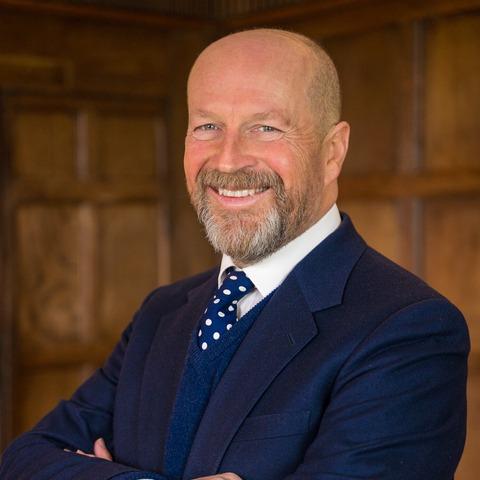
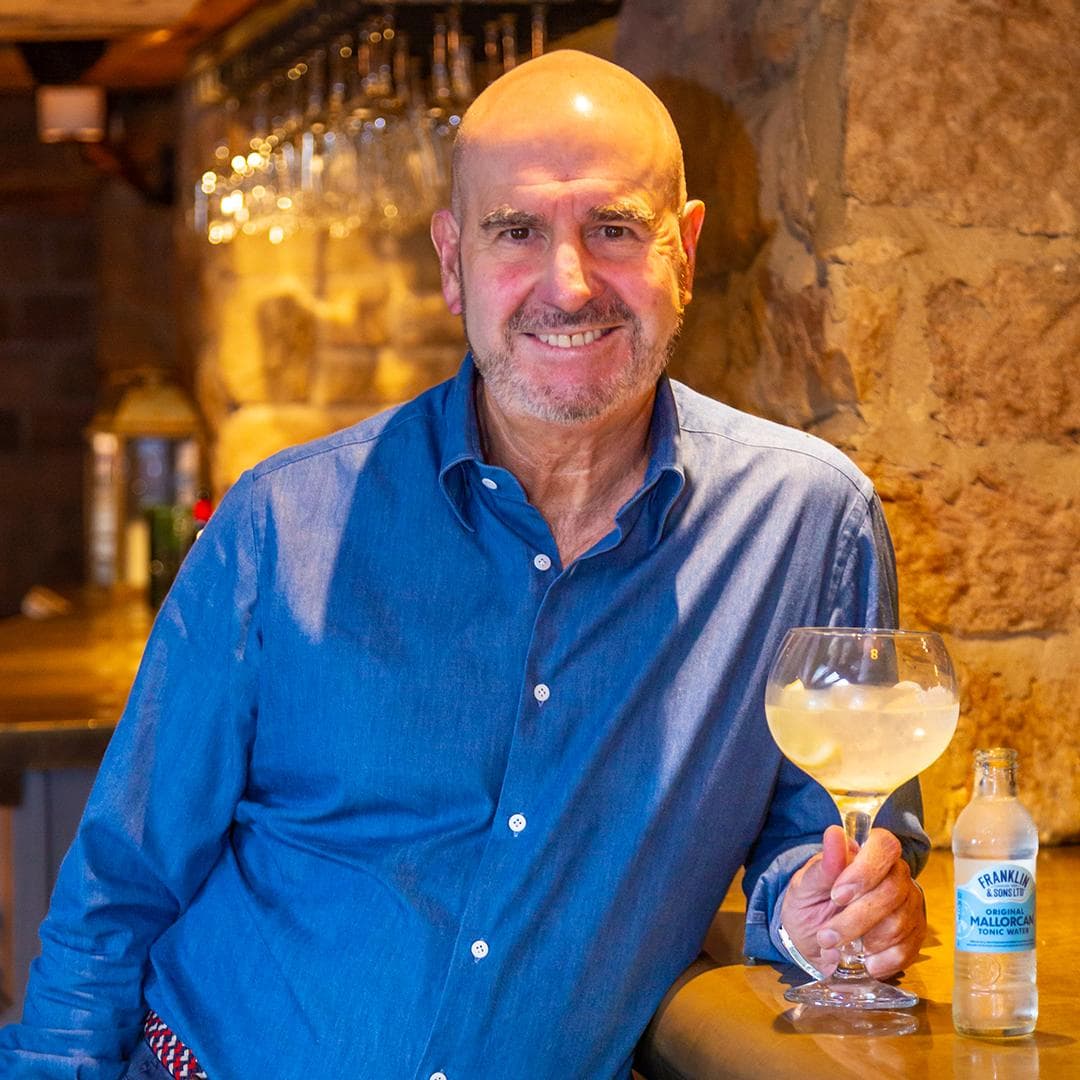
In this episode of all about business, James sits down with Steve Perez, Founder of Global Brands, to unpack the reality behind building one of the UK’s most successful drinks businesses from scratch.
Steve shares how he identified a gap in the market early on, and backed his instincts to create products that would resonate with a new generation of consumers, most notably the breakout success of VK.
But Steve’s story isn’t just about spotting an opportunity, it’s about the discipline required to execute, the risks that come with backing your own judgement, and the resilience needed to navigate inevitable setbacks along the way.
The conversation goes deeper into what actually drives success in a highly competitive, fast-moving industry. Steve explains why understanding your customer better than anyone else is a non-negotiable, how to stay relevant as trends shift, and how many businesses fail not because of bad ideas, but because of poor execution.
He also reflects on leadership as a business scale. From making tough commercial decisions under pressure, to building a team you can trust, and knowing when to adapt, versus when to stay the course.
This is a grounded, experience-led conversation about entrepreneurship without the fluff that covers risk, resilience, execution, and what it really takes to build something that lasts.
02:56 from pub manager to van hustle
08:43 business bust and rock bottom
14:33 inventing VK
25:16 keep your equity keep control
38:27 building a hotel empire
43:36 High Court tax challenge
57:34 multi-generational mindset
Follow James Reed on LinkedIn:https://www.linkedin.com/in/chairmanjames/
Follow Steve Perez on LinkedIn: https://www.linkedin.com/in/steve-perez-37922446/
Find out more Global Brands and VK here: https://globalbrands.co.uk/
James: Well today on All About Business, I'm really delighted to welcome Steve Perez to the studio. He's the founder and chairman of Global Brands, the Independent Drinks Company. He launched in 1997 after I would say identifying an opportunity in the market, uh, for a new kind of ready to drink beverage, um, leading to the creation of vk.
James: What does VK stand for? Steve?
Steve: Well, it stands, well that kind of stands for vodka kick. We, we
James: Vodka kick.
Steve: Vodka kick. Yeah. It, it's vodka with a kick, with vodka, with a, it's got a little bit of caffeine in it, a little bit of alcohol.
James: Alright.
Steve: And it kind of gives, gives you a boost.
James: So, so for listeners, we've got a few examples on the, uh, on the table here in the studio.
James: Bright colored, uh, quite enticing looking drinks, um, that you first launched, I believe in 1997. So, Steve, just going back before that, you worked, I understand, in pubs [00:03:00] and bars and restaurants.
Steve: Mm-hmm.
James: Um, how did you come to start your own business and how did you end up in this space?
Steve: Well, my father was in business.
Steve: He, he, he, he was an entrepreneur. He, he had a, he had a, a pub, a restaurant, a successful pub restaurant called a Red Line and PKH Hotel, which actually I bought back about seven years ago.
James: So where were these places? Just so we
Steve: can picture in Dar and Chesterfield and that's where you are
James: from
Steve: and that's where I'm from.
Steve: That's why all my businesses based.
James: Right.
Steve: And uh, at. And my father sadly, died when he was just 48. And, uh, he was in a partnership, and partnership all kind of went wrong with him. We ended up with a family dispute. So, so we basically ended up with very, very little money. So I ended up going to work for the corporate and I went for, to work for Tian son, Joshua Tian up in Leeds.
Steve: And I was
James: famous brewers.
Steve: Yeah, famous brewers. And I was, I was running what they call then their fun pubs.
James: Right.
Steve: And one day my, my boss said to me,
James: well, what was a, how did you distinguish a fun pub from [00:04:00] another pub?
Steve: What was it? Well, well, bay man, in those days, you know, you'd go into a pub and you get a, you get a pint of bi or a pint of my old we sold, we sold.
Steve: Interesting. Uh, well we sold lags for a star. We also sold, uh, uh, premium bottle beers like Budweiser and Becks and stuff like that.
James: So fun pumps had a bit more of a range.
Steve: Yeah, yeah. And loud music and that kind of stuff.
James: Yeah.
Steve: And a nightclub. And, uh, and, uh. Yeah, my, my boss told me, he said, you know, Steve, you're doing a fantastic job.
Steve: You are our top manager. You're hitting all the targets. How do you see your future? And I said, well, Jeremy, I, one day I want to, I want to be like you. Well, I want your job. Well, not your actual job, but I wanna be an area manager. He said, well, I'm sorry Steve, you've got no chance. Said, well, well, why is that?
Steve: He said, well, you don't have a degree. Do you? Said, no. Do I need a degree? Oh, absolutely. So you had a degree? He said, yes, I have a degree. What, what do you have a degree in? Greek mythology. So,
James: so this is somehow helpful to me. I thought that might
Steve: [00:05:00] require, that must be useful to run. But, so he says, I suggest you go and get yourself a degree.
Steve: And, and, uh, go to night
James: school. You must have been a bit perplexed at this.
Steve: Yes. Gotta I go into night school, get a degree, he says, yeah, and then we can get you on our graduate training course.
James: Right?
Steve: I thought, I don't, I don't, I didn't really enjoy education that much anyway, so I thought, you know, I don't think this I'm, I'm not gonna go anywhere.
Steve: And I started to think, well, what am I gonna do? I had a few ideas. I noticed we were using a lot of veg for prepared veg. So one idea was, was pre preparing veg for hotels and restaurants. But then I'd noticed people were starting to drink a lot of premium bottled beers. And I thought, you know what? I reckon I could make a living, and I, I got no grand desire.
Steve: All I wanted to do was stop working you for the corporate, you know, he used to give me a roller king because I, yeah. I was 10 minutes late. Yeah. Because I'd been working at nightclub till three o'clock in the morning [00:06:00] and I wasn't on time at nine 30 and that kind of thing, and
Right.
Steve: I didn't enjoy working for, for, for, yeah.
Steve: I then thought, yeah, these imported beers are doing quite well. So, so I, I managed to borrow a bit of money off my mom and bought myself a little van, a little white van, and started to import small amounts of premium packaged beers in those days. You know, I had Budweis, so, so Bud, nobody had heard of Budiss, and it was saying, oh, he, this is Budiss, he's from America.
Steve: Oh, that's cool. And, uh, so, and you put a li you put a lime in the bo bottle and uh, it's really cool.
James: Yeah. I remember this sort of emerging a long time ago, people started putting limes in bottles and
Steve: Yeah. And
James: that was your sort of promotion, wasn
Steve: it. Yeah. I, I used to say actually, we don't sell beer, we sell sex.
Steve: And, uh,
James: right. That'll get people's attention. So what happened?
Steve: Because you look a lot cooler, you know, to the, to the opposite sex.
James: Oh, I see. So if you are drinking one of these
Steve: and the expensive bottle of premium beer, whether it be grows or be, [00:07:00] or Budweiser, then, uh, then, then, then you look like you what, what rather.
Steve: Stood there with a pie of bitter in your hand,
James: right?
Steve: Yeah. So, so, so a lot of the guys started to drink premium bottle beers,
James: right?
Steve: And, uh, you, you, you also like that, but dad's drank bitter. The, the, their dads drank lar of the sons drank premium bottled beers and their sons drink.
Vk
Steve: vk hopefully.
James: So you've got all, all generations catered for here.
Steve: Yeah. Well, well, so, so yeah. So that business i, I built up from, you know, some out the back in a little van. Uh,
James: so this was going around Darbyshire Yorkshire, that
Steve: area? Well, initially, yeah. Initially it was all around Darbyshire and, and, and, and Sheffield, which was the biggest city to close to us. Yeah. And, uh, um, and one day I got this big account, I, I, I can, in those days, of course, we didn't have mobile phones and you had to keep phoning that.
Steve: And one of the things was, I kept phoning this guy. I remember it was Peter Moore and the company was called, called Mids Malaysia. Uh, and, uh, he was the area manager and I presented my [00:08:00] beers, my range of beers. I kept and had to speak to him and he was never available. But I called, I kept calling his office, and one day I thought, I called his office at six o'clock at night and I called the office and he answered the phone.
Steve: Yes. And I, Mr. Moore, I needed to speak to you about my premium beers. He said, oh yeah, I'll be meaning speak to you. Uh, yeah, let me give you my order. And he gave me this huge order,
James: right,
Steve: which I could barely afford. And, uh, we started to supply this. Company Midsummer Leisure, which became European leisure, and we were supplying premium bottled beers and this, and this was quite a successful business.
Steve: We turned over about 10 million for about 10 years. But then what happened? You know, change of government policy, um, these guy, what are we
James: talking about
Steve: now? This was so, so, 95, 96. So the first business started in 1986,
James: right?
Steve: By by 95, 96, a lot of brewers cottoned on onto the importer bearers and started to import the beers directly themselves,
James: right?
Steve: Not only that was at that time, there was a, if you remember the [00:09:00] whole cross border shopping thing where, where guys were going over to the continent with white bands not paying duty. Uh, there was another recession and uh, in 95, basically 96. Business went bust.
James: Right.
Steve: And, uh, I was like, because we got some bad debts and I, I, I was fairly highly good and you know,
James: so you obviously had to buy the beer and then sell it on and you were the financing.
Steve: Yeah, I was financing, I was doing stuff like, you know, invoice, factoring, invoiced, discounting Right. You to you to raise funds. And we took a few bad debts. We didn't have a lot of cash. And you know, the bank
James: that put you under
Steve: Yeah. Put, put me under and, you know, and I thought,
James: how, how many people worked for the company then
Steve: about 20 at that time.
Steve: So.
James: So that must have been really tough.
Steve: You know what, it was probably one of the worst days of my life. You know, I, I remember coming on the train from London, looking at myself in the bathroom and pointed at myself and saying. Failed businessman. Yeah, I just saw, yeah, I look pretty drawn and I just [00:10:00] looked at myself and thought you're a failure.
Steve: Um, you know, 'cause it put me my heart and soul into that business. And you could have said it, it was no fault of my own. Or you could have said it was my fault. Yeah. I, I didn't really know it. Maybe it was my fault, you know, maybe I was incompetent and that was a problem. Of course, when I, when I tried to set up a new business, 'cause I, you know, I recognized I'd still got a good contact and I, and, and, and.
Steve: When I went to speak to the banks, yeah, at best they thought I was incompetent. At worst, they thought I was a crook.
James: Is your organization prepared for what's coming next at re Talent Solutions? We don't just manage contingent worker programs and fill roles through our RPO solutions, we future proof your workforce.
James: From scaling operations to upskilling teams and navigating digital transformation, we are your strategic partner in building resilient future ready talent ecosystems. Visit read [00:11:00] talent solutions.com today to discover how we can help your business grow. And this is when you came up with your next idea?
Steve: Yeah, my next idea. Yeah. Well, and actually as you start with that. It started off, I started trading because I, 'cause I recognized you gray market, uh, stuff. When, when you're buying like products from, from abroad, it's legal. Yeah. Uh, so despite the fact that we weren't the import for Budweiser, I could buy it in Holland at a cheap price and sell it to market.
Steve: Well that
James: was when we were in the EU, I
Steve: guess. Yeah, yeah, yeah. You could bring things
James: in
Steve: quite happening. Yeah. Yeah. And, and, and, and then, and then we were started to sell. What happened with, at that time with Alcopops, alcopops became very, very popular. And then
James: we're talking mid nineties
Steve: or mid nineties.
Steve: Yeah. Yeah. So nine, nine, yeah. 96, 97, 98 became very popular. And then, and then, uh, the government got involved and brought in. Quite a bit of legislation to stop them, the way they advertise these things. And, and a lot of the brewers and, uh, big companies got out of [00:12:00] Alcopops as they were called. Um, and um, there was quite a lot of stock on the market.
Steve: Cheap, cheap stock, which I, which I bought the stock and I could sell it to a lot of my customers, but from the previous business, 'cause I'd built up, you know, it's very important, you know, you build up, despite the fact that the first business had gone bust, I'd built up some great customers who became good friends and they were happy to support me in my man venture.
Steve: And they were buying these, these alport, sometimes short, dated and, and the only rule I had then was. Please pay me really quickly because I, I
James: So hang on. You've, you've said a lot here that I just wanna unpack a little bit. So how long after you were sort of having that moment on the train, when you were being so tough on yourself saying, I'm a failed businessman, to starting again?
James: What was the sort of intervening gap? Yeah. Are we talking weeks, days?
Steve: Yeah. Probably a few. Probably. Well, well, to start with I thought I, I might, I, you know, I'm also a farmer. I got a small holding. Yeah. And I just, by the skin of my [00:13:00] teeth, managed to hang onto the farm. Uh, basically. 'cause I had so much money on it, the bank weren't interested.
Steve: And that's one
James: way of surviving a financial crisis, I'm told. Yeah.
Steve: Uh, and, uh, but, but I got my farm and I got some virgin, I got some chicken. I thought, well, you know what? I can live on the farm, I can grow my own vegetables. And uh, I got my, and, and, and actually, you know, I could live quite frugally and uh, um, and because, because, and I was sort of thinking about the business Yeah.
Steve: This building some sort of business. But then, then I thought, I'm never gonna have a big business again. Yeah. Little business would suit me and I thought maybe I could do a little bit of trading or what have you. And, but, but I had no, yeah, I had no money. So I got myself a part-time job as a waiter in a, in, in a, in a, in a restaurant.
Steve: So weekends I was working as waiter because, you know, had I had, you know, I still a bills to pay. Um, I, so I grew my own food. Um, and good things was for being a waiter. You, you know, you got, you got staffed dinner, uh, [00:14:00] and
James: tips sometimes, I
Steve: guess. Yeah. And tips. And, uh, my, my, my uncle had a, a market store in Darby, so I, I helped him sell leather goods on the, on the market store, which all, so it was all ways of trying, just trying to make, make some money and.
Steve: And then, and then, but, but I built this business up sort of trading, not none of my own brands, but then it became more difficult to buy these short dated and, uh, you know what I mean by short dated, it was like almost expired. Almost expired sell by dates.
James: Yeah.
Steve: Uh, and, and it got more difficult to buy stock.
Steve: So, and then, you know, where all these great ideas are born was in the pub I was talking to, uh, uh, one, one of my guys, they said what maybe what we should do? Why did, why did we, why do we make our own? Yeah, that's a good idea. And, and we noticed Red Bull was selling really well at that time. Mm. And vodka was selling well, a lot of people were mixing Red Bull and Moga.
James: Yeah.
Steve: Yeah. That was the drink to have
James: Keep you going late at night.
Steve: Yeah, yeah, yeah. You have that all night. So I said, why don't we do a [00:15:00] Red Bull vodka? And, and I noticed from a previous business, the brands that sold well got sort of one or two syllables, like Be Buds sold. And I thought, Hmm, I know I'll do, let, let's think, let's think figure catchy names.
Steve: So let's, let's have two initials. So vb, so I thought VB vodka bull. So that, that, that didn't work because it was all ready VB Bitter. So I went VB vc, that's Victoria klos VD obviously couldn't call it that. No, that I got V that had connotations with, you know, drugs. And I got to vk. I said, oh, vk, that looks nice.
Steve: And
James: so literally you went through V and then the following
Steve: letter. Yeah. K. Yeah, K looks nice. V and K, you know, it's all linear. And, uh, and, and, uh, mark, Mark James, who was my only employer at that time, said to me, um, why is it called VCAs a vodka with a kick? Vodka kick? Yeah. So it became vodka kick. Um, and ultimately we actually had to drop the name kick because it was.[00:16:00]
Steve: Decide by the, by the Powers app B that, uh, that it was sort of, uh, promoting irresponsible drinking. So now it's just called vk.
James: Yes.
Steve: And everybody knows what it's,
James: yes.
Steve: And, uh,
James: so what was your first VK flavor?
Steve: So it's vk, it was VK Blue, but actually,
James: which we have on the table, VK Blue. Well,
Steve: but at that time it wasn't actually blue.
James: Oh, was it?
Steve: It was in the blue. Well it was in the blue bottle. It was called VK Energy. Right. And, and I said we weren't allowed to call it. We found that a couple of years later, they ruled the powers up. B ruled, we couldn't call it VK energy 'cause that could promote irresponsible drinking. So we
James: Right.
Steve: But, but, but everybody used to call because it was wrapped in a, in a blue sleeve, everybody.
Steve: Call it VK blue,
James: right?
Steve: So let's just call it VK Blue. So for, for many years it was, it was sleeved, but it was a sort of red bull flake colored liquid. And so, so it was, it was only some more recently for, for environmental reasons really. We took, we [00:17:00] took the, the, the sleeving off, the plastics cleaving off, and uh, obviously when we, when we had to, we had to add some sort of colored,
James: was the cleaving on so people could drink it in various locations?
James: Was that why It was, it was sort of covered up.
Steve: It just looks cool.
James: Just looks cool.
Steve: Yeah, it looked really, looked really good.
James: So you really sort of did a lot of thought around the way it looked and sounded
Steve: Oh yeah, yeah.
James: That was your sort of focus,
Steve: I think, I think the thing is with, you know, business, you, you, you, my, you could say my, well, 10 years and my probably, you know, 10 years prior to that and working in hospitality, I realized you've gotta give people what they want and, uh.
Steve: And, and, and people, you know, people, people want to hold a bottle in their hand. That sexy.
James: Yeah.
Steve: And, uh, like the beers and, and, and Alcopops was with a new, with a new, uh,
James: so you wanted a good looking bottle.
Steve: Yeah. I wanted something and it looked great. In fact, it was the same color as my car. I had a, I managed to afford A BMW at that time.
Steve: 'cause the first bus, the business had grew fairly quickly. Really?
James: [00:18:00] Was that bright blue?
Steve: That was Bright Ross said, do it. Let's make it simple as my BMW.
James: Right. So the blue is the color.
Steve: Yeah. Yeah. It was like a silver blue.
James: Right. Okay. So, so then, so then you obviously expanded the range.
Steve: Well, yeah. Well, yeah.
Steve: Yeah. Well, to start with, we just started with blue and then it was a waterman, but, but what happened was, because I got the contacts from my previous bus business. I got the, yeah, we've got the blue got, we had an orange and a watermelon and an iron Brew version. They were the first four flavors. 'cause actually you needed Range
James: Iron Brew is another brand.
Steve: No, well that's, that's spelled, uh, iron Brew. That's IRN. But Iron Brew actually isn't, isn't a brand not spelled
James: What is Iron Brew then?
Steve: I, iron Brew is a tutti fruity flavor actually.
James: It's actually a flavor.
Steve: Yeah, it's a flavor. Yeah.
James: I never knew that. So you could use that phrase
Steve: Yeah, we could use that phrase.
Steve: Yeah. Yeah. And at that time that, that was quite, quite popular. And, and, and I went, I went to my, um. My customers, I [00:19:00] had fun, fun, fun, important to be, and I said, look, I've got this new brand, the biggest brand that at that time was Bacardi Breeze. And I said, look, you could kick out Bacardi Breeze, uh, and put in vk.
Steve: And the benefit of VK over Bacardi Breeze is, first of all, it's vodka. It's not rum. People prefer vodka to rum. Our bottles are a little bit smaller, uh, and instead of being 5.4 A BV, the 4% be a BV. So less strong people will drink more, and actually people will be less ill. You get less problems in your nightclub and you save money.
Steve: It's kind of a win-win, right. And, uh, as soon as we started to, to, to produce it in supply, the business we were turning over about when it first started, we turned over about two, 200,000. The, the year we started with vk, we turned over 2 million. The following year we turned over 16 million.
James: 1
Steve: 6, [00:20:00] 1 16. Yeah.
James: So grow eightfold.
Steve: Yeah. The following year we turned over 30 million. The following year we turned over 65 million.
James: This is a huge, uh, growth
Steve: Yeah.
James: Sort of trajectory. That must have put quite a lot of pressure on the business, didn't it? It
Steve: was, but you know what it was. Well, how
James: did you do that?
Steve: Yeah, it.
Steve: Best fun I've had in my life. It was
Sounds
James: it.
Steve: Talk about yeah. Having fun in business. Um, so
James: you must have had to grow a team pretty quickly.
Steve: Yeah, it was fun and fear, you know, it was, you know, having fun. You know, I'm, I'm a rally driver and people are like, what? It is dangerous, isn't it? And I, what it was dangerous.
Steve: My, my, you know, my, my house. You like
James: a bit of an adrenaline
Steve: buzz. Yeah. What was, what was left in Yammer. Yeah. Everything, everything was on, was on, was on the line. And you know, people, well, how, how do you defund it? And the difficulty with, with drinks, of course you, you know, you have to pay. Well we had to pay the duty upfront, so as soon as we produce, we have to pay the excised duty upfront and, and you know, we have to pray for the product because it was very difficult getting, yeah, getting
James: So you weren't making it, you were getting other [00:21:00] people to make it, were you?
Steve: Yeah. And, and that's what we still do today. Yeah. Everything, everything. You know, we're a mill without looms, so everything is, our skillset is in marketing, in producing amazing liquids. But the only thing we don't do is put the liquid in the bottle. So
James: you were come out with the recipes
Steve: and the marketing, the recipe.
Steve: We supply the labels, we supply the, and everything. And, and we supply that to the, to the filler. And the filler fills it. You know, lots of the big brands, uh, do the same thing, including me. We, we'd go down the same line as Bacardi breeder, for example, are Yes. Arch rival.
James: Yes.
Steve: Uh, so you don't necessarily have to have a factory,
James: but you had to be able to finance that.
Steve: Yeah.
James: And so that was a challenge. Yeah. Growing that far. How did you do that?
Steve: And Yeah. And that was, that is the biggest,
James: because you've also got these banks who think you are either
Steve: Yeah, yeah.
James: Incompetent or a cro as you
put
Steve: it. Yeah. So, so
James: how did you persuade them to finance?
Steve: I couldn't borrow 'em Any, any, any money from the banks.
Steve: Not only that you couldn't, they, they were awful. 'cause in those days, 'cause you wrote checks. And I remember one day [00:22:00] you, the bank saying, oh, you, you, you wrote overdrawn. And I said, well, I'm not a overdrawn. I, I've got all these checks. He said, yeah, yeah, but, but, but you've got uncleared funds, that means you're overdrawn, so I'm gonna have to bounce, bounce over your checks.
Steve: I said, please don't do that. If you bounce my checks, my suppliers will lose confidence in me and I'll be outta business again. He says, no, look, I I need five grand in, in your account by, by today. Meanwhile, actually I was, I was negotiating a negotiation. Well,
James: you had checks from other people
Steve: that Yeah.
James: You would take days to sort of Yeah. Administer
Steve: or process. Yeah. Those people that don't know what checks are, those are a pieces of paper we used have
James: to write. Yeah. But they took like two or three days to take, which was while they were making money out of your money,
Steve: I guess. Yeah.
James: Yeah.
Steve: So
James: they were gonna put you outta business
Steve: on that.
Steve: They were gonna put me outta business. So I, it was
James: shocking.
Steve: So I managed to sell my, my, my only car. They got a Land Rover and, you know, my farm, land Rover. I sold my, my Land Rover for cash, got five grand cash, put it into the bank and, uh. And I said there, there's a cash. Chris, Rick b was, damn, maybe I can't say his name.
Steve: Uh, Midland [00:23:00] Bank in, in Chesterfield.
James: Just
Steve: so everyone
James: knows
Steve: there's, there's a cash and close the effing account said, what do you mean? So, no, I've opened an account with Royal Bank of Scotland. So, so close the account, clear the check. They
James: lost you as a customer.
Steve: Yeah. Got the bus back to my warehouse and, um, and, uh, but
James: so literally you sold your car
Steve: Yeah, yeah, yeah.
Steve: To stay
James: in business.
Steve: Just, just, yeah, just to get those, those checks cleared.
James: Right.
Steve: Um, and then, and then it was bought, bought for cash. So, so, so, so then what after? So, so we've, the business was growing so quickly and, but I got some really, really good suppliers. And, and, uh, many of which in fact to, you know, Thomas Hardy was, uh, was, was, was our, was our bottler.
Steve: Uh, they, and they were our, our biggest supplier. And, and, and they still 25 years, uh, still bottle for us today.
James: They're still a supplier.
Steve: Yeah, they're still supply. So that
James: relationship's [00:24:00] critical.
Steve: And, and they're probably our biggest supply. And, and, and I went to, uh, Peter Ward goes, it was another family business here, Chris, Chris's father.
Steve: I said, look, I haven't got the cash yet, pay you terms, but please, if you could, I, I be, I know I've only got a five grand credit limit, but my business is going really well. Please come to my office. See. See what we're doing. If you wanna see my bank statements, if you wanna see my cashbook, anything you wanna do, you can see.
Steve: I can, I'll, I'll fax 'em down to you
James: because you knew the money was gonna come in.
Steve: Yeah. We've sales, you making from customers, we're making fantastic margins. We're making huge amount of profit, but we weren't making any cash.
James: Yeah.
Steve: Uh, so, so, so I went to all my suppliers, my glass suppliers, and said, just, and, and, and to my surprise, they all said, well, nobody's ever said this to us before.
Steve: Right. And you know what? In 25 years in business, since nobody's ever come to me and said, you know, we, we, we've certainly put people on stop and give them credit limits, but nobody's come and [00:25:00] said, I'll show you my books. Come and have a look. Send your FD along them. And
James: so that's good advice to people who are in this situation of growing businesses.
James: And
Steve: yeah,
James: the cash is tight, you know, if you've got a growth story to show.
Steve: Yeah. And you, and you know, what gets me these days? Maybe it wasn't around in, in, when I first started business these days, everybody talks about seed enterprise, SEIS, where you give a chunk of your business away to vct and, and, and, and, and I say, you've got to hang onto your business.
Steve: And, and, and
James: so find other ways of
Steve: financing. Find other ways that should be the last resort.
James: Well, equity is your last resort.
Steve: Yeah. Equity is your last resort. Yeah. Go to the banks at that time, you know, you had to go to the banks and Yeah. And eventually, yeah, you come up with a business plan and you know, the banks like this money.
Steve: There's, there's, there's, there's invoice, uh, factor, invoice discount. There are other forms of finance. But, but I, you know, I, I see lots of, lots of these businesses at around, and some people send me business plans and they show me [00:26:00] the business plan, first of all, the founders on 150 grand a year. Um, and, and he gives away a lot of his equity.
Steve: He's loses millions and millions and millions. You know, I look at lots of, lots of our competitors. I, you know, I see lose millions a year. And then, and, and, and then they, and then they shout out in the press how delighted they are that they've narrowed the losses from 3 million to 2 million and. They're always looking for an exit.
Steve: And I never built a business to look for an exit. I built a business because I love what I do. I, I've, yeah, I love the people. I love my customers, and it's great fun. Enjoy enjoying your own business. And over the years, many times I've had businesses, VCT or venture capitalist come along and say, oh, would you like, would you like to take 10 million out of your business?
Steve: Do you like to take 12 million? Yeah, we'll take a minority stake. You'll still be running your business. And I've always resisted it. Yeah. I run my own show. I don't want [00:27:00] somebody,
James: but, but what, why have you resisted it? Because you think they're gonna take it over or because they wanna, they'll make you sell it?
James: Or what's the,
Steve: because it means I can make mistakes.
James: You can make mistakes, yeah. When you're your own,
Steve: yeah. I make mistakes all the time. You know, we do things, you know, we do things, we try things, we try new brands and sometimes it's successful and some, sometimes yes, they fail and I don't have to look over my shoulder or get permission.
Steve: And we, and we have to do things very, very quickly. Yeah. Like you have drinks. Business is almost like a fashion business. Things change very, very quickly. Uh, fashions change, flavors change. You know, for example, peach is in flavor right now. So, you know, uh, a user's a big flavor right now. So we, so we've So you need to
James: keep abreast
Steve: of these.
Steve: Yeah. Yeah. And you need, yeah. And you need, you need to move quick and sometimes you get it wrong. You know, sometimes you're too early to market. Uh, you know, we've, we've made that mistake a few times. We've brought brands to market. Maybe we think, you know, we think they're gonna be really successful and they've failed.
James: Yes. So, [00:28:00] so, so the having the sort of independence to be able to try things and to weather failure without a venture capitalist coming down on you like a ton of bricks. Yeah. And you miss some plan is really important. I can see. How have you developed your product range? 'cause I, I know you've gone beyond VK and you do other things.
James: Now as, as global brands.
Steve: Yeah. Yeah. So, so, so our, our main market was to start with, which was mainly pubs, clubs, uh, uh, and, uh, busy, busy town Sandy bars. So, so, so the first brand we came along was we, was, was we called Caucus, which is a flavored, uh, shot. Uh, and, uh, and that, that was, that, that was, yeah. Very, very successful.
Steve: Uh, for, for, and, and then we have another brand called Kick, which, which is, which is a non-alcoholic version of Vodka Kick. Uh, and, uh, it's, it's, it's another, it's another, uh, energy drink. Uh, and uh. About five years ago, [00:29:00] um, uh, I bought Hooch. Now Hooch at one time was our arch rival, and it, it went off, it went off the market.
Steve: It was, it was bought by, uh, it was owned, original, owned by Bass. Uh,
James: so Hooch was Al Cap Pops.
Steve: It was another Alka Pop. Yeah. Yeah, that's what I recall.
James: Yeah.
Steve: Yeah. Uh, it, it was, it was, yeah. Many people say he was, he was a founding father of, of Alcopops.
James: That's the original.
Steve: Yeah, it was the original.
James: Okay. Yeah.
Steve: And yeah, and co I
James: remember it.
Steve: Yeah. Yeah, yeah, yeah. Kors had it and I, I think Bass had it and Kors bought, bought,
James: bought,
Steve: bought Bass brewers. I don't think, I think the Americans just didn't like Alcopops. Right. Thought they were probably too girly or something. And, uh, eventually decided they were gonna, uh, take, take it off the market and it went off the market.
James: Right.
Steve: And, um, and, and, and I met up with, with. Or, or, or, or with, with curds as it was then I said, look, you've got this brand, brand Hooch and you're not doing anything with it, would you let me license it? And so I, [00:30:00] so, so, so, so we, we came up with a very, a, a very, very simple licensing, licensing agreement. Uh, and, um, and for about 10 years we, we were very successful, uh, uh, with Hooch and, uh, we, we, Keith Lemon launched it for us, uh, with, you know, Keith Lemon, lemon Hooch, and all that.
Steve: And, and it was, and, and then to my surprise, uh, it said three years ago, hooch, uh, the, the, the owners of Hooch, which was ker offered, offered to sell it to me. I was absolutely delighted. It was the first acquisition I've, I've made. 'cause for, they'd always said that they wouldn't, you know, they wouldn't sell it.
Steve: It was too big a brand for them. And, uh, and, and, and I bought it and, and, and we brought it into our, into our stable. So, so, so we've really sort of cornered the, the, the, let's say the a well [00:31:00] we don't like to call it al alcohols. We call it RTDs, ready to drink. Uh, and, and
James: why don't you like to call it AAL pots?
Steve: Well, it has connotations with, with, uh, with, with unsociable drinking, irresponsible drinking. But actually a lot of these products are actually, uh, uh, not that strong.
James: So you call it ready to drink.
Steve: Ready to drink.
James: So they're like little cocktails.
Steve: Yeah, we supply a range of cocktails called, called, called uh uh, all Shook Up.
Steve: Uh, now, now that's, that's in all the major retailers. A lot of the major retailers. Uh, all
James: shook up,
Steve: all shook up. Example, you
James: see Shaken, not stirred,
Steve: eh, yeah. You'll see it in Tesco's.
James: Right.
Steve: Uh, and, and also we supply a lot of, um, a lot of own label products for, for some of the, for some of the discounters, uh, such as Aldi and Little, and also some of the other major supermarkets.
Steve: 'cause what we, what we're absolutely brilliant at is, is coming up with a fantastic flavor. Uh, I really believe our. Guys, you know, back, you have the,
James: so do you have a [00:32:00] sort of taster team? It a sort of little laboratory where people are trying these things?
Steve: Yeah, we have a
James: nice, nice job for people.
Steve: Yeah. We have our, we have our own chefs.
Steve: They and who, who, who come, who come up with flavors and, and, and they are absolutely brilliant, uh, uh, coming up with, with, you know, great flavors and all and also innovative flavors. You know, it's, like I said, we've just launched a, a yuzu flavor of, uh, of, uh, Franklin and Sons, uh, which I can tell you about.
James: So tell me about Franklin and Sons. Yeah. That's another, another business line for you.
Steve: Yeah. Yeah. So,
James: so what's Franklin and son?
Steve: So, so I'd, I'd obviously seen the success of, uh, of, of, of Fever Tree, uh, all the gr success of Fever Tree. About, about, about 10, 10 years ago.
James: So there was Schwepps.
Steve: Yeah. First of all, there was Schwepps
James: and there's Fever
Steve: Tree.
Steve: Yeah, there's Fever Tree. These
James: are tonics. Yeah. Typically. Yeah. And now you've got Franklin and
Steve: Yeah, and, and, and, and I thought I'd seen Fever Trip. I just didn't want to invent yet another, you know, me too copycat of. Fever [00:33:00] tree. But I wanted, I wanted, I, I saw there was a market for another premium tonic.
Steve: Uh, and, and, and I looked around and I thought, what, what, what, what a lot of these brands are lacking, uh, are heritage. Because the great thing about tonics, you know, tonics were, were invented, you know, in, in, in India, you know, it was a, he was a tonic, you know, which quid was
James: meant to help you avoid malaria,
Steve: wasn't malaria.
Steve: So there was a lot of history. And I looked around, um, and I, you know, sced the internet, and, and I, and I found there was a, a tonic, uh, uh, a soft drinks company called Franklin and Sons, uh, which which were originally founded in 1886,
James: right?
Steve: And, and, and the brand had, had, had died, gone off the market. And, um, and, and, and.
Steve: The trademarks had lapsed and I contacted the original family, the original fa uh, well, not the original founder, but the one family members. Yeah. The descend. Yeah. But yeah. Uh, and asked if they, they were interested in being involved. Unfortunately, they weren't [00:34:00] interested in being involved in the business.
Steve: Um, uh, yeah, I explained I wanted to, to bring the, the brand back to life, uh, which they very happy. I, you know, did so, and, and we were true as possible to, to the brand. So we went back and, and we, we, we tried to find a old recipes and, uh, and, uh, and we, we, we, the bottle was very similar in terms of logo to, to how it was back in the day.
Steve: And
James: so this is interesting. So you were very interested in recreating the narrative around an old brand Yeah. That made a premium product. And recreating. 'cause obviously with vk you did the opposite. You started freshs something new here you're going, right? This is a different strategy marketing wise.
Steve: Yeah. And, and
James: what, so what, what, what made you change?
Steve: I'll tell you what Gave,
James: why didn't you just do a nut tonic?
Steve: I, I, I'll tell you, I'll tell you what gave me the idea. I, I was, I was in the Brewer's Hall, I think it is. You know, the brewer's, vendors? The brewers, livery brewers, there's vendors over the Brewers Hall.
Steve: And, and I was going down [00:35:00] the stairs and I saw these wonderful names, I think like WA is, or Edmond Wa, or mm-hmm. Charrington. And, and all these, all, all these old breweries, all people.
James: Yeah.
Steve: The, the, yeah, they, I know a few. There's a few around still today. They,
James: people's names
Steve: people. Yeah. Charington all, they all, they all were original founders.
Steve: There isn't that wonderful, but there was very few brands like that. So I wanted somebody's name. You, I don't think tonic called Perez would've worked anyway, by the way.
James: Might have done sounds quite good to me.
Steve: It's not very British.
James: No, but tonic isn't, as you just said. So, yeah.
Steve: Uh, and so I wanted to found, and, and, and then I've, I've, I've, there was actually another brand which I saw called Clayton, which was actually found, which actually soft drinks in company in, in Chesterfield.
Steve: But, but they'd already got, got trademarks in Australia. And so, but I found for Franklins and uh. Then we, we, we, we developed. And what I wanted to do, I wanted to develop something special. [00:36:00] Something special really for the, for the on-premise. Because the problem is what, what happens with brands is, is develop these very premium brands.
Steve: And, you know, I, I don't necessarily want to decry my competitors, you know, such as fever Tray. 'cause I understand, I understand the commercial pressures, uh, that they're under. You create a really successful brand as, as, as they did with Fever Tree. Uh, and, and. And, and once again in, and, and they, and they went into all the premium venues.
James: Mm.
Steve: And, and hotels, but gradually went out in the supermarkets. And I think once you start to get in, the supermarket become less special and also kind of devalued, you know, like, it's like say champagne. Yeah. Lots of, you know, so smells rather sniffy if you order a bottle of Moy Chandon. 'cause you, you know, you could buy it in every supermarket.
Steve: Uh, and it is, it's probably better. Right. There are, there are better champagnes than, than than Moy Chandon. And, and, and, and I also believe that if you are going out for dinner or cocktail, you want an [00:37:00] experience and you want to experience something you can't experience at home.
James: I see. So this is for,
Steve: so, so, and, and, and one of the things we've.
Steve: Done with, with Franklins, we've, we've created a lot of really unusual and different flavors. Yeah. My favorite being, being, uh, a, a, a Rosemary black olive flavor, uh, which is Rosen Black Olive flavored tonic, which is absolutely amazing. Right. And, and, and now
James: you can only get that when you go out, you can't
Steve: get, and you go, yeah.
Steve: You go buy different supermarkets. You can buy online, but you can, you can, yeah. You, you, you can buy. And, and, and, and it's something for the, for the bartenders, for, for bartender to talk about. 'cause it should be going out, should be an experience. It's not like going, you know, anyone can sit at home and have a gin and tonic or, or a meal.
Steve: And, and, and, and also as far as, as far as the, the outlets are concerned if you can buy, you know that, that tonic for 50 p in a supermarket. Wait, wait. It looks like you're being ripped off if you're charging, you know, three pound 50 for it.
James: It does,
Steve: yeah. [00:38:00]
James: And it happens. That feeling. It happens. It happens.
James: Yeah, it does. Yeah, it does. So I can see the strategy and that, that makes sense. So, um, so let's, let's, let's fast forward a bit here. Um, Steve, so you now have, I believe, a family business. 'cause I think you other family members are involved in global brands.
Steve: Yeah, yeah,
James: yeah. Tell me, tell me how it looks today.
Steve: Yeah, well, well I've sort of. Can I just go back a little bit?
James: You can do what you like,
Steve: right? Yeah,
James: yeah,
Steve: yeah. Because also, I'm also a hotelier as well.
James: Oh, okay.
Steve: Yeah. So, so, so I needed to move one once my business was expanding and, and I needed to move offices so. So I bought a piece of land. I was making a lot of money.
Steve: Then it was, you know, a business. How long
James: ago are we talking about now?
Steve: So, so, so this would've been in 2000 and another recession, 2008, 2009. Um, and, um, and I decided, you know, I was making so much money and needed to buy some land and, and build something. So I decided to build [00:39:00] some offices. So I bought, I bought a piece of land in Chesterfield, which was.
Steve: Quite a big piece of land, but it was too big from just for my offices and again, where all the, all the great ideas are born in the pub. I was talking to my brother, he said, I said, I don't know what else to do with this piece of land. It's a great sign. And he said, well, why, why, why do you build a hotel? I thought, yeah, that's a great idea.
Steve: Let's build a hotel. And I started off with a
James: So you just had an idea in a pub to build a hotel?
Steve: Yeah. Let, let,
James: and you went and built one
Steve: and, and I built a hotel.
James: This is good. How many bedrooms does this
Steve: hotel have? So he started off, he started off as a little three star hotel. Just how many
James: rooms?
Steve: With, with, with about 60 rooms.
Steve: He ended
James: 60.
Steve: That's all that
James: small.
Steve: Yeah. Well, well, no, no. What he, it ended at one stage, ended up looking like something in Dubai. Right. And kind of completely went off budget. But it, but it, but it ended up being a hundred bedrooms and, and
James: so what's it called?
Steve: It's called. Cassa Hotel,
James: Casa Hotel
Steve: in Chester.
Steve: Chesterville my house. Yeah, yeah. In right. And, and it's a six story building. It's a beautiful, very modern building. Um, initially the [00:40:00] planners didn't want to because he said it would look too modern and, and, and, and I said, look, it's a 20 million pound development. If you don't, if you don't want, if you don't want to, I'm.
Steve: Move somewhere else.
James: What's the rival town to Chesterfield you could have threatened them with?
Steve: Well, Sheffield is, are, take it to Sheffield. Okay. Yeah, yeah. And, but, but it, but it's great because what it, what it means is, is is our offices there on, on the fifth floor. My, my, my staff can stay there, you know, our members of staff not only all over the country, but all over the world.
Steve: And they can come, our customers can come, we can build the drinks and, and yeah, I can in, you know, indulge in my other you passion, which is the, which is food and, and
James: so it's probably got quite a lively bar, has it? That Yeah.
Steve: It's got great, yeah. It's got it's great
James: products. Yeah. And a good restaurant, I hope.
James: Yeah. Yeah. I'm looking forward to visiting one day. So, so is it busy? Is it,
Steve: yeah. Yeah. You
James: happy with it?
Steve: But, but as always, because
James: obviously this was a different business line.
Steve: Yeah. But as was building, you know, well, you know, because the bank said, are you crazy? What do you know about hotels? I said, well, I know a lot [00:41:00] about hotels.
Steve: My father was in the restaurant business and I worked in hotels, but actually he is a lot more difficult than that, um, than I imagined. Uh, and, and just while we were building the hotel, we had another recession, and it put a lot of pressure on the business. That kind of, 2009, 2010, and many times a regretted, uh, building it.
Steve: But actually, subsequently it's been, it's been very, very popular. It's, it's, it's the only four star hotel in Chesterfield.
James: Right.
Steve: Um, and that, but then I decided, you know, I, I kind of decided I liked hotels and I enjoyed the, the whole, uh, and, and, uh. As I said, my father had the red line, uh, pub and restaurant, which it became the PH hotel.
Steve: And about seven years ago I heard on it was gonna just before COVID. Yeah, I heard it was on the Markum and um, was for sale. So I, so I bought it. Uh, uh And
James: this is also in Chesterfield,
Steve: also just outside [00:42:00] Chesterfield. Yeah, yeah, yeah. And it's about two miles from my house. And, and, and I'm, and I'm also a, a farm.
Steve: I've got a 500 acre farm. So, so, you know, my idea has always been a bit like Jeremy Clarkson was to. Bill, uh, it's farm to for, so, so I have have the animals,
James: right,
Steve: and, and the, you know, the, the animals go to feed, you know, feed the hotels, uh, the hotels, you know, serve my drinks.
James: Yeah.
Steve: Uh, and um, so
James: you, you are vertically integrated
Steve: businesses.
Steve: Really old fashioned though, obligation, isn't it? Old
James: fashioned. But you seem to think it works,
huh?
Steve: Yeah. Yeah, it does. And, and, and there you have, you, there's so many synergies of, you know, for example, one of, you know, the cocktail barman, uh, ended up coming over and, and, and now work works in the, in the drinks business.
Steve: And, uh, so, so it was, there are lots of. Yeah, a lot, lot, lots, lots of synergies there.
James: And you have your family involved. I understand. So yeah, that was,
Steve: yeah. Yeah. So, so, so my son's joined the business, uh, sab. Uh, he's, he's a kind of a, he's a part-time professional [00:43:00] racing driver as well.
James: Right.
Steve: Uh, so when he, when he is not racing all over the world, he races old cars.
Steve: He's very, very successful driver. He won the British Rally Championship and
James: good for,
Steve: yeah. And, and, uh, and so, so, so, so, so what he's able to do is able to, to, to look after some of our, our in is helping we, looking after some of the international markets. Uh, we've got, got huge, uh, potential right now in the US with Franklin and Sons.
Steve: Uh, I see that as being a, you know, great growth area and, and, uh, also my nephews working in the business.
James: Fantastic. So Steve, I understand that when we finish talking here, we are in Chancery Lane in London. You are gonna walk round the corner to the high court. Yeah. Where you have a case that's being heard over the next couple of days challenging our government about the introduction of, well, removal of inheritance tax, business, property relief.
Steve: Yeah. Yeah.
James: Um, so could you, could you explain what, what's going on? Why, why is this, why are you [00:44:00] bringing this case? What's the issue here? And, and
Right.
James: What do you hope to achieve?
Steve: Yeah. Uh, for, for 50, for 50 years, uh, uh, brought in by labor government businesses, family businesses have been allowed to pass on to the next generation.
Steve: And there's, there's millions of family businesses in the UK where the biggest employer of, of, of, of people in this country, the government in, in the first two months. Changed the, the business property whereby all businesses now will have to pay on the death of the founder or owner. It's, uh, 20 20% on the value of their business.
Steve: Now people think, well, you've got a big business. You know, you can afford 20%. But actually what it is, see for example, if, if you, if you valued any business, let, let's think of a number. If you valued a business at, at 50 million, you would have to pay fine, 10 million. To pay the government. Now finding 10 million would mean [00:45:00] you'd have to pay yourself approximately 20 million pounds in dividends to pay the tax.
Steve: Now, most business,
James: because that's already taxed.
Steve: That's already taxed. Yes. You
James: gotta,
Steve: yeah.
James: They're basically taking tax twice. Yeah. If you do that,
Steve: most it's, and, and it's a lot, the farms, most businesses like farms don't have that kind of money available. We don't have liquid cash. Uh, what it's meant for me, I mean, I'd got, I'd got a, one of my hotels, I'd got a, a, I'd planned building another 27 bedrooms.
Steve: I'd planned putting a spa in. I'd got a 10 million pound, pound, uh, canning line going in. I've had to scrap all that full the time being '
James: cause you're concerned about this?
Steve: Yeah, because 'cause what it, what it would do, it would create a huge, huge issue, you know, for, for, from a, from a family going forward.
Steve: Uh, you, the bigger my business is, the bigger problem I'm gonna have. Uh, and, and, and what it will mean is, is that, so
James: what you're saying, so I understand you, is you don't really want to grow your [00:46:00] business much bigger because it becomes a bigger problem for your descendants.
Steve: Oh yeah. Over the brakes are on the break.
James: The brakes are on. So you're literally saying you've stopped making these investments.
Steve: Yes.
James: So if this is a patent that's being recreated across the country. That's gonna undermine any growth plans for the economy, isn't it? I mean,
Steve: yeah. Well, yeah, but it's not just my descendants. People say, well, I'm just looking after my family.
Steve: My family are my business and my employees, and I'm really like, like, I'm really concerned about, about my employees futures going forward, because should I, you know, should I die and my business get sold, more than likely it will be sold to a much bigger business. They'll move out of Chesterfield. The, the employees would be made it redundant and, and, and, and.
Steve: And they, and they'll be out of a job. And I, and I've sat down with my two labor politicians and told them, your constituents on my death right. Will probably be out of a job. And your voting [00:47:00] for this, and
James: these are your local mps,
Steve: my local mps, Toby Perkins and, and, and, and Louise Anderson Jones have sat down there.
Steve: And, and actually to be honest, I think they agree with me. I think they understand the problem. But the chancellor, a naive chancellor, this was brought in two months after they were elected. And I spoke to Ki Starer two days prior to the election and said, sir, I'm very concerned about two things. First of all, there's be of, in the press about changes to inheritance tax for businesses such as mine and, and or, and, and also, uh, business rates.
Steve: Uh, he said, Steve. We've listened to business, we've engaged with business, and you have nothing to fear from labor. I thought, well, maybe it's right. We didn't do too.
James: So he said that to your face.
Steve: Yeah, absolutely.
James: Right.
Steve: And I thought actually I, we didn't do too badly under Blair. My business was built in the Blair.
Steve: [00:48:00] I wasn't too worried. And this came like a bombshell. Uh. There was, there's been no consultation, unlike say. Yeah, even the private, yeah. Private schools. I mean, we, you know, it's like,
James: well, that was in the manifesto,
Steve: at least. That was in the manifesto. This wasn't in the manifesto. There was no consultation.
Steve: And by, by law, and, and, and by convention, the government are obliged to consult with business for any major changes to tax regulation. And this is, this will have a huge, huge impact on all businesses. This will have a huge. Impact on, on employees. And, you know, you think that you have, you have this government of, of spending a lot of time talking about, about, about employees.
Steve: Uh, welfare changes, a lot of changes, you know, to employment. Right. Rights acts, well, this will affect employees, job security. Millions of people's job security are gonna be affected by [00:49:00] this. And they just haven't considered the, the implications have not been fully considered. And I'm really hoping that the, that the eminent judges or learning judges will understand this is wrong and ask the government to go back and let industry consult and hopefully arbitrate.
Steve: So
James: you, so you, so you, you've undertaken what's called, you've requested a judicial review. Yeah. Which is, which is, is about to occur.
Steve: Yes.
James: Um, so the judge could say, hang on a minute, to the government. You need to have another look at that. That's what you are hoping will happen.
Steve: Yeah. That, that, that's, I mean,
James: is that likely, because I mean, parliament besides the law, rather, is that ultimately
Steve: No.
Steve: No. So so hasn't
James: this been voted for as a
Steve: treasury bill? Yeah. Isn't about a change of the law. This is a, this is a fact that the government are obliged to consult. So we're not, we're not saying, so it's
James: a tax change that
Steve: hasn't been
James: consulted on.
Steve: It's not, you can't,
James: that's your case.
Steve: Yeah. You can't, you can't go to a judicial review because they've changed the law.
Steve: No, but you can go to a judicial review, be that the process of a correct process [00:50:00] hasn't been followed.
James: Right. Because this change will be effective from the beginning of April.
Steve: It will, yeah. Yeah.
James: And it will affect all family businesses.
Steve: And, and my worry is that what's gonna happen, you's going to, you're gonna see family businesses being sold, people being made redundant.
Steve: There's gonna be lots of press and once again, the government will go. Oh, we've got it wrong. Let's have a U-turn. And I really think that, that that's, that's what's gonna happen because it, because in lots of ways the government talk about growth, growth, investment, and actually this is absolute opposite to growth.
James: Well, I mean, I'm very struck by you saying you've made specific decisions not to make investments. There were two or three things there that you said would've delivered growth and more jobs that you decided not to do because you had this sort of damocles potentially hanging over your business where you'd have to find a huge sum, or your son, or your children or wife or whatever would have to find huge amounts of money.
Steve: Yeah. I'm,
James: I'm to pay your inheritance.
Steve: Yeah, I'm, [00:51:00] I'm hanging on. I'm, you know, I'm hanging on with the hope that, that we'll have a change of government or change of policy and then, and then at least we're gonna be in the position whereby can write. Great. Now, now, now, now it's
James: interesting to me that this, this was originally introduces you said 50 years ago by labor government, by Dennis.
James: He,
Steve: Dennis. He, yeah. Absolutely.
James: So he could see this problem.
Steve: Yeah. Yeah. He could
James: see, and it, and it obviously wasn't changed by the Blair government. Gordon Brown and Tony Blair left it in place.
Steve: I absolutely,
James: because they could probably see this problem.
Steve: Yeah. Successive governments have, have, have, have, have not changed it.
Steve: And when I, when I've spoken to, to former, uh, uh, conservative ministers, they've said, yeah. The, the civil servants have often brought this up and said, oh, there's these billions and billions of pounds worth of money, billions of pounds tied up in these family businesses that get passed from year to year, and.
Steve: And it's just passed on from generation to generation. And we could be having part of that and it's not fair. And you know what I, I can [00:52:00] understand. There is a logic to say, well, why should, why should my son or your son or any, anybody inherit this, this business? They haven't worked in the business for 40 years and built the business up.
Steve: But that's not the point. The point is, is this is a business is its own entity. The business isn't about, about the, the people you know about, about the owners of the business. It's about the people who live and work in it. And, and, and what this will do will, and if the business is allowed to continue and fluency will continue to pay corporation tax, it will continue to pay.
Steve: Yeah. Other tax. If the chances are, if a business gets sold, it'll get sold offshore and all the taxes and corporation tax will get, you know, like being over Amazon or Starbucks. It'll get paid, you know, somewhere
James: else.
Steve: Somewhere else. That's what's gonna happen.
James: Yeah, so that's the danger. So, well, I'll be very interested to see what happens as a result of the case.
Steve: Yeah, well think, fingers crossed, will, will probably find out by the time this [00:53:00] podcast is a
James: Okay, well, we'll, we'll follow that with great interest. Um, in terms of your business, well, I mean, have you really put your plans on hold or have you got other sort of things you're gonna be doing because of this?
James: I mean, it sounded a bit like that from what you just said.
Steve: Well, that. Yeah, so, so in terms of investment instead of a capital investment, I've, yeah, I've put, I've put plans on hold, but yeah, I'm a creative person, you know, you can't really, I can't, I can't be put in a box, you know, I
James: can see that. I'm imagining that might be hard to keep it on hold for too long.
Steve: Yeah. So, so I'm Jack in the box, so, so I follow and, and also. I've built up a fantastic team. And the key thing is, is build up a team of people who are, who are better than yourself. Don't get build up people who are, who are, you know, who you can tell what to do. Or, you know, I've got a better marketing director than than me Mark Gra I've got a better MD in sales director, you know, uh, Julie Atkins.
Steve: I've got a be a better, uh, fd. I've got a better sales [00:54:00] director and I learn from them and we all learn from each other. Uh, and so, so what we're doing, yeah, we're creating new brands. We're building, we, we continue to you to do that. We can't, we can't, we can't stop. And, and actually to stay in business, you've, you've got to keep moving anyway.
Steve: 'cause if we just stop doing anything, you know what
James: the show goes on.
Steve: Absolutely. Yeah.
James: Keep reinventing yourself. Yeah, yeah, yeah. Yeah. Well I'm very pleased to hear that. So, well, thank you very much for coming in to talk to me, Steve, today. I've learned a lot about the drinks business especially, but also several other areas and, um, yeah.
James: And congratulations on building such a success. And from turning a failure into success, that first business journey was clearly an important part of your life lesson.
Steve: Yeah.
James: And, um, thank you for talking so candidly about that, because I think in this country people aren't as open about failure as they are in the United States, and it's a very important teacher.
James: So one of the messages I like is failure is is not a buffer, it's a signpost and it's [00:55:00] suggesting to send us in a slightly different direction, which you did spectacularly successfully. So
James: thank you Steve. I ask two questions at the end, which I ask all my guests. Um, the first, because at Reed we love Mondays is what gets you up on a Monday morning?
Steve: Well, I love Mondays. It is best. Best day of the week because, you know, well, I always go for a walk with my dog around the farm, firstly, first thing in the morning, and, uh, and, and that that's a day I can, you know, I speak, I'll speak to the, my MD of the hotels, ask how, how the weekend's been.
Steve: I then start to, I'm excited about, so see what happened last week, or sales team sending their successes. So I can't wait to read the successes and, and the great thing. About Mondays, you've got so much to do ahead of you. When you get to Fridays, you think, oh, there's so many things I wanted to do this Friday and I'm gotta wait till Monday.
Steve: So there's lots of things going on on Monday,
James: those weekends, they're so annoying, aren't they, Steve? And then, and then the last [00:56:00] question is, um, this is from my interview book, why You Is, is where do you see yourself in five years time?
Steve: Well, hopefully I'm still here and hope, you know, uh, because it's very important I'm still here with, with what the government are trying to do.
James: Uh,
Steve: uh, and, uh, and, and hopefully my son's, uh, taking a, taking a more important stage in the business. And, uh, we're expanding in, in the US What I'm very, very excited, excited about. And I, I want, I wanna make my, my business a bigger and. Bigger place and a better place for, for, for, for me, my team, you know, a real family business and, and one thing for sure, we're going to, we will be a, a privately owned family business.
Steve: I'm not selling out.
James: You said something before we sat down that really struck me. You said it A lifetime isn't enough. To build a business? Is that how you feel? You wanna take longer than that? I, it's, is it a multi-generational effort?
Steve: Yeah. Yeah. Is [00:57:00]
James: that how you see it or,
Steve: yeah. Lifetime isn't enough. You, you know, you kind of run, especially if you, if you start from scratch, unless you're really looking and you, and you and you, you have a, you have a, you know, some great tech idea, uh, you've gotta build your business event and then hopefully the next generation will take, will take, will take the business to the next stage.
Steve: Because the difficulty is, you know, as a, as an entrepreneur, very often entrepreneurs aren't necessarily great at running corporates. And you, and you have to meta flies in, uh, uh, and, and the second generation hopefully will build it.
James: So, Steve, I, it strikes me that many family businesses, um, rely on some multi-generational thinking, multi-generational strategy.
James: Is that something you feel in your business?
Steve: Yeah. It's hard to build a business in one generation, uh, because you know a lot, you spend a lot, a lot of years. You have, you know, as I said earlier, you have to have 10 years learning and going bust, starting again. And it, [00:58:00] and the thing is about a private independent family business, you invest in the long term.
Steve: You don't just invest like a PLC invest. We, we got, we've gotta make pro more profits this year to please the shareholders, otherwise I'll get fired. Uh, whereas a private business with, we, we invest back into the business and continue to do so. And we also think differently about employees because I think as a family business, what we, what we do is people often think, think you're less secure in a family business.
Steve: But, but I've, I've had ups and downs in my business and, and we hang on to the people. We don't say, oh, we, we, we make some cuts and save some money then. Then that's gonna help our share price. You know, you say, well, these, these are good people, let's hang onto them because we, we will find a way out.
Steve: They'll help us find a way outta this.
James: Mm-hmm.
Steve: Uh, and I think, and then, and then if you've got your family in, in involved in that business, you know, they're also looking about, well, what's gonna happen in 10 years time? You know, it [00:59:00] takes a long time to build even brands. You know, VKS been around you 25 years, and it takes, and, and it's really important to, to let family bus businesses flourish in that way because it clogs to,
James: well, I, I, I say clogs to clogs in three generations is a.
James: I, I was, uh, plant told.
Steve: Yeah, Claude obvious said, uh, uh,
James: you
Steve: said a different one to Tai to, uh, back to Cooley again, a Chinese version's
James: version. Ty to Cooley again, that's the Chinese
Steve: version. And, and yeah, and, and you know, hopefully, yeah, me, my son, my family will take it you to the next day, so it'll be, be huge, uh, drinks, busy multinational
James: drinks.
James: So he, he has some pressure to become a tight ban. I can see.
Steve: Yeah. Hopefully he's got the ambition to do so.
James: Excellent. Thanks very much Steve. Thanks for coming in and, uh, we won't drink all these at [01:00:00] once.
This podcast was co-produced by Reed Global and Flamingo Media. If you’d like to create a chart-topping podcast to elevate your brand, visit: http://flamingo-media.co.uk/