



Watch the episode
Listen to the episode
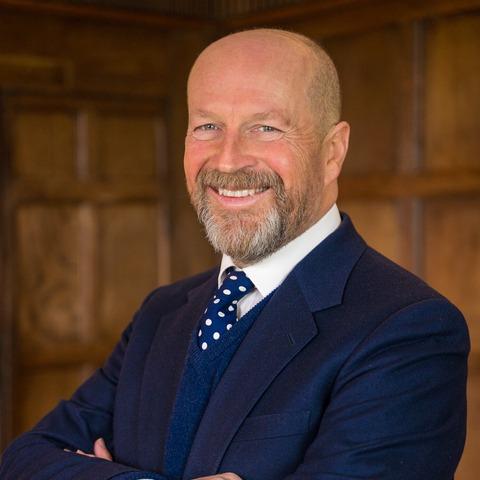
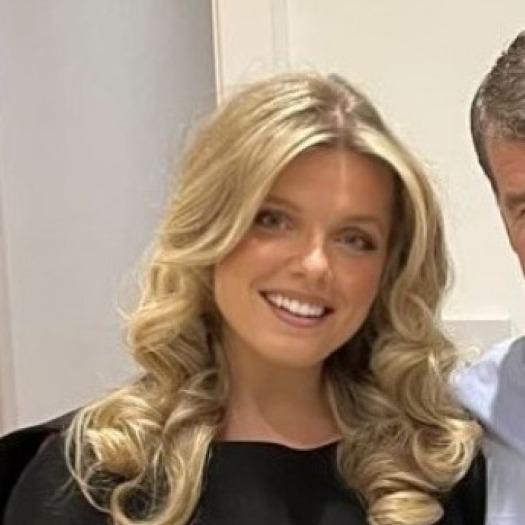
In this episode of all about business, James is joined by Libby White, Senior Consultant at Reed specialising in marketing, communications, PR and design recruitment.
While some people claim the CV is becoming outdated, Libby explains why it remains a critical tool for getting interviews and how small changes can dramatically improve your chances of standing out.
Drawing on her experience screening CVs every day, Libby shares practical advice on how candidates can present their experience more effectively, highlight measurable achievements, and tailor their CV for different roles.
From structuring your professional summary to avoiding common mistakes (including over-reliance on AI-generated CVs), this episode is packed with actionable tips for job seekers at every stage of their career.
01:37 progression not job hopping
04:44 CV turnoffs and AI
08:35 numbers beat responsibilities
13:15 formatting and what to remove
17:29 hobbies out systems in
21:44 junior CVs and early experience
Follow James Reed on LinkedIn: https://www.linkedin.com/in/chairmanjames/
Find out how Reed can help you advance your career here: https://www.reed.com/candidates
Find out more about Reed Specialist Recruitment here: https://www.reed.com/employers
James: [00:00:00] Welcome to All About Business with me, James Reed, the podcast that covers everything about business management and leadership. Every episode I sit down with different guests of bootstrap companies, masterminded investment models, or built a business empire. They're leaders in their field and they're here to give you top insights and actionable advice so that you can apply their ideas to your own career or business venture.
James: So today in our spring short series, I'm really pleased to welcome Libby White. Mm-hmm. Um, we are gonna be talking about a subject close to my heart. The cv. Um, the CV is a document that is just so important in recruitment and in career progression, and it's something that people have sort of said for years.
James: You know, the CVS over it's had it, but it seems to persist. And Libby, I'm so pleased you can join me. You've got [00:01:00] three years experience. Mm-hmm. Uh, as a specialist senior consultant in Reed. Um, you are based in southwest London. You look particularly at marketing communications. PR and design type roles. So the CV is a, is in a sense a marketing document, isn't this?
James: Yes, absolutely. I mean, that's the function I think it serves. But you know what, what does a, an employer look for in, as my title of the book suggest the seven seconds they take to evaluate. A cv, what is it they're looking for?
Libby: Yeah, absolutely. So I mean, firstly, thank you for having me today. Um, it's a pleasure to be here and obviously to be talking all things cvs.
Libby: Um, in terms of what I would say clients are looking for is somebody that's grown within a company. I would say it's super important. We like to call it sort of bunny hopping. If somebody has, you know, been there for six months, been there for nine months compared to somebody that's grown through a company and maybe gone through promotions in different levels, um, it really does stand out to the client because it shows their, you know, [00:02:00] dedication to work, um, and achieve whatever it is that they might be doing.
James: So when you say bunny hopping, they're, they're looking to exclude people who Bunny hopp?
Libby: Not necessarily, but I think the market has changed so much since the book came out in, in 2019. I think there's always a lot of questions around why people have bunny hopped and people have been in situations where they've been made redundant.
Libby: Or they've had to do interim positions. So there has been a lot more of that over the last couple of years.
James: So if you're in that situation, you need make clear why.
Libby: Yeah, absolutely. Make clear why, but obviously that's why we are here as an agency to understand that there's perfect reasons behind it, but it's just about them being aware of that will potentially come up as a question from a client.
James: Right. So if you're not in that situation Mm. And you've been at the same place for five or 10 years
Libby: mm-hmm.
James: You want your CV to show your progression in that.
Libby: Yeah.
James: Employer.
Libby: Yeah, absolutely. Really important.
James: So what sort of things does it need to illustrate?
Libby: So obviously you can show the different sort of titles that you've had within the company.
Libby: So an example that I can give you is senior [00:03:00] marketing executive. You know, if somebody's had quite an execution based role and then in the next sort of six months to a year they've been promoted to assistant marketing manager. Then on from that. So I think a lot of people, if they've worked for the same company, they'll just keep their relevant information at the top.
Libby: But it's really good to show that progression throughout, you know, what, what it was that you were doing at that level as a senior marketing exec, what it was that changed when you were promoted to marketing manager. Just showing the difference in terms of responsibilities is, is really important and key.
James: So if you, if you've been promoted, then it needs to be clear
Libby: Yeah.
James: In in terms of the job titles. Mm-hmm. That you've got. So you wouldn't just put. Five years at one place. No. You put the different
Libby: roles. Yeah, absolutely.
James: And, and how you've progressed. Why is this that, you know, a lot of people have a, what's called a professional summary at the top of their cv.
James: Mm-hmm. Why is that considered so important these days and, and what buttons do you need to press to make that work for
Libby: you? Absolutely. We say it sets the tone for the cv. I think the first three sentences of the professional summary is. Incredibly important. It's so [00:04:00] industry led, the market at the moment.
Libby: You know, if you come from a, a luxury background or you come from a financials background, that that's the key point that people will be looking for. Um, so yeah, it sets the tone. It shows exactly what it's that you are looking for and, and that your niche within that particular market. And
James: it's three sentences,
Libby: I would say.
Libby: Three sentences. Yeah. And within those three sentences, you should probably say how many years of experience you've got. Um, because when I'm first opening in a cv, my first question to myself is, okay, how is this gonna help my client with the role that I'm recruiting for at the moment? Have they got three years experience?
Libby: Have they got over a decade of years experience? So it's really sets that tone in terms of seniority in the industry that they fall in.
James: Right. So make sure your experience is, is highlighted in that opening statement. So what turns, what turns a recruiter off when they're reading a CV or a
person
Libby: state?
James: Yeah. Question.
Libby: What do they think? Quite that, quite, quite, uh, yeah. AI is probably gonna be the first on the top of my head. AI is great, you know, everybody uses it day to day. Um, but as a [00:05:00] recruiter who looks at CVS day in and day out, I can spot straight away when a CV has been built by ai. So I probably would say use it to help you with certain, you know, letterings and, and new words.
Libby: But don't build your CV just solely off, you know, copilot or, or ai. 'cause we can spot it from a mile off.
James: I got a, a request for a reference the other day from someone on I and a while back. And it didn't sound like him at all, and it was clearly ai.
Libby: Yeah, he know straight away.
James: So you do know straight away.
James: And, and that's not good, is
Libby: it? Mm-hmm.
James: So what, how, how do you know straight away? What, what is it
Libby: that, it's just that the tone, the format is another thing. I don't think AI is established enough yet to be able to generate a CV that looks like it's been made by a human being. It's very much, the format is exactly the same.
Libby: The wording, even the grammar, they love a long hyphen on ai. Right. Um, so yeah, if you are using it to build your cv, great. But just make sure that you're going through and, you know, taking those hyphens off. The,
James: the important point is it's [00:06:00] your CV not chat sheet.
Libby: It's your cv. Yeah, absolutely. I'd say another thing that turns a recruit off is your generic, hardworking, collaborative, using those types of word.
Libby: I think we've moved away from that. Um, within this industry, you know, you are going to work for a business to show them what you can add, whether it's saving money or, or making money. So using words like commercial is, is gonna benefit you in the long run rather than, you know, hardworking and, you know, collaborative.
James: But don't you have to evidence that you are commercial?
Libby: Exactly. That will come with statistics. Key achievements is incredibly important.
James: Business one or,
Libby: yeah.
James: Sales made or profits achieve growth, that sort of growth? Growth.
Libby: Growth is such a good word.
James: People like growth. People
Libby: love growth.
James: So chat, GPT, CVS is a turnoff.
James: Mm-hmm. But growth is a positive.
Libby: Growth is a positive
James: if you can demonstrate it. Mm-hmm. And how do you decide what to leave out? How, how long should a CV be?
Libby: Good question. I mean, again, depends on the level that you are. If somebody's got. 10 to 20 years [00:07:00] experience, it's gonna be quite difficult to get that all onto a cv.
Libby: We normally say two pages, but two pages of relevant information. Um, you know, I appreciate people want to add everything into it and, and make it feel really, you know, respected within the market. But sometimes it does the opposite and I think it, that's why it's important to have multiple copies of cvs just so you can apply that to the specific role that you are.
Libby: Yeah.
James: I've often said it should be one page, but I suppose if it's one, I mean in the old language, one piece of paper
Libby: Yeah.
James: Could be on either side, but yeah. But it is gotta be edited and concise.
Libby: Yeah, yeah, absolutely. And as well, '
James: cause our research does show that people will look at it for seven seconds in the first instance.
Libby: Yeah, absolutely. If it's anything longer than two pages, it is, it's too much. It's, I'm not taking in the information and either is the hiring manager. So normally two pages of relevant information. You know, normally the first sort of five to six years is what's really important. That's gonna be on the front page.
Libby: But anything after that, still include it, but don't highlight it as much in terms of responsibilities. [00:08:00]
James: Is your organization prepared for what's coming next at Read Talent Solutions? We don't just manage contingent worker programs and fill roles through our RPO solutions, we future proof your workforce.
James: From scaling operations to upskilling teams and navigating digital transformation, we are your strategic partner in building resilient future ready talent ecosystems. Visit read talent solutions.com today to discover how we can help your business grow. So you just mentioned the importance of demonstrating growth, if you can.
James: So why is it you think that achievements with numbers matter more than responsibilities on the cv?
Libby: It's so much more tangible. Anybody could say on their CV that, you know, they. They grow a campaign by 47%, or you know, they worked really hard on a particular project, but having that tangible information makes it really, really relevant.
Libby: Again, going [00:09:00] back to my point of why people are being hired, it's either to save money or to make money. So if you are that individual that's been able to, you know, decrease a certain marketing budget or you know, within the sales team you managed to boost revenue, they're the sort of commercial aspects that clients will be looking for on profiles.
James: I've always thought that a job is a problem to be solved. So you wanna position yourself as the solution with your cv. Um, how far back do you think you should go in your sort of history? I mean, I mean CV means curriculum, vita, the course of my life sort of thing. I mean, how far back is appropriate?
Libby: Probably 10 years, 10 to 12 years, again, depending on experience. I, I represent the sort of mid-level to senior market, so I have quite a few people that really want to include everything, but I always say just focus on your five to 10 years and how that's gonna be relevant to the role the most. Yeah,
James: things are the most important, but I suppose you don't wanna leave a big gap, so you might just put in very brief summary of [00:10:00] what you were doing or where
Libby: you
James: worked
Libby: before that you could just have a say, for example, if it was.
Libby: 20 years ago, you could have marketing manager, the, the dates and the times that you did it, but you don't have to elaborate as much on what you would probably need to on on the first five years.
No.
James: Well, marketing's changed a lot in 20 years, hasn't it?
Libby: Yeah, absolutely.
James: So what about, what about people who've got sort of vague experience, but they wanna turn it into something?
James: More impactful?
Libby: Mm.
James: Or describe how, how, how do you advise them, you know, just to almost mine more interesting information from their career history than might be immediately obvious when you first see their cv.
Libby: Anybody's role can be so broad. Like my, my job, for example, is so broad. I'm doing something different every single day.
Libby: But I think it's about really honing in on that information and you know, having those three copies of your cv. If you know, if you're a 360 marketing manager, have one CV that's relevant to that. If you're applying for a brand position, make it look like you are really specialist in the brand [00:11:00] industry.
Libby: So I would say it's really looking at your experience and really honing in on the important factors growth commercial aspect. So Libby,
James: this applying, this is tailoring your CV depending on who you're applying. Yeah. And, and it's important to stress it. It's not saying, you know, make things up. It's absolutely, it's about presenting the most relevant to that particular hire.
Libby: And the one thing that I can't stand is when people put their CV and then mirror the job spec onto that. That is one thing that you should not be doing. You know, nobody's CVS gonna be perfect, but it's just about adding and tailoring, as you said, to, to get to use
James: AI to do that. Yeah.
Libby: Absolutely right. It
James: sounds like that's a new thing.
Libby: Yeah. '
James: cause it's easy to do now.
Libby: Mm-hmm.
James: And you see that do you
Libby: a lot I know.
James: Straight away. So don't take shortcuts with your cv. I mean, it's a, it is a life changing document, I say to it is. I mean, and how many life changing documents do you actually create? You know? 'cause this could,
Libby: not many.
James: Yeah. I can't, I can't think of many either.
James: So, if you're gonna be creating a life changing document, yeah. It should [00:12:00] be yours and it should be really good.
Libby: Mm-hmm.
James: Yeah, definitely. Um, so when, when you come to this sort of tailoring, I mean. If you're applying for jobs, I suppose you, you, you're gonna be applying within a category.
Libby: Mm-hmm.
James: There might be slightly, I mean, how many different versions should you have and what.
James: There should be some version control.
Libby: Sure, yeah, absolutely. Where, where the market is. So industry led in that. I suppose that touches on my point from earlier, it's, I normally say two to three. Two to three copies is average. I, I wouldn't want anybody to have six, seven different versions of their cv. It takes too much time.
Libby: You're probably repeating yourself quite a lot, but it's just about for you to understand as a candidate what it is, the market that you want to go in, the type of role that you want, and just about putting that in evidence in that onto this ev. So you could have a marketing manager cv, you could have a brand marketing manager, cv.
Libby: You could have a senior marketing manager cv. So if you're looking for that next step up, obviously put the senior one forward. If you're looking for a more creative and brand focus role, it'd be the brand cv. [00:13:00] So a lot of people think that. Their cvs are never gonna be right. But having those three different tailored ones is gonna be really beneficial.
James: So you're drawing on your experience, but you're just, you're, you're, you're pushing some parts of it Yeah. Forward first.
Libby: Mm-hmm.
James: In those different documents. I mean, the cv, I've always thought ha has one purpose.
Libby: Mm-hmm.
James: And that's to get you an interview. Do you agree with that?
Libby: Absolutely. I represented a young, uh, lady recently.
Libby: She's really struggled to get interviews. Um, her CV was all over the place. It wasn't formatted correctly. It had information on her that just didn't need to be on there. For example, her full home address, um, you know, references upon request. That's just a waste of, you know, valuable time and, you know, areas of the CV that you could be adding to more beneficial.
Libby: So. She came to me and she said, look, what can I do with my cv? I, I supported her. We focused on the industries that she wanted to go out to in the market, and it took some time, you know, it took [00:14:00] about a week to get it to where we wanted it to be. Um, I obviously did my job in terms of taking it out to market, and we got her two interviews with two different businesses.
Libby: So, with a cv it's about being relevant and not, you know, this broad person that's just applying for any position. It's just about being market relevant.
James: So you are, you are presenting yourself to that prospective employer as a, as the solution to their business
Libby: product. Yeah. You're the product. Yeah,
James: absolutely.
James: You, you can, you can solve their problems.
Libby: Mm-hmm.
James: Yeah. So did she get the job?
Libby: She's interviewing this week.
James: Interviewing this week. Oh, fingers crossed. So, fingers crossed. She's interviewing today actually at 12. So fingers crossed that goes. Well, no, it just shows the difference though. I mean, it's worth mentioning that we have templates on Read do co uk CV templates that people can use to complete, and there's also CV templates in the book.
Libby: Mm-hmm.
James: And advice on how to sort of activate your CV in the seven second cv, which is as relevant now as it was. When it was written and people use a lot. I know. So, um, [00:15:00] there is help out there.
Libby: Yeah, absolutely.
James: And don't just go on ai. Is your message isn't, it? Seems to be.
Libby: To sum it up, that would be it.
James: What about this question you, when does adding a photo help and when does it hurt? Because some people
Libby: think very controversial, very controversial, very good, very controversial versus is controversial. I like this question a lot. I mean, again, not to be so industry focused, but the, the lady that's interviewing for me today, she really wants to get into the luxury field and a lot of my clients in that sort of Chelsea Fullham area, their offices are above their showroom.
Libby: So. The way that you present yourself on your CV is gonna be really key. So sometimes it works in your favor and sometimes it doesn't. If I was representing someone from the financial sector or public sector, I probably wouldn't say so. Um, but if it's that more sort of B2C, that stakeholder environment, face-to-face, client contact, I would definitely say have an appropriate picture on there for sure.
James: Right. So sometimes it's a good idea and sometimes it's not. Sometimes
Libby: it is depending, again, who is, I
James: mean the other thing, I mean a lot, pretty much everyone it [00:16:00] seems is on LinkedIn and they have their picture there.
Libby: Yeah.
James: So it's not, it's not as sort of unusual as it used to be.
Libby: Mm-hmm.
James: Um. What about thinking of LinkedIn?
James: What about if your CV doesn't match your LinkedIn profile? Is that a problem?
Libby: Get that quite a lot.
James: You get that quite a lot. Quite, I get that quite lot now. Quite what's going on here, Lizzie? Yeah, because I, I, I notice this too.
Libby: Yeah, it's a funny one. I think people. Worry about what they're gonna put on their LinkedIn, but sometimes they change their titles.
Libby: Sometimes they change their responsibilities. But I understand why people do it, but I think that's where,
James: what they inflate on LinkedIn,
Libby: yeah, they inflate on LinkedIn or they could make themselves be more senior than actually what they are. And across the different industries, titles will vary in terms of seniority.
Libby: This
James: is, this has affected, you know, the most highest echelons of public life. I've sort of noticed, or you know, that people have inflated
Libby: their, yeah. And just made themselves maybe something that they're maybe not in, in terms of their experience.
James: We don't wanna be doing that on a cv, huh?
Libby: No, but I suppose that's my job [00:17:00] to really hone in on actually what it is they do day to day.
Libby: And to be able to present that in a profile to a client.
James: I mean, 'cause people will take up references.
Libby: Yeah.
James: And you don't wanna be misleading in, I mean, it's like saying you've got qualifications you haven't got, isn't it?
Libby: Yeah.
James: If I put, you know, I was a TV producer when I was an assistant producer, it's pushing it.
Libby: Or if I was a ice skater when I was 15.
James: Were you?
Libby: No.
James: So yeah, would've
Libby: loved to have been, but
James: no. What, so that's an interesting, that takes us into an interesting sort of final section, that sort of hobbies and interests. This was something that people used to advise putting on cvs. What's your view on that?
Libby: No.
James: Why not?
Libby: It's not relevant to the job in hand. I mean, if you're in an interview, and I have an example of this actually, I was working with a, a travel company that do ski solutions, and the girl that went in and interviewed me is an avid skier, goes every year of her dad and her brother just [00:18:00] absolutely loves it.
Libby: Wasn't on her cv. But went into the interview and obviously it was a travel company. They were talking about what it is that you do out of work time, and that topic came up and she got the job. So if it's relevant in the interview, you know, mention it, what it is that you do outside of work, if that question comes up.
Libby: But I think it's a waste of space on your cv. I think there's other relevant information that you could put on there instead.
James: What would you suggest putting there
Libby: instead? Probably systems use is a real one I've seen within the last two years. Um, you know, the likes of Salesforce as a CRM has, has been so popular within the market, but there's so other many different platforms that people are using.
Libby: For example, HubSpot and MailChimp. So if you have that on your cv, that's gonna come up in our key search words when we are looking, you know, to sort of head hunt candidates. So I probably would say systems use is, is really important as well.
James: Okay. Um, if someone had to fix something on their CV or just one thing
Libby: mm-hmm.
James: You know, this [00:19:00] week, what would you suggest they fix?
Libby: Key achievements.
James: Key achievements,
Libby: yeah. Is incredibly important. There's two ways that you can do key achievements. You can have them at the top of your profile. Great. You know, as soon as we open that CV we can see what you've done. But another thing that I really like is when somebody has their role, there are key responsibilities and any key achievements that they've done within that specific role.
Libby: It really just shows your point of being there as that product and what it is that you've done for that particular company in that position. Um, and it just goes to show what you've done and had any access within the role.
James: So you are saying, if I understand you right, Libby, that each role is you should have a key achievements
Libby: Yeah.
James: Bid at the end of it.
Libby: Yeah, absolutely.
James: And how many achievements.
Libby: Probably two to three. Depends how long you've been there. If you've been there for a year and there was a big, you know, pro, uh, project or activation across that year, have that on there. Having anything is gonna be better than nothing. But key achievements is something that really stands out within this market.
James: What about, I mean, I, I find this, sometimes people say, oh, I did all this.
Libby: Mm.
James: But you know damn well that [00:20:00] they're part of a team. I mean, and, and sort of saying, sort of aggrandizing themselves, say, I did it all to me. Seems immodest and dishonest.
Libby: Yeah.
James: So you wanna be careful of that. Yeah,
Libby: yeah, definitely. Do
James: you come across that?
Libby: Yeah, I do a lot actually. I mean, if you're a sole marketing person within a function, then you are probably doing everything. But if we are looking at teams of 10 to 30, everybody's got their own hats. Right? So it's about that key achievement and what you did for, for that role. Yeah. So rather than the team,
James: it might be, yeah, our team achieved this and my role as X, Y, Z.
Libby: Yeah.
James: I led X.
Libby: Yeah. Or supported the team in achieving. Yeah. Whatever it might be.
James: I think that's important. I mean, 'cause for me, it's so obvious that business is about teamwork.
Libby: Mm-hmm.
James: We work together, you know, we don't achieve anything on our own ultimately. Of course.
Libby: Mm.
James: So I think that's important. That comes across.
James: So what about these sort of dynamic verbs, you know, delivered, built? Mm-hmm. Initiated. What place do they have in the cv?
Libby: They're good words to build the foundations of [00:21:00] a cv, but within this market, it's extremely competitive. After COVID, you know, it's about having that profile and that CV that stands out between five or six other people.
Libby: So everybody's gonna have those words in their cv. It's the foundations of making it, but it's just about using other words. You know, if you're going into a sales team, use commercial. If you're a commercially minded individual like I have to be day to day, that's gonna really put your profile against all of the others.
Libby: The same way within marketing. You know, if you are a growth individual or you did a particular marketing campaign that increased growth by 47%. It's all those types of words that are gonna really make your profile stand out better to the others, so
James: that you are, you are showing the facts based,
Libby: yeah. It needs to be tangible.
Libby: Definitely.
James: And what about the sort of person who's just starting out in their working life?
Libby: Mm.
James: You know, they've just left school or college or university or, you know, haven't had experience.
Libby: Mm-hmm.
James: How do they frame a CV to get themselves an [00:22:00] interview when you, they can't necessarily do that.
Libby: Yeah, absolutely.
Libby: I would say format is a big. For the junior candidates. You know, I think a lot of the time people really overthink their cv. If you're at that junior level or you know, I must have a certain graphic or I must have a certain font. But what stands out to the junior market is that real professionalism across the cv, you know, how much information you have on it is really important.
Libby: Whether or not it's relevant, you're not necessarily gonna have key achievements on there 'cause you haven't probably been in a row where you've achieved that. Um, but format is a massive thing for the junior market and I think. As a takeaway, a lot of people should be re-looking over their profiles and thinking, maybe I should make it more formal.
Libby: Maybe I should take that graphic out because they're the things that really stand out to, to us when we are screening people at that junior level.
James: Keep it professional,
Libby: keep it professional. It doesn't need to
James: Well, you find people that go off and decorate
Libby: different places. Yeah, I had a, I had a lovely candidate and she really wanted to get into the financial sector, but she had an orange cv, so
James: Right.
Libby: That's [00:23:00] not gonna, as a brand and in the marketing team, that's not gonna go inside of, I've got an orange book
James: behind you. It's called Karma. As
Libby: long as you haven't got an orange cd, that's all matters. I
James: don't have an orange cv. No. There's nothing wrong with the color orange, I wanna say. Okay. Well yeah, that might be helpful advice.
James: So, but I, I think part of what I'm interested in when I look at the cvs, I wanna try and find out something about the person.
Libby: Mm.
James: So, you know, if they're a junior candidate, what, what else have they done?
Libby: Mm.
James: You know, did they do sort of. Holiday jobs.
Libby: Mm.
James: Did they do sort of paper rounds when they were, you know, in the old days or jobs when they were younger?
James: Mm. I think 'cause in our business that's a real indication of potential. Mm. You know, contributors.
Libby: Yeah.
James: And do they do things as volunteers or have they run a student group or you know, have they shown some leadership they can put all that in shortly?
Libby: Yeah, absolutely. If, if I could go back in [00:24:00] time and knowing what I know now, I wish that I got involved with more stuff, curriculum stuff at school.
Libby: So Ball Girl Link was, looks great on a c you know, duke of Edinburgh, that looks fantastic. So my advice to the junior market would be throw yourself in in anything that you can. Because I know in the moment you probably don't want to do it, but long term it looks fantastic on your cv.
James: But yeah, you might not wanna do it, but once you start doing it, you probably enjoy it anyway.
Libby: Exactly.
James: I mean, that's always, it's not just about what looks good on your cv, it's like getting engaged with Life Yeahm saying absolutely this, as we, you know, as we go along to more opportunities. Is enriching. And then your CV will be a sort of document that comes out at the end.
Libby: Yeah.
James: Looking better for it.
Libby: Yeah, absolutely.
James: So throw yourself into things, throw
Libby: yourself into it and do it while you're young.
James: Yeah. And keep doing it. Yeah. Yeah. Age should be no barrier.
James: Thank you very much for coming to talk to me about cvs. I'm gonna ask you two questions I'll ask everyone at the end of my podcast. Um, the first one, Libby, because we at Read Love Mondays mm-hmm. Is what gets [00:25:00] you up on a Monday morning. I
Libby: have two answers for this two. One is probably my Monday morning gym class.
Libby: If I don't go to the gym on a Monday, it sets the tone for the week.
James: Uh,
Libby: secondly is the variety in the position that I have today. And, you know, I could be waking up on a Monday as cold and rainy outside, but I'm gonna potentially be offering someone a position that they really want. So the variety in the role is what keeps me going throughout the week.
Libby: Definitely.
James: Good. What time does that gym class start?
Libby: Six 30.
James: Excellent.
Libby: Nice and early difficult in
James: the winter months. Start energizing starts that.
Libby: Yeah.
James: That's good. And my last question from the interview book, why You is, where do you see yourself in five years time?
Libby: Knowing my market more, becoming more established with my knowledge, you know, working with new clients.
Libby: Um, but one thing that I've always wanted to be is a leader. I'd love to lead from the front. I've been in a position when I started here three and a half years ago, where I needed to lean on a lot of people. So I would like to be that person for, you know, people getting into recruitment [00:26:00] or understanding the marketing world.
Libby: I really want to lead from the front. So hopefully within five years I'll have marketing consultants working underneath me. I
James: think there should be plenty of opportunities for that. Let's make that happen. Yeah,
Libby: absolutely. Thanks very much for going to talk to me. You're welcome. Thank you so much for having
James: me.
James: Real pleasure.
This podcast was co-produced by Reed Global and Flamingo Media. If you’d like to create a chart-topping podcast to elevate your brand, visit: http://flamingo-media.co.uk/