




Watch the episode
Listen to the episode
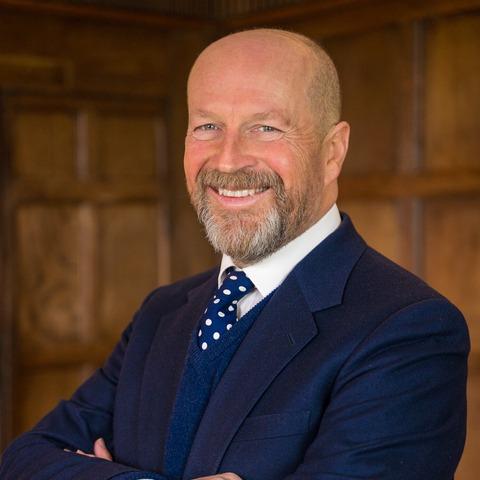
In this episode of all about business shorts, James Reed speaks with Sophie Clarke, Recruitment Expert at Reed based in the Norwich office, about how professionals can think more strategically about their careers.
Sophie explains why focusing only on job titles or salary increases can sometimes distract from long-term career growth. Instead, she argues that understanding your strengths, motivations, and the skills you want to develop is key to making smarter career decisions.
The conversation explores how building a strong personal reputation - through reliability, communication, and trust - can open doors throughout your career. Sophie also shares why asking better questions when considering new opportunities, and thinking beyond the immediate job move, can help professionals make decisions that compound over time.
This is a practical discussion about career strategy, personal brand, and making job moves that support long-term professional growth.
01:17 career strategy basics
06:04 ask others for feedback
10:08 personal brand and trust
14:24 choose growing companies
17:00 research and use recruiters
19:04 no end goal needed
Follow James Reed on LinkedIn: https://www.linkedin.com/in/chairmanjames/
Find out how Reed can help you advance your career here: https://www.reed.com/candidates
Find out more about Reed Specialist Recruitment here: https://www.reed.com/employers
[00:00:44] James: So today on all About Business, I'm delighted to continue our spring short season, um, and to welcome Sophie Clark to the studio. Um, we are gonna be talking about how to think about your career. Strategically. Mm-hmm. [00:01:00] This is a really interesting question, Sophie and Sophie is a senior consultant at Reed Specialist Recruitment based in Norwich.
[00:01:09] James: Uh, thank you for making the journey down. Talk to me today, Sophie. Um, and you take particular interest in sort of legal professionals, but we can go way beyond that in terms of how to think about your career [00:01:20] strategically. Um, where should someone begin when. You know, thinking about this, what's it actually mean to think about your career strategically and.
[00:01:33] James: What's that mean? Rather than just chasing the next job? I mean, what's the difference?
[00:01:37] Sophie: No, absolutely. Well, thank you for having me. Uh, and I was [00:01:40] really excited to have this question actually, 'cause it's something I talk about with candidates and clients who are starting their career or maybe going into more of a senior position.
[00:01:49] Sophie: So I think it's being a little bit more intentional about what your next move looks like. Often we kind of have these conversations with candidates about, um, when they're [00:02:00] looking to escape their, their. Sorry, can I just start again? Of course. Is that all right?
[00:02:04] James: No, it was good though. Yeah. When they go and say when they're looking to escape, I like that from there.
[00:02:10] Sophie: Thank you. I think often recruiters or conversations that we're having with candidates is when they're looking to escape, uh, position. Um, but actually it's thinking a little [00:02:20] bit more about which direction that you might want to go into. So not necessarily chasing. The flashy new title or the increased salary, um, and thinking what, what that next position might offer you and open doors up in a slightly different avenue.
[00:02:36] James: Right. I mean, I, I've heard the expression, we've used it in the past, [00:02:40] you know, a job, a better job, a career.
[00:02:43] Sophie: Mm-hmm.
[00:02:43] James: So. I think this is what you're talking about, rather than just sort of falling into the next thing because you were trying to get outta somewhere else or,
[00:02:50] Sophie: absolutely, and I think it, we all do it.
[00:02:53] Sophie: We, it, it's a natural and kind of humanistic thing to think, well, you know, that that next title might actually be the thing that [00:03:00] will satisfy. I mean, short term it might do, but if you're thinking potentially long term, that new role might still encompass the same sort of responsibilities that you had in a previous role.
[00:03:10] Sophie: It might not. Fit culturally for you, it might actually limit your growth within an organization. I think sometimes taking a bit of a step back and thinking, well, what [00:03:20] energizes me or, or, um, what direction do I wanna go moving forward will then help heighten and grow you as an individual then thinking, oh, I just wanna leave this role.
[00:03:32] James: Right? So what's the most common short-term career decision that actually harms long-term progression?
[00:03:39] Sophie: So again, [00:03:40] coming back down to title. A flashy title. It might be a more senior role, but actually when you look into the roles and responsibility, it actually is very similar to the role that you might be in before, um, salary.
[00:03:52] Sophie: So having another increase in your salary perspective, but actually, um, you might have [00:04:00] longer journey commutes that might be more difficult for you on a personal level. Potentially there might not be management opportunities if that's something potentially that you are sort of looking for in the future.
[00:04:12] Sophie: Uh, again, it comes back to. Short term. It's exciting. So it, it alleviates some of that frustration that you might be having, [00:04:20] but maybe in six to 12 months time you realize actually it doesn't do anything further for you.
[00:04:26] James: So I don't necessarily be taken in by a flashier title or a little bit more money.
[00:04:30] Sophie: Absolutely
[00:04:31] James: might not long term.
[00:04:32] Sophie: Absolutely pay you as well. No, absolutely not. And I think it's also asking the right sort of questions when you're going through that interview process. You know, what, [00:04:40] what does that team structure look like within the business? Um, where does the business expect to grow maybe in six to 12 months?
[00:04:46] Sophie: Because actually, um, again, it comes back to it might be limiting your growth opportunities. It might not have wider scope for. For you to go beyond that point. Um, I feel like I'm rambling. I'm really sorry.
[00:04:58] James: No, that's all right. No, [00:05:00] 'cause I was gonna ask you a follow up question before you said that,
[00:05:03] Sophie: because in my mind I'm thinking one thing and I, sorry.
[00:05:06] James: Say what you're thinking.
[00:05:07] Sophie: Say
[00:05:08] James: what you're thinking. That's the idea. That's free speech here. Say what you're thinking. So go on. So explain.
[00:05:15] Sophie: So in terms of, um. What was your point? [00:05:20] Sorry. Uh, the last bit that we said.
[00:05:21] James: Well, I'll ask you another question.
[00:05:22] Sophie: Sorry. So,
[00:05:24] James: so, well I was asking about short-term career decisions mm-hmm.
[00:05:28] James: That might actually harm long-term
[00:05:30] Sophie: mm-hmm.
[00:05:30] James: Progression.
[00:05:31] Sophie: Mm-hmm. Um. What I give an example. Yeah. So just picking up on that point. Um, one, one thing that seems to come up quite a [00:05:40] bit actually when I'm discussing with candidates and speaking with other consultants is individuals that they may be moved quite dramatically because they've been enticed into, like I said, a new job position, title, salary, um.
[00:05:55] Sophie: Suddenly have a realization, maybe actually this doesn't align with what I [00:06:00] want. It actually begins to knock their confidence. And you slowly see that kind of deterioration in their own confidence and ability and maybe completing work and sort of, um,
[00:06:12] James: yeah, the difference between a, the right job and the wrong job can have a huge impact on people's comfort.
[00:06:17] James: Absolutely. I mean, I've seen that myself and, [00:06:20] and how people suddenly have a spring in their step when they feel that they're happily
[00:06:24] Sophie: Yeah.
[00:06:24] James: Placed somewhere that's right for them.
[00:06:26] Sophie: Mm-hmm.
[00:06:26] James: So, so evaluating beyond the job title and the, the pay, the sort of culture and the values, I think of the team that you're working with is, is very important, isn't it?
[00:06:39] Sophie: I think it's [00:06:40] taken a step back sometimes. I mean, even myself, I took a career change into the position I'm in now. I truthfully didn't know what I wanted to do. Um, but what sort of helped me, and again, how I approach this with my candidates, family, friends, other colleagues, is maybe thinking about what energizes [00:07:00] you, what motivates you in your job.
[00:07:02] Sophie: So for some people it's the challenge. For some people it is maybe the compensation package. For example, for other people it might be management and being an influencer within the organization. But then also maybe having a bit of time to think about what takes me away from [00:07:20] my day, what maybe demotivates me, um, to then really assess which direction that maybe you want to go in as opposed to thinking there's only this option or there's only option.
[00:07:30] Sophie: Sure.
[00:07:31] James: There's sort of infinite options in the end.
[00:07:33] Sophie: Oh, hugely. I think it's being open to conversations. So one of the other points. That I, [00:07:40] again, I discuss a lot with candidates and colleagues alike is asking questions. I don't think we do enough of that. It's very surface level. We have so many people in our environment, not just within work that have had their own journeys career-wise, or maybe on a personal level.
[00:07:58] Sophie: Ask them questions. Ask [00:08:00] them what did they do that might be slightly different. Feedback, can they maybe provide to you? What do they see that you've achieved over the years and where you've really shone in a certain environment and maybe gain it from a slightly different angle, um, will help kind of, so
[00:08:18] James: this is, this is really interesting.
[00:08:18] James: You're talking about [00:08:20] seeking input from people you mm-hmm. You know, in your networks and friendships.
[00:08:24] Sophie: Absolutely.
[00:08:25] James: Um, and you've found that helpful yourself?
[00:08:27] Sophie: I have. Yeah.
[00:08:28] James: And you also mentioned that I think it's critical, you know, to have an understanding of what energizes you. Yes.
[00:08:34] Sophie: Yeah.
[00:08:34] James: Yeah. What, what makes you feel you want to get up and go?
[00:08:38] Sophie: Yeah.
[00:08:38] James: As opposed to lie in [00:08:40] bed and not get outta it. Exactly,
[00:08:41] Sophie: exactly.
[00:08:42] James: And we're all different in that respect.
[00:08:44] Sophie: Well, exactly. Like for me as an individual, I love being around people. I love to learn from people, their experiences, um, pick their brains, challenge their thought processes, you know, be a bit of devil's advocate.
[00:08:56] Sophie: Uh, that's. The environment that I enjoy, but not all [00:09:00] people like that. I don't mind going to networking events. Some people might not enjoy that. So I think it's, um, a really good opportunity to kind of assess that. And sometimes we are our biggest critique and that's why I was using that example of speaking with friends and family and colleagues because they see you from a slightly different angle.
[00:09:18] Sophie: Um, and they can [00:09:20] probably appreciate a little bit more than what you give yourself credit most of the time.
[00:09:24] James: They'll certainly give you a different perspective.
[00:09:26] Sophie: Yeah.
[00:09:27] James: Um, because they do see you, as you say, from a different angle. They actually see you. You can't see yourself in quite the same way. No. So I think that that's very good advice, good insight.
[00:09:37] James: Um. How do you think, [00:09:40] you know, we could identify skills or experiences that will really compound over time.
[00:09:45] Sophie: Mm-hmm.
[00:09:45] James: You know, what are the sort of things people should be looking for?
[00:09:48] Sophie: Mm-hmm. I suppose it's understanding what you mean by compounding. So I think my, the way that I often view that is you have the skills that allow you or facilitate you to do ev your everyday [00:10:00] job, so to speak.
[00:10:00] James: Yes.
[00:10:01] Sophie: When we're talking about compounding skills, from my perspective, it's what will help open doors and opportunities. In the future. So, um, often in my sort of specialism or certainly more widely across, you know, employment, it's communication styles, learning to adapt. Um, [00:10:20] in, in legal for example, it's talking the language.
[00:10:23] Sophie: It's being able to adapt that from a lawyer to maybe the director, but then also the finance team. So I think being versatile in communication, um, particularly with technology as well. So it's not just about the verbal communication, it's. Written communication. Um, [00:10:40] I think it's also being able to maybe influence people over a period of time.
[00:10:44] Sophie: So showing, um, that you're reliable, you're trustworthy, um, that you're credible in the work that you do or the direction that you want to go in. And I think those are the sort of things that will compound over time. Um, [00:11:00] networking is again, another example of that.
[00:11:02] James: Well, you are, you're building, listening to you.
[00:11:05] James: I'm thinking you are building your own personal reputation.
[00:11:07] Sophie: You are. Yes.
[00:11:08] James: You know, it's not just brands that have reputations. Mm-hmm. It's people have reputations, very importantly, which leads into another interesting area, which is the one of the personal brand.
[00:11:17] Sophie: Mm-hmm.
[00:11:18] James: You know, a lot of people talk these days about [00:11:20] how important it's to have a personal brand, but from what you've just said.
[00:11:24] James: It seems very important that that brand is first and foremost trusted ab
[00:11:29] Yes.
[00:11:29] James: That you're gonna have a good career.
[00:11:30] Sophie: Absolutely.
[00:11:31] James: Um, good personal brand, but how is that, how important is that this, this personal brand concept, you know, internally and externally these days? And [00:11:40] what should people be thinking about concentrating on?
[00:11:42] Sophie: I think it's a really good question and I think. It's something I remember, um, my early career, very early on, a partner talking about too many, always stuck with me about that internal and personal, uh, internal, sorry, and external branding and what that looks like. And I think we immediately think external in that [00:12:00] scenario.
[00:12:00] Sophie: So we think about networking, we think about LinkedIn, which is a really good kind of platform to showcase you as an individual and your interests. Um. Projects that you are working on and, and your achievements along the way, but I also think the internal, which is your colleagues. Um,
[00:12:18] James: so you mean internal in the [00:12:20] organization
[00:12:20] Sophie: you are working in, in the organization as as well?
[00:12:22] Sophie: Because I mean, certainly.
[00:12:24] James: So what do your colleagues think about you? So how do you find out?
[00:12:27] Sophie: How do I find out? I know. So I, I'm certainly within, I mean, Reed is such a large organization. It's what I love. It's one of the reasons why I joined is there's so many people. You're always meeting
[00:12:37] James: new people.
[00:12:37] Sophie: I love meeting new people and I, and I [00:12:40] get to work in different offices, but I've made a really big point of.
[00:12:43] Sophie: Building relationships with people from all sorts of parts of the business. Whether that's like talent, whether that's our bd, you know, business development leaders, um, new people that have started within the business, um, to be someone that they can turn to if they wanna talk about recruitment [00:13:00] or they want to soundboard something or, you know, they need a bit of a pick me up during the day.
[00:13:05] Sophie: Um, and I think what that has allowed me to do, and what I see other people doing is it shows. Again, I'm trustworthy and reliable. I'm someone that they can turn to. Um, and I think again, that's another way that you can do that within, within a business. [00:13:20]
[00:13:20] James: Yeah, I mean, I think what you're saying as well is that you become a key person in the team.
[00:13:25] James: You've absolutely key team member. Team member. Which in terms of thinking about a career strategically,
[00:13:30] Sophie: mm-hmm.
[00:13:31] James: Is is a good place to to be.
[00:13:33] Sophie: It's, it's also potentially opening doors for people to come to you to talk about future projects, to get your opinion.
[00:13:39] James: Sure. [00:13:40] And it might create new opportunities for
[00:13:41] Sophie: you.
[00:13:41] Sophie: Exactly. Again, exactly. So it's, it brings back to that piece of being iCal in where you're building those relationships with. And then thinking even more long term, I always talk about with my candidates and, and family and friends is you never know where your path might cross over. [00:14:00] So in 10 years time, that person, or you might be someone a little bit more senior and it's a family friend that might be reaching out.
[00:14:07] Sophie: So it's always important to leave a good impression. Um, and, and again, it could open an opportunity that you would never have had the position to have if you weren't maybe as open and building [00:14:20] that credibility.
[00:14:22] James: It's always important to leave a good impression. I like that thought and I've often thought, you know, it's important to leave well.
[00:14:27] James: Mm-hmm. I mean, 'cause no job is forever and when, when we leave it's important to leave. Well and on good terms so that, you know, when our paths cross again, you know, that's not a destructive, but a [00:14:40] constructive
[00:14:41] Sophie: interaction. That's interaction. Absolutely. I mean, we're a large organization. We're, uh, the UK that how many people in the population, you'd be surprised the number of stories I've spoken to candidates where a number of years down the line they've reconnected with someone that's had a transition within a business that has grown in a slightly [00:15:00] different direction and it's sparked up a conversation.
[00:15:03] Sophie: Um, so yeah, we are a tiny little number in a large. Yeah. On, on this planet, but you just never know where things might cross over again.
[00:15:13] James: No, and they do cross over. They do. So keep that in mind, folks. Yeah, that's very true. Um, one of the [00:15:20] things I, I'm also observing is if you're thinking about your career strategically choosing the right place to work in terms of joining a company that has.
[00:15:29] James: You know, an upside mm-hmm. That is growing. That is, is showing potential for future success is also important, isn't it?
[00:15:38] Sophie: I think that is definitely a factor to [00:15:40] consider, if that's something that interests, that is something that's important to you as well. I think alongside that, for some individuals it might be a smaller organization that has, um, as like with re actually the environmental.
[00:15:54] Sophie: Impact is obviously a, a really kind of a core within the root organization, um, for some [00:16:00] individuals that might be a smaller organization. Um, completely off my train of
[00:16:05] James: thought. Yeah, well, what I'm thinking about here though, Sophie, is that your, can you
[00:16:09] Will: start again, James,
[00:16:10] Sophie: just with that question.
[00:16:12] James: So one of the things I'm thinking about is it.
[00:16:17] James: It's important to join an [00:16:20] organization that's gonna, in a sense, carry you along with it.
[00:16:22] Sophie: Yes.
[00:16:22] James: So if the, if, if the organization's growing or succeeding or showing real promise for the future, you know, it's more likely, isn't it, that, that your career will flourish because you can grow with it, you know, you more likely to get pay rises and promotions
[00:16:39] Sophie: mm-hmm.
[00:16:39] James: In a [00:16:40] company that's flourishing. Mm-hmm. Than in one that's not.
[00:16:42] Sophie: Mm-hmm.
[00:16:43] James: So is this something you advise people to look out for when they're thinking about who to apply for and
[00:16:48] Sophie: it's part of that piece of, there's two, kind of two points here. I think from, from when I have my discussions or certainly what I've seen is, um, [00:17:00] we often expect clarity to happen when we're not doing anything to find out that information.
[00:17:07] Sophie: So in order to get that clarity, you have to take steps. Forward to do that, and in order to do some of that, it's doing that research. Um, which obviously you can access online and, you know, from a recruiter they can [00:17:20] offer insights as well from a different angle. Yeah. Um, but it also again, comes to that point of asking questions.
[00:17:25] Sophie: Um, you know, if you're going through like an interview position, you know you're doing an interview interaction, it's a two way, um, dialogue. It's an opportunity for you as a candidate to ask the nitty gritty questions, structure of the team, what the culture looks like. [00:17:40] What plans are there in the future?
[00:17:42] Sophie: What projects are ongoing going into that more high level interaction? So you can. Come away with more informa information about not just where the business is now, but what does that look like in the future so that you can see if that aligns with that growth piece that you're looking for. Yeah.
[00:17:58] James: Well, I mean, the [00:18:00] future's uncertain, but if it looks like it's got a good trajectory, that's a good place to start.
[00:18:04] James: I mean, there's a lot of information available to people. Uh, and I was surprised years ago, one of my colleagues came and told me that he was leaving and joining another recruiter, the small firm. And, and I said, are you sure? And I remember looking this firm up on Company's house. Mm-hmm. [00:18:20] And they were making losses.
[00:18:21] James: Mm-hmm. And he said, oh, they're giving me shares. And I said, well, look at their accounts. The shares aren't worth you. Are you sure? And anyway, he ended up coming back. But it was sort of interesting to me that he'd made these decisions without evaluating. The financial health of the business. Absolutely.
[00:18:37] James: And you can do that quite easily. You can look up, I mean, in the [00:18:40] UK at least publicly available information on companies is easy to access through company's hours.
[00:18:45] Sophie: It's a lot easier to access than people realize actually. And I think even
[00:18:49] James: it takes five minutes.
[00:18:50] Sophie: It, it really, it really does. But again, it kind of comes back to that piece as well, asking people in the industry, this is where you can use a recruiter, which again, pivots in, in a really nice [00:19:00] way in the sense of a recruiter has those relationships.
[00:19:03] Sophie: They are an expert, usually in their market, you could really ask them about what do they know about potentially the client. Um, sure in, in, in, in the appropriate manner, of course. Um, but if you really wanna get insight in a slightly different angle, that's where you can use recruiters [00:19:20] to be. And I suppose I can extension, um, of your career like a recruitment partner, not just there for when again, that point of.
[00:19:28] Sophie: Oh, I, I want to escape this position. I'm not happy for X, Y, Z. Yeah. But actually maybe contacting a really good recruiter throughout maybe two, three times a year at least touch base, to get [00:19:40] insights into how the market's been. Obviously we know how the employment market has been generally, but there certainly has been shifts in certain.
[00:19:47] Sophie: Sectors. Sure. Uh, the interim market, for example, or the, you know, temporary positions. Um, but also to get insights into like salary benchmarking, locational differences. Um, I think that's [00:20:00] another way that you can kind of increase your strategical approach or direction or realign it depending on what's going on in the market.
[00:20:08] James: So one question in my mind is, how'd you make good career? Decisions when you don't hurt, know what your end goal is. Mm-hmm. Which is not unusual. I mean, [00:20:20] who does you a sense
[00:20:22] Sophie: who does?
[00:20:22] James: Yeah. But is it reasonable to have an end goal?
[00:20:25] Sophie: Um, I think not. I think truthfully, there's a lot of pressure from a very young age, I think, you know, school leavers going into university to have an end goal career of what that looks like.
[00:20:37] James: Mm-hmm.
[00:20:37] Sophie: The reality is, I'm sure most people are your [00:20:40] own connection. Their careers have changed. They weren't too sure actually. They kind of went with the flow and it's just naturally progressed from there. I think what's more important is to kind of know which direction you potentially want to go in, and that again, links back into that point I mentioned at the beginning of what energizes you?
[00:20:57] Sophie: What do you enjoy being challenged? [00:21:00] What's taking you away from your day? What don't you enjoy doing? To kind of give you a bit more of a focus of where to maybe put a little bit more time. Um, I think another thing that you can do, and it's certainly something I've done and I've advocated a couple times, is spend 20, 30 minutes of your time and write down a list of [00:21:20] exactly some of those questions that I've just raised, but also sort of maybe certain sectors that you might be interested in, sort of passions and hobbies.
[00:21:28] Sophie: Uh, maybe even do some volunteering opportunities so that again, you can meet people. Speak to individuals, ask questions, experience different environments, which [00:21:40] might then help sort of align with, okay, this is the direction that maybe I'm leaning more to. It could be maybe more third sector, it could be maybe more financial services, for example.
[00:21:51] Sophie: But if you don't ask the questions and if you don't take the steps. You are never really gonna know.
[00:21:55] James: You're not gonna find out. No. Thi this is, uh, music's my 'cause. It's, [00:22:00] it's very much along the same lines that I wrote about in the book Life's Work.
[00:22:04] Sophie: Yeah.
[00:22:04] James: Which is thereby, and you 12 proven ways to fast track your career, which got lots of career hacks in that.
[00:22:09] James: Yeah. I learned along the way. Um, no, I think that's really good advice because in the end it's a very personal thing.
[00:22:16] Sophie: Mm-hmm.
[00:22:17] James: You know, what is it that motivates us? [00:22:20] And where does our internal sort of energy
[00:22:22] Sophie: Yeah.
[00:22:22] James: Come from? Because that's what's most likely to power us forwards.
[00:22:26] Sophie: Absolutely. I think it becomes innate.
[00:22:28] Sophie: It's second nature. It's just who you are as an individual. And of course there are things in your work life that you think, oh, I don't wanna deal with that admin. And that's natural. But I think if it's really consuming [00:22:40] you and, and you are not enjoying your day to day, um, we spend a lot of time at work.
[00:22:45] Sophie: We do. You want enjoy some of it at least, don't you?
[00:22:47] James: Yeah. Well we have a saying at read that success. Success is as easy as pie P for passion, I for ideas, and e for energy. So you're right on the button. So thank you very much for coming in to talk to me. [00:23:00] Thank you. I'm gonna ask you two questions I asked at the end of all my podcast.
[00:23:02] James: The first, because here at re, we love Mondays, Sophie is. What is it that gets you up on a Monday morning?
[00:23:09] Sophie: Technically it will be the dog.
[00:23:11] James: The dog.
[00:23:12] Sophie: He kind of navigates my morning. What kind of dog do you have? I've got a Border Terrier. So, um, he will, he will start the morning with a Love Mondays. Um, and [00:23:20] then it's moving into work, so that's.
[00:23:23] Sophie: The thing that motivates me and what I enjoy with my work is the people that I'm around. I'm, I'm a part of a really strong, um, people centric, uh, energetic motivated team. The Norwich team as well, more wide. You most
[00:23:37] James: definitely are.
[00:23:37] There's
[00:23:37] Sophie: a great team in nor I, and so when I got [00:23:40] that support from that element, that really motivates me.
[00:23:42] Sophie: But then that genuine interest and, uh, the candidates and the clients that I work with, and seeing that things aren't. Having a genuine impact on their day-to-day life. That's something that motivates me and keeps me challenged. So,
[00:23:57] James: very good. Well, I hope that will continue. And my, [00:24:00] my last question, which is related in the sense is from the book, why You 101 interview questions You'll Never Fear again is, is where do you see yourself in five years time?
[00:24:10] Sophie: Uh, so I would be a hypocrite if I said, I've got a very detailed plan. Um, again, it comes back to I have a, an idea as a [00:24:20] direction I want to be. Um, and I did this exercise a couple years ago and I am where I am now and in a much better place than I ever thought I would've been personally and professionally.
[00:24:30] Sophie: So I think in a couple years I would like to have grown my own team at some point,
[00:24:34] Will: right?
[00:24:34] Sophie: I think that would be quite nice. But as long as I'm in a challenging environment and [00:24:40] supported, um. And say yes to opportunities. I think this is an example of something a couple years ago would never dreamt. Very good.
[00:24:48] Sophie: I'm doing
[00:24:48] James: keep saying yes,
[00:24:49] Sophie: Sophie here. I'm so, yes. Say yes to more opportunities.
[00:24:52] James: Keep saying yes and I hope we can help make that happen
[00:24:54] to
[00:24:54] Sophie: you.
[00:24:55] James: Thank you very much. Thanks for coming in. Nice talking to you. Very good.
[00:24:59] Sophie: Great. [00:25:00] Thank you. That
[00:25:00] James: was perfect. Very good. Was it the right length?
[00:25:03] It was, yeah. 25 minutes.
This podcast was co-produced by Reed Global and Flamingo Media. If you’d like to create a chart-topping podcast to elevate your brand, visit: http://flamingo-media.co.uk/