



Watch the episode
Listen to the episode
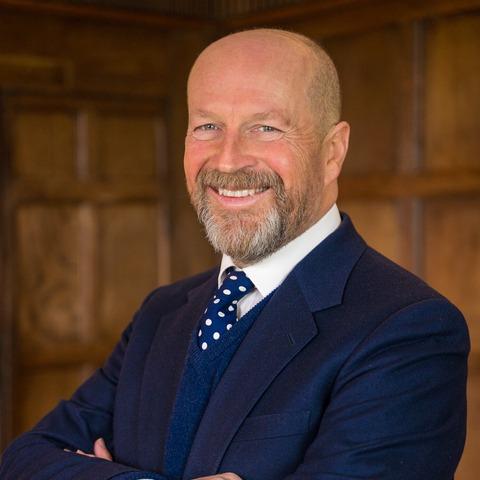
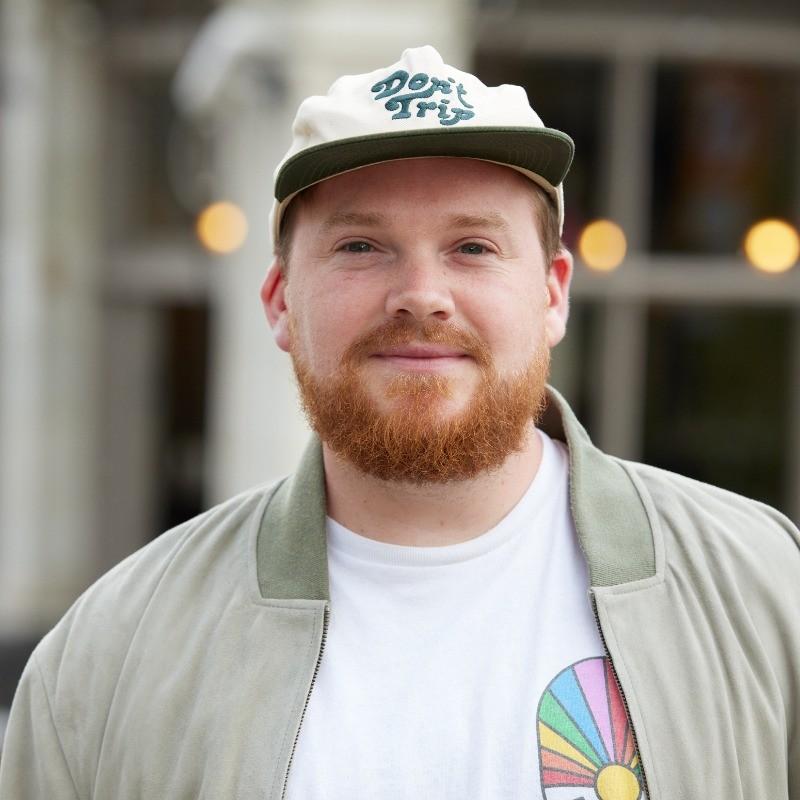
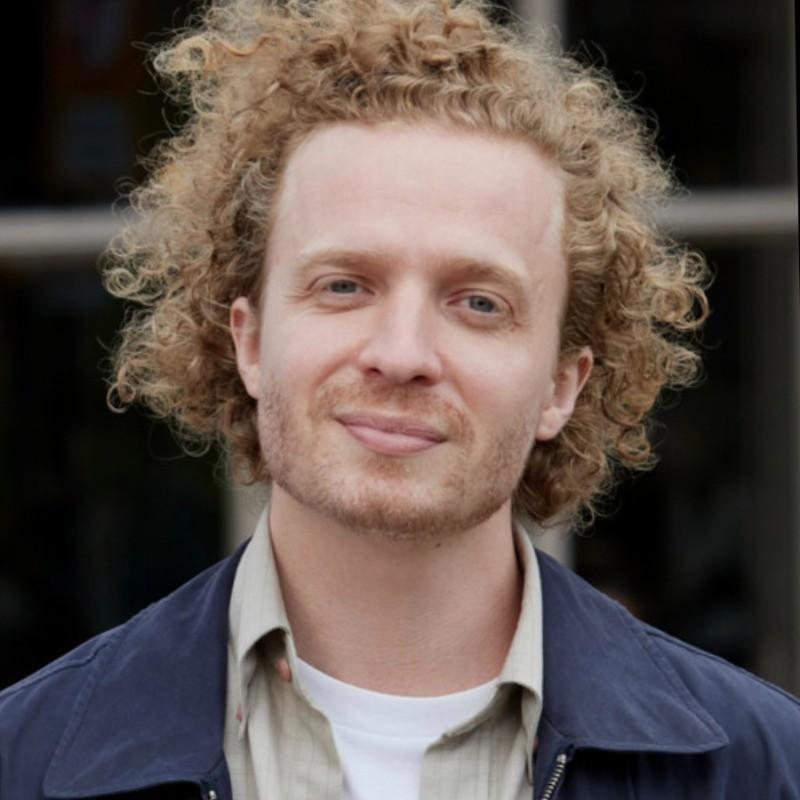
In this episode of all about business, James talks with Gregory Nice and Jack Stanton, Co-founders of NICE Productions. Together they discuss growing a modern creative agency in the age of social-first content, multi-channel marketing, and AI disruption.
Gregory and Jack share how they built NICE Productions from weekend side projects into a London-based creative agency producing campaigns across TV, social, radio, cinema, and out of home. They reflect on starting young, balancing creativity with commercial reality, and how long-term client relationships helped them survive industry shocks, from COVID, to strikes, and shifting media budgets.
The conversation explores how creative agencies can stand out in a saturated market, why multi-channel campaigns now matter more than single-format ads, and how low-budget, high-impact content can outperform expensive campaigns when it connects culturally. They also discuss the real impact of AI on creative work, why human creativity still matters, and how young people can break into the industry with fewer barriers than ever.
This is a candid conversation about building a creative business, staying relevant in a disrupted industry, and creating work that cuts through in a noisy world.
02:42 launching NICE Productions
08:12 rebrand to ‘NICE’
18:44 standing out in a crowded market
22:05 AI disruption in content
37:53 why big ideas cost big money
46:43 turning virality into new business
57:34 landing big clients
01:02:38 how they generate ideas
Follow James Reed on LinkedIn:https://www.linkedin.com/in/chairmanjames/
Follow Gregory Nice on LinkedIn: https://www.linkedin.com/in/gregorynice/
Follow Jack Stanton on LinkedIn: https://www.linkedin.com/in/jack-stanton-544b6815b/
Find out more NICE Productions here: https://nice-productions.com/
[00:00:38] Well, today on All About Business, I'm really delighted to welcome not one guest, but two. Um, I have in the studio today with me, Gregory Nice. And Jack Stanton from Nice Productions. Thank you both for coming in. [00:01:00] Thanks for having us. Nice Productions is a London based creative agency, um, that basically makes ads and other forms of communications.
[00:01:11] I know them well because they've done a lot of work for re in the past, so to declare that right up front. And, um, we'll be talking a bit about that in the, in the course of our conversation. But their work spans tv, digital radio, cinema, outdoor media, and short form narratives. Um, and I'm acutely aware that lots of young people especially want to get into sort of creative.
[00:01:34] Industries. Um, you, Gregory actually did that. You started this company in 2011. Um, how did that happen? What was your sort of origin story? Um, well, starting in 2011 is when I registered the name Nice Productions, but I wouldn't say we actually launched properly until pro. So 2015, 2016 when Jack came on full time, before that [00:02:00] I was working in film and TV as a production assistant all the way through to then being a production manager by the time that I stopped doing it professionally.
[00:02:09] Um, and I was working on ads and I was working on TV shows, but at the same time, on the weekend I was making content for startup brands and friends companies and music videos and everything else that you do when you are sort of a young filmmaker just starting out. Um, and at the same, so, so to be rude, how old were you in 2011?
[00:02:32] Oh, uh, 20. So you were literally starting out in your working life. Yeah. You've got a job. Yeah. Yeah. So as an assistant. Yeah, exactly. But you'd also set up a company, I mean, that shows some sort of imagination, I would say. I mean, well, I'd always a side hustle. Yeah. No. Well, I'd always been that person who throughout school I had the secret, uh, tuck shop, like under my desk.
[00:02:54] Oh, you was a wheeler dealer, something. Yeah. You know, I would go, I would go to Booker on the weekend before I went back to [00:03:00] school with my dad and I'd, I'd spend 50 quid and turn that into two hundreds. Um, so I, I, I'd always wanted, I, I think I had always had that entrepreneurial spirit of wanting to do something.
[00:03:11] And at the same time I was really into theater and very much into movies. And I, and I always wanted to move into more of a creative space. And so when I finished university, um, it was kind of, I, my career trajectory was sort of, 'cause I did English literature was become a lawyer or. Go into film and tv and I knew that film and TV is what I wanted to do.
[00:03:34] Uh, and so I did that, um, yeah, for three or four years working my way up. Was your dad pleased you didn't become a lawyer or not? Um, he, honestly, he's, he is not something, he was relaxed. I, I think he, he loves film as well, so he was, he, he was quite, uh, positive that I was moving into something that he thought was pretty cool, to be honest.
[00:03:54] Oh, so it wasn't, it wasn't something imposed from your family, the law idea. No, my grandfather [00:04:00] was a lawyer and he was, I, I enjoyed talking with him and having arguments around the Christmas dinner, but, um, and I thought that was something I wanted to do. But, but also my love of film was once I finished university, I decided that was something I wanted to pursue more.
[00:04:14] And at the same time, Jack was, uh, working as a video, art was studying as a video artist and, and then working as a video artist. And so our, our skills there, uh, was just a good collaboration. And as I was saying, like over on the weekends we were making other projects for other people. And in the evening I was going to lots of staff up events, like Escape the City, um, Silicon Roundabout.
[00:04:38] And I was meeting startups 'cause I was both a startup. So this was in London? This was in London, yeah. Um, and at the time the startup community was massive. I, I don't, I'm not so involved in it anymore, but that was a way to meet new brands and. Um, who knew that video first content was the way to go, social first video was the way to go to build their brands.[00:05:00]
[00:05:00] And so we were sort of at the forefront of, of that change in marketing, of social media, video first, um, you know, brands wanting to be out there online. And so we saw a niche and after three or four years of yeah, of, of both working full time and then also creating content in the evenings, weekends, whenever I had time.
[00:05:22] Um, yeah. Come about 2015 and 16, I stopped working, um, as a production manager and decided to pursue nice productions full time, which also perfectly coincided with Jack, um, finishing his university career and, uh, working as a video artist and coming on and working with us. Well, that's a good segue to you, Jack.
[00:05:42] Um, so you, you started out in visual arts. And video as Gregory just described. So what, what attracted you to nice productions? Why did you decide that you were gonna join Gregory? What happened? Well, I mean, I, so I went to art school and [00:06:00] mostly did video, some performance based stuff. So it was a skill that I developed, but in a, you know, much more sort of open creative sense.
[00:06:09] And I think it was maybe my second year onwards that we actually started working together in the holidays. Um, and also, bear in mind, Jack's a student and I was earning some money at this point. So it was a good way for him to earn some money on the weekend. Yeah. Yeah. Yeah. Um, but yeah, I mean, it was a skill I could apply and obviously, I mean, working with an old friend, I mean, I'm not sure if we've actually said that Greg and I have known each other for a very long time, since we were 13.
[00:06:33] No, you haven't said that. That's gonna be my next question. How did you meet? So you, were you school friends or something? Yeah, yeah, yeah, yeah. So you were school friends and you got going and then you saw this, so you now partners. Is that how this is organized or Yeah, yeah. Equal partners. Yeah. 50 50 is it?
[00:06:48] Yeah. Right. Okay. That's good. So although it is, you know, nice productions, there's a, you know, a bit of a sore spot there that, uh, well, a company was started by you. That's Greg. So, and it's quite a good [00:07:00] name isn't I thought it was quite, was an excellent name. Yeah. So, yeah, and, and generally speaking, when you, I think it's memorable to clients as well.
[00:07:07] So we've had conversations about it in the past. Um. But ultimately we, we've always come back around to wanting to stick to it and we're having that conversation right now. Again, because, I dunno, sorry if you, if you already have this on the piece of paper in front of you, but, um, we, we are now thinking about moving to moving away from nice productions and moving to nice and just being nice rather than nice productions.
[00:07:32] Because we have moved away from just being a video first production company to being a more full service creative agency over the last four or five years. Right. And so we, so we don't wanna be specific to production. So we're, people use the word nice a lot, don't they? Go nice. You know? So, but isn't that already sort of widely registered and applied in other business situations?
[00:07:55] Yeah, but it's my, it's my name. So that allows you a lot of leeway in being able to use it. [00:08:00] Yeah. 'cause in the way that, you know, like Nice, the drug company. Um, the drug evaluation drug. Yeah, exactly. I don't think they could sue me for using the word Nice. No, I don't think they could because, yeah, because it's my name, so Yeah.
[00:08:11] You should probably double down on that. Yeah. Multi-billion hard drug testing company and see what, what happens. Yeah. You're grateful to your parents for giving you this name. Yeah. Well, it's very memorable. It works. And you, and especially in a space where you're trying to create cut through for people.
[00:08:24] Exactly. That seems to make sense. And we, and we like it as an ethos as well. Mm-hmm. Yeah. You know, not just, not just in you should be nice to deal with. Exactly. Yeah. Right. And that is something we hear a lot, a name to live up to, in fact. Yeah, exactly. Yeah. Yeah. That's right. What were you gonna say, Jack?
[00:08:38] That is something we hear a lot. You know, I think, um, especially in film production, uh, you know, there is a bit of a, a kind of a culture of, what would you call it? Sort of, it's just a bit sticky, isn't it, at times. Bit, bit sticky, bit kind of inaccessible. People like to play with all the kind of fancy gear and set up like barriers between the people making the work and who they're working with, [00:09:00] um, which has just never been something that we've done.
[00:09:03] Right. Yeah. Mm-hmm. Okay. So you, you, you, in terms of thinking about changing the name, just a nice, you're actually changing your sort of approach as well. I'm hearing sort of widening the number of possible business lines you might offer. Exactly. Talk me through that a bit. What, what's, what's in your mind?
[00:09:22] Um, well, quite honestly, a big part of this comes down to our relationship with Reid because, um, prior to to working with you, we were video and photography. So, you know, a lot of our campaigns were video with, and then also with a sort of subsidiary of photography. So it'd be, it'd be video first. Then there, there might be a photography campaign to support it.
[00:09:45] But working with Reed was the first time that we actually had, uh, multichannel. So it wasn't just. Video and photography. You also asked, asked for the photography to be out of home. So it, that is an extension of [00:10:00] the photo, the photography part of the work that we were doing previously. But it is, there's much more involved in technically in delivery, in deliverables and working with, you know, the media agencies and the media buyers, which was something we hadn't really done before.
[00:10:13] And then also you asked for radio, which in, to be completely honest, we'd never done before. So we were very happy to learn how to do that. And um, now it's something that we offer to quite clients quite a lot and like online, um, audio ads especially seemed to be something that people are pushing towards more and more.
[00:10:32] And a lot of the people we work for now are asking us to do Spotify ads for them, um, which is great because it's. Fun creatively, and it's relatively cost effective for brands to do, um, for us to write a script and then to record a 32nd ad is not the, is not the same as a TV ad, which is a quarter million pounds.
[00:10:50] You know, it's like, well and more. It's, it's, you know, a 10th of that easily. No, I love radio for that reason. Right? Yeah, exactly. So this is interesting to me [00:11:00] because, you know, we wanted a campaign that was multimedia that would reach people in different ways depending on what they were doing. So radio, out of home, uh, video, tv, all of those are important channels.
[00:11:13] Uh, as well as well as social media. So it, it, you are in a sense adapting your business model to meet your customer halfway in terms of offering that service, is what I'm hearing? Yeah, I mean definitely. I, I, but it's, but it's also a bit of a chicken and egg situation is that I, I feel as though previously because we didn't have the experience of doing those things to doing the multi-channel, um, it wasn't something that we would sort of actively push or promote.
[00:11:40] Um, but now that we have the experience of doing it, it's something that we can then actively promote. So you, you, you know, a brand previously might come to us and say, um, we have this, uh, you know, social media campaign that we want to put out across Instagram and YouTube, and we want pre-roll ads and, but we also want branded [00:12:00] content.
[00:12:00] And we, um, with, with it photography, great. That's absolutely something to do. But now when they come to us, we can say, have you had a think about. An out of home campaign or have you think, have you thought about an additional radio campaign? Because you know, you're already spending X amount of money on the video campaign, which is the most expensive, and the video and the photography, which also can be expensive, but less so.
[00:12:20] And, but then here are these other channels that are you thinking about because we can support you in creating them and in some ways they're the most cost effective of all the channels that you're talking about. So it'd be a shame not to be having that conversation with you just because you're coming to us.
[00:12:34] 'cause we are a, well we were a video first social agency and now we are sort of a. Video, video first creative agency, but trying to push and try to push the all the other channels. Yeah. I can see how that would've evolved from, yeah. And yeah, we're very grateful that, you know, Reid gave us the opportunity to do that.
[00:12:52] Well, in, in this podcast we'll include a couple of ads and we'll make sure their ads made by you guys so people can evaluate your [00:13:00] work. Yeah, great. Um, while, uh, listening, um, so Jack over to you. How, how do you divide this work up? It sounds like, um, you, you have a good collaboration. Greg's the brains. I'm the muscle.
[00:13:12] That's pretty much it. What's that mean? No, um, so I mean, I I, I'll walk you through it. So, you know, every, every project has like a, a cycle. So at first you've gotta come up with an idea, you know, we are both across that. We figure that out together. Then once we've got the budget together, uh, we go, you know, we enter into pre-production and production.
[00:13:31] Greg is much more on top of the logistics and keeps an eye on the money, uh, whereas I stay more on the creative. When it comes to direction on the day, we are both, um, we are co-directing, but Greg's a little more, uh, if you looked around on set, he would, you'd say that he's the director, you know, he's a bit a little better at barking orders, at, at people.
[00:13:53] I might be by monitor or, you know, working with you, whoever's actually. So you're the art director, are you? Yeah. You are? I'm [00:14:00] officially creative director. Yeah, yeah, yeah, yeah. And then on the post end, that's where I take over more and oversee everything that comes in post. So you mean post-production?
[00:14:10] Yeah. And what is everything that comes in post? What are you talking about? Editing, music, color, uh, all the, the sort of nitty gritty of deliverables, various formats. Yeah. And you, and you've also, you know, over the years have also become quite savvy in the media delivery side as well. Mm-hmm. Yeah. You, you, I think because you've, you've run most of the product post-production side, then because you are creating the deliverables, you then also become the person who then has to communicate how those deliverables are put across all the channels, whether or not it's on social or, um, on TV or radio, wherever it is.
[00:14:45] Jack's the one who's communicating with clear cast and all the other, uh, agencies that you have to speak to about, you know, getting permissions and sharing the scripts to make sure that they Yeah. But that's a, that's a of area that people may be unaware of, but you have to get ads approved. Tell me about [00:15:00] that.
[00:15:00] How does that work? You mentioned ClearCast. Uh, again, this is, this is Jack, because I Okay, Jack, tell me about that. Jack handles this for me or for us? Well, well, very simply, um, scripts have to be signed off that they don't contain anything that is problematic in, in any way. So you, you submit, uh. Ahead of time, you get it checked in a kind of preliminary way, but then once you've actually produced the ad, uh, that then has to get checked.
[00:15:25] Um, but this is, you're talking about radio and tv. Radio and tv, yeah. Uh, on, but you can put a poster up pretty much without anyone checking it, can't you? Yeah. Yeah. Uh, that, that tends to sail through. It's interesting, isn't it? Which is strange, which is not something I've thought an awful lot about. Yeah.
[00:15:39] And social is also a bit of the Wild West as well. Like I think it's still, you know, um, people do get pulled up by the, the a SA about their social media posts and like you sort of things that you have to say. It's an ad if you're, if you're being paid for it, um, you know. Oh yeah. And these influencers, the influencers and stuff like that, they're meant to say that, but often they don't.
[00:15:56] But yeah, they're exactly, they're meant to and they don't, and so they do get pulled [00:16:00] up, but it is, yeah, as I say, it's still months later and no one knows they're being pulled up. Exactly. And then at that point, the ad spends already gone and it's already had its millions of views. And then. So I was really bad at Latin at school, but I remember the words caveat mTOR, buyer beware and they still apply.
[00:16:17] And so, you know, if you're buying something, don't rely on the advertising standards agency. Yeah, you need to be sure for yourself. I always think. Yeah, but it's good. I suppose that these extra checks are in place. Sometimes they can be a bit frustrating when you want to use a bit of creative license, can't they, Jack?
[00:16:33] Yeah. I mean I don't think we've ever had a problem with the creative. They tend to be quite lenient, but it might be on details like, um, it's the T's and C's that we're often figuring out with re uh, and that can get a little bit last minute sometimes to make sure all the boxes are ticked. Ts and C terms and conditions.
[00:16:48] Yeah, it's the same with Apply. Yeah. I mean it's sort of the same with all our clients. It's like, um, they just get very sticky about if you are, if you are saying that you are the biggest or the best and you are putting a number in or [00:17:00] however you want to sort of push or promote your brand as. In those sort of ways, then they, then they push back and say, how are you the biggest, how are you the best?
[00:17:09] Mm. And then you have to prove it or disprove it either way. And, um, yeah, that can get a little bit complicated. So then you have to change the, the wordage to, to fit right. The campaign. So from your point of view as nice or nice productions, whichever it is, I mean, this is a crowded space. There are lots of people making content.
[00:17:31] Um, lots of people doing what you do. How do you stand out and how do you stay relevant? I mean, that honestly is the million dollar question right now. And, and is something that Jack and I discuss pretty much all the time, especially as we are in a, what I would consider a growth period again. Um, you know, we, it's, it's, it's been a nice gradual incline and we would obviously like it to incline further, but, um.[00:18:00]
[00:18:01] I, I, I honestly don't feel like I specifically have an answer because there are so many people doing it, but we've also seen a lot of other agencies drop off when we haven't, when, you know, it's been, it's not been the easiest period of time, I think, across the board for any business to start and run a business in the UK from when we finished university to now, um, from, you know, the general global political climate that's happened in our lifetime.
[00:18:29] Um, you know, and especially things like COVID. COVID was a big killer of a lot of companies and brands that worked in our space. They just, I guess, didn't have the, the capital to survive that. And we were really lucky. And, and I think, I think because we have a, a really good relationships with lots of the companies we work with, and I think one of our big skill sets is our post-production.
[00:18:54] We were able to offer to a lot of our clients. Additional post-production work so that they could keep con [00:19:00] they needed content. And obviously we've been shooting them for years, so we were able to remix and reevaluate what it was that we had to be able to put out new content in the world over that period of time.
[00:19:09] So we were still getting paid, but I know from other people in, in the world, they really struggled. And then post that, um, there's been a big knock on effect in, in the content creation world from, uh, the FE film and the a foot proper film and TV world where, um, because of the writer's strikes and the writer strikes in America, that massively affected all the cast and crew who are working in the uk.
[00:19:37] So it kind of, it kind of had a knock on effect whereby, um, the people who were working in, in TV and film and working in, everyone just sort of had to scale down. So then there was a, a, a lot more people who were now who, let's say you were a cinematographer working in tv. TV's completely gone. So you are.
[00:19:58] So you're now reaching out to your network [00:20:00] of commercial production companies like us and saying, do you have work? So now you have big name cinematographers who are happy to be doing social media content because there's no other work in that system. So it was kind of a knock on effect that then the bottom end of it was then falling away.
[00:20:18] But I think again, we were just fortunate to be in the position that we have really good relationship with our clients and who we've worked with for years and years and years, and people like you and some of the fashion brands we work with, who, you know, want to do two campaigns a year with us, that we were able to survive that as well.
[00:20:34] We weren't knocked off the bottom by people coming down. So, so this, it's been interesting, this, this writer strike you referred to Yeah. Started in America. I mean, that was, that was a response to the dangers of ai, wasn't it, in part. Yeah. Yeah. I mean, I think so these new technologies coming in. Exactly.
[00:20:51] Yeah. Which again, is a disruption. Yeah. Is another, is another thing that I think has affected a lot of a lot of companies in this space. Um, in what way? [00:21:00] Well, I mean, to be honest with you, even with us, um, we were recently approached to, uh, create some content for a, um, quite a big, quite a big corporate, um, with their senior management team where they wanted us to go in and.
[00:21:16] They, they had basically created these scripts in relationship with an AI company, um, to speak for 45 minutes. So the, I probably shouldn't tell you this in case, in case you get an idea to speak for 45 minutes. And then the AI company was basically promising that after you'd been filmed in this multi-camera setup for 45 minutes, um, you would never have to speak on camera again.
[00:21:42] They could take that 45 minutes of footage and they could use it in perpetuity to, to make you say whatever you wanted to say. So you could just send them a script saying, okay. Let's say, I know for example, if, for you speak a lot in the press and on TV about the current state [00:22:00] of the employment. It's in the uk.
[00:22:02] So what they would say was, is that you could do a weekly outreach of talking about the current economy, the current, um, employments, uh, in the uk and. You send us a script, what you want, and in, I don't, they didn't actually tell me how quickly you'd get it back, but I imagine it was very quick in half an hour, they'd send you back a five minute video, multi-camera of you, of you in essence, talking about the current climate.
[00:22:30] And you could do that every week, every day. And they, and they were just, I, I guess they charged a fee anyway, we turned this down because, because we were basically being asked to kill our own job. And, uh, well, yeah, I had to say to the agency that was asking us, I was like, you do know what you're asking us to basically kill our own job, so thank you, but no, thank you.
[00:22:48] Um, do you think that's gonna take off? I mean, I mean, would someone want to watch some sort of avatar rather than the actual person saying what they think? I mean, that's [00:23:00] been my feeling on AI in general in that. I personally don't want to watch a film that was written, directed, filmed by an ai, and I don't want to listen to music that was filmed and directed by ai, sorry, recorded and directed by ai.
[00:23:15] Um, and I think my, this is, this is my general feeling on it, is why I'm maybe less worried than other people who are in the industry in that I think that's probably the general population's feeling on it, is that ultimately people won't want that. They, they want their relationship with the band that they, that they listen to.
[00:23:35] They want to go watch them live, and they want to buy the merchandise, and they, and they want to listen to it on Spotify. And same with film and tv, I think people don't wanna watch AI performers and they, they, they want the relationship that they, that they have from experiencing art visually. Um, so yeah, I, I, I'm possibly less worried about it, but [00:24:00] saying that, mm-hmm.
[00:24:02] When it comes to the, the ex, the example I just gave you where we, where we turn down the work, I think that that probably will happen. And so if you are a production company who's in that space making those type of ads as the corporate talking Headspace, then I think I would be very worried. The thing is, is that we are not in that space.
[00:24:26] We're in a very creative space where it takes Jack and I days and days and days of script writing and idea generating and storyboard drawing and everything else to come up with what we think are good ideas that help brands put out their messaging. And I dunno if people have used AI creatively, but it's just not good like you.
[00:24:49] I rather lazily every now and again, your last chat, GBT, to help pump up a script or. You know, you're in a hurry. So you just want it to support you [00:25:00] in some capacity. And it's, and it's no good. It, it, it can, it doesn't get humor. Um, it doesn't get humor. It doesn't really get creativity, and it doesn't help you generate ideas that are innate, that are any used to, I think, to a brand.
[00:25:13] Okay. That's my position. But, you know, maybe I'll, if I could add one thing to that, I think it, what AI does remind me of a little bit is in our earlier days we were to some degree having to outrun smaller businesses, making content themselves on smartphones. And so you are, you are constantly trying to climb the ladder and get projects that require some real, you know, some real filmmaking with, with AI now, I think that's what's happening is I think the idea that we should be scared about, or worried about, uh, films made in their entirety with AI is maybe not so much the issue.
[00:25:50] It's more that the lower end stuff is being mopped up by. Small businesses or medium sized businesses who can now just produce, you know, you see them [00:26:00] on Instagram, you can tell that the entire thing is AI generated. Maybe someone has dropped the logo on, uh, Photoshop or Illustrator or something. But if we were starting out now, it, that's where the struggle would be because there isn't that, that sort of, uh, entry point, first rung or it's not quite as easy to hop on because businesses can make these smaller, cheap things themselves.
[00:26:22] Well, that's happening to sort of entry points right. Across the economy. Entry level jobs are affected in the same way. Mm-hmm. Because AI's being used to do those more simple tasks very effectively. Exactly. And that's the problem. Is it, and, and I suppose the question is, how far up the value chain will that ultimately go?
[00:26:42] Will it go all the way to the top and do my job? Your job? You know, the, the jobs of the creatives and the commissioners. Yeah, I mean, I, I will there be two computers sitting here talking to each other in 20 years time? Well, possibly. Will they do a better job? I dunno. [00:27:00] I mean, as, as AI currently sits, I feel like it basically, it is already two computers talking to each other and because they're not that good at it, it's getting worse.
[00:27:15] So yeah. Any communication it seems to be having with AI is like they, they're generating more errors and Right. And I, and I feel that's your experience. That's what I, that's my experience. That's interesting. Yeah. Yeah. So you are not trouble by it in that way? Well, but in a different way that it doesn't work very well.
[00:27:31] Yeah. Okay. But I mean, obviously, you know, we're at the, we are possibly at the forefront of it, but who knows? And, you know, it probably will only get better as time goes on. Uh, and that is a worry. But like I said, it's quite, it's entirely possible. It's been overhyped and the whole thing will come crashing down as some, something that was sort of the emperor's new clothes.
[00:27:50] There's one theory I quite like, which is that AI will break the internet. Um, and that over the last 10 years or so, uh, well, there's a term, I'm not sure [00:28:00] the, the ification of the internet is, uh, something that I think everyone experiences and, um, that AI will actually hasten that and just make the internet, uh, a place that no one wants to be anymore.
[00:28:12] And maybe we'll return back to, you know, reality. And, uh, I quite like that as an idea. The ification, that is an official term, by the way. I didn't just point that I've that term before. No, but it's, I thought you were gonna start going on about the singularity, but you didn't. Okay. In ification of the internet, everyone.
[00:28:30] That's something that could be coming soon. Well, it's, it is already happening. You think it's already on us. AI might not knock be on the head. So if someone needs to clean out the stables. Yes, exactly. Yeah. Yeah. Where are you, Hercules? So, okay, so going forwards. Um, Jack, from what I've heard so far, you do more of the sort of choreography design?
[00:28:55] Well, no, I, I wanna be clear. Certainly, like, like Greg and I, and when it comes to, you know, [00:29:00] concepts and, and creativity, we are, we are very 50 50 on that, but. You particularly film projects? Well, you wrote, I mean, we did a piece of music. Um, you wrote it. I mean, you were being very nice to each other. Come on, let's get to the point.
[00:29:11] I mean, we can't do everything, both of you. Yeah, no, to be fair, I mean, I know it's called nice, but let's, let's try and get some sort of clarity. Hands up. Hands up who he does what I wanna know, to be fair, that camp, that campaign, uh, Jack wrote the theme music Ang He did. I know. That sang the theme music.
[00:29:25] He sang it to me. Yeah, he did everything. So, yeah. But the initial ideation was very much collaborative. So what was the idea? But, so this, this is our Love Mondays campaign. Mondays are working for me. Um, you wrote a song, an earworm, shall we call it, that has been quite widely played that lots of people know.
[00:29:48] But what was the, how did you get to that point from I just probably said, I want to love Monday's ad. Well, yeah, exactly. I mean, I think the, this is probably quite a good illustration of what often happens with projects, which is [00:30:00] you talk to a client, they have a, a history. Of, you know, if they're, they're marketing and you are wanting to take from that, move it a step forwards, but you're also always playing a game between the two of us of, well, what do we want to do as filmmakers?
[00:30:16] You know, what would be fun for us? And how can we make those two things overlap? And I mean, I remember, I, I think we were sat in a pub in, in London somewhere and we said, you know, how much fun would it be to do a big technicolor style movie musical, uh, you know, snippet for for Love Mondays. And so you start there and then you kind of figure out, well, how can we, how can we make sure everyone's happy if we do this idea that we'd like to pursue?
[00:30:43] So it ends up with a man jumping off a pink bus, a sort of flash mob in Wembley somewhere. Yeah, yeah, yeah. Which is what I remember recording with you, which was great. Mm. I mean, it was very interesting that had, I mean, the, I think the music's great. I, I enjoyed the ad very much. It, it just went down [00:31:00] badly on one program.
[00:31:02] Do you know what it was? It was a dance, it was the dances. Yeah. The people watching dances did not like that ad. I dunno why, but everyone else seemed to quite like it. But it was, there were a lot of angry comments on XI. After the darts. Yeah. Well this is where the, the media buying side is. Oh, that was quite funny.
[00:31:18] Yeah. Well now, you know, we don't put it in not to play or singing or dancing ad during the darts. During darts. So if anyone's doing a sort of CRE style ad, don't put it on in the darts. Yeah. Yeah. Just, you know, play your standard Heineken and uh, bet 3, 6, 5 ads fine. Exactly. Exactly. But overall it was a successful campaign for us.
[00:31:37] I'm very happy to share that. So people listening know it worked well. Great. Um, but one of the things I liked about it, it was this multimedia aspect because it's very expensive putting ads on television, but if they're supported by out of home posters, um, you get much more value for your money. Really.
[00:31:55] Well, we saw some out of home on the escalators on our way here. Yeah. Yes. Yeah. [00:32:00] Well, it was massive Monday, just this week, which was the biggest day for job applicants in the year. So we tend to advertise at this time of year. Oh, very nice, nice. So, yeah, so it's been a very busy week, so January and February are very busy for job applications.
[00:32:12] It's a lot of fun, uh, that the ad still runs. Obviously we have worked with a lot of the dancers that we worked with from the very beginning, and we've reused them and taken their characters and given their characters new stories and new motivations across multiple campaigns for you now. And I regularly get WhatsApp messages from them saying I'm on a massive billboard driving through Birmingham, you know, and I think that's very cool.
[00:32:36] Well, good. Well, I'm glad they like them as well. Yeah, and I like it too, to be honest. So, I mean, part of our motivation was to give. You know, young people, uh, an opportunity in terms of making and performing in these ads because, you know, we want to help people progress in their jobs and careers as a business, and that applies to the people who work with us as suppliers.
[00:32:55] So, uh, you know, I was delighted that you were up for it and had the idea that you had. [00:33:00] Now you are quite keen to talk about something else you're working on at the moment, which for me is under wraps. So, so what, what are you working on? Shall we, shall we, shall we share a little bit? Teaser, the listeners a teaser.
[00:33:11] Yeah. Yeah. I mean, so what are you working on now for, I mean, if, if you go back in the conversation slightly, it might be a slightly pertinent part of the conversation. We were speaking about it rather negatively. So let's see. Ai. Yeah, ai. Well, yeah, it may or may not be a, a thing that flies. So we are working on an AI agent at the moment that think you are working on some ads for Yeah, and I, but I think in, so how did you approach that?
[00:33:36] 'cause you, you're obviously not a huge fan of ai, we've just heard this, but you were then asked to do an ad to support an AI service. So what was your thoughts on your thought process? I mean, I'm not, not a fan. I think that, I think it has its place and I think, um, as you know, within the recruitment space, it having support in.
[00:33:57] But helping write your CV and [00:34:00] finding the right jobs for you by the, the data side of it is definitely massively beneficial. And I can see how if I was someone who was looking for a job and I could help automate the process somewhat, that would be amazing. I, I mean, I, you know, I know people who have left the industry and struggle to get jobs, and they talk about writing, treating, getting a new job, like a full-time job of writing cvs, applying on read on competitor websites, trying to find jobs and just say that it's, you know, it's both a full-time job doing it and pretty demoralizing in the process.
[00:34:35] So I think if there's any way that can make that easier and democratize it in lots of ways is to the benefit of, of both employers and employees. So, yeah, I'm hoping that AI, in that respect does really well. In the same way as I'm hoping AI cures cancer and does all the other things that we promised, it does, but on a creative side, um.
[00:34:56] Yeah, I, I, I dunno how much we're allowed to save 'cause we haven't launched it yet. But what we want [00:35:00] to do again, maybe we don't like it, we're just edit it. There you go. What we wanted do, say what you like. Well, we wanted a big, uh, sort of bombastic, futuristic idea that we could put out into the world that was very Reid.
[00:35:13] 'cause obviously reads always fun and, um, you know, the, from even back in the day when James Reed, the character, not you specifically, was this, again, like a big bong plastic in your face character? We, we had some steer 'cause there was a, there were edging towards this, this 2001 Space Odyssey idea, uh, with, with the teaser that had actually come from in-house.
[00:35:40] So we picked that up and ran with it. And, uh, actually it was, it was your idea to push it to the extent we did, uh, which was to continue, uh, James's, uh, cameos. Like, like we had in last one, like we have behind us here. Um, and to put him into space to make a [00:36:00] spaceman out of him. Yeah. You put me into space, will I ever get back?
[00:36:03] That's the problem. Spaced out. Spaced out. We are very excited about him. So we, we, we like it a lot. We think it's well when the, when we're ready to go, we'll, we'll, we'll post the ads. I might put a teaser in the podcast for anyone who's watching. Yeah. Um, but yeah. So, so you've done that campaign. So you've approached, I mean, I suppose you, what I'm hearing is you approach it with, I mean, you wanna enjoy yourself, you want it to be fun, you want your work to be enjoyable.
[00:36:30] Yeah, a hundred percent. I mean, that's a big part of, of our process always. I think sometimes probably a little bit to our deme detriment and our bank accounts detriment is that we run with an idea that, and we go as big and as bold as we possibly can with it. Um, the one thing that within this industry that everyone.
[00:36:50] Well, maybe not everyone knows, but it's, it's very expensive to make these things. There's lots of people involved, lots of very talented artists from costume designers, [00:37:00] creative directors, uh, art directors, cinematographers, et cetera. And, uh, it requires big teams who are expensive to bring these ideas to life.
[00:37:08] And, but, you know, we like going big. We like putting James in a very cool space suit and flying him on ropes. But one of the reasons I like you in the beginning is you weren't as expensive as the others because you were starting. I still think we're very cheap, James. So, you know, you wanna watch that because that's one of the problems with, with advertising, especially television.
[00:37:29] Yeah, yeah, of course. How expensive it is. I mean, not the making of the ad and then the, the playing of it, you know, buying 30 seconds. Yeah. Yeah. Cost a fortune, of course. But I think, I think the thing that, um, we probably excel at beyond TV is that, as you say, because we are creating these multichannel ads for you, we were always thinking, okay.
[00:37:50] Here's the, here's the expenditure, here's the spend. How much can we get from this? So, you know, where before maybe you'd only have a [00:38:00] TV ad. Now we are thinking, okay, well we have a TV ad. Maybe we could have a, a 30 seconds, but maybe we could have a 42nd cinema ad. And then we could also have the Outof home and we can have social cutdowns and we can have verticals for your phone.
[00:38:16] And we're already thinking about radio. So you know what used to be a huge spend just on a 32nd TV ad. We are now thinking a much smaller spend, but that we can push a lot further. And I think that's beneficial to, well, there are many more channels now that people can exactly assume. Exactly. So it makes more sense to do it that way.
[00:38:36] I suppose that's a big change in, in the market. Yeah. What else are you working on that you can talk about? Let's wait. Sorry. Let's wait for this motorbike. Yeah.
[00:38:49] So what else are you working on that you can talk about? What can we talk about? I mean, I think the, the big one for us right now is, I mean, we are recording this just after Christmas, so this is a [00:39:00] pre-Christmas campaign, but we've been working with ISU on, um, a few campaigns, which for us, the first time a, uh, organic campaign has gone what we consider sort of mega viral.
[00:39:15] So across the two campaigns that we shot for them towards the end of last year, they both achieved over 20 million organic views Together. Together, yeah. So what was going on? Well, the, the, the one that, the, the big one and the, the one that probably most people will have seen because of how viral it did go was, um, the Wilsdon Raider Christmas campaign.
[00:39:36] I didn't see it, so didn't describe it to me. Please. So it's an, so it, they, they're describing it as the anti Christmas ad. So, um, ISU struggles with, uh. Uh, people wanting to go and eat dim sum and noodles pre-Christmas and in January. Yeah. It's, it's not the sort of No, exactly. People want their Turkey and potatoes.
[00:39:53] They're not thinking about B buns and chicken kasu. I, I dunno if they dish cat, [00:40:00] but let's say noodles. Um, and so it's not a good time of year for it, so it's not a good time for it Italy. So that was the, that was the emphasis behind the ad. Um, we'd also, we'd already made an ad with the Wilsdon raid, who is a gentleman who went viral sort of 10 years ago, um, for getting a bit silly at a football game.
[00:40:18] Let's put it like that. A wilsdon raid. What football game? Who is the Wills? A Wilsdon is a very small football team, obviously in North, well, I know where Wilston is, Northeast London. So it's a it's a small Northwest London Northwest, sorry. Yeah. It's near Halston. Yeah. Yeah. So, so Wilsdon have a football team.
[00:40:33] They have a small football team. I think they're in, you know, a, a Sunday League or like, you know, one of the smaller, smaller leagues and. I, I, so, yeah, so he, he, he says some funny lines, right? Like, you've got no fans, you've got no, and lots of people know it. And also lots of people we were speaking to who said, so you were aware of this before?
[00:40:51] I actually wasn't. And neither were Jack, like, yeah. So, so how did it come under your nose then? Then? So we've been working with a data agency called Block [00:41:00] Report, and they basically generate, um, for brands these very heavily data led, uh. Reports. I mean, what, what, what you're saying sort of blowing my mind.
[00:41:11] So you're trying to sell chicken cat soup in December and you're using a bloke from Wilston Football Club. Yeah. Who used to shout abuse at the three opposing fans. Is that the concept? Yeah. Quite honestly that it was the concept. It's quite wild. This is quite a sort of, it's quite obscure. Yeah. It really obscure, but somehow it hit some note.
[00:41:30] Well, it's speaking the language of the internet, you know, it's meme culture and in, in this case specifically, it's nostalgia meme culture. So, you know, this idea of organic candid moments with, uh, characterful individuals, you know, this has been around for 10, 15 years now, and it it's got its own history.
[00:41:49] Yeah. Okay. To draw from so organic candy moment with this individual. But what actually happens in this meme. Well, I describe in the, in the original mean? No, the one you made. Oh, right. So what happens? Why did it go viral? I don't, because I still [00:42:00] can't see it in my mind. I, I, I, I, I don't know why I, I can't think that we have a specific reason when it viral, but it's kind of what Jack do you, the original one we have, I think we have to describe No, Jack, you have to describe it.
[00:42:10] Yeah, yeah, yeah, yeah. Okay. So, so the original video, uh, we are at a, you know, a low league, uh, football match, and someone's winding someone else up. He became known as the Wiston Raider, but he was there sort of shouting, uh, relatively good natured abuse at the opposing team. And someone comes up to him, they're filming, and his mate sort of sort prods him a bit and, you know, has a little chat.
[00:42:34] And the guy goes as if he's like, maybe gonna square up to have a fight with him, but he doesn't mean it. He's, he's joking, but he's, he's also, he's playing a part, he's also five foot. Yeah, he's a very small man. Right? Yeah. Yeah. So he's in the joke, which I think pays, it plays for the humor of it. Yeah. Yeah.
[00:42:51] Yeah. So he became like a beloved character. The idea was, uh, okay, so his iconic line was you want some [00:43:00] that then became, you want dim sum and that that was the in. Yeah. Yeah. Quite simply, it's, you want some, you want dim Sum and that's the in, so then the Christmas, so, so you then had to go and sell this idea to someone at isu?
[00:43:15] No, ISU was already bought into the idea. So they knew the, the, the line. You want some some dim sum? Yeah, yeah, yeah. Oh, so they just told you to go away and make it, did they? Yeah, exactly. So they, they gave us budget to go away and make it, and then that went very viral. That did super well. And then pre-Christmas, they then wanted to do another ad.
[00:43:31] Um, and so that, going back to what I was saying before, it's who does very badly pre-Christmas in terms in comparison to the rest of the year. So they wanted to turn in, they wanted to make an anti Christmas ad, you know, against the backdrop of John Lewis spending 5 million pounds on an ad they want to spend.
[00:43:51] Not, not 1% of that to make a no, to make a Christmas ad that had the same sort of messaging, [00:44:00] but anti, and so, so this ad is basically, the Wilsdon radar is trying to hand out dim sum pre-Christmas saying you want some, you want some dim sum handing out Christmas to a, a Christmas fair, A Christmas market.
[00:44:18] And um, yeah, I mean that's, that's pretty much the whole ads. There's not much. So if anyone wants to look at this as a sort of study in contemporary marketing that goes viral, where do they find this stuff on? It's who? Instagram? Yeah. It's and TikTok. Yeah. And you'll see that it's got hundreds of thousands of likes across the two.
[00:44:35] And Yeah. Um, from a creative perspective, what was quite fun about it was the original adsd. The objective was to imitate the original video as closely as possible. So even, you know, making the quality very bad, making sure the angles were right, the people walking in the background, the idea was that you might think you were watching the original, um, artifacts.
[00:44:57] And then to move away from that [00:45:00] into a more clearly ad space with the same character, uh, was a lot of fun. And it didn't just get picked up by the general populace who seemed to apparently really connect with it. It also within, you know, the marketing community got really picked up as well, and by other brands.
[00:45:18] Other brands seem to really like it. And, uh, you know that the retweet comment section below it was all Greg's, Waitrose, et cetera, all commenting underneath it, getting in on the gang. So that, that, so that's good in a way for you, but they dunno who made it. Other than I just know it's izu. Yes. But other than, so how do that, how do you then use that as to your advantage as a, as nice the company?
[00:45:43] Well, ultimately we then try, if, if, if we see that interaction online with them, we will then try and approach their marketing company, the, the marketing. So have you had any success with that subsequently? We've had some good conversations that hasn't, so, which honestly, I'm kind of surprised by because [00:46:00] the, the, the intersection between, um, the person who runs the social media account, who responds to a viral video to the marketing team within said company to, uh, then a cold email approach seems quite hard.
[00:46:20] But, but quite honestly, yeah. Uh, we, uh, we've had some really good responses and from some relatively big brands, they said, oh, that was you. That's great. Let's have a conversation. Well, I mean, I asked you earlier how do you stand out? I mean, if, if you can become known as the people who can make. Low budget ads that go viral.
[00:46:37] I'd have thought that's quite a good way to stand out as a, as a person who buys commercials. Yeah, I'd be interested in meeting people who can do that a hundred percent. And hopefully that the adverts are sort of slightly charming and, and have like a a, a fun edge to them that works. But, so this is interesting to me for younger people who are thinking of doing this in the [00:47:00] future.
[00:47:00] I mean, they can almost make these ads now with their phones for next to nothing, can't they? Yeah, a hundred percent. And they perhaps should give it a go, which is sort of what you did, Gregory. Yeah, exactly. In 2011, I, yeah, I mean, I, I rode the same wave. I mean, I think ultimately the, the, the slight difference to when I started.
[00:47:20] So I would say that there, there's sort of been, um, that before, before, so to give you the history of, of how we were able to get into this business and how the business has changed over the last. 15 years even. No, let's say actually it's, it's actually almost exactly two decades. So prior to 2005, the film industry was, uh, both film and commercial.
[00:47:48] Film was completely siloed because the technology was just so incredibly expensive. So you were either pre that film, filming on film, or you were filming on Alexas and digital [00:48:00] cameras, which were just astronomically expensive. So the process by which to hire them and have them on set, you needed cinematographers and cranes and et cetera, and you needed assistance.
[00:48:10] It was, it is a whole process. They needed lights, you know, then you needed lights. That was 20 years ago. So that was 20 years ago. And then what happened was is the five D came out, which was made by Canon. Um, and that democratized, democratized filmmaking in general because it was a five grand camera that created a very beautiful image.
[00:48:30] Um, that you could, that you know, I mean obviously five grand is still a lot of money, but, well, it's not the same as what you were just describing. It's not the same, it's not the same as 150,000 plus a huge crew. So what happened then was, is that, you know, us in 2000, um, 11 other cameras came out off the back of the five D that further democratized it.
[00:48:48] Like, you know, we are being filmed in here by A seven S's, I think, which are made by Sony, which again, I think are a couple of grand each. But they, they create a very lovely image and you [00:49:00] could, you can shoot a film on that. You could, you can create short films, films, music, videos, whatever it's you want to do.
[00:49:06] So, you know, you could save up a little bit of money, buy a camera, buy a lens, and you could call yourself a filmmaker, which is kind of what, when we were going to go back, that's what we were doing on the weekend. We bought relatively inexpensive cameras. We bought some cheap lights and we made. Videos for social media, and we made short films and we made music videos.
[00:49:27] And then what happened is, is that then you could then make films on your phone, and that was the next citation of the whole thing. And like obviously then video has just completely blown up that everything's video now. Well, YouTube's huge as well. YouTube. YouTube is massive. Advertising on YouTube is massive.
[00:49:44] Um, you know, obviously Google is basically the biggest marketing, um, advertising company in the world. That's their main business model. And um, what, how that sort of affects us in some ways is that yet it has in [00:50:00] further increased the democratization of filmmaking and allows young people just to go out and make films with their friends.
[00:50:07] Um, you know, the thing is, is that, um, Danny Boyle very famously shot the latest 28 years later, films on an iPhone. So you can shoot a Hollywood movie on a phone that you can get on a contract for. I don't know, 40 pounds a month. Obviously he had the whole crew and everything else to make it possible, but he still shot it on the iPhone.
[00:50:30] And then for him it was because he shot the previous one on DV cams, which was a beginning of a bit of the citation of, of filmmaking. But they just, the image quality wasn't very good. Whereas the five D's filmmaking quality was amazing. And then to now where your iPhone film quality can be fantastic.
[00:50:47] And so my messages to people would be like, if you do want to get into making films and TV or advertising, just do it. Just take your phone, go and make a video with your friends. If you've got a [00:51:00] friend who's, you know, it seems to me that like everyone wants to be the next gym shark. So they're making some hoodies, make some cool ads of the hoodies.
[00:51:09] You, you can shoot in slow motion on your phone. You can shoot like in relatively poor light. You know, there's so much opportunity to make things and you can edit it in your phone. There's so much you can do there. So it is even more democratized. But for us as filmmakers, I think we've just got slightly lucky.
[00:51:27] As we were also saying earlier, it's like we rode that five D wave and we're able to start a business that has been able to supply both Jack and I with like, you know, a good living and like creating work that we love to make. And then we got there early, so then we were able to be a little bit above the iPhone, you know, phone filmmaking part of the, of the industry.
[00:51:51] So when people come to you now and, and you are then talking about the lower level [00:52:00] work where people just are happy for an influencer to be shot on their phone, we, we sort of ridden risen above that, be beyond that again, which is great. 'cause I think if you were starting out now and you were expecting to be able to start a very successful marketing agency that primarily shot video, it probably is very hard.
[00:52:18] Mm-hmm. Because you are competing against other. Guys and gal coming out of university school. Well, you need a good client, wouldn't you? Exactly. You need, I mean, that you need someone else say, I'd like you to do this for me. Exactly. And we got really lucky in that, you know, we had Reed and we have the other agencies we work with and we have other brands that we work with.
[00:52:35] And you know, a big part of what we do is fashion. And they, well, the message for sort of businesses is to give young filmmakers a go. I mean, what's to lose actually? Yeah. I mean that it's not gonna cost you a lot to make some of this content. No, and that's totally true. That's exactly happens. There's a lot of places you can put it out there.
[00:52:50] And ISU seemed to have done pretty well from doing this. Yeah. On what I imagine wasn't a huge budget. Yeah. So there's so from, so the [00:53:00] negative from your point of view is there aren't many barriers to entry to this business, but the positives for people think of getting going is it's definitely doable.
[00:53:08] Hundred percent. Although there are challenges. Yeah, yeah, yeah. But yeah, and I think that's, when I say we got lucky is we've kind of. We were kind of at the forefront twice in that I think it would be very hard to make a lot of money now. And obviously there are agencies who are coming through and, and have done very well.
[00:53:28] And I think especially the agencies that were very specifically influencer marketing led, a lot of those have sold over the last, you know, four or five years for tens, hundreds of millions off the back of using influencer marketing successfully. But I think less so production companies like ours who were sort of video first creative agencies, because there are so many of them now that it's hard to then stand out.
[00:53:57] So, you know, we just got very lucky to have [00:54:00] relationships with people, people I Reed. Okay. So, so what's next for you guys? That's a great question. I mean, so we, so we right in the middle of, of. Basically having a big rebrand from, as we were saying, from nice productions to nice, because I mean, it doesn't sound that big.
[00:54:17] No, I know. Well, it's for us, it's for us. It's for us. Big rebrands. Go. What? So, I mean, what, repositioning. Repositioning. Yeah. Right. So what, where does that take you hope, hopefully to the next level of the success that we wanna be at. You know, but what, what is that? I, I mean, quite honestly, it's sort of two or three more reads focusing.
[00:54:42] So five customers Yeah. Who have multichannel requirements. Yeah, yeah, yeah. Exactly right. That, that's, that's definitely, that's definitely the goal for us. We, you know, we have other friends in the industry who have taken, who've built businesses and taken them to that next level from [00:55:00] ours, which is, you know, basically for them is.
[00:55:03] Four or five reads scales. And then once you're at that point, you then have the scalability to take on more people in a new business role, which are obviously very vital because Jack and I don't really have that skillset. But we've actually taken on our first employee, uh, Frankie, who's the, our new head of production.
[00:55:22] So she's been sorting us in a production role, but she's also a fantastic new business woman. So we, she's been doing great work for us doing that. Um, and then you can scale, like, you know, we definitely need a, we definitely need a, probably a second full-time editor. 'cause a lot of the time we just get too busy in all the other capacities.
[00:55:39] But, uh, cashflow wise, it's just hard for us to take on an, a full-time employee when you're just not positive that. You know, especially for us, like, well, the big December, January, February, well, yeah, the income is intermittent, I suppose. Yeah, because it depends when the projects, it's very cyclical and like, we always know that December, January, [00:56:00] February are just tough months.
[00:56:01] There's not that much going on. And then we know that August is completely dead. And I think if you, if you, if you, if you have the cash flow to start taking on employees, you just have to know that over those months it's not going to make you struggle. And we are nearly there, you know, but for us it's just like a, a little bump and then we, we'd be safe and then it's an, but it, it's always been like that.
[00:56:23] I mean, but know our, it was, for us, it was doing work for Bentley. That was the first bump for us because that gave us the, uh, kudos to, it was a chicken and egg situation where you couldn't work for big brands and you couldn't work for a specifically like big luxury brands without having worked for a luxury brand.
[00:56:42] So getting to work with Bentley. Not only gave us the kudos to work with those brands, but it also seemed that it gave us kudos to work for other brands. Like for example, one of our big clients is the Intercontinental hotel chain. And we've traveled around the world with them and done projects, uh, both here in London or and across the world.
[00:56:59] And they're a [00:57:00] fantastic client and we make, we love working for them and the work we make, we really enjoy. But when we first met them, I don't think they would've spoken to us if we hadn't been already working for Bentley. Um, 'cause prior to that we were working for small, medium star startup. So how did you get the Bentley gig?
[00:57:17] Honestly, nepotism. Jack's mom worked at the agency that, uh, had, yeah, had a connection to, um, to like a, a driving experiences agency. They used to call 'em like red letter days. Um, I don't think that's nepotism, that's just sort of context, just so know. Oh yeah, no, of course. But so, you know, you know. Exactly.
[00:57:36] I mean, that's all. Well, that's often the more you work in this industry as well, the you, the more you realize that who, you know, is the biggest thing, the biggest part of the whole industry, the most successful. I'm just asking people to introduce you to people. Exactly. Yeah. No, and it was, you know, they didn't have to take a chance on us.
[00:57:49] It's not as though, um, it's not as though they had to work with us just because we'd been introduced to them. No, of course not. We had a, we had a back catalog of work that allowed them to trust us and they didn't have a [00:58:00] huge budget because it was a new project for them. And, but it, but you know, it was also amazing for us 'cause we got a fly out with a crew to Finland and we were filming the Arctic Circle and it was also probably for us, the first time we, we worked on a project probably of that scale.
[00:58:12] So even though the budget wasn't amazing, again, we probably over invested and took more people than we should, but the, the end product allowed us then to open more doors and, and now, and that, and, you know, probably even helped us meet you. And then from there. We would then, we would, we were able to scale up and then we able to meet Reed and then Reed was the next scale for us.
[00:58:35] So, you know, we went from being a video first social agency to then via Reed. We'd very much been able to massively push that. We're now a full service creative agency. So if people wanna see your work or find out more about you, where should they go? Nice productions.com. But surely I don't wait because we are gonna do a big website relaunch and [00:59:00] then Yeah.
[00:59:00] But obviously now go go to nice hyphen productions.com. But we are, have you got nice.com? No, I wish. I, I think, I think, um, obviously you, you'll know this, but we looked at buying new website addresses. Yes. And nice. AI I think was 350,000 pounds. Oh, that's much more expensive than read. I'm sure it was. Yeah, because obviously Nice is a bit more, maybe is more desirable, you reckon?
[00:59:27] Yeah. Yeah. Alright, well I'm glad the masks are cheaper but do own, but we do own nice do productions and even though we are moving just to nice singularly, we are gonna move to nice productions as our, as our primary website. But the most important thing is people know how to find you and they And there's the examples of your work there, I'm assuming.
[00:59:41] Yeah, exactly. So re's on there, Bentley's on there, so people continentals on that so people can see, see what you do. Yeah. Well thank you both very much for coming in to talk to me this afternoon. I always end with, um, the same two questions. I'm, I'm thinking I might ask one of you one and one of you the other or do you want to both answer both?
[00:59:57] Let's, both of you can answer both. So the first [01:00:00] question which I ask all my guests, 'cause at re we love Mondays, you know, that is what gets you up on a Monday morning. And I'm gonna start with you Jack. It's, it's a lot easier to get up when. We've got a fresh, juicy project, especially when you're at the beginning of it and there's all the potential and you're figuring out what you can do with this budget that someone's trusted you with.
[01:00:22] And like we were saying earlier, particularly with filmmaking, with marketing campaigns, it's this cycle and the ear, the earlier phase of it, when there's all that potential ahead. It's probably the most exciting part for me. That's what you love. What about you, Gregory? What gets you up on a Monday morning?
[01:00:38] Um, quite honestly, I get up very early, go to the gym. That's what gets me up. What, what's very early for you? Just so we know That's just showing off. Uh, I, I, I try, I try to leave between six and six 30, right? Yeah. And then, no, I was out doing a bit of training at six 30, so yeah. Good for you. There you go.
[01:00:57] So, um, the next question and the last [01:01:00] one is, um, in my interview, but why you, where do you see yourself in five years time? I'll ask you this first, Gregory, in five years time. Quite honestly, looking at the other businesses who, who, uh, you know, similar in size and scale, I, I would really like to be at the point where we were had a 10 ish employees and we were making just bigger and better ads that people hear about and love.
[01:01:31] And I'll be right by your side, Gregory. So you want the same thing, do you say? Absolutely. Of course. Well that's good 'cause you're a partnership. It would be a problem if you didn't, so you want the same. Well, that's fantastic. Well, I wish you every success and um, I hope you achieve that objective. I see no reason why you shouldn't.
[01:01:50] And, uh, it's very nice of you to come in and talk to me. And also thank you for making our commercials, which, uh, has been a pleasure working with you. I'm very happy to endorse you, uh, [01:02:00] to anyone listening as a good partner. So thank you. Thanks so much. Very much. Thank you very much. I really appreciate it.
[01:02:04] Great. Thanks. Is there anything I should have asked or I think. That'd be interesting to get into is how, I know you've spoken a bit about how you get new clients with, it's quite contact based, but you know, if there were in the contacts, how, how would you go about getting new clients? I could ask that.
[01:02:23] The other thing I was so interested in just reflecting is ideas, how you generate those, you know, you talk about going to the pub, is that, how shall we start with the client question, if there are any other thoughts on that? Yeah, I just gotta figure out how to answer that in an interesting way. I mean, we're reaching out with Frankie this new Oh yeah, I'm, I'm, I am, I'm happy to talk about it.
[01:02:44] Great. So, so just a couple of follow up questions. I mean, it's clearly very important for your plans for the future to win more clients, to build your client base. You, you've mentioned that contacts are clearly helpful. [01:03:00] What other techniques are you using or ideas are you deploying to help win clients?
[01:03:05] Gregory, if I could ask you, I, I mean. It's the hardest part of any industry, I think is, especially when you are sort of in the scaling phases to win new clients. But we, I, I think we use, we use all the current, current techniques available to us, like from, from cold outreach, which generally speaking we don't think is particularly successful.
[01:03:28] Um, to, but to the, the most successful thing for us is ultimately is asking the clients that we already work with to introduce us and, um, share our work with their wider network. And word of mouth is quite honestly, 95% of our business. Um, very small amount of it comes from SEO, you know, we get a few inquiries a year, which turns into, again, a few jobs via just people.
[01:03:58] I'm not even sure what they'd be [01:04:00] searching because I've never found our website online, but they do come across our desk. So, you know, that that is something that we're probably gonna look into pushing more into the future. Um, LinkedIn is a very good, uh, sort of cold outreach place, um, where, you know, we put our work on there and when our work such as the isu, sorry, I just interrupt you one second.
[01:04:23] I can hear the, just the truck. Um, we can start from LinkedIn again. Great. Yeah. And, uh, yeah, LinkedIn proves to be a pretty, a pretty good place to be able to promote our work. So, you know, for example, the ISU campaign, um, we were able to use that to both approach brands and start conversations with other people because it, because of the virality of it.
[01:04:50] People were posting their own stories, in their own stories about the work. So you, we were then able to jump on. So, you know, a lot of people were sort of [01:05:00] jumping onto the story in the way that was worked well for us, where they were saying, look, you don't need to spend 5 million pounds. Here's it. Sue's latest campaign, which has probably in some ways gone more viral than John Lewis has for, like I said, nor point, nor nor nor 1% of the cost.
[01:05:19] People were posting messages in similar way, and then we would jump in, Hey, we were the guys who made that. If you would like to do similar work, get in touch. And that has been really quite successful for us. So, you know, there are, there are lots of other channels and, and to get new business these days, but nothing is better than word of mouth trust.
[01:05:38] There's that trust. It sounds you, you, you really need to be on it though. You need to be super active Yeah. And alive to making the most of opportunities as and when they arise. A hundred percent. Super. Because you're right, every business needs to be good at sales if it's gonna succeed. And that, my other question that's sort of in my mind is this creative process.
[01:05:57] I'm very interested in ideas where they come [01:06:00] from and how you develop ideas. Um, because ideas are so important, again, to every business, to innovation, and to make a good campaign, you're gonna need good ideas. How do you, I I don't like the phrase ideate, I think, I dunno where it comes from, but, uh, corporate, it's a sort of corporate speak, so we won't use that word.
[01:06:17] But how do you generate ideas and make sure that you get the best thinking creatively? Well, I think, you know, we've now got 10 plus years of doing it together, so you might go away and have a few ideas, you know, by yourself and make a few notes and have a few, you know, things that you might ideally like to, like to create.
[01:06:37] But then it's about sharing it between the two of us. And, you know, maybe picking holes or, you know, strengthening things here. But what is that process? I mean, how do you do that? Do you go into an office or do you go to the pub? We've some What, what do you do? It's not formalized at all, is it? I mean, it's, we've known each other a very long time.
[01:06:54] I mean, sometimes we do, we do think about formalizing it a bit more, but a lot of time it just, so it's [01:07:00] informal. I mean, I wanna understand this because it's sort of important. Where do ideas come from? So yours is an informal process based on long period of knowing each other. Yeah. And you know, we, we'll create, um, a shared doc where we'll throw down ideas, however silly, however fun, however serious, depending on what the campaign is.
[01:07:21] And I think I, I sort of generate my best work sort of as I'm falling asleep or when I wake up first thing in the morning, I sort of, I, I do kind of have those, uh, creative epiphanies and I'll just. Get on the Google Doc and I'll, I'll throw down the idea no matter how jumbled or Goggled or it is, and then message Jack like when you up have a look and, uh, yeah, I'm always up later apparently.
[01:07:47] Sounds like it. Yeah. So you are, so, so you create a sort of repository for thoughts. Yeah. And you know, and it's not like, yeah, someone has an idea and you go, oh, that's not very good. It sounds to me that No, we are quite mean to each other. You are. But, but it sounds to me like you give [01:08:00] enough space for the ideas to sort of be left to cogitate and Yeah.
[01:08:04] Yeah. And, and you take ideas seriously. 'cause I, I think a lot of ideas get sort of killed off too early by people. I, I, I've observed. Well, you're trying to work out, there's, there's two main branches of whether or not something's interesting or captivating or fun or whatever it is. And then whether or not you can pull it off.
[01:08:26] You know, so you've gotta, you've gotta make sure you've got both of those things, of the execution of the idea. Yeah. Yeah. I think that's definitely true a lot. And probably in our relationship, a lot of the time, one of us will throw down an idea and then the other will be like, okay, but are they gonna give us a million pounds because this is a million pound idea.
[01:08:46] But, but this is a, a reason for having a partnership, I suppose. Yeah, because you wouldn't, if, if it was, if you were, if you hadn't invited Jack to join you and Jack hadn't wanted to, you wouldn't have been able to do that on your own, Gregory. No. You've been lost. Well, you might lost at [01:09:00] Sea. Lost at Sea. So you might, but you might've been in your own head, I suppose.
[01:09:03] But it's much more, there's a sort of dynamism by being a partnership that you would've missed out on. Yeah, no, it's great. I mean, we have a great working relationship and it works really well. Like so, so someone who wants to make a similar journey or start a creative business. In many ways should be looking for the right partner to spar off, generate ideas with and work with over a long period of time.
[01:09:24] Because there are benefits arising from that. Exactly. Would you agree? Yeah, no, a hundred percent. I mean, from back in the day when I used to, you know, attend all these startup events, the conversation there was always about finding the right partner. You know, in those spaces it was all about finding the right, um, technical partner.
[01:09:42] So if you, if you were coming up, whatever it was, whatever the app was, if, if you were more of the creative ideas person, they were always talking about find the right technical partner for you. And I think that's probably true of us, is that possibly I'm more of the technical partner and Jack's more of the creative partner, but together.[01:10:00]
[01:10:00] My, my creative side compliments both of our, our creative side and our, my technical side probably compliments Jack Creative side more so like between the two of us. We, we cover a lot of ground by, by having capabilities across the board. And that's, that's on the ideation side, but also all the way through.
[01:10:21] I mean like on set or on location. You know, filmmaking is such a collaborative, uh, pursuit and quite a large part of it is checking everyone else and making sure that problems have been spotted before they become problems. So whether it's something as simple as, um, well in that last shot, he's looking left, so you better make sure that, you know, we do that.
[01:10:45] Or if it's something more interesting, but half the time you are just politely and, you know, quickly going, actually no. So that's not right. We need to do this or we need to do that. So it, it goes all the way through. [01:11:00] Good. Mm-hmm. Well, that sounds like a good you. You've got your, you've got your back.
[01:11:04] Exactly. Yeah. Yeah, yeah. It's great. Yeah. Okay. Fantastic. That I think that covers the last bit. Thank you so much. Thank you so much. You both, yeah. You didn't cough once. I think I coughed a couple of times. I do. I didn't. Yeah. No, not really. You didn't notice? I probably did more. I don't know.
This podcast was co-produced by Reed Global and Flamingo Media. If you’d like to create a chart-topping podcast to elevate your brand, visit: http://flamingo-media.co.uk/