



Watch the episode
Listen to the episode
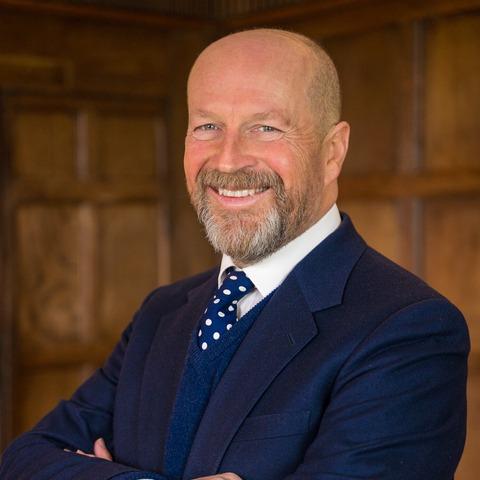
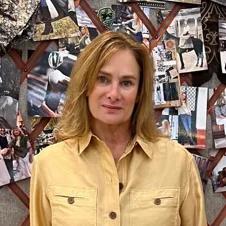
In this episode of all about business, James is joined by English Footwear Designer and Founder of the eponymous luxury brand, Penelope Chilvers, to explore what it really takes to build a creative business designed to last.
Penelope shares her unconventional journey from training as a painter to launching a footwear business in London as a single parent, learning her trade from the ground up without formal business training or a traditional fashion background. What began as a practical response to necessity slowly evolved into a globally recognised brand, built on craftsmanship, quality materials, and a deep respect for the people involved at every stage of production.
James and Penelope discuss how staying close both to the craft customers has shaped everything from product design to retail strategy. Penelope reflects on the importance of long-term supplier relationships, the value of learning by doing, and why steady, organic growth has consistently served her better than chasing trends or rapid expansion.
They also talk about growth and scale, from opening physical stores and expanding internationally to raising investment and introducing clothing alongside footwear. Penelope explains why slow fashion has become a genuine competitive advantage, and why durability, purpose, and trust now matter more than ever in an industry under pressure to change.
02:59 from painter to designer
07:59 the first big orders
15:00 sustaining quality and craftsmanship
22:52 family and business dynamics
29:50 expanding into the American market
35:52 men's range and iconic products
47:58 slow fashion and ethical production
Follow James Reed on LinkedIn:https://www.linkedin.com/in/chairmanjames/
Follow Penelope Chilvers on LinkedIn: https://www.linkedin.com/in/penelope-chilvers-a4b8a141/
Find out more about Penelope Chilvers store here: https://penelopechilvers.com/
[00:01:56] Today on all about business, I'm really delighted to welcome Penelope Chivers. Um, Penelope is an English footwear designer and founder of the Eponymous brand, Penelope Chivers. She makes wonderful shoes and boots, and she's expanding into other, other lines, which we'll talk about later.
[00:02:24] Um, she originally trained as a painter in London before moving into design work in Spain. And her, her business is, in a sense a, a fusion of British and Spanish style, but. Penelope's gonna tell me more about that in a moment. So thank you for coming in today, Penelope, and I'd really like you to begin at the beginning.
[00:02:45] Tell us a little bit about how this wonderful business journey of yours, which started 25 years ago, began. Hi, James. Yes. It's been, um, quite a journey and it's, it's, uh, taken up most of my life [00:03:00] actually now looking back. But 25 years ago I was, um, I was in my first career living in Barcelona, um, as a painter.
[00:03:12] And when, um, sorry. I'm gonna have, uh, don't worry. That's okay. Don't worry, because I was going to, I always take a bit of time to warm up. Don't worry, it doesn't matter. She's gonna interrupt you anyway. Something's happening with your microphone. Okay. I think the microphone is, is too loose again. Okay. It's, uh, it's, you might have to spin out again.
[00:03:30] Sorry. We have a problem with this microphone. Yeah. It's keeps, um. I can see it going down from there. Oh, penny, do you mind stepping out again? Hmm. Do you mind just stepping out? We'll try and fix it. So I'll start, I'll, I'll ask you a question again. Okay. What was the question again? How did I start? Yeah. 25 years ago.
[00:03:52] Yeah. How did it all begin?
[00:03:59] So [00:04:00] you went to art school, huh? But then you went to Spain and what you were doing as a painter, as in artist? Yeah. I trained as a painter. Yeah. Yeah. I've got, I know how I'll start. Alright. Don't work. I always say, but just, you know, to get, doesn't matter. It takes a bit of time to get into it. All our guests have fun.
[00:04:19] So, um, it's just, it's quite strange being in front of a microphone. And talking. So, well, I, I dunno that I'm looking forward to hearing this story 'cause you Yeah, I haven't asked you in detail before, so I wanna know. So do you wanna move those cups a bit near her so they look like she might actually be red or reach them?
[00:04:41] So that's good. Um, so when you're ready, I'll start again. I won't go right to the very, very beginning. No, no, you could just, no, it was a very good intro. Thank you. I don't wanna, I won't do it as well if I do it again. No. So, uh,[00:05:00]
[00:05:03] all good. So Penelope, let's go right back to the beginning. 25 years ago, how did you begin your business and, and why did you start the business that you did? So it. It wasn't a plan. I, so many people ask me, you know, did you, did you always want to be a footwear designer? Do you love shoes? Was that always your life plan?
[00:05:26] But of course it wasn't like that at all. I went to art school and thought that I wanted to be a painter. And, um, I studied for four years at art school in London and then went and, um, did an ma in Madrid in draftsmanship and drawing. And then I went to live in, in Barcelona, married my Spanish husband, and, um, tried very hard to, uh, make money as a painter.
[00:05:55] But I started, um, a family very early and [00:06:00] felt really, um, stupid going into the art, going into my studio and not being able to have a good day painting and coming out with something that could help us. Um. Make some money just wasn't enough for me. And so I started to change my chip and think I need to be more commercial, more quickly.
[00:06:23] And so I became a commercial painter, restoring, um, murals and painting furniture. And then from then I started working with Wood Turners and designing objects in Barcelona and working with artisans. And I think that was the, probably the beginning of my career as a footwear designer working with artisans because I really got very passionate about working with, with craft people who make things.
[00:06:51] And, um, then I came back to London, um, after the sad ending of my marriage [00:07:00] with two little girls and had to kind of reinvent my career because I'd lost what I'd started in Barcelona for those 10 years that I was living there. And. I was trying to work out what I could bring to London from Spain, because I feel like I'd probably done the opposite.
[00:07:17] When I went to live in Spain, was taking a little bit of London with me. Um, the interior design world and the, the painting skills that I'd learned in London had been so useful in Barcelona. And it's a long story, but I used to go riding in my lunch break in Spain up in the qui park, um, as one dozen Barcelona.
[00:07:39] You have very long lunch breaks and I would go for a, a short term. Sounds very civilized. Yeah. It's not like a trip to pret. Um, and I'd had a pair of writing boots made for me right to my own design by an artisan that I'd met. Um, at a trade fair. And, um, I used to ride, [00:08:00] I used to wear these boots in London, and quite a lot of my friends said, where did you get those boots?
[00:08:05] I want some too. So I started taking commissions, you know, first it was two or three pairs and I'd go down and see my artisan and say, you know, I want those made. So you had, you told him exactly sort of what you wanted at? Absolutely, yes. I drew the So you knew what you, you wanted for yourself. Mm-hmm. And then other people said, I'd like some.
[00:08:22] Yes. Yeah. That was, that was how you started. Absolutely. Yeah. I designed them. Um, so before we go further, you said you, you studied as an artist and you started out as an artist. Mm-hmm. And then your sort of, um, focus, let's say changed gradually in a way. You went from one type of artist to another type of artist, then to design furniture and then to artisan.
[00:08:45] I think I got ever hungrier to make money. You just needed to make a living. I really needed to make a living. And I got, um. I got great pleasure. I, you know, got great pleasure out of, of trading. But you, so, but you arrived in London effectively, from what you just [00:09:00] said, Penelope with two young children recently separated, divorced, uh, and so effectively on your own Yeah.
[00:09:07] Really short of money. And you had to, you had to fend for yourself Yeah. And build a business from the ground up on your own with these two little children, uh, in tow. I mean, that's a big ask. Yeah. Well, we, we literally used to So how did you do that? Yeah. I mean, we used, we, we often couldn't make it to the end of the month.
[00:09:27] It was, it was, it was really tough. But, um, but there was something about what you were doing that you really loved was because you obviously persevered. What was it that kept you going now? I just, I think, I ha I'm lucky that I always think that a door will open the next, you know, something will come. And I kept trying all sorts of different things.
[00:09:48] I tried to get into the interior design world, but it was pretty much. You know, I was in my thirties, a lot of people already established, and so I had to find something different and, um, I kept going [00:10:00] back to Spain to work there, um, on any job that I could get. But it was eventually, um, these boots that took off so quickly.
[00:10:11] Um, I, in my first six months, I sold a hundred pairs to the cross. There was a absolute craze in the cross. Notting Hill Gates is a great posh shop in Notting Hill Gate. It's, yes. And I sold kind of five pairs. They sold out in a day, 10 pairs. Then I was back on the plane down to see my artisan and Lucia and asking him to make more.
[00:10:33] Um, so you knew you were onto something here pretty early on? I don't think I did, no, because I didn't go to business school. I was trained as an artist. I don't think I did. I never, I never knew that I was starting a business at the time. What did you think you were doing? I just thought I was, I was.
[00:10:51] Making ends meet. You know what I was selling? I was putting back into the business, earning a business. And if I made a promise to someone that I would deliver, I would damn well deliver. [00:11:00] And, um, the same happened when I started, uh, trading. I went to PA in my first year. I went to Paris Fashion Week with a tiny collection.
[00:11:08] I started enlarging the collection from the first style into different other styles that, um, friends would ask me to make. You know, they'd say, I really like that boot, but I love it in navy suede. Or Could you do it in an ankle boot or could you do something else? And because I'm so creative and I love making things, of course, that got my juices, my creative juices going, and I would, I would dream up collections and I took them, I took once, went to Paris, uh, sorry, the, the first time I went to Paris.
[00:11:39] Um. I went with a collection of six boots and I planted them on the, on the table in front of me. I didn't even have an order book. I wasn't sure whether I would take any orders. And I took orders for three days nonstop. And when I got back on the Eurostar, um, at the end of the trade fair, I taught [00:12:00] totted up the orders and thought, my God, I think I've got a business going here, but how the hell am I gonna make them?
[00:12:07] So to ask a crass question, how much was the order book? It was, well, for those days it was big. I think it was probably about 30,000 pounds worth of. So yeah, definitely you've got a business of wholesale product and, um, only one man making them. Right. And he. He disappeared. He was, um, he was frightened off by this, was it, he was absolutely terrified.
[00:12:28] And he said, you know, you are just, you've just become so greedy since you've, since you've started working in London. And I said, it's not greed, it's need, it's an expensive city. And, um, if you want this business, you find a way to make them. Um, and and did he or did you have to find someone else? No, he went off wild boar hunting and turned, he didn't, we didn't have mobile phones in those days.
[00:12:52] He just, he just disappeared off into the wilderness to, so that's not very helpful. You've No, no. So you've gotta fulfill all these orders. [00:13:00] Yeah, but I was determined. And so, um, eventually I found some school friends of his that had a small factory. Right. Um, you'd probably call it a workshop in industry standards.
[00:13:10] Um, but they have been working for me now for 20 years. So. Oh, so that, so it's fairly early on you found your, your production partner and we've, we've grown together. Listening to you though, we had a, we had a jewelry designer called Kiki book, Donna on our podcast a while ago. And she said that her first collection was very much aimed at friends.
[00:13:29] And so see, and her advice to people starting out was, you make something you think your friends will like and buy, and if you can do that, then you know, you can then grow from there. And listening to you, it sounds like, you know, you were really close to the ground in terms of talking to people, hearing what they wanted, asking them what they would like, you know, they wanted blue suede or a different type of design, but you were very, very close to the customer.
[00:13:56] And that, in a sense Got you going so quickly, [00:14:00] it seems as, would you say that's a lesson? I feel that for someone starting, you still feel that? I still feel that. I still feel I'm very close to the customer. And how, how do you achieve that now? 'cause obviously the business has grown and you've got, because shops and well being the founder, everybody talks to me.
[00:14:13] About their feet. Right. And what they'd like and their, you know, if I go to a party, people normally talk to me about their feet, um, or the latest style that they've just seen that I'm, that I've made Right. Or the color that, um, they think is, is so on trend and beautiful at the moment. Or, um, and I also like spending time in my shops.
[00:14:35] I love it when I go there. I always, how many shops do you have now? Uh, we've got five. Five shops? Yes. And, and where are they, if I might ask? Um, so people listening, want to go and visit one of your shops? We've, we've got one in Notting Hill Gate, which our first shop. Mm-hmm. Um, and then we've got another one in Duke Street in Mayfair, another one in Elizabeth Street.
[00:14:57] Who's all in London? Yes. Yeah. [00:15:00] And then we've got one in the Kings Road, which is actually a popup, and that's about to close. Um, and how much long is that open for? I think we're, we're continuing for another month. So get down to the Kings Road. Yes. The Penelope children while you can, 'cause there's, yeah.
[00:15:15] And then you've got one in the world. And then we've got a beautiful little shop in store in the world, which has just had its first birthday. Right. So, so you spend quite a lot of time in the shop talking to customers. I often pop in and I say, I'm just going to pop in to buy a pair of sandals for somebody or something like that.
[00:15:32] I'm, you know, four hours later. Right. I'm still there talking to customers. I love it. So you, so your business has grown. I mean, you've got several shops. You also have a lot of trade online. Yes. What's your URL if people want to find you? How do, what's your penelope chivas.com? Penelope chivers.com and most of our business is done on our, done on our website.
[00:15:53] The, the stores are a small part of our business. And you sell in around the world, I'd imagine? Yes. We wholesale all over the world. Yeah, mostly [00:16:00] to America. So the, the the at the moment, I mean, for people who dunno, your brand, I mean, I would describe it as high-end. They're, they're very good quality, luxury, I suppose.
[00:16:10] Shoes and Boots. Is that fair? Is that how you would describe them? Um, yes. I mean, they're not cheap, are they? They're, they're sort of, they're, no, they're not premium price, but actually they're incredibly good value. Why are they incredibly good? Value? Because I'm a stickler for, for really good quality. We still make in the factories that I visit.
[00:16:32] Very often, and if it's not me, it's somebody else from my team. So we, we, we know, we know the, we know everything about how the product is made, so there are no surprises. Um, making footwear is, is a fine art. And, um, so, and I don't cut any corners, so I, I've stuck to my guns on that, on [00:17:00] quality. Um, when I've been offered, you know, cheaper, better, faster products, um, or production.
[00:17:09] Um, in further in places like China, I have said no because I've been very loyal to the people that I've been working with who really taught me my trade. So these are the same people for 20 years? Yeah. They're based in Catalonia. They're not in Catalonia, they're in, um, Moria Ali Cante, which is Valencia and, and Theia and Lucia.
[00:17:31] I can't pronounce those places like you can or anything, but, well, I, so in different parts of Spain, but you've really stuck to that Spanish Yeah, art artisanal. I have, I have, because I've learned everything and I've learned everything through them. And in d different factories things are done differently, so Yes.
[00:17:48] Um, and these people have, they've got it in their blood. They're shoe dogs. I've become one too. We've got it in our blood. We've been working in the shoe world for, you know, they, they've been working in the [00:18:00] shoe world for three or four generations. So what, what's it take? So you, you are very strong on quality.
[00:18:10] You've really just stressed that. What, what does it take to ensure that a shoe is really good quality? Because it's different to designing clothes, isn't it? It's a different process. It takes longer in many ways. It is. And so what, what do you really need? What do you need to look for to ensure that? Shoes are good quality as, as a manufacturer, as a producer.
[00:18:29] So I think the most important thing is the last, which used to be a wooden foot. Yes. That leather was stretched over. Um, now they're no longer wood, they're kind of, um, plastic or polyurethane, but they are actually melted down and reused. So, um, there's, there's very little waste in the industry in making new, new lasts.
[00:18:52] Uh, finding a good last and sticking to it is key. So what makes makes a good last? 'cause people's feet are all different, aren't they? And exhaust [00:19:00] different? Yes. But if you find a good last, like we depend upon, we have three or four lasts that the majority of our footwear is made on, and we know that it fits really well.
[00:19:09] And this is something you've developed over 25 years? Yes. Yes. So you've taken a long time to own it. We've not made, you know, we don't often make a new last really, because we depend on the ones that we know and. F So, you know and love these lasts. Yes. And that's the key to it. I had no idea. 'cause it's one of the keys.
[00:19:26] The other thing is using good materials. Yes. And the other, the other thing is, well you mean good leather or one other materials. Good leather, good soles. Um, good stitching. Cotton, you know, cotton threads. Um, good linings and craftsmanship. I mean, our, our, our, our craft craftmanship so's a lot of handwork.
[00:19:46] Yes. There's an awful lot of handwork. And we work with artisans and small workshops, so we don't work in big factories still. Um, the other thing is that we, we test everything when we get back, when we get our samples into the office. If you come [00:20:00] into Penelope Chivas, um. Office, you will see everybody in the office wearing shoes, sometimes one on each foot.
[00:20:07] But we test everything before we send it to market. Right. Yeah. So those original boots that you describe, you, you, you mentioned, will you describe them to me please? Yes. 'cause I want to ask you in a follow up question, but tell us what they look like. What, what are we talking about? So it is the boot of many measurements.
[00:20:23] It's probably the most difficult boot I ever made. Um, to reinvent it now would be, is quite hard. It's an equestrian boot, so it's cut, um, tight to the leg. You know, it's got a, an elegant ankle, a long shaft, a zip on the outside. And, um, you know, when you are riding that you can't have a zip on the inside because it can rub on your leg against the horse.
[00:20:46] Um, it's on a tread, so, um, which you possibly call a yard sole in the equestrian language. And it's made of a good, uh, it's made of, um. Uh, veg, [00:21:00] uh, a vegetable diet conquer brown leather. Right. Which has a beautiful pater and gets better and better with age. Um, so one of, one of your famous customers I happen to know is Catherine Princess of Wales.
[00:21:14] Mm-hmm. Who's had a pair of these boots, I think, for a very long time. 'cause she was famously photographed or filmed going to a monastery in Bhutan wearing your boots. And, and I think I recall that, you know, the sales shot through the roof at this time just because she chose to wear them. Yeah. And she keeps wearing them, which is good because she does, which she does, supports your case that they're high quality because they've lasted her many years and she obviously loves 'em well.
[00:21:40] She looks incredibly good in them, so I'm very lucky. Um, she actually just wore them very recently, just after Christmas when, um, on her birthday she released a beautiful film about being at one with nature. Right. And how important that is for the soul. And, um. She was wearing our [00:22:00] boots again. So, yes, I shouldn't make jokes about soles at this point, but, so that worked.
[00:22:04] So she loves your boots. She's a loyal customer. Yeah, and, and, um, I mean that's, but that, what, what's striking for me about that is how important that can be for business. You know, how the endorsement of someone well known famous celebrity can really help sales. Because I'm often saying, I think celebrities should be mindful of that and help small artisans, new businesses more by wearing things, showing things.
[00:22:29] And she's been a great advocate just through loving the, the boots by the really authentically loving the boots. Yeah. And, um, she wears, they're, they're an outdoor boot. They've got a purpose. Uh, they're a very purposeful design. Um, they're a great walking boot. And so, um, I'm great and she's had these at least 10 years I think.
[00:22:51] At least. Yeah. So they they're durable. Yes. Well, so a good boot. I do believe in making footwear that lasts a lifetime, you know, that lasts a lifetime. [00:23:00] And that boot construction, which we, we use in three of our workshops is called the Goodyear Wet. And that was, um, well if it was in England, it was a Victorian, um, piece of machinery that you, it's a double stitch sole so that you can take the sole off the heel and sole off and then re resol.
[00:23:22] And, um, it's, it's the most, it's, it's probably the best construction there is. And it's the most, most expensive as well. Right. But there is a, there's a sort of message here. It's worth spending some money on your footwear because it can last forever if you get the right things. Absolutely. And if you care for them.
[00:23:42] Yeah. And it's, and they're comfortable to work. Our customers really know how to care for their boots. 'cause you know what? Our product is no Polish. Oh, right. Shoe polish. That's that extraordinary, that's your best selling product. Sad price wise, that was good, but wonderful that people know how to look after their shoes.[00:24:00]
[00:24:00] Yeah, well they obviously love them. It's not something we even push, you know? We very rarely, uh, we, we should talk about it more. I should give more demonstrations on how to, I should give more demonstrations on how to care for your shoes. Yeah. So when you started the business, Penelope, you had two young girls.
[00:24:20] Um, I believe that both your daughters now work with you in the business, so they sort of literally grew up with it. Um, talk me through that journey. How, what, what, how does, 'cause it's now, it feels to me more of a family enterprise now if, if, if they're sort of supporting you in different ways. Um, well we've got 50 employees, right.
[00:24:39] Two of them happen to be my daughters, so I wouldn't call it a family business. Exactly. Um, I have an MD and we have a structure, um, like any. Good business. Good, well, well run business. And both my daughters came into the business at different times and for different reasons, but I think it is to do with [00:25:00] feeling innately, um, knowledgeable and passionate about a business.
[00:25:08] Through growing up with it and listening to me on the phone at home. I used to work at home a lot when the children were little, so perhaps it was that, that got them interested in coming into the business. Um, but they also both to be very artistic and they've been a great inspiration to me as well in style and design.
[00:25:34] So that, I mean, that sounds to me entirely positive from everyone's point of view. Absolutely. Yes. But you sort of hesitated to call it a family business. I mean, you don't, you don't like that description or you don't feel. Um, I think, no, I, I love the idea of a family business and, um, I think it probably looks like we're a family business from the outside, but as I say, when I think a family business means that, [00:26:00] um,
[00:26:04] that it's owned by the family. Right. So your business is more sort of widely owned. Yes, I have investors. Yeah. Yeah, yeah. Let's go into that. So you started off, you started off very much on your own with small children, but then you've grown the business and you've been able to do that recently through in raising funds from investors.
[00:26:22] Yeah. How did you find that experience? What would you advise to others seeking to sort of do similar?
[00:26:31] I'm, I'm not sure if I could give advice on that, but certainly if I'd had a different kind of training, I would have thought about where I was going to be in three years time at the beginning. And made sure I had the funds to do it and I didn't. I think it was much more a matter of, um, just feeling lucky every day that I could pay myself to do something that I really love to do.
[00:26:59] And, [00:27:00] um, I like to stay in that position as the, as as the creative director. Yeah. So, so you, you were sort of thinking more short, but it, but it is, you need money, don't you, to acquire the stock, I suppose when you had that 30,000 orders. Yeah. You've gotta have some cash to pay the people in Spain to make the boots and buy the leather and all.
[00:27:21] Absolutely. We're. And so you need a cash flow for that. That's, I imagine, quite substantial as a business grows. Yes, it is. And at certain times of year it's, um, it's absolutely critical. And you have a lot of stock. It's a complicated business. Yeah. So how Wholesale retail production. Yeah. So how, how, how, how, how, as you've grown, have you found support for that?
[00:27:42] How have you hired people? What do you look for? Um, what did you do?
[00:27:50] Sorry. Uh, what's the question? That's, well, how, how did you, how did you know, you said it's a complicated business. Yes. Um, how did you find, or, or [00:28:00] what do you look for in people to join you to make that, to fulfill what you wanted to do for customers in this more complex environment? Business is tough, isn't it?
[00:28:11] I mean, you have to have a team surrounding you that are absolutely determined to do all their best to make that sale. I mean, every sale counts. That's what I tell all my employees. Um, and so. Many young people come straight outta school or university and they are aca ac. They are, they have learned many, many academic, um, skills.
[00:28:43] However, the commercial skills you don't acquire until you start trading. And until you understand that how critical it is, it's, you are not really a cog in that wheel. And, um, I think that that's what I've [00:29:00] found. Whether you are on the shop floor or whether you are in, um, e-comm or whether you're in design, it's everybody has to work together to sell.
[00:29:11] And, um, so everyone in the team's a sales person in a sense? I think so. Yeah. Yeah. I like that. I like that. And, and, you know, and determined to make the business successful. I think that's right. 'cause whatever business we talk about, sales have to happen for it to be a business. Absolutely. It doesn't matter whether you're a lawyer or whether you're making shoes or selling shoes or you're in recruitment, sales is vital.
[00:29:37] Yeah. A lot of, um, a lot of people, I often give talks on how I started my business and um, I think a lot of parents come to me and say, oh, I have an artistic child who would love to get into fashion or footwear or, um, sorry, I just stop you there. So the motorbike, let's start that again. I like what you're saying.
[00:29:57] So, so you have a lot of parents there? Yes. [00:30:00] I, I give talks sometimes to, um. To my customers and I tell them how I started my business. And at the end of the talk, a lot of, a lot of women come up to me and say that they have children just leaving school or university who'd really like to get into the fashion business.
[00:30:17] And have I got any tips for them? And I always say to them to just, to just tell that or to suggest to their children that they jump right in and get into any business. Because until you understand how a business functions, um, you, you, you, um, sorry, I lost myself. Now we'll put you off. Is that tiptoeing across?
[00:30:49] Yeah. Don't worry. It's, um, so until you get, so you, you're, you're getting, what do I wanna say? I want, you're giving advice to these young people about getting, getting jumping in. So why, why do you think they should jump [00:31:00] in? What's useful about that? Because I don't think they, however many years they've been learning the academics of business, until you are actually in a business, you don't understand how much passion you have to put into making that sale.
[00:31:18] Yeah. Business is not an academic activity, is it? It isn't. They're the opposites. They actually are the opposites. Yeah. I often think that, you know, at school you have to write essays. I never write anything down much in business. I'm always talking to people you can't collaborate. That's called cheating.
[00:31:33] So you know when in business we do that all the time, you can't copy. That's a good idea. Yeah. So I, I think that's right and I think there's a sort of, there's, I've come across, I dunno if you have a sort of reluctance around selling. People say, oh, I don't wanna do that, or I don't like, I don't like that idea.
[00:31:49] I don't think the British are very good at selling, don't you? I think, you know, if you go to America and you see how wonderfully good they are at. [00:32:00] At selling. Um, and how passionate they are about business and, um, commerce. Even my customers, you know, the enthusiasm they show for me and my business is quite astounding and how much they support it because they believe in what I'm doing.
[00:32:19] We have a huge audience for this podcast in America for the very same reason I think that people are much more interested in business. Yeah. Um, so what can we learn from them, Penelope? What should British businesses and British business people be doing more of? I think they're very articulate. The Americans, I think they have a passion for, for business and work and a good work ethic.
[00:32:44] And I think we can learn that from them. So do you go there a lot? Are you, do you, so do you go there to sell and yourself? Mm, we're actually in Texas at the moment. Um, we have a, we have, um. A new showroom there. So we're selling the, uh, the winter collection. So you're selling [00:33:00] riding boots to Texas? I'm looking for, I like that.
[00:33:01] That's a Coles to Newcastle. Absolutely. Excellent. Yeah, we do. How's that going? Cowboy boots are our best selling boots, um, throughout the US and they have been for many years. Right. They're well known, um, for being, I think, incredibly comfortable and lightweight compared to the, the Mexican or Amer, or Spanish, sorry, or American made cowboy boots.
[00:33:26] So yours are lighter and Yes. More stylish. You don't need to run them over with a, with a truck before wearing them to soften them. Oh, right. Okay. Well that, that's a good selling point. So are you hoping to expand more in America? Is that part of your plan for the future? Yes. Yes, we are. I mean, we've been, um, would you open a shop there or.
[00:33:46] I don't think we'll do that at the moment. Things are too much up in the air, aren't they? And that would be a very expensive thing to do, but through wholesale and, um, Nordstrom, who are our main stockist in the US right. And they sell [00:34:00] throughout Nords, no, sorry, throughout the us, through, through Nordstrom.
[00:34:05] Um, they're a fantastic partner for us. So it's a very big market though, is then, so yes, we had Johnny Boden on the podcast and he was opening his first shop in Atlanta. I haven't had any feedback. It's probably open now, but that might be an out wonderful outlet for you. Wonderful. You can, you should see if you can put some of your boots in.
[00:34:23] Um, so you've, as I understand it, Penelope, you are sort of widening your range and you've started to introduce clothes as well as other accessories. This is a change in strategy. Could you explain why you're doing this? Yeah. Yes. And we've run the numbers many, many times over, over the last two years we've been thinking about, um, product and how to expand the range.
[00:34:46] And I think we've got our footwear down to a really wonderful place at the moment of a kind of, we have so many what we call our icons. We have some [00:35:00] great iconic styles that we've been selling year in, year out for many, many years, and they're still growing as pieces and then we bring in new product, um, in the footwear.
[00:35:12] But we felt that, um, what we really wanted to do was what we felt was a good, what we felt was a good business decision. Well, sorry, what we really wanted to do, sorry. We thought it was a good plan to sell. More products to the same customer. As you know, acquiring new customers is difficult and expensive, and with the state of the world at the moment, there's so much unknown about stability in, um, economies around the world.
[00:35:51] It's ever changing. And so we thought that if there's one sure thing, we've got a very loyal customer at Penelope Chives. So to be able to offer them [00:36:00] something above the knee instead of just below, it was a good plan. And as I say, we've run the numbers many times over to see how we could do that. And uh, we're now in our second season of producing clothing.
[00:36:16] So what sort of items, what sort of clothing is it you are focusing on? In the winter? We'll be focusing on, um, on outerwear to go with our outdoor boots and party wear, to go with our party shoes. Basically what I've started designing is full looks head to toe, starting with the feet. So feet a very unusual way.
[00:36:39] Ground up to design up, ground up, ground up, up. Yeah. So I know ground up and above the knee. These are new. I know how our customers wear our shoes, so I know, I, I know the kind of customer that buys a party shoe from us and I probably know what kind of dress you might like to wear with it or what jackets you might like to wear with are inclement boots, which are bestselling, waterproof, [00:37:00] long tassel boots, like the ones that we were talking about earlier that Catherine wears.
[00:37:04] Um, so I'm really enjoying this stage. It's absolutely fantastic for me, um, as a creative to be able to, to think about the full. The full outfit from, you know, but that's a big deal. Toe ahead. Yeah, toe head. That's a big deal though, having a whole new range of that. I mean, that's a big investment, isn't it?
[00:37:25] It ab It absolutely is. I mean, how, how many different sort of outfits or items are you looking? Well, it's starting very small. Yeah, starting very small and, um, was very small. It's a bit like starting the business again. Um, what's very small? Yeah. What do you mean by that? Well, in skews, so we, we have a hundred and probably 120 skews a season in our footwear and in our clothing.
[00:37:48] We have started with, in the first season, I think we had 30 and we'll go to 60. So you 30 different items? Yes. Is that what you mean by skew diff Yes. Different items. Right. [00:38:00] And, and so you've started selling clothing. We have. Do you have, and it's been very successful. Do you have some excellent. What have been the best selling clothing items?
[00:38:09] Um, the equivalent of the Tassel boot, the Jack, the, I'm wearing, um, a shilling gi at the moment, which I've called the incredible GI because it is the same as our incredible boots in that it's got a, a trim, a woven trim around the outside, just like our incredible boots. And then it's shielding on the inside, just like our incredible boots, which are our bestselling.
[00:38:29] So it's very comfortable snow boots. It's very comfortable and warm at this time of year and warm and, um, can be, you know, bought by the same person. Yeah. So having things that match your boots is quite clever. Well, it's a design. It's, um. Yeah, they're ni they're nice tramlines to work with him. Yeah. So the from the ground up.
[00:38:50] Makes sense. And what about other accessories? Are you doing that as well? Yes. We've always done other accessories. We make beautiful socks and, um, we also make bags, [00:39:00] um, wash bags, travel bags. So do you, did you, did you have a men's range at one point? We do a tiny amount of men's wear. So many for women, but that's not, that is not our customer.
[00:39:13] So that is a different industry. And what do you do in men's wear and, yeah, we, the only thing we do for men is our unisex styles. Right. Because I like to think that women can also wear them if they have, um, size 43. 44 feet. Yeah. So it's, um, it's an area that I love and I'm very passionate about. And if I have my way, I would introduce more men's wear.
[00:39:38] However, I have a very. Um, very good merchandising team who, you know, who persuaded me not to or dissuade me. Right. Well, I suppose it's good to know who your customers are. Absolutely. And to, and to give them the best Yes. Service and products that you can. And if it goes too wide, that might [00:40:00] Absolutely, yes.
[00:40:00] Might suffer as a consequence. Yeah. I mean, we look at, I look at the numbers every single day of what's selling and, um, so you said you had some sort of iconic products that year in, year out. How many would you put in that category? Um, we have about 12, 12 6 in the, well at the moment we've identified six in the summer and six in the winter.
[00:40:22] And the way I worked out how to design clothing was to look at for me and product, I mean, there are obviously many other ways of looking at what we should be making, but for me to look at those iconic six and six, you know, from summer and winter styles. That way I can kind of work out who the woman is, who's buying them and how she likes to wear them.
[00:40:45] Yes. And that gives you a, a, a sort of guide as to what to do for the clothing range? Yes, and I mean, you know, our, as I said, our product's so purposeful. I, I design product to go out and do things in. I don't really just [00:41:00] like to design product that just fills a wardrobe. It's really got to be useful. It's really got to play its part and I kind of know why people are buying them.
[00:41:09] So if it's an apri ski boot or a snow boot, I know that they're going to be wearing it in the snow. So I know that if they, if they're going to the snow, they want a jacket that they can also wear. Right. But this is a sort of knowledge that you've developed over time, a real expertise that feels quite uniquely yours.
[00:41:26] Yeah. And my big challenge now is to, is to get under the skin and get to know the families and produ the families. Of the producers and the factories and the factory workers and for the clothing. Yeah. Um, so where is that all made in Spain as well? I don't like working with middlemen. I like to be on the factory floor and getting to know them.
[00:41:51] And, um, so that is, that's so where are you Challenge, which I, which I love. I think that's probably what I most love about my job being there, back to watching it [00:42:00] being made design back to designing, working with those artisans that I met in Barcelona. So, so are, are your clothes made in Spain as well or?
[00:42:07] Yes, some of them are. Mm-hmm. Anywhere else that, any in the uk. Portugal. Yeah. Spain, the uk. Well that's good. Some of them are made in the uk Yes. And a little bit in India. Right. On cottons. Right. So do, do you notice any differences in those locations in terms of being able to where you were? I'm going to Delhi in two weeks time.
[00:42:29] Right. And I really look forward to, to meeting that factory. Um. So we, we, we've, we, our government's got this new trade deal with India. Is that helpful to you? I, we keep hearing about it, but is that gonna be good news for pen trading arrangements? I hope so. Yeah. I hope so too. Yeah, it'd be good to see on the other side is, is you know, the tariffs in the us are they Well, at the moment.
[00:42:54] Oh, what's that? How's that affected you? Yes. 'cause they keep changing, don't they? They do keep changing. I mean, at the moment it's [00:43:00] 10% for us. Um, and we've had to share that extra cost with our customer Right. And taken on the other half ourselves. So that's hit you somewhat. Yeah. Yeah. And what I've found is that, that, um, our, what what we land in the US and um, is selling incredibly well.
[00:43:20] So our sales have really grown with stockists in the us Yeah. So you're doing a lot of wholesale Yes. And, and online sales. And on and online sales less because of the, the tariffs of the price. You've noticed that immediately for the customer reporting? Absolutely, yes. In August, right? Yeah. So that's 20%. I mean, it was extraordinary.
[00:43:44] From one month to the next, we lost because of those tariffs. It's now settled down again and people are buying again in the us but 20% is a big hit. Mm-hmm. August and September. And outside of your control. Yeah. So what do you do when that happens? Just find another way. I mean, [00:44:00] I, having been trading now for 25 years, I've been through different markets.
[00:44:04] You know, we used to sell a lot to Japan and then there economy, um, went down and now it's going back up again. And I'm thinking, how do we get into the ski resorts in Japan? Gotta get going again. Yeah. Japan's doing rather well by all accounts. And so that would be a good market again. Yeah. So you have to keep looking.
[00:44:25] That's your message. Very stylish ski resorts. Mm-hmm. Well, that sounds like an opportunity. So how do you, how do you see the, the business developing from here, Penelope? What, what are your next priorities? What would you like to happen in the next chapter? I just, I think to, to keep growing steadily is the most important thing for us.
[00:44:45] And I think that with the clothing and the footwear together, that should happen. Right. So you, you, you are very much taken the view you want to grow organically, then [00:45:00] steadily you say yes. Um, rather than do anything, you know? Yes. High risk. Yeah. Steady as she goes. And that's been a good strategy for you.
[00:45:11] It really has, yes. Yeah. And you would've recommend that to others who start out? I don't think, and. I don't think I'm the right person to give advice to others on, on, on how to grow necessarily. Um, every, everybody does it differently and has different amount of money to spend and different training. Yeah.
[00:45:32] For me it's been, but this has worked for you. For me, it's been really good and really grounding, um, you know, to learn, to learn my trade from the beginning to where I am now as a, you know, as a footwear designer. I feel like I've been through thick and thin with it, but I really know it now so well. Yeah.
[00:45:54] That phrase you used, learn my trade is, there's something very sort of true [00:46:00] about that and I mean, it sounds quite some old fashioned, but it's as true now as it ever was. I'm in an industry and, and, um, but we all have to learn our trade. I mean, all trades are different. Mm-hmm. It's a very small, small trade as well.
[00:46:11] It's a very small, sorry. It's a more small world, the footwear industry. So many. I think that's true of a lot of businesses. So many and so many people fail in it. Right? So many people. There are so many, it's such a difficult one. So why do they fail, do you think? I think it's complicated making footwear, you know, they're, they don't have the right lasts, they don't have the right last, they don't have the right people to make them.
[00:46:36] Um, they haven't, I think probably what I've learned most about, I think probably what I've got over my competitors is possibly these relationships that I've got with my, with the people who make things for me. I mean, one, I speak fluent Spanish and live in London, so that's a huge advantage. But I've, what do you mean living [00:47:00] in London?
[00:47:00] I've nurtured those relationships. Why is living in London a huge advantage? Because it's, it's, well, over the years it's been a good place to, to trade from, you know, it's a lot of business, a strong economy, a lot of business. Yeah. And that connection with Spain is very well established. Yes. Yeah. Yeah. But I've nurtured those businesses over the years and they look after us.
[00:47:24] So this is, I can, you know, I can ask anything of them. And we've done so much together. I mean, I've even been on, um, pilgrimages with them Right. And been, uh, christened into the, into the brotherhood. Right. And or sisterhood. Right. And, um, I'm hoping to, to, what do you say, apply for a prize for, for bringing industry to Spain, from outside Spain.
[00:47:55] Right. I've done a lot for. The footwear world in Spain. I bet you have. [00:48:00] Well, you should, they should award you that. I hope so. A prize, I mean, apply this year. Yeah. Well, I hope someone out. There's listening and we will put you forward. Well, if you, yeah, I think that's, that's, that's clearly, so what I'm hearing though is the importance and, and the respect you show for your suppliers.
[00:48:17] You know, lots of people sort of, I, I feel you see suppliers in a sort of quite transactional way and, you know, treat them like widgets and try and push the price down. And, and you've got a different kind of relationship which has served you really well, which is basically a partnership. You trust them, they trust you.
[00:48:37] You have to, because you know, so many things can, um, happen in a long relationship. I mean, um, at times my, my factories have been in trouble financially and at times we've been in trouble financially and we understand that it is a partnership. Yeah. And that's why I'm, you know, I'm a key, um, [00:49:00] um, customer of theirs and they are absolutely key.
[00:49:05] They, they are partners in my, it's interesting, you know, my business career, they deliver late, you know, it's lost business for everybody. No, it's not good. No. It's so important that you can trust each other. But like, you know, in my business career I've observed, you know, some clients we've really partnered with and others have preferred a sort of master servant relationship, which I never like much because I don't think it's as creative or productive as the type of relationship you described where you can keep improving together.
[00:49:33] And come up with better results for everybody. Yeah. No, it's definitely, it's a codependence. Yeah. I think that's a really smart message that is useful for any business to pick up. Do you treat your suppliers properly, form a partnership with them, and you'll do better than if you don't. Absolutely.
[00:49:50] Otherwise somebody else will get in there and take, you know. Yeah. I've been in my factory sometimes drawing up in the top room above the, above the office in one of my factories, and I go [00:50:00] there and I, and, and actually sit down and draw out everything that I want to do there, and then we'll make samples.
[00:50:06] Sometimes we'll start the samples when I'm there and finish them the next day. Anyway, I've been in that room drawing away and heard people coming into the factory office and saying, I've heard this is where Penelope Chives makes her shoes and we'd like you to make them for us. And they've come in with, you know, with.
[00:50:26] Are these are competitors? Competitors, well maybe not even competitors, but would be competitors. I would be competitors. And um, the factory owners, you know, um, said, well, she's upstairs. Do you want to speak to her? And they go, oh, uh, actually, maybe not, and scuttled out. So yeah. So that's good. So they, they've got you back, but, um, you know, if you don they've got, got your back.
[00:50:49] Yeah. If you don't give a factory good business, then um, they'll get it somewhere else. So it's, is it, I mean, you are in, in the world of [00:51:00] fashion, which is famously sort of unpredictable. Does that trouble you, I mean, what's in fashion now? Maybe not next year. It's how do you, how do you cope with that? How do you think ahead?
[00:51:11] How do you make sure we navigate the, you know, we're in a world of slow fashion now. Slow fashion. I mean, you know, it used to be so much more fickle and fashion. Changed so fast. But nowadays it's not about that. And I think we're very lucky 'cause we've never been about that anyway. But nowadays people don't want to spend so much money.
[00:51:34] They don't want on, on clothing. They want to buy. Um, they want to buy things that will last them for a long time and be classics and not go outta fashion. So we fit well into that. So you feel the markets come towards you really then in that sense? Yes. Well, that's good, isn't it? It's good news for you.
[00:51:52] Mm-hmm. So you are, you are much more interested in the classic and I, I really believe in that as well. I can't stand waste and, um, [00:52:00] I can't stand fast fashion. And I think of those landfills full of non biodegradable, um, um, fibers and it makes me feel sick actually. Yes, I like to use as many. Biodegradable materials that they possibly can.
[00:52:19] And some of our products are a hundred percent biodegradable, like our Esper drills. Yes, they're a hundred percent, you know, jute and cotton. Um, and that's, that's, that's my passion and it's the way I make choices. So what would you say looking forward to your biggest challenges and opportunities at the moment?
[00:52:41] What I think as you plan for your future in business challenges and opportunities,
[00:52:53] that's, they're every day, aren't they? It's whether you're hiring the right staff, um, that's key to have the [00:53:00] right people around you. And, um, I think the opportunities are finding wonderful new people to work with in production, with new product, and really excited about making as close to home as. And working with British Manufacturing, um, I love the steep learning curve that producing new product gives me.
[00:53:29] What do you look for in the people you hire in terms of that team you build around you? What qualities, are there any qualities or characteristics you particularly look for in your business? Uh, communication I think is the most important thing because, because if they ask Quest, because you can, you can have somebody who doesn't ask questions, you just, it takes two weeks to know whether they understood what you're saying or not.
[00:53:59] Right. [00:54:00] You know, you realize that they didn't understand what you were saying two weeks later if they don't ask. But if somebody says, hold on, I don't get what you're saying. What do you mean by that? In the first conversation you have with them, then I know that they're, they're gonna learn fast, right. So, curiosity around curiosity.
[00:54:18] Yes. Communication. Well, I would agree. People are the, the beginning and end of all businesses. You know, if you want to build something successfully, finding the right people. I would say that wouldn't, as a recruiter, is absolutely critical. I believe that fundamentally. Mm-hmm. So, penny, I'm sorry that I'm a man and haven't got any of your shoes on.
[00:54:40] So, Penelope I should say. I'll say that again, Penelope. I'm sorry that I haven't got any of your shoes on. Um, being a man. They, they, they don't fit me. But, um, I wish you continued success with your wonderful business and I'd like to thank you James. Like to ask you just a couple of questions at the end that I ask everyone who, um, comes on my [00:55:00] podcast.
[00:55:00] The first is because at Reed we love Mondays. Yes. pH Yes. Um, what is it, what is it that gets you up on a Monday morning?
[00:55:13] My creativity. I wake up every day full of ideas and creativity. I love my work so much. So I love Mondays too. So you just want to get going? Yeah. I love the sound of that. And then lastly, um, where do you see yourself in five years time?
[00:55:33] I don't know. I don't know. If I'm not doing what I'm doing now, I'll be doing something different, but I will be working right. I'll be making things. I love making things. I'm, you'll just keep making things. Yeah, I think so. I, I believe that and I look forward to seeing what they are. Thanks so much for coming in.
[00:55:54] It's been a real pleasure talking to you. And, um, yeah, I wish you continued success with your wonderful business. Thank you very [00:56:00] much. Thank you.
This podcast was co-produced by Reed Global and Flamingo Media. If you’d like to create a chart-topping podcast to elevate your brand, visit: http://flamingo-media.co.uk/