



Watch the episode
Listen to the episode
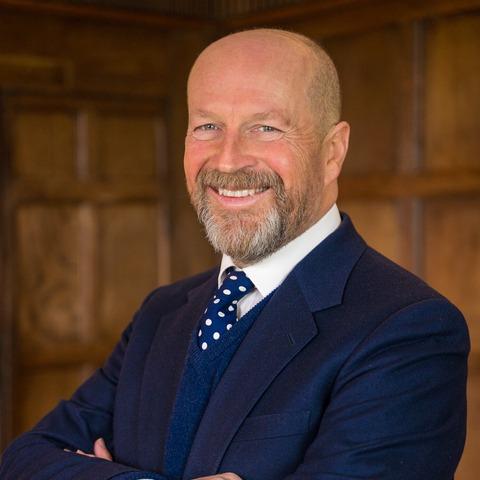
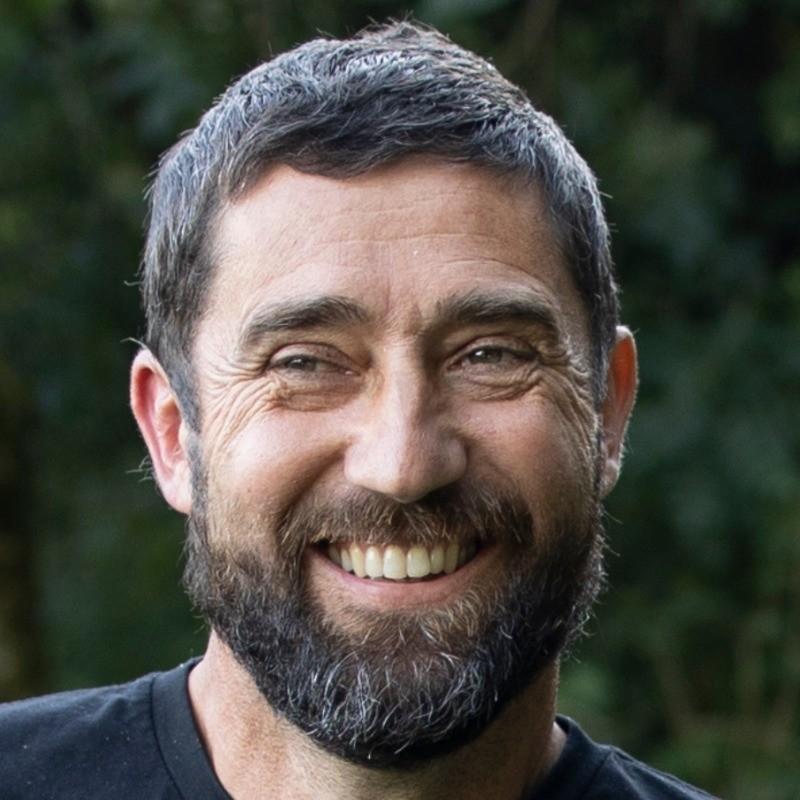
In this episode of all about business, James talks with Pete Russell, Founder of Ooooby, and Co-Founder of DECENT, to explore how technology, purpose-led business, and optimism can reshape the global food system.
Pete shares his journey from running a highly profitable, industrial food business to building one of the UK’s leading platforms connecting local farmers directly with their communities. Together James and Pete dive into the realities of entrepreneurship, and Pete also unpacks steward ownership, explaining how separating profit from control protects purpose and prevents mission drift.
Pete Russell offers a bold perspective on the future of commerce, arguing that AI will move us from an attention economy to an intention economy, where traditional marketing and advertising may become obsolete.
This episode is a powerful exploration of how values, technology, and long-term thinking can drive meaningful change.
02:03 meet Pete Russell: The visionary behind Oooby’s food revolution
03:06 what Is Oooby? Decentralising the global food supply chain
06:25 farm-to-table logistics: How Oooby empowers local farmers
10:12 the 1.9% disruptor: Why low-margin tech is saving small farms
14:45 debunking the myth: Why local food costs less than supermarkets
19:30 the awareness gap: Why traditional food systems still dominate
27:05 17 years of resilience: Pivoting through near-death business challenges
33:40 the software pivot: Solving the logistics nightmare of local food
40:00 future of food: AI, agentic commerce, and decentralised platforms
56:15 what wakes you up on a Monday?
Follow James Reed on Linkedin:https://www.linkedin.com/in/chairmanjames/
Follow Pete Russell on Linkedin: https://www.linkedin.com/in/ohmpo/
Find out more about Oooooby and how to sell local food online: https://www.ooooby.com/
[00:00:00] That more thing. Camera's rolling. Sound rolling. Yep. All about business with Pete, take one. And action. Well, today on all about business, I'm delighted to welcome Pete Russell. Um, Pete is originally from Sydney, Australia, but today he's traveled from Totnes in Devon to talk to me. Thank you Pete, for making the journey.
[00:00:24] Pete is the founder of a company called ubi. He's gonna explain why it's called UBI in a moment. Um, but UBI is a global steward owned platform designed to support small scale producers by connecting them with consumers online. And, um, I think it's a wonderful concept, which is why I've invited you in to talk about it, Pete.
[00:00:45] And I think it's got, um, all sorts of potential, um, opportunities to grow and evolve. Um, to the benefit of everyone. Food is very much on people's minds, uh, especially at the moment with so much, uh, being asked about whether food is [00:01:00] safe, whether processed food is, uh, good for us, and what's the future way we should be traveling forwards regarding food and food production consumption.
[00:01:10] And I know you are a person with lots of fresh thinking in this space, so thanks for coming in and let's begin at the beginning. What is UBI and why is it called that? Alright, well thank you for having me James. It's a pleasure to be here. Ubi. It's spelled with four O's BY, so it stands for out of our own backyards.
[00:01:30] Um, and its purpose is to help to put small scale back at the heart of the food system. Uh, we, we set UBI up, I as a, like an online, uh, platform. For small scale producers to be able to represent themselves online and to be able to connect with their local communities and own their own supply chain from their gate to the customer's plate.[00:02:00]
[00:02:00] And it's started out as an idea back in 2008 when we had the global financial crisis and where there was an increased awareness of food system fragility in the wake of the GFC. And you probably, I dunno if you remember, you know, what the, the type of, um, mood there was around the JFC, but there was a lot of, you know, fear of like, wow, we've, our whole, our whole society is, is balancing on this fragile economic.
[00:02:36] Model. Um, and food itself is at risk of the supply chains being disrupted because money was, um, you know, not moving because exchange rates was spiking and so on. So that was the catalyst of it. Um, and so it's really been an endeavor to try to find a way to [00:03:00] bring food back to a resilient state. If you think we've been eating ag, you know, food from sort of an agricultural model for 10,000 years.
[00:03:10] And so it's been resilient for a long time. It's got a good Lindy effect. Uh, but just in the last 80 years, which is less than 1% of that timeframe, we've completely changed the food system and we've centralized it massively. Um, and, and that has come with. Challenges and with implications that I don't think we've really considered deeply enough.
[00:03:35] So UBI is all about considering that and coming up with ways of, sort of decentralizing our food systems, um, to make them more fair, to make them more social, ecologically sound, um, and to make them more resilient again. So, so if you, if you go to ubi, which is online Yep. What, what will you find there?
[00:03:59] Right. [00:04:00] Well, you'll find, if you go to ubi.com, you'll find a website where we are promoting our software to farmers and to sort of small scale food producers where they can then create a shop online. So we are like a Shopify for small scale. Artisan ecologically sound food producers. The difference between UBI and say Shopify is that we're specifically built for this type of business model where it's highly recurring, fresh, uh, food, usually sort of harvest to order.
[00:04:39] And so it doesn't just satisfy the e-commerce sales part that you'd get from Shopify. It also manages all of the logistical fulfillment, uh, operations around coordinating a very high frequency, um, uh, aggregation of different types of food [00:05:00] into a single bundle that can then land on the customer's doorstep.
[00:05:03] And, and I imagine you charge those small producers for this? We do. We just charge 1.9% of whatever they sell. So it's similar to Shopify in that, in that it's a small, it's, it's a, you know, a monthly fee. Shopify charge like a, a subscription. What we charge is a transaction fee. Um, but then also we bundle into our, our, our service, um, you know, card transaction fees and so on.
[00:05:30] So over overall. So overall, 1.9% is low. Isn't that? Well, 1.9% is our cut. And then you, then you've got Stripe on top of that. It works out in total, sort of around about the three, three point half percent depending on the tiers you're on. And what about the delivery of the, is that an additional charge? No, we don't touch the food at all.
[00:05:46] What we give the, what we give the farms is all the digital. So they deliver it, they deliver it, but we provide them with the, the root optimization software. Yeah. So what the way it works is a farmer will create [00:06:00] a shop on ubi. Uh, which displays all the food that they have available on a week to week basis.
[00:06:07] Customers will sign up as a, as a customer to either order a one off order or they can subscribe to a regular delivery. Yeah. And then the, um, the, the, the, the farm can see all the orders coming in. They can then close the orders and then they will pack those orders and the system will coordinate all of that for them.
[00:06:27] And then they load those orders into a farm vehicle, or they can get a courier to come and collect them on their behalf. Uh, and the system will figure out the optimal order of deliveries. And then typically the farmer will drive around, knock on the door with their grubby mitts, hand the food over to the customer, take the old box, empty box away, and go onto the next customer.
[00:06:52] So it's like a farmer's market on your doorstep. Um, you still get to see the farmer if they're the one doing the delivery. That's great. That must be really, [00:07:00] that's a good neighborhood service. Indeed. It is a good neighborhood service. And, and the food is super fresh because oftentimes it's been harvested that morning and delivered to your doorstep that day.
[00:07:13] Um, and, and the great thing about it is the farmer's getting a full retail value. So they're not selling at 20 p in the pound or 30 p in the pound. They do more work. They do pack the boxes and they do the deliver boxes, but they get paid a lot more for that than they would save for not doing it if you know what they were selling it to a supermarket.
[00:07:36] Exactly. So, no. So I went on Uber a little bit earlier Oh, great. And I was feeling hungry before lunch. Oh, great. And, and I was looking at a, a shop called the Walmart Court. Farm Shop Yeah. Which is in deal Kent. Yes. And, and I was really impressed. I mean, I thought it looked really, uh, appealing and they had a fruit and veg box.
[00:07:54] Yep. Um, with enough fruit and veg to feed two people for a week. Yeah. So they said [00:08:00] priced at 20 pounds. Right. Which I thought was pretty marvelous. Yep. And, and, um, and then I saw they had a juice box, right? For the new year? Yes. For all of us trying to detox a bit where you can get the right vegetables to juice up at home.
[00:08:12] Yep. For just 10 pounds. I thought marvelous. I thinking I want this. Yes. But then I realized that it was just the delivery area was local to deal. Right. So it is a local service, isn't it? It really is a local service. So you have to find the one local to you Exactly. And set up a relationship. So that's great.
[00:08:27] I mean, I, and the way you find it, it's, so if you go to the UBI website, there is a link there Yes. Where you can click on that link and you just put your postcode in and it will tell you what's your local, who are the people who are delivering your area? What, what's your local farm? Yeah. So there's over 150 of these farm hubs or farm shops around the country.
[00:08:48] Uh, and there's more being added all the time. So you think that from a farmer's, small farmer's point of view, this is a a must do really. I mean, it's not a big cost and there's a lot of [00:09:00] potential upside. Absolutely. It's in sales. Absolutely. So you need to make them aware that it's Exactly, it's there and available.
[00:09:05] It's the, it's about being aware and it's also about, um, you know, a, farmers are slow to change. I think a farmer mindset is a very seasonal, steady as you go mindset compared to the average day-to-day, you know, rush sort of lifestyle. Yeah. Um, and, and they're also probably in, typically more in the, especially small scale independent types of farms.
[00:09:32] They, they're, they're slower to adopt new technologies and, and new things. Um, so what we're seeing is that. When we very first started out, it took a lot of convincing and it took a lot of explaining and showing, you know, how to do it, and there was a lot of head scratching and so on. Whereas now, because we've sort of hit, you know, there's 150 of them operating, it's a, it's a business model that works for them.
[00:09:59] [00:10:00] More and more farmers are realizing, oh, I, I could do this. This is actually a, a way of selling my product where I don't have to sell it at a really discounted gate price. I don't have to turn up to a farmer's market with all my food and not know who's gonna turn up and then have to bring it all back home again.
[00:10:18] Uh, if, you know, if the weather's no good, uh, and I can, I can add it alongside other things that I'm already doing, so I don't have to replace what I'm doing. It's a, I can, it's an additional channel to market and it allows me to look after and have direct relationship with a lot of customers, but very low touch.
[00:10:36] I don't, it's not like I'm taking phone calls all the time from Mary who's wanting to ask about my ettes or whatever it is. So your system will produce them a sort of list of orders and who to That's right. So the customers, you say fulfillment. Exactly. The customer's shopping experience is on their phone.
[00:10:53] Just like any other e-commerce shopping experience, it's a modern. Feeling. You go there, you scroll through, you add whatever you [00:11:00] want to your box. You, you know, you, you, you put your details in it. It takes payment from your card and everything is the way you expect it to be. We'll just ask you to, what's that noise?
[00:11:14] Never heard that noise. That's the new noise to us. We better go back. We heard another noise. That's a new, I heard that one. So go. Yeah. Wouldn't mind starting again. Yeah. Sentence. Yeah. The customer experience is, is just like any other e-commerce experience. They, they, you know, they find the, the, the, the farm on, on, on their phone.
[00:11:36] They shop the way they would expect to be able to shop. Um, they can see when their order's going to arrive. Uh, you know, if they've got any problems, they can, they can let the, the farmer know and, and get, you know, get credits for if something is broken or whatever. Uh, so it effectively gives that farm the sort of the firepower or the online firepower that you'd [00:12:00] expect from, say, a riverford or something like that.
[00:12:03] Um, and then from the farmer's perspective, uh, it just gives them all the information they need at the time. They need it to be able to just do their hands on work to delivering it. And what I also happens is that you can imagine typically like the core, our, our core. Um, customer type or, or, or farm type is, is a market garden where they're producing veg, fresh veg.
[00:12:31] And so they will produce a range of fresh veg, but depending on the season will depend on how much of their range, how, you know, how big range they know. In sort of January it must be a bit limited, right? It's limited. But what they do is they then augment their range with food from other farms. So they might be getting eggs in, um, they might be getting meat in, they might be getting other, other crops in that they're not doing themselves from a variety from farms around them.
[00:12:57] As well as they will be working with some wholesalers to [00:13:00] you make sure that they don't run out of a decent selection. Um, and so effectively what they're doing is they're kind of stacking their business model. They're being a farmer, they're being a producer, they're being paid, you know, um, the full retail price for their own food, but they're also becoming a conduit for other food in their local region to get out to the customers.
[00:13:24] I think something really good about meeting the person who's right. Yeah. Grown the food you're gonna eat. Yeah. Or knowing the person. Yeah. That's something quite, I dunno, that feels quite important to me as part of the appeal of this model. I think it is. 'cause we're so detached or becoming, our society's become so urbanized and detached and everything's sort of sealed up in plastic in supermarkets.
[00:13:45] Yeah. That's, it's quite nice when a real person arrives with a box of vegetables and zello. Yeah, exactly. It's a real person. And you can ask them about them with a real story. Yeah, absolutely. And your customers like that? Is that they love that. They love that. I mean, and, and that I get that I guess is, you know, [00:14:00] the interesting thing is.
[00:14:01] There's a thread, you know, there's still a, it's, it's, I guess you could call it a niche, you know, now of, of customers that value that and recognize the difference between, you know, anonymous food in a supermarket with an obscured supply chain where they dunno where the foods come from, but they just trust the brand because the brand's been on the telly.
[00:14:25] Um, versus really having an intimate understanding of where the foods come from, who grew it, how they grew it. Um, and it's a, it's a, it's a more discerning type of customer. That is buying typically from these farms. Uh, and they, but they value, they, they just have more understanding of the, of what goes into their food and, and, and how important it's for the health.
[00:14:50] It's important to get the message out because the price points that we just mentioned, 20 pounds for a box of vegetables that last two people a week is Yeah. Is low. I mean, in a cost of living crisis, that [00:15:00] seems to be a good deal. Exactly. I mean, if you, I think I always talk about there's three main pillars to gaining market share.
[00:15:10] Um, that's price, convenience, and awareness. And up until recently. Food bought direct from farms, uh, or at the farmer's markets and so on, was sort of perceived as a premium thing. You know, premium prices, inconvenient, you have to get up and get to the farmer's market. Um, but because you really were aligned with the values, people went out of their way to do it.
[00:15:35] But that was a, that was a small niche today, especially with inflation and food inflation in particular, farm produced, delivered to your door. Food is very price competitive. Um, especially for the value for, for the quality you get. It's, it's, it's, it's, in a lot of times it's actually lower cost than you would pay for in a supermarket.[00:16:00]
[00:16:00] Convenience is, it's on your doorstep. So now we've hit the convenience parity. We've hit pricing parity. The only missing thing is awareness. Most people just do not know that that option's available to them because, well, that's why we are talking now. That's why we're talking now. Hopeful increase of awareness to increase the awareness because they don't have the marketing budget.
[00:16:21] Most of these farms know how to get their first a hundred customers because they go to their local school and they say, can you put it on in the newsletter? They'll put pin boards up on the local shop bulletin board. They might do some letterbox drops. Then they'll get a hundred customers, and now they're too busy to go and find the next a hundred customers, or they don't know how to reach that next hundred.
[00:16:43] They're not social media experts or anything like that. So there's this sort of threshold that is the challenge is the awareness only gets so far before. It, it, it, it abates and that's what [00:17:00] we are working on. So that's where we feel like we've now solved the pricing, convenience, uh, problem. Now how do we make more people aware that you can actually shop direct from your local farms Now.
[00:17:13] You get better pricing, better product. Super convenient. So that's so interesting. We had a recent guest, so Richard Harin, who founded HomeServe. Yes. And, and he, he's very, um, adept at building businesses. And his, his, his mantra was, um, bricks, clicks, and paper as he put it. And so, I mean, I, I asked him, what does that mean?
[00:17:35] And he's a big believer in direct mail. Right. Just posting things to people. Right. Because he says so little now is done that way. Yeah. But it works. So I'm thinking in this model, if these local farms were to mail their Yeah. Maybe neighborhoods, maybe so mis service available through Uber or direct from our shop.
[00:17:53] Yeah. Um, that might help. It might help. I agree. I think, I think the good old letterbox drop. Yeah. I think that's still can be very [00:18:00] powerful for this type message, I think especially when it's sort of targeted in a way that is really helpful to people rather than dreaded sort of junk mail. Exactly. No, I agree.
[00:18:09] Agree with that. It really is. I mean, to. I mean, you know, you can order from a supermarket online or you can order from ube. Exactly, yeah. And, and meet the person who grew it. Yeah. Well, you won't order from ube, you'll order direct from that farm. Yeah. So we are just in the background. Yeah. You are the platform Facilit.
[00:18:22] We're the platform in the background. Exactly. Or the marketplace. Yeah, exactly. Exactly. I just, the door still open. Thank you. Yep, no worries. Um, oh, now we're locked in. So, um, how, how, how has this, what have you learned along the way, you know, to get u established so that it's now working as you say, effectively, and it's now a question of awareness.
[00:18:47] Yes. From the original idea, what were the sort of challenges and difficulties you faced and how did you, you know, go forward one step at a time? Right. Well, I mean, you know, the [00:19:00] journey's been a long journey. We, when we started in 2000, so 17 years ago, coming up to 18 years, um, we've had along that time, uh.
[00:19:09] Quite a number of near death experiences where we've had to continually adapt to the changing circumstances. So, you know, in the beginning, in 2008, we all, we did, we set up a, was a social network online for, for, for food growth to talk to each other. And then we realized the problem was channel to market.
[00:19:28] So then we set up this, the, the model where farms could effectively sell to local customers, but we would do the hands-on work between the gate and the plate. We would collect the food from the farms, we would pack them into the boxes and we would deliver them to the customers and we would take our margin.
[00:19:46] So you were doing that and we were doing that and we built our software. To facilitate our operation. Um, and to begin with, the mood was high, you know, 2008, the, the, you know, the [00:20:00] crisis and everything. People were like, I want access to my local food. I, I, I feel threatened with food security. Um, and so it was easy.
[00:20:09] And we signed up customers quickly and we grew very quickly. Um, we opened up, uh, you know, hubs in other cities, um, and it, it was going quite quick. But then what we found was that our, our sort of niche that had expanded in the, you know, the wake of the, the financial crisis started to shrink and people started to sort of forget.
[00:20:36] And, and it was always, it was more about, you know, just old habits. Um, and so we had built sort of a, uh, a physical infrastructure to enable us to serve a certain number of customers, but it became harder and harder to keep those customers and to get new customers come on. So we really struggled. Um, for years we struggled and we had to keep on changing our model [00:21:00] to try to keep.
[00:21:01] The, the revenue above the cost. Um, ultimately it got to 2019. And the other thing that we'd realized is that we were trying to do two things at once. We were trying to build software to make this business more efficient and, and, and stay relevant in, in changing times. And we were trying to run these operations where we had forklifts and cool rooms, logistics staff and logistics and vans breaking down in the middle of the night.
[00:21:33] Um, and we just didn't have bandwidth to do both of them well. And so, uh, it was in 2019 that I actually moved from down under here to the uk. My wife's from the uk Right. And that's when we completely shifted our model and we said, right, we're, we are letting the, the, the hard, you know, the hard logistics side go and handing those over to the local teams that are running them.
[00:21:59] And we're just gonna. [00:22:00] Focus purely on the software. And that gave us all of our head space just to software only, and then to adapt the software to become more of a, a SaaS product as opposed to our own in-house product. But it was built on the experience we'd had over the previous, you know, nine plus years.
[00:22:19] Yes. Of, um, of, of running that business model. And that pivot, you feel was crucial to the Oh, absolutely. Current success and growth. Absolutely. It took us, it took us 10 years to get to three hubs, right? And then in the last five years, it's over 150, so it completely changed, you know, the dynamics. There's an interesting lesson in that, I mean, for entrepreneurs listening, right?
[00:22:44] What is it? I mean, don't try and do too much or pay close attention to what's working and what's not, or I got it. Depends on so many things. You can't be good at. Two things to focus on. What I don't try and ride two horses. Can't ride two horses. Yeah, now that's true. [00:23:00] Yeah. Um, I mean, I don't think that there is a generic sort of lesson from it.
[00:23:07] It always depends on your situation. In our, you know, in this situation there's definitely the thing of of, of putting all your focus into one thing that definitely helped. Um, it's also a timing thing. Like I think that what you know often what the right strategy in the beginning is not the right strategy for midway down the path and is not the, which is not the right strategy for later.
[00:23:33] And you can't take the midway strategy and apply it at the beginning. So as you go down your journey, yes, you've gotta adapt to, based on where you are now, not where you were or where you want to be, you've gotta say, well, where am I in this journey? Um, and is now the right time to make that switch? And if I had, if I hadn't done what I did.
[00:23:55] And made the quote unquote mistakes that I made, I wouldn't be in this unique [00:24:00] position I'm in now to be able to do what I can do now and what no one else can do now because they're not in this position. So that, that I think has been our sort of way of, of, of navigating through challenging times. Um, yeah.
[00:24:16] And the other, the other part of it is that UBI was never set, you know, I, the business I had before, UBI was a good, easy money lucrative business, but it did not satisfy my soul at all. Okay. What was it out of interest? It was, I, people might not wanna know that it was, it was importing frozen pastries from Europe into Australia and selling 'em through all the supermarkets.
[00:24:38] Is that what you're, so it was the other end of the spectrum really was, huh? It was centralized food and it was easy. It, we could grow it quickly. We had the firepower of massive manufacturers behind us. You just had to sell and, and, and, and the apparatus was there to just build and grow. And we made a lot of money very quickly.
[00:24:57] But I didn't have [00:25:00] relationships with people. I had transactional arrangements with people. I didn't, the people were no longer important in that scenario really. And the food wasn't important. They were just widgets that we were moving. And for me personally, it was not satisfying as an entrepreneur. I wanted to be working on something that was meaningful.
[00:25:19] And so even though UBI is probably one of the hardest ways to make money, because you're dealing in very low margin industry, you're dealing in a super competitive industry. Um. It, you've gotta work way harder to make it work even just a little bit than, than, you know, opportunities that open up amazing gaps, for example.
[00:25:42] Um, but it's super fulfilling because you're doing something you know is worthwhile. And because of that, when you do come up against really challenging near death experiences. There's this galvanizing element to it where he is like, uh, we're gonna keep going. We're gonna find a [00:26:00] way. And, and that's been a huge part as to how we've kind of been able to navigate the very rock, rocky sort of terrain.
[00:26:07] That's very interesting. I mean, you, you are Steward owned as described. Yes. What, what does that mean? Could you explain that to me? What it, what it means is that we're a for-profit company. Mm-hmm. Um, but we are a purpose led company, right? So our purpose is to put small scale back at the heart of the food system, or in other words, to help to decentralize our food system.
[00:26:27] So, sorry, would you mind starting that sentence again? I could just hear the cars outside. Quite So what was, can you explain what a steward owned? Oh yeah. So, so, so you are a steward owned business. Yes. Uh, ubi. And, um, I'm curious what that actually means. 'cause I, I've come across it a lot and Yeah. I thought you were able to explain Steward owned.
[00:26:51] We, we, so we are a for-profit company. But we're purpose driven, meaning our purpose is to put small scale back at the heart of the food system, [00:27:00] or in other words, to decentralize the food system. Uh, but we need to be very commercially sound in order to do that properly. And so we are a for-profit company, but steward ownership sort of changes the nature of a for-profit business model in, in two key ways.
[00:27:20] What it does is it recognizes that shareholders have sort of two main entitlements to their, their shares. They have the right to profits and they have the right to control. Um, what Steward ownership does is it, it decouples those two. Those two rights, and it puts 'em into two separate buckets. And so it says, okay, the right to control needs to be given and held by the people who are driven by the purpose of why this company exists.
[00:27:54] Right? So they will have the ability to make the decisions as to the direction [00:28:00] of the company and ensure that it's going in the direction that it was intended from the beginning. And the right to rewards is held by the people who are, have invested into the company, who believe in the purpose or aligned with the purpose, but they don't get to control it.
[00:28:15] They don't get to say, oh, there's an opportunity. Amazon wants to buy, buy this company out. It's not, it's not, uh, aligned with our values, but we want the money. You know, they, so they don't have the voting rights. They can't do that. Yeah, they can't do that. Um, and so he basically puts a voting rights in, into the, into the stewards.
[00:28:35] Hands, and it puts the return rights into the investor's hands. The second aspect of the, the return rights is that the returns are typically a capped return. So it's saying, okay, you know, there's a point at which you got enough back for the amount you put in. You just can't stay on the gravy train forever.
[00:28:55] Right? So there's a point where we've paid you your multiple that is fair and [00:29:00] reasonable, right, for the risk that you've put in. But at that point, we, you, your, your, your returns are done and, and future profits are then reinvested back into the company. And the purpose for the, the reason for that is because we're trying to build something that is gonna sustain itself for decades and decades where we can, where we're not having value extracted from the company or having influence that is not aligned with our purpose, moving the company in a different direction.
[00:29:29] Yeah. So that was very much your idea at the outset. Was it, you wanted to set it up like that as an idea? Yeah. The, the essence of Steward ownership, uh, has been as a part of UBI from the beginning, but we discovered Steward ownership as a legitimate business, as a legitimate ownership model only a few years ago, which had led by the Purpose Foundation in, in, uh, Berlin in Germany.
[00:29:52] Yeah. Um, and there are a lot of steward owned companies. Like Bosch is a steward owned company. Patagonia is a steward owned company. [00:30:00] It's, it's, it's, it's a very legitimate and, and fast growing ownership model that purpose led founders are recognizing as a way for them to be able to do what they wanted to do without kind of mission drift.
[00:30:18] Yeah. Yeah. No, that's very interesting. And so you've sort of. Recently, I understand you've, you've stepped back from being the CEO of UBE and you're now the chair, right? Yes. And you've started a new initiative Yes. Um, which is called the Decent Alliance. Correct. What is the Decent Alliance and why are you doing that, Pete?
[00:30:37] Okay, so the Decent Alliance is a decentralized food alliance, right. And UBI is, uh, the first member of the Decentralized Food Alliance. And then there are two other founding members, and that is, uh, linked Farm in Belgium and pod, or, [00:31:00] uh, which is an acronym for Plant on Demand in in Spain. Um, and all three of these, um, members operate a very similar business model in their home markets.
[00:31:12] So the UK is our home market now. Um. And between us, we are facilitating around about 40 million euros or pounds, you know, worth of worth of volume of trade from these farms. Um, the, the reason we we wanna form an alliance is because we all have walked a very similar path. We're all values aligned, we're all purpose driven.
[00:31:42] Um, and we've all built products that, uh, serve the same outcome. But, uh, then there's like a kind of an 80% overlap in terms of what our products do, um, which means that we would otherwise be competitors. Like if we wanted to grow UBI further, we'd, we'd want to [00:32:00] go international. We'd start competing with these guys in their home market.
[00:32:04] But rather than do that, it's to say, what, what could we do together? That's way more powerful than what any of us could do on our own. And so by coming together, we can see how our products are very similar in a lot of regard. Our products being our platforms, our digital platforms. But so there's a big overlap, but there's also key overhangs.
[00:32:25] For example, our overhang is, is, you know, gate to plate from, from the farm to the household is what we really focus on. Um, whereas pod in Spain, they really have got a strong sort of farm to schools or farm to hospitals, you know, the procurement side and then linked farm have got a, a, a, a, quite a, um, a, a good system for sort of farm to, you know, local distributor to schools and hospitals to, to homes as well.
[00:32:55] So between us, we've, we've got quite a broad capability set. [00:33:00] That can adapt to whatever the models within our markets are. So it means that we can do things like maybe use each other's products in our home markets and therefore help to, you know, galvanize and build out decentralized food within our home markets.
[00:33:15] But critically, and I think most importantly, what it means is that we all bring our strength of our, our expertise and so forth to the table where we can start to work on designing a completely new tech stack, a completely new digital product that's built AI first that's built on decentralized web technology that is far more future ready and future proof than any of the products that we've built to date.
[00:33:47] So we use, we've used, you know, we've been building for nearly 15 years now, so parts of our software. Even though we've upgraded and so forth is based on decisions we made 15 years ago, we can now bring our [00:34:00] expertise and, and those of the other alliance members together and, and have a discreet engineering team build a new product or new technology very quickly.
[00:34:09] That means that we can then, if we choose to, we can migrate all of our users onto this new common technology stuff. All of your users being the customers of the farmers and the customers and so on, of which there's, you know, between us there's 40, 50, 60,000 users. And that's just the first. And what's the advantage of doing that?
[00:34:29] Having it all in one step? The advantages doing that is we don't, we're not all running separate platforms, right? Right. That have all got a legacy technical debt that is naturally accrued over time. So we are able to move on to, and, and run on a new product that is future ready and that can, that can do things like engage with agentic commerce and the like, where people are shopping through their chat GPT.
[00:34:51] So it's, it's far more future ready. Um, it also means that each, each instance, each market that this [00:35:00] new product is able to be deployed in, gets a completely comprehensive capability set so that they're not just limited to what their product is, is quite good at, they're able to bring a very comprehensive solution to their market, which then expands the, you know, the, the, the, the decentralized food economy within their markets.
[00:35:21] So how do people find decent. Decent alliance.com, right? Decent alliance.com? Yes. And and who are you looking to contact you at the moment? I mean, who are you looking for? Farmers or? Yeah. We, they, they're, at the moment we are looking for other platform members, so digital platforms that are serving decentralized food within their markets.
[00:35:41] That's our, sort of our primary target. So you want them all to come in your direction? We are wanting to, we are wanting to talk to 'em all. We're wanting to come together and effectively do a collaborative or cooperative type of new venture that we can all benefit from. So, so is this an attempt to get the scale that will bring you the awareness you need?
[00:35:57] Exactly. Exactly. And it will [00:36:00] get the, the scale for awareness. Also, it'll get the economies of scale right? That, that are needed in order to be able to compete in this, in this future. In terms of the di digital economies of scale. And also what it does is it means that we are able to coordinate a lot of these otherwise very fragmented individual, um, small scale food businesses.
[00:36:23] Into a coordinated swarm that can together deliver a much better product, a much better service than they could eat individually on their own. Right. Yeah. Right. So this is still quite early days. It's it's still early days. It's only three months old, but we're already, we're already, it's moving quickly.
[00:36:41] Right. Yeah. Well that's very exciting. I wish you every success. Thank you. So, um, there's a huge amount going on in this space. Yep. Do you feel optimistic or do you think that, you know, these great industrial process food producers are gonna win? I mean, I think, uh, [00:37:00] I mean, it feels a bit David v Goliath. Oh, totally.
[00:37:02] I mean, yeah. But David won, didn't he? He did. He did. He good. So, how are you gonna do that? Yeah, I'm optimistic. I think I've been cursed with optimism, you know, cursed or blessed. Well, you know, I, I think you have to be optimistic. You have to be. So that's kind of like, that's a ticket into the game is you gotta believe that we can do it against all the odds.
[00:37:25] But I do think that actually we are moving into a different paradigm like we are right, right now, smack in the middle of a transition into a different paradigm that's more consequential and, and and of greater scale than moving from pre-internet to post-internet. Right? Like this, this AI era is so significantly larger than we can comprehend.
[00:37:52] And it's so fast and it's so vast. Um, and it will upend industries [00:38:00] more so than the internet has. I mean, the internet was so disruptive. You look at yellow pages Yeah. Before and after the internet. You look at some of those massive incumbents before and after the internet, pre and post ai as. The dominant technical infrastructure of, of our, you know, for humanity, uh, again, completely will invert everything.
[00:38:24] And I believe that with the right approach, with the right expertise and uh, and strategy that food systems can revert to the mean 10,000 years of being decentralized, 80 years less than 1% of that time in having a centralized experiment, which of which many things have gone wrong in that time. Diet society, ecosystems have, have, have all been punished in the last 80 years by centralizing food.
[00:38:54] We can just, if, if we can play our cards right, we can red decentralize the food system and [00:39:00] have another 10,000 years of resilience and ecologically sound and socially sound food systems. So I don't think, you know, we've got Lindy effect on our side. Right. I don't think it's impossible, but it definitely take So dy effect, explain, well, the Lindy effect is what has, what has been around for a long time is likely to be around for a long time.
[00:39:19] Oh, I see. So chairs are very Lindy. Right, right. What's the origin? And a table is a very, I, I don't know where the origin of Lindy effect is, but if you Google it up or, or, or chat GPT Lindy effect, you'll, you'll understand. You'll fine. Something that's been around a long time is likely to be around for a long time.
[00:39:35] Exactly. Exactly. And, and something that's been around for a short time is likely only to be around for a short time. The probability is higher that will only be around for a short time. Interesting. Centralized food systems have been around for less than 1% of the agricultural era, and it's quite possible that they won't be allowed round for more than 1%.
[00:39:55] So if, if you can, if you can, um, use AI Yeah. To connect [00:40:00] consumers with producers in new ways. Yeah. You could reverse it and take it back to decentralized. That's the sort of, that's the idea. The idea. Essentially. Essentially. But a coordinated And you're in support of what you're saying. Yes. I mean, locally produced, especially organic food tastes way better.
[00:40:16] Tastes way better. I mean, the whole experience of eating should be enjoyable. Yeah. And it tastes way better. And the reason it tastes way better is because it's fresher. Yes. Right? Because it was harvested only a few hours before you, you've got it on your plate. Um, it like that's your biggest determining factor of flavor is freshness.
[00:40:34] Yeah. I know. The vegetables we grow at home in the garden tastes so much better than the ones that I buy in the supermarket. Yeah. And, and the vegetables you've grown at home in the garden haven't been engineered to survive a long supply chain. They don't, they're not wrapped in all this ridiculous packaging.
[00:40:49] Well, I don't like the plastic and all that though. No, no. I mean, you think about it, you avoid, you know that what this solves is it solves. It solves all the inputs into food, like [00:41:00] preservatives and all those things that are designed for supply chain. It solves all the packaging, right? It solves all that supply chain cost.
[00:41:08] If you buy a, a, you know, a, a product today, um, less than 20% of what you spend, let's say you pay a pound less than 20 P is food. You are paying 80 p for supply chain. Really? Like what's, you know, I mean, there are foods you can't, I mean, you can't get, you know, the farm in deal can, can't produce like bananas and things.
[00:41:28] Well, that's true, that's true. But there are, but there are small scale independent banana farms that are part of a decentralized food system, right? And that you can move food via a, you know, via sort of a, a honeycomb effect. You know, like, we're not saying that you shouldn't buy food or eat food that's outside of a certain period, certain, you know, uh, circumference or diameter from your, or radius from your home.
[00:41:53] We are saying that the food, you can access food that is [00:42:00] fresher more honest. It, it's, it's more fair. Right. Um, you couldn't 10, 20 years ago, but you can again now. Right. And, and you can, and it's from and it's direct or as direct as possible from the farms. And the farms are being paid fairly and, and you get Well, that's a really key point.
[00:42:19] I mean, you couldn't do this 10, 20 years ago, but you can now. No, you can now. And, and being aware that you can Exactly. Is an important first step. And knowing some of the places you can go and look exactly such as u Yeah. Is necessary too. So anyone listening who wants some nice vegetables, go have a look at Uber.
[00:42:36] So when you go there, you put, put in your postcode and it tells you who the local. From? Yeah. Yeah. I think, I think the, if you go to ube.org Yeah. It'll take you straight to the find your local food page. Right. Or you go to ube.com and click on the link at the top of the page and it'll take you to your, find your local food page.
[00:42:55] Yeah. You put your post code in and it will tell you which is your [00:43:00] closest. Yeah. Um, farm on, online farm, um, or food hub. Sometimes they're like a community food hub that represents a number of farms. It'll tell you the closest one. It'll tell you whether you are within the delivery zone or if you're not, whether how far away the nearest pickup point is.
[00:43:17] Um, and, and that's how you can engage. And then you, you deal with them, you pay them your money, they deliver you the food, and they, and they're duty bound to deliver the food. I suppose if they don't deliver it. You can complain to Uber. You can, you can. Well, you know, do you get many complaints? Well, people there very rarely.
[00:43:34] Very rarely. But because it goes through Stripe. Yeah. Stripe have got all their processes in place. So you'll have some people say, I didn't get my food, or it was terrible. And they'll, you know, they'll say, okay, I want to reverse that transaction. It's very safe. Yes, right. It's very safe. But honestly, we, we have, you know, there, there are, uh, 40 to 50,000 transactions happening at the moment a month.
[00:43:59] Um, [00:44:00] and most months we got no reports of any reverse transactions. So that's very good. So very high rates of satisfaction. Yeah, definitely. And because they're, they're dealing with a small scale business who values that customer. Enormously. If you think of a, if you think of like a business that's got a hundred thousand customers, okay, how important is one customer compared to a business that's got a hundred customers, that one customer is right.
[00:44:26] A thousand times more important. Yeah. Face as well, increasingly in your way as opposed to anonymous, so, exactly. Yeah, exactly. Yeah. So, and, and then if you are a producer or a farm shop, you go to ey.com, go to ey.com, and then you can just, um, you know, click to, to book a demo. One of our team will get in touch, show you how it all works and ex you know, and learn about your farm, your situation so they can give you the right sort of guidance and then you can be up and running within, within a matter of weeks with your own online farm shop, running and, and [00:45:00] ready to take payments in customers.
[00:45:01] Yeah. Well that's very exciting too. So yeah, I hope you'll get many more visits. Thank you. Deservedly so, um, is there any, anything else sort of big picture around the food industry that you want to. Sort of point out or, I mean, it seems to be quite a hot topic at the moment. Yeah. Yeah. I mean, I think, you know, there is a fair bit of awareness coming now around farmers and how critical farmers are to society.
[00:45:28] Yeah. I mean, I've had a tough time in Britain anyway. Exactly. And, and elsewhere. Um, so just to reinforce that message is, you know, the farm, our farmers are the people who we rely on three times a day, probably the people we rely on more than anyone else. Um, and so realizing the choices we make are either serving or harming those guys when we, when we make our, you know, purchase choices.
[00:45:56] Yes. Um, so just being aware of that. Um, and [00:46:00] also just being aware that there are options now that you didn't know existed. Right. You might be blindly thinking, well, I would love, of course, I'd love to buy fruit from my local farm, but. I don't have time and I've gotta go to the supermarket and, and I'll just go to the super.
[00:46:15] 'cause I assume I can't get that. But you can. Um, and I think that's, there's a lot, the demand for this type of food is made way greater than how much people are actually accessing it. Like, you can't measure demand by supply. People want it, but they'll get what they, what they, how do you know they want it if they can't measure it?
[00:46:35] What, what do you mean? 'cause what I, what I mean is if you, okay, if you, if you ask a hundred people, you know, would you rather eat, you know this broccoli that's grown in this local farm organically delivered to your door? Or would you rather eat this broccoli here that's grown in a big, you know, farm mass produced, you know, conventionally grown farm, wrapped in some stuff wrapped in plastic that, that could have, how [00:47:00] many people are gonna pick that one?
[00:47:02] No one, like, we know everyone wants this one, but they don't think they have the option for that. So they'll, they'll get that right. But that doesn't tell us that. That, that they don't want that. No. And it's, so, it's more of a, we, what we've got is an invisibility cloak that we need to lift. And with the visibility, people will change their minds.
[00:47:22] But you've also got a big logistical challenge, you know, in the center of a big city like London. True. If we want the fresh broccoli true delivered, yeah. That's not gonna happen. That is true. And yeah, and interestingly, most of the delivery footprint of the, the farms and, and, and the, the, the home delivery on UBI is distributed throughout rural areas.
[00:47:43] Yeah, I saw that. Yeah. So, you know, there are some that will come into London, but if you think about it, it's the, it's the, it's the sort of more rural towns and villages that lack the type of, you know, purchase opportunities that you guys have got in the city. [00:48:00] Um, and, and that have the relationships, they understand the nature of their, of their producers more because they live closer.
[00:48:07] So Yeah. Ironically, well, not ironically, but you know, that is one of the things that this model does is it really helps to stimulate rural economies, which is good, but I mean, there's little point driving into the center of London to deliver a vegetable box 20 pounds when you get hit by a congestion charge.
[00:48:21] Right. You know, you're not gonna make a return. Yeah. So, you know, that's gonna be much more, I think, but it does support the rural economies, which is important. It does. And I mean, I do think that there is, I think that we can, we can serve the cities, um, and I just feel like we, it's a matter of building up the critical mass where it becomes viable to really serve the cities well.
[00:48:43] Oh, so you haven't given up on that? No, no. I think the cities are definitely the big, gaping London is a big gaping mouth of England, you know? Yeah. Um, and, and there are ways that we can, we can really. Do that, but we, we are coming at it from the outside, so slowly, slowly, slowly, slowly. [00:49:00] Oh, good luck, Withing.
[00:49:00] Yeah. Good luck with that. Fantastic. Well, I wish you continued success. I, I always ask two questions at the end of, um, my, uh, uh, conversations, which I ask everybody. I'll ask them you now, Pete. Um, the first is because at Reed we love Mondays. Yes. The first is what gets you up on a Monday morning? A new puppy.
[00:49:20] You've got a new puppy. You got a new puppy, got a new puppy. What sort of dog? What's it a little, it's a little cador. So it's a, it's a small Labrador with a, with a King Charles Spaniels. Absolutely gorgeous Cador. Yeah. Yeah. Oh, good luck. Yeah. So getting, getting up and getting, what's the cador called? Suki.
[00:49:36] Suki. Very good. Yes. So that's what gets me up on a Monday morning now. Right? Yeah. Oh, well, I hope that all goes well. Thank you. And the last question is, where do you see yourself in five years time? Man, I, it's like there are so many, there are so many potentials. Um, well, [00:50:00] ideally where I see myself in five years time is on a small scale farm, growing some crops, having a few animals, and being able to live that life.
[00:50:11] You know, I, I, it's a hard life and I know because I deal with them all every day, you know? But it's also just a very fulfilling life. And I grew up on a small, you know, small holding. Um, I love that lifestyle and I think that, you know, as long as my kids can chip in and help out, I think it could be a good, a good one again.
[00:50:33] They'll need a good work ethic to work on a farm. Yeah. They'll come up early with their dad, but there's a, but there's a good business model that we can employ. Yeah. Well, you got, you'll have Ubie to sell. We'll have Ubie. So We'll, so you wanna become a customer. Exactly. I wanna become a customer. Oh, good luck with that.
[00:50:46] I wish you, you all the very best. Thanks for coming all this way to talk to me. It's been, it's a real pleasure, James. Thank you very much. Thank you very much, Pete. Cheers. Oh, good. You wanna become a customer. Excellent. I've just got one thing to add. Yes. Um, I'd interested [00:51:00] to know what you wish you'd known when you started ubi, that you know now, sort of advice to yourself.
[00:51:05] Oh, should I ask that question? That, yeah. Yeah. So Pete, I mean, that's a sort of closing question. Is there anything you'd wish you had known when you started UBI, that you know now that you could share with us? Well, interestingly, probably not actually, because I think that if I'd known them what, ask to hold for one second.
[00:51:30] Yeah. Someone's Ducati. Interestingly not. Yeah. Yeah. Um, interestingly, like I, I think that I would have a lot of advantages by knowing what I know now back when I started. But if I knew everything that I knew now, I probably wouldn't have started because the, it has been a very challenging journey. [00:52:00] It's been tough.
[00:52:00] It's been a lot tougher than I thought it would be. Um, it's Do you regret starting it? I don't regret starting it, but, but I don't think that if I knew, if I, the person that I was back then wasn't as galvanized as I am now, and I don't think that he would've done it. I think that the sacrifice would've been too much and he probably would've gone, yeah, I'll leave it to someone else.
[00:52:27] Right. Interesting. Yeah. So, so your younger self saw it maybe as a quicker opportunity that would establish itself faster? My, my younger self was far more idealistic, had just come off the back of a very successful, um, business ex, you know, experience the pace of business. Yeah. Um, business was easy. He thought he had a, a, a natural knack and that this was an exciting new thing.
[00:52:51] And, and, and it, it lined up with everything. And, and now we've got, you know, online commerce, you know, the iPhone had just come [00:53:00] out this thing in two or three years. It's gonna be bigger than the supermarkets, it's gonna be amazing. And we just gotta play our cards. Right. And if, if you'd told him that, you know, in 15 years you're gonna be at the grindstone, you'll have made good progress, but not as far as you think.
[00:53:19] And it's still gonna be hard. He'd have said, yeah. Yeah, I'll give that a miss. I'll go, I'll go do something that actually makes money. So it's just as well you didn't know that, so it's a good thing. I didn't know. Alright. Good to say. Thanks. Great. Thank you. Uh, thank you very much. Pleasure. Thank you. Oh, so the new thing sounds very interesting.
[00:53:38] Decent. Is it still?
[00:53:51] Alright. Ready? Ready. So Pete, you know this, this new decent Yes. Uh, platform. Yeah. Which sort aggregates [00:54:00] these other. UBI and others. Yep. Um, and, and gives it scale. I mean, is this something that's hard to build? I mean, it sounds technically quite potentially complex. What's been hard is figuring out how the software needs to work in order to really facilitate decentralized food.
[00:54:16] And that's been a, a, you know, close to 20 year process now that we know what's really works and what doesn't and how and how it works. Building is not hard. Building is actually relatively simple, especially when you're building it on new technology with the rapid productivity gains that AI is doing with people who know what they're doing rather than thinking what they know and then discovering later they don't.
[00:54:43] We know what we're doing now. We think, you know, I believe we can build a new tech stack from scratch that will reach feature parity with all the other combined, uh, platforms that are, are part of the alliance within. [00:55:00] 12 to 18 months. And from there it'll be way more extensible, uh, at a way lower cost. So it'll be future ready.
[00:55:07] So the customer experience when they move onto this will be a huge upgrade. Right? And it'll be agentic commerce ready. And what that means is that, you know, chat, GPT just recently released their first agentic commerce agent, which effectively does your shopping for you. So what we are moving from is an attention economy where everything in business is all about getting people's attention to affect their shopping behaviors with these short, sharp little nuggets that, that, that, that attract their attention so that they'll then buy their product.
[00:55:47] We're about to move into the intention economy. Where people will no longer make buying decisions, they will set their intention into the agent. They'll with a prompt, this is what I want. I want [00:56:00] food for my kids. This is what they eat, this is what they don't like. I want it to be as natural and fresh and, and, and fair, uh, and as, as local as possible.
[00:56:10] Um, you know, it's gotta, this is my budget, this is what I'm allergic to. This is what my husband, you know, likes to eat, blah, blah, blah, blah, blah, whatever it is. And it goes and does the shopping. And so it doesn't listen. It doesn't watch the tell, it doesn't look at ads. It goes and looks into the deep data For what?
[00:56:33] Based on the intent that you give it to it. So advertising, it's reading all the food labels. Exactly. In, in detail. Yeah. It will read reams and reams of data. On a product that a customer would read, luckily, three lines. Right. And make, so it's, it is making much more informed decisions. And so marketing is dead.
[00:56:56] We will not, there will not be marketing in 10 years. [00:57:00] Marketing is dead. Marketing is dead. Advertising is dead in 10 years. Yeah. That's a very bold story. I think it, I think it's not bold enough. I think it's gonna be sooner. Not bold enough. Sooner. I think it's gonna be sooner than that. But in 10 years, advertising, billboards, all this stuff that catches our attention so that we can make these, like read my book.
[00:57:20] Yeah, exactly. They're going to be, they're going, it's, it's, it's, they're gonna be largely obsolete. But what, how do you get a new idea across to anyone then, you know, if they've only got, they're just streamlined into that. In terms of, in terms of consumer products. Hmm. In terms of consumer products, I think the ideas are gonna get across to people are gonna be conceptual ideas.
[00:57:39] They're not going to be, you know, this is my product type of idea. Your, your people will, will set what they want based on the conversations they have and, and the agents are gonna find the products that fit your intent. But, you know, if Hyundai, Hyundai produce amazing new model car, yeah. How am I gonna find out about it?
[00:57:58] They don't because, because [00:58:00] you'll, you'll, you'll, you'll have your intent in there. I mean, it's not going to be, you're still going to be human, no doubt. And you're still gonna have, you're still gonna have your, you're still gonna have, you know, the things that catch your eye and, you know, tickle your fancy.
[00:58:16] But as a, as a, a means of, of governing and influencing consumer behavior, purchasing patterns, and so forth. The, the, the, the cost of doing that versus the, versus the, because of the, the, the way that decisions are being made differently is not going to be worth it. The amount of money that's poured into advertising at the moment in order to affect that behavior won't be justifiable.
[00:58:47] Right. Advertising is dead. Advertising is dead. Five to 10 years. Yeah. Okay. Thank you. I, I think my next guest is in the communication space. All right. Put this straight. Well let them know. Thanks. [00:59:00] Very good. I like that finale. Great. We're gonna take a picture of you whenever you're ready.
[00:59:11] Sometimes growth doesn't come from demand, it comes from rethinking the model beneath it. Today on all about business, I'm joined by Pete Russell, founder of UBI Short, for out of our own backyards. Peter spent more than a decade building technology that helps small local food producers sell directly to their communities, challenging the way food systems have been organized for the last 80 years.
[00:59:38] In this episode, we talk about the long road to finding the right business model, the pivotal decision that unlocked real growth, and why stepping back as CEO can sometimes be the most entrepreneurial move of all. Yeah, that works well. Yeah. Outro. Do you want me to stop and start again for outro? Um, [01:00:00] no, no, that's fine.
[01:00:03] Pete, thank you for joining me on all About Business. I'm your host, James Reed, chairman and CEO of Reed, a family run recruitment and philanthropy company. If you'd like to learn more about Reed Pete's work or ubi, you'll find all the links in the show notes. See you next time.
[01:00:21] I'll have to do.