




Watch the episode
Listen to the episode
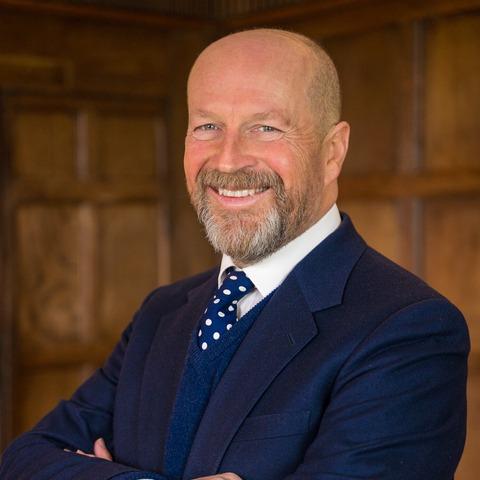
In this episode of all about business, James speaks with Sir Richard Harpin, Founder of HomeServe, the home emergency repairs and improvements launched in 1993. Sir Richard talks about his journey from early failures to growing a FTSE 100 multinational across the UK, France, Spain, the US, Canada, and Japan that sold for £4.1 billion in 2022.
Sir Richard shares how a plumbing insurance model sparked the subscription-based affinity partnerships, the challenges of international expansion, and why copying successful ideas while focusing on execution was key to cracking markets and achieving organic growth.
Together they discuss Sir Richard’s post-exit ventures including Growth Partner, Business Leader magazine, and his bestselling book ‘How to make a billion in nine steps’. The conversation also explores Sir Richard's passion for inspiring breakthroughs, the role of optimism in navigating setbacks, and why doubling the UK's large companies through community-driven support, matters more than ever in a challenging economic landscape.
01:00 the early struggles and pivots
06:42 the breakthrough: Plumbing insurance model
17:40 the power of copying and mentorship
28:53 challenges and opportunities for mid-size businesses
37:55 introducing growth partner: Investment in retail
48:10 the not-to-do list for entrepreneurs
01:02:29 recruitment: Hiring your replacement
Follow James Reed on Linkedin: https://www.linkedin.com/in/chairmanjames/
Follow Sir Richard Harpin on Linkedin: https://www.linkedin.com/in/rharpin/
Buy Sir Richard’s book ‘How to make a billion in nine steps’: https://www.amazon.co.uk/dp/034944644X
Richard: [00:00:00] Put our life savings into the business 50,000 pounds at the time, and literally saw that money go down the drain in the space of six months. So I ended up losing 50,000 pounds a month and running outta money again down to the last 10,000 pounds.
James: Today on all about business, I'm joined by Richard Harin, one of the UK's most successful business leaders and the founder of HomeServe, which he grew into a fts E 100 company before selling it In 2022, we'll be exploring what it means to grow a company that lasts from finding the right growth mindset to backing the next generation of entrepreneurs to discussing his book, how to Make a Billion in Nine Steps.
Richard: Copying Homework is Bad in Business. I would say it's essential. Find somebody that's got a model that works. Copy it. Do it a bit better and then think big, but it's not about the idea, it's about making it happen.
James: It's about the execution of the item. [00:01:00]
Richard: Absolutely. We've gone from zero to eight and a half million, and literally with the last 10,000 pounds before the business was due to go bust, 38 customers sent in the check for 50 pounds, a 3.8% take up from direct mail.
Richard: I remember getting on my office desk in front of those 23 people that all thought they were about to be made redundant and said, yes,
James: we've practiced. How did you sort of pivot?
James: Welcome to All About Business with me, James Reed, the podcast that covers everything about business management and leadership. Every episode I sit down with different guests of bootstrap companies, masterminded investment models, or built a business empire. They're leaders in their field and they're here to give you top insights and actionable advice so that you can apply their ideas to your own career or business venture.[00:02:00]
James: Today on all About business, I'm really delighted to welcome Richard Harp into the studio. Richard is the founder of HomeServe, a home emergency repairs and improvement company. HomeServe was founded in 1993 as a joint venture with South Staffordshire Water, and the company offered subscription based home emergency repairs.
James: Under Rich's leadership. HomeServe grew into a multinational business operating in the uk, Canada, France, the us, and several other countries. It was listed on the London Stock Exchange and later became part of the FSE 100. Um, and in 2022, Richard agreed to sell HomeServe to Brookfield Asset Management for 4.1 billion pounds.
James: Uh, so this is an amazing business journey. I'm looking forward to sort of asking you about Richard. Um, you eventually stepped down as chairman of HomeServe just earlier this year in January. Um, since then you've, uh, found time to publish a bestselling book and [00:03:00] take on several other jobs, which I'll also ask you about.
James: Richard, firstly, welcome. I mean, this home serve journey. I mean, you are, you are amongst a few British people who've actually started and built billion pound businesses. And, um, I want to ask you, how did that begin and what were the sort of key moments in your view that made that happen?
Richard: Yeah, I'd always wanted to be an entrepreneur.
Richard: And trying to find the, uh, the big idea that could, um, work. And, uh, I'd been working at Procter and Gamble in marketing, buying houses in Newcastle. And the biggest problem was, um, Friday night tenants would ring saying, what a pouring out of a radiator or block drain in the backyard and you could not get a plumber full love, no money in Newcastle on Friday night.
Richard: They're all out drinking.
James: So you are so just as clear to everyone. You are from Newcastle, that area, huh? Or Northumberland
Richard: originally? Um, Yorkshireman born in Huddersfield, but uh, moved to Newcastle at age [00:04:00] five.
James: Right, okay. And that's where Procter and Gamble have a big base. Yes. So you were working for them and you were doing a sort of side hustle doing rentals.
James: Is that what you wanted
Richard: to keep my entrepreneurial eye in and um, so property management and letting and buying houses. And that was the opportunity, a shortage of young professional shared accommodation in Newcastle at the time.
James: Right. You reminded me of a, a sort of plumbing disaster that went, I happened to ask many years ago.
James: We had to ring and it was someone called Emergency Man came and did not do a good job, but
Richard: your
James: host and probably
Richard: ripped you off with a big repair bill.
James: Yeah. It wasn't a happy experience. I still remember it. Go on. So you saw
Richard: a space in this market. So got into it, called it a One Fast Fix. We would be at the front of Yellow Pages section for plumbing and he.
Richard: Right. Put our life savings into the business. 50,000 pounds at the time and literally saw that money go down the drain in the space of six months. The issue is people only have a plumbing emergency every five years. Right. So there's no [00:05:00] repeat business. Cost of the other pages was high, so the, uh, the model didn't work.
James: So Yellow Pages for younger listeners was like a great big thick book in which business listed, listed itself. And, um, that was where people turned to look for services of this sort. And now, like the web In the old days, yeah. Now gone
Richard: online and to, um, businesses like, um, checker trade that I'm involved
James: in.
James: So a one fast fix, you burn your money. So what, how, how did you sort of pivot? I mean that's appears to be what happened next. 'cause HomeServe obviously was a slightly different proposition.
Richard: Yeah. It was. To try and find a winning business model, determine to stick with the business. And, um, managed to, uh, secure half a million pounds of investment from a little water company north of Birmingham called South Staffs.
Richard: Uh, but they wanted 52% of the business we'd run outta cash. So that was the only option. And then thought, uh, great, I'll grow [00:06:00] the business and grow it to profitability, get economies of scale, and guess what? Every month the business grew. And because we got the wrong business model, a breakeven line got, uh, further and further away.
Richard: So I ended up, uh, losing 50,000 pounds a month and running outta money again down to the last 10,000 pounds. And we're taught at school that copying, copying homework is bad in business. I would say, uh, it's essential. Find somebody that's got a model that works, copy it, do it a bit better, and then think big.
Richard: Right. And, uh, I'm an optimist. And, uh, when we'd nearly run outta money, somebody called me and said, there's this little water company in Surrey, and they've developed like a plumbing insurance scheme. I got in my car and drove down from Birmingham down to Sutton in Surrey, and, um, uh, interviewed some of their [00:07:00] customers on the High Street, got 'em into a focus group, said, what do you like about the product?
Richard: What do you not like about it? And designed our own plumbing insurance cover,
James: right?
Richard: And literally with the last 10,000 pounds before the business was due to go bust, we sent out a thousand mail shots branded as South Staff's Water. 38 customers sent in the check for 50 pounds, a 3.8% take up from direct mail.
Richard: I remember getting on my office desk in front of those 23 people that all thought they were about to be made redundant and said yes.
James: We've practiced, made it. So you knew that 3.8% was a, a kinda work that was great for, um,
Richard: for direct mail. Exactly,
James: yeah. And
Richard: almost the rest is history. We, um, went back to all of the water companies that said no to investment, the bigger ones, and said, how about signing up on a, what we'd call today, an affinity branded model.
Richard: We'll use your [00:08:00] customer base, we'll use your brand. We'll run the plumbing service, we'll collect the membership fees, they'll be our customers. And, uh, that was the magic model. Went round and signed up most of the UK wars companies and, um, that was how we, um, we cracked it.
James: So, so that's a, that's an amazing turnaround.
James: So you are really, you, you are advocating here, you know, don't be too proud to plagiarize, you know, copy other people if you can see that they're doing something successful. Absolutely.
Richard: And that little water company, Sutton Water Plumbing Insurance, we, um. Uh, four or five years ago we went and, um, bought them.
James: Right? So now part of your group, uh,
Richard: they, I think they'd gone from 30,000 customers at the time and it diminished down to 20,000 and we'd gone from zero to eight and a half million. So it's not about the idea, it's about making it happen.
James: It's about the execution of the idea. Absolutely. So, so tell me what were the key elements of your approach to execution that made you get to eight and a half [00:09:00] million when they did not?
James: I mean, what, what did you actually focus on?
Richard: The, I think the key milestone in the business was saying, I wonder whether this model would work in a foreign country. And first we went to France. Right? And when people say, why France? Because it's notoriously difficult to employ people there, uh, really difficult employment laws.
Richard: And I joke and say, uh, because if we make it work in France, it will work anywhere in the world. The reality was that, uh, south Staff's water was 30% owned by, uh, at the time General Alzo, right? They were the big water company in France. Still took a a year to persuade them that we should do a deal with them.
Richard: And it was a joint venture and they said, oh, it won't work like you. What made it work in the uk? Uh, we don't need to use the general DSO brand. Come up with a new name. Doo. [00:10:00] That sounds more like a pizza delivery business around. Yeah. Do a plumbing insurance business. Yeah. And we want poster advertising and newspaper advertising, which of course didn't work a year in.
Richard: Just when we're about to say we failed internationally, we better go back to being a UK business. We said, let's just go back to that original model that we did in the UK several years earlier. Direct mail branded as the water company, as General Al DSO service. And guess what? It worked.
James: Was it the same ratio, 3.8% or whatever,
Richard: something like that?
Richard: Uh, about a 2% take up, but two slightly percent. Anything over 1% is,
James: um, is really, really good for direct mail. You know, that's going to, that's gonna work. And so you just, you just scale up when you get that, that information. So how do, do you solve the problem of the Newcastle plumbers on Friday night? Well, I mean, how did you make sure you had the workforce available to deliver the service
Richard: combination [00:11:00] of, in the early days, it was, um, really good, uh, subcontractors, right, checked and vetted, uh, fixed prices for doing, um, different types of work and then more laterally and, um, uh, in the UK to start with.
Richard: We then, um, employed the plumbers and the heating engineers meant that we could have branded vehicles as homes serve, uh, the red vans that are out there across the UK today. And, uh, with a backup of subcontractors for periods when it was really, really busy.
James: So you, you were able to do that because by scaling up you had enough business for them Exactly.
James: To keep, keep them busy so they weren't Yeah, and
Richard: a lot of these plumbing emergencies were things that people could turn off the, uh, stop cock and we'd be around within a, an hour or two to, um, uh, do the, um, the full repair.
James: Right. What if doing good was the smartest business move you'll ever make? I'm James Reed, CEO of Reed.[00:12:00]
James: In my new book, karma Capitalism, I reveal how being a philco, that's a company where at least 10% of shares are owned by a charitable foundation, has become our business superpower. Companies like Lego, Ikea and Novo Nordisk share the same filko identity. These businesses last longer inspire loyalty and make a bigger impact on society.
James: This book is part Manifesto, part Practical Guide. Karma Capitalism is available now@karmacapitalism.org. Being a good business is good business. So this is a, a, a brilliant story. I mean, what, what I'm hearing though is you, you were several times close to sort of falling off the cliff, but you didn't quit.
James: And, and, and what I'm also hearing is you, you kept looking for that little difference that would make it move from failing to succeeding. I mean, it seems like there's small differences can make very big differences. Yeah. Is that what you're [00:13:00] saying? Is that,
Richard: and, and I think the key thing is sticking with the model.
Richard: So as we grew internationally, the key bit was don't change the model. Right. Keep it as, as similar to the UK as you possibly can otherwise. Uh, home serve today is in 10 countries, including Japan. If the model was 20% different in every country recipe for complexity and disaster.
James: So I guess water's the same in every part of the world.
James: I mean, it behaves in the same way.
Richard: It has similar disaster ownership in the on of the pipes can change a bit. The pipes and the uh, and the wires.
James: Yeah. But effectively the jobs that you have to do similar are the same. So the approach and
Richard: then. Um, how we sign up customers varies country to country. So direct mail works particularly well in the uk, even better in America, pretty well in France.
Richard: Um, it doesn't work in southern Europe, so, um, they're a [00:14:00] telesales culture rather than direct mail.
James: Well, they won't look at it. They won't. No. Interesting. And then the
Richard: Germans, and we failed in Germany first time round. Highly successful, second time round. Uh, they want a very detailed direct mail pack because they read every word in the terms and conditions.
Richard: The Germans sort of detailed culture. So,
James: and where's the, where's Britain sit on that spectrum? Near Spain or near Germany? I'd say sort of, uh, in between the two. Interesting, interesting. Yeah, that's very interesting. So you built this business and it arrives in the FSE 100, top 100 company in the uk. And then eventually you decided to Well, it was sold.
Richard: Yeah. I mean, a key part of it was we were sitting under a bushel of, um, south Staff's water who were a listed company themselves.
James: Right.
Richard: And I was struggling to hire really good [00:15:00] people in the early days. Why do we want to come and work for a sub subsidiary of a sleepy water company?
James: Right.
Richard: So I was determined that, uh, we needed to separate out from the parent water company.
Richard: We'd outgrown their profits by about 2002, 2003.
James: So you were bigger than the parent
Richard: at
James: this point. Mm-hmm.
Richard: And, um, uh, so thought, how do we do that? And in the end, persuaded the board that we should, um, demerge. So that was effectively doing an IPO, uh, in 2004, uh, as home serve, uh, the water company separated.
Richard: So it's two listed companies, and I think with a, uh, a market cap at the time, capitalization of about 300 million.
James: That was then, and then it went to 4.1 billion. So from South Staffordshire Water's point of view, this was an incredibly good investment. Think so. Other companies should be thinking about this sort of thing.
James: I
Richard: think anybody that had bought shares at the time of, um, [00:16:00] the IPO, the flotation would've got by the time we sold a 14 times return on the money. Uh, excluding the, uh, the dividends that we paid out, um, each year as well.
James: Right. So, so taking your sort of mantra of copying, I mean, people listening with businesses should be thinking about how to repeat this type of model, you know, by their business having a few children, shouldn't they?
James: In this sense of spawning other businesses?
Richard: Yeah. I, I remember, um, early days of Ho Home Serve, somebody came frantically running into my office, James, and said, um, this is outrageous. There's a company in India that have completely copied our model. Uh, let's sue them. Said Absolutely not. Let's, uh, let's help them.
Richard: Right? 'cause if they're really successful, then we will buy them. Yes. And part of the model, particularly with homes served in America, is. Uh, other utilities did copy us, but they never did it quite as well. So we'd knock on the door and say, [00:17:00] uh, we'll write you a big check to buy out your, um, home assistance policy business.
Richard: We'll then sign a 10 year marketing agreement. And it was win-win. So that's how you grew in part, uh, partly it was mainly organic, but with, um, um, about 40 smaller acquisitions that we bolted onto the organic growth.
James: So you've sort of totally flipped the idea of copying here, you know, from being at school where Oh no, you mustn't do that.
James: Saying actually go and try it. And if someone copies you say, that's great. How can we sort of embrace this? Yes. Lots of people call lawyers in at that point. Which is interesting to me. So a totally new view on copying, which I like very much. Now you've written a book, um, Richard, which I have here, how to Make a Billion in Nine Steps.
James: Um, this is published this year I believe. And um, I'd like to know how to do this. What would be the first step of this nine step journey to a billion
Richard: would be copy and pivot. [00:18:00] Come up with your, uh, winning business model. Keep it really small. And the mistake that I made and many other entrepreneurs is think I want to go really big to quickly before the model is proven out.
Richard: If you keep it small, then ideally you are funding it through your own resources, bootstrapping, friends and family. And only once you prove the model and then you want to go big, that's maybe when you want to take some investment.
James: So make, so make sure the model or the service really works before you scale up.
James: That's the first step. Yes. See, I'm interested in this 'cause we're investing in an AI recruiter at the moment. I dunno what small is, I mean, what, what, what's small in your mind in terms of keeping it small? How big an investment or how many people, or what's
Richard: a few people? And trying to prove out the model with sort of tens of thousands of pounds, ideally, right.
Richard: Rather than hundreds of thousands or millions.
James: Right.
Richard: And [00:19:00] if you're copying a model and then making it better, then at least you know it works.
James: So sometimes it's better to go second, third, or fourth rather than, I mean, they say pioneers are the people who get the arrows in their back, don't they? So, but sometimes they're the ones who win.
James: So never quite know. Yeah.
Richard: I'm big, I'm a big believer in second mover advantage. Let somebody else take the risk. I think that's particularly true with AI today.
James: Right
Richard: is that let others, uh, be bleeding edge and work out whether they're getting a return. Wait until somebody's proved out a particular application of AI and then jump on it and get the benefits.
James: So we should all be looking very carefully at what's emerging and seeing what's succeeding and saying, well, there's gonna be more than one company doing that. Let's get in there.
Richard: Exactly. Right.
James: So that's your message. So that's sort of step one. What about step two? What's the next step we should be thinking about?
Richard: Would be about, um, get some ment, and what I [00:20:00] mean by ment is three things. One is everybody should have a paid business coach. Everybody should also have a unpaid mentor. Right. And to be honest, I didn't know the difference between the two until I went and trained as a business coach after I'd sold Home Serve, spent 10 days at INSEAD business school in France.
James: Right.
Richard: And so the business coach is asking questions which tease out what's the problem or opportunity that you're trying to solve, what are the different options that you could take? But it is never coming to a solution, never suggesting anything. As the coach, it's self-help.
James: So you now a practicing business coach as well, Richard?
Richard: Yes. But with, uh, with mentoring as well.
James: Right.
Richard: And I think that's the magic model, is you understand the issue or opportunity somebody's trying to solve. [00:21:00] Go through the options, get a real understanding from listening and then saying, right. Uh, we've done the coaching session. What I'm now gonna think about in my tiny little brain is, is there something that I've come across in my 40 years in business that would help you with what you are trying to achieve?
James: And that's the mentoring part.
Richard: And that's the mentoring bit. Have you thought about X, Y, or Z? So that to me is the, the magic model of, uh, of Coachman.
James: So that's coach meant as in coaching and mentoring? Exactly. That's where the word comes from. Okay. So it's both. So you're doing both. So when you say everyone should have a coach and everyone should have a mentor, that your, in your view, that's this could be the same person in this case.
Richard: And ideally what we need is, uh, uh, more coach mentors in this country.
James: Right.
Richard: Um, people like you and I that have got the gray hairs that have made all the mistakes and can say we want to help others get there. And ideally by going and trading as a [00:22:00] coach so that the, the mentee can get even more out of it.
James: So you did the, so in Seattle Outside Par, I went there last weekend, weirdly to my son is a student there, but Inea outside Paris offered sort of support in this area, do they? 10
Richard: days spread over about, uh, eight months, 36 of us there. Um, learning on the course, uh, I think it also helped me to be a better chairman when I stepped down as the chief executive, um, of homes serve, to be able to step back and take a hands-off approach to, um, uh, helping the two guys that took over from me in homes serve.
James: Right. How interesting. Oh, I'll look into that. That sounds like a good course. So, so since, since HomeServe, you've got some new lines of business, you're not one to stop working. I can see that. So you, you, you, you, you mentioned earlier business leader, you were looking at a rack of business magazines and you decided to do [00:23:00] something.
James: What was that, Richard?
Richard: Uh, this is really linked to, uh, too many mistakes I made James in, uh, in HomeServe over the years and the nine things I know now that I wish I'd known at the start of my journey. And I think, um, if we'd known those as a team, maybe we could have got there in half the time. So I was determined to get those messages out, um, from writing and publishing my book.
Richard: The key thing was also about, um, how else could we get the messages out and thought, what about if, um, I had a business magazine. And that would be a way of inspiring and telling other stories of successful entrepreneurs. Uh, the who and then the how. So how can I do it if I'm running a smaller business and follow those role models?
Richard: So I went to WH Smiths bought all the business magazines, right? And they're all, they're all American. But you [00:24:00] wanted to buy the business when you went to buy the magazine. Yeah,
James: but they were all American. You didn't want an American
Richard: Fortune Time Magazine, entrepreneur Inc. Harvard Business Review. And then there's this British magazine called Business Leader that didn't have the right content.
Richard: Uh, but I knew the owner. So I rang him up and said, um, can I buy your business magazine? And, um, agreed the deal then thought. We need a, uh, business podcast. We need a newsletter. And then back to copying and pivoting. We need a, uh, a peer group business like, um, uh, good American Organizations, WPO and Vistage.
James: Yes.
Richard: Putting together 10 founder CEOs and they learn from each other. They, uh, meet up eight times a year. Uh, we thought that we should do it with a facilitator coach that is [00:25:00] trained that will help those 10 to get the most out of those meetings, and that sort of became the, uh, the business leader offer.
James: So you now, so you're now creating these founder groups for people, so if someone wanted to join that
Richard: Yeah, we've got loads of them up and running and, um, we are, um, we're signing up, uh, new members to business leader to our nine steps growth program at the rate of, um, one a.
James: Fantastic. So where do you find business?
James: I mean, apart from WH Smiths on the shelf, where do you find business leader? If you want to sign up for one of those,
Richard: um, go to our website, business leader.co.uk. You will find Business Leader magazine, uh, in WH Smiths and most news agents. Uh, but all the information is there, um, online
James: and there's a very good podcast as well.
James: Yeah, so that's a really good, that's a really good sort of contribution to the sort of entrepreneurial ecosystem in the uk. You said the content wasn't right when you bought it in the magazine. What, what, what was wrong with it and what did you [00:26:00] change?
Richard: It reported on, uh, mergers and acquisition deals that had happened and some things in the business news that were sort of outta date.
Richard: So we wanted to do it. So it was more unique content, uh, role models on who's done it and then how did they do it. And one of the, um, the lists that we publish each year, and we did it for the first time this year, we'll do it again. Uh, next year is how many people in the UK built a business from scratch that's worth more than a billion pounds and are still involved in some way.
Richard: And there were 56 of those people. Uh, we've signed up 12 of those as business leader ambassadors and said to them, um, please, will you give us one or two days of your time a year to help our members to come and talk at our annual conference taking place in Central Hall Westminster on, uh, March [00:27:00] the 26th.
Richard: 750 founders and CEOs of mid-size businesses all together, networking opportunity, learning opportunity, some of those other billion pound business entrepreneurs on stage.
James: Fantastic. Well, that sounds like a a, when's the date again? Tell us again. So we march the 26th. March the 26th. Fantastic. Um, so is that the first time you've done that or is it
Richard: No, we did it, I did it this year.
Richard: Yeah. Uh, we had about 400, um, entrepreneurs, founders, chief execs. Uh, we want to make it, um, even bigger and better. We did have five of those billion pound entrepreneurs on stage across the day, sharing their learning. So, um, we wanna do even more of that.
James: So what stands out in your memory for, as a learning from that first session was the someone who said something, think, oh, I'm full of that.
James: Oh, that's interesting.
Richard: I think it was about, um, one of the, uh, the biggest opportunities for mid-size businesses is [00:28:00] how we, uh, access more finance and more advice.
James: Right. So you are really focusing on what you call the mid-size. So you're not startups, but people have got going.
Richard: Yes. Um, so we would define that in business leader as, um, any business that's turning over more than 3 million pounds and up to about a hundred million.
Richard: Um, it with the Mid-market council, which is an initiative that I sit on, which is backed by NatWest and helping engage with government and come up with policies that can help mid-market businesses to scale. Uh, the definition there is, uh, a business turning over between 10 and a hundred million, or employing between 49 and 749 people.
James: So above that, you're a big business, are you?
Richard: Yes.
James: Right. Okay. You obviously decided to focus on this group for a particular reason. I mean, you see potential there, I'm guessing, [00:29:00] and you see that they maybe have been underserved in the uk. Is that where you're coming from?
Richard: Yeah. I, I, I think the issue is that as a country, we've focused on startups, right?
Richard: And if you did a, uh, a review of the media, there are six times more mentions of startups and small businesses compared to scale-ups. There is a lot more support for, uh, startup businesses. The, uh, the startup loan scheme over a billion pounds lent to a hundred thousand businesses over the last 10 years.
Richard: Uh, there is not scale up financing,
James: right? But is an obvious gap. I mean, why do you think that is?
Richard: Because, um, I think we, uh, we think short term in the UK compared to our American counterparts where it's longer term investment, bigger companies, uh, prepared to take, uh, [00:30:00] patient capital and longer term return.
Richard: And we're just looking at those. Well, how many new businesses have been set up in the uk? Um, the stats that I have back for 2023, 316,000 startups and 309,000 closures. Oh really? So actually that's not great. There's not a big gap. We gotta be focusing on the, the a hundred thousand mid-size businesses.
Richard: And helping them to become the next large companies. And we only have seven and a half thousand, um, large companies in the uk like home serve like Reed.
James: That's interesting. So, so you are, you are saying from your gathering conference that access to finance was a very obvious issue that was shared. Do you see any new developments that give you hope or reason to hope
Richard: in that space?
Richard: I [00:31:00] do, but the availability of finance compared to the year 2000 is there's 15 billion pounds a year, less in term loans and 15 billion pounds less in overdraft facilities. They've diminished down to only 3 billion a year. So we've gotta get more money lent.
James: So that's a big drop.
Richard: That is a big, big drop.
Richard: And so what
James: gives you hope there? I mean, is, is the, is, are people paying? This must be a change in the sort of appetite in banks. Surely.
Richard: Uh, there's also the, uh, the growth guarantee scheme,
James: right?
Richard: And that means that banks can lend money and if it goes wrong, then they can reclaim, um, 70% of the cost of that from the government.
Richard: That's a scheme that works really, really well in America, Germany, and France. But we do only a tiny bit of that. Since the scheme began, there have only been [00:32:00] 13,000 loans under that guarantee scheme and only 2 billion of lending. So we need to expand that. Um, the maximum lending is 2 million pounds, and you can only be part of the scheme if you're running a business that's turning over less than 45 million a year.
James: Right. But that, so, but that growth guarantee scheme is underutilized, you'll say? Yes. So making people aware and we need to,
Richard: uh, we need to remove the caps so it apply to the whole of those mid-market companies.
James: Yeah. And, and who would have to make the decision to remove the cap?
Richard: Uh, that would be government.
Richard: It's a government scheme,
James: right?
Richard: So we are engaged with, um, uh, department of business and trade, talking about that. The other area is only 21% of businesses that are looking to get finance engage a financial advisor.
James: Really?
Richard: So that needs to be much higher. The reason why they don't is they say, well, where do I get one [00:33:00] from?
Richard: Who should I use? So if we were able to, um, put together an advisory network, make it more prominent, uh, then we would get, uh, more advice out to those businesses so they can root out different sources of finance.
James: It's a fair question though. Where, where'd you go? How do I get one? I mean, what happens at the moment?
James: Are you, so you, are you creating this network?
Richard: Sounds like we're hoping to work with, uh, department of Business and Trade to put together a, uh, an advisory network of these people are out there.
James: Yes,
Richard: but it's, um, they work for some of the, uh, smaller accountancy practices. There are self-employed business finance advisors.
Richard: There are a couple of networks, but nobody knows about them.
James: That would be very helpful, wouldn't it? So it seems like there's capital there, but it's not being accessed or the, the, it's not clear how to
Richard: get to it. That's, uh, that's part of the problem. So we need to, um, [00:34:00] signpost better. I think the other thing, James, is we need to, um, celebrate entrepreneurship more.
Richard: Yes. I think it's still a bit of a dirty word in the UK compared with America. Uh, people that fail in business over here. Well that's terrible and uh, you better go and do something else in America. It's a stepping stone to learning and eventual success.
James: It's almost a badge of honor. I mean, you're not a real entrepreneur if you haven't had a couple of failures in America.
Richard: Yes.
James: Whereas here it doesn't feel quite the same.
Richard: So let's have more conferences. Let's get the messages out in books and business magazines and celebrate those, um, successes and role models.
James: How do you think we can sort of. Make entrepreneurship more interesting. So to, to younger people. You know, I'm thinking kids at school that that's 'cause a lot of people who come on the podcast started doing things or trading in somewhere or other when they're sort of still at school, which is really interesting.
James: Or working, I [00:35:00] was selling
Richard: white rubbers age six, running Ken's aged eight, uh, became a children's magician aged 10. So you really did take the rabbit out of the house.
James: That's so you, so, yeah. So how do, so how do we encourage that perhaps because it seems that that. That's a begins a trajectory that leads to what you did.
Richard: But there's some really encouraging statistics. 62% of secondary school pupils, uh, would be interested in running their own business. Only 16% ever do it. And that's because only in 34% of the 4,200 secondary schools in the UK do we talk about enterprise and entrepreneurship. So, uh, there's a big opportunity there.
Richard: The career in enterprise company, um, entrepreneurship is not a career, so we're actively engaged with them in hoping to do a pilot in the northeast of England [00:36:00] with 15 schools, and that would make entrepreneurship a career and it would be put on the career hub. We would test out the program. If it works, we then roll it out across every school in the uk.
James: So it's not defined as a career entrepreneurship like medicine might be, but you are gonna change that hopefully. And it's, that'll be good. I would applaud that, Richard, that. So is that, is that on the cars quite soon? Is because if that was in every school, I think that would make a real difference.
Richard: Uh, pretty confident that that's going to happen as a pilot, um, in the Northeast next year.
James: Fantastic. So, I mean, the government talks a lot about growth and the importance of some entrepreneurs in the economy. That's one thing that might be happening. Are there other things that you would urge them to do or not do as the case may be to get the economy moving and to get more people starting businesses?
Richard: I think the other, um, the other pieces are um, we need to [00:37:00] um, sort out our planning system. So anybody that's looking at getting planning consent for new commercial premises, opening a new restaurant that can take now 15 months was an example that I, um, heard this morning when I was in a, uh, focus group with mid-size entrepreneurs.
Richard: So we've gotta get that sorted out. And then, um, the other one is bringing down energy costs, which can be a, uh, a big cost for business.
James: Now. I had a planning application. It took a year and a half and it came back totally approved. It could have been approved in a week. So it's interesting isn't, uh,
Richard: I think of the extra jobs that you could have created in that time to put in that building.
James: Yeah. So that's really important. I mean, there's been a lot of talk about doing that. Do, do you sense things are actually moving?
Richard: I hope so.
James: Yeah. We
Richard: definitely need to, uh, get that sorted out.
James: Yeah. No, I agree. Now the other, the other business venture you have is Growth Partner, which is an [00:38:00] investment vehicle, as I understand.
James: Um, will you tell me a little bit about that? And because I think you've, you've very interestingly, you've invested a lot in retail and sort of High street businesses, and I want to understand what you see there and why you're doing that.
Richard: I started my journey with Growth Partner about 10 years ago and thought I never wanna work in any other business other than HomeServe, as, uh, as chief Exec.
Richard: And I ended up doing it for, um, for 30 years. But I didn't want to go from working flat out to doing nothing if I ever, uh, decided to leave home service, I ultimately did. So I wanted to back other entrepreneurs at an earlier stage in their career with my own money. Right. And I like retail because retail is detailed.
Richard: And if I hadn't done Home Serve, then I would've liked to have been a retailer. Um, I know consumer from, um, my marketing days at Procter and Gamble, I was the marketing assistant on, [00:39:00] uh, fairly liquid. That's why my hands are still so soft. I was the brand manager still working for them. I was the brand manager on Vortex Bleach, which, uh, that business didn't ultimately work.
Richard: It was killed by Unilever's Estos. So when people describe my career, it's from the toilet pan to, um, down the drain with, uh, with home Serve. Well, it gives you any comfort. I,
James: I worked at years ago at Satch and Satch in advertising, and I did the advertising for Head and Shoulders shampoo and other Proctor and Gamble product.
James: You just, he look at me to see where that ended up. Uh, that was, uh, but I think you, it's interesting. Proctor and Gamble is obviously a great training. I mean, we've had several people on the podcast who have started or had spent their early career at Procter and Gamble and done brilliantly since.
Richard: Yeah.
Richard: I've gone off to do, um, a great example was, uh, an ex-colleague of mine in HomeServe that was previously Procter and Gamble, uh, Greg Jackson. Right. Left home serve. Uh, we worked together for three years and um, [00:40:00] got a check for 20 million to set up octopus energy.
James: Exactly. That's one of the people I was thinking of.
James: So, and you're another, so it's a good, it's a good place to learn in terms of your,
Richard: um, I like consumer retail leisure businesses.
James: Right.
Richard: And they're outta fashion today. There is very little private equity money, uh, backing those sorts of businesses, but I think, uh, it's really important to do that. And there are some real bargains out there.
Richard: And, um, retail is really, really important.
James: So con you said consumer retail and leisure. So how, how many companies have you backed now with growth? Partner
Richard: backed, uh, 15 with about a hundred million of my own money. This is all minority investing, so it's their businesses and I'm showing them, but I'm never telling them.
James: So. So you obviously made the decision to be a minority investor. I mean, that was your journey with home service. I, I guess, and it works out very well. Yes. And you've got 15 of these, but you, you have [00:41:00] no power ultimately to exit any of them. Do you? I suppose so were you, you are just patient capital here, you're taking a long view, is that it?
Richard: Yeah, those businesses will want to exit at, uh, at some point. Um, we've only exited, um, one business so far.
James: Was that successfully?
Richard: Uh, yeah, it was a business called Enterprise Nation and um, we got a, um, seven times, um, return.
James: Fantastic. So that persuaded you some more? I guess so. So retail, I mean, looking a lot of high streets and towns up and down Britain, they don't look in particularly good shape.
James: I mean, some do, but a lot don't. You know, there's a lot of empty properties, you know, sort of suboptimal shops. I guess without going into detail, um, what's your take on what's going on? And you obviously still find the space appealing, but how, how, how can it sort of progress in a, in a positive way?
Richard: I think [00:42:00] the magic model is my step number four, bricks and clicks and paper.
Richard: And what I mean by that is omni-channel model,
James: right?
Richard: So retailers need to have an online business as well. Uh, they should also be doing, um, direct mail, uh, cast your mind back, James to your Doormatted home. Yes. Think about how much direct mail you got 10 years ago.
James: Yes.
Richard: And how much you get now?
Richard: Significantly less because many bid businesses have stopped doing direct mail. And therefore you get a bigger share of the doormat. Uh, remember when, uh, Johnny Boden the clothing? Well, he was in this, he
James: was in that chair just a few weeks ago. Yeah.
Richard: And I bet he said, uh, he stopped printing his catalogs got rid of the direct mail, the revenue plummeted.
Richard: He called himself a knit whit. And he started sending out these brochures again. He did. And he's [00:43:00] doing very, very well. So that's a great example. But the wine company, so brick Clicks
James: and Paper
Richard: Sweaty Betty, uh, a business that I reinvested in when Home Serve was sold at check or trade. Yeah. Do you want to, do you know the jingle?
Richard: You're gonna sing it to us? No, no. You check a trade checker trade com. Yeah. Perfect. Yeah, we put out 16 million a four folded leaflets,
James: right.
Richard: Six times a year through UK letter boxes. And that bit of paper has track telephone numbers of trades that, uh, UK consumers can call, but it generates significant number of clicks.
Richard: To our online marketplace. Right? So a great example of paper generating clicks, right? So back to the High Street, the businesses that are winning will win are the ones that are um, multi-channel,
James: multi-channel. Um, but are there enough of those to make the High Street an attractive place to [00:44:00] visit? That's what I'm sort of, hopefully
Richard: I think lots more activity based businesses springing up, um, uh, escape rooms, uh, low cost gyms.
Richard: Mm-hmm. I'm invested in one of those called Syn Gym, uh, where only in Spain. It was a copy of Pure Gym here in the uk and it was at the um, uh, home serve alumni evening that I came across Next Home Serve employee. That was a regretted loss. And he said he'd copied the Pure Gym model open 12 gyms in Spain, and he was looking for an investor to put in 6 million euros.
Richard: And I said, that's me. Five years later, we've gone from 12 gyms to 120
James: in Spain,
Richard: and, and these guys are opening one new gym every six days. Amazing. And they're called Sinner as in Sin Sinner Gym. S-Y-N-S-Y-N.
James: So that's fantastic. So you, so you've [00:45:00] got several of the, so several of these ventures now. So that's the activity
Richard: based
James: one.
James: Yeah.
Richard: Um, the other area is, uh, that I know a bit about is home improvements.
James: Yes.
Richard: So, uh, over 50% of people that are doing a major home improvement, and by that I would mean a new kitchen or new bathroom or new windows. Uh, they want to go and see us. So another reason to do High Street retail is people to go and see those kitchens or bathrooms or flooring.
Richard: Um, so I'm invested in a amazing business called Easy Bathrooms, and we've gone from 40 showrooms to 140. We don't put those on the high street because the rents are too high. Those are, uh, next door to screw fix on the industrial park. But big showrooms where we're, um, uh, showcasing and showing 40 [00:46:00] individual bathroom suites.
James: So people would come and have a look and then they'd pick one. So it's, it is having that mix again.
Richard: And now, uh, big believer in vertical integration. So we're buying from all the factories in China, and then we were selling both to trade and to homeowners in the Easy Bathroom stores. Now we also do the installation.
Richard: So it's an end to end service for the, uh, for the homeowner.
James: So you say you're a big believer in vertical in, is that because of your home serve experience? Yes. What, what, explain what you mean by that for people who may not immediately understand.
Richard: Yeah. Owning more of the value chain. Really believe that you, any business needs to own the end customer because that's where the cash profit and the highest margins are.
Richard: Um, but in home serve, to start with, we, um, uh, we would get our, um, uh, underwriter of the, um, the [00:47:00] risk, the home assistance policies to answer the claims calls. And it was originally their subcontract repairer network that we used. We then bought that, bought them out of their claim center, and then we acquired the subcontract network and then we added directly employed plumbers.
James: Right.
Richard: And made sure that the, the deal with the water utilities that we were working with, that we were paying them an annual commission delivering great service, but that we owned the customer. We had the relationship, we were doing the monthly billing by direct debit.
James: So you are, you are emphasizing here the importance of owning the customer, having that relationship
Richard: and doing more of what you can do for that customer rather than just taking a, a bit of the value chain.
James: Yeah. And you, you've, you focus on that before getting more customers in a sense. So I guess ideally you do both, but
Richard: Yes. [00:48:00] Yeah, I've been doing it in terms of the
James: model.
Richard: I think doing it in the right order and business is about prioritization. Mm-hmm. Um, it's also about having a not to-do list.
James: A not to do list.
James: This is another one of your, for an entrepreneur's steps, is it? Yeah. Not to do. Tell me about that.
Richard: Far more difficult to have a and far more important to have a not to-do list than a to-do list. So what's on your not to-do list, Richard? I've learned that, um, doing mergers and acquisitions, that is two steps away from what you are currently got as your business model is the wrong thing to do.
Richard: So I looked back at my home serve days and said, uh, we got into doing furniture warranties for retailers,
James: right?
Richard: Wasn't utility and a bit far removed from covering somebody's pipes and wires and boiler.
James: Right. Was that an acquisition then you did that?
Richard: Yes. And it didn't, that [00:49:00] ultimately didn't work out?
James: Yeah,
Richard: we went and we said, well, if we're covering the things that are not covered by a household insurance policy, why don't we work for the home insurers like Aviva and others and do the things that are covered, so we'll be a supplier to the major insurance companies. And that didn't work. They were only prepared to pay a low single digit margin to do the repairs, and that was not as attractive as just focusing back on our magic core home assistance model.
James: Yeah. Any other not to-dos, stand out for you? I'm, I'm getting some value here.
Richard: I think it's just about, um, remaining really focused.
James: Right.
Richard: And. Every business needs to write their strategy in one sentence of no more than 20 words. And it should answer three killer [00:50:00] questions. First one is, uh, what's your purpose?
Richard: What are you passionate about in your business? Mm-hmm. Second one is, what can you be the best at? Even if you copied a competitor, how can you be that little bit better? What's your unique selling proposition? And then thirdly, what's your monetization model? What's your economic engine? How are you going to, how are you gonna make money?
James: And you get all that in 20 words.
Richard: Answer that in 20 words, and here goes, we, um, that's hard. We did it, uh, in business leader about eight months ago when I was the interim chief exec before our great new chief exec, Sean Prime joined and we said, uh, business leader, we inspire our founder and CEO members.
Richard: To fast forward their growth through unique content and facilitated learning.
James: And that's your business model At the end,
Richard: all of the 30 people in business leader know that by heart. Yeah. Uh, they've probably also [00:51:00] got it pinned to their desk. Right. Or is the screen saver and they say, is what I'm doing today, this week, this month, this year, does it fit with that statement?
Richard: And if it doesn't, they need to stop doing it and put that activity on their not to-do list.
James: Right. Well, that's really, really clear and very helpful. But that, that, how long did it take you to come up with that? Uh, did you just write that down or was it a difficult sort of conation?
Richard: Uh, this has been the journey of taking the many mistakes that I made in my 30 years.
Richard: Then first of all, turning them into a, uh, a little booklet. Which originally was the, um, how to make a billion, the eight secrets.
James: Right.
Richard: And I'm a great believer, James, in market research, right. And my research was getting that booklet out to four other entrepreneurs that had all built billion pound businesses [00:52:00] and, uh, said, uh, tell me honestly, right.
Richard: Are these the right eight secrets?
James: Right.
Richard: Did you do them and in what order?
James: Right.
Richard: And have I missed any?
James: Right.
Richard: And this was Greg Jackson at Octopus Energy. This was, uh, James Wat at, uh, Ben Francis at Gym Shark.
James: Yeah.
Richard: And they said two things, Richard. Number one is don't call 'em secrets. 'cause if you want to get them out there, they won't be secrets.
James: Right.
Richard: So, uh, that's why we called them steps.
James: Yeah.
Richard: And then you've missed one. And that is the personal characteristics of the entrepreneur, right? And I've called that Hone your character. And the reason is, which
James: step is that? Of the nine? That
Richard: is step number nine.
James: Number nine. So we're at number nine. 'cause you
Richard: sort of hone your character.
Richard: Come on, tell me more. You come back to that. And I spent the best [00:53:00] part of 30 years at home serve, making sure that we did performance review meetings twice a year. Everybody filled in a three page form saying, what have you achieved? What are you really good at? Your strengths and what are your weaknesses or areas for improvement?
Richard: And guess what happens? People leave those meetings and they're miserable. 'cause the only thing about the things that they're not very good at, and I had a massive list of all the things that I'm not very good at. And hone your character says. Let's just focus on the things that we're really good at.
Richard: Forget about the weaknesses. We'll hire people to do the things that we're not good at, and then we can be even better and hone our strengths. And that is the magic model. And then let's not save all this up for performance reviews every six months. Let's do that one minute feedback of catching somebody doing [00:54:00] something amazing and telling them in 60 seconds in public.
Richard: And then, uh, taking somebody aside into a, um, a meeting room and saying, I was really disappointed by that meeting. Thought we spent a lot of time, we didn't have a proper agenda. Uh, the papers only went out a day ago, badly written. And I really think next time we have a meeting like that, we need to be better prepared.
Richard: So the one minute, uh, yeah. One minute reprimand,
James: one minute positive or negative. So that's hone your character. May, may I ask, how do you approach that yourself? What, where do you see your strength or your focus?
Richard: I, I, I think I've got three behaviors and instilled those as values in home serve. And the first one was, um, courage.
Richard: And I think occasionally you've gotta have the courage of your convictions, like going out and paying an awful lot of money [00:55:00] to buy, check or trade. 'cause I thought it was the, the magic model that would evolve home serve. And, uh, it's coming good right now. It's taken us longer, but there's a fantastic business there that's growing like mad, uh, reinventing how, uh, consumers do, um, home improvements and repairs and helping trades to grow their businesses.
Richard: Second one, I think is persistence. And I remember when, uh, HomeServe was struggling in America. I got a great chief exec out there, but he was going really slowly and I, uh, came across a Brit that had made it big in America, called Nigel Morris, the co-founder of Capital One, the credit card company. Mm-hmm.
Richard: Right? I thought he's the guy that can really help me to, um, crack America. So I emailed him, no response, sent him a direct mail letter, still ignored me, [00:56:00] DHL package, urgent Confidential. Still didn't hear from him one evening and it was 11 o'clock UK time. He lived in Washington, DC and, uh, six o'clock time over there.
Richard: I didn't have his mobile number, but I had his office number and I rang it and lo and behold, he answered his office phone himself. I said, you don't know me, Nigel. I'm a struggling British entrepreneur, trying to make it big in America. Mm-hmm. And I just need an hour of your time. And he said, oh, I now remember you.
Richard: He said, persistence pays. Next time we're in America, I'll give you an hour of my time. I said, it just so happens, Nigel, I'm in Washington DC tomorrow afternoon, and of course I wasn't. You were, I got the first flight outta Heath Row and I was sitting in his office at 2:00 PM the following afternoon, and he gave me two hours of his time and he helped me crack America.
James: Fantastic. I love that story. So yeah, that's number two, persistence. Uh, number
Richard: three is integrity. [00:57:00] And I don't mean hopefully honesty because uh, hopefully in business we take that for granted. I mean, confronting the brutal facts, and I think we don't always do that and we need to. How many of us have, uh, somebody that's worked for us for a long time that maybe the business has now outgrown and we've avoided having that difficult conversation to say, I think you're great.
Richard: Uh, we've worked together for 10 years, but now is the right time to move on. You're gonna do really well somewhere else. I'm gonna give you a great reference and a bit of money to leave, but your time is up here. But, uh, let's keep in touch and remain friends. And, uh, I've avoided over the years those.
Richard: Difficult conversations for too long. We have to confront the brutal facts and have those [00:58:00] conversations right now.
James: So that's something you've learned in your career? Yes. I, I, I'm interested that you call that integrity. It's a good way of thinking about it. And I haven't thought of it in that way quite before, but you are just seeing what's there
Richard: and
James: addressing
Richard: it.
Richard: I'm doing it a nice way.
James: Yeah.
Richard: Uh, I think I value kindness in business and, um, but doing it for the benefit of that individual that will be successful somewhere else. But, uh, uh, that role now needs somebody that is bigger and more experienced than them.
James: Yes. You are, you are calling America at six o'clock with very clever, good timing, because I remember learning that years ago, you want to call early or late when the assistants aren't there to pick up the phone and people hate phones ringing.
James: Exactly, exactly right. I'll pick them up. So that's a good tip for people listening as well. Well, it's harder now I think because people don't have office lines so much. Some more, more mobile. And if you don't have the number, you don't have the number.
Richard: Yeah. I, I can't think when was the last time I used a, [00:59:00] um, line.
Richard: Line
James: exactly. Cold calling someone in that way now is much more difficult. But the direct mail is still, you know, I, I often say to people, sending a CV or, you know, if you are looking to work for someone, write to them, send them a letter, like old school.
Richard: And also if you are, um, if you're trying to get in touch with the chief exec owner of a business to sell your services, uh, that could be B2B.
Richard: And we've talked a lot about consumer. Mm-hmm. But if you are a business selling to a business, try testing a direct mail shot, sending it to the home address of that director rather than the office.
James: Right.
Richard: Much more likely to make it from the, uh, the doormatted home onto the kitchen table or the coffee table, and get opened at the weekend rather than, uh, somebody in the office, uh, opening it up, putting it in the bin.
James: Interesting. That's another good tip. So, so obviously in a career journey, it's not all plain sailing, is it? [01:00:00] We experience hard, hard moments, failures, I mean, have, have you had any valuable lessons of that sort in your working life?
Richard: So many mistakes, and I think one of the big ones was around, uh, going and doing acquisitions to try and grow the business faster.
Richard: And we didn't need to, we got distracted and should have focused on the core. So going and buying a furniture warranty business that, uh, we paid 40 million pounds for. And I was horrified about a year ago because I read the memoir of my first chairman, great guy called Lindsey Berry. He was chairman of South Staff's Water Group and a very, uh, flatteringly called me an entrepreneur of genius, which was definitely not true.
Richard: But he also wrote that HomeServe was doing so well that when I came up with a hair Brainin idea of going and [01:01:00] buying Regency Warranty Group for 40 million pounds, they knew it was the wrong thing to do and they didn't have the courage to tell me that, uh, not to do it. Oh, this was a memorandum he'd written.
Richard: This was in his memoir. In his memoir. It was the first time that I knew, right, that the board didn't want to do the deal, but they, um, uh, didn't confront the brutal facts and say, Richard, stupid idea. Two steps removed from what you're doing. Uh, right. Were not gonna do it. Uh, I've had chairman after that that told me exactly that, uh, going into Brazil or India with HomeServe
James: stupid
Richard: idea.
Richard: Too difficult. And the answer's no.
James: Right.
Richard: Um. I listened and took the advice and probably was a little bit pissed off for a day two, and then get over it focused again and got over it. So I was horrified when I read that.
James: Yeah. So the brutal truth point works both ways, doesn't it? You want to hear it as well.
James: Yes. Yeah. [01:02:00] So, um, I felt weird sort of coming towards the end of our conversation. I mean, you've given us lots of good tips, but what would be your biggest piece of advice to an entrepreneur who, who Al already has a business up and running one of these midsize businesses, who wants to move it in the famous, uh, words of the Jim Collins book From Good to Great.
James: How would you suggest. They best proceed,
Richard: step number five, James. And that is hire your replacement. That was a breakthrough with HomeServe. So I was eight years into HomeServe and, um, hired somebody in, in, uh, business development after a year. I thought they've done an amazing job. And you know what? I think I'm a rubbish MD and they could do my job better.
Richard: This was when we were only a UK business,
James: right?
Richard: So I called this guy into my office and said, Jonathan, uh, you're promoted. I'm giving you my job. That then [01:03:00] meant I could work on the business rather than in the business and started thinking about, I wonder whether HomeServe would work in a foreign country.
Richard: And ultimately it did. And then the magic model was hiring great proven chief execs in each of those nine other countries.
James: Right,
Richard: and that then meant I could work on business development, the vision and the strategy, and thinking about international, knowing that we've got great chief execs, that were growing each of the countries and delivering amazing customer service.
James: Well, I'm so pleased you've mentioned recruitment as such an important aspect of success. At the end of, of our conversation, lemme say
Richard: one other thing there, James, and that is, in the early days I used to have a black book and I'd write down names of people that I'd met thinking I want to think about what job I could, um, recruit them in.
Richard: For now, I would say to every midsize entrepreneur, use a headhunter, use a recruiter [01:04:00] because they know how to do it. Make sure that you find the right one and the right individual in that recruiter, and they will help you to scour the market, find the right candidates, and that is so, so important.
James: That's really good advice.
James: And I think you can have, I mean, really good partnerships with recruiters in my experience, that can work really well. Absolutely. And, and, and in your experience, make a huge difference. That's what you're saying. So that, that, that individual you made managing director, which enabled you to go and develop the business around the world, was that someone you already had in the business?
James: Was that someone you hired?
Richard: Yeah, I'd, um, met him socially and thought smart guy saved up for six months until I could afford to hire him as, uh, business development director in the uk. Or it was more about having the courage to recruit somebody that was expensive and senior. When we're [01:05:00] only seven years into Homes serve.
Richard: And, uh, 25 years later, I'm proud to say, uh, he still works at Homes Serve and he's the chairman of our, uh, joint venture with Mitsubishi in Japan.
James: Fantastic. So, so that works out very well indeed. So are there any, are there any other last to finished tips that you would wanna share? Is there anything else that I haven't asked you that you feel would be helpful for people to know?
James: I think we
Richard: sort of touched on them, but maybe just summarize them and say, there is a role for international development, but many businesses in the UK do it too early. They're seduced by an opportunity or several opportunities. And it can be quite dangerous if you take your eye off the ball of growing the UK business.
Richard: So don't wait too long, but don't do it too early. And make sure when you do do international, that you've got somebody that is running the UK really well. Right. Second one [01:06:00] would be mergers and acquisitions is a great way to develop the business. Uh, I think you, I heard you say, James, that you did one and no more than that.
Richard: Well, we weren't
James: very good at it, Richard.
Richard: Uh, we were, we were terrible at it where it was not related to the core business, but where we, um, bought home assistance policy businesses, probably 40 of them. Everyone worked well. And then when we evolved the business model from doing the emergency repairs and the boiler services to replacing the boilers.
Richard: We went out and we bought, um, about 200 small heating, ventilating and air conditioning installer businesses across five different countries. And they all work really well. But that was a very tight model, really well run. So there is a role for mergers and acquisitions. And then that other point [01:07:00] about vertical integration, see whether there's a way that you can evolve the model to cover more of that value chain.
James: And, and you did all three of those things effectively. So not
Richard: all at the same time. And I'd probably look back and say we should have been even more focused. And if I hadn't had those entrepreneurial distractions. 'cause I think, uh, every entrepreneur, including me, is like a fox. We're always looking for the next opportunity and we need to be hedgehogs.
Richard: When somebody comes along with a hair brainin idea, we put up our prickles, we ignore the idea, and we keep going in a methodical direction, just executing.
James: So your message is more hedgehog, less fox, is that right?
Richard: Every, every entrepreneurial fox needs to hire their hedgehog.
James: Okay, so it's a partnership.
Richard: Yeah. Because back to that, hone your character, you can't, if you are naturally a fox, you're never gonna be a [01:08:00] hedgehog, but you can hire one. The job of the hedgehog is to tell you no. Get that on the not to do list. That's a stupid idea. Richard
James: thought there's a good dynamic here, which I'm now visualizing between Hedgehog and Fox.
James: But I am gonna file last, my last two questions at you, which I ask everybody at the end of my podcast. Um, the first, uh, because at re we love Mondays is what gets you up on a Monday morning.
Richard: The passion to do the only thing that I'm good at, and I could sum that up in two words. And that's my career objective for my final 25 years in business before I die.
Richard: And that is inspire breakthrough. And I hope I did that with my team in home serve. If you went to talk to any of those 10 chief execs, uh, they did it [01:09:00] rather than me. And I wanted to inspire breakthrough in other entrepreneurs. So on a Monday morning, I think there's a lot to sort out in this country. We can't leave it up to any government.
Richard: We need to take it into our own hands. We only have seven and a half thousand large companies, and we need to double that. And the way we're gonna do it is by helping those mid-size companies become big ones.
James: So you are super clear about your personal mission, inspire breakthrough. I'm, I I'm sure you've, you've gone some way to doing that.
James: Just talking to me now because I, I feel inspired by many of your messages. Um, my last question is, where do you see yourself in five years time?
Richard: That business leader will have seven and a half thousand mid-size entrepreneurs on our growth program that will already be showing the results of those businesses going from medium size to [01:10:00] large, that hopefully we'll have launched business leader in, um, in America.
Richard: And I would like to crack America twice. Yeah. I love the idea of
James: the Americans reading a British business magazine that be excellent.
Richard: They're crazy about, um, peer groups, coaching, mentoring, masterclasses under the bonnet, all the things that, um, our business leader members get. Um, I run a growth workshop in my home in Marley Bone for anybody that's turning over more than 3 million.
Richard: Uh, do one of those every week. I love doing them. And um, uh, those entrepreneurs get a lot out of that, I hope. And, uh, I'd like to take that to America.
James: Fantastic. Well, Americans a very interesting business. We know that 'cause a lot of people in America listen to our podcast. So I hope you succeed in that.
James: Absolutely. And look forward to seeing that happen. Thanks so much, Richard. Thanks. Thanks, James. Really enjoyed that. So did I. It's a [01:11:00] pleasure.
This podcast was co-produced by Reed Global and Flamingo Media. If you’d like to create a chart-topping podcast to elevate your brand, visit: http://flamingo-media.co.uk/