
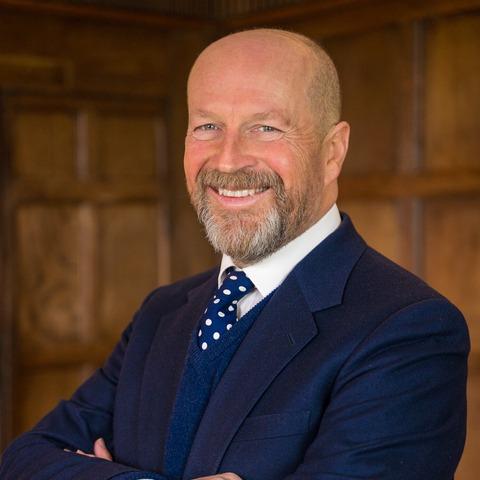
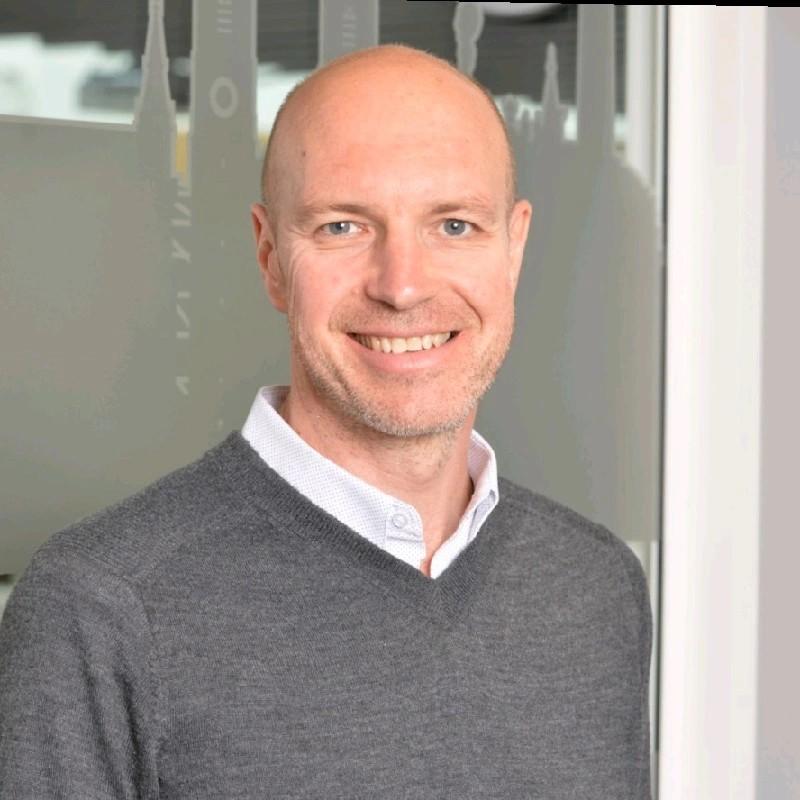



Watch the episode
Listen to the episode
In this episode of all about business, James meets Adrian Moorhouse MBE, three-time Olympian and gold medallist. Adrian talks about his journey from the pool to the boardroom, exploring big hairy audacious goals (BHAGs), the power of curiosity, and heart-driven leadership in challenging times, and why mindset, meaning, and community matter more than ever for sustained success in sport and business.
Adrian discusses his entrepreneurial transition, launching Lane Four in 1995, growing it through high-performance culture and client impact, and navigating its sale to EY in 2021, while confronting common entrepreneur pitfalls. He also shares how escaping school bullying through swimming ignited his drive and why choices over sacrifices defined his path.
01:20 transition to business
04:44 challenges and learnings
07:58 creating a winning team
12:41 resilience and focus techniques
17:16 from athlete to entrepreneur
32:30 navigating the 2008 financial crisis
36:46 mentoring and leadership insights
48:53 the intersection of sports and business
57:09 the importance of curiosity in leadership
Follow James Reed on Linkedin:https://www.linkedin.com/in/chairmanjames/
Follow Adrian Moorhouse on Linkedin: https://www.linkedin.com/in/adrianmoorhouse/
Find out more about The Tom Dean Swim School: https://tomdeanswimschool.com/
Adrian: [00:00:00] Secondary school didn't have such a great time. So for me to escape into swimming pool is quite a good thing. You know, to get, get away from everybody, get my head down for a couple hours. I was in more in control of my own destiny. So if I went in the swimming pool and won the race, he'd go and pick me
James: from the pool to the boardroom.
James: The Olympic mindset behind winning in business. Today on all about business, I'm joined by Adrian Morehouse, MBE three, time Olympian, former managing director of Lane four, and a leader in the world of high performance culture. We'll explore how Adrian turned elite sporting principles into a successful business career, what it takes to build great teams and how mindset drives growth.
James: I don't know
Adrian: everything about everything, so as I did with swimming with my nutritionist, psychologist and physiologist, I go, okay, um, legal, it, HR, strategy, finance. Get the best people. And then so then you find, oh, oh, that's my board. We got about 25 million, about 250 people full [00:01:00] time, and about 300 associates around UK and the world because you get literally once every four years, you get a 15 minute window to do it, and if you miss that window and you don't do it, then there's another four years.
Adrian: Can I change my preparation? I went to Australia. I wanted a third go at my final taper. I changed it. What happened?
James: Welcome to all about business with me, James Reed, the podcast that covers everything about business management and leadership. Every episode I sit down with different guests of bootstrap companies, masterminded investment models, or built a business empire. They're leaders in their field and they're here to give you top insights and actionable advice so that you can apply their ideas to your own career or business venture.
James: Well today on all About business, I'm really delighted to welcome Adrian Morehouse to the studio. [00:02:00] Adrian is an entrepreneur and an elite athlete, and I, I think you are the first person in our studio, Adrian, who can justifiably claim both those things. Um, Adrian represented Great Britain in three Olympic games, um, as a swimmer in 1984 in Los Angeles.
James: Mm-hmm. In 1988 in Seoul, Korea, and in 1992 in Barcelona in Spain. And Adrian, you won a gold medal. Mm-hmm. I'm still cheering. I remember, uh, uh, in the hundred meter breaststroke, the 1988 Soul Olympics, and you set a well record for breaststroke a hundred meters in the 1989 European Swimming Championships.
James: Um, since then. I mean, after it says here retiring, but retiring for a sporty career. 28. Yeah. It was online. He went on and co-founded a company that I know well called Lane four. Mm-hmm. He did that in 1995 and became a highly respected leadership coaching and performance consultancy that you later sold to, um, [00:03:00] Ernst and Young Indeed in 2021.
James: So two amazing careers. Mm-hmm. And I want to sort of have a chance to talk to you a bit about both, and then we'll conclude with what you're up to right now. Fantastic. So thanks for coming in. It's pleasure. So let's start, you know, how did you become a swimmer? How did that happen and where did you grow up?
James: Why did you become a swimmer? And obviously a very good one. Yeah. But no, no longer
Adrian: an elite athlete. She's quite, you've got elite, an ex elite athlete in the, in the, in the room. I think once you're an elite athlete, you're always an elite athlete, but I'm not sure all fades of it, doesn't it? Anyway, but yeah, no, you're right.
Adrian: So, um. No. So I grew up in Bradford, in, in West Yorkshire, um, parents and one brother, younger brother. And, um, I swam because as, as a parent myself now, getting your kids to swim, to save their lives when they, if fall, when they fall in lots of canals, lots of rivers around Bradford area. Right. And it was basically learned to swim.
Adrian: We both went to learn to swim, me and my brother. And then once we could stay afloat and not drown the, um, the swimming teacher ran a swimming club as well. And she said, look, if you [00:04:00] fancy racing or you're learning butterfly and things like that, then come along to the, to the club. So that difference between if you like, learning to swim for, save your life and then moving into a club was a natural one because it was the same lady that did both.
Adrian: Right. So I, by the age of nine, I was racing one length backstroke. Right, okay. And the idea ideal wardale championships. So it
James: saved your life in more ways than one very
Adrian: starting life. Yeah, it was, it was, but interesting 'cause my father was, um. He was a sort of a sports person, but amateur, amateur soccer and cricket.
Adrian: So sort of those traditional, um, men's sports if you like. But so swimming was a bit of an anathema team. Him. So when I started to say like, I don't want to do the cricket thing, I don't wanna do the rugby thing, I don't wanna do football if I'm not that bothered about all those things, I just want to get in, get in the pool.
Adrian: Um, he went, oh, that's fair enough. It's leches a sport. So
James: he was quite happy
Adrian: about that.
James: Right. So you, you told me, and I think you've been open about this, that you, you went to the pool as in part to get away from folk.
Adrian: Yeah, I, yeah. So, so fast forward a little bit. So it was, um, secondary school, didn't have such a great time, 12, 13, you know, [00:05:00] sort bit of, bit bit of bullying.
Adrian: Um, and so for me to escape into swimming pool is quite a good thing, you know, to get, get away from everybody, get my head down for a couple hours. Um, and also the other thing was as an independent school where, you know, the rugby teams, cricket teams, and. Being selected felt quite subjective. You know, the teacher, right?
Adrian: I mean, I probably wasn't very good. Did they have those lineups where you go, indeed and I'm the last person stunt, then you're not in anything, so I'll see you later. I go, okay, I've got bad for confidence. Exactly. And I'm so, it's okay. Well, I'd rather be in a clean swimming pool anyway, so rather than getting beat up on a dirty rugby pitch.
Adrian: So that's kind of my background. So I, I, I sort of escaped and I was in more in control of my own destiny. So I felt like being selected for something was very, yeah, as I say, subjective. Whereas the, if I went in the swimming pool and won the race, it gotta pick me. It's a bit like being an entrepreneur interest you sort of as a master of your own destiny if you do well.
Adrian: Yeah, and I think it's interesting because I think that, um. There was a point where you have to, and I've said this before to people where you have to flip from trying to do it all yourself. So I knew [00:06:00] at 13, 14, and that whole drive was coming from a very personal desire and I wanted to do it for myself and prove to myself or other people.
Adrian: And I think sometimes in entrepreneurship, that's the same sort of thing. You've got this drive, but it's not until you realize you've got a, and you need other people to work with you and, and, and be part of that journey that you actually are the most successful. So I did okay until I was about 20. And it wasn't until I realized I needed to have the support of other specialists and other people.
Adrian: And as a swimmer you did As a swimmer, yeah. And then that transferred
James: into
Adrian: business for me. So,
James: so you say you did okay until you about 20. What happened then? You, you got a team around you or,
Adrian: yeah, no, so at the
James: age
Adrian: of 20, I made my first Olympics. I mean, there's lots of fast forwarding here. So I, I did, I went from the county champion through to, you went from learning to survive.
Adrian: You fell in the canal to your first Olympics like that. Um, so lots of hard work. And I was training in leads at that point, which is Olympic Club. And I think that I, I got to that point by my own great determination, hard work. And I had obviously had talent, but I came [00:07:00] forth in those Olympics and I was only 19.
James: That was in Los Angeles. Los Angeles, yeah. And, um, yeah, I mean, you're understating it perhaps, I mean, you have to get up really early and train really hard. And I mean, it's an incredibly focused, tough thing to do. I mean,
Adrian: yeah, swimming is a commitment and I, yeah, I, I notice a lot of less the sports now. I mean, you, you see some of the sports and the effort you put in, but I was up about, yeah, five o'clock in the morning, most mornings every week before school dad would drive into the pool.
Adrian: I mean, not many teenagers are doing that. No, no, no, not, and I think it's about, but again, it's something that burns inside you. So I think I've talked to know, you've talked to lots of people, I guess in, in situations of entrepreneurship or drive or achievement where there's something burning inside you that you've.
Adrian: Doesn't go out. Right. And you know, and you say you're prepared to put the work in. So you, that whole idea of, you know, people, you say, oh, you used to make lot, you must have had made lots of sacrifices, but it never sacrifices at all. They're all choices. Right. I knew what I was choosing to do, so I was choosing not to go to that party with those friends because I was going to swim because I wanted to win the Olympics [00:08:00] at the age of 15.
Adrian: Now I was going, okay, that's where I'm off. So that's the thing that's burning inside you. Where does that come from? What, what is that? What, because it's, oh, I don't know. It's quite, it's, I, I, because it is interesting, my brother has the same sort of thing. 'cause I know he's, he's done quite well in business as well.
Adrian: So, and my father, I guess was a role model to us. So he left school at 14, obviously alive at that point. Um, but worked his way through like in Bradford, you know, as a wool merchant and made his way and made it to a company director. And we saw him working hard and getting things, you know, achieving stuff and.
Adrian: So that it was almost like this, this, this link between you work hard and you get, you get on. Yeah. And so that sort of drive was there, but then I think my self-esteem was a bit lower when I was in my teens. And so finding something to feel good about right. Mattered to me. And so I think that that drive, I was not a happy child.
Adrian: Yeah. And so I think that finding something to make me a little bit happier was important. So, but then [00:09:00] I've, I've realized that achievement alone doesn't make you happy. So it's taken me a while and I, I got that by the end of my swimming career.
James: But it's a good distraction in the, all the sort of, it was a distraction.
James: Yeah. All the sort of, yeah. The quest for achievement. So you did really well in Los Angeles. You came forth not well enough, obviously. I can see your expression and that's not good at all. You Well, no medal. No. No medal. No medal. Quite okay. You did really well, but then you needed to do better, obviously this far inside you saying I need, so you, what did you do then?
James: Recruit a team around you. What? The team came,
Adrian: almost like my coach, my swimming coach was very open-minded, very curious, and as a value, it's one of my strongest personal values. And I think I've learned that by being around people who have genuinely been interested in other people and what is, what's the different way or better way.
Adrian: So he was of that ill, and after the 20 19 84 Olympics. It was a case of, look, we need to look at nutrition, psychology, physiology, biomechanics. And this was very early days of that stuff. I mean, now, you know, there's a preponderance of specialists that can support athletes, [00:10:00] but in those days we had to go find them, you know, went, had to go to Lee University and find a nutritionist or, and working with somebody who could give, bring different types of tools to the party other than the swimming ones, you know, it's okay, you can swim up and down.
Adrian: He can teach me how to do technique, but ultimate and I can work hard. But ultimately there's a, a far more greater number of inputs that are required to be faster, you know? So you mentioned
James: nutrition and psychology, the main ones, and then biomechanics. Biomechanics,
Adrian: yeah. Yeah. And then strength and conditioning.
Adrian: So strength and conditioning because, you know, in the old, in old days, um, you used to get some weights and try and get as strong as possible. Lift as much as you can. But actually that's not very good if you want to swim a, if you're swimming for two minutes in the water, because whatever strength you've put on, you have to carry through the water.
Adrian: Right. And, but if it's not useful, it's wasted. So you've, you basically say saying you just want the muscles you need to be. Yes. Yeah. And that's power, that's applied strength. And so really understanding the difference between just being strong and actually applying that strength over two minutes Yes. Is a very [00:11:00] different activity and somebody needs to help you work that out.
Adrian: And then how you then train for, and then interestingly, the dynamic between nutrition and physiology and strength and swimming because you need to eat it a certain way. And then if you're gonna do that particular session in swimming pool, how did they change your diet? Can you remember? I remember a moment when my, the nutritionist came from to my mom, to my, the house where my mom, you know, proud Yorkshire woman who was feeding her boys very well, and this nutritionist said, well, maybe you wanna give them more pasta and more, uh, carbohydrates, right?
Adrian: So as we were, we were training so hard, I was burning off. Eight, 9,000 calories a day. So they're going, look, that's a lot of pasta. Well, it's a lot of cakes. And she said, no, not the cake. Not the cakes, but the pasta. So, so yeah. So a bit of a shift to understanding and protein and, and so really just, we were educating.
Adrian: And my, as I say, my mom was a bit re resistant at first, but then got with the program sort of thing, and, uh, right. Well, she's great. And so we, we, yeah, we worked on that. So that's, it becomes a part of your [00:12:00] life.
James: What if doing good was the smartest business move you'll ever make? I'm James Reed, CEO of Reed.
James: In my new book, karma Capitalism, I reveal how being a philco, that's a company where at least 10% of shares are owned by a charitable foundation, has become our business superpower. Companies like Lego, Ikea and Novo Nordisk share the same fulco identity. These businesses last longer inspire loyalty and make a bigger impact on society.
James: This book is part Manifesto, part Practical Guide. Karma Capitalism is available now@karmacapitalism.org. Being a good business is good business. So when you went to a soul career Yes. What do you think your chances were of winning? I felt good about them because I You felt like you were well prepared Yeah.
James: By this team and by your preparation.
Adrian: And I'd had some good successes on the way. So I'd won, the US Open was in January. I [00:13:00] just missed the world record in April or also in the States. I raced most of my rivals and I beat them all, all the way through. So I was going into the race as world number one.
Adrian: Right. Um, and so that brings, its over pressures. It, it does. And yet I've been always very philosophical about these things. It's always good to be in the number one position because then people, because you're in it, it's yours. This is what the, the, the mind Yes. Training
James: taught you in a sense. Absolutely.
James: Because it's, it's been the number one position. 'cause you're in it. Absolutely. Because why would you wanna be in any other position? 'cause everybody else wants to be in it. When I was third or fourth, whatcha worried about you're in it, but, you know, but you knew
Adrian: they were gunning for you. You definitely, you were after you.
Adrian: But then it was a case then of delivering. Delivering that potential. But then is the Olympics is a very interesting thing because you get literally once every four years you get a 15 minute window to do it. Yes. And if you miss that window and you don't do it, then these another four years. Yes. So I, that's the pressure that comes with, it's [00:14:00] okay knowing you're the best in the world, but you have to deliver it at that time.
Adrian: On that day in that swimming pool. So the preparation to get you there has to be very precise. Indeed. Yeah. And they do, um, you call it tape a taper. So you basically, the workload tapers down, so you're trying to rest as much as you can, but maintain that fitness and strength that you've got from all hard training.
Adrian: So you score super adaptation if you're
James: interested. Super adaptation. No, I'm interested. That's why I'm asking this question. So, so, so you had a great triumph in soul career. Yeah. That was good. Even you must be happy with that. I was happy with that. Although I only won by a
Adrian: hundred of the second. It was a very tight margin.
Adrian: A hundred a second. Yeah, I was
James: very tight margin, so. Oh, you thought it should have been more, I You were very hard on yourself. I am, yeah. So, so then you, then you went and, and competed again, and you didn't win again. Indeed. Yeah. Well, I mean, what was that like? I mean, I mean, I mean it's, I suppose we all in our careers, you know, we peak and then we go whatever the career is.
James: But for a young athlete, this happens pretty fast.
Adrian: Yeah. And, and I, I guess hindsight is a good thing when you sort of look on your full career. And so for me. All the way through to 92. [00:15:00] So 88, I won the Olympics. I broke the world record, 89, 90, 91. I was still world number one, right? So it's only the year before the Olympics I started to tail off.
Adrian: Now I, I wanted a, a third go. I mean, it's a great, great show. It's amazing
James: to have
Adrian: done
James: through. It's a great
Adrian: show. Yeah. To go to it and have a go. And I, but I changed, I took a risk and I changed my preparation. I went to Australia. And I was swimming very, very well through to May, June, and I thought, this is going to work.
Adrian: But my pre my final, you said that that, um, getting it right on the day, my final taper, I changed it and it kind of went wrong. And the week before I kind, why did you do that? Because I wanted to blow the world record outta the water. It was my world record. I thought, well, I'm gonna win the Olympics. You wanted a beat yourself?
Adrian: Yeah, yeah.
James: Okay. We're getting the impression You're a very competitive person. Go out on the back. Well, I've turned it down. I I'm, I'm, I'm very different now, actually. Well, this is good. So you wanted to beat yourself. Yeah. But it, you misjudged it and so I message camera what happened? Came eighth. Came eighth.
James: But that's a risky you take,
Adrian: you know, so you, you must have
James: felt
Adrian: pretty sore about that at the time. I did. But I, but I mean, [00:16:00] interesting that I've always been hindsight and, and also quite a few things happened to me in between 24 and 28 that caused me to be a little bit more reflective and philosophical about life.
Adrian: Right. And realize that swimming didn't really matter because one of my main rivals through my 18, 19 through to about 25 through to soul. Uh, died. Died at the age of 25. Oh really? Um, in a hit and run accident. In, in a hit and run accident. Yeah. Yeah. So, so I called Victor Davis. Um, and so facing into things that are bigger than going in the swimming pool and flooding 'em down for two lens, it started to make me realize that I was trying something.
Adrian: Yes, impressive. It's hard and it's challenging, but on the grand scheme of things, does it really matter? So it gave me a sort of a, you had a different perspective. I had a different perspective. And I think that's. I've been thinking about, I've thought about that. Not, not much recently, but about whether that changed my, the dynamic of me in the pool, but going for the risk and you, 'cause I, I, I knew what I was risking by changing [00:17:00] my preparation.
Adrian: Yeah. But I genuinely thought, you know what, if it works, it works. If it doesn't, it doesn't.
James: Well, that's very entrepreneurial as well. Yeah. You know, so aiming high and trying something. Yeah. If it doesn't work, it doesn't work. Doesn't manage try again or do something else. Exactly. Yeah. Failure is a signpost, as we've been told on this podcast.
James: But for me, yeah. Absolutely. That's what I learned all my stuff when I failed. So then, so then you subsequently to your swimming career started a business that you called Lane four. Now I think this has a, a meaning to swimmers. Yes. Why did you call it name four, Adrian? Uh, well it,
Adrian: it's, um, just a quick segue.
Adrian: I had the four years after swimming, I worked for the swimming association. Right. The governing body as a director of talent development. So actually. Did four years planning the national talent strategy for swimming. Oh, so you were helping bring in other swimming? Yeah. So identifying talent, develop and think about the plans.
Adrian: So we weren't burning kids out. So that got me into talent development, which is why Lane four is a talent, human resources kind of consultancy came about. So it's an easy segue when you know that middle bit. Yeah. Um, but lane four. I started with two, uh, well, [00:18:00] a sales friend, a friend of mine who was a sales director and a couple of sports psychologists, and it was one of the sports psychologists that threw that name into the hat when we were calling about names.
Adrian: You know, we were right. We had some of the rubbish names. You saw the general names, like peak performance or you'd get go fast or whatever. And then, and then this guy said, why about, we call it lame four, right? We looked him, well, that's a good one because it's, it is the lane that the fastest qualifier from all the prelims goes into.
Adrian: So it's the favorites lane. Oh. Ultimately it's the, it's the one where you're more likely to win. And is that because it's, you can see what's going on either side of you? Yeah. I mean in, in the, yeah. Peripheral vision. Helpful. 'cause you've got three on one side, four on the other side. Um, and again, I love being in the middle because you in the middle of it and you can see everybody.
Adrian: Um, and all but the old Victorian baths, pools, baths from being from Bradford, we had Victorian baths. They're high sided. They were high sided. So the waves used to hit the side and parents in the middle. Oh, that would be a bit of pushback. Yeah. And if you were name one A, it was a nightmare. 'cause it was like the North Sea.
Adrian: Oh right. So name four is a little bit quieter. Right. So,
James: but that didn't matter [00:19:00] with, so you're in the thick of it, but it's a better channel.
Adrian: Yeah.
James: Right. So you called it that. Yep. Yeah. And, and, and you began with a small group. Mm-hmm. Three of us. Yeah. And how, how, how, how did you start, how did you get business?
James: How, how did it begin?
Adrian: Um, I think f first of all, we, people believed in us. It was really interesting finding one or two people. So the sports psychologists were already working in, in the corporate world. So they were moonlighting from Loughborough University, which is famous for sports. Yeah. Loughborough University, great sport.
Adrian: And the head of department Graham, who started lane four with me, had been phoned up by 3M in, in Loughborough, who had a division there. Um, and the head C called David Cook actually, um, was thinking laterally. He's thinking, look, I've got some high performers in business. I've got some eight vice presidents running quite significant bits of the business.
Adrian: I think they're like elite athletes. They're high performers. I want to find out how they could be better at what they do. And so he rang the sports psychology department at and said, I want the sports psychologist to come and talk to my vice presidents. And so Graham went to talk to 'em and did, um, started to talk to 'em as if they were.[00:20:00]
Adrian: Elite athletes, you know, with goals and pressures and trying to work in a team effectively and bringing to bear some of those techniques and tools that he taught people like me. Um, and their performance improved significantly. I mean, hugely improved.
James: And so David, so there's a lot I want to unpack here, right?
James: Yeah. Oh yeah. So it's a very interesting, you, you brought psychologists well from a university Yes. Into a business, a technology business and, and sports together. So it's an interest. Really interesting fusion. Well, you have
Adrian: three. I'm a very innovative organization anyway. Yes. They were looking for a differentiator, looking for something a little bit different.
Adrian: So not, they didn't want something like me and David to this. He said, I don't want somebody like you, the renter hero, coming to tell me I a guys your story and go, rah, rah, come on, you can do it. He said, I want to know what these guys taught you because I want 'em to teach my guys the same thing. Right.
James: So what were the key things that you took to this team at 3M that
Adrian: connected with a lot of stuff around, a lot of things around resilience.
Adrian: So, you know, resilience, the, the stuff that you can learn. So, um, I definitely, between my Olympic games, 84 and [00:21:00] 88, I learned how to handle pressure. I learned how to focus better, I learned to be more resilient. I learned to my self, my self belief, self-esteem and self-confidence fit together. 'cause there's a different, there's they're different.
Adrian: Um, and so some of the stuff around my individual performance, but also how to work in a team. So team dynamics, how do you get the best outta people where the skillset lies and how do you have empathy and give and take within a team and create flow, right? So, you know, that sort of, if you like individual and team dynamic stuff.
Adrian: And David was quite clear with me. He said, look for the price I could get you for an hour at lunchtime to talk to my guys and get these guys for a whole year. 'cause the price point was very different. Were on the speaker circuit. Yeah. Well, well I'd done a few speakings as always. My, I was doing the talent jobs.
Adrian: My main job was head of talent development. But I get, I asked every now and again to do the speech. Yes. And he said, look, that's gonna do so much. It's gonna inspire, but actually I want these guys, I want my people to change for the better and learn [00:22:00] some new things. And their KPIs, their performance went sky high.
Adrian: And he said, that's a great, you should get these guys into business. He told me, he said, you should start a business with
James: these two. Uh, well,
Adrian: I'm
James: thinking, listening to you, and I'm sure other people listening will be thinking this too, is, well, I'd like to be more resilient. I'd like to be more focused. Give us some tips.
James: Revised there's, I mean, well how do you do this? Or if you, you or does it take, take a year? What's the curriculum here? How do you become more resilient? Because clearly it's very important as is focus. Well, if, if, and you said getting into a flow state, which is a Yeah. Particularly focus, source focus. Yeah.
Adrian: Well, it's, I mean, focus and interesting. 'cause there's practicing techniques, which you're looking at. The internal narrative and the external. So what's externally going on around you that might distract you or cause you to pay a different attention? And what's internally? So what have you got in control of you around your thought process and pattern?
Adrian: So what you might listen for, what you might see, right. You might be drawn to, it's a combination of the internal external. So there's definitely [00:23:00] work you can do on noticing what's shaping you and changing your point of view and the external, but then how you are reacting it internally. Um, just being aware of that, I suppose.
Adrian: There's an awareness piece. Yeah, awareness and then, um, and then doing something about it. But the pressure handling pressure's a big one because you know, there's a source of pressure on everybody. But identifying what that source is, but then understanding how it affects you, and then having techniques to cope with the effects.
Adrian: So you are, you sit in an Olympic final room, you sit half an hour before an Olympic final. You've got seven people with you, but you're there in your speed at, and you speed. Well, you actually at that point and you, they wanna beat you and you wanna beat them. And you got, you gotta wait half an hour and there's 18,000 people outside.
Adrian: You're all
James: in the same room together. We're in the same room. Did you talk to each other? Small room.
Adrian: Some couple did. Some people put headphones on, people walked around and just got very agitated and really, so you then it's about, then you're into meditation, then you in meditate practice, you're into breathing.
Adrian: So what did you do in the room? Quiet. Quiet with [00:24:00] my headphones. With meditation. Meditation. Yeah. Focus. And then, and what was playing in your headphones? Oh, my headphones used like classic music actually at the time. Right? 'cause I quite like, so you
James: just sit there and listen to the music and, yeah. And then
Adrian: replay.
Adrian: And then the other thing is not to, it's this thing about minimizing what's about to happen. So. I could sit there and go, it's Olympic games. I've got to win the Olympics. It's a gold medal. It's, you know. Yes. But what I was thinking was actually none of that is currently in my control. So I'm not in the pool yet, so what's in my control?
Adrian: Next thing in my control is to walk out and get a good dive. So my, my, my tape in my head was talking, thinking about the te the technique and the practice of getting in the water. Then everything will flow from there rather than thinking it's the Olympics. But then, and also, so you were sitting in the room visualizing your dive into the pool.
Adrian: Yeah. And then the other thing was when I, when I started to think about it's the Olympics a big, big deal, everybody in the world, it's like no, there's only seven people to beat now. Right? I have to beat those billions of people. I just beat most of them. I just gotta beat seven. And I've beaten him before and I know he's rubbish at the first bit.
Adrian: I [00:25:00] can beat him.
James: Yeah. That's because you were good, but, but then you,
Adrian: then you into self-talk then, aren't you? Then you into, I think it's an interesting with British, so you're having a conversation with yourself. Yeah. It's interesting. With British people without self-deprecation does undermine your confidence.
Adrian: Right. You know? Oh yeah. Well, don't get above yourself. Well, actually, you need to walk out thinking you are the best in the world and you're about to win. You have to every day. Why not? Yeah. No, but as long as, I mean, I'm from a good family that kept your feet on the ground, arrogance never came into it. So there's a difference between,
James: yeah.
James: What's that? What, how do you manage that? That's a balance. Just, it's
Adrian: not, it's an internal thing, not an external thing. You don't have to go out and say, be cocky about it, and go. That's usually hiding something. I think that somebody is insecure, but if you are secure, it's inside. Right. You don't need to, so you're not perceived to be arrogant because you kind of just believe you're gonna win or you're setting out to win, at least.
Adrian: Yeah. And then, and then if it, if I fail, it's okay. 'cause I failed last time and I lived and I got over it, so [00:26:00] my life will carry on.
James: Yes. But I mean, so when you, I mean, you didn't win every race clearly, so, so when you didn't win. Was that your, your take on it and just, that's just how it is today. You'd analyze what, what went well and what didn't go well.
James: It's lots of before reviewing, was that always in your control of, I mean Yeah. Which wits were, which bits were Yeah. It is just a better swimmer maybe. Yeah.
Adrian: Yeah, exactly. I mean, I did, um, yeah, I mean, but there's something about reviewing the process. I'm a big, I'm a big believer in all the inputs. It's the input that creates the output.
Adrian: Yes. So, you know, so what, what was, what was I doing in the preparation room before? What was I doing on my diet? What was I doing with my nutrition? What was I doing? All those things are in my control rate myself. Sure. The result, that guy might have beat me on the day, but don't hang, get hung up on that.
Adrian: Look at all the process. Where can you improve
James: the process? So you took these ideas Yes. These thoughts into the world of business? Yes. Um, did you have to change it much? I mean. So how did you approach it? Yeah.
Adrian: The two things about business [00:27:00] for me were the product and the offer and the way I would lead the business.
Adrian: So the product and the offer was the psychology of performance, and that was individual team organizational, get those guys to create dynamic consulting package or development packages that would work for the buyer, the client. But for me as a leader, thinking about how Lane four create was created, I thought to myself, okay, if I'm the swimmer here, I'm a managing director, I don't know everything about everything.
Adrian: So as I did with swimming with my nutritionist, psychologist, physiologist, I got okay, um, legal, it, hr, um, strategy, finance, get the best people. And then so then you find, oh, that's my board. So I've got a, I've got a board of experts who are very, very good at what they do. My job is not to do their job for them, it's to release their talent in a team.
Adrian: And so I, that really absolutely came from swimming. So when I realized they'd be a really good team around you Absolutely. Who are better than you. That was the first thing. Yeah. Nutritionist is miles better than nutrition than me, the [00:28:00] psychologist, better than psychologist than me. But the, the contribution to the whole, and that's exactly the same in business, make everybody have, everybody feel that their contribution is critical.
Adrian: Is valid. And it is. And then so the entrepreneur thing is quite interesting. I've seen a lot of entrepreneurs try and do it all themselves. And I that journey in swimming from being a kid through to the. Olympic athlete that knew how to really work with a team of people and give up stuff and listen and be curious and apply and try and learn from the application.
Adrian: So that running the business was one thing and then because these psychologists were very, very good, letting them loose on creating great product that fit the marketplace. So.
James: So what would be examples of the product that you would be selling at that time?
Adrian: So early days, and you'd say, why did everybody give us a go?
Adrian: They were curious about us, obviously. They said okay. But once they got over the fact, it wasn't me trying to give them a talk, but actually I wanted these psychologists to work with them. And once they experienced it, then the word of mouth became very strong. [00:29:00] Um, we didn't mark it for five years. I wanted to make sure we had some strong case studies where the client said, this is really working for us.
Adrian: So the market, what would be the problem that you would be called in to help solve? So it could be a high perform, it could be team, it could be the top team, an executive team, or it could be team development. So how so It's quite senior people. It could be se Yeah, we've got senior people quite early on.
Adrian: Um, although you, you, you get mi mid managers or groups of people, how do they team well how do people actually work well in the team? That's the individual dynamic. In the team dynamic. Um, I mean laterally. And what sort of intervention would you have delivered for that? This, this, I think the skillset, a lot of the skillset was on facilitating conversations and bringing skills into the room.
Adrian: So new skills to learn some different people doing things differently. Here's a, a way, a methodology of doing something. Try this. I'll give you an example. We work with some call center managers, um, with BT actually and one of their, um, big metrics around handling call calls, right? First time in call center and this me.
Adrian: 'cause we always ask the client what the metric is. 'cause [00:30:00] I wanna win a race and swimmer time. What's the metric? What you trying to achieve? So we wanna handle these calls better to handle them at 70% right first time. So what's gonna be a good number? Well, 80% would be a good number. So you work with the call center managers to talk about handling pressure, setting effective goals, how are they goal setting, how are they causing pressure within the team?
Adrian: How are they responding? Um, and give them some technique, some tools. Here's a framework that I could have learned around goal setting. Give them a, facilitate a conversation between them and say, how would you apply this to your call center and how might it affect your call center operatives to achieve a better number?
Adrian: We did that for about a month, and their numbers went from 72% to 91%. In a month. Right. First time. So their behavior changed 'cause the skills they were learning and using and they applied, but nothing to do with sport. Yeah, the sport was a nice hook. 'cause you can look at, that's what I'm wondering. It doesn't sound like it, it's a hook because you, I remember it gets you in the door.
Adrian: Well, it is, but then I'll give you an example. The call center, and it's quite interesting 'cause they were, BT [00:31:00] had Chris Hoy as, as, um, an ambassador, right? So what we said was, so can we use Chris? So he came on and talked for 10 minutes about handling pressure as a cyclist. Then the sports psychologist said, here's a technique Chris has learned.
Adrian: Here's what he did. And then one of us would facilitate a conversation with the call center guy and said, can you see how you would use that in your call center? Right. So inspiration, the tool, the application. Right. And so then, so you, you, you hooking them with a, can you remember what that tool was? That particular one was goal setting.
Adrian: That particular one was around. Everyone was focusing on the performance number. Business is very, they'd go on, go on, we all go on about the number. We've gotta do 50 million. We gotta do this number. But actually it's the outcome and the process that matter. So why are you doing that number? What's that gonna give you?
Adrian: Why would somebody, an 18-year-old, not 21-year-old in the call center, care about that number, give them more meaning in the number, and then the process, what's their role? Why is their role important to achieve that particular outcome? So getting to reframe the way they were talking about [00:32:00] goals rather than his number.
Adrian: His number, his number. So the, so the goal would be theirs. It, it would be it's owned by the individually. See how they fit into it and why it matters. And so very often people are very lazy in business with goals. Yeah. So that's interesting. Yeah. There's a headline number and, but don't really know what's my part in this, what's my part?
Adrian: And also what's it gonna do for us? And that's why lots of people now of different generations are asking for more meaningful work. What's the meaning? What's the point in doing this? You are, okay, we might do 50 million, but so what? Yeah,
James: what's our purpose? What's the point here? Why are we doing this?
James: What's the point of business? Well, that's a very good question. So you grew this consultancy successfully over a 25 year period, eh? We did. And as you have
Adrian: experienced, the world of work in the last 25 years has been ups and downs. Certainly have 2008, 2009, I could remember
James: them. Well, 2008 was a big one.
James: Yeah. So what happened to you then? Was that, so we'd already, was that an existential danger to
Adrian: your Yeah, it was. We, we stretched quite a bit. We, so we had a couple of global, well, quite a few global clients and we had, we were working in 20 different countries, 20 different languages. We opened an office in New [00:33:00] Jersey where clients in Manhattan and New Jersey, and we put eight people in there.
Adrian: And we had an office in Melbourne serving Australasia and Singapore and kl and. We stretched on two continents. All the consultancy we had was going Wow. Do one at a time. We went to, 'cause the client wanted to do both. But you had a particular client. Yeah, once and we took us very, very global. And then in the end it was 2008.
Adrian: So the costs over outweighed the revenue. And then we But you had to close those offices. 'cause both offices. Yeah. But that's the benefit I think of being small, entrepreneurial is we could make those decisions, um, together. And we made them very quickly. Yes. 'cause it was, UK business was fine actually in the 2008 period.
Adrian: Yeah. Just about. But they were, we knew that it would hemorrhage money if we just kept the two offices open, so we closed them. So that was an interesting time. Making our first redundancies isn't letting people go. Um, difficult but very difficult because we, despite everything I was saying about the goal thing, it is a very heart-based business.
Adrian: 'cause if you work in human, in a human capital, you're working with people, [00:34:00] everything we do is to engage and enable people who are working at work. I want people to have a better day at work. That's why I do what I do. That's
James: good to hear. Yeah, so do we. I mean, that's why we do what we doing actually. Yeah.
James: Improving lives through work as well is our purpose. So how big did the company become?
Adrian: It was about 25 million, about 250 people full time and about 300 associates around UK and the world. And we, yeah, so it was, and it was pre COVID was going okay. And then, but a lot of our work was face to face and COVID, we went a bit.
Adrian: And then you
James: made the decision to exit. Yeah, we, so we exit. So how did that come about? What was the sort of,
Adrian: we were partnering, we, we, one of our big strategies was to create partnerships with some of the well Big four or consultancies that could take us into larger programs. 'cause at that point we were doing a lot of transformation and change, pro change work.
Adrian: So how do you, how do you help an organization go through a big, a big transformation project? How, how do you take the, the leaders and the organization through it? It's a human [00:35:00] level. So how do you, you know, you might wanna change a system or you might wanna change a particular strategy, but how does the 30,000 people who employed do that and want to do that?
Adrian: So we were doing a lot of consulting work in that space and we realized that. Piggybacking, one of the big four would help us get into larger scale, the clients we could work with. Yes. And we started working with, we were working with KPMG at one point for strategically, and then we got a big book piece of work with civil service.
Adrian: And then we started working with EY on a, a piece for the Met Police in London when Chris Dick was a commissioner leading for London. So an EY with a prime, because there's con Well that's what sort of work you were doing for
James: them, the police.
Adrian: Yeah, it was, it was, it was leadership and it was all about, it's everything that we're seeing of the boil being Lance now.
Adrian: Right. So it's everything we're seeing, which is addressing, I mean, Chris did it as a commissioner, I, I thought was awesome. And just wanting to change the culture, the dynamic of. Everything that had been reported on and still is been reported on, but to try and help all those leaders do it [00:36:00] better. So you were supporting the lead support?
Adrian: Yeah. And, and helping them with conversations and training, developing and, but so we, ey were Prime and had had the main contract, but we were the specialist that did the leadership work. Um, all the way from desk sergeant to commissioner. And it was, um, very rewarding, very challenging work. And it was during that time the EY said, look, we're, we've got a partnership.
Adrian: You working pretty much underneath our model. Do you wanna join? Right. That's pre COVID. And we went, no. Said no. That changed then did it? You
James: have to go. Right. Your negotiating position was somewhat weakened, I guess. Retired.
Adrian: Right. We, we
James: had some friends to climb the mountain with and so we joined. Yeah.
James: Yeah. So, well that, that was an incredible journey. Mm-hmm. And, and since then, now you've sort of gone portfolio and sort of full, full disclosure, I should mention that you, I'm very pleased to say this, joined Reed as a non-executive director Yes. Earlier this year, [00:37:00] which we're delighted by. Um, but you've got a sort of more portfolio career now that's, and you do a lot of mentoring with entrepreneurs.
Adrian: Yeah, that's right. So I'm really interested in that. Yeah. So I've, um, yeah, and I'm very proud to be part of the Reed family as well, James. So thank you for inviting me to something. So yeah, doing that. And so I'm working with a small l and learning development company, um, called fii. So I'm helping them with their strategy, helping them grow.
Adrian: I mean, that's sort of in the tent if you like, but then I've got two or three other leaders of organizations, smaller organizations who. Uh, wanting to shape their business and grow and achieve. And so helping them, having regular conversations, catchups listening to their strategy, their choices, but trying to be that the best of mentors, which is not a knowit all, but somebody who actually asks questions and is curious and tries to hear what they actually want to find out about, rather than me spray painting it with my wisdom.
Adrian: So you've got three, at least I've got about four. And then every now and again. How often do you talk to 'em? Um, some, it depends on the phase. [00:38:00] Sometimes it's once every six weeks. Sometimes it's every day. Every really, it depends whether, depends what going on. So get good value from Depends. Depends on what's going on.
Adrian: It, it's a, I don't do, I don't charge for it. You don't charge for it, so, so it is, there are people who I want to succeed. I, because I, yeah. I'm in that altruistic phase. Well, they're still getting
James: good value from you, whether you charge for it or not. Hopefully. I dunno. I hopefully it's good. I dunno. Yeah.
James: What you're doing every day or Certainly sometimes it's just a call. A call. Yeah. So what, so what does it take to be a good mentor, do you think? What's the, so I think I was touching on it a little bit there. So
Adrian: for me. Mentoring and coaching a little bit different. So if you're a mentor, you've trod the path before possibly, and you've, you've got things to offer.
Adrian: But the coaching style would say to the person, what do you actually want to hear? Rather than go, oh, I've done it all before. I'll tell you what you need to hear. Right. But actually, I think a good mentor waits and listens and is curious and really, really understands the gaps and what the person is looking for.
Adrian: Um, I've, I've been on a panel before where there's had three people with experience Yes. And, and people in their audience [00:39:00] asking questions. And you just get the feeling that it's a bit of a, a showcase of something to say how good they are, what they've achieved to me, people on the panel. Yeah. And, and for me it's more about, look.
Adrian: What would, what's behind that question because they'll ask a question. It's like, what's behind the question? What is it you're really asking and what are you, what are you concerned about? And then it's okay here is ask more questions back and then say, okay, I've had an experience similar. Would you like me to share the experience?
Adrian: Yeah, that'd be great. Thank you. Or yeah, maybe not that one, but something different. It gives them a chance to sort of really hone in where you, where you're giving that particular advice. 'cause I think advice comes with mentoring,
James: but, um, so you, are you referring to your business experience quite a lot here?
James: Or your knowledge of psychology or, well, it's a bit of both actually. It could be, it could be, it could be
Adrian: leadership experience, having, being in the seat as you, you know, being in the seat of a, a managing of a small growing business. Um, but it might be also the psychology I've learned because I, I was very lucky, I think, because the products of my business.
Adrian: [00:40:00] Helped me run my business better. Using it on myself was critical because we were learning this stuff to share, share with our clients, but also we could use it on ourselves. And that was the real benefit.
James: Yes. Because you said earlier that you felt you were a curious mm-hmm. Person by nature. So what did you learn about leadership that you used on yourself?
James: What, what were the sort of takeaways there? Um. You can't force people
Adrian: to do stuff. You can't force people to do stuff. You can try and manipulate it with money, but strangely, reward only takes you so far. So there is some part of that. But then the main bit is, it's the, it's the hearts. You've got to engage people's hearts.
Adrian: You've got leadership for me is having people understand what's happening, what you, where you're trying to take the organization, but then also talk about why it matters and what, why might it matter to them. And engage them in what's the story of the organization. Then help them with the tools to be able to do something about it.
Adrian: And so for me it was more about stories, it was more about painting a picture of what could [00:41:00] be, um, being honest and realistic about what, what it was and what's happening. And then listening to different groups of people. You know, the, the, the board. Just because you run the, you're on the board and you've got a position, doesn't mean that you know everything.
Adrian: You've, in fact, you probably don't, understanding what's really happening in the
James: organization is fundamental. I think that's really interesting. I thinking about businesses, I completely concur, but what I've observed interesting that you go to a business conference, if a politician's speaking, they'll come and do their speech, then leave.
James: They, they don't listen to anyone else. And I think that's shame. That's interesting. Well, I think it is a weakness in our sort of way politics works. Yeah. Because you learn so much from listening to the other people. No, I agree. And there's not really, it's not really organized to do that somehow. No.
James: Especially if you are in government and, um, I think that leads to less effective leadership.
Adrian: No, absolutely. I I, I, yeah. You've gotta be in touch. You've gotta be in touch. 'cause you, you'll, 'cause if you have a strategy or have a plan, [00:42:00] you know, it's, it's, it's not so gonna survive contact with the enemies unless you actually understand what's happening when it's in contact.
Adrian: Yeah. If that makes sense.
James: But the enemy in this case being other people. Yeah. Whatever. Yeah. So who are you trying to sort of influence? Yeah. Yeah. So, so plans only take you so far is what you're saying?
Adrian: Absolutely. And, and, and those plans need to be tested, refined with people who are actually gonna enact them.
Adrian: Yes. So I, I've, I believe in the full transparency organization pretty much. I, I, I've been to some organization, I'm quite surprised about how little, how much they want to keep quiet. So what you, you can share that, that, that, that that can be shared. Oh yeah. But we, well they don't wanna tell 'em what, like their financial situation.
Adrian: Oh. Or yeah, bits and pieces of it. There are certain parts of it. 'cause they're worried what people might think about it. Well people talk about it anyway. Well it's very hard for things
James: to be concealed now because of, there seems to be full transparency with the
Adrian: Yeah.
James: Internet seems to
Adrian: have delivered that.
Adrian: Yeah. So I've mean treating, teaching people like adults. Right. Treating people like you. You're not their parent. 'cause there's a lot of, in business I think there's lots of staging where you get a title [00:43:00] and you, you decide you want to act like a parent and therefore all the kids are the ones running the company.
Adrian: Oh, you've observed this? Oh yeah, yeah, absolutely. So parent child relationship. Yeah. To totally happens. Yeah. A lot. Yeah. And so I've got, you get a title, but that's what I mean. Leadership titles mean nothing. Actually what matters is the way you treat people, right? And so people that hide behind the title to get something done, never gonna get it done long term.
James: So you can't force people to do things, and you shouldn't hide behind titles though. No. Key lessons from lane four? Well, from me, I mean, I think they're good lessons. So, so if you, if you really want to get people fired up behind an idea, how would you do that?
Adrian: Find out what the ideas are, percolating the organization.
Adrian: Work out what you, what you think. 'cause you might have a different view. You've got the helicopter view. Yeah, sure. And that's quite interesting because you're lucky enough to be able to touch into lots of parts of your business. And so you maybe have got a bigger picture, but then test it and find the in inspiring parts within the organization and see what is possible and just ask somebody, is that possible if we did that?
Adrian: And then [00:44:00] you can Amal create an amalgam and then it's all about narrative then it's about how you engage people. It's how you tell the story of, of what you're trying to do. I think so. And how and, and not be the sole storyteller. Then there's something about, that's what I mean. If people within the organization care about it enough, they'll start telling their version of the story as long as the bones are the same.
Adrian: You the phrase bones, flesh and breath with a story. Well, the bones of the story are, you know, the facts. That's kind of the thing is that you want to be trying, you shared out, but the flesh and breath is actually down to everybody to tell the story in their own way. It comes to life when it's, the story is life.
Adrian: Breath, breathe into it. Yes. And each individual does that in their own way. If they don't care, they, they're not gonna do it. They're just
James: gonna share the bones. Right. So if you're just seeing bones, there's a lack of, lack of, uh, care. Yeah. Involved. But people aren't really, I mean, storytelling is in some sense so [00:45:00] natural, but we're not taught how to do it necessarily.
James: Yeah. That's at school or No, you know, we like reading stories, like watching stories. Sharing stories, yeah. But it could be much more helpfully taught, I think. Well, for people working.
Adrian: I think so. Nothing has confidence involved, isn't it? Whether people feel confident to speak out. And I think that's the other thing that you want to try and create in the organization is that people don't.
Adrian: Feel silly saying anything. Yes. You don't make people feel stupid if they say something that's maybe off point or hasn't, doesn't make so much sense. Just encourage them to talk. Yeah. I something I've observed and listen to sometimes the team meetings and you, the, the boss will, the manager will run the team meeting.
Adrian: They talk all the time and then any questions at the end and nobody says anything
James: and then they can't wait together. Oh, so the boss is doing all the talking. Yeah. The boss should talk last, shouldn't they? Oh, not at all. Or not at all. Yeah, yeah. Yeah. Not, I remember reading Nelson Mandela's wonderful book, A Long Walks of Freedom, and he talked about that.
James: Yeah. About how to get the best out of a group. Yeah. And you [00:46:00] should go last. Yeah. Or you could summarize what's been said. Exactly. It's your meeting. This is your, this team is you, you've assembled this group. Yeah. To hear what they have to say. Surely. Yeah. Yeah. And that's often not the case in your experience or people.
James: It's getting better. It's getting a lot better. I think it's getting better. Right. So, so as well as doing your mentoring mm-hmm. You said you had this consultancy, it sounded like you might be doing Lane four, version two. I'm support leadership Consultancy Theory. Was it called? Yeah.
Adrian: Fi Yeah. So I'm helping them grow that business and I mean, I, I don't have the same, um, at fires still inside you.
Adrian: Yeah. I've got probably not, not con not the competition thing, but, and I, I lo I left, I lo I lost that a long time ago. I do believe that. I think what I realized was I enjoy making myself and the organization better every day. And if we win pictures, we win stuff. But it actually, it's more about feeling that you've done a world class job.
Adrian: So there's something about, I really enjoy the process of business. I like doing business and I don't necessarily, [00:47:00] you know, win some, lose some sort of thing. But, um, I'm also equally in, in, um, I've got a, a role as a chairman of a local trust in wins and Made and where I live, the leisure. Focus, who run the, the leisure facilities in my community.
Adrian: And working with the chief exec there to create a better healthy community is, matters to me a lot actually. And we've started to look at parts of the business, parts of the organization that can, um, earn money for the foundation, for the trust. So we're creating something a little bit more entrepreneurial within the boundaries of, um, a community for the benefit of the community, but also the benefit of the trust.
Adrian: So, so what
James: sort of activities
Adrian: would
James: those be?
Adrian: So the, well they, they're the legitimate business activities, right? So, well running a swim school is one thing. Back to the old rooms. Yeah. All good. Tom Dean Swim School went to swim. Yeah. So Swim school is a media business, a facilities business, um, training business.
Adrian: So all the bits that you would expect within a leisure, um, [00:48:00] organization, but for the benefit of the trust and the community, how that
James: recycles money into
Adrian: the community. Yeah. And so that, that in itself, so that's, I dunno whether, I dunno, when one gets to a stage in one's career or life where it's like, you wanna put that stuff back, you know, you really wanna make a difference.
Adrian: All my children grow up in that community and my friends and their children and people I know and people I'm attached to.
James: This sounds like a model that could be recreated up and down the country though. Yeah. Well hopefully other communities could. Yeah. Yeah. There are a
Adrian: number of trusts on local leisure facilities rather than private organizations.
Adrian: You could create that business model, that business model replicate it. It exists, but what's, what, what I'm interested in is the dynamic interplay between for-profit and not-for-profit. Right. And you know, because running the charitable business or the foundation and as Reed does mm-hmm. And also having the for-profit businesses that fund some the good activities within the community.
James: Right. Well, I wish you continued success with that. Thank you. Um. Is there anything, I mean, I'm still sort of wondering in my [00:49:00] mind and I dunno what, what the question is really the sort of overlay between sports and business Right. You know, people talk a lot about athletes and performance. Mm. And teams and, and, and then you do get speakers like yourself who have sort of, I've heard speakers from the sporting world Yeah.
James: And they're great to listen to. But I do sometimes leave thinking, how's that gonna help me do my job better? Or what am I gonna do with this bit of information? I mean, I've heard a great story. I've enjoyed the hour. Yeah. Um, but so how. How much do you think they are sort of overlapping and, and maybe what areas are they not?
Adrian: So it is really interesting because I, when I first met Graham, the professor of psychology from Bluff University, I watched him do his thing with the 3M guys and he watched media talk and at the end of my talk he said, that was interesting, but so what, so he did exactly harsh, but it became a business partner.
Adrian: Well, I
James: mean, yeah, it, from a business point of view, I sometimes feel that's,
Adrian: but it's, it is totally right. It's totally right because there is a difference between inspiration and inspiring somebody. So I can listen to a mountaineer, I can listen to a sports, but I can listen to, [00:50:00] apparently I can listen to an entrepreneur, I can listen to anybody, give me an inspirational conversation and be moved.
Adrian: When you are inspired, I think the definition is to be moved emotionally or mentally. Mm-hmm. So you, it stimulates your thinking, which stimulates your emotion. Mm-hmm. Whether you do anything about it is down to you. So therefore you're attacking motivation. And so that's about. Small habits, doing things differently every day.
Adrian: So if you heard something where the guy or the lady said, here's something about goals, you have to then do something differently in your day-to-day activity with goals, otherwise it won't change. Mm-hmm. And the, and having a coach or somebody to work with to hold you to account, or if you're in business, that's the manager and the the employee.
Adrian: So I think for me, what's this, okay, going back to your question, the similarity in business and sports or music or in the military, any parallel you want to play is that we're all human beings. Right. Full bottom line. We're all human beings and we're all trying to do something differently or better. So in [00:51:00] sports case, you're trying to swim a bit, run a bit, whatever.
Adrian: But in business you're trying to do that piece of design better, run the, this program better, film better. You're still trying to do something, you're doing a job. It just happens to be in a different sphere. Right. And so what you do is, so the sport, yeah. I don't like the just the Rent a hero thing. Come and do this.
Adrian: Rent a hero. Yeah. I don't like that. No. And so for me it's more about, um, what can you do differently and where's that technique going to come from? It could come from a business book, it could come from a, a sport, it could come from a university business school. It could come from, that's what's so interesting about your origin story with Lane four, that it came from those various places.
Adrian: And it is an interesting 'cause. FII is ex-military. So the guys I'm working with now, were ex, ex-military. And so
James: that,
Adrian: so how
James: does lead, because I've always probably wrongly assume that in the military you do just sort of tell people what to do. Very
Adrian: different document. Very different now. Different now.
Adrian: Huge different in sand. Oh yes. And Matt, the guy that runs Fier was um, part of the Sanders leadership Academy there [00:52:00] helping. So has the military been influenced by sport and business
James: then? Is
Adrian: that what you're saying? Or is it something else? I think if you're curious, it's a total mixed bag. The whole, if you're curious, you're interested in what an orchestra can teach, you're interested in what the military, so you don't close your mind to think.
Adrian: It may be just, they're just walk on and entrepreneurs used
James: to read Sun Sue the Art of War. I don't know, it was a ancient Chinese text, but I remember the one phrase I remember from it, to win without fighting is best. So that's quite a useful lesson. No, absolutely, absolutely.
Adrian: No, I think, I think if you're curious, you don't, you won't have that filter on will this give me anything.
Adrian: You're gonna be open-minded in your listening and if you're right, there might be. I like, it's like a jigsaw and having collecting pieces for a jigsaw, isn't it? Yeah. So you might go to that thing and part of some training or listen to somebody and you, or read a book. You might get five pieces of the p, the jigsaw, and then you might do something else.
Adrian: You're a bit of a magpie. You pick and place pieces somewhere
James: over here. And so, yeah. So you should be looking and curious ab Yeah, absolutely. See what you can learn from wherever. Yeah. Because there will be lessons and try and apply it and then [00:53:00] learn from applying it failures successfully. You've, you've talked quite a bit about goal setting.
James: I ask your personal question, do you set yourself a goal every day? No. No. So it's not like, because I'm to get the impression this is something I should be doing on a daily basis. No, that's reassuring. Yeah. No, I'm not, I'm, I'm quite laid back. I mean, quite laid back. But what, where should we be on that? You know, so.
James: Should we all have goals in life or should at different stages? You know, I suppose I think
Adrian: we all do have, I think we all do, but we, I mean we all have goals. They, they have to go from the grand or the, the small. The small goal might be, I need to go to the toilet. Or it might be I need to eat some food.
Adrian: 'cause I'm hoping, oh, they qualify those things. Well, they're all, they're all, they'll will move you to behavior. So a goal moves you to an action usually. Right. That's what you need. Okay. So if the goal is to, so we do all have goals. We all have goals all the time. Yeah. But then they kinda get a bad rap sometimes when you go, if it's just a financial.
Adrian: So what do you think about, you know,
James: B hags, Jim Collins, big hairy, audacious goals, you know, we should [00:54:00] have some great goal, make a billion pound business, or, you know, raise 50 million or whatever for charity. Is that healthy or is it a kind of a distraction?
Adrian: I,
James: I, I like
Adrian: the big, very audacious goal. Because I was a child of 12 that had one and did it, so I believe they're possible.
Adrian: David, you were one of, I was 12. Oh yeah. When I watched David Wilkie win the Olympics. David Wilkie, I want to win the Olympics at 12. That's a B big A you got, so you saw that as a 12-year-old. Okay, I'm gonna do that.
James: I love that. I love that. I'll do that. So you set yourself that goal at 12. How old were you when you won?
Adrian: 24. So 12 years later you did it. Yeah. So I'm a big fan of big audacious goals because everything that is achieved in the world is done by somebody who's dreamt it. Right. Who didn't think it was possible. I may remember Coach told me that when I was 14, I, I shared this goal with him. I said, okay. He said, why are you come swimming?
Adrian: Because I was always, I was always complaining. I was about last in the pool and I said, I wanna win the Olympics, and I never shared it with anybody. He said, that's a great goal. He said, but you know, it's not [00:55:00] gonna happen tomorrow. Right. It's gonna take some time. He said, but what he said was, the peop the people that will win those Olympics in about 10 years time are all 12, 13, 14-year-old children today.
Adrian: Yeah. Who were dreaming about it. Yeah. Also, all the people that do it will have dreamt it in the first instance, so why not? Yeah. What a great goal. What an
James: inspiring coach. Well, indeed, because he was go, he was going, he didn't say, oh ha, haha, you know, you get
Adrian: up, you
James: do
Adrian: another length. But, but going back to your question about the BHAG, for me, if it is a do 50 million, 2 billion, I don't like that bit of it, because I don't believe they are useful in the of themselves as goals.
Adrian: I, I think that, well, those big numbers businesses have that. Yeah. It's more what sort of business you wanna create. What sort of impact do you wanna have on the world? What's, or your consumer or whatever. What, what's meaningful, what's exciting? It's a heart based level because there's not many people gonna be excited by 50 million.
Adrian: No, it's a few people's, just an abstract. Yeah. So it's like my coach saying to me, when you say, I wanna win the Olympics, he says, well, you've gotta swim 60 seconds and every day you've gotta swim 60 seconds. Yeah. Yeah. [00:56:00] Okay, Terry, you gotta swim 60 seconds. We're gonna enter the Olympics. Hey. Okay. So yeah.
James: So yeah, so I, I guess I do believe so, should speak much more to the heart in that sense.
Adrian: Yeah. Yeah. But why, why would we wanna do that? Why would we wanna It's like
James: a
Adrian: moonshot.
James: Yeah. We're gonna put a purse on the moon
Adrian: or, exactly. Yeah. But they're all right. I mean, I, I, I think when we get a bit older, we kind of, the edges get a bit smoothed off 'cause we have some failure and we kind of don't think we should be dreaming about things.
Adrian: But I bet everybody walking down the street's got some form of, I'd like to, they probably haven't shared it.
James: Yes. It was your dream. It was a good book on that subject, which I read this summit. No, that's, that's brilliant. No, that's very helpful to have that explanation from you around goals, which I mm-hmm.
James: I've found very useful. Thank you. Is there anything else about leadership? You know, when you look around in the world now, I mean it's quite a sort of testing it is environment, people don't feel particularly sort of encouraged. Is there anything you think could be done differently [00:57:00] or anyone who could step up in a different way or anything that.
James: You might, if you were a mentor, say, come on, do this, or think about that. I've, I, I think
Adrian: if I look at leadership and right now in the world, it's pretty dispiriting when you see what's happening with some of the world's leaders and the way they're conducting themselves. Yes. And for me, I think people need to be maybe a bit more curious and just be, rather than following people blind and listening to, you need to really understand what's going on and challenge it and be prepared to stand up.
Adrian: And I think I, I, I think pos that action is the only way it's gonna change because you know that we need different types of leaders in positions. We don't need
James: some of
Adrian: the ones we've
James: got. So that's a very good, that's a very good sort of challenge to everyone listening that we should be all be more curious to find out actually what's really going on.
James: That's your sort of message. It is. And, and so yeah,
Adrian: because I can't believe that so many people blindly follow or [00:58:00] listen to. Some of the stuff that comes out of some of the leader's mouths. No, no. I can't believe it.
James: It it is sort of unbelievable. I agree. Yeah. So you are, that's a call to action, Adrian.
James: Let's all be more curious and, and then stand up, be counted as well. Yeah. Make the point, make the case heard what you think is right and what is actually happening. Yeah. So Adrian, I'm curious, are there any sort of common leadership challenges you see amongst entrepreneurs? Yeah, I, I
Adrian: think one of the big ones is letting go, is trusting other people to take your baby or your dream, um, and bring their particular skill and viewpoint to it.
Adrian: I think very often the thing that stops entrepreneurs growing is they've got a very definite view on what it should, this thing should be. Not that they're wrong, because actually some of the entrepreneurs that start. With great ideas are fantastic and they've got great ideas, but recognize that you have to, you can't be a control freak in an [00:59:00] entrepreneur business, I don't think.
Adrian: And too many people want to hold it, hold it, hold it tight. I think you've gotta find some good people and trust them. Give them a go share. Share your, share your little, your birthday cake. Right. So you've gotta get better at delegating often though. Yeah. And it's not easy 'cause I think that, you know, you've got an idea and you think you're, you're, you are often the only one that's done that or can do it and you know how to do it.
Adrian: And you've just got to let other people learn and grow and come up with you because they might make some mistakes. Yeah. They might not do it the way you do it, but you know what, it might be better than the way you would've done it.
James: Yeah.
Adrian: So that's a key message. I think it's huge. I'm noticing that a lot.
Adrian: Not noticing a lot. I do notice that with entrepreneurs, there are phases where you go so far and that is a big, the first barrier I think they face is to, to growth, is to let.
Adrian: Cool. Alright, well thank you very much
James: for coming to talk to me. I always ask two questions at the end of my guests. They're all the same question. 'cause at re we love Mondays. The first question, Adrian, is [01:00:00] what gets you up on a Monday morning? I love
Adrian: Mondays.
James: You love
Adrian: Mondays? Yeah. I love 'em. Yeah. I get so, yeah, for me, I, I get up at five anyway.
Adrian: I can't stop getting up at five o'clock. That's when I get up for swimming and that's when I get up. So what gets me up is it's a new day. I like the morning, I like, I like the part of the day before anybody else gets up. What? So yeah, what should we look forward to? What do you do at five o'clock? I read and I just, I gentle starts a day and then maybe go to swimming and maybe Do you still swim?
Adrian: Yeah. Only a couple of times a week. I go to the gym as well. I think he qualifies
James: an elite athlete to go back to athlete. I'm far from elite. From elite. No, that's, no, you're in my mind. And then lastly, lastly, where do you see yourself in five years time? Oh, five years time. Hopefully still alive. That'd be great.
Adrian: Um, but five years time. I think I'll still be working because I quite like what I do, so I think I You love working. Yeah. Yeah. So, so for some form of work maybe, 'cause my children will have all gone, have left at home by then. Maybe not. Maybe they've all come back again. I don't know. So it'd be quite interesting to [01:01:00] be present.
Adrian: I love being a dad so I think that in five years time I want to carry on being the best dad I could be. Um, be alive and still working
James: in the things I love doing. Fantastic. Well I wish you success in all of those things. Thank you Adrian. And thanks so much for coming in to talk to me, which was both inspiring and informative, so really appreciate it.
James: Thank you. Thanks. Thanks James.
This podcast was co-produced by Reed Global and Flamingo Media. If you’d like to create a chart-topping podcast to elevate your brand, visit: http://flamingo-media.co.uk/