



Watch the episode
Listen to the episode
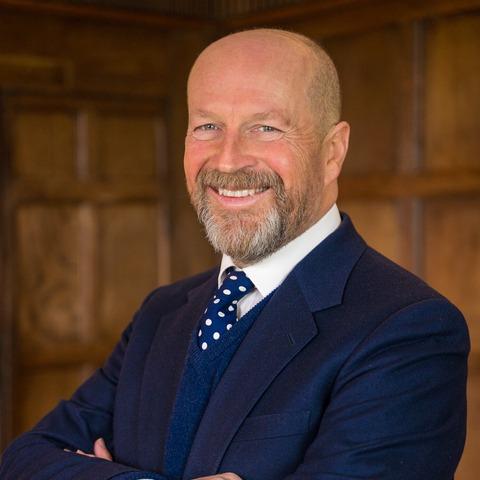
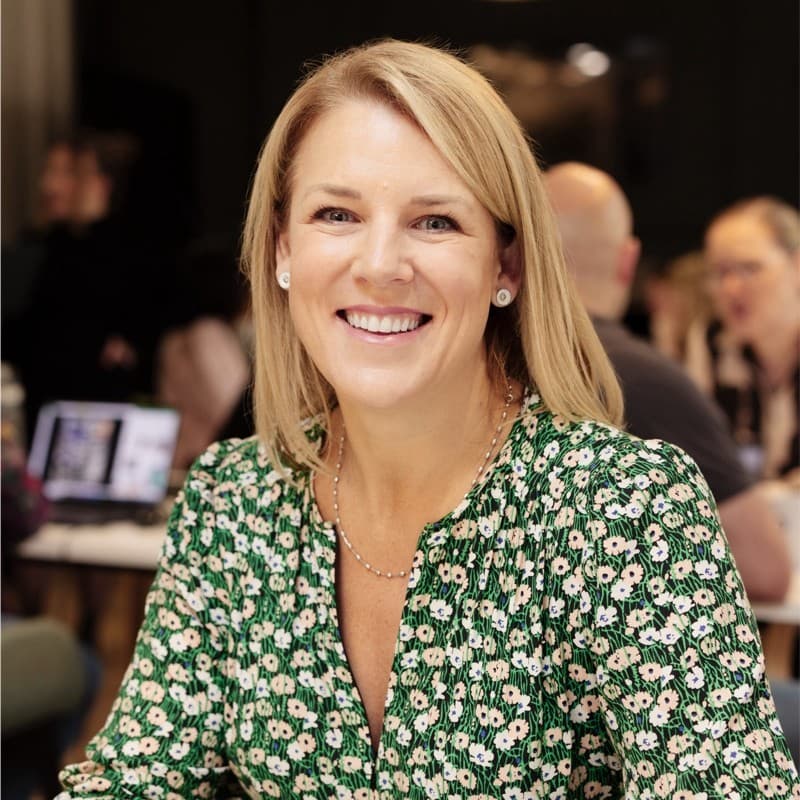
In this episode of all about business, James Reed speaks with Sarah Bradbury, CEO of the Institute of Grocery Distribution (IGD), about the future of the UK food industry, the growing challenge of attracting young talent, and why the sector may offer far more opportunities than people realise.
Sarah shares insights from her 25-year career across major retailers, before stepping into one of the most influential leadership roles in the UK food sector. She explains how IGD works across the entire food system and how they help competitors collaborate on the biggest long-term challenges facing the industry.
They explore the pressures reshaping food and retail, including changing consumer habits, climate change, AI, automation, workforce shortages, and the potential impact of weight-loss drugs like Ozempic, on the future of food consumption.
Together they also discuss leadership, collaboration between rival businesses, and why the UK food industry remains one of the country’s most important, and underestimated, economic forces.
02:55 what IGD does
09:37 retail tech and AI trends
13:22 UK food system challenges
19:31 land use and solar farms
24:42 hidden food careers
32:24 youth unemployment urgency
44:22 closing reflections and CEO forum
Follow James Reed on LinkedIn:https://www.linkedin.com/in/chairmanjames/
Follow Sarah Bradbury on LinkedIn: https://www.linkedin.com/in/sarahbradburyigd/
Find out more about IGD and their impact here: https://www.igd.com/
Sarah Bradbury [00:00:00] Me two all about business with Sarah. Take one. [00:00:10] Action. [00:00:14] Well today on all about business, I'm delighted to welcome Sarah Bradbury. Um, thank you for coming in. Sarah Sarah's the Chief Executive Officer of the Institute of Grocery Distribution, IGD for short. Um, and she took that position in 2023 after a long career of 25 years in retailing. And you've worked for. [00:00:33] A number of the premier retail companies in the country. I believe you've worked at Herod's, marks and Spencer's and Tesco's and Aldi. So a really good cross section there, which I'm sure we'll be able to talk about. Um, Sarah, for those who aren't familiar with IGD, what is it and what you do? Because I think it's fascinating and I'm really looking forward to, uh, exploring this whole industry, which is so important to all of us. [00:00:59] And [00:01:00] maybe we forget that, um, with you this morning. Thank you James. And thank you for inviting me this morning. Um, IGD is a purpose-driven Charity Institute. We've been around for over 120 years. Uh, we were founded to help grocers talk to each other. Um, and over the years we've expanded out. We, um, included the, sorry. [00:01:26] That's alright. Keep going. Start again. So, yeah. So, so Sarah, thank you for coming in, uh, to talk to me. Um, let's begin with what is IGD because it's not familiar to many people, but I think it plays a really important role in the, the world of food and groceries. Thank you James. Thank you for inviting me in. [00:01:46] So, IGD is a purpose-driven charitable institute. We've been around for over 120 years. We were founded to help grocery talk to each other, um, at that time and kind of work more collaboratively together. [00:02:00] Um, in the seventies, we also folded in the Institute of Manufacturing. So we started to become a broader organization, really to help the industry unite. [00:02:11] Convene come together and make a difference. So we have two parts of our organization. We have a commercial side which actually funds the charity. So that's the subscription service for retail and for shoppers so that we can really understand what's happening in the retail industry and what's happening with customers and how they're feeling shopping. [00:02:34] Um, that then helps the insight drive action. Alright. There's masses I wanna ask you about from what you've just said. So the. Well, let's start with the charity side of it. Yeah. It's over 120 years old. It was originally set up, as you said. So grocers might talk to each other. I mean, why was it useful for grocers to talk to each, well, I mean, what were they, what was it? [00:02:51] What was it beneficial that they talked to each other about, because I suppose some listeners might be thinking, well, we don't want grocers colluding. Yeah. And pushing prices up to our detriment. What were [00:03:00] they talking about that was, you know, noteworthy? Well, I think there's two things that are really, um, people would understand, which is around. [00:03:08] When the barcode was created, uh, somebody had to try and then help people work together, understand how they could implement it, how they might work on, so when was that? Oh, I dunno. Uh, well, barcode's a long standing. Yeah, so the barcode's been around for a long time first, but it had to be right across the whole food sector. [00:03:26] Yeah. So it could be used in scanned in whatever shop. In whatever way. And that was something that people had to really work together More recently, actually. Do you remember when people started putting front of pack labeling on? Yes. Um, so that's a voluntary initiative. Um, and the industry wanted to make sure that it was easy for customers. [00:03:45] So if whatever shop you go in, it's fairly similar, um, and they could understand what it was trying to do, but somebody really had to. Bring people together in order to try and work out what the rules are gonna be and how people, so, so there's a sort of common [00:04:00] language. Yeah. Yeah. I mean you mentioned earlier on the way in, you know, what is butter? [00:04:05] Yeah. I mean, so they had to sort of define what butter is. Yeah. So, right. As an example, I mean 'cause that was interesting. Yeah. Because when you start thinking about it, what is butter? So, so what was, it was more around how you would, uh, what shapes and sizes you would sell things in. So what people are going to agree around and. [00:04:22] 250 gram block of butter at the time still is today. Um, so they were kind of some of the earlier conversations, how is our industry gonna help shoppers show up, et cetera. Uh, and now obviously it's how do we help the industry move forward with all the challenges that it's got? Um, yes. Yeah, I can see that. [00:04:42] So, so, so setting standards and conventions and a common language was where it started. Yeah. I can see how that's so. Helpful. And then you said there's this commercial side Yeah. That does research and supplies information for a fee, I guess. Yes. So how does that work and who sort of [00:05:00] uses that service? [00:05:00] Yeah, so on the commercial side of the organization, we have two subscription services. One is called Retail Analysis, um, and we have analysts that go to 43 countries around the world and they'll bring back the best of retail so we can understand what's happening either in California or over in Australia. [00:05:17] Where is kind of the new and interesting parts of retail? What are people doing on pricing? What are people doing on promotions So that it really is a hive of, um, information that people can go in and understand what's happening in the country. And this is available online, is it for subscribers? Yeah. It used to be books, but um, nowadays it's obviously an online subscriber service. [00:05:39] That's amazing. So how many countries? So it's from 43 different countries. That's really interesting. So any interesting insights popped up lately? You've seen? Well, I think that the, um, the interesting is their interconnected stores. So how do people hyper connect, whether it's from their phones. Whether it's in small shops, large shops, how are people [00:06:00] using that technology to shop differently? [00:06:02] And then how do you put kind of the promotion side on top? So whether it's through retail media really in different ways, when shops were obviously set up, um, it was just literally you walked into your one shop. But now how people connect is very, very different. So that's really what we're watching quite closely, the role of ai. [00:06:21] Um, and how does that change? So it was interesting, I was just thinking of this the other day. So grocery has gone from, you know, you'd go into a shop 120 years ago and someone would be behind a counter and Yeah. You'd ask for a list of things and they'd get them for you to going to a supermarket where you fill up a trolley. [00:06:37] Yeah. To now going online and putting in a list of things and they'll get 'em for you. That sort of become a sort of virtual version of the original. Yeah. Which is quite interesting how, how it is Absolutely. How sort of evolved. Is that right? I mean, that's just a perception. But no, I think it's a really fair assumption. [00:06:51] There's been, there's been such a massive change and now you don't even have to book for someone to deliver it the next day on some of their fast delivery services. You [00:07:00] can just be thinking about it in your kitchen and someone will deliver it to. So who are the subscribers to your business service then? [00:07:05] What's, who, who would be your typical customers for that? So we have over 400 customers. We have retailers from, uh, many different parts of the world. Um, and we also have manufacturers brands. Um, I think when I used to be on the commercial side, people would bring IGD data into me. There'd be photographs into me. [00:07:25] So if they were selling me a certain product, they could show me how other people were merchandising it around the world. Ah, so people use that to assist them in their own promotions and Yeah. Yeah. So were you a buyer? I was, I was on the commercial side for a long time, yes. Oh, right. I used to buy media a long time ago. [00:07:43] Yeah. So, yeah. So that's interesting. So, and your trustees, I was looking of the charity come from a, a number. Substantial largely retail companies, I think, but then there were some food producers. Yeah. So we are, we are really lucky actually. We have, um, trustees and [00:08:00] directors of the organization. Um, and we have both from retail, from manufacturing, and actually, uh, we've. [00:08:07] Now got a couple of charity leads that are joining us as well. Um, they really help us guide the direction of the organization, um, and obviously bring stimulus, um, and interest in as well. Yeah, so it's interesting when you look all around the world, but your focus is the UK as I understand. Yeah. Yeah. What are some of the biggest challenges currently facing the uk? [00:08:30] Food system in, in your view, Sarah? The UK food system, it, it is one of our greatest national assets, but it's going through a huge amount of change. Um, and it touches every home, every community that we work in. But at the moment, there's low volumes. There's climate change, there's economic challenges. [00:08:52] Geopolitical challenges. There's an awful lot. So hang on. You seen low volumes? What do you mean people aren't buying as much? Or Yeah, so [00:09:00] an opportunity, our industry has always worked on volume growth. It's been a growth game, right? The margins are very, very small. Um, so it is a kind of volume, like for like, right in the way that the industry's worked. [00:09:11] Um, volumes are not growing at the pace that they have in the past. Um, so, so was that because people aren't eating as much or so they're, they're just not growing as much. They're still kind of, the volume is there. What do you mean though? How, how does that happen? Because, well, the population hasn't grown as much or the, so, um. [00:09:29] At the moment, we've got challenges coming in from a health perspective. We've also got the unknown of what's gonna happen with these GLP one drugs as well coming in. So with the, so hang on. You mean a Zen pic? Yes. And wavy. Yeah, that's what, so people literally aren't eating as much because of those, so we don't know the impact. [00:09:49] It's totally gonna have, we're actually doing a big p longitudinal study at the moment to understand right, what people are saying versus what they're really doing. Are we gonna be the same as America? Um, what's happened [00:10:00] there? So in America, we believe that like almost 18% of people. Are actually, uh, taking weight loss drugs. [00:10:07] Right. And how, how much does that reduce their sort of volume in your terms consumption, if, you know, if normal was a hundred or before was a hundred. What's it dropped to? So it all depends on the individual and it does. And that, I mean, that's, yeah. But you're on average, I mean, you've got this stage right now, million question can tell. [00:10:25] You've obviously been analyzing this. Yeah. That, that's the million dollar question that everyone wants to answer. So we think that it is, could be up to about 30% less, but depends on your level that you, you're taking your starting position. Yeah. Um, so this is transformational. It, it could be transformational for the industry. [00:10:41] It's something people are really, really watching. Is it gonna change the quality of what you eat is gonna change your longer patterns of what you're gonna eat? Is it gonna change your snacking? We definitely know that it makes a big difference from a snacking perspective. Is it gonna be different out of home versus in home? [00:10:58] Where, where are [00:11:00] the the big reductions going to take place? And what's your sense? So I have a hope that, um, it will help people eat less and better, less and better. Is the, is the hope so healthier? Yeah. So healthier. So what, what do you mean by that? What, so the real critical part is to ensure that you are having nutrient dense foods. [00:11:20] So that a kind of every calorie counts so that when you're really thinking about, um, what you're gonna eat, you're gonna be eating less, but what is it gonna be? Um, and to make sure that you've got high quality meat, to make sure you've got loads of vegetables, to make sure you're balancing your diet. [00:11:37] That is the, the kind of goal really. Um, and you can see at the moment there's lots of different retailers trying different ranges, uh, to see can they adapt to that new market. Um, so I, I'm hopeful that it will help us make the transitions that we need to do across the food industry, um, for the future. [00:11:57] 'cause I mean, critics of the food industry would [00:12:00] say over the last 50 years, you know, the processed food and surplus sugar has, has caused obesity. What would you say as a spokesperson? I mean, I'm not trying to catch you out here. No, no, no. So, I mean, but is it, is that, is this now being corrected? I suppose? [00:12:16] I suppose. Um. If you listen to summer, if you listen to, so Chris Whitty, he would say, it's a plaster, it's not the right thing to do because we should be ensuring that we've got a healthy nation. I think, um, well, he would say These drugs are a plaster. He would, yes, he would say, oh, is he, I think he was in The Guardian the other week to basically say. [00:12:36] Um, we need to make the nation eat the right food, help train people properly, help make sure they know what nutritional standards would be, um, in order to make sure people are healthy versus giving them an injection to stop them eating too much. Hmm. I think the food industry has a role to play. The food industry has been really supportive around some of the NHS 10 year plan to have mandatory [00:13:00] reporting to really help a level playing field. [00:13:02] Because the difficulty is if you are. Um, if you want more sales people don't eat two apples if they're sat on the desk, but they might eat two Kit Kats or Mars Bar. Oh, right. Okay. Think an interesting observation. Yeah. Think thinking about, um, the food industry desperately wants to help the not be more healthy. [00:13:24] Um, but it's how they're gonna go along that transition. But I think everybody knows the transition needs to be had. So, so the big challenge is volumes. Volumes are flat or falling. Yeah. And. I mean, your, the food industry has some substantial segments to it, doesn't it? Yeah. We, we've mentioned retailing, but Yeah. [00:13:41] What are the other blocks in the chain that, that you represent, I suppose, and how, how's this affect them? What's the, I call, I'm thinking of farmers and manufacturers. Yeah. So, so we obviously work across the food system. Mm-hmm. All the way from agriculture through to retail, out of home. Um, what we [00:14:00] do try and do is try and help. [00:14:02] Work across the system. So it's quite new thinking, but working to understand one thing might help one and not the other. So how do you have a fair transition into the new. World that we need to be in. So if we think about economic resilience is really important. A lot of these are low margin organizations, so we need to make sure we, we've gotta strengthen the food system. [00:14:25] When we think about the environmental sustainability and the change that we need, we know that we've got to look after the land better, help support. They're kind of the future journey to net zero from a population diet. Well, hang on a minute. Yeah, what, I mean, what do you think about putting solar panels over fields everywhere? [00:14:42] Because I mean, that would've been a productive agricultural asset. It's now not. It's, you know, it's now helping net zero apparently, but it's not a farm anymore, I think. I mean, this is a big issue in the countryside. It definitely is. And that's a difficult one to sort of balance, isn't it? I mean, we are gonna have more people in [00:15:00] the country. [00:15:00] We need to feed the nation more. Yeah, we need to produce more at home. So I think kind of what land is being used is a really important part. Yeah. So actually is good agricultural land where the soil can be looked after and we can produce for ourselves. That shouldn't be what's got a solar panel on top of it. [00:15:19] But when farmers get sort of told that you get a hundred thousand a year income for doing this. Well, we know that farmers don't make that much money farming typically. It's quite tempting, isn't it? It's a bit like your Kit Kat's on the desk, I think. I think that's a very fair challenge, but I do think kind of with some of the change, the sustainable farming initiatives are trying to balance that out a little bit. [00:15:39] So farmers are gonna be paid more proportionately. Um, and I, I quite like the phrase of kind of how do you land share so that you are using the right land. For producing food and then you are using other parts of your farm for other areas to while creating food as well. Yeah, I mean, I think putting solar panels on roofs is a good [00:16:00] idea. [00:16:01] Absolutely. On fields. I'm not so sure. I'm not so sure either. You're not so sure either, so that's interesting. So, so it feels like this is a. A challenge sector for a number of reasons. Yeah. I mean, yeah. I mean, you only have to watch Clarkson's Farm to see how hard farming is. Yeah. And you know, there's been a lot of protests from farmers saying they're struggling and, and then you're saying the retailers of volumes are Yeah. [00:16:23] Are not growing. Um. What other things are on your mind? I, I think it is worth saying we are a brilliant industry. So actually the food industry adapts so much. You only need to think about COVID. Yes. Around how everybody worked together. I was fortunate enough to be working at Tesco at the time, and it was an unbelievable experience to how we were pivoting to support society where we are. [00:16:48] But the challenges are not insurmountable. It's how do people kind of work together. So I think if we think about, and that's your role here, really. I, I and you, you are a convener. We convene, we work very closely with government. We work very [00:17:00] closely with trade associations, and I think the more people can work together. [00:17:04] I think the more the industry moves together, the more they move faster, um, and broadening out kind of all of the conversations we have to just involve more people. Um, so that that's not kind of competing areas. It is better, but so, so how might government help you say you work? I mean, are, are there some messages you are sending in their direction? [00:17:26] So we are very lucky 'cause we work with the government on the food strategy side, right. Um, and there definitely is, there's kind of land use frameworks that are just coming out. There's work around agricultural 25 year plan. There is work. What's that? What's that? So that, that's work in progress, uh, at the moment, 25 year plan. [00:17:45] So really to help. Profitability of farms to really make sure that the, um, the future that's needed from a sustainability perspective so that we've got the soils for the future so that we've got the farmers for the future 'cause they're retiring [00:18:00] as well. Mm-hmm. Um, and to make sure there is that balance in the transition, um, across the board. [00:18:06] I think the other important thing to talk about as well as population diet is the workforce challenge. Um, and that's what I'm keen Yeah. You've just published a report called The Quiet Crisis. Yes. So is that about this? Yes, I think. And so what is, so talk me through the workforce challenge. So, so the food and Drink workforce, quiet crisis really talks about the long-term structural workforce problem that we've got within the food sector. [00:18:32] Um, so despite lots of years of effort across industry and government, we know that structurally. It's getting even harder to get the workforce that we need. In, in which areas are you thinking? So the labor and skills crunch, um, really is all the way from supermarkets through to farms. So we know that there is rising costs, there's increased [00:19:00] strain, um, and rising costs of what. [00:19:02] So rising costs in the system. So whether it becomes and across workforce specifically, well you're talking wages, national insurance rates, all of that stuff. Yeah. Yeah. So, um, retail's obviously got an awful lot of people in it, so they've been hit really hard with national insurance changes. Yes. Um, and then. [00:19:23] We've got an aging population. We know that lots of workers are retiring and we know that we are not a sexy industry to work in. So, but so how are you gonna make yourself sexy in a sense? Because we, I mean, clearly we need people to grow food and to run shops and Well, I keep the show on the road in the future, don't we? [00:19:41] I mean, that's vital. Definitely. But people don't know about our industry. So we did a piece of, what do you mean? I mean, so we know about Coast, they you're absolute, you're right. But they don't think of our industry as one to come and work in. Oh, okay. So people don't know about the roles that we've got within our industry. [00:19:58] We actually did [00:20:00] a, uh, piece of research recently that said 72% of people weren't interested in coming to work in the food and drink sector. But that means 28% are Absolutely. That's quite a good number. See, it's a, it's a good stop. But we also found out that, um. 78% of people were interested in jobs, they just didn't know were in our industry. [00:20:20] Right. And I think that's kind of the, what sort of things we think about. So, um, when people are looking at purpose driven jobs, whether people are looking at new technology, they don't think of us as kind of, um, we've got more. And we've got engineering jobs, we've got jobs that evolve new technology from an AI perspective. [00:20:40] We've got, um, we, you can move up within our industry. We've got marketing, we've got finance, we've got analytics, we've got supply chain. Sure, we've got environmental jobs. So when people are thinking about kind of what needs, what they'd like to do for the future, quite often they don't think, oh, the food industry might have that. [00:20:59] Um, and [00:21:00] actually the beauty of our industry is you can move. From a social mobility perspective as well. Um, started many different jobs. I mean, I, I was, I've been fortunate enough to run advertising. I've been able to run. What sort of, what was your first job in retaining? So, um, I was a graduate trainee at Herod's, and I was the Christmas teddy bear coordinator. [00:21:20] Oh, right. Okay. So, so there you go. So you started on the shop floor. Yeah. I mean, we've had other people on the podcast who started on the shop floor, you know, through what were then YTS schemes, youth training schemes. Oh, yeah. Who are now CEOs. Yeah. I mean, it seems to me that retail is a really good entry point for young people because you learn a lot. [00:21:38] Yeah, you have to work on your feet. Yep. And you have to deal with a lot of customers and that's a good experience for any, any business in the future. So I'd, I'd certainly recommend retail to people to consider and it, and it's a lot of fun and it's relatable as well. I think that's the other great thing. [00:21:54] I used to work in an ice cream van at Thought Park. It was fantastic and, and I [00:22:00] really enjoyed that job. And it's interesting, those sort of jobs, I think. Yeah. Get people going. Um, so I, I think it's interesting you feel that they don't look at it. Yeah. Do you, is there an issue here with younger people, you know, when in the past 15, 16 year olds would do Saturday jobs in stores, is that not happening so much? [00:22:18] Or is because that seems to be an entry point where you get started? Yeah, but I don't come across quite so much now there there's not as many of those around. And there's BRC have recently done, uh, a report about that being a challenge, especially with the national insurance changes. Um, we actually launched something in 2012 called Feeding Britain's Future, which really was about getting people, um, into understanding about work, giving them the skills that they needed. [00:22:47] When we are looking at what some of the challenges today, people don't get work experience either. So how can really the, our industry but also others work really closely, especially with [00:23:00] government, with new careers and enterprise around how do we get people to experience workplace well? I'm very interested in these new V levels vocational levels that have been announced that, that are gonna sit alongside a levels. [00:23:12] And I'm sure there'll be a retail or there should be a food industry V level. You should be asking for that and then you'll have a good interface with schools. Are you gonna do that? Yeah. Is that something on your, on your, on your agenda? I think because I think V levels could be a really important development that would help young people progress, whether they wanted to do a degree, an apprenticeship, or just get and get a job. [00:23:33] Yeah, any of those, I think those T levels, apprenticeship reforms, they're all gonna be really kind of important for our sector. But they're gonna take a while, I think, to actually yes, move through. I mean, it's not essential to have done, um, food obviously through, through school and university, but at the moment there is no a level for food science. [00:23:55] No. Well there there should certainly be a V level for Yeah. Retail food and it could be an A level two. [00:24:00] I agree. Yeah, and, and I think that at least helps young people grow an awareness of what the possibilities are and start to develop relationships with local employers and businesses. It also gives them the skills at home, back to the obesity conversation. [00:24:12] Yeah. You know, the skills to actually provide for themselves and their family and cook healthy. So that would be a good development. Yeah. So your your your Future project, what's it called and when's it Yeah. So because you, you are gonna relaunch this Yes. You said? Yeah. So Feeding Britain's Future, we launched back in 2012 with 150 companies. [00:24:33] Um, and at the time it was really to help get skills into schools. So, so people recognized our sector, but also give them the skills to do jobs. So we had 30,000 children that we worked with when we launched. Since then, we've actually been in schools with 15,000 children every year. We've been quite quiet about it. [00:24:52] We've got some brilliant supporting, uh, companies that help us. So they get that real life and younger people kind of coming in and talking to them. [00:25:00] Um, but actually at that time, there was an unemployment problem for young people. Clearly, we have the same challenge, unfortunately again. Yes. Yep. Um, so it feels. [00:25:10] The right time to be relaunching. So we'll be relaunching in early, um, June, we're hoping to work. We've already got a lot of organizations very keen to work with us. Uh, and there's really kind of five parts of that. So that is, um, to join us on the Make Your Mark campaign, which obviously you helped us with last year, but to really focus directly to where children are, to make more awareness of actually the jobs that are available. [00:25:36] Because that's very limited on some of the careers websites at the moment. We're gonna be working more closely with the universities, but crucially, um, getting every, um, every organization to think about how do they start with, um, work experience. So how do they help with partner with career and enterprise? [00:25:58] Really get young [00:26:00] people to, into the, so, so the message for business owners is to think about work experience opportunities Yeah. And creating them and, and you'll help Yes. Push that along. Yeah. And bring people into it. Yeah. Well that sounds a really a good initiative Feeding Britain's future. So it's actually about the future. [00:26:16] Yeah. Of the people rather than the food in this case. Yeah. Yes. Yeah. Because we do know, don't we, that if people don't have a good start in life, then the rest of their life is challenged. And I think if people. Of the children that are outta work at the moment, or the young people that are outta work, I think one in four of them. [00:26:34] Have, have not had any role. No. And 16% of young people are out of work, which is higher than continental Europe now, which is, is really worrying. But the, the concern is if you don't work in your twenties, it's quite likely you won't in your thirties, forties, and fifties. So that's something that needs to be tackled urgently. [00:26:53] I agree. How do we inspire them? How do we see opportunities? Um, and how do we actually just get 'em started somewhere? [00:27:00] Yes. Um, and then they can build from that. So there's quite a lot going on at the moment in terms of reviews around this. So I'm hopeful that, you know, there'll be a. Convergence of policy and business. [00:27:10] Yeah. Energy to change it. But we are challenged, aren't we? By these costs? Yeah. I mean, you've mentioned them. Yeah. You know, every other conversation I have with a business person, they mention national insurance. Yeah. So doesn't that need to change? I mean, can we, can we sort of. Persuade government to do something about the cost. [00:27:32] 'cause it seems, you know, cost is a fundamental aspect of business and what I mean to have a sort of focus on reducing costs would be helpful, wouldn't it? I think the, um. Look, there's lots of skills gaps, there's lots of, uh, areas that need to have people in jobs. So I think in the food industry specifically, um, we're gonna be creating new models. [00:27:57] We're gonna be working differently in the future. [00:28:00] And we've also got, I think we are finding that filling jobs is taking a lot longer than it has before. So there are jobs there. We just need to start getting people into them, training them, and then seeing kind of the opportunities ahead. So we can't deny that there's kind of cost pressures, but there are jobs there. [00:28:18] I think that's important to stress. So, so people listening should Yeah. Be encouraged by that. Yeah. And I think people listening also, um, encourage your children, you know, what we find is people, uh, avoid our sector. Parents don't encourage their children to come into our sector 'cause they, if they haven't experienced that, amazing opportunities that we've got, you know, we, we are. [00:28:43] As an industry, double the size at least of the, um, of the NHS from being the biggest private employer. You know, there really is opportunities at all different levels. So, so how many people work in the sector then now? I mean, that's suggesting, you know, several million. Uh, I'm gonna have to [00:29:00] look it up. [00:29:00] Bear with me one second. I can't remember. Oh, don't worry if it's not, it doesn't sort of, but you are talking about millions of jobs, huh? Yeah. So, uh, we are the largest private employer in the UK as a sector, as a sector. Yeah. So it's interesting to me your, because your role Sarah, is not business specific. [00:29:22] No. It's, you, you, you are seeking to build a whole sector here, which is, as an entrepreneurial endeavor, is massive, isn't it? I mean, it's quite impressive. So, so what, what are the key levers that would help you really help deliver a thriving food sector in the uk? So I think the more people work together. [00:29:44] And the more that they can help share what we do, share the stories, uh, the journeys that people have been on, get people in to see the work experience that you've talked about. Really sign up, be part of the challenge [00:30:00] together. Um, the more we can all help each other, 'cause there are limited resources in order to, from a financial perspective, but the more we can talk with one voice, be one industry. [00:30:11] Collaborate more and help each other, um, then the easier it's gonna be for our sector to be a sector that people want to join. Right. Is, is technology changing it a lot? I mean, because we hear about AI sort of taking or jobs away in other spaces, but maybe your sectors protected from that Somewhat. So there are um. [00:30:33] Six areas really, that we think kind of skills for the future can help us. So technology is absolutely adopting technologies is gonna be one of them. Ai, robotic robotics, novel food processes, they're all gonna help us kind of move forward. But there's regenerative and sustainable production. There's loads of jobs in that, in that area. [00:30:55] Um, improving population health through the way that we're creating [00:31:00] food. That's gonna be something that's gonna need an awful lot of work going forward. Um, and then embedding the whole circularity, you know, how are we going to use the whole of, um, products as well as everything that goes on in manufacturing moving forward. [00:31:15] So there's lots of different areas that are going to be growing, are gonna be needing different skills, um, and we're gonna be needing to boost productivity as well. So for people listening, thinking about where they might wanna work. There's a range of opportunities there. Uh, and we're an area with purpose. [00:31:33] So when we think about young people that want to change things, think about what the future needs, the food industry is one of them. So you've stressed purpose more. The one that that's striking to me is that because. I mean, clearly food is very important to all of us. Yeah. And there's obvious purpose in that, but do you think young people particularly are looking for jobs with purpose? [00:31:55] Is that something your members? Yeah, so some of our research is definitely looked at. [00:32:00] One young people want to work differently. That's still gonna be a challenge. In what way? So the way they work, the way they want to be, uh, moved. Between jobs, between areas, the hours they want to work, those things are all gonna need our industry to adapt 'cause we're slightly more traditional today. [00:32:17] Um, but there are, um, there is lots of roles, whether it's from a STEM perspective, whether it's shop floor perspective, whether it's moving around, but the. The purpose element is re when we're thinking about climate change, resilience, food cannot be taken for granted like it has been in the past. No, definitely not. [00:32:41] Um, so looking forwards into the future, I mean, we, you've obviously got your new in initiative. Um, what, what have you learned about. Young, I mean, talking about young people, sort of barriers that they might face in terms of coming into the world of work and how can companies maybe you, you've [00:33:00] suggested a, you know, a, an emphasis on a little bit more flexibility, but how, how, how can companies be sort of engaged and supportive of young people in ways that perhaps they're not at the moment? [00:33:13] So I think we need to target different interventions. Um, so whether that be back to the kind of work experience or how we go and talk to them differently, try and understand, be more inclusive from some of the policies that people work with, um, and address kind of some of the more persistent barriers. [00:33:31] So I think, um, attractiveness is clear. Key understanding where attractiveness as in attractiveness of our industry. How do we show up? How do we talk about it? How do we show the progressive nature of our industry? There's definitely a where and how to be visible, um, in schools, um, and in later careers. [00:33:53] And then there is, um. Thinking about the kind of work that they want to do as well. So how do we position [00:34:00] that work differently as an intervention as well? I mean, it's a difficult problem, isn't it? Because we are, we've just been talking about 16% of young people out of work, which in the old days, you'd think would make them hungry to go and look for a job. [00:34:12] Yeah. And then you have to make yourselves more attractive to encourage them to come and apply. I mean, there's a funny mismatch going on here, isn't there? I mean, it sounds. That sounds like a big problem. Yeah. I wonder whether we, how do we sort of unlock that? Yeah. I wonder whether we're actually meeting young people where they are. [00:34:31] That's some of the research that we are looking at with others at the moment. So is it that we have to talk to more people? You, you would probably know this better than me on TikTok. Where are they looking for jobs? Um, right. Because currently we don't, we don't seem to be getting through to them well enough. [00:34:48] Um, they must be looking somewhere. What are they doing with their time? I think that some of the questions has been quite interesting that people have been asked. Have you, have you, have you been able to surface any insights on that? You? Not quite yet. Not [00:35:00] yet? No. Um, because yeah, I think that will be interesting. [00:35:03] I think businesses getting closer to schools makes sense. Yeah. And this the, we have evidence through reading partnership that where children at school are exposed to, you know, visits from businesses and talks with, you know, local companies, that they're much more likely to go on and get a job successfully just because they have a bit of basic understanding. [00:35:24] We, we'd done some similar research actually with some of our schools programs, and it would showed that 86% more likely to kind of get a job if they've been exposed over three times to different industries. Yeah. So is there anything else that policy makers can do to help make the industry more attractive to young people? [00:35:46] Is there, I think as we've just said, there's lots of different interventions happening, whether it be T level, V level, um, or the apprenticeship side. Um, I think we've got to see how they flow out, [00:36:00] but I think there's definitely more in apprenticeships that needs to be done, especially in the food industry from a flexibility perspective, um, and making it more. [00:36:09] Bite-size, learning, helping people, um, use education in work more proactively. Yeah. I mean, I think, so what you're saying I think is that there are some things that have been announced that are hopefully gonna come forward successfully. Yeah. Such as V levels, you know, gold standard apprenticeships, the T levels that once in place will be helpful. [00:36:35] Yeah. So a, a lot of, um. Attention needs to be given to ensure that that's delivered successfully. Executed successfully, doesn't it? Yeah. Because I mean, that could be a generational change if it's done well. Yeah. Or it could be an announcement that's forgotten in three years time, if it's not. I think so. [00:36:52] You have a role to play in in helping that happen, don't you? As an organization? We're. We are not, we are trying to work on more of [00:37:00] the, uh, with careers and enterprise on the career side. Um, I think people like British Nutrition Foundation are working with the, um, within schools. Oh, so you'd separate curriculum from careers on that? [00:37:12] Yes. Yeah. Yeah, I mean, they clearly come together and actually we are, we are working with some of the food sector at the moment of how do they, how do they help educate in schools? Um, but I do think that they're slightly separate if, if today's problem is. Helping people get into work. Yeah. Um, the food industry has roles that people can get into work. [00:37:35] That's kind of a bit more of our, our area at this moment in time. But I think how more collaboratively, how does the industry work closely with government to help the all industries work more closely with government to make sure the solutions are the right solutions to help people in the future, the better. [00:37:54] And, and what about the sort of hospitality end that Yeah. You, you are involved with that as well? [00:38:00] Yes. Uh, UK hospitality have been part of our make you mark campaigns as well. I think they're a brilliant industry and they work very closely, um, in order to really get people in on those kind of Saturday jobs, evening shifts or whatever as they, as they move along. [00:38:15] And that's definitely, they talk about the progression, um, and the opportunities. From that side. But yes, the work we're doing here is really to try and be across the board and help everybody. Um, and you can move within, within our industry as well. Very good. Well, I, I wish you continued success with that, Sarah. [00:38:35] Thanks for going and talk to me and for. Young people. I think it's a brilliant industry to enter, uh, because there are a whole range of opportunities and you accumulate experience pretty quickly if you're working in a store or in a restaurant or on a farm and, uh, and their life long skills that you learn. [00:38:55] Yeah, so I think they're really good. So I hope that you are able to spread that message and. [00:39:00] And the young people listening will give some thought to your industry, uh, as, as a possible place to go and work. Thank you. So I always ask, I always ask two questions at the end, Sarah, of my guests. Um, the first is because we at Re Love Mondays is, is what gets you up on a Monday morning. [00:39:20] Oh, I feel, um. Well, sorry. I'll do that one again. You can do what you like. Yeah, yeah, yeah. Um, so what gets you up on a Monday morning, Sarah? I'm really passionate about what I do. I love working across the industry. I feel my role is a complete privilege to be able to support our brilliant industry, uniting and inspiring them. [00:39:43] Um, I, I'm very energetic, um, so I really, nothing's ever enough. So I do work. Very hard because I think there's more that can always be done. So collaborating, uniting, and convening is [00:40:00] something that wakes me up in the morning. Collaborating, uniting, and convening sounds like your mantra, is that right? So, sounds like you, that's a phrase you've used. [00:40:09] Um, which is, is a good one. So, and my last question, um, which is in my interview, but why you 101 interview questions you'll never fear again is where do you see yourself in five years time? I, um, I'm only two and a half years into this job and I think the IGD is a unique place to work. I could probably still see myself. [00:40:35] Um, working at IGD in five years time, I think we've got so much more to give the industry. Being a CEO is a privilege. I work across 30 CEOs, um, as part of a CEO forum. We work really closely with government. Um, and yeah, hang on. When you say that, that's interesting, you work across 30 c, what do you mean? [00:40:56] So, I run a CEO forum. Within, uh, four times a [00:41:00] year that has, okay. And when these CEOs are from where? So from Tesco, Sainsbury's, big review President, Coke, Nestle. Oh, so you get 30 together? Together in a Chatham house environment. Work we often have. So you can't tell us what you say there. No, but the, uh, so they, they help each other. [00:41:20] Yeah. It, it's brilliant. Yeah. We clearly have a lawyer in the room to make sure that we're doing the right thing, but actually really understanding the different challenges of different businesses. Yeah. Um, and all to move to the same direction, whether it's from an economic resilience, environmental health, all the big challenges facing our industry. [00:41:41] Um, I can help them work together, um, and work with government. So, uh, that is an absolute privilege in my role. That must have some challenges. 'cause I, I know in our industry there's some pretty strong rivalries. I dunno how you would say you, you sort of be half pleased to see a competitor, but [00:42:00] not totally. [00:42:00] I'm thinking. Yeah, a hundred percent. Of course there is, but I think, um, people leave their business mostly at the door, right? So it really is a, so this is, people understand that we'll get better together, the industry. When they're moving in the same direction, which generally people want to, it's more helpful and it also creates that level playing field first. [00:42:23] Mover is not always an advantage. It can actually, when you are changing the way things are done, be more difficult. Yeah. So who sets the agenda for that to you? Yes, I'm lucky at the moment. I work with, uh, Simon Roberts as the president, so he helps me with that. Very good. Well, thank you. And I wish you continued success with that. [00:42:40] Thank you very much. We all want good food. Yes. Thank you, Sarah. Thanks for coming in to talk to me. Very good. Great. Thank you so much. Um, I think there's, just to be sure that everyone understands what IGD does properly, it'd be great, um, to maybe understand what, [00:43:00] what would stop working in the food industry if, if IGB disappeared. [00:43:04] Like what would stop working in the industry, of course, is that. Is that something you could answer or. That's interesting. So, yeah. Other thing, do you want, are you happy to do that? You got, have you? Or maybe you've got some other things that you wanna say if you haven't. Yeah. And also if there's anything you wish you'd, James can also ask you. [00:43:25] Um, is there anything you would've wish made you ask that I haven't asked you? So, you know, that gives you the opportunity to say anything you'd, um. [00:43:40] Are you ready for this question? Yes. Okay. So, alright, so Sarah, just to help me understand a little bit more about what IGD does or what your purpose is, you know, if, if, if your charity, you know, was wiped off the face of the earth and did not exist, um, [00:44:00] what would, what would fall through the cracks? What would be missing in the food industry as a result? [00:44:06] So. That's a bit of a, the way I put that wasn't very good. It's too hard. I thought thinking that's a white topic, industry would still carry on. Yeah, yeah, yeah. What do you mean? What's the question? Want? The question is if IGB ID does appear tomorrow, what would stop working in the food industry? So not what, but nothing would stop working. [00:44:27] Okay. So I think, um. Well, you could say that. Yeah. But, but you could say, but the, over the longer term Yeah. It would lose these benefits. It's just to sort of reverse the other answer. Yeah. Okay. So Sarah, just to, to help me understand further if, if IGD, you know, was to disappear tomorrow, what, what in the food industry would stop working? [00:44:49] Well, nothing would stop working. We're a fabulous industry that works at fast pace. I think the challenges that are facing the food industry need to collaborate and need to work across the [00:45:00] system, and we are the only organization that works across the whole of the food system. So I think pace of change. [00:45:07] Would not be as fast if it wasn't for the US bringing people together. So over the long term, you think this is industry strategy might suffer. Yeah. And that's a, a key focus for you. Yeah. So uniting and convening the industry to deliver a thriving food system is critical. And actually, IGD bringing the economic resilience, sustainability, workforce, and health all together. [00:45:32] To really help us from a, what is the long term good growth plan. I think that's the important piece that we play. Yeah, I mean, 'cause food is, is different in many ways to other business areas 'cause it is a system, isn't it? The system is really critical here. And, and I'm thinking about other business lines and that's not quite the same. [00:45:52] I think the unintended consequences are not always seen in all the silos. So yeah. So what are the silos? So we ha have a [00:46:00] very strong retail sector. We have a very strong manufacturing sector. We obviously have a strong agriculture sector, and then we have the FMCG side as well. Um, but really working across those generally retail, want to support farming. [00:46:15] Um, and then you've got the people in the middle that are. Driving and doing the production side as well. So really working across all of them. And interplaying where some are competitors and some are not. Yeah. And, and what's unique about you is you, you take a whole system view. Yes. And we work, uh, across and try and work with the more progressive people as well. [00:46:37] So I think that's the other part. Some industries are moving faster than others. Um, but they all need to rely on each other. So how can we work with some of the more progressive, thoughtful parts of the system? So, so there's, they're all interdependent. Yeah. To a degree. Yeah. But when you say progressive, what, what do you mean? [00:46:55] So some have different priorities to others. So, uh, you could [00:47:00] have people that are very determined to get to net zero who are in the same area that. Are not focusing as much, but actually you need everybody to move together. In order to get the country, quite frankly to the right place. So you have to be quite persuasive it seems. [00:47:18] Yes, we have to try. Yeah, I can see that. Okay. Was that helpful? I think that was helpful, yeah. And was, and was there anything else you wanted to add, Sarah? If there's anything you wanted to stress or I can ask a question or [00:47:36] I get told off for everything I was meant to say that I didn't say. Uh, can, could you ask me, um, on Feeding Britain's future. What's your ask of business? Yeah, yeah. What's your, so, so you've just, um, mentioned that you want to relaunch Feeding Britain's future, which first started in 2012. You know, in [00:48:00] doing that, you know, what's your ask of business? [00:48:02] What do you want from business? So there's three things that I'd really like. One is to get involved. So sign up to, um, the initiative and supporting us. The second is around make your Mark campaign really trying to talk to children where they are. And the third one is get involved in at least one of the interventions. [00:48:21] So the, whether that being the work experience side, whether it's collaborating with universities, really helping us. To get on the careers platforms, so all the jobs that we need for our industry, one of those interventions would be brilliant. Okay, so if I'm a business, and I've heard this, I'm interested in this. [00:48:38] I'm personally, where do I go to find this? Where do I go to sign up? Yeah, is there a website? Is there a URL or what's the address? Yeah, so come to the IGD website. It's under our social impact side. It will be across the front of the page as well. Um, and then we'll get in contact with you from there. [00:48:53] That's the IGD website Institute of Grocery Distribution. For anyone listening. Yeah, go there and you'll be [00:49:00] signposted. Great. Fantastic. Thank you. Thank you. Great. Thank you. That's good. I'm glad we got that in. Thank you. Yeah, that's good. Um, alright. [00:49:20] All right. Yeah. The UK food industry employs millions of people, yet many businesses say they're struggling to find the next generation of workers Today on all about business, I'm joined by Sarah Bradbury, CEO, of the Institute of Grocery Distribution and organization that has spent more than a century helping shape the future of the food sector. [00:49:47] We discussed the workforce challenges facing the industry. How businesses can attract young talent and why the food sector may offer more career opportunities than many people realize. [00:50:00] Great. I'll do that. [00:50:05] Thank you, Sarah, for joining me on all About Business. I'm your host, James Reed, chairman and CEO of Reed, a family run recruitment and philanthropy company. If you'd like to find out more about the work of the Institute of Grocery Distribution. IGD or read, you'll find the links in the show notes. Thank you for listening and see you next time. [00:50:28] Perfect. All right.
This podcast was co-produced by Reed Global and Flamingo Media. If you’d like to create a chart-topping podcast to elevate your brand, visit: http://flamingo-media.co.uk/