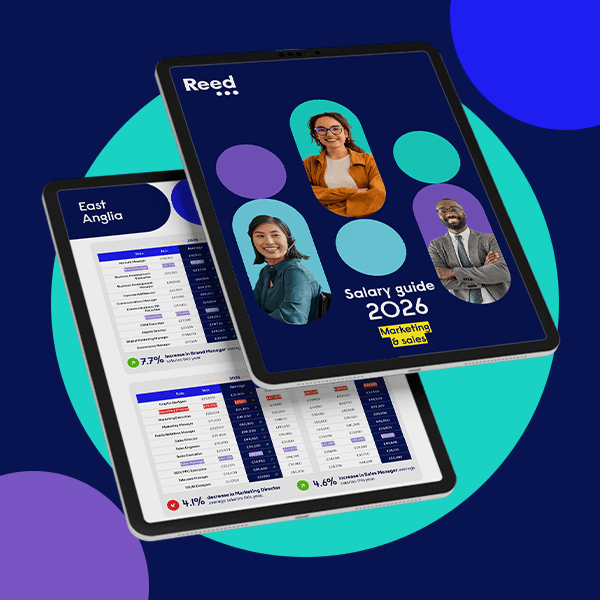
The last 12 months in the marketing sector have been a story of recalibration and resilience. We've witnessed a job market that started strong, then faced a challenging period of cost-cutting and redundancies, only to begin picking up momentum again as we head into 2026. For businesses and professionals alike, this has created a landscape filled with both opportunity and uncertainty.
Companies have had to rethink their hiring strategies, often trimming marketing departments first when budgets tighten. Yet, many are quickly realising the indispensable link between marketing and sales, leading to a renewed focus on building effective teams. For those looking for work, a surplus of available talent has made the market competitive, forcing many to reassess their salary expectations and career priorities.
This year is defined by a fascinating mix of trends. We're seeing the continued rise of digital and AI-driven roles alongside a surprising resurgence of traditional marketing methods. Flexibility in the workplace continues to evolve, and the skills that employers demand are shifting. In this guide, we’ll explore these key dynamics to provide you with the insights needed to navigate the marketing world of 2026, whether you’re looking to hire or take the next step in your career.
The state of the marketing job market in 2026
The marketing job market has been a mixed bag over the past year. After a strong start where digital roles in social media and eCommerce were in high demand, the sector experienced a significant slowdown. Economic pressures led many companies to reduce costs, and historically, marketing departments are often the first to be streamlined. This resulted in a wave of redundancies, creating a candidate-rich market.
However, the tide is turning. We are now seeing a definite uptick in hiring as businesses acknowledge that they cannot afford to neglect their marketing function. While agencies can fill a gap, the cost and lack of in-house knowledge often prove unsustainable. An internal marketer understands the business intimately, allowing for agile and authentic brand communication that an external agency struggles to replicate.
One of the most notable trends is a gap in the mid-level manager range, specifically for roles in the £40,000 to £55,000 salary bracket. Companies appear to be either hiring junior talent they can develop or relying on existing senior leadership. This 'squeezed middle' means that experienced marketing managers are facing a more competitive field for fewer available positions.
Looking ahead, we anticipate a continued increase in executive-level roles. As businesses leverage AI to handle more routine tasks, the need for skilled marketing executives to provide strategic direction, manage projects, and ensure brand consistency will grow. These roles offer a cost-effective way for companies to rebuild their marketing capabilities while taking advantage of the large pool of available talent.
Salary trends: a buyer’s market?
With a high number of skilled marketing professionals looking for work, salary dynamics have shifted. While advertised salaries for new roles have remained relatively stable and competitive, many experienced professionals are accepting positions with lower pay than their previous roles. We've seen senior marketers, including those at a 'head of' level, take significant salary drops of £5,000 to £10,000 to secure an exciting new position.
This isn't about a lack of options. Marketers are demonstrating a willingness to prioritise job satisfaction, company culture, and opportunities for growth and learning over a higher salary.
While getting an experienced marketer for less may seem like a win for employers, it's crucial to approach this situation with a long-term perspective as retaining them requires more than just a good deal. Companies that succeed will be those that offer a compelling overall package: a great workplace environment and culture, a clear path for progression, and a role that genuinely excites and challenges the individual.
Essential skills for 2026: The generalist reigns supreme
The demand for specific skill sets is constantly evolving, reflecting broader industry changes. Here are the key areas where we're seeing the most activity and demand:
The rise of the versatile marketer
While specialisms will always have their place, there is a growing demand for 'all-rounder' marketers. As companies operate with leaner teams, they need professionals who possess a broad range of cross-functional skills. A single team member may be expected to manage social media, write website content, perform basic design work using tools like Canva, and contribute to product marketing strategy. This trend is likely to accelerate, as it allows businesses to achieve more with a reduced headcount.
Digital dominance and AI integration
Digital skills remain paramount. Roles in social media management, SEO, and digital marketing continue to be among the most common. However, the conversation has expanded to include artificial intelligence.
The impact of AI is complex. Some employers are actively seeking people with experience using tools like ChatGPT, particularly for content-heavy and SEO-focused positions. They see AI as a powerful tool for increasing efficiency and output. On the other hand, many companies remain cautious, especially those where brand voice and content originality are critical. These businesses often explicitly ask candidates not to use AI in application tasks, as they value the unique creativity of a human marketer.
The reality for 2026 is that AI will be a co-pilot, not a replacement. Professionals who can effectively leverage AI to support their work, while still providing the strategic oversight, tone of voice, and creative spark that only a human can, will be invaluable.
The surprising comeback of traditional and event marketing
In a world saturated with digital noise, traditional marketing is making a comeback. We have seen an increase in roles that require skills in direct mail, print advertising, and other 'old school' techniques. Businesses are discovering that a well-timed, physical piece of marketing can cut through the digital clutter and capture attention in a way an email can’t.
Alongside this, event marketing has returned with force. After years of webinars and virtual conferences, face-to-face interaction is once again a priority. We're seeing a high number of roles for event and field marketers who can organise and execute everything from large-scale exhibitions to intimate client gatherings. This signals a return to relationship-based marketing, where personal connection is key to building brand loyalty.
What marketers want: beyond the pay cheque
While salary is still a major factor, the current market has amplified the importance of other elements. With more options to consider, jobseekers are placing a premium on the overall work experience.
1. Culture and connection: A positive company culture and a good relationship with management are non-negotiable for many. Marketers want to feel valued and connected to the business and its mission.
2. Growth and development: The opportunity to learn new skills and progress within a company is a powerful motivator. A role that offers the chance to work in a new industry or take on fresh responsibilities can be more appealing than a higher paying, but stagnant, position.
3. Flexibility and work-life balance: Hybrid working remains a standard expectation. However, companies unable to offer remote work are getting creative with flexibility. We're seeing an increase in benefits like compressed hours (e.g., a nine-day fortnight) or early finishes on a Friday. These perks demonstrate a commitment to employee wellbeing and can be just as attractive as the ability to work from home.
Advice for a successful 2026
Looking ahead into 2026, both employers and jobseekers in the marketing sector have opportunities to succeed by thoughtfully approaching the changing landscape. For businesses, attracting and retaining good people goes well beyond pay - companies that showcase a vibrant culture, clear career progression, and genuine support for work-life balance will stand out.
For jobseekers, a proactive and open-minded approach is essential. The market may require some professionals to accept salaries lower than those received in previous roles; however, salary is just one aspect of a wider opportunity. Those looking for work should weigh the complete package, considering the role’s responsibilities, the culture, and the prospects for long-term growth and learning. Marketing generalists who can evidence their impact across various channels and disciplines are particularly valued right now, so it’s worth highlighting versatility and adaptability on CVs and in interviews.
Developing digital fluency and keeping pace with AI-driven trends can open new doors, but if you’re looking for work you shouldn’t underestimate the renewed appreciation for more traditional marketing and the creativity it demands. Staying visible through networking - as well as maintaining an engaging online presence - can make the difference when it comes to being considered for the best opportunities.
Ultimately, success in the 2026 marketing sector will belong to employers who create compelling, flexible workplaces and to professionals who present themselves as agile, multifaceted contributors ready to thrive amid ongoing change.
For more insights into the marketing and sales labour market and for reliable salary benchmarks for the sector, download Reed's 2026 marketing and sales salary guide here.