




Watch the episode
Listen to the episode
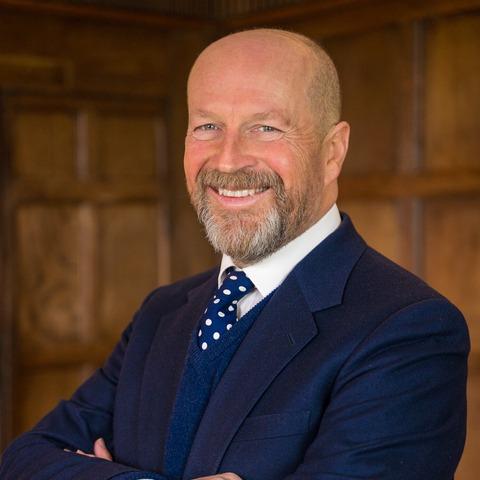
In this episode of all about business, James speaks with Jinesh Vora, Founder and CEO of Sprive, the UK fintech app helping homeowners pay off their mortgages faster without changing their lifestyle.
Jinesh shares his journey from a 14-year career at Goldman Sachs to fintech founder, shaped by a three-generation family legacy of entrepreneurship. He reflects on leaving a high-paying corporate role, bootstrapping a startup through the pandemic, and building trust with banks and lenders in a highly regulated industry.
The conversation explores scaling a fintech responsibly, from angel and venture funding to securing a major TV-for-equity deal with Channel 4. Jinesh also shares candid lessons from pitching on Dragons’ Den, alongside insights on leadership, resilience, AI, and avoiding growth at all costs.
This is a practical conversation about financial freedom, fintech innovation, and building a purpose-led business that helps people take control of their money.
01:49 the birth of Sprive: A mortgage app revolution
11:10 Jinesh's entrepreneurial journey and family legacy
14:39 the Goldman Sachs experience
24:01 navigating the pandemic and launching Sprive
32:09 networking and angel investors
34:11 Dragon's Den experience
41:15 hiring strategies and team building
48:49 future vision and personal goals
Follow James Reed on LinkedIn:https://www.linkedin.com/in/chairmanjames/
Follow Jinesh Vohra on LinkedIn: https://www.linkedin.com/in/jinesh-vohra/
Find out more about Sprive App here: https://sprive.com/
Jinesh [00:00:20] Today on all about business, I'm really delighted to welcome Esh ra. Um, ESH is the founder and CEO of a company called spr. And uh, this is a UK based mortgage app and, uh, Janesh is nodding. It's designed to help homeowner, homeowners become mortgage free. [00:00:46] Which sounds like a very good thing. Faster. Is that right, Jesh? That's completely right. That's completely right. I'm glad we got that right. Thank you so much for coming in to talk to me today. Um, why don't we begin, why don't you tell me just a little bit about what Vora does? [00:01:00] And what your business is and how it helps customers so that everyone listening knows where we're headed. [00:01:06] Yeah. SPR is essentially, like you said, it's a mortgage app. There's about 11 million homeowners in the uk and normally it's typically quite expensive to get on the property ladder, so people tend to borrow hundreds of thousands of pounds over 25 to 40 year period. And the cost of interest is. Quite alarming, especially with the way the rates are at the moment. [00:01:23] And so people download the app, it's completely free to use, and we help people in kind of three core ways to help them kind of pay off their mortgage faster and, and save interest. The first one is, uh, essentially earn cash back, which you can pay to your mortgage with just one tap by the app. And so imagine you do your grocery shopping, you buy that cup of coffee, that takeaway, think, think about anything you do in your life and every single spend. [00:01:48] When you do it through the SPR app turns into a mortgage overpayment, which means that you start to save interest and pay off your mortgage faster. Hang on. I wanna ask about how does that work? I mean, so, so if I buy coffees, you get cash back that then goes towards your [00:02:00] mortgage? That's correct. Yeah. How does that happen? [00:02:01] That's amazing. Yeah. Yeah. So even if it's a little, a penny or two, it still counts. Yeah. So, exactly. Um, we, we work with over 2000 brands. So the likes of like Amazon, Tescos, Asda, Sainsbury's, John Lewis, and Boots. I mean, the li the list really goes on and it varies from brand to brand, but for, imagine your grocery shopping 'cause that's something that people do every week. [00:02:20] And a and a family will typically spend, you know, easily a hundred to 200 pounds a week on, on the, on groceries. And everyone's gotta like, live to eat. So it's a, an an essential piece of spending. So you, you go into, say, you know, Tesco's and you type in say 126 pounds, if that's what your, your shop came to you, you press. [00:02:38] Pay now in the app, one tap and essentially get like a barcode, which instead of paying via your card, you scan the barcode and instantaneously you get money into your SPR account and in the app one tap and that money goes straight to your mortgage. And the great thing about that is as you start to use the app, you can start to then visually see how much interest you're on track to save how many years you're on track to knock off. [00:02:56] So you might start and you might see in the app, oh, I'm on [00:03:00] track to pay off my mortgage three months earlier. And the more you use it, five months, six months. We've got customers using that. So sort of Freedom Day comes closer and closer. Yeah. We, we've got customers, like, there's a recent, um, customer who posted on social media and she's on track to save 84,000 pounds in interest. [00:03:15] They're not 14 years. Offer mortgage. I mean, there aren't many apps anywhere that can kind of that much. So she must be quite a big spender to have done that. No, so, so, so we have a second feature as well. So the shopping really kind of adds up and some of our customers are putting like 25 to 70 pounds, um, just by kind of doing their everyday shopping. [00:03:32] But then also, um, we have a spare cash feature. So this is where, um, I dunno if you're familiar with auto saving apps, where you can like, scroll away spare cash and so you link your, your current account and then we look at your spending and you can set a limit. So you might say, I can afford anywhere between a pound and 25 pounds a month. [00:03:49] You know, others who are more affluent might say, I can afford anywhere between 200 and 400 pounds a month. And then we work with, and there's limits. And so say for example, like we just went through Christmas. Most people spend a lot of [00:04:00] money during this time on presents and Christmas dinner, we might then set aside a lot less money compared to like weeks and months where they're, where they're saving and, and and essentially spending less. [00:04:09] And then with one tap, again, that money can go towards your mortgage. So the shopping is a great way to get started because everyone spends. Yes. And in the UK especially, we've got a culture where, you know, unfortunately with cost of living crisis, that you know, people, uh, spend a a lot of what they earn and it's very difficult to save. [00:04:24] And so just being able to, sorry, I just ask you to repeat that. I could hear a siren outside. So sorry. No, that was seagulls actually, which I thought was quite romantic. People will think we're in Brighton. I'm about to say that again. Yeah. So the cost of living Yeah. Just go from, yeah. From with shopping. [00:04:38] Yeah. Just for example. Yeah, sure. So with the cost of living crisis, it's obviously very tough for, for people, but everyone has to, has to, has to shop and so that, that just makes a huge impact and be able to just. Constantly chip away. Right. And you said there was a third. So we've got those two channels. [00:04:55] There's a third way you can pay down mortgage there. There's a third feature as well, which is, um, helping people refinance. Right. [00:05:00] So we scan the market every day for better mortgage deals, and if we can help you find a better mortgage deal, we'll essentially help you, help you get that, um, with combining kind of tech with free advice. [00:05:11] Wow. So this sounds to me like you must have done a huge amount of work to get this set up. I mean, all these relationships with these big companies, Amazon boots, all the retailers. And the technology behind it. Yeah, I mean, we SAA substantial investment, I'm guessing. Yeah, I mean, we support, um, 14 of the top lenders in the uk so we cover 85% of the residential mortgage market. [00:05:32] So if you have a mortgage with, say, Barclays, Santander, Nat West HS, bbc, all the, all the big lenders we support. And obviously that takes time. And then we work with over 2000 brands. And again, that, that takes time. It took me a while when I initially was building the product to convince some of these brands to, to, to, to work with spr. [00:05:49] So it's been, I've been doing this for six years. So it's, uh, it's, yeah, it, it does take time and, and it does take capital investment as well. Who were harder to convince the banks or the brands? I would say the, [00:06:00] um, the, the lenders is more challenging, um, because they're bigger organizations. And if you think about it. [00:06:05] Historically, especially, um, mortgage mortgages, lenders make a lot of money for mortgages and paying off, you know, well, it doesn't necessarily want you to pay it off quickly, do they? If you pay off their mortgage, they sometimes make it a little awkward. It, it, it kind of erodes their income and p and l and so you've gotta like, really. [00:06:22] You know, sometimes you get a penalty if you pay off too soon. Things like that. Yeah, no, that's right. And so we help with that as well. And through the app you can track how much of your allowance you've used. But that was the, that was the challenging piece. But, um, lenders understand, um, and I can go into more detail while lenders work with us, but it's around finding common ground. [00:06:38] And once you, once you're able to do that, um, you know. We're finding now that more and more lenders are now coming to us and asking us how we can kind of join spr, which is, which is nice. So what I, what I like about what you said as well is SPR is free of charge to the. User completely free. Yeah. So, uh, so what, what's your business model and how, how, where do you make an income for yourself? [00:06:59] 'cause every company [00:07:00] has to support its cost base. Yeah. I suppose the, the, the easiest way to kind of understand it is if you think about cashback companies like top cashback in Quidco, um, very traditional cashback companies. And then you think about how they make money. So on every, every shop, um, we, we take a cut. [00:07:16] Um, so we, we provide a discount and we get that funded by the merchants. I see. So some of the cash back goes to you and some of it goes to your customer. Yeah, exactly. Most of it'll go to the customer, but we'll take a, what's the split? Yeah. I'm not gonna explain, I'm not gonna say that because it, it varies from brand to brand. [00:07:30] It varies from brand to brand. Okay. But you're saying, but you are saying most of it goes to, but most of it does. So it's more than 50%. Yeah, more than 50%. Right. Um, it's, uh, like what we build is, it's obviously not just the cashback app. We're connecting to, um, people's bank accounts into the lenders. So there's a lot of trust involved here as well. [00:07:47] There's a lot of trust, there's a lot of technology that's involved, and that's obviously, that's very expensive for every payment. We, um, we process and we process, you know, someone's shopping in an app every three seconds, so it's, the engagement is very, very high, but all of [00:08:00] that costs, uh, costs money. We have to do like anti-money laundering checks and, and so, um, obviously if we, if we're not sustainable, we want to keep it free. [00:08:07] But, um, it's funded by the, um, by the, the merchants. And that's consistent with all cashback brands. Yeah. And, and there's, so it's the shopping that the shopping actually makes it viable for you. And, and then the second part is. And things like you think about comparison sites. So you know, you sell, like they sell car insurance and they sell home insurance and what, what other know energy switching. [00:08:26] Yeah, we would do all of that as well. But the difference is every time you do that, you end money towards your mortgage and just on the cash back. I, I think sometimes I speak to people and they're like, well cash back towards your mortgage. How can that make a dent? But actually it's the benefits of compound interest. [00:08:40] 'cause most people don't, aren't aware that lenders calculate interest daily. And so if you just take a hundred pound grocery shop and say you earn two pounds 50 on that, on that grocery shop, and that goes towards your mortgage for the average person that has a three times multiplier effect once it goes onto a typical mortgage. [00:08:58] And so, you know, you end up saving [00:09:00] between seven pound 50 to 10 pounds on one shop. And imagine you do that 52 times a year and then you, because of the compounding effect, the compounding, it actually saves you a lot of money. And then obviously there's holidays and car insurance and home insurance all starts to, starts to add up. [00:09:13] So, you know. For most homeowners, I'd say that our cash back rates are probably the, the most impactful when it comes to, um, people's personal finances. It's just less than the actual money that is 'cause it's effectively being invested, um, in a manner that's ultimately tax free. Which is, which is obviously good as well. [00:09:29] So. I've got so many questions for you, but I mean I'd quite like to just go back to your sort of origin story. 'cause I mean you are, you are talking, you know about compound interest, you're obviously a person of great financial literacy and you know, financial literacy is an interesting issue in our society. [00:09:44] 'cause I don't think that many people are well equipped with financial, but you obviously are and I know why. Because you come from an entrepreneurial background, entrepreneurial family, and you worked at Goldman Sachs Bank for 14 years, is that right? 14 years, yeah. Yeah. So I can see you. Yeah. [00:10:00] So in terms of background, you're sort of ideally. [00:10:03] Prepared for this kind of business venture. So let's start with your family. I, I think it would be interesting because you mentioned to me earlier, before we started recording that your grandfather was an entrepreneur in East Africa and your father was an entrepreneur. Will you just tell, tell us a little bit about your family story? [00:10:20] 'cause I think it's fascinating. Yeah, sure. So if you go back to like, my grandfather, so to give you some context, he grew up in rural India, um, in a state called Gura on a farm. And at 12 years old decided to leave the farm, um, without his dad's blessing. So had a little bit of a, a disagreement and he went with his uncle to East Africa on a, on a boat, um, to essentially start working. [00:10:42] And he started working in construction as a, as a laborer, very young. Um, but these things, you know, happened was very common as a 12-year-old Yeah. As a, as a 12-year-old with his uncle. And then started kind of picking up the trade. And he did that for a long time. But he obviously learned the trade very well and, you know, started to know people, um, [00:11:00] that were in that, in that, which country was this? [00:11:02] This was in Kenya. Right. Um, and, um, essentially he then in his early thirties decided that he would start his own construction company and then use some of the people that he knew and then kind of get projects and, and, and do the work himself. And, um, no. I mean, it was, it was great for him because obviously able to kind of build wealth and that that wealth was enough for him to send back to India and give my dad, as an example, a very good education. [00:11:26] And so my dad went to boarding school, um, grew up, um, learning English in India, which at the time, um, was only for, you know, people who were a little bit more affluent. And then my dad decided to come to the uk, um, literally with five pounds in his pocket. Um, 'cause he, you know, there was the opportunity to, to kind of do so and again, when he first started he didn't really, you know, have a lot of like, connections. [00:11:50] It was very difficult to get a job. And I remember when I was raised, where did he go? In the uk. Where did he live? So, in, in London. Yeah. Um, so, and what they typically do is they find a house [00:12:00] that they, they, someone's living there and they'll just all kind of live there and bunk up, and bunk up until, you know, they can obviously for their own place. [00:12:06] And at the time when I was very young. He had three jobs. So I remember him like, um, at Asda, at the checkout, doing, you know, doing, doing that. He was then kind of cleaning toilets and, and, and being a cleaner. And then he started his own business, um, and he set up his own accountancy firm. And one of the things he did is 'cause. [00:12:24] There was, uh, a lot of people that was in a similar position to him, but they didn't have the education that he had, so they struggled to do simple things like read letters in English. Right? And so he used that community to kind of help them and also use that network to kind of build his business. And that was good enough for him then to give me and my brother a private school education. [00:12:47] And that allowed me to then obviously get a good, um, university degree at the University of Warwick. And that led to me getting an internship at Goldman Sachs and then, uh, me of getting offered a position and, and then kind of progressing there for 14 years. [00:13:00] So the Goldman Sachs experience, I, I'm imagine you learned a lot. [00:13:04] Yeah. I mean it's, uh, it's, has that been helpful for what you're doing now? Yeah, definitely. I mean, I, I, I've got no bad word to say about the organization. It's a very tough place to work. Um, they've got a, a very, um, tough in what way? In, in that like. It's every, every year they'll, they'll cull, um, the, the kind of the poorest performers. [00:13:22] It can go up to like 10 to 20%. Right. So that always kind of keeps you on your toes. I really like that. So like the Premier League, if you're in the bottom sort of, yeah. Yeah. That's a bit testing I like, and like, the hiring process is very rigorous and you may hear stories, but you know, sometimes you, you're doing seven to 10 interviews to be able to get a role. [00:13:39] And so you, the caliber of people that you're working with is, is, is really impressive and I've always been of the mindset that I like being the best. And so that pushes you when everyone around you is, is is very driven and there's a, a culture that people are prepared to, to go above and beyond. It's very common to work 70 hours, a hundred hour [00:14:00] weeks. [00:14:00] And it's not just FaceTime. People are just trying to outperform and out deliver. And that that in itself, that environment has been very good for me. I think the other thing that I think about Goldmans is that they have a very entrepreneurial kind of environment. So they at early, at the early kind of doors, they really try to. [00:14:18] Teach you and coach you to think about the business like it was your own, and to try to come up with ideas and innovate within the organization. And they reward people who think outside the box. And it's very flat structure in that. Just because you're more junior doesn't mean you can't get responsibility and you can't progress quickly and your ideas will be listened to and your ideas, but you've gotta be able to maneuver through the organization and that's a challenge in itself. [00:14:42] But if you, if you are, if you are, you know, if you can adjust and you, you have the, the self-awareness, it's a, it's a very rewarding place. So you would recommend a stint at Goldman Sachs or would be entrepreneur of the future? Would you, uh, look, I'd say if you wanna be an entrepreneur, then there's no better way than actually being, being an entrepreneur. [00:14:59] [00:15:00] But you might find that. That you might make some more mistakes. I think with the, like I've always, when, when I was at university, I wanted to start my own business, but I just didn't have the acumen, I didn't have the idea. I, I just didn't know how to go about it. And so I, I fell into, in, into that career and I did tell myself at the time, remember when I was at university, I said I'll do this for two, three years, build up some experience and then start my own business. [00:15:24] You then get sucked in. You get, you get, you're chasing the promotions and then 14 years later, you know, still there. Well, I imagine you were well paid. I mean, it was a good lifestyle. Yeah, it gets harder. It gets harder and harder, harder to lose as you progress because, um, the way it's, it's a very big bonus culture there. [00:15:39] So if you are, if you're a poor performer, you, you know it because your bonus is zero or it is, it's very much like, why did I spend all these hours and, and sweat and tears, um, kinda pushing myself and it is a kind of a signal you should leave. Otherwise we're gonna like. Push you out of the organiz. So if you get zero bonus, the writing's on the wall. [00:15:57] Yeah, the writing's effectively on the wall. [00:16:00] Um, but if you, if you perform well, they, they pay you well. And so it does become harder and harder. And I think for myself, I'm not so. I, I, obviously everyone likes money, but I'm not so driven by money. For me, it was legacy. Like I, I take a step back and my grandfather, if he hadn't done what he'd done and make made those brave moves, if he'd had listened to his father when he was 12 and, and, and not, and not then make the bold step from everyone around him carried on being laborers and he started his own, you know, had the bravery to effectively take risk and, and start his own construction business. [00:16:32] And like, like, like my dad, if he hadn't. Done what he did, then my life would've been very different. And so I want to have a legacy too. I, I don't want to be the, the dud in the, in the, in the, in the, in the kind of the, when you look at the generation, the generation, yeah. I, I, I can understand that anxiety, but, and so and so you're making good progress. [00:16:52] Not to be Exactly, but for me, it was, for me, that was the driver. I didn't. I feel like you only live once. And I wanted to leave a legacy, and [00:17:00] my mindset changed when I had children. So I had two, I've got two young boys now, and I wanna show them that anything's possible. And my dad showed me, and my grandfather showed me through the way they lived and the things they did, that anything's possible. [00:17:12] And so I wanna do the same for my boys. Yeah. Well, I'm, it sounds like you'll be a very inspiring father for, for them. I mean, so you were, you were at Goldman Sachs and you've been there for a while. And then you, I imagine you had this idea or so because at some point while you were there, near the end of the 14 years, you decided to sort of branch out on your own. [00:17:31] So what was, what triggered that decision? How did that come about? And Yeah, and then you, you made that courageous step, you know, like your father and grandfather yourself, which you know, a lot of people might be thinking about and then maybe do, maybe don't, but you did it. So talk me through that a little bit, bit, please. [00:17:46] Yeah, sure. So, I mean, when I've, when I've, when when I was there and you'd go out after work, you, it happens quite a lot that you have a few beers and you'd be talking to colleagues about, you know, a business idea or, um, do. You know, you just, [00:18:00] the, the idea of doing something, um, because you, through, through the, kind of the, the role that we did, you would actually meet quite a lot of entrepreneurs. [00:18:07] Um, Goldman Sachs, for example, has a, a private wealth division. Division, and a lot of the clients are entrepreneurs. And so you do see that, you know, people that taken risks have, have done, you know, some of them have done very well for themselves. So there's always that kind of itch. And then. But in reality, I wasn't ever really seriously looking to do my own thing. [00:18:26] What happened was, a colleague of mine that I used to work with grabbed me one day and said, you know, do you wanna go for a beer? And I said, yeah, sure, let's invite, you know the team. And he was like, no, just me and you. And I was like, okay, this is a bit strange. And we to a, a pub that normally no one, like, none of our colleagues ever go to. [00:18:43] So it was, it was quite so he didn't wanna be overheard then. He didn't wanna be overheard. And he basically said that, look, he's, he's decided to leave, um, Goldman's. And he's gonna start his own business. And to, to give you some context, his great-grandfather was the king of Hyderabad. So in the 1940s was the literally the richest man in the world. [00:18:59] And [00:19:00] his whole family are entrepreneurs. And so for him, he. It was always on the cards to essentially, um, start his own business, all his family entrepreneurs. So when he told me, I was like, okay. And he was like, I had this idea that we should do something together. For some reason, he felt that I'd be a good person to go in business with. [00:19:17] And so the first question I asked him was, so what's the, what's the idea? He goes, I don't really have an idea. I just know that we should do something together. And because I always liked the idea of, of doing something, we literally, after work, sit in the, at the cafeteria and get our laptops out and brainstorm business ideas. [00:19:35] And we started in the summer of 2018, and then we came up with the idea for SPR in about November. Literally during that process, we had ideas after ideas, and as we start to validate the ideas very quickly became apparent that, um, his ideas weren't very good and SPR was essentially idea number five or six. [00:19:57] And that's the one where we started to really kind get excited about. [00:20:00] And then, yeah, nine months later we, I, I, I left. So You did, so did, are you doing that together then? Is he an investor or a partner? Yeah, he's my, he's my partner. Yeah. Right. So, oh, that's good. So, so it's interesting you just decided you were gonna do something before you had the idea. [00:20:13] Yeah. So we were gonna look into, so almost the first decision was we want branch out and start. Yeah. So the idea was we liked the idea of it. He was definitely gonna leave. Yeah, so we then were like, I'm not leaving a good job until I'm very, very sure. And so, you know, five months to come up with the idea, but really being really intentional about finding an idea. [00:20:31] And then once we came up with the idea for SPR conceptually in like in November, it was only until July the following year that I actually resigned and handed him my notice. So you're talking July, 2019? Yeah, July, 2019. And, and the time spent was really me. Actually understanding, will this actually work? [00:20:49] Could I actually build it? Having conversations with investors, people in the mortgage industry, understanding what technology I needed to build because I needed to believe for myself because I [00:21:00] have a family. And the good thing, the good thing that, um, I had done, which kind of ties back to you know, why I started Surprise, I had paid off my mortgage and I've been very fortunate. [00:21:10] But I'd gone through that journey and I did it very aggressively at Goldmans. Yeah. But obviously that, that salary helped. But we did it very aggressively in four years. Um, but that was the only reason why I could go to my wife and say, Hey, look, I've got this crazy idea. I want to kind of leave this kind of corporate job and, and, and, and do this. [00:21:26] I think if I still, what was her reaction? I mean, she wasn't happy. She wasn't happy. No. 'cause I, she, she was pregnant, um, at the time. Well, it's a bit unsettling, I imagine. And crazy ideas sort of sounds exciting, but maybe. Yeah. And she's, she's, she's a, she's, she's an accountant. Very risk averse. Okay. And I told her that she would never, um, have to work again. [00:21:43] 'cause we were, I, we'd paid off the mortgage. We just started a family. And so I had to kind of sheepishly go to her and say, look, you know that I told you you never have to work to, um, again, I need you to go back to work 'cause I, I really wanna do this. Oh, so you had to, she had to go back to work. So you had to go back to work. [00:21:59] Yeah. [00:22:00] But that's a good thing about being an accountant. I. You can always get a job. Yeah, that's very true. But she, she, she went part-time. That was the, that was the, that was the compromise. And I said, don't worry, in a year I'll be earning a salary again. Took me four years. So, uh, took you four, uh, took me four years to earn a salary. [00:22:16] So, but she was obviously patient. Yeah, she's, she's been, she's been fantastic. Unsu supportive. She's really important. Really important. Yeah. So, so, so that, so I'm just thinking back 2019, obviously what happened next was the pandemic, which must have been very disruptive to your plans. Yeah. 'cause you said it took you four years before you were able to get a salary, so we, we have to go to 2023. [00:22:37] What, what was the consequences of all that disruption? Yeah, it wasn't ideal. You, you kind of take the biggest risk and then suddenly the kind of pandemic happens. And obviously that was a very prolonged, um, episode in, in people's lives and I was very keen a, to not launch the, the product and the app during, during the pandemic. [00:22:56] I just felt like it wasn't the right time. We were a slightly different app. Uh, [00:23:00] during, when we launched, we didn't have the shopping part of the app. We, we just had the spare cash feature that I, that I mentioned earlier. And when your people are worried about their kind of jobs and their livelihood, the last thing they're gonna do is start to overpay on their mortgage. [00:23:12] Mm. And so we paused. And then we also think about runway. Because with the tech company, you've got people that to pay every, every month and started looking at the numbers going, okay, how long is this going to last? Because if it, if it lasts much longer, we're going to run our money. And so I had to like hire a new team. [00:23:30] We were using kind of third party agencies initially, and then we had to find creative ways to like bring that in-house and, and find some interesting ways to like. Pro prolong our, our runway. And then, yeah. So it was, it was, uh, definitely a, an interesting, an interesting time. It was a curve ball that I did. [00:23:47] Were there any positives in terms of it giving you time to think about the service and, I mean, you obviously added extra business lines during that time and developed the offer through the app. Yeah, no, well, actually we did that afterwards, so, so after COVID we launched, [00:24:00] so I suppose the one thing we did. [00:24:02] And so my, my, my business partner that I mentioned, he reads a lot of books and he's very, he's very much a product guy. And they, when you, when you read those books, a lot of them say when you start a business, build your MVP, your minimum viable product. And so he was like, we need to build this. And he wanted to build like a really basic version of the, of the app. [00:24:21] In my head, I had a picture of what the app should be and had a lot more technology, a lot more automation. But he, he pushed quite hard and I kind of, you know, kind. Cave caved in and said, okay, we will build it. And my, my suspicions were right in that no one wanted that app. It, it was too much friction, too much work for the, for the customer or the MVP, the minimum viable product. [00:24:42] The minimum of viable wasn't viable, wasn't, it wasn't viable. But it, it took us nine months to build that and to us, and we spent money on it. The good thing is that I'm quite frugal, so we didn't, you know, I kind of say if you make mistakes, try not to make big mistakes that completely blow you outta the water. [00:24:56] But because we made that. But there were positives [00:25:00] as well in that we learned about what works and what doesn't work, and we've got to like test some of the functionality, what is the purpose of those? But, but development, but yeah, exactly. But it, it gave COVID to give us more time to be able to then build and iterate and then build the right version so that once COVID ended in, in October, 2021, we actually publicly launched. [00:25:20] Right. And that version in the first, I'd say. Day that we launched, we got an article from, um, the, the, this is Money and the, the headline was something like the UK's first Mortgage over Payment app. Is it any good? And we're literally on the first day of 2000 people download the app. And so that was like, nice. [00:25:38] Yeah. And so, yeah, sometimes these things, the power of communication. Yeah. Sometimes these things all happen. It's just, I I, it's just so funny how like luck sometimes does play a part for. I would agree with that. Luck's very important. Yeah. But, um, so is preparation. Yes. I say that's when you get lucky. So you, you, um, you developed this app, I mean, it sounds like.[00:26:00] [00:26:00] Well, so in the, you, you developed this app, but it is interesting 'cause often people say, you know, start small, start with a minimum viable product. I mean, I've heard that from other guests. Um, but you recognized it required more development and complexity to deliver the service you wanted to deliver. So you took a bigger risk in a sense. [00:26:19] Yes. Doing it the way you did. How did you finance that? I mean, because what we're talking about here, building apps is, is not cheap. I know because we, we do it ourselves. And especially complex ones that have friction free offers. Um, so I'm, I'm, I'm. Confident. You must have put a lot of money as well as time into this endeavor. [00:26:39] Yeah, I mean, it's a FinTech, it's, it's, we're, we're, we're, you know, we're, we're registered with the FCA, um, so there's a high bar there. It's not, it's not something that you can just bootstrap. Um, let's put, let's put it, let's put it that way. So we invested, um, our own money. Um, so again, another risk there, um, in terms of taking money from my savings and, and putting that into the business. [00:26:57] And then just people that I knew in my network. [00:27:00] So I never asked kind of what I call like a friends and family round was the initial kind of injection that we, that we got. And I never would ask friends or family for money. I would literally talk about what I'm doing and what I'm building and the fact that I'm leaving Goldman's to start this. [00:27:15] And I started this while I was at, at Goldman Sachs. So I tell people, this is what I'm doing on the side. And, and, and we, what I found, what. Is that people tend to, um, get fomo. So as an example, we had, um, someone that was quite high profile, like the former CFO of Microsoft, US and India, who I, I kind of knew through my network and I met him and I was telling him about. [00:27:39] What we're doing. And he does angel investments, and he was like, I like the idea of this. I might, I might invest. So I started telling everyone that the, you know, um, he's, he's, he's, he's probably gonna invest and he had actually a hundred percent committed. But everyone else was like, then I, if he's gonna invest and I, then I wanna invest. [00:27:58] And I went back to him and I said, look, we pretty much [00:28:00] call the money in. Are you gonna come in? And he was like, yeah, yeah, sure. And so, uh, so he did invest. Yeah. So he did invest. So, you know. These types of things kind of helped. And we were so you didn't ask, but you just shared the information? Shared the information and, and people would come to me asking me, please, can I invest? [00:28:13] 'cause they knew me. They knew, they knew, um, I'd rather work worked with them or I'd gone to university with them, or they were like members of my family and they. They knew that, you know, I've got, you know, they like to think I've got quite a sensible head on my, you know, and so I kind of would've thought this through and they saw the excitement and they believed in what I was saying that, that they, they could see this kind of being, being, being very big. [00:28:40] And so, yeah, they gave me money. And that kind of was that kind of initial investment. And that, and that got you, that, that got us to like launch. Yeah. And then once we launched, um, you know, with things like, you know, the first day a couple of thousand people downloading the app, I then went to angel investors. [00:28:53] So a little bit more professional investors, and then they invested. And, and that was done. So you had to put together a sort of [00:29:00] presentation deck. Yeah. Presentation, financial model. And so I did that. And then what, what advice would you give to people who are seeking angel investments? I think it's, um, it's all about the network and getting kind of warm introductions. [00:29:12] It's super, it's super key. So if you don't have that network, you need to, you need to build that network and. I 'cause, 'cause I was at Goldman's, people automatically think that you have this whole huge network of, of, of angel investors. But that wasn't the, the case. I was, I was in the risk division. So I wasn't in, I wasn't a trader. [00:29:31] I wasn't a, like a, an investment banker. And so. By, by definition risk. People in risk are generally are very risk averse. Mm-hmm. And so they, you'd hope so. Yeah, you'd hope so. So they paid for it. Yeah. So there wasn't like a lot of people I could tap on. So I had to build that network from scratch. And one of the things I did, for example, was post on LinkedIn every day. [00:29:52] And that was really helpful because people were about what you were doing. About what I was doing every day, every day, um, Monday to Friday. [00:30:00] And I would literally. To share my story. So if I'm doing, you know, something like this, you know, I take a picture and post that and if I was, whatever it was, and so people started to feel like a real connection and they could, they could almost feel like they were living this journey. [00:30:14] With me. That's so interesting. It's so helpful to people just to know that. Yeah, and, and, and, and, and a lot of people obviously knew me from, from, you know, my corporate days. And a lot of people that are employees who work in corporates, they do have that itch that, you know, and I think a lot of them would do really well. [00:30:28] I think we have so many talented people in the uk. It's just having that kind of. That, that, that brave, taking that step and taking that risk. And it is a big risk. Um, but those people would see and they would know people that know people and then introductions. They would be willing to help. Um, and then just network. [00:30:43] Meet people, meet people, meet people. And that helped. That helped a lot. And you tend to find with angels, they like to, they like to invest in groups. So if you find someone. They'll, and, and they invest, they'll then start to bring their friends over and you can, that can be a real domino effect. Uh, so [00:31:00] that worked. [00:31:00] Really. Yeah. They they tend to be networked themselves. Yeah. Networks. Exactly. And that worked really well. And then, and then I did one more round after that, which, uh, was in kind of, um, towards the, kind of the beginning of last year. Um, and that was more institutional. So that was like feces, venture capital. [00:31:15] How much did you raise in that? So that was a. Two and a half million cash and then 3 million TV media, uh, for equity. So we now, for example, have a TV ad that's running on cross channel four. So Channel four ventures also invested in Thrive. And the reason why I did that investment was to get more brand awareness. [00:31:32] So hang on. So how did that work? So they give you airtime for, they give you airtime? Yeah. For equity. For equity, yeah. You're trading equity for airtime. That's right. Yeah. Interesting. And have, have they given you a hope? A lot of airtime? Yeah. I mean it's, it's, uh, it's, it's, it's, it's a lot. But, and is it working? [00:31:46] Is it, do you see, does advertising work in that respect? Yeah. I mean, you getting, you getting it, did it work as well as this is money? Well, this, since, let's put it this way, since I, uh, closed that last round, we've been growing 30% month on month. Right. So, [00:32:00] uh, that's pretty strong. I'm pretty happy with that. [00:32:01] So yeah, we've been growing. Pretty rapidly. Um, did you do any other trades for equities? So you did just the, the cash, which is obviously cash. Uh, the two and a half million. And then, and then the TV media, the TV media deal. Did you put a valuation on that? Yeah, there is a, there is a valuation Yeah. That we, that we, that we put, and then I'm actually going out to market now and doing another Oh yeah, another raise. [00:32:20] Yeah. So we've grown, um, pretty, pretty substantially. And, um, we wanna, we wanna be more aggressive as, uh, 11 million homeowners in the UK that we can help. And so we wanna, we wanna kind of help. As many, as many people as possible. So yeah, we we're raising more capital. So you have big ambitions for spr. Yes. [00:32:38] So I understand that you went on Dragon's Den to raise some money. I did. You've just done this? Yeah. So yes. So what was that experience like? It was. It was interesting. So I've, I've watched Dragons Den like since I was the age of 20. Yeah. It's like an institution. Like an institution. So we've watched it, but you were on the, and, and, and so to be on that show is, it was very surreal. [00:32:59] I, I [00:33:00] remember like watching the show and almost acting like, you know, a. As if I'm a dragon and being like, that business is great, or that business, you know, how's that ever gonna work? And, and it, it, it's, it's a great show because I, I do think it encourages entrepreneurship. I agree. And, and, and so, and so when I got the opportunity and I got an email in my inbox saying, would you like to apply? [00:33:22] I was like, okay. Yeah. Why, why not? I, I, generally, when I think of drag as then I think of actual products, like things that you can actually like, touch and feel, and. You know, from my, from memory, I can't remember seeing many apps on, on Dragons Den, but I went through a process. It was quite a rigorous process. [00:33:39] In terms of, well, in terms of being selected. In terms of being selected. When you say quite rigorous, what? As in, as in like it was. Um, it was things like sending a video interview, like a video clip of yourself right on camera, um, doing the pitch. And then there was things like, um, interviews over video calls where they interview you, um, a few different [00:34:00] times. [00:34:00] And then there's a whole like, diligence process on your business because the BBC are very careful about making sure everything that's said and everything you're saying is a hundred percent accurate. And the last thing that they want is to kind of mislead. The, the, the public, all the dragons are that all, all the dragons. [00:34:15] Yeah. 'cause obviously they, they that's very true because, um, they wanna make sure that what you're saying is, is completely factual. 'cause ultimately they are gonna invest their own, their own capital if they decide to do so. Yeah. The BBC's facilitating this process. Exactly. They like the investment banker in a sense. [00:34:29] Introducing you to possible investors. Yeah. Yeah. And so obviously it was really nice to then get, but get selected and then they give you very short notice. Or at least for me, they gave me very short notice in terms of going, okay, here's the studio date. Um, you need to do your pitch. And so what you, the stu the date for the pitch was just suddenly like next week or something suddenly like, like exactly. [00:34:50] Oh, was it? So very little time to prepare and the actual pitch, you, you need to make sure you, you, you've memorized it. And because I'm in financial services, they were [00:35:00] very like, um, they, they made sure that they made it clear that. I, I had to say what I prepared. I couldn't go off piece terms and conditions apply. [00:35:11] Yeah. Because I find myself saying on our ads quite a lot because they, they were no, it was very rigorous. They, they were very rigorous in terms of what, you know, they want to make sure everything, um, that I said was completely, completely factual. So do you managed to stick to the script and so, yeah. Um, so yeah, when people watch it, um, I encourage, look to be on the iPlayer. [00:35:26] So, uh. You know, have a, it's the second. It's the second. Um, it's the second episode in the, in this, in this year's season to to, to have a, have a look. I don't wanna give too many spoilers away. I think it's, oh no, you won't be giving any away because it'll have come out by the time. Yeah, no, that's very true. [00:35:39] Yeah. People can hear this. Yeah. But, uh, but did it go well? Yeah. So yeah, I won't ask for details, but were you happy It went well? I, I was gonna say in terms of preparing for the pitch, yeah. Um, I had my, my, my two young boys help me prepare. 'cause the way I kind of thought is that it's obviously a very stressful. [00:35:56] Time. Like you're in, that, you're in, that you got the cameras on you, you got the lights. [00:36:00] And so I kind of told them like, while I'm doing the pitch, jump on me, like, shout at me. That scream in my ear. Yeah. Um, and I, and they did, they did that and they really enjoyed it, but I made them part of that process. [00:36:09] But if you can pitch when you've got two young boys like. Pushing you and screaming in your hair. Yeah. Then you can, that's very good tech. You can, you can definitely do it under the So you knew I could deal with this when you went in? Yeah, exactly. Like you wouldn't, you wouldn't kind of get phased and, and and, and be able to like deliver. [00:36:24] And that was like the key for me in terms of, I was in the studio for seven hours, so it was a really, really long day. I didn't realize You only watching it, you only see it in a small snippet. Yeah. But, and then I was actually in the actual. Then part of the, um, recording for about an hour and a half and it was like a real investment pitch. [00:36:43] Yes. They, they, the dragons ask you a lot of questions and they're very, they're very clued up. They, they, because I've raised investment, I was very comfortable with the questions they asked, but. Yeah, it was very vigorous. So, I mean, they're investing their own money, so they will be, they investing their own money and also they do this and it's [00:37:00] television. [00:37:00] Yeah. So they will throw curve balls. They will try to So were you, were, was there, were there some surprises or did get Yeah. Did you get, what was the toughest question? So, I mean, it's, it's, it was a while back, I'm, um, but there, there were questions. One thing I was, I had these red lines that I was trying not to talk about too much. [00:37:18] So as an example, I. If they asked me back my background, I literally just wanted to say, I work in financial services and I was trying to avoid the fact that I, you know, that I work at Goldman Sachs as an example, because why? In the past I've had, like, I've done some press and you the comment section. You know, people compare me to like Rishi Sinna and like, you know, um, and so it's, don't read the comment section unless it's about someone else. [00:37:45] Yeah, no, exactly. But, um, so, so yeah, sometimes people can see that as a good thing because financial services and, and they probably want someone who, you know, who's had that background so that, because they're obviously trusting, trusting, um, you know, spr with, with their, with their, one of [00:38:00] their, their largest household commitments. [00:38:01] But it can also. Backfire. So you didn't want that to come out. Yeah. So as But did it come out? So, I mean, I don't, I don't, I don't know. I haven't seen it yet, so, uh, so, oh, we'll look forward to looking this. Yeah. So I, I see it at the same time. Um, I see it at the same time, so you dunno what they're left in and taken out. [00:38:15] I, I have no idea. Yeah. So I, that's interesting. So, uh, I'll see it when everyone else sees it. Yeah. But you put seven hours of your time into what will be a few minutes of television. Yeah, exactly. 10, 15 minutes. I remember at the end of the process I walked out and I was so drained, like mentally I was so tired because it's, it's very intense. [00:38:30] Quite emotional. Exhausting. Yeah. And they lock you in like a, a little room. They don't really like get you to talk to, you know, any, any, you can't really bring anyone in. So that called the green room? Yeah, the green room. Exactly. I dunno what they call that. They're never green and they, they get you to put on makeup and things that you'd normally never do, so. [00:38:46] Oh, exactly. Yeah. So interesting experience for sure. So, but you found it interesting. Is it something you'd recommend to other entrepreneurs? Uh, I really enjoyed it. I, I mean, there was a couple that I did bump into in the green room for like, literally. 45 seconds [00:39:00] and they were literally shaking. They were so nervous. [00:39:03] There were a couple, I dunno how they got on, but Right. But you know, it, it, the nerves can really build up. I think you, if you are, if you're not careful, you can kind of get into your head. But luckily I was able to stay calm and I really, I actually really enjoyed the experience. It was nice. Yeah. I, I think if. [00:39:18] It's quite important to try and enjoy things like that e even if they're sort of new and unfamiliar, because I, I think the energy you're able to demonstrate comes over, you know, enjoy. Exactly. Think, I think, I think hopefully that comes across on, on camera. Yeah. But I, I, I came out of it really enjoying the experience. [00:39:35] There's no regrets for sure. Oh, good luck with that. No, thank you. Yeah. I'll be watching. Yeah. Yeah. Thank you. Um, so, so, um. Yeah. So you are really in sort of fast growth mode with your business. I mean, you're, you're moving from startup to scale up, it seems. Yeah. Is that fair description? That's, that's probably fair. [00:39:51] Yeah. And, and, and that brings challenges of its own, doesn't it? It does. So you have to hire more people. So where are you in that journey now and Yeah, [00:40:00] what, what's on your mind, Janine? So after the last round, we had the team. But then we needed to look at the team and look at where the gaps were and how we could, you know, make, take things to the next level. [00:40:11] And so we did hire, we hired in all areas of the business. Um, and I'm, 'cause of my days at Goldmans, I was very used to hiring. Um, I, I started managing teams probably once, about 24. It's quite early in my, in my, in my career. And so I've always known the power of hiring good people, um, hiring good people. [00:40:30] Absolutely. Even my corporate career make me look good and make me be able to kind of outperform. And so that's, that's been super key. So what do you look for? You're looking for good people. Gimme a bit more detail. Yeah, so I think, um, yeah, so. I'm, I'm quite, I go off gut quite a bit, but we try to gut, gut feel. [00:40:47] Yeah, gut gut feel is quite important, um, to me. But what I initially do is I'll have a process, so I'll interview them and the first half an hour I typically, obviously I see their CV and I in my mind depends [00:41:00] on the role, but I have an idea of the caliber of kind of person that I'm looking for. So, lemme take an example, like marketing hire. [00:41:06] So I wanted to hire someone to run marketing and I wanted someone who had consumer. FinTech app experience. So what I did is I made a list of that in the last three to five years. All the consumer apps in the uk, in the personal finance space that essentially had done well and grown really, really aggressively. [00:41:28] And then I wanted to find someone who had been through that growth period for at least, you know, and worked there for at least three years. And so once you get that universe of like. Apps and then you get that kind of criteria. You're really narrowing down the, you are so, you are very precise about. In that example, I was very, the background was very precise. [00:41:45] And how did you find them from there though? Did I used the, I used the recruiter in, in that, in that example. And then I hired a product person as an example. So you used an agent? I used an, an agency. Yeah. And then for a product hire that I did, I, I did both. [00:42:00] So I did, um, agency and I also did a, a LinkedIn, um, job post and on LinkedIn. [00:42:06] It was crazy. The number of, um, applications that I got was massively overwhelming, but there was only one person that. Actually sent me an individual message connected with me, sent me, sent me an individual message, and then had like this person, only one person did that. Only one person did that. But so this thing there, people, if you want to get a job, that's quite a good tip. [00:42:28] So, so he, he did that, but he also had like media, like in the, is it medium where you have like lows and loads of like, uh, content about product. And so you could tell he was someone who's really passionate. He had amazing design portfolio, but also he was talking about you could just see realms and realms of content over the last like. [00:42:47] 15 years that you'd been putting out in the ether. And so straight away I could see what, through his LinkedIn, through, through just the medium kind of, I think it's called Medium. It's like a, a platform where you can like share your, like your, your work, your leadership and your [00:43:00] thoughts and your work and, and you could see he loved product and so then I was like, okay. [00:43:06] I'll, I'll, um, I'll, I'll interview him and when I interviewed him, I was, in my head, I wanted to give him the job in my, on the, on the spot. But what we tend to do is also give people a task. And I try to make it awkward, so I'll do things. I like doing things that most people would not do, so it'd be like a. [00:43:24] I'll give them like a little task to do. I might even tell them to, um, do, do a second round interview in that task on a weekend. And so if they're, if they can't be, if they don't want the job that much, then they're not gonna really be the person for me. And so, like, I just try, I try to see how they, so what sort of task, I mean there's, I mean, I've got the, the Apprentice in my mind, what sort of things are you giving them? [00:43:45] So for like product, I'd essentially say, go look at my app. Right? And this is what we do. And if the, if the objective is to get more people to download the app and do their first shop as an example. Yeah. Because when you download an [00:44:00] app, a lot of people browse, but they don't actually start using the, the product. [00:44:03] And what we've found through the data is once you start, it's something that you really incorporate as part of your life, and then it becomes regular, regular, irregular habit. But the, the biggest challenge with anything like an app is how many apps do you download and they just sit dormant. Right? You want people to like engage quite. [00:44:17] So I said, this is what we currently have. And look, I designed the app, me and my, my partner, and we're both from Goldmans. We're not product designers. We've just been making things up as we go along and using kind of, you know, a common sense, um, where possible, what would you do right now? Some people, what they'll say when you ask people is that they, they get very upset. [00:44:36] They're like, you're, you're basically asking me to do free work. And they would just either refuse or they'll do something, but it'd be very like high level. And it just, there won't be a lot of effort put into it. The people that really want the job will put a lot of effort. And I, and when I do the first run interview, I spend half the interview convincing them why this is, this, getting, accepting a job at SPR is gonna change their life. [00:44:58] Um, and so [00:45:00] I do a lot of that. And then the second half is where I, I, I really start to interview them. And so if that, if that, if that doesn't convince them to then put. Some real thought and hours into, into, into the project and, and then present, then you just know that they're not gonna have the, the energy. [00:45:14] No, quite, that's very interesting. I mean, 'cause as an interesting mindset issue, oh, you're just trying to get me to do some work for free versus what if I put a lot of effort into this, I'll get the job and I'll have made a good start. Yeah. I've already made some progress. Yeah, yeah, yeah. Which is another way of looking at it. [00:45:28] Exactly. And then the, the final thing that I always do, um, I then get the team to make sure culturally is a good fit because. So the team are part of the process? The team. Yeah. 'cause for, for, for me, it's very important that, um, people get on. And that there's this, um, like I've been, I've been in an environment like, like a corporate run, like Goldman's, where there's, there's all sorts of people, but when you're small, you want a really nice environment because if mm-hmm one or two people don't get on, it's can become really toxic. [00:45:55] And so for me, I. Just people that are easy to work with. That was kind of very important. So I, I [00:46:00] wanted to make sure all the, the entire team had this kind of warm, fuzzy feeling about new individuals kind of joining and that they, they felt like they could work with them. That was super important to me as well. [00:46:08] I'm imagining listening to you though, janesh, that your business model is, doesn't require you to have a huge team. Yes, we have 16. 16. And in a way, you know, as you grow the company, the upside of this potentially is that, you know, the income could outpace the costs. Yeah. I mean, quite substantially in the future. [00:46:26] Yeah. Already we're like cashflow, we, like in November, we're like cashflow positive. Um, so we're trying to really create a sustainable business there. There are a lot of FinTech apps out there that. Spend a lot of money. Um, and I've seen it time and time again with founders who get a lot of like venture venture money and they balloon their teams to like a hundred headcount when they're making like one or 2 million pounds in revenue and it just doesn't make any kind of business sense. [00:46:51] And they're almost trying to grow into, um, into, into that headcount. I don't feel that's the right way to do business. So we do things quite differently. And then you've got AI [00:47:00] and, um, the power of AI is just incredible and so. Um, I'm just amazed around just what it can do and so, so you're embracing, and so we're really embracing that too. [00:47:09] Yeah. So looking forwards, I mean, you, you talked about legacy. Yeah. How, how, how would you like the sort of next chapter to sort of evolve for you and your business? What, what, what's your sort, you know, if you're visualizing the, the future for SPR and yourself. Yeah. So what would you like that to look like? [00:47:28] So I like to be the go-to out for homeowners. I think if you take a step back and you think about a homeowner, there's three core parts of their life. There's obviously their debt, their mortgage in particular, there's their spending. Um, so their everyday shopping, which we, you know, we play a big part. And then there's the saving. [00:47:44] And again, we can help people save and we wanna create like saving parts that earn interest and maybe the interest can help you overpay your mortgage. And, and so I feel like if we can tackle those core three parts of someone's life. Then that just gives us a lot of opportunity to do good for that, [00:48:00] um, for that individual and help them, you essentially become kind of debt free faster and get some of that life back. [00:48:05] And so that's kind of really important. I, I kind of ask. Got some of our customers, like, what would you do if you're mortgage free? And they, you can literally see their eyes light up. I, I'd, I'd, I'd quit my job. I'd go part-time or I'd do, you know, spend more time with family or go traveling. And so we wanna help more and more people. [00:48:19] There's, there's 11 million homeowners in the uk so we we're about a hundred thousand customers active. So long way to go in terms of, in terms of helping more people. And then in terms of beyond that, you know, people have student loans, credit cards, finance. Yeah. The student loan thing is a big issue. [00:48:36] It's a big issue. Yeah. So in my head, like we, you know, with, that's something that I'm kind of keen to like help people on globally. There's a billion people with some form of household debt. So there's a just a, a lot of people that we can help. So I think the sky's the limit is, is the, is the, is the, is is the way I see it. [00:48:54] And I'm very driven. I feel very. Energized. I like, I don't feel like what I'm doing now is work. [00:49:00] I get to do fun things like this. And, you know, it's, it's, uh, it's nice. It's good. Yeah. Well, I can, I can feel your enthusiasm for what you do and, and that's infectious, so. Yeah. Well that, I wish you every success with that. [00:49:11] Um, I suppose that, I'm thinking that the team you put around you is gonna be critical to your future success. Um, how, how, what sort of skills are you looking to compliment your own? Yeah, and it's, it's a good question. So I think it's, um, I'm a big fan of like, fan of delegating and trying to make sure you've got clarity of thought. [00:49:32] I think if you, if you get drowned in the, in the detail, it's really difficult to kind of steer the ship. And so I am, and now I learned that through my corporate days. And so delegating is very, very key. I think at the moment my team is very, very strong. I think as we add like more things in the app, that's when I think we'll probably start to look at like, hiring new, new heads. [00:49:55] But I'll be very thoughtful about it. So my head, for example, um, we, we [00:50:00] have, uh, we help people refinance. And at the moment we, we do that with a partner. Um, but over time I like to have my own kinda mortgage experts in-house. And so I can see us kind of really building out that, um, that, that, that, that part of the organization. [00:50:15] It could a business line for you. Yeah. And kind of be a good, um, business line. Maybe we'll get into like insurance and again, I don't know much about insurance and so it might make sense to have someone who's got a lot of experience within the insurance space. Who knows? We might. Gonna help in, in, in people's pensions. [00:50:28] And we, so I think it all depends on, um, how we take the business forward and then where, where, where my skill gap is. And then we'll look for. The best people in that space and you, I'm pretty persuasive or, or convince them to, to when someone's one said to me, you know, find good people and let 'em get on with it. [00:50:47] Exactly. I mean, once you've set the direction in terms of your delegation. Yeah, exactly. But I, I think it's very about very, being very thoughtful. I think there's two ways you can hire, you can either hope and just do like, and, and let them come to you, or you can [00:51:00] go and approach the people that you want. [00:51:03] And I always feel like if you are, if you are more, if you have more intent. In your hiring, you, the, the outcome is like, is likely going to be, um, better. I also use my network, so if I do hire someone, I'll ask people like, who do you know in this space that you think would be good? Um, and, and I try, try to, try to de-risk it as much as possible. [00:51:23] The other thing I, I tend to do, I haven't had to do this, but I have done it in my corporate career, is if you know someone very quickly when you hire them, if you've done a bad hire, just. Try to address the situation pretty quickly because, um, by which you mean exit them? Yeah. Um, because otherwise, um, it just, it just, if you, if you, if you, if you got it wrong, then just do something about it quickly. [00:51:44] Better for both parties. Yeah. Is what I would say. But we've, we've been very lucky. We've not had to do that, um, since I started spr Hope is not a strategy I like to say. Yeah. I guess your first, you have to hope, hope. You have to have intent. You've gotta have intent. Yeah. Yeah, yeah. Well, I wish you every [00:52:00] success with your, uh, business, which it sounds to me could go in any number of exciting directions and I'll watch it, um, with great interest in the future and hopefully maybe one day get you back in the studio. [00:52:11] Janesh so you can tell us about your journey through the next chapter, which Yeah. Happy to, which I'm sure will be very interesting. I always ask two questions at the end. Sure. Of, um, hit me my, uh, uh, podcast and, um, they're always the same, the, the first one. And because at Reed we love Mondays is what gets you up on a Monday morning. [00:52:31] So the, the first thing, if I'm honest, is that doing the school run. So, uh, so that, that has to, has to be done. And then I actually do, um, a. Like a PT training session, so, right. Um, I, when I was, um, building the business, I didn't really look after myself and I was eating badly, putting on weight, and it got to a stage where I just turned 40. [00:52:52] And, you know, I started to kind of see signals that if I don't look after myself, that could, that could not be a good for me. So I do that, and that's a really nice [00:53:00] way to kind of get my head in the, in the, in the right frame. And then after that, I meet the team. And we set the agenda for the, for the, for the weeks that all my, my whole like leadership team know exactly what I'm expecting. [00:53:12] Yeah. And that allows me to then kind of focus on what I need to do. And I'm kind of comfortable with that. You know, the leaders in my organization. Uh, I clearly like they got clear direction, clear accountability, and then obviously I can touch in different points throughout the week, but it just really allows me to, to kind of hit the week with a, with a, with a, with a bang. [00:53:31] I also have this like, um, this, this routine of like creating a to-do list, um, that for the, for the week and what's urgent and what's important, and I'm a big fan of just crossing things off. Right? And so Monday's all about. Getting, getting myself mentally in the right place, um, and getting organized and, um, and then yeah, making each day count. [00:53:52] Yeah. Well, I, I think that's important. Monday's a very important day of the week, but I, I, I'm reflecting what you just said. I remember when I had turned [00:54:00] 40, I had a bit of an epiphany. I remember thinking it's either fit or fat at this point, and I wanted to make sure it was the former, not the latter. [00:54:07] Yeah. Something about that age. Yeah. Um, and, and I think energy is so important in business. And, and keeping fit is actually necessary. If you're gonna have good energy in a workplace, it makes a huge difference. It does. Yeah. And then my last question, um, and it's, um, in my interview book, why you 101 questions you'll Never Fear again is where do you see yourself in five years time? [00:54:28] Yeah, sure. So obviously we talked about where I kind of wanna build thrive, and I think the, like you said, the opportunity is, is, is. Endless. And so for that, you know, hopefully we can make strive and, and really helps, you know, a lot of people. Because I feel like if you think about FinTech and financial services, I think the whole, the whole kind of. [00:54:48] Industry trying to get people into debt. They make money. You know, a lot of them make money from, um, making that happen. And I think there needs to be someone that's trying to get people out of debt and, you know, we're doing that. And so that's something that obviously I want kind of [00:55:00] continue to build out. [00:55:01] Um, beyond that, it's interesting. I've always wanted to do more charity work. Um, I feel like, again, I want take a step back and make. Difference. And I feel like through charity, but real charity, not just donations, but actually, if I can change someone's life, just even if it's one person's life for the better. [00:55:19] And look, I haven't adopted, but like, you know, something really like meaningful where a little bit like my, um, my, my grandfather where he made a decision, his whole life was like, transformed. If I could do that for someone, at least one person, I think that would be absolutely incredible. And so I'd love to do stuff like that, um, for sure. [00:55:36] And then, um. Then Yeah, who knows? But uh, but yeah, I wanna be able to like, make an impact. I, I love what you just said about getting people out of debt. Yeah. I think that's a brilliant and inspiring objective. And if you do that for lots of people, believe me, you'll be helping a lot of people. Yeah. Through your business. [00:55:54] No, no. From through the business and then through your other activities and then through, but that's what I, I wanna look back. Hopefully I, [00:56:00] you know, it's, I, I, I have a, I have a good long life and I look back and be like, you know, me being born on this planet mean that, you know, people. People were better off. [00:56:09] And, and, and that to me is more important than actual money and wealth. We're here, here to that. Thanks so much for coming in to talk to me, Janesh. I so enjoyed our conversation and feel thoroughly inspired. Thank you very much. Thanks for, thanks for having me, James. Thanks a real pleasure. I cheers. Good for you. [00:56:24] I'm gonna give you my book. You, you should be reading Karma Capitalism because I'll give you some ideas for your future Nice. Uh, philanthropy efforts. Yeah, yeah, yeah. That was great. I have. It was very complete. No, I love that conversation. Uh, really interesting. I got thrown a little bit when he paused. I couldn't remember what I was talking about. [00:56:42] Which one? Which pause? Oh, yes. Don't worry about that. [00:56:53] Okay. Yep.[00:57:00] [00:57:02] What does it really take to walk away from a corporate? Oh, there's a bit of noise going on. What does it really take to walk away from a top corporate career and build a business in the middle of a global crisis? Today on all about business, I'm joined by Janesh Vora, founder of Strive and former Goldman Sachs Professional, who left the world of investment banking to become an entrepreneur. [00:57:29] From a family shaped by three generations of business builders to launching just before COVID and navigating the cost of living crisis. Janesh brings a rare perspective on risk resilience and timing. We'll explore what it means to leave security behind house will survive when the world turns upside down, and what young founders can learn from building through uncertainty. [00:57:54] Yeah, that was good. [00:57:58] Thank you Janesh for joining me [00:58:00] on all about business. I'm your host, James Reed, chairman and CEO of Reed, a family run recruitment and philanthropy company. If you'd like to learn more about Reed Janesh, Vora, or spr, you'll find all the links in the show notes. Thanks for listening and see you next time. [00:58:17] Great. Perfect. Perfect. Thank you very much.
This podcast was co-produced by Reed Global and Flamingo Media. If you’d like to create a chart-topping podcast to elevate your brand, visit: http://flamingo-media.co.uk/