



Watch the episode
Listen to the episode
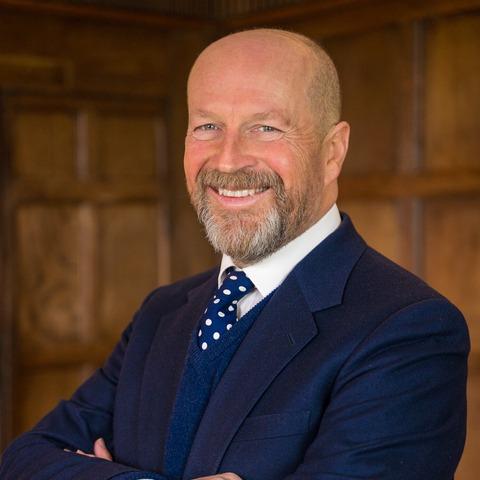
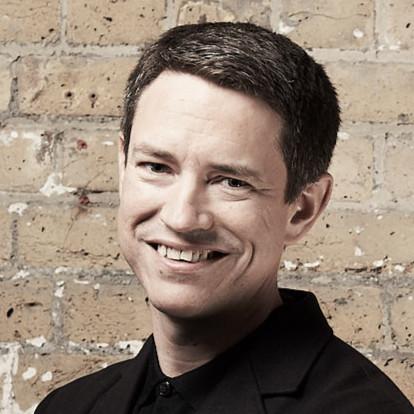
In this episode of all about business, James is joined by Chris Hulatt, Co-founder of Octopus Group, a multi-billion-pound investment and energy business that started in a living room and grew into a global force spanning fund management, renewable energy and technology.
Chris shares how Octopus went from backing UK startups to creating Octopus Energy, now valued at $9 billion, and why initiatives like Springboard are helping employees become founders themselves. James and Chris talk about how to make fast decisions without perfect data, why bureaucracy kills creativity and what it really takes to scale up without losing your entrepreneurial spark.
02:43 - Octopus Energy: the startup story
09:16 - the importance of financial literacy
12:21 - Octopus Group funds & investment approach
17:21 - culture of entrepreneurship at Octopus
21:40 - the springboard scheme for new ventures
25:08 - success stories & learning from failure
28:44 - barriers to entrepreneurship in the UK
31:13 - Octopus Group’s shared purpose
34:05 - decision making & avoiding bureaucracy
41:05 - customer-first philosophy
44:05 - the future of Octopus Group
Follow Chris Hulatt on LinkedIn
Find out more about Octopus Group
Chris: [00:00:00] Our experience over the years has been lots of the things that we do as a business today have come about from ideas that people in the business have brought forward and suggested, and it is often younger, more inexperienced people who have these really interesting ideas, almost because they are new to the business or they've got a different way of thinking.
They're from a different age group. Their ideas are super valuable.
James: Most businesses talk about innovation, but few truly build it into their DNA. My guest today is Chris Ette, co-founder of Octopus Group. The multi-billion pound investment and energy business known for its entrepreneurial culture and values driven approach.
We'll be talking about what it takes to create a company where everyone thinks like an entrepreneur, how to make risk, taking part of the culture and why values can be a real competitive advantage,
Chris: the kind of bureaucracy of big businesses. But we do not want that to kind of permeate into our business.
There are 10 of us sat in this meeting room, do we need all 10? Why? If it can last 15 minutes, what is the point of this discussion? What decision are we taking? Can we take it quickly? I remember occasionally [00:01:00] colleagues would bring, you know, maybe little spreadsheet, crunching the numbers on something.
Their response was often, should I go away and do some more analysis? I think so much in business, you've just gotta make decisions quickly. Without perfect analysis. You cannot wait until you know all of the information, all the answers to something. By then, so much has passed by. I think you've gotta be willing to trust your instincts.
James: So what do you think are the biggest barriers to entrepreneurship today, and how can businesses help remove them?
Welcome to All About Business with me, James Reed, the podcast that covers everything about business management and leadership. Every episode I sit down with different guests of bootstrap companies, masterminded investment models, or built a business empire. They're leaders in their field and they're here to give you top insights and actionable advice so that you can apply their ideas to your own career or business venture.
Well today on All About Business, I'm really [00:02:00] delighted, uh, to welcome Chris Holi. Um, he's an entrepreneur, an angel investor, and is perhaps best known as the founder of Octopus Group. Um, octopus Group is an amazing collective of innovative businesses that spanning spans, investments, energy, real estate and technology, and includes octopus energy.
In 2017, Chris won Ernst and Young's UK Entrepreneur of the Year Award, um, and he's a big believer in purpose-driven business and in impact investing. So I'm really looking forward to talking to you about both those things 'cause I'm a believer too and he's a big champion of British entrepreneurship. So I'm really looking forward to hearing your views on how we can all be more entrepreneurial here in Britain and how Britain can support entrepreneurs.
So thanks so much, Chris, for coming in today. I'd like you just to begin, if you don't mind. Just explaining what Octopus Group is now. I mean, it's kind of a mothership for all sorts of wonderful companies, but just give [00:03:00] us a quick heads up of what it is as it's today. Yeah,
Chris: sure. Well, it's great to be here James.
And thanks to your kind introduction. Um, we set up Octopus, uh, about 25 years ago. Uh, myself and a couple of friends I've been working with at Mercury Asset Management, and really we wanted to try and build initially a fund management company. So we set out, in my lounge, trying to do that, building a business that was focused on investing in UK smaller companies, venture capital, and more laterally.
Areas like, uh, real estate infrastructure, renewable energy. But you're right. Over the years it has also morphed into something bigger and broader than that. And I think that was always part of our dream was to, to build something with some real substance across multiple sectors. Uh, I don't think any of us could really have said 25 years ago though, that we quite expected, uh, that the group would get to where it has done today, where we've got millions of customers across the different businesses.
Um, energy, which we set up 10 years ago, uh, has become the UK's leading power supplier. Really unusual for a business in a mature sector to go from startup to, uh, the number [00:04:00] one in that length of time. Greg Jackson, ands team have done an absolutely phenomenal job. And for us watching from, uh, from within the fund management part of the group, it's been, uh, been a real delight and privilege to see that.
James: So that is an amazing story as you, as you just described it. I mean, there's a lot in what you've just said. I want to sort of probe a little further. Yeah, sure. So, so you began as an asset management company, um, but you've. You've become more in, in the sense of octopus energy, a sort of venture company. Is that right?
I mean, you were initial investor in Octopus Energy.
Chris: Yeah. We, uh, we'd been building fund management business for about 15 years. We got to some scale. We were very active in areas like venture capital and smaller companies. Um, and in about 2011, uh, one of my colleagues suggested, why don't we start investing in solar power in the uk?
The very first solar farms were being built. We thought that sounds interesting. Uh, we started to do that. That expanded, started building wind farms and moving into other countries. It made us realize that the whole of the energy market was a bit broken. It was a [00:05:00] huge opportunity as the energy transition got underway, not just to build renewables, but also to look at how else could we be active in energy.
Uh, and we were fortunate enough to bump into Greg Jackson just at the same time as he was having that same idea. So we, so on.
James: So you bumped into him this, explain what happened. Well, we
Chris: got introduced to him by, uh, someone who, um, we knew, um, we didn't realize at the time we were just having a coffee with Greg to.
Chat about sort of general stuff. You had a shared interest? Yeah. And, and then we realized he actually had the same vision of starting an energy company. Um, so we said, well, why don't we do it together? Call it octopus. We'll provide you with, uh, a chunk of all of the initial capital that you need. Let's, let's get going and see what happens.
So, uh, Greg and a couple of his, um, former colleagues from another business got together. Where did he come
James: from? Greg? Which business he'd
Chris: been working at Home Serve, um, right. Uh, really leading all of the innovation there, but it was very clear when we met him. He was someone who really had that kind of drive and passion, uh, and [00:06:00] determination to build something really exciting.
And that is absolutely what he's done. Very, very proud to have that within the kind of wider octopus family. Um, that business has really just grown so rapidly today. The Octopus Group remains a big shareholder in the business, but also alongside a number of other institutions that have come into May. I ask,
James: how much did you invest originally in it?
Octopus energy.
Chris: I think the very first board paper we wrote said, let's commit 10 million pounds into it. And that expanded. Uh, and is its
James: current value publicly known? I mean, how, how much did for,
Chris: uh, yeah. I think the, um, the last funding around the business did was at a valuation of, um, $9 billion. That was, uh, a year or two ago.
So it's, you put in
James: 10 million to start it and, well, 10 years later, $9 billion. Yeah. We kept back it for a number of
Chris: years, but then it, it outgrew, it stayed, and then it was the right, right time to bring in some very deep pocketed investors, a couple of utilities, uh, one of the big Canadian pension schemes.
Uh, and they have helped us really create the conditions, which I think often not the case in this country where when a business is scaling rapidly, can it really [00:07:00] fulfill its potential? And that is the kind of the position that I think you'd want any entrepreneur to be in, where the growth of their business is not limited by the availability of capital.
James: Well, I mean, congratulations. I mean, that's a wonderful story and we'd like more of those in Britain because, you know, you've really built something between you and I love the fact that it started over a coffee and a sort of shared interest.
Chris: Yeah. And, and it's, it's clearly become the most high profile part of the group, but it's also, um, I think encouraged us to keep thinking about where else can we have an impact within the group?
What are the other areas? Yeah. So who are you gonna have coffee with
James: next, Chris? Well, I think we actually
Chris: have the, the nucleus of, of, um, some things that I think have the potential to be really exciting parts of the group going forwards. Right? Uh, we created something called Octopus Money a few years ago, run by one of my colleagues called Ruth.
She has assembled the components to really help all of those people out there who don't really know what to do about with their money. Do they really understand where their pension's gonna get them? What should they do about their [00:08:00] debts? How do they think about saving for a house? 8% of people in the UK get advice from a financial advisor.
Everyone else doesn't. And that leaves this huge sort of vacuum of a, a gap of knowledge that people have. They don't know where to turn to, don't really know what the best thing is to do with their money, and we're trying to help provide them with the coaching, the guidance to actually understand how their finances.
So, so you
James: financial advisors in that sense as well then? Or, I mean, if there was a financial advice
Chris: part of it, but most people need something simpler, which is really what we, what would call that call coaching.
James: Coaching,
Chris: yeah. Financial coaching. So it, it's help to help you make sense of your money. Maybe you've done a bunch of jobs, you've got these little pension pots all over the place, you don't know what to do with them.
James: Yes.
Chris: Encouraging you to consolidate those into one place, helping you to understand what might your pension be worth in the future. Um, what should you best do with any spare of cash that you do have? Should you, making sure you do all of the kind of right things. Get the basics right and understand kind of how your finances are set.
Sadly, far [00:09:00] too few people in this country really think about their money properly, and then later in life they think, well, I wish I'd started saving more into my pension, or, I wish I'd put money into an ICER or, or whatever.
James: And we're given no education in money at school or college. Typically, there's a huge, unless you do a business course.
Chris: Yeah. Yeah. The financial literacy is a real challenge. I'd love to see more, uh, done about that in schools. But the problem with that is it's gonna take ages to make a difference. Right now we have lots of people in their twenties, thirties, and forties who really need some help and some guidance. And a financial literacy program in school isn't gonna help them, might help their kids, but making sure that people kind of make the right choices now is so important.
James: Chris, for customers of octopus money or prospective customers of octopus money, you mentioned, you know, you have a coach. What sort of things might that coach help people with? How does that work?
Chris: Yeah, it's a real variety. Uh, and they'll take the time to understand, uh, the nature of your finances and what's happened to you in recent years.
[00:10:00] Um, have you got lots of credit card debt or have you got lots of cash sat in the bank? Are you thinking about how to save money for a house? What actually are your key challenges? And it's particularly geared around what are your objectives? What are you looking to achieve, and where are you today? And how can we help you make progress towards that?
Often we find though people have, um, quite disparate finances. Maybe if you've done half a dozen different jobs, you'll have a pension from each one. They're all sat at different firms. You may not even receive correspondence from from them anymore. If you've moved house a few times, um, you probably dunno what they're worth and you certainly won't have much of a clue as to what they might be worth when you are 65 years old.
And so we want to really help people understand the, the kind of nature of their finances. It might be they think they need to up their pension contribution. It might be they should be looking to invest some money through an ISA rather than just keep it all in cash in the bank, um, pay off some credit card debts, all of consolidate their pensions into one place.
All of these. [00:11:00] Kinda, there's a pretty good
James: checklist you could help someone go through. Yeah. It also depends the whole,
Chris: this is not saying we think you should invest in the Japanese equity fund run by such and such fund manager. It's, it's, it, it's far more high level because most people's needs are not about which Japanese equity fund to invest into.
They're about, uh, should you invest in equities at all or should you keep your money in the bank? What, what are the goals you have in mind? Are you maybe saving to get married or to put down deposit on a house? What's the best way to do that? Um, they are practical, linked to life situations, maybe.
Someone's just inherited some money or things like that. So is this
James: regulated? Is it by the financial conduct authority? Yeah. This is a
Chris: slightly, there are different categories. Some things are what they call, uh, financial advice, and that is a whole different category. That's, you are not that category that we have part of that, but most people don't need that.
That typically is if you've got complicated, expensive, um, uh, you've got a a, you've maybe, um, for. The [00:12:00] high net worth section of society has always had advice from regulated financial advisors. That's about 8% of the population. For everyone else, normal financial advice has tended to be too expensive. Um, or not really what you need.
Yeah. That is, that really is about specific allocation to individual investments, but for most people that's not the help they're looking for. So your
James: financial coaches are for everybody else?
Chris: Yeah, essentially. And we feel the reason this is a big opportunity is there's this huge gap in the market. No one is really doing much to help the normal person.
James: Yeah.
Chris: Uh, and businesses are very aware of this. They don't want their staff to be sat at their desk all day long worrying about their finances 'cause no one has ever helped them. So, um, businesses are an important conduit for us to, to help to promote this
James: service.
Chris: To, to reach your Yeah. Customer.
James: Thank you for explaining how that works.
This Christmas, your giving can make double the difference from the second to the 9th of December through big give.org. Any donation you make to over 1,500 charities will be doubled while match funds last. [00:13:00] Whether it's supporting those with cancer, giving children the best start in life, or helping people facing homelessness, whatever charity you choose to give to your gift can go twice as far in the big Give Christmas challenge.
Visit big give.org between the second and 9th of December and make double the Difference this Christmas. Thank you. Financial literacy is an interesting concept and I, I think it would be great if, if it was in schools 'cause that would help the future generation, but it's obviously a requirement now for a lot of people.
And you are saying Octopus money is there to help them coach them with this success. Exactly. And
Chris: the reason I bring it up is it's a part of the group that isn't as well known as other things we do across the octopus family of businesses today. But it's something which I think in a few years time might well be reaching large numbers of people and, and really making a difference.
And so we've always been willing to take bets on creating new areas, new businesses in sectors where we think we can help people, where we can [00:14:00] stay true to our kind of values and beliefs and where we think there's a real unmet need. And that's been true of. The areas of fund management we went into 25 years ago, no one really invested in UK venture capital.
There weren't really many angel investors around that, thankfully has changed. We were quite early to do that. Um, starting a revolutionary sort of energy business again, that's made a big difference. And, and looking now at money and other sectors, these are things that we think have huge opportunity. Huge potential.
And. The public really will benefit from, from those kind of systems. I have
James: to ask you, 'cause you said Octopus Energy took the name Octopus. Why Octopus? Why have you called yourself this? Well,
Chris: absolutely. It's really hard to name a business and, um, we, you, you gotta remember when we set up our company, we were leaving from a fund management company that's named after a Planet Mercury.
James: Yes.
Chris: Uh, there are other fund management companies called after other planets. Lots of called after, named after Gods or mythical creatures, things like that. Obviously hope, hoping for stellar [00:15:00] outcomes. Yeah. Yeah. You've gone under the ocean. Well, what's in that? Uh, we were looking for something that would be memorable and distinctive.
We were really struggling. Thankfully, Simon, one of the other founders, had a good friend of his from university who worked in marketing at Cafe Pacific. Right. And one day. Uh, he sent us an email and it said, I've thought of what you should call your company. Uh, it's based on an animal. This animal is really clever, really cunning.
Really flexible, really creative, really imaginative. It was a long list. Yeah. And at the bottom he simply wrote, this animal is an octopus. That's what you should use. And we read and thought, right? That immediately that is just perfect. You liked it certain way. And so we ed the name at Company's house day.
So you saw it
James: and it hadn't been used by anyone else, I guess.
Chris: I mean, there were lots of other little businesses out there, but no one had done it in fund management. And that was what we were starting out doing. So if you go and look on company's house today, there are hundreds and hundreds of octopus businesses.
Some are ours, but some are not. But um. We thought people will remember that. And that is absolutely true. And everywhere I go in the world, whether I'm meeting a [00:16:00] pension, funding career or you know, a politician or, or you, yeah. Uh, people are always intrigued by it. And that I think doesn't happen with the names of most companies.
So
James: do you get asked about whether you've got tentacles in many things?
Chris: Yeah. And of course it's easy to kind of make that sort of pun now. Yeah. Now it seems, and it kind of fits obvious, but yeah, when we were sat in my, uh, my apartment, uh, 25 years ago trying to figure out how on earth do we get this thing up and running?
Uh, our primary aim was build a business that was sustainable within fun management. Octopus is interesting.
James: You don't
Chris: live
James: very long, do they? But you've gone for sustainable. We have got three hearts though. Yeah. That's gonna keep you going for a long time yet. I hope you've taken that name and it's obviously got a lot of connotations that work well for you.
You're also a B court and I, and I believe you are very committed to that. Just summarize what that is. So, I mean, I think quite a lot of our listeners will know, but perhaps not all and why you've gone that route.
Chris: Yeah. Um, we'd always talked to our staff and our customers a lot about, and our shareholders, a lot [00:17:00] about the sort of values we had as a business and the sort of behaviors.
And when we came across the B Court movement, which at the time had some momentum, I think in the us but there weren't that many in the uk and we thought, ah, that is a perfect sort of validation and a kind of a badge, uh, a way of really signifying, we're totally serious about this, uh, kind of thing. Um.
And to us it's about saying, first we've had to change articles of association. Um, but it's more about saying, what did you have
James: to change?
Chris: You have to, uh, normally a business is kind of legally set up to maximize its profit share. It's all that kind of boring sort of formal stuff. That's the traditional way.
Yeah, absolutely. And our view is you can still make a business incredibly successful and valuable. Go about doing it in a slightly different way where actually it's about also placing great reliance and thinking about, well, what makes sense for staff, for customers, for the environment, for the communities you operate in.
And so when we report to our shareholders, when [00:18:00] we present to our staff, um, when I talk to institutional investors, uh, when we produce board papers, it's through the lens of those five stakeholder groups that we think about things. And I think that helps you really take long-term decisions. It helps you think in a much more balanced kind of way.
Uh, I remember when we announced to our staff that we'd become a B Corp. It was one of the kind of best sort of days, the best things we'd ever done in terms of the enthusiasm, the happiness. I think people felt this just kind of resonates with the kind of business we are. How long ago was that? That was, um, maybe four or five years ago.
Something like that. You've had to sustain it. Every few years you have to get re-accredited. It's, it's hard work. Um, there's a lot of things you have to do. I think that's. Actually quite a good thing. 'cause it means you only do it if you really are serious. It's not something you just just get as a, in a light moment.
You have to really be committed to it. Um, but it has made more
James: business for you. Have you attracted customers? 'cause you're a, well, you know, there's a few things like that.
Chris: I went, I once went [00:19:00] back to give a talk at my, um, old university and there were some alumni there and some students. And after I'd done my talk, two of the students came up to me and they introduced themselves and said, one of 'em said, me and my friend, we've already decided, um, even before I heard you speak, that we only wanted to apply to B Corps for jobs when we left university.
And I thought, wow, I'd had no idea that students would've heard of it. And um, I was in the US recently meeting a family office that, um, uh, is in the midst of investing into one of our funds and they told me that they had found octopus because they'd done a search to look for fund managers that were be Corps right.
So. You know, they were looking for people who, so you've got tangible evidence. Yeah. They were looking for people who had some sort of values that aligned with theirs, and they thought B Corp was a great screening tool to use. There aren't that many fund management companies that are B Corp. There are lots of businesses in, you know, some areas where if you do one thing and you don't have that many [00:20:00] staff, um, the B Corp initiative maybe fits you really well.
If you do a number of things and the business has got a bit bigger, it's, uh, it's not an easy thing to get. You've gotta be really committed to it and passionate about it. Um, but for us it's been, yeah, hugely significant. One of the best things we did. I'm really proud and really pleased about it.
James: Well, that's, that's, that's good to hear.
Um, you said you had funds. How, how many funds have you got and are they subject specific or they.
Chris: Yeah, we've run, um, a number of funds that are primarily invested in by pension funds and insurance companies from the UK and, and around the world. One of the things I spend quite a lot of my time doing is seeing these clients and traveling to places like Japan and Korea and Australia to, to meet with them.
Um, and then we also run lots of either funds or individual portfolios for UK individuals. Typically kind of mass affluent section of the population, um, who want to invest in areas like uk smaller companies, uh, or venture capital. [00:21:00]
James: So you, you would sell a fund as UK smaller companies or Yeah,
Chris: we run a, what we call the, um, UK micro cap fund, that same primarily businesses listed on aim, which is the part of the London Stock Exchange for smaller companies.
So
James: by buying into that fund, you can get a sort of cross section. Exactly. That fund probably has 60 investments,
Chris: so you invest your ICER into it and you are benefiting from that spread of investments. Yeah. So how many funds like that do you have? And we have several, three that are run by our smaller companies team.
We run lots of individual client portfolios, invest in smaller companies, and then we run. Quite a large number of what are called venture capital trust. This is the first product we ever started doing when we set up octopus. Right.
James: And they, they're investing in private businesses. Yes. So that's illiquid.
Yes. So it would be very
Chris: hard as a normal individual to invest in private businesses yourself. Uh, the point of the venture capital trust is you not only get tax relief from the government, but you also get your money deployed into a whole portfolio of investments.
James: So that's really encouraging people to invest in entrepreneurial.
Absolutely endeavors startup, and it's one of startups. The
Chris: best things we've had in this country has been the venture [00:22:00] capital trust. And also, uh, a very similar thing for direct investments called, um, EIS. Yeah, the Enterprise Investment Scheme. That's a tax break. These are tax benefits uhhuh, uh, to encourage the UK individuals to put their money into backing entrepreneurs.
Yeah. And they, if, if
James: the entrepreneur loses all your money, you get your tax back. I think that's how it works on one side. Yeah. You get,
Chris: you get a, you get tax relief. You can get something called loss relief if it goes wrong. And typically if it goes right, you don't pay any capital gains tax on the proceeds.
So it's really attractive. But the, the main benefits over the years, thousands and thousands of businesses have benefited from this. And, and that's still ongoing and yeah, these have been around 30 years. That's a good
James: thing for people to think about if they wanna invest in something. Well,
Chris: some of your, um, uh, people watching this from a of a certain age might remember Ken Clark, who Yeah.
I remember Ken Clark. He was Chancellor, chancellor, the executive with John Major when he was Yeah. Chance back in 95. And this was an initiative that, did he introduce this? Apparently, yeah. Legend has it. He kind of, he was a clever guy, sketched out on the back of a napkin over dinner one night and it got introduced and [00:23:00] um, but it actually has sustained itself through all sorts of different governments over the years and probably 'cause it's a good idea.
It is. And, and, uh, the labor government last year, um, removed what was a, a sunset clause in the legislation to give the schemes another 10 years. Right. So this is a really powerful part of how we channel capital into startup companies in this country.
James: Yeah. 'cause it's difficult for startups Yeah. To access capital.
And
Chris: you wanna make it as easy as you can. If you wanna have that entrepreneurial culture, then you need people with good ideas to be able to get capital. Yeah. You
James: need to cultivate it. Yeah. Which is part of what this is. Absolutely. Yeah. I agree. So you've said, and, and I like the, the phrase that you want octopus to be a company of hundreds of entrepreneurs.
Am I right? You said this. Yeah. Uh, we, so I have What does that look like today? What
Chris: did, what did you mean? Yeah. Well, I think in a lot of businesses, uh, people sit back and they assume the people running the business, the founder or the CO whatever, are kind of responsible for everything that happens and they wait for [00:24:00] orders to come down from top around new products, how the business is being run.
Um, marketing campaigns, everything is kinda led from, from the top down. Uh, and actually our experience over the years has been lots of the things that we do as a business today have come about from ideas that people in the business have brought forward and suggested. And it is often. Younger, more inexperienced people who have these really interesting ideas, almost because they are new to the business or they've got a different way of thinking, they're from a different age group.
Uh, their ideas are super valuable. And my view is, uh, to make a business really thrive, you need to create that culture where everyone comes forward with ideas. They know that their ideas are gonna be welcomed and appreciated. And that if you decide to act on one of those, that they're not gonna get blamed if that new product or that bit of marketing material, whatever that idea was, if that didn't work out, um, and that you are all in it together.
And I think we have done a good job of encouraging people to think that way. And so [00:25:00] the phraseology we've used is, you know, octopus is not a business of two entrepreneurs. It's a business of hundreds of entrepreneurs. Everyone. Sat in the building could be a source of the next really interesting idea for a product or the next new area we take the business into.
James: So that sets an expectation that people should be having ideas as well, um, or not Well,
Chris: I think if you, there's no pressure. There's no pressure. It's not like some businesses do it in a really stupid formula way where formulaic sort away where they'll say, right, everyone, you know, please submit three ideas on this form and send them in and you don't, or send us a cost cutting idea or something like that.
I think these things work best when they're much more kind of organic. And so
James: have you got one or two ideas you could share with us that things will come? Well, I can tell you how this
Chris: has worked. Well, for example, um, a few years ago we had a, a, a young guy from Australia who was over here on that sort of two year visa scheme.
He'd taken a job, uh, on one of our teams and he started saying to us, um. You are really active in renewables in the [00:26:00] UK and Europe. You should set up an office in Australia. And we thought, that's a long way away. We don't have loads of offices all over the world. Mm. We're not that kind of business. This is just not something for us.
And he kept talking about it and eventually thought, you know what? Maybe that's a, that is exactly what we should be doing. Why do we look into that? And so, uh, a few people went down, explored the opportunities. We thought, yeah, let's go for it. Um, four or five people moved out to Australia, uh, including a guy called Sam, who is an Australian.
Went back to Melbourne, set up the office, and now seven or eight years later, there's 55 people across Sydney and Melbourne. Sam still runs it. It's a great, what
James: is that Octopus Group Australia sort of thing? Yeah, basically, yeah.
Chris: Doing renewable energy investments in Australia. We've built huge, uh, solar farm.
Really big wind farm, got some other projects in development run money for some of the Australian, um, pension funds. And so really from that one idea and a bit of persistence as someone who was really advocating why we should do it, but why did he think there
James: was such an opportunity? 'cause he saw what you were doing here and thought there was no one was [00:27:00] doing that in Australia.
Yeah, but his
Chris: point was also all the political rhetoric at the time was, um, you might remember the Australian Prime Minister once stood up in parliament with a chunk of coal and said, this is the future. Uh, was that Tony Abbott? Yeah, Tony Abbott. I met
James: him once he was a
Chris: boxer. Well, I, I, yeah. He, um, and so that was the kind of view that in Australia, renewables in Australia are never gonna work.
That was the kind of thought process. Yeah. So you did the opposite. Our viewers, you've got lots of land, lots of sun, wind, uh, growing population. You've got all these coal fired power stations that we know one day are gonna not be used anymore. That's got to be a great opportunity for renewables. And that is exactly how it's turned out.
And so. I think it was just, yeah, it looks obvious now with hindsight, but it was obviously a good idea. But, uh, whenever I went there, people said, uh, are you, how committed are you to this? I'm sure you won't be here in two years time. You'll have shut the office. And we said, no, we are really committed. But they were just used to people doing things a bit halfheartedly.
And our, our perspective has always been, if you're gonna do something like that, you've [00:28:00] gotta stay the course. You can't just give it a year or two. It takes a while to get something new up and running
James: so you are prepared. What I'm hearing beneath what you just said is you are prepared to take some financial pain when you start something.
Chris: We are, we have several benefits. We're firstly, very long term, uh, in our perspective and our mindset. Wait, what do you mean by very
James: long term
Chris: to us? We are very fortunate that the business has been around 25 years. Um, we think, not in terms of how much profit might we make in three months time or next year, but what should we be doing today that we'll be really glad we've done in 5, 10, 20 years time?
Um, and we can do that I think for a few reasons. One is we were pretty young when we set the business up. So even though it's been 25 years, we love what we do, want to keep doing it for a long time to come. We're not looking to sell a business or anything like that. Uh, and also we have a shareholder structure that's very conducive to that.
Uh, the Octopus group itself is mostly owned by founders, by people who work in the business and by the angels who backed us 25 years ago. [00:29:00] Um. And that means we don't have, for example, a private equity investor saying, you must get as a listing in three years, or you must get as an exit. We don't have any large block saying, I wanna sell my shares.
You know, so we've got that sort of long term Yeah. Freedom and flexibility. And I think our, our investors and backers have also realized, um, when we go into new areas, we don't get it right every time. We've made plenty of mistakes over the years, but when we, but overall, the, the things that we've chosen to expand into, even though they might seem a bit wacky at the time, uh, have been the right decisions and.
Building things steadily over years when you're not hamstrung by having to focus on short term profitability, uh, is a real liberator. And I think you can build a stronger, better business, uh, because of that.
James: So you, you've obviously made some good decisions 'cause you have a good business and some very good businesses that have come out of it, but you must have made some bad ones as well.
I mean [00:30:00] that, what, what's the process when you start with a new venture and you decide maybe this isn't for us? How long do you give it? How do you make that decision?
Chris: Yeah, I think, um, it's sometimes product ideas that we are convinced will be real, really popular with the investing public and they're not.
Mm-hmm. Um, sometimes. Uh, it is more on the institutional side. It's very hard to persuade pension funds to invest in things. We've tried a few times to set up funds and errors and, uh, it's been hard going to get the backing. So there's a
James: process of trial and error here as well? Yeah, absolutely.
Chris: Um, sometimes it's down to people and probably my biggest learning over the years has been, uh, the right people can do amazing things.
But if you get people who aren't a good fit with your organization or they don't have the same drive and determination, then a really good idea can be kind of wasted if you haven't got the right people behind it.
James: So what do you look for in people? What makes someone the right person for Octopus Group?
Chris: Yeah, I think, uh, it probably depends on different. Parts of the group, but certainly for us within [00:31:00] the kind of wide octopus investments and fund management business, I think it's people who have a real passion for what we do, who really understand customers, um, who bring some kind of drive and, and determination, but also have a personality.
People who are gonna speak up and ask questions. People who are curious. Um, people I think who struggle, uh, with us are, are people who just want something to be nicely kind of contained. They want their role to be pretty steady, to not to change. And people who succeed are those who love the constant change in the evolution.
They like the fact in six months time, maybe their rule will be totally different, or maybe we'll have asked them to go and set up a different team or go to Australia. Yeah, absolutely. Yeah,
James: that would appeal to me.
Chris: Yeah. And, and that is, um, I think what makes it fun and interesting and engaging, but of course.
People are all different. And some people, if you want consistency and no change in life, then we're not the place you, if you like a challenge, something is fast moving and [00:32:00] where your ideas will always be welcome, then I think we're much more that kind of place. So,
James: so, so how do you make sure that your team feels heard, you know, that, that they're genuinely involved in shaping the business.
You know, you say we want your ideas, but how do you, is there a process? Is there an approach that you
Chris: bring to it that makes that happen? Well, I think people are. Not shy with halting back when they've got a great idea, they'll tell people, we welcome that and make clear. We want to hear people's thoughts, but we work in an open plan office.
There's no hiding away. I think in some businesses people are kind of protected by layers of, you know, EAs and assistants and you, if you wanna see the boss, you've gotta make a diary appointment. Well, sunny, not like that. For us, I sit in the midst of our open plan floor, say on any given day I could have loads of discussions with people, some of which might have been organized and planned.
Others, so are just, you bump into someone, but literally buy the coffee machine. So you, so you don't have a
James: private office?
Chris: No, I sit on, and Simon, uh, the other [00:33:00] founder, he sits in our reception area. He likes that he works in the reception. Yeah. 'cause he sees the flows of people coming in and out. Often they stop for a chat.
He might see someone he's not bumped into for a while. Does he check people in and out? No.
James: I'm impressed by this. Yeah. Shame you. We're refurbishing our office. You're giving you some ideas I want to place in the reception, but what it makes clear is like
Chris: we're, we are all in this together. Um, that we want to be part of things and that, uh, we want people to feel that we're all approachable.
We're the same people we were 25 years ago. There's no kind of, no, you literally grandeur to that or anything like that. Make that literally the case. We're not in a, you know, fancy corner office with people protecting us from any interaction with the rest of the organization. And that is, to me the kind of thing where you just suddenly you need to be listening.
You need to be, um, available to everyone. You need to be part of it. And if you're not part of it, 'cause you hide yourself away, then I think you quickly. [00:34:00] How many people work in your office? In the fund management building? Probably about 700, something like that. 700. So on several floors. Yeah. On uh, three floors.
Right? Yeah. So I remember the day when you could stand up at your desk and see everyone in the company and as a business grows and you get beyond that, it gets a bit harder. It's more difficult. Yeah. Because you don't dunno everyone. Absolutely. And so you can try for a while, but then you dunno everyone.
And so, but you've got three founders, eh? Yeah. Guy was the So you,
James: are you on different
Chris: floors? Um, well just
James: thinking the logic of this. I like that.
Chris: Yeah. You could di divide up that way. Guy left, um, about 10 years or so ago. Oh, okay. Uh, he's gone on set up other businesses since then. Um, but so the other remains a big champion of the business and a and a big shareholder in it.
James: Yeah. Okay. So no, that's very interesting. So walking the talk, so to speak. Yeah. So you have a scheme called the Springboard scheme Yeah. Which encourages people to start new ventures, you know, from out of your business. Absolutely. Which has been a successful pattern for you. What inspired you to set that up and how does it work?
Chris: Really, [00:35:00] it's an extension of what I've just been talking about in terms of encouraging people to bring forward ideas. Um, I think one of the biggest challenges for people, uh, who have an idea is how do they actually get it up and running? And so we, we notice that we have people internally you say to them.
They'd say some comment like, oh, it must be great that you've set up octopus. And then they'd say, oh, I'd love to start a business. And, and when you then replied, well, why don't you, they say, well, I do have an idea of something I might do, but I don't really know how to actually get up and running. And usually if you probe a bit more, you'd find out that there are other blockers.
Like, if I don't earn my salary, how am I, I dunno how I'm gonna pay my rent for the next six months. We went nine months without earning a penny. When we set up our business, we know how tough it is. Practical reality is very few businesses get up and running and generating revenue in a way that the founder can, can pay themselves survive really quickly.
It's, it's, it is really tough. And so we thought, is there anything we can do to not only help, uh, budding entrepreneurs and [00:36:00] share some of our experiences and some of the things that we've found work really well and some of the things to avoid and benefit from our kind of learning over the years, but also say to people.
We'll back you, so we'll give you some financial support so you can step down from your role at Octopus, go and have a go at starting up your business. And then if it goes great, we'll, we'll cheerlead you and support you and watch your progress. Maybe we'll invest, we'll certainly help you where we can, but if it doesn't work, then come and have your job back at Octopus.
We'll find you a role again. And so we're trying to de-risk it for people to encourage people to be entrepreneurs and say, you know, most people, if you really push them, they could come up with something they are passionate about that they think they could do. Um, but we're trying to take away the reasons why people don't do that.
So,
James: okay, so I've got an idea like that I work for you. Um, do you pay my wages while I'm doing the new venture?
Chris: Yeah, we, we usually agree some form of, um, financial support for you. So, so what
James: for a year or something, or?
Chris: [00:37:00] Yeah, it could be like, let's give you, let's call, let's call it six months and we'll see how you do.
And there'll be some sort of check-in process. So after six
James: months it might be going, looking like it's quite exciting. Or I might be thinking, I'm not sure this is, yeah. And
Chris: if it's going really well, you're probably in the midst of thinking, how do I start to raise some external capital from Angels to Yeah.
And then we come back and talk to you again,
James: I guess. Yeah.
Chris: And yeah, because you can help with that. We do some of that personally. Octopus does it, we know plenty of other angels so we can help with that kind of thing. Um, and there's some really, how many companies
James: have come out of Springboard like this?
Yeah,
Chris: there's been quite a number of people who've given it a go. Um, and there's, there's a number in progress at the moment and we've had some new ones. Um, one great example is a woman called Karen, who uh, used to work in our HR department and she'd been on maternity leave and she'd been thinking a lot during that time about all the challenges.
New parents face Yes. And, and prospective parents about. All of the stuff that you kind of wish someone would teach you or give you access to knowledge and support and help about being a parent. And so she had this [00:38:00] dream of setting up a business called Parent Cloud. And uh, that is what she has done and it's growing.
She employs a whole bunch of people do parent cloud. It's all about advice and help. And support to, to parents, prospective parents, community communities, but also, um, support networks, information, uh, I think classes, loads of different resources. Right. Uh, which I think is really valuable. It's a great idea.
She went through this process mm-hmm. And she experience what it was like being a parent. And I think that inspired her. But, but she also, um, is doing a brilliant job of, of transitioning from being an HR manager, uh, to being an entrepreneur. And it is, it is brilliant to see and. I think we all feel really proud that people have emerged from Octopus to do things that maybe aren't a business that we could just, isn't something naturally that we would do within Octopus.
James: Yes.
Chris: But it's an idea that it's a really great thing to give a go and um, that's absolutely something we're really passionate about trying to encourage.
James: So [00:39:00] you've obviously done a few of these. I mean, is there a sort of success rate? I mean, I imagine it's not that high. Well,
Chris: in a way that's 10%,
James: 20%.
Chris: Yeah. I think it's probably higher than that, but it's also, that is kind of not the point.
Um, I think Why is it not the point? Well, I think. If it works, great. If it doesn't, you have learned so much about what it is like to try and start a business that next time you, you as
James: the entrepreneur will be entrepreneur. Yeah. You as the entrepreneur have, yeah. So you come back to Octopus, you've
Chris: learned a lot about yourself.
Better educated. Yeah. So you've learned a lot about the challenges of business, what that really means. You'd have learned a lot more than you would've done just doing your existing role for another year. And on the back of that, next time you have an idea and you give it a go, you'll, you'll have a much better chance of making it work.
You'll know so much more. Have you got some people who have done it more than once? Uh, not well. The, certainly there's um, yeah. A former colleague of ours who worked in our renewables team for a long time, uh, he was very passionate about Africa. He went down to Africa to join a small energy [00:40:00] software company in Johannesburg.
James: Yeah.
Chris: And he was involved in running that for a while. Um. He then moved back to the UK and he has with another former octopus person, started a, a new business in the uk again, doing energy, um, yeah, billing software, um, with particular applications in, uh, in Africa. He's really passionate about it. He's learned so much during his time in South Africa, uh, and now he's bringing that to bear on, on the next thing he's involved with.
So this sort of learning process is so important. Um, and then getting the right people around you, the right supporters, the right angel investors, um, mentors. This is like what the ecosystem means. Yeah, I think,
James: but I think you're doing yourself in a way disservice because I think what's really interesting or striking to me is how you are quite happy for people to go and learn and take a risk possibly at your expense.
And come back maybe, or go off
Chris: and grow. Well, but if they come back and do their existing job, yeah, I think it'll be so much better at it as well. Well, that's what, so that's what's so inspiring
James: about this for [00:41:00] me. I hadn't thought of it like that. And, and I think that's really interesting that you've created, you've created a sort of academy or ecosystem for entrepreneurs here that people Yeah, and I'd love to develop and grow.
We'd love
Chris: to keep expanding that and to really just champion other businesses to think about this as well. Um, some businesses do little sort of spin out programs and things, but this is. The, the thing that I think works really well for what we do is it doesn't have to be anything to do with octopus. So it's, we're not saying to you, to you, we'll only help you if it's something to do with financial services and that's not really the point of it.
A lot of ideas might be because that's the sort of background. Yeah. I could set up an electric
James: motorcycle company or something.
Chris: So people's passions, can people come to you who don't work for Octopus to do this?
James: Well, I mean, if someone listening thinks, oh, I've got an idea, should they come and talk? Well, a
Chris: lot of people approach Simon and I, I think, um, partially because, you know, we do do some angel investing ourselves, and that's something we enjoy doing.
I think like a lot of people in business, uh, investing in [00:42:00] other early stage businesses is far more fun to me than investing in the FUS 100. Um, I'd far rather meet someone and think, oh, they are super talented and driven. I love their idea. Uh, I'd love to be a small investor in it. That is, so you are really backing
James: the person quite a lot here,
Chris: always the person because, um, they're the ones who gotta get up every morning and make it happen.
The best idea doesn't just sort of turn into a successful business in itself. So, yeah, it's all about people. So
James: when, when you marry a good person with a good idea, you're, you're onto a runner.
Chris: Yeah, absolutely. And, and I think a good person can take a sort of reasonable idea and make a success of it too.
Um, so it doesn't have to be a super good idea with a good person. Well, if you think about what we do across the octopus group, I'd say none of it is kind of unique. It's not sort of patent protected drug discovery that we're doing where you've designed something and then you, you've got an absolutely sort of secure position.
We do things in fund management, which lots of other companies, uh, within a few miles of where we're speaking today, do, um, energy supply. There's lots of businesses that do that. It's [00:43:00] the same electrons outta the plug, but it's how you package it up in a way that is super consumer friendly and engaging and has some brand behind it.
Yeah, those are the ways you take. A product and turn it into a successful business
James: by bringing energy and creativity in a way. Yeah, absolutely. Yeah. So what do you think are the biggest barriers to entrepreneurship today? You know, and how can businesses help remove them? What, what, what could be done here?
Chris: Yeah. Well, I would, I would love there to be something of a kind of national springboard program. I think a lot of people, um, particularly outside of London, the Southeast might be sitting there with a bit of an idea of how to start a business, but no real idea of how to access that early capital that they're gonna need.
And if you're in a community where none of your friends or family or neighbors have started a business, you haven't really got the role models that you might need. And you probably don't easily know where to go and where to turn to raise capital. Uh, and I think the barriers are even higher if you've, if you've never managed to build up any savings.
So you see London
James: and the Southeast as a sort of place where it's easier to do some of these [00:44:00] things, well, perhaps the north of England or Wales, or is that right? I think when we set apart, how can we help the people in those other areas? Yeah, exactly.
Chris: If you've done a job where you've been able to build up some savings, then that's great, but, but a lot of people haven't.
And yet, is it right that that means you can't really have a crack at starting a business? You so many ideas will be in their heads. Well, you could,
James: you could well be a good person with a good idea in some other location. Yeah.
Chris: So I think could you craft some kind of national government backed version of our Springboard program where you say to people, if you want to leave your job and sign up into this program, you'll get a little bit of financial help to maybe ease the way of paying your rent for three months, six months, access to lots of online training courses to really help you turn your idea into a business as quick as possible.
Yeah. So that you don't spend loads of time like learning stuff that you could easily be just showing what to do. Yeah. All of the kind of basic stuff, you know, how do you even set a company up, all of that kind of thing. And ideally also access to role [00:45:00] models and mentors. Who can be a sounding board for you.
I think
James: someone should give you a call, Chris, and ask you to help set that up. It sounds like a very good idea. And,
Chris: and I think the point is then can we become a kind of nation of entrepreneurs again? Uh, which well, that would be good. I think is, is that is where economic growth comes from. That's where jobs are created typically.
They're not in, it's not in the large companies.
James: So for that to work, you'd need, you'd need some central sort of, um, clearing, organized, or it could all be a platform, digital platform. Yeah, I think it could, but you'd need the commitment of the, the individuals employer say you can always come back work.
Yeah. And that's probably the hard part. And you
Chris: might never be able to make that component work, but, um, but
James: you could give some incentive for the employer to have them back, like no national insurance or something like that. Yeah. I'm sure if they, if they do encourage entrepreneurship. Yeah.
Chris: I'm sure there's a lot you could tinker with to try to do that.
But my, my basic point is. Uh, we've got a great startup culture here. Um, but a lot of it is in some sectors, a lot of it is in the southeast. A lot of it's in Oxford and Cambridge and London and those kind of places. [00:46:00] Um, how do we break out of that so that if you are in parts of the country that are not traditionally associated with that really strong ecosystem, how can we, how can we democratize?
James: Well, they used to be interestingly, you know, those great industrial towns in the north was where the 18th and 19th century entrepreneurs came from. Yeah. They built all sorts of. Huge businesses. And so there's no reason why they shouldn't be again. No. And you can build a business
Chris: anywhere. Now that is the great thing that with, with digital connectivity, you don't need to be in London to start a business.
Um, but I think often people think, ah, it's, it's not for me, or I'll never be able to do it. And trying to break outta that mindset would be so powerful.
James: It'd be better if there were more people rather, like you have in the States who just encourage you if you have an idea rather than say what you think of that for sort of thing.
Well, we did
Chris: some research a few years ago, uh, in conjunction with, um, with a think tank, and they went out and asked people in their twenties, uh, can you name a role, an entrepreneur role model? And the two names that got most [00:47:00] mentioned were, uh, Alan Sugar and Richard Branson, who obviously have had great careers, but they're guys in their seventies and we need, can we not find role models in their thirties or something that people can look up to instead.
James: Yeah, I mean that, that is interesting that those are the two, if you ask people from the us, I mean, they've been on television quite a lot. Yeah. And that helps. But, but
Chris: that just kinda shows there's not, there's not a great raft of well-known UK business No. People. It'd be
James: easier to name American El.
Absolutely. El Musk or, yeah. So yeah, that's true in
Chris: America, you know, people are just much more exposed to, to businesses, to, to people who run them. Uh, founders are quite vocal and there's a lot of interest in and media coverage of it here. It's, it, there's less, it tends
James: not to be, well, we're trying to encourage more coverage through this podcast.
Absolutely. In other, other ways. Yeah. So, um, you and Octopus have, have your tentacles, if that's fair to say, in a number of different things. You know, you mentioned fund management, octopus energy. How do you keep a, a shed. Purpose across [00:48:00] such a diverse business. So if indeed there is a shared purpose, but I sense there is.
Yeah. I mean the
Chris: businesses run very separately. So, um, on the Octopus group side, and we've got the fund management business, we've got octopus money, um, we've got a, uh, a FinTech platform within the group and a few other bits. And we run that, uh, as one entity. Greg runs Octopus Energy, uh, very separately.
It's in a different building to where, um, the fund management businesses are, for example. We've always run them with a lot of autonomy, uh, very separately. But I think there is still a bit of a kind of shared DNA one is people who really, really believe in the customer and really think about that hard that.
Encompasses and, and is part of anything really that we'd ever want to have the octopus name attached to. Um, I think increasingly use of technology is part of it, but the values are sort of making a difference. You know, can we play a part in tackling climate change? Can we play a part in trying to help people build [00:49:00] businesses?
Um, and can we do things in the right way? The sort of behaviors within an organization are as important as what people see externally as well. Yeah. Um, and I think those are again, things that we just believe in. Like do things in the right way, move quickly, you know, be decisive. Don't get bogged down in bureaucracy, uh, sort of thing I really don't like within a business.
So when you hear people say things like, oh, maybe I'll, can I write a paper for next month's committee meeting? Well. Why do we sit down and talk about it now? We can make a decision in 10 minutes and then you can get on with it. So yes, businesses need to move quickly. The world is evolving so rapidly. Uh, I think businesses have to really, um, keep up with that.
And if you don't have a structure that allows decisions to be made quickly and you sort of get bogged down, I think businesses as they grow, um, they become fearful of failure. So they lose that spark and that willingness to try things that were so powerful when they were much smaller. You've gotta fight all of that all the time as a business grows.
Otherwise you just plateau and you become like every other large business. And that, I think, is [00:50:00] something we've always been very conscious of and want to avoid.
James: So when you say you've gotta fight that all the time, you, you've gotta be alive to it. You've gotta be alert to it. You've gotta stamp it out in a way.
Yeah. I think because you are saying, I think that it will appear if you don't, well. You don't keep it control. I think it partially just because people
Chris: who joined the business might have worked in bigger companies where that was part of their role and just how they saw life. Um, whereas for, for us, we've all, we've, this is what we've done for 25 years, so we don't know.
Yeah. The kind of bureaucracy of big businesses, but we do not want that to kind of permeate into our business. I think it's about also challenging. Like there are 10 of us sat in this meeting room. Do we need all 10? Why? Yeah. Maybe there's only needs to be three or four people and making sure, does a meeting need to last now?
If it can last 15 minutes, um, what is the point of this discussion? What decision are we taking? Can we take it quickly? I remember occasionally colleagues would bring, you know, maybe a little spreadsheet, crunching the numbers on something and. Their, their [00:51:00] response was often, should I go away and do some more analysis?
And I think that is rarely the answer. I think so much in business, you've just gotta make decisions quickly without perfect analysis. You, you cannot wait until you know all of the information, all the answers, something by then so much has, has passed by. I think you've gotta be willing to trust your instincts.
And we've done that a lot over the years and we've learned that that has turned out to be, uh, very powerful. Um, you kinda learn to get a bit of a sense of people you meet opportunities, uh, decision making. It becomes a sort of innate thing that I think business, you know, once you've been around a while, you just can do that quickly and that is so important as well.
James: Well, decision making is key. I, uh, good decision making makes a big difference, obviously, but someone once said something to me that I found quite helpful. The great thing about making a decision is you can always make another decision. Yeah, absolutely. You guys carry on making decisions. Well, it takes, right.
And that's helped me a lot actually over the years. Yeah. The worst thing is to just sit there, make a decision. Totally.
Chris: And I, but I think so many people fall into that trap and I think it [00:52:00] particularly happens when people start to get a bit more risk averse and they think often as a business grows, people start to focus more on the downside and protecting what they have.
And they lose some of that enthusiasm they used to have to be looking for ways to grow, to launch new products, do new things, uh. Some of that may be natural sort of human behavior, but, but what it does do is just change the whole culture of a business. And for us, we have always wanted to be the kind of place that was willing to try things and keep taking risks, launching new things.
As you say, you can always decide to row back from something if it's not right, but way better to try and keep that ambition. Be bold, do stuff. Uh, don't get paralyzed by fear or by indecision.
James: Be bold, do stuff and don't get paralyzed by fear or indecision. I like that very much. So ox was energy scaled incredibly fast.
Yeah. Um, what do you think made it stand out in such a crowded market?
Chris: Uh, I think the time of its launch [00:53:00] was, um. Looking back at it, very important. We were coming into the market at a time when there was lots of change going on in the energy market, but people were also very dissatisfied with their energy providers.
And I think there was a sense in the market that, uh, for many consumers they thought, oh, I've been with that supplier for 20 years. I'm so loyal. Surely I'm getting their best price. And suddenly the answer was, usually you're getting their worst price. Loyalty was not rewarded. Uh, it was punished. Punished.
And rapid switching was happening. All of these things, just promiscuity, was rewarded. Yeah, just characteristics of a market that was going through rapid change. Um, we thought we could do a few things differently. We thought, firstly, we could build something that used technology in a amazing way, and that is absolutely what the team have done.
They've created, uh, what's called the, um, the Kraken technology platform that underpins octopus energy that is now not just what we use within our business, but we've licensed it to a whole bunch of other utilities. And it, it has this very unusual characteristic, which [00:54:00] allows very low operating costs, but also amazing customer service.
And that's because it just puts at the fingertips of the customer service people, all of the information they need in a very usable kind of format. Uh, the technology is constantly evolving and being updated to make it as e user-friendly as possible, both for people like you and you and me submitting meter readings through the app, but also for people in the team trying to respond to customer queries.
Um, so if you wanna switch, it's easy, basically. Yes. Uh, if you want to, any of the, if. The, the key is do the basics amazingly well. Mm, look after people, um, be very responsive to any queries. And also we found, bring some brand and personality to it too. Um, so signing off emails with, uh, the slogan, love and power, using, you know, bright colors, um, making sure we, as we minimize any use of jargon, we talk to people as human beings.
And as you know, customers, not as that sort of adult child looking down at [00:55:00] you, swamping you with jargon, trying to confuse you. That's not for us. It's all about, we want people to understand what we're saying. Uh, we want 'em to feel they can get in touch if they've got a query. We want 'em to feel that we are on their side.
Uh, in an energy market, it's quite complex, quite difficult, and where sadly, power prices have been pretty high in recent years. Partially, um, 'cause of the, uh, Russia, Ukraine war and the impact that's had on gas prices. So we wanna do everything we can to make sure people get a fair deal. That loyalty is worth it.
Uh, and we look after them, make them feel part of something and just look after them really, really well. And you can see that in things like the Trustpilot ratings. Um, I remember how my parents said none of their neighbors would switch to octopus in the early days, uh, until we won our first witch recommended provider.
Yes, you've won a few of those. And then we've won it, I think seven or eight years in a row. I think you've taken the cup home. And that's really, I think just, you know, that's something which is a real validation of what we're trying to do. And so now word of mouth [00:56:00] is hugely important. We have, uh, I think about one in four UK households as customers and a real voice to champion all of the things I've, I've talked about.
Um, and you know, Greg does that amazingly well. And I think he's a real, uh, you know, pro consumer, uh, voice within the energy market.
James: So customer first is what I'm hearing.
Chris: Absolutely. If you look after customers, uh, and you do a great job of that, then you'll build a big business. If you spend all your time looking at monthly p and ls mm-hmm And that's what you're obsess about, then I don't think you can, you're gonna build a successful business.
Don't be surprised if you don't build a business. Absolutely. Yeah.
James: No, that's very helpful to hear. So, final question, you know, where next for Octopus Group, what are you looking forward to in the future?
Chris: Well, um, the way I think about, it's kind of what, what do I wanna tell my grandchildren one day in years to come that we did as a business, what we feel proud about, uh, I'd love us to continue doing great things in fund management.
So a few [00:57:00] years ago we started an affordable housing team. You know, an area that in this country we really need more of. And it's been really. Pleasing to see the growth of that. So I'd like to keep finding new areas like that where we can set up teams that can make a difference. Building things or backing things, investing in entrepreneurs.
Uh, I think there's an opportunity to do that on a more international basis. We've made steps recently into new markets like Spain and looking at one or two others. We have the Australia office I talked about earlier. Those things are really important. You know, fund management is a huge industry. Our needs as consumers for pensions and things just keep going up.
So I think there's a lot we can do in this sector and for us as the group being a big, uh, ongoing shareholder and octopus energy, um, you know, watching what, and cheerleading as that business continues to, to go international and expand into new markets and get real scale and you play, its part in the whole energy transition that makes us really proud too.
And I think there's a lot more to come.[00:58:00]
James: There was a huge amount there. I wish you every success with that, and I think we'll have to have you back in the studio and find out how it's going in a few years time. But no, that's a remarkable story and thank you for coming to share it with me, Chris. Absolute pleasure. Really enjoyed it. Thanks a lot, James.
Thank you very much. I'm gonna ask you two questions at the end. Okay. Which I ask everybody. Um, the, the first is what gets you up on a Monday morning, because here at Reed we love Mondays. So what?
Chris: Yeah. Uh, I think it's like the challenge of every day for me really is different. I meet new people, get to do different things, meet new colleagues, um, and still learn new, new stuff constantly.
And so that to me is the day when you stop enjoying it is probably the day to, uh, hang up your boots, but hopefully that'll be a way down the future. Yeah. Have a line and start. I hope that's a long
James: way off. And, and then the last question, uh, you maybe partially answered it just now, but where do you see yourself in five years time?
Chris: Yeah, I, uh, some things I really enjoy doing. I like taking the octopus [00:59:00] story out to the wider world and traveling to meet, um, potential investors in our funds around the world. Uh, I love visiting the team in Australia and also lead our government relations on the fund management side. So, um, those all keep me pretty busy.
Um, there's a lot happening in the political world. Uh, I think a lot of opportunities for us to keep meeting new, uh, pension funds in places like Japan where they're liberalizing their international markets. So yeah, that, that keeps me busy, keeps me motivat. There is a lot
James: happening in the political world, isn't it?
I mean, it could change a lot. Absolutely. I mean, it's, um, uh, it feels very volatile and febrile to me.
Chris: Yeah. UK politics clearly going through a, a sort of transitionary period in terms of we've gone from very stable, largely sort of two party kind of Yeah. Um, system into one where lots of parties have. A reasonable vote share and that is gonna make it, I think, really fascinating, interesting times.
James: Yeah. And quite unpredictable perhaps. And also, you know, [01:00:00] from where we today you like change, so that's good. Well, from where we're today, uh, next
Chris: selection's a long way off too. So I think there's probably, there's all sorts of things that can happen but you know, right now our prior is work with the government to help share with them our thoughts and ideas and suggestions around what can be done to really chase that economic growth that they keep talking about.
James: Yeah. Well I wish you absolute success with that 'cause that would be good for everyone. Thanks very much Chris. Pleasure to talk to you.
All About Business is brought to you by Reed Global. Learn more here
This podcast was co-produced by Reed Global and Flamingo Media. If you’d like to create a chart-topping podcast to elevate your brand, visit Flamingo-media.co.uk