



Watch the episode
Listen to the episode
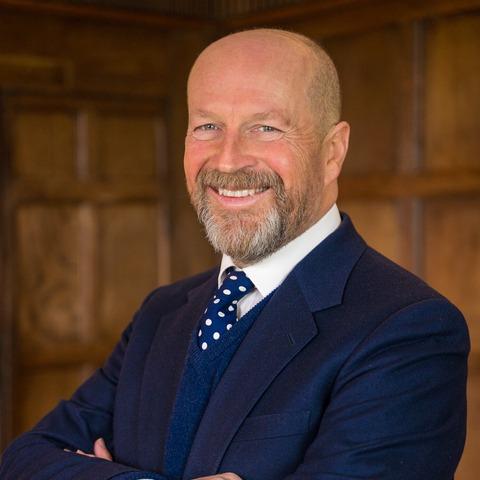
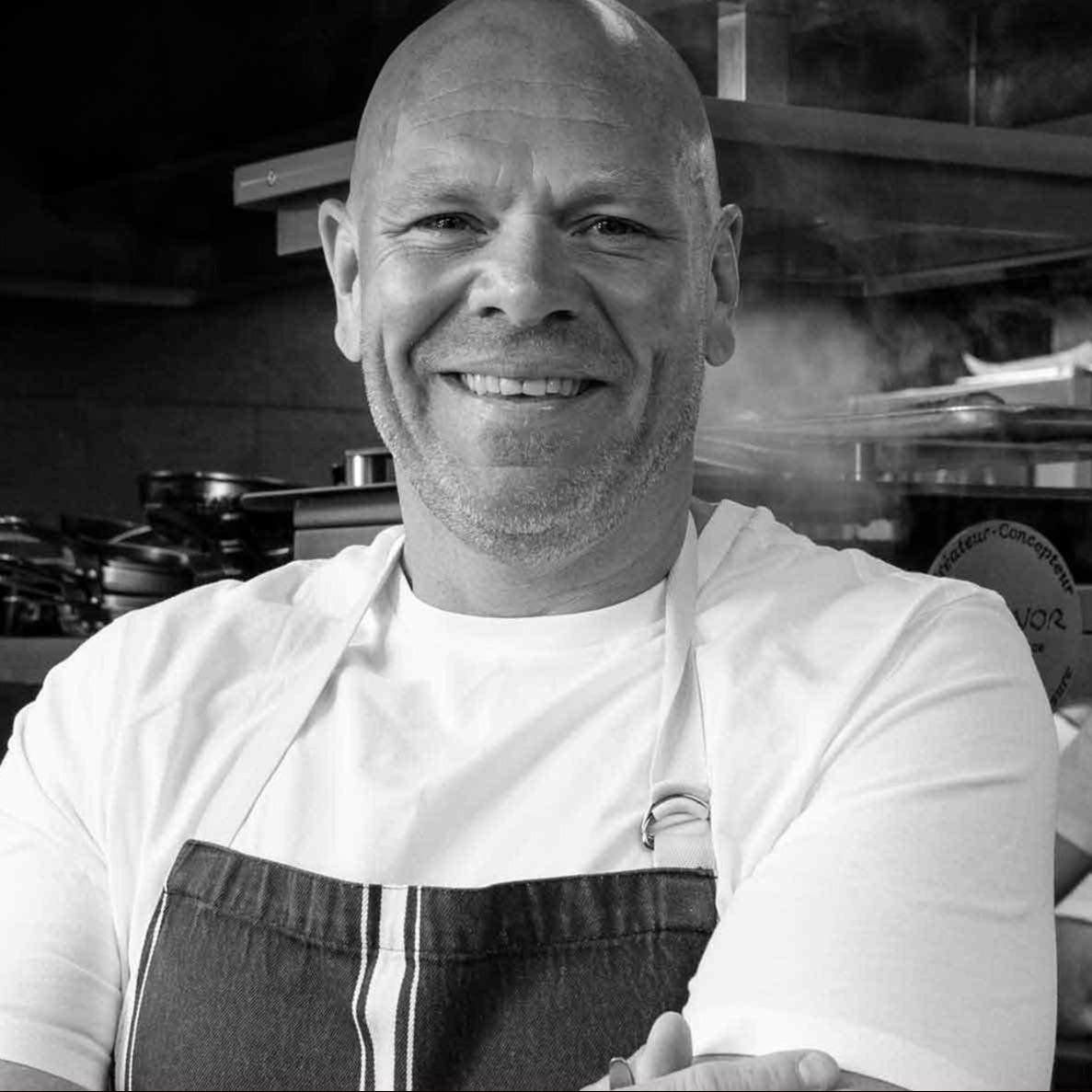
In this episode of 'All About Business,' host James Reed speaks with renowned British chef Tom Kerridge. They explore Tom’s journey from washing dishes in small kitchens to becoming a Michelin-starred chef and a successful business owner with a portfolio of restaurants.
Tom discusses his approach to leadership, the ethos behind mentoring young professionals, and his thoughts on balancing passion with business acumen. They also delve into Tom’s personal transformation, including his significant weight loss and sobriety, and discuss the broader challenges facing the hospitality industry, including taxation and workforce management. The episode offers actionable insights for budding chefs and entrepreneurs, highlighting the importance of resilience, mentorship, and maintaining authenticity in the face of success.
02:40 Early career and challenges
08:52 Building a culinary empire
13:10 Philosophy and success
17:11 Mentorship and team building
27:18 Journey to sobriety
31:29 Embracing neurodiversity in the kitchen
40:52 Challenges in the hospitality industry
47:16 Future plans and reflections
Follow James Reed on LinkedIn: https://www.linkedin.com/in/chairmanjames/
Visit Tom Kerridge's website to learn more about his food, venues, books and other ventures: https://tomkerridge.com/
Tom: [00:00:00] We're not heart surgeons. No, we're not rocket scientists. We're not doing anything of major catastrophic effect if it goes wrong. As long as
James: you don't poison people, I suppose. Yeah, exactly. Yeah. I mean those are,
Tom: yeah, obviously be quite a big thing bad, but the reality is that you can allow people to make decisions within your company when the knock on effect.
Tom: Essentially isn't that bad. They are solvable problems.
James: My guest today is Tom Carriage, one of Britain's best loved chefs known for his Michelin Stard pubs, bestselling cookbooks, and television work. Tom's journey has taken him from high pressure kitchens. To leading one of the most respected names in modern British hospitality.
James: We'll be talking about how he's grown from one pub to a portfolio of venues, the lessons he's learned about leadership and resilience, and how he's managed to stay authentic while becoming a household name.
Tom: The business ethos has always been built on young professionals.
James: What do you look for in those youngsters when they first join you?
James: It's an
Tom: attitude. If your first question is, how much do I [00:01:00] get paid? How many days off do I get? You're not the right person for this job, right? What we want is passionate people that won't do it. I pushed and pushed really hard. I would do 18, 20 hour days, and then I would escape into booze for the remainder of that day and then go back to work again.
Tom: It was a very much this. Yeah, so 6:00 AM till midnight, and then midnight till two 30. You've gotta make a decision. You've gotta make a change.
James: What advice, Tom might you give to your younger self, you know, starting out again in your career?
James: Welcome to All About Business with me, James Reed, the podcast that covers everything about business management and leadership. Every episode I sit down with different guests of bootstrap companies, masterminded investment models, or built a business empire. They're leaders in their field and they're here to give you top insights and actionable advice so that you can apply their ideas to your own career or business venture.[00:02:00]
James: Today on all about business, I'm delighted to be talking to Tom Carriage, who's actually welcomed me to his wonderful bar and grill in the Corinthia Hotel in London. Um, we're in magnificent surroundings here with lots of people enjoying themselves around us. And if you're thinking of somewhere to go at Christmas to have a good meal, I couldn't recommend Carriages, bar and Grill more highly.
James: It's a splendid place and I've eaten here many times, so I'm looking forward very much to talking to you, Tom. Uh, we are sitting here in this splendid room, in this magnificent hotel. You have a very successful restaurant here, but let's. Roll back the clock. How did this all begin?
Tom: Uh, a little bit by accident.
Tom: I ended up in a kitchen when I was 18 years old. Um, I needed a job washing up, so I grew up, um, uh, on a estate in glossary, a single parent family. My mom and dad split up when I was 11, uh, and I just kind. Uh, floated [00:03:00] about, didn't do very much. School was, I love going to school, but it really wasn't my thing.
Tom: I was, that was back in the day when school and exams were all about being taught stuff, remembering it and then writing it down. Again, an exam means that you are intelligent and actually, you know, we all know moving forward that vocational skills, being proactive about what you do, like isn't just about remembering academic.
Tom: Facts and figures. It's actually about being able to be involved in stuff. Being in, being involved in i I in connecting with, whether it's with business, whether it's with people, or whether it's the actual skill set that you actually want to learn a trade, for example. But so school was, um. It wasn't, I, I loved it.
Tom: I loved hanging out with my mates, but I wasn't, I wasn't there. I wasn't, there was no plans for A levels at, AT and university, right? Yeah. It was like, what can I do? And I ended up in the kitchen when I was 18 years old, needing, needing money, needed a job, and I ended up there washing up.
James: Where was that though, Tom?
James: That was
Tom: at a place called the Painswick Hotel. Um, oh, I know
James: [00:04:00] Payne, so near Stroud. Yeah, exactly. Near Stroud. Yeah. So
Tom: I'm from Gloucester, so it was just over the hill. Uh, and I went into there. Started washing up and that was the first point of there was an energy and an excitement and a buzz and this kind of electric kind of current flowing through the, the, the, the kitchen, but also throughout the whole building in terms of what hospitality and the people that worked in hospitality and that, that I, I instantly connected with it.
Tom: Now, even on a choir today, there was a sense of there was a sense of people doing things that were passion. There was a sense of things that were. Of people coming into the business that were passionate, you know, whether it was wine suppliers or fruit and veg suppliers, or a butcher, or there was, um, it, it was a whole collection of, um, so many different peoples as, as well.
Tom: It was a completely eclectic, diverse mix of, you know, if you come from a a, an estate in glossary that's mostly working class kids and their parents, all of a sudden you [00:05:00] come into a world where. Irrespective of race, religion, sexuality, educational background, economic background, you were all in it because you loved doing it.
Tom: All of a sudden it was a, and also ages and, and experiences and world travel and so many different people that you can learn from. So straight away there was this kitchen buzz that I. Thoroughly fell in love with, and it wasn't really from a love of food, although I've always loved food. It was a love of the space and the energy and the environment that grabbed me.
James: That's so interesting. So that was really infectious. You really caught the bug in a, in a sense. Um, so how did you move from washing dishes? To becoming obviously a very accomplished chef who someone must have taken you under their wing. Did they? Yeah,
Tom: kind
James: of. I mean,
Tom: what happens in hospitality, like many other things, we have something called battlefield promotion.
James: Battlefield promotion. I like sound of that. Yeah.
Tom: Well, normally it means when somebody, someone else fired, gets fired. Right. Who walks out in the middle of service or doesn't come back the next day. Right. You are now the pastry chef. Right. [00:06:00] Like it was like, it was a movement from washing up to can you help do the starters and the salads?
Tom: Can you do, and then all of a sudden it starts becoming, and you start becoming a, a valued member of the team. If you say yes and work hard to stuff and you just do it. You become a team member, you become a team player and you become, even if what you are doing in terms of the greater skill set of, you know, a running a restaurant or being a head chef is minimal in terms of what you think you're doing, it's actually has huge impact to the rest of the team.
Tom: Yes, they know untrust that that one job can be done properly by that person. That means that's something else they haven't gotta worry about, and they know it's a level and a standard.
James: So even at 18, you can start building a reputation. A place in a team. Yeah. And, and, and gradually go up through battlefield promotion as you put it.
James: And progress. Yeah. Kitchen
Tom: kids are very easy to understand. They work in that kind of brigade system. There's a clear pathway to, from, uh, comm chef to chef to party to junior sous chef, sous chef, sous chef, head chef. You know, you keep going through skill sets, [00:07:00] understanding, and then you go through sections and there's.
Tom: Defined really by four sections that kind of like the starters, the garnishes, the main course and the pastry. I mean, right. You can separate it a little bit more than that. And there are obviously different ladders in the, in the rung to the top that you can put in, but that's essentially it. So you can break it.
Tom: It's quite easy to understand, okay, I need to learn that and I can cook at that level and I can go, so you can, you can forge a career path very easily with just a little bit of understanding. So
James: that hasn't changed. Has it really? That's still the same now as it was still exactly the same now when you started out exactly as a sort a timeless aspects of that.
Tom: Exactly the same. So any
James: young person listening, I mean, you've given 'em a kind of blueprint for how to get started and get going and be the next Tom carriage in a way. Well, exactly
Tom: that you can understand, you know, you can get into a kitchen, you can learn, you can, you work hard. Yes. You do need mentors. I mean, you mentioned it there, you do need people to take you under their wing, and you do need people to explain, and you do need people.
Tom: It's a bit like, you know, I'm, I'm sure you might or everybody. Might remember a teacher that they liked very much at [00:08:00] school. Sure. The one person that they connected with, whether it was the drama teacher, the art teacher, the PE teacher, the physics teacher, whatever it was there. But you know, there's normally a chef or two that you go, actually, I understand their ethos, what they want, what they're looking for, and their standards of what they want to achieve.
Tom: Now you might cook better than them, or you might do something different than, but the way that they run a kitchen or the way that they hold themselves, there's always that sort of influence that comes in.
James: Yeah. And, and it, it's, it's incumbent upon us as sort of more sort of established people in the workplace to keep doing that for other, other young people, um, as they come through, I guess.
James: Yeah. I
Tom: think encouragement is, is huge. Yeah. For, for every industry. Hospitality massively now is we do need, you know, the skillset shortage, but you do constantly need. You know, I, I think it's the same in every business. You need to encourage a workforce to make personal and professional choices that help them grow.
James: Yeah. No, I agree. So you, you progressed, obviously you worked in some other restaurants after pain. So where did you go after that? Yeah, I went
Tom: to Coco Mano, which at that point outta Mission [00:09:00] Star. Then I moved. Um, to somewhere else in, in the west country called the Country Elephant, which is a beautiful little individual restaurant, just two of us in the kitchen.
Tom: Then I moved into London when I was around about 21, uh, to a place called the Capital Hotel, which as a mission star, fantastic, brilliant chefs, brilliant cooking, and all of a sudden that realization that London is a very eclectic, exciting, wonderful place to live, learn, um, see people. Uh, you become, you learn a lot more about yourself traveling to and from work for a longer time on a tube or being, you know, you suddenly start growing up in your early twenties in a, in a really excited, but also, you gotta remember that was the early to mid nineties where.
Tom: The Brit pop scene and British cookery and the art world and everything was kicking off. You know, there was like Oasis, there was Mark Pierre White, there was Damien Hurst. There was all this like it cult. It was a real cultural
James: moment, wasn't it?
Tom: A magical moment and it was so special to be a young chef in and amongst it and a part of it.
James: Another [00:10:00] question that sort of comes to mind is. What advice Tom might you give to your younger self, you know, starting out again in your career?
Tom: Yeah, I think, um, don't get so hung up at the beginning on what you think is a mistake. Just learn from it really quickly. Fail fast and go, okay, learn from it real quick.
Tom: 'cause sometimes if you dwell on the mistake, and I know that's all about a learning curve and you learn, actually I shouldn't have worried about that so much 'cause it didn't really matter. The one bit I could, you could go back and say, is that really doesn't matter. Don't worry about it. Don't dwell on it tomorrow, you another day, get on with it.
Tom: Like, forget it, it's done Now. You can't change the past, but you can. You can change the future. You can work towards something. What's, what's done is done. Move on. So like as long
James: as you learn from it, you're saying, yeah, a hundred percent.
Tom: Yeah. Don't do it again. Idiot. That's it. That's probably why it's said, don't do that again, idiot.
Tom: Yeah.
James: Of yours. So when did you. Branch out on your own and start your own business. How did that happen? Over a hundred thousand,
Tom: 2005. So that was a little
James: bit later?
Tom: Yeah. Yeah, a lot later. So I worked through different spaces, worked my way up to being a head [00:11:00] chef in somewhere. Um, spent a long time cooking as a sous chef level.
Tom: I very much enjoyed and loved that supportive role of helping another head chef. Build and understand, I would build the team around them, right? The rotors, understand the costings and build all of that and try to be the per the right hand man, the supportive role, and I took that as quite a serious learning curve more than probably anywhere else before then I took on the first head chest position, and then from there.
Tom: It went from taking that to, uh, where
James: was your first head chef?
Tom: Uh, so my first head chef position was at Adela, which was in Norwich. So I left London. We moved to Norwich. We were there for about 18 months, and then it got to a point where it was, it was about opening our own space, myself and my wife. And she was, you know, she's always worked for herself.
Tom: She's an artist. And has always been about self-employment. We wanted to create something and build somewhere and open a space that meant that I could cook and she could make uncompromised art. And that was the end. That was all we wanted. It wasn't about, uh, [00:12:00] owning, uh, uh, new numerous sites or. Being on telly or writing books or making money.
Tom: It was Well, that all happened
James: subsequently.
Tom: Yeah, that all happened subsequently because we're very fortunate. We both follow our own preferred trajectory and passion path to get to where we want to be. And you know, she's gone on and won the Global art award for sculpture, her biggest pieces at the front of the Dubai Opera House.
Tom: She's got a sell out. She had a huge show in Palm Beach at the beginning of this year. She's got a beach she's in, uh, Miami Freeze. Later this Fantastic. Yeah, later this year. So there's a lot going on for her, so yeah. Oh, good luck to her for that
James: This Christmas. Your giving can make double the difference from the second to the 9th of December through big give.org.
James: Any donation you make to over 1,500 charities will be doubled while match funds last. Whether it's supporting those with cancer, giving children the best start in life, or helping people facing homelessness, whatever charity you choose to give to. Your gift can go twice as far [00:13:00] in the big give Christmas challenge.
James: Visit big give.org between the second and 9th of December and make double the Difference this Christmas. Thank you. This new project, you know, became a huge success. It became the first gastro pub with two Michelin stars, as I understand it. Yeah, that's right. Yeah. Yeah. So what, what, how did you. Approach that, how did that come about?
James: What was your sort of, um, philosophy, I suppose, when you opened it to begin with?
Tom: Yeah, it was about trying to create somewhere where we'd like to be on our days off. And it was using all that, utilizing the skillset that I'd learned in fine dining restaurants. I'd put in inverted brackets, you know, uh, uh, like that, that sense of, you know, this is how you cook.
Tom: This is what you do, and these are the way that you make stocks and sauces, and all of that skillset of refined cookery. But putting it into a pub environment where brazing is slow cooking, and then treating the ingredients with the same level and respect, whether it's a shin of beef or a fill of beef, it still comes in the same animal.
Tom: Yes. It's still actually [00:14:00] interesting. Yes, we can make this shin of beef absolutely beautiful. And then just trying to remove what. Everybody's perception of Mission Star dining was of this pomp and ceremony. Just trying to get rid of that and trying to create a space that becomes warm and welcoming, and people feel that you have a, I, I love Temples of gastronomy, but I hate a hush dining room.
Tom: I hate that. Yes. With that sense where nobody, everyone's too scared to talk to, too reverential or laugh about a joke out lately. Like, Hey, dare you have fun in a restaurant. Oh yeah. It's like, no, we want people to enjoy themselves. Make noise, have fun, have a laugh, and a lot of that is to do with. You know, people ask, used to us, they don't ask anymore.
Tom: What's the dress code? What do you mean a dress code? Dress for clothes, actually, you know, like just wear what you, some clothes would be good. Yeah, yeah. Yes, exactly. That's right. Yeah. Some clothes. Yeah. Yeah. What the dress code? Some clothes. So it's like, you know, just come have a nice time. Enjoy yourselves.
Tom: We'll take care of some really good cooking. You come and enjoy yourself. Order some beer, wine, whatever you want, have a nice time and leave, and then tell your mates and come back. And that was kind of the [00:15:00] preference and the process for, for setting it up. And then those standards kind of, that you learn over years of, I suppose, honing a professional, getting, having and taking on personal responsibility and professionalism that you want to replicate, you know, your own personal standards into what you do.
Tom: With that Fortune, A Mission Star came along within 10 months and two stars came along in 2013. So, uh, 2012. Sorry, so seven years. Yeah. Well, within the first seven years. Yeah. Seven years. Seven years. Yeah. Seven years from f from one to, so
James: this is The Hand and Flowers, which is in Marlow.
Tom: In Marlow, yeah. But then
James: you've also got, I think the coach in Marlow, which is also Michelin
Tom: Coach Mano as.
Tom: Dark. I mean, it must be
James: well fed in Marlo. Tom, thanks to you. Yeah, it's a lovely town. Well, it's lots of happy people, I imagine. It is. It's a beautiful place on the river. I dunno, for people who dunno. Describe it a little bit. Why? Yeah, it's a
Tom: beautiful, like quintessential English town on the river, thas, but it's also one of those lovely towns that everyone feels very proud of.
Tom: They're very supportive of entrepreneurial businesses, small boutique, whether it's coffee shops or, or, [00:16:00] or, or clothes shops or hairdressers or, oh, so there's a whole, whole ecosystem of, there's a real supportive network of small businesses and. And community, and it's built on people that are, you know, things like it's built on schools and sports and communities and, you know, uh, events that the time comes together on really, really lovely things.
Tom: Did you know that
James: before you went there, or did you discover that later you could.
Tom: Sense as one of those times that when you arrive in it, you could sense it's a nice special little town. Yeah. But nowhere, nowhere near as much as we continue to to work. And you felt that it's actually, it's hugely supportive.
Tom: People are very, very kind, very supportive, very. They get behind people, you know.
James: Yeah. And I think that's something that all towns could do in a way. I mean, there's nothing to stop every place. Being more supportive of entrepreneurs and yeah, local businesses, it's young people getting going. It's easier than done, you know, monetary.
James: Easier said than done. Monetary. It's a wealthy town. It's
Tom: a wealthy town. You know, we, we, you know, there are, there, there are pockets [00:17:00] of poverty and there are pockets, uh, of people that are in need there, obviously. But actually, you know, it is a time that ha has it, it, it all kind of operates in a smaller little bubble.
James: So you, you obviously with the Ham and flowers had a very unique, um, high quality restaurant and then you opened some more.
Tom: Yeah.
James: How did you manage that process and how did you make sure you were still getting what you wanted from your different chefs, different teams, different locations?
Tom: It's all taken time.
Tom: Nothing has been rushed. It's all been organic growth. So the hand of flowers, it took us 10 years before we opened the second site. So the second site, which was the coach, that was when we had a head chef and a, so them as myself, a head chef and a sous chef. And a sous chef was incredibly good, very, um, uh, well respected within the group.
Tom: Um, incredibly, uh, super intelligent, brilliant chef. Um, a proper grownup. And you go, well. We're getting to the point that that sous chef is gonna go and be a head chef somewhere else.
James: Ah, yeah. [00:18:00] He may as well do it for us. He may as well do it. Yeah, with you. He try and
Tom: find a site. So we opened the site down the road and he moved into that space.
Tom: So then we have two great head chefs in the company, which then proved to be fantastic 'cause he took it on. Took ownership of it pretty much in terms of the daily running and making it work, and managed to win a Mission Star for it himself. And he's now, he then opened here. He opened Carriages Bar and Grill for seven years ago, so he moved from there right to here.
Tom: And then in the last year, he's left here. He's in the company for nearly 14 years and opened his own restaurant called Starling Bistro, and has won a Mission star there for himself with his own business. So that's wonderful to see that or that skill set, that entrepreneurial spirit of working with us alongside to then opening his own business and doing incredibly well.
Tom: It makes you feel very proud.
James: Yeah, it's great. And so your ethos is really to bring people up through your organization, help 'em learn and grow.
Tom: Absolutely. And then run
James: things for you.
Tom: Each chef in the business has been in the business for a long time. Tom, who's head chef here, was sous chef under Nick before he left.
Tom: Tom's been with us for six and a half years. Sarah, who's head chef of the Hand has been in the company now. For, [00:19:00] uh, 10, nearly 11 years to who's head chef at the Chalk has been in the company for 12 or 13. And that's quite unusual
James: then in hospitality, isn't it that long tenure? It's, it's
Tom: unusual, but it also means that, 'cause we allow them to join us as young kids, allow them to grow, allow them to make mistakes, it's not the end of the world irrespective of what anybody thinks.
Tom: And it could be, someone could have the worst meal and it could be. The, we've absolutely ruined their night and we've got something completely wrong. And if we do do that, we put our hands up, we absolutely will own that. But it is only a plate of food. No. What's the worst thing can happen? Okay. You've had a really bad meal.
Tom: We're really sorry. Don't pay for it. In fact, don't pay for it and come back again on us. Let's show you what we can get it. Right. Essentially all we've done is got steak wrong. Yeah, like let's not get overly upset about it. I understand it. We can solve these problems. We're not heart surgeons, we're not market scientists.
Tom: We're not, we're not doing anything of that's well put, we, we we're not doing anything of major catastrophic trophic [00:20:00] effect if it goes wrong. As long as
James: you don't poison people, I suppose. Yeah, exactly. Yeah. I mean those are,
Tom: yeah, obviously haven't be quite a big thing, be bad, but the reality is that you can allow.
Tom: People to make decisions within your company when the knock on effect essentially isn't that bad. They are solvable problems. You know, if you, and you give
James: people the autonomy to do that, absolutely. A complete permission to do that.
Tom: And that in turn helps build business because yes, for every mistake that's made, we can rectify those mistakes and they grow from that.
Tom: There's no real mistake, actually. Yeah. If you, if you are. If we put you in a position of authority and a position of managing, that's because we know that you can deal with this even if you don't believe you can do it. Yeah. And you only learn from mistakes, I'm sure you say, and you must hear it all the time.
Tom: Yeah. Yeah. I've learned from plenty myself. Yeah. You learn from mistakes, so they'll learn if something's gone wrong, well, I don't do that again. I'll learn and we'll do something different next time. So, you know, the business ethos has always been built on. Uh, you know, young professionals wanting to ask questions and push [00:21:00] themselves and allowing them to grow.
James: So you, you said that and just repeated it. You take on young, professional youngsters. What do you look for in those youngsters when they first join you? It's an
Tom: attitude. It's an attitude. It's funny, I put an Instagram post out recently, uh, for a job position and we were looking for, um, we were looking for a sous chef for the hand and flowers we have.
Tom: Find one now.
James: Yeah,
Tom: but we'd gone through all the normal processes and we'd gone through all the advertising and we'd gone through all the agencies, we've gone through all the, and actually I went, well, let's do something different here. So I put an Instagram post out and I said, if your first question is how much do I get paid?
Tom: When is, how many days off do I get? You're not the right person for this job. Yeah. Right. Yeah. What we want is passionate people that wanna do it. Yeah. Now that didn't say you're gonna get paid badly. No. In fact, you get paid very well and that didn't say you're not gonna have any time off. No. So the amount of negative noise of people going, oh, rubbish paid, blah, blah.
Tom: Oh, well you're
James: getting a lot of heat back for of that. Were you interested? But you got, but actually
Tom: we got more, we got way better transaction in [00:22:00] terms of. Quality candidate because if you are in this industry, this is one that should be led by passion. It should be about, yeah, actually I wanna do this job because, not because I'm gonna get earned more than everywhere else.
Tom: It's because I love doing it and I can grow and I can be somebody, I can be something and somebody, so. It was a really interesting thing to go through, which is,
James: well, it's interesting how it divided people.
Tom: Yeah. Divided people. I took a lot of heat on it, but at the same point, well, it was by the
James: salary.
James: You've got your sous chef. Yeah. Don't worry. The salary
Tom: is, the salary is good. It's a good salary and they do get their days off, but it wasn't their first question. And the, the person that's taken that job, they've come and they've come from a background that actually they've taken the position, we've given them the job, they've come from somebody.
Tom: They're not from a mission start background, but they have the attitude, they have said. I am the right person for this job. They've done the interview, they've done the, the trial shifts, they've done the process, and they, they've told us, I can do this. I am the right person for this. They wanna learn. And you go, this is, this is the person.
Tom: That's the person. That's what we were looking for. And it's an energy and it's an enthusiasm. It's the right way to [00:23:00] look at a vocational career. This ist a job, like it can be treated like a job, but if you're in hospitality and you want to be a really good chef. It's not a job, it's a way of life. It is who you are.
Tom: It defines you. You are a chef. You don't go to work as a chef. You are that person.
James: You are a chef.
Tom: You are a chef. Yeah.
James: No, I like that. And you are also an author. We've got some of your books and you are also a TV media personality. Yeah, I am that, well, 13 books.
Tom: 13 books. Yeah, 13 books. And why do you do so many books?
Tom: Well, there's always been, it's funny, we, we, we've now come to the end of our book deal. Um, right, and the Bloomsbury want to do more, but I don't wanna do anymore. I've run out. You've put your content out there, there, you can stop for a minute. We've got, we don't need, and there's always been a process and a reason to do it.
Tom: We've got the ones in front of us. One was a, a diet of weight loss process that I went on that, well, that was a jo, a personal journey of your own personal journey that I went, if that helps one person. That's amazing. Let's just write the recipes down and how I [00:24:00] did it, I'll do it. One is was in connection with a television show.
Tom: And you go, great, okay, well let's show, and it's showcase British Produce and amazing. And this one here is because I love doing outdoor cookery and barbecue stuff. And you go, well, these are all great. And they're, they all
James: have a particular purpose, a particular
Tom: purpose. Then when the ideas of start coming, why don't you write an air fryer book?
Tom: Why don't you write a, you know and book? Yeah. And you just go, oh, why didn't feel
James: passionate about that? It doesn't, I
Tom: don't feel passionate. This is just ticking a box for a a, a budgetary. Boardroom system for, you know, looking at p and ls for next year. Some publisher. Yeah. They say, hold a minute, that's not right.
Tom: And then the publishers go, yeah, no, you're right. Let's, let's just chill. Yeah, let's, don't worry.
James: Wait until you, you feel moved to do the next one. I agree with it. I'm not
Tom: gonna change publisher. I love working with Blooms three. It's amazing. They're great. We are, you know, yeah. We have a wonderful relationship.
Tom: Let's not just force it. Let's just wait. Yeah. So books are written because they're a passion point. Otherwise, again, like restaurants, they don't work unless you are Yes. Authentic about them.
James: No, I write books and I really like your, uh, take on that. I'm just finishing one off that's coming out in November, which I'll give you Amazing.
James: Thank you. But, uh, it's [00:25:00] called Karma Capitalism. Shameless plug everyone. Yeah. But your book here, the Dopamine Diet, um, was a journey you went on. Yeah. Because you lost, I believe, 12 stone in weight. Yeah. Which is like the, the weight of a man.
Tom: Yeah. I lost it. I lost it. Chef. You lost? I lost, I lost, I lost a whole, I lost a whole member of the kitchen brigade.
Tom: Did you? Yeah. Yeah. So over,
James: yeah. So what happened? What was the motivation for that? It's, it's an
Tom: age, it's an age process. I was getting towards 40 years old, and when you get to 40, it's very much a point of life reflection. You go, actually, what have I achieved? Where have I done? Where am I heading? Where am I going?
Tom: And I was in a, so I was in a. A, a hugely driven process, and my business has been successful because I, I dealt with an escape route which threw alcohol, right? So I pushed and pushed really hard. I would do 18, 20 hour days and then I would escape into booze for the remainder of that day and then go back to work again.
Tom: It was a very much, this 6:00 AM till midnight, and then. Midnight till two 30.
James: So you weren't sleeping?
Tom: No, not very much. I was heavily [00:26:00] drinking and, and every day and every night. And, but I loved it. I love, I don't regret that guy or that bit first. That was who you were in that part of your life. Yeah, and I needed that to drive that business, that singular restaurant.
Tom: At that point, it was the hand flowers to drive that passion, to drive that standard, to drive that energy, to be that person. It was so like a. Ball of energy. A whirlwind this big Yeah. Fucking boulder of chaos and mayhem and drive and force of nature that I pulled loads of people with me that then I needed you escape it through alcohol and then, well,
James: you can't do that forever.
James: Right?
Tom: You can't do it forever. Yeah. You go, okay, we're at. Because it got to point, we had two mission starts. I had cookery books out. I was on television, and you go, hold on a minute. I've got, but I can't, I'm not, I can't be this guy. He's gonna, he's gonna do me for, actually he was one of my best friends that I've known since I was 14.
Tom: He said to me, oh, because he is the same age. And he was like, yeah, 40. [00:27:00] Yeah. Yeah. The. Halfway to death. You go, what? He goes, yeah. If you think you live till 80, that's it. We're halfway there. And you're like, right. Alright. Okay. And then you think, well, hold on a minute. If I keep going like this, it might
James: be sooner.
James: Yeah. He's gonna, he's
Tom: gonna be sooner. There's no way. I'm not gonna do 50. Right. You've gotta make a decision. You've gotta make a change. So I stopped, I stopped drinking, changed, changed my whole life. Changed it like I'd say overnight. So you stopped
James: drinking Totally. Yeah. To completely, totally. So since then, yeah.
Tom: I, I planned it, it took about three to four months. I didn't stop the way I was drinking. I just knew there was a date, right. So I had a date in a position where I went, right, that's where I'm gonna, that's where I'm gonna stop. And I got to that date and I stopped and I stopped. And in that first year, I fell off the wagon four times.
Tom: So it was a, it was a, it was a mid-January date Yeah. Of 2013. And then by the November of 2013, that was the last time I've had a drink. Right. So it's, it's now, yeah, we're 12 years. We're 12 years sober pretty much. Right this month. Yeah. Coming. Do you go
James: to meetings? Might I ask or you just do? No, I worked out for yourself.
James: You did it all yourself. Like, I like everything. I work
Tom: out. [00:28:00] I go, well, yeah, I know what's wrong. I know what I have to do. Yeah. This is what I've gotta do. Let's do it. Yeah. Like, you know, you can work it out. You, you got no, you have to have strength with it,
James: but then you obviously prepared a different diet for yourself as well.
James: I remove
Tom: carbohydrates from a professional point view. And do you still do that? No. I, I, you don't. I I go to the gym every day. Or I try to go five, six times a week and I, and I, I try to eat a lot more sensibly. I don't eat as much, but I will have, I will have carbohydrates. I will have a sandwich. I will have something.
Tom: I will, but I, I'll, I'll just am much more in control of non chaotic eating. No, like, yeah, I mean, I'm not doing cheese on toast free. 3:00 AM after I've done 20 cans of Stellar anymore, like it's a way better place to be.
James: So you go. Sounds, yeah. Better.
Tom: Yeah, yeah, yeah. I thought you were gonna say, sounds fun.
Tom: No, that sounds better to me. I stopped drinking
James: a while ago as well. I thinking about, I was just thinking about headache you might get with 20 cans of Stellar. Yeah.
Tom: But it was, for me, car, it was fun at the time from a professional point of view. So how do you take things out of your diet? How do you make, but still operate as a professional chef?
Tom: And you go, [00:29:00] well actually car patrons are quite often. The bread, the pasta, the potato, the rice, they're, they're quite often vehicles for flavor. Right. They're the thing that add and you go, well actually that means that I can still, I can still cook in a professional manner. I can still make things work. I can still drive all flavor profiles of dishes and with an understanding and not have to worry about, I know there's chips that come with it.
Tom: When you don't have that, you don't like, so when you are driving flavors forward and, and being in that professional kitchen, it's a lot easier to do rather than calorie cans. 'cause you don't come to restaurants at calorie ca. Mm-hmm. You come here 'cause it's lovely. Yeah, exactly. So how do I continually work and process dishes on a professional basis without trying to, so I, I did a low carbohydrate diet for two, two best part two years.
Tom: I lost 10 and a half, 12 up to 12 stone. That Buy that
James: through that route?
Tom: Yeah. Through that route. Through. No, I mean, booze is a big thing. Yeah. But also through that route. Yeah. And training. And then I would, I'd swam every day. I swam a mile every day. I decided to get in the pool and just make myself do that.
Tom: Uh, and then I [00:30:00] changed my world now is so different. I'm, I'm in a different space all the time, everywhere. So there's never, I've never gotten the consistency of a swimming pool, so I changed to the gym. Yeah. So then maybe the last six or seven years, it's all been about lifting weights. So it's now, so I've focused on the numbers, on the weights and Right.
Tom: So I always have to find something to do. You ever
James: do boxing training?
Tom: No, I've thought of it, but no, it's, I, I like, I like, I like the, I like the weights, I like, I like the solitude of, of sometimes I, sometimes with the train. Do you go in the morning or the
James: evening?
Tom: Depends on the diary, but most times it's normally morning I'll do, yeah, anytime from half, five, 6:00 AM but sometimes tonight will be.
Tom: I, I'll end up probably doing an 11 o'clock one in the garage at home. So like it would be, yeah. Really. So you go
James: home at 11 o'clock at night? Yeah,
Tom: I still do one. I'll do one rather dump one. So
James: you really disciplined around it.
Tom: Yeah, I have to. Otherwise, otherwise it, it's good for my head. Good clarity of it just helps, yeah.
Tom: Poke someone. So I'll do a late one tonight and then I'll do an early one tomorrow. So sometimes I'll do one and then I, and then I'll do another. The impression I'm getting Tom is
James: you've got a huge amount of energy [00:31:00] you must have to, yeah. You know, carry yourself through all the things you're doing at once.
Tom: I dunno that my body has my, my brain has, you've got a very active mind. Yeah. So I work with, so I work like, so it's dealing with my wife. I like says it's exhausting. We've just done 25 years of marriage and she's going, yeah. I say I well done five. Oh, I hope you celebrated it 25 years. Oh well we went to the library.
Tom: It was magic. Oh, very good. Yeah, she said it was amazing. Well done. 20. You must be exhausted. She went, yes. I was gonna ask you where you'd go out. So Yes, I am. Yeah, so it's kind of. So, so it's an A DHD brain that is constantly wearing and movement. I have to find something if I'm not like twiddling my fingers or doing something or spinning a spoon or thinking of something or being, yeah.
Tom: So it's a constant, well, you're not the first
James: guest on our podcast who's said that. I mean, I think it's quite common amongst entrepreneurs and
Tom: I'm, I'm massively so in kitchens because, and, and kitchens are, why welcoming neurodiversity? Because, so whether it's from an A DHD, uh, or even slightly autistic perspective, that hyper [00:32:00] focus.
Tom: So the noise of a kitchen where there's huge amounts of things going on to somebody who isn't neurodivergent, walks into a kitchen and they see chaos. Yes, I see mayhem. Actually, if you've got an A DHD brain, it's actually, it's calm in space. It's amazing. You can see that. It feels at home what's going on.
Tom: That's it. You find calmness in the chaos of it all, and you can go with, and then for an autistic structure and brain, you can find hyper focus on going, okay, that's where I'm gonna go. And that's why I'm gonna do, and this is my, this is my particular skillset job. Now I'm gonna do macaroons for two hours.
Tom: And that's why I'm gonna do it. Every single one is perfect and every, so there's a huge amount of neurodiversity that goes on in kitchens and their, their places of solitude and, and greatness for people. Most, most chefs that have made it to the top have some form of addictive or neurodiverse quality.
Tom: That drops into their life. They, that you could, you can exceed. It's a superpower in a kitchen.
James: Yeah. I think neurodiversity is a superpower in all sorts of aspects of life. Absolutely. It is. That we're sort of waking up to now, which yeah. Is, [00:33:00] which is why
Tom: schooling at that particular point of go read that book, remember it writing down again, it's like what?
James: Yeah.
Tom: I mean, I wanna do something with yas. We need
James: Exactly. Well, no, I'm encouraging people to do things with their hands. Yeah, because AI is taking a lot of the jobs away that Yeah, yeah. They,
Tom: they might, it might help with recipe writing, but it still needs someone to cook it.
James: I like that might help with recipe writing, but needs someone to cook it.
James: Yeah, it certainly does. Can't cook for you. So, so you've, um. Develop this business in, in terms of several different locations, uh, you, you're using different brands or, but you've obviously got carriage bar and grill. Yeah. Is that something you're gonna be developing? Are you gonna open more of, or No, it's, how do you think of it?
James: The business strategically, I suppose
Tom: seven years. Seven years this has been here. And you always think restaurants will always, they have, they work. When you have individually care, heart and soul into them. Yeah. Unless you're creating a concept, which is something very different because, but we've seen
James: that a bit, haven't we?
James: You know? Yeah. Things like the Ivy being opened up all over the place. Yeah. So they consistent, that's a co Is it consistent? They're consistent
Tom: in what they do in terms of [00:34:00] interior design and you know, the food that you're gonna get. There's no fluctuation in Yeah. Standards and levels and you know what you're having.
Tom: Whereas individual restaurants. They're very important. Their success is people keep coming back to them 'cause they feel that they're an individual space and they're looked after by staff that care and, and care about the environment. And every point might have a touch point like my wife's sculptures in the middle of the room, or different bits of art or you know, tables or chairs that have been developed in a particular fashion or a, and you know, this isn't so, it's personal.
Tom: It's personal. And all of those things make a big difference. So on each site we try to make. So the Hundred Flowers is the first one, which is the two mission star space. And that's, you know, straight away from, from, you know, my heart, the heart and soul of me and Beth. And then the coaches being a development of that was, we wanted that to be the first pub to win a Mission Star with Sky Sports on.
Tom: And it was, and then we got the, was that the goal? Yeah, I like that was, yeah, that was it. Solely the Golden Go. Who was playing
James: when they awarded it? Yeah, I,
Tom: I can, to be honest, I [00:35:00] can't remember, but we have Skyport on, on, there's Little Tell is in there no sound. Right? It's just like they're on in the background whilst, you know you're eating, so it winds a star.
Tom: Then we've got Butcher Tap and Grill, which is just all about cuts of meat. A bit like the, like the meat canter here, uh, we have here, which is our London based kind. Bistro, like if you were to do a big brassy style, but actually the food is a lot more refined than that. But the room, the noise, the energy, when you look at the high ceilings and is great, and you go, what a, what?
Tom: A beautiful restaurant and a brilliant space. And then the chalk, which is another, which is a Chelsea lead, um, I suppose, uh, um, residential community pub that's just off the Kings Road. That is Right. You know, which is has individual cookery skill set that come in from Tommy, who's the head chef at the hand.
Tom: He's there. He's, he's been in the company for 12 years, so, you know, there's some great people, right? So, you know, you're gonna have a good, so each one is individual, so there's no,
James: so you are not interested in concept rollouts for yourself? You, you want no, you are more interested in the personal [00:36:00] individual.
Tom: I'd never say never, but the, the idea, the concept has to come. I haven't got the finances to put that together. Yeah. So the concept would have to come. A big finance company or a big financially backed hospitality company, and then the concept would have to be the correct one that you could go, okay. It might be fish and chips, or it might be burgers, or it might be a, a particular start.
Tom: It might be a pie shop, or it might be a, yeah, but it would have to be something that you can roll out that you would be proud of. It's the same everywhere else. It could, it'd have to be more of a branded concept as opposed to you can't have people expect to see you in it now. I'm never in any of my restaurants.
Tom: I am.
James: Yeah.
Tom: But it, we are sat here now. Somebody at the hand of flowers is going Well, he is never, he's not here today. Well, no. And somebody at the hand of flowers sat can't be everywhere at once and somebody at the coach is going, well, he is not here today. Yeah. So I am in all my restaurants. I'm just not there all the time.
Tom: Now. I wouldn't want to do a branded concept that gets rolled out. And people expect to see me in there because you're just never gonna be in there. So. Never say [00:37:00] never.
James: No. But until, until, that's interesting. That's a challenge that comes with growing a business. Yeah. You can't be as close to everyone in it.
James: You don't necessarily know everyone who works in it. Yeah. And it's probably particularly so in your line of work where it's, as you say, personal involves passion and Yeah. Is a way of life. As you say, people,
Tom: it's 200, 250 people within the company. And my, my managing director, my pa have both been with PA's, been with me for 15 years.
Tom: MD's been with us. Fair. Uh, 10, you know, and these people have tried and trusted managing a, a general manager in Marlow. Lordes has been with us for 18 years. So it's all built on Yeah. People that, yeah. All understand the DNA. We're all in it together. We all built it together. May well have my name on the front of a book and a, and the name of a restaurant, but actually it's all of us that have built this Sure collective force and brand and I suppose restaurant group together.
Tom: So you can't ever be everywhere at once. You do need to understand and learn to trust other people in the business to do things for you. [00:38:00] You also, you have to know, know your own. Weaknesses, the things that you'll rubbish at. Well find someone who's good at it. Let them do that, you know, and the things that you are not so interested in.
Tom: If somebody else is really interested in that, let them do it. Let them, you know, be a part of it. That doesn't mean to say shirk responsibility, but if there are people in those businesses that are. Good at just certain things, let 'em do it. That's
James: delegating, isn't it? Yeah. Delegating, yeah. Giving people the freedom to grow with that
Tom: delegation and having 250 people and building that team of people is really important.
Tom: We do a big party every year. Summer party, we shut everywhere and everyone comes to our house, so they come to our house every year and we have everybody there. So it feels like it's a part of something from mall, like a family restaurant. Yeah, exactly. So they all feel collectively part of something and they've been invited to our house.
Tom: It all makes it feel like it's a, yeah, a nice thing to do. We're all in it. Together.
James: Yeah. No, that's great. How, sort of stepping out of that a little bit, how have tastes changed In terms of what people want to eat? Yeah. And what they enjoy from when you started to now, you know, over the last 20, 25 years.
Tom: Yeah. Well, fashion and fads in food and restaurants and cookery changes all [00:39:00] the time. And it makes. It makes a British food team incredibly eclectic and really exciting. When I first started cooking, it was all about French classic cuisine, cooked with British ingredients, but it's now kind of grown and adapted.
Tom: And if you think we're one of the most multicultural, rich, diverse, eclectic countries in the world, and we're onto that third, fourth, fifth generation, Sri Lankan Indian, Pakistani, west Indian, like, you know, African. Nations where that those food influences are heavily coming into the way that we cook. And as British chefs and, and as British society, there's so many different influence.
Tom: We're like a magpie. We're like a, a nation of mag pies. Well, that's really, well, I'll take some chili with that and I'll take some of that. I dunno. Uh, that makes an
James: exciting place to cook and eat. Yeah,
Tom: exactly. And, and it really does and it makes it wonderful. So as those flavors and profiles go, and pubs probably are one of the most amazing versions of that because there aren't any other restaurants.
Tom: If you go to France and and or [00:40:00] Greece or Italy where you'll go, right, this is an Italian restaurant and it does pasta and pizza. In Italy, and this is a Spanish restaurant that will do paella and it will do fantastic, kind of like grilled stuff. And you know, here in Greece we have these fantastic, um, beautiful cook like cleft co or you know, slow cooked dishes or kebab style dishes.
Tom: But the British Pub, no, no other global cuisine, no other cuisine is like it where you will go, okay, well we might have a Korean spiced mackerel dish as a starter. Then we might have a lamb bo as a main course. So then we might have sticky toffee put in for. Dessert. You go, well, we go in Korea, India, like uk, like not all
James: pubs are like that.
James: Yours obviously most,
Tom: there's quite a lot of you, a lot more have a mix of that and yeah, no, that's exciting. You go. That makes it super exciting, amazing and brilliant and beautiful and that's where it has changed massively. That food scene over the last 20, 30 years.
James: What, so what are the challenges for you as a chef, business owner operator now?
Tom: Tax [00:41:00] taxation, like everything,
James: what is national insurance? Increase
Tom: national insurance. VAT is the biggest thing in hospitality. The rest of Europe sits anywhere between eight and 12%. In terms of VAT? Yeah. In, in the UK it's at 20% and that's a massive difference. So we're, it's the most taxed industry from front end taxes across the board from whether it's.
Tom: Whether it's NIC, whether it's uh, VAT, whether it's tax on alcohol, whether it's everything that's got corporation, everything that comes in is hugely taxed. Um, with no back at what we need to do is, see, a VAT relief would make a big, big difference on this industry. You know that eight to 10% difference will be the difference between hospitality venues, not only just.
Tom: Uh, I mean not many. They did that for a bit after pandemic, didn't they? Did it make a big difference? It was huge. The industry had a sense of relief. It could operate, it worked. It meant that, um, pay rises, situa. The difference between when I first started to when to now is. [00:42:00] When I first started, there was no such thing as a minimum wage, and there's no such thing.
Tom: Minimum hours worked. Now that's hugely involved. When I first started working, you'd be doing 75, 80 hour weeks and you're getting paid really badly. Now that is not the way forward, right? Yeah, we are. It's right that there is a minimum wage and there's right, that people are paid per hour and that infrastructure comes in and the hours and the time off that people get.
Tom: All of that is as course correct. However. The percentage margins where, where hospitality industry used to operate at about a 30, 30, 30% staff cost. Now all of a sudden, because the food prices inflation and you can't charge more to the guests, many places are operating in a wage bill at. 50, 55%. You know, we, that's not of cost of total cost of total cost right now.
Tom: Right now it is not sustainable and doesn't work. And the only way that restaurants and pubs and bars and coffee shops or sandwich places can make any money is what they charge you for the plate food going across the other side. Well, all of a sudden, if you take. 20% of that away, like [00:43:00] all of it, like, and the wage bill has gone up, that's where it cripples.
Tom: You need to readdress those margins. Release 10% from the VAT. That means that those wage billers will sit still. That means that everybody could get paid properly. That means the industry can survive. The wages getting squeezed at the moment. Industry is closing it and closing it, and closing it, and closing it because people can just not afford to operate.
Tom: Even the busiest places, they look absolutely packed. And they, they generate revenue, does not mean that they are generating profit. You could be, you could be a hugely busy restaurant and still be losing thousands of pounds a month. Like you and the
James: huge amount of work and effort that goes into that doesn't feel right or fair.
James: It's massive monster. Yeah.
Tom: It's run by passion. It's run by passionate people. Yeah. No one's asking to make loads of money outta the industry. What we're asking for is the industry to just exist and survive, and That's right. The only problem that we have with it is, it's not, sorry, is it's not, um, go on.
Tom: It's not like, it's not like British Steel. Or British coal or it's not like, so once it's gone, it's gone. If every op, bri, if every [00:44:00] republican, every pub, every restaurant, every bar, every shut today, like that's the end of the industry. It's not in two weeks time, it'd be reopened because we all want to go out, we all wanna do it.
Tom: And there's loads of people out there go, I could run a pub and a restaurant. It's, it's a different industry. It's got, it's got infinite amount of people that want to eat out and drink and enjoy themselves, and it's got infinite amount of people that want to own the spaces. Irrespective of whether it makes money or not, but they're not making money.
Tom: It is one of those industries that is on the, this precipice of, of falling off like British steel coal, wherever. Well
James: also it creates a lot of jobs and it gives a lot of opportunities to younger people. Exactly. It's the fifth
Tom: biggest employer. In the UK in terms of what it brings in. And then if you think of the, uh, the, the knock on industry with it, farming, agriculture, travel, tourism, all of those things that are added into hospitality on top of it generates so much and it's used in our lives time.
Tom: So if you were
James: chancellor, if you were Rachel Re. And you've got the budget coming up at the end of November. Yeah. [00:45:00] What would you do then, Tom? Matt? What would you
Tom: reduce? VAT to 10%.
James: To 10% to 10%. And you think that would really make a difference? A
Tom: huge amount because businesses would be able to operate.
Tom: They would be able to keep going. They would be able to move, they would be able to think forward. They might even make a profit, which means. Growth, you generate growth. It's a short, it's a, it's a long term answer to, it's not gonna, it's not gonna generate her any money short term, but in longer term, no cost
James: of money.
James: Short term, yeah, but
Tom: long term. But it generates jobs, it generates well that, and then they pay tax for people with jobs, generates it, tourism and things like that. It'll come, it does come in. The knock on effect of it will be a positive one. So, yeah, my, my biggest call always to government, no matter who's in charge, and this isn't just.
Tom: This government, this is a knock on of the last 15 years of I, irrespective of who's in charge. Well, taxes have just been
James: going up, haven't they? Yeah, so they've only been going in one direct I in charge.
Tom: The industry has often looked over like and is seen as second drill.
James: Yeah. Uh, so is there someone who's a sort of champion for the industry or, part of [00:46:00] our problem is there's
Tom: lots of voices.
James: Lots of voices of, there's not a trade association, but we also
Tom: haven't got a minister of hospitality. Right. This is something else that we call for. We need, we, you, we need a front edge minister of hospitality that could sit there speaking to the business secretary and saying, actually this is what needs to go on.
Tom: So it need, but it needs somebody to understand the industry and it needs somebody to be that voice. It seems like
James: a good idea to me. It could be in the business department. Yeah. The only.
Tom: If you have a minister of hospitality, you need a ministry, you know? And then it suddenly becomes a secondary thing, and I get it.
Tom: And I get all of these problems. I do. I do understand. I am somebody who has. A much more socialistic viewpoint in terms of this country is built on a workforce. You know, I get all of the people that work here within this building, within this hotel, come to work. They have to travel. They're on their days off because they work weekends.
Tom: They have to be able to try and see a doctor or a, a dental appointment. They have to be able to, their kids have to have some, you know, an education system. Yeah. It's all of these, we have to build. Solidity for a [00:47:00] workforce. So trying to raise revenue to help people. I absolutely understand, but at the same point, you can't just blanket all business with the same, you have to look at different industries in different ways.
Tom: So from a hospitality perspective, a reduction in VAT will also help a workforce and growth.
James: Well, here, here to that, um, what next for you, for your business? I'm feeling. You know, you've got a lot on your mind. A lot going on. Yeah. There's always loads of things like you. What are you thinking about doing next?
James: What
Tom: I'm, I dunno. I'm always thinking about what should we do now and then I think we haven't got any money, we can't do it. There's no point and everywhere because of what we've just been talking about. Exactly. And, and we need to generate business in spaces and things need to work and you know, businesses need to operate and they need to operate correctly and we need to.
Tom: So there's so much concentration on, um, trying to operate the places that we have. I genuinely don't believe that next year is there's not, there's not green shoots of growth coming through. It's going to be another. It may be even more difficult year next year. So how do you keep building [00:48:00] or just maintaining road keeping the shell on the road, those foundations that you already have.
Tom: Yeah. And not let them get eroded and crumble. So that's probably the first business point of view, I think. Then on a personal nature, you always have to be, we're very lucky in our partnerships with Mark Spencer and the way that we work in food development through them. We work very hard with that from a media perspective.
Tom: Um, you're always looking at different opportunities to. Film and do things that you enjoy doing. Mm-hmm. Um, you also find, we also find ourselves with a voice. When you, when you write books and you come on television, you find yourself with a voice that has to represent an industry that Yeah. Feels Yeah.
Tom: You have a profile Yeah. That you have to use in, in the right way. Whether it's to help British farming, whether it's to help the industry, whether it's to help. Um, I mean, I come from a background of. Free school meals when it comes to, you know, trying to help disadvantage, um, a more, I suppose, vulnerable, uh, um, economic, uh, people in a more vulnerable economic situation.
Tom: Uh, so you always find, well, there's always something. I'm always trying to do something, [00:49:00] but from a business profile and perspective, we are not actively looking at expansion.
James: Right. But it sounds like there you've got a lot of things that you can. Turn your energy and talent to that will make. Yeah.
James: There's a lot to do that make a difference. Yeah, there is. And I wish you every success with that, Tom.
Tom: Thank you.
James: So I think that's a good place to finish the formal part of our discussion. I always ask two questions at the end. Yes,
Tom: yes.
James: My, the first one, um, is what gets you up on a Monday morning.
Tom: Okay. Like I've never had a Monday morning feeling and that's, I, I count that as so lucky because we have that vocational job that you're always doing something.
Tom: It's something exciting. I ne I also, moving on from when we just had the hand of flowers and it was just me driving it to now being in multi-site businesses. Author, television presenter, all of those sort of different things that drop in. There's no routine or no structure. So every day is something new.
Tom: So I never really have a Monday morning, so what gets me up is just gonna see, see what's, see what the [00:50:00] day brings. I'm very, yeah, super excited. You know, I'm very lucky. I'm 52 years old and my world has always been about food, whether it's talking about it, writing about it, cooking it, building a restaurant around and doing.
Tom: So I get up on Monday, food gets me up on Monday, food gets you up every day. Food gets me up every day. Yeah,
James: that's good. And lastly. Um, this is an interview question from my book. Why You 101 interview questions You'll Never Fear again?
Tom: Yeah.
James: And it's, um, where do you see yourself in five years time?
Tom: Yeah, I, I mean, it's quite a good que it's, it is like one of those standard, classic interview questions.
Tom: Where do you It's well, of the fate. 15. Yeah. In your job. You know, I love saying that I, I, I genuinely would like to be in a position where. We, we are just much more, we're in a more comfortable economic situation within the business, and it does take up to five years for things to turn around. Sure. It will take, it's not just something that happens overnight.
Tom: I, so I see myself still at the head of, uh, uh, of, of, I suppose driving the businesses forward, seeing personal professional growth [00:51:00] within our group, um, in the world of hospitality, maybe with a couple more weekends off in a year would be quite a. Yeah. Yeah, I think, I think that would go down well from a family perspective maybe.
Tom: Well, I very much hope you
James: get those weekends off. Thank you. And, and achieve all those other objectives. Thanks so much for talking to me. It's
Tom: a pleasure. Thank you much and it's a real pleasure for
James: me being here in this buzzing environment and, uh, wish you continued success, Todd. Oh,
Tom: thank you for all continued support as well.
Tom: Well, I'm looking
James: forward to coming eating here at Christmas with my colleagues.
Tom: Yes.
James: Thank you.
All About Business is brought to you by Reed Global.
This podcast was co-produced by Reed Global and Flamingo Media. If you’d like to create a chart-topping podcast to elevate your brand, visithttps://www.Flamingo-media.co.uk